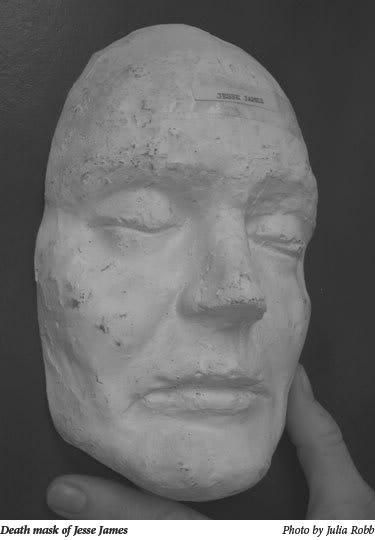
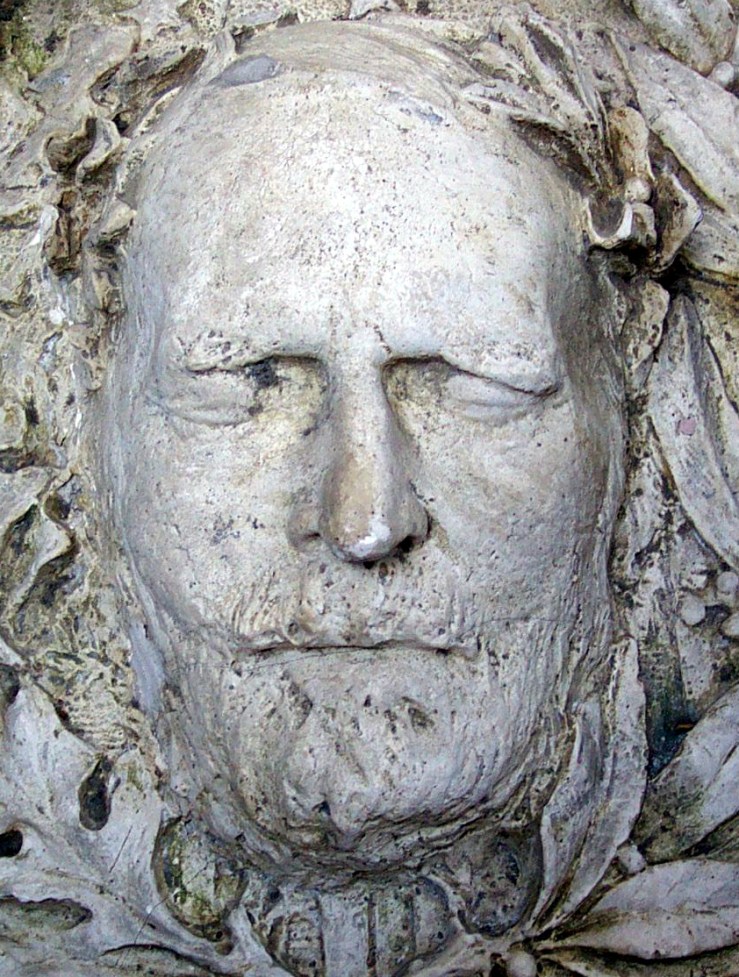
Jesse James’s Death Mask

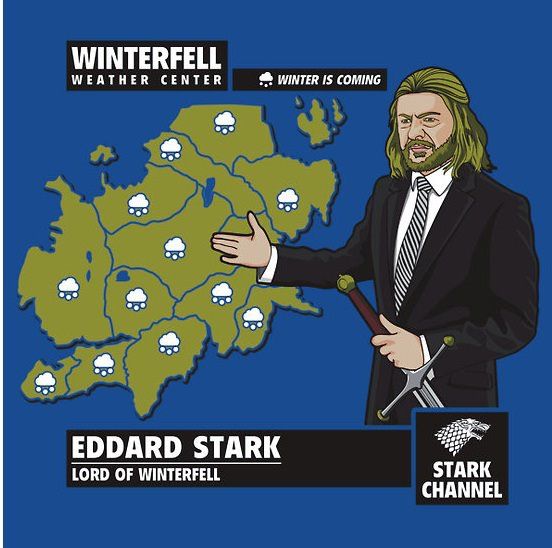
Winterfell Weather Report

The Body of Abel Found by Adam and Eve — William Blake

William T. Vollmann’s Favorite “Contemporary” Books

In a 1990 interview between William T. Vollmann and one of his editors Larry McCaffery. An excerpt from the interview appears as a list in the Vollmann reader Expelled from Eden, which is quickly becoming one of my favorite books (seriously, let’s have another volume—this is clearly the optimum Vollmann delivery system). I’ve kept Expelled from Eden’s  list format because, hey, let’s face it, we like lists—

LM: Who are your favorite contemporary authors?

WV: By “contemporary” I assume you mean “from the last two hundred years.”

1./2./3. Right now it seems like I’ve learned a lot from Mishima, Kawabata, and Tolstoy;

4. Hawthorne may be the best;

5. Then Faulkner;

6. Hemingway is usually a wonderful read, especially Islands in the Stream and For Whom the Bell Tolls—that is to say, the grandly suicidal narratives;

7. Tadeusz Konwicki’s A Dreambook for Our Time is beautiful;

8. I also love everything I’ve read by Mir Lagerkvist;

9. Sigrid Undset’s trilogy Kristin Lavransdatter;

10. Multatuli’s Max Havalaar, or the Coffee Auctions of the Dutch Trading Company;

11. Kundera’s Laughable Loves;

12. Andrea Freud Lowenstein’s This Place (which deserves more recognition than it has received);

13. Jane Smiley’s The Greenlanders (which I had the wonderful experience of finding and reading a few months after completing my own book about Greenlanders, The Ice-Shirt).

14. Evans and Agee’s Let Us Now Praise Famous Men;

15. Farley Mowat’s The People of the Deer;

16. The first three books of Mishima’s Sea of Fertility tetralogy (how could I have forgotten that?);

17. Random bits of Proust, Zola’sL’Assommoir;

18. Shusaku Endo’s The Samurai;

19.The first two books of Mervyn Peake’s Gormenghast trilogy;

20. William Hope Hodgson’s The Night Land;

21. Poe’s stories about love;

22. Everything by Malraux (especially his Anti-Memoirs);

23. Nabokov’s Glory and Transparent Things and Ada;

24. Melville’s Pierre;

25. Thomas Bernhard’s Correction;

26. David Lindsay’s Voyage to Acturus;

27. Philip K. Dick’s A Scanner Darkly;

28. A few of Boll’s short novels (Wo warst du, Adam? and The Train Was on Time);

29. Elsa Morante’s History: A Novel;

30. Maria Dermout’s The Ten Thousand Things;

31.  Walter M. Miller’s A Canticle for Leibowitz;

32. James Blish’s Cities in Flight tetralogy (which is just plane fun);

33. The first three volumes of Lawrence Durrell’sAlexandria Quartet, and I don’t know what all.

There’s lots more. I am sorry not to be able to put down less contemporary things such as Tale of Genji, which is one of my all-time favorites.
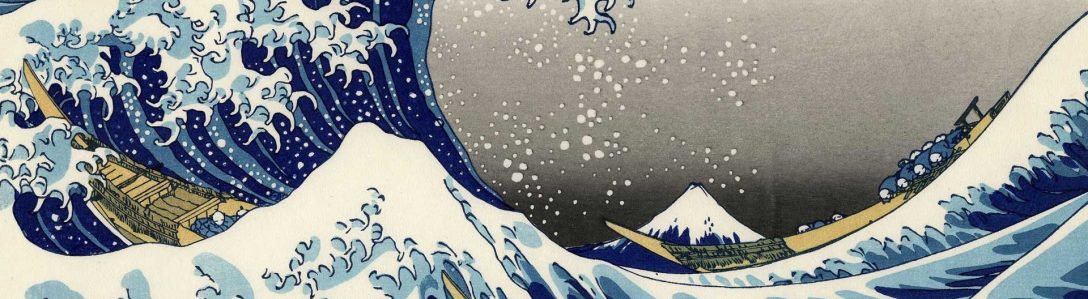
The Peach Orchard Song from Akira Kurosawa’s Dreams

A favorite scene from a beautiful film.

Book Acquired, 9.22.2011

20110922-040608.jpg

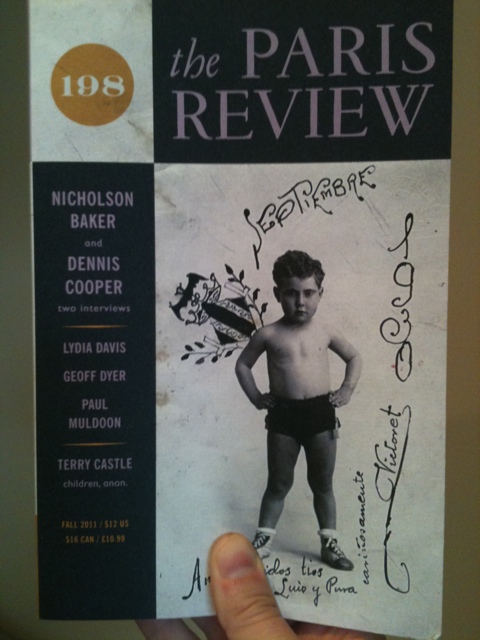
Hey! Sex! Nicholson Baker, Dennis Cooper! Lydia Davis, Geoff Dyer (maybe  not so sex). You can read the cover. Bolaño didn’t make the cover this time, and the third installment of The Third Reich is kinda skinny, but, sure, hey, another intriguing issue.


“One of the Gestures of Deconstruction Is to Not Naturalize What Isn’t Natural” — Derrida Kinda Sorta Almost Defines Deconstruction

Lebowski Nighthawks

Deadwood Bloopers

Ray Bradbury Offers Writing Advice; Wears Short Shorts

(Some Very Beautiful) Books Acquired, 9.17.2011

20110920-120114.jpg 20110920-120126.jpg 20110920-120138.jpg

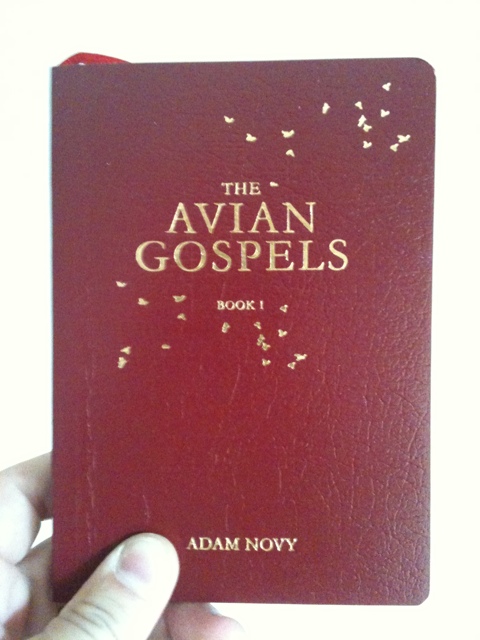
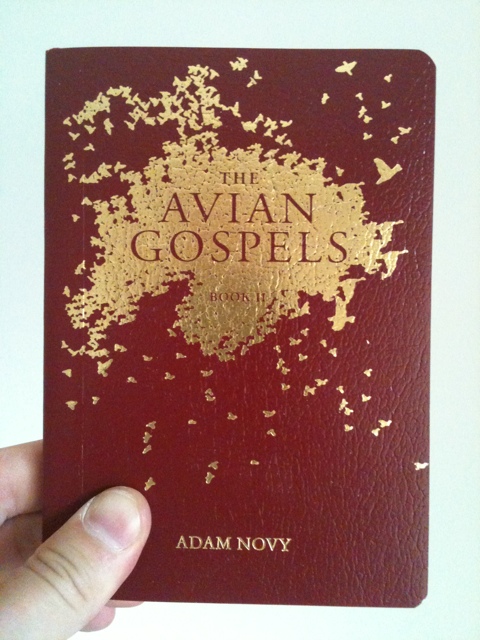
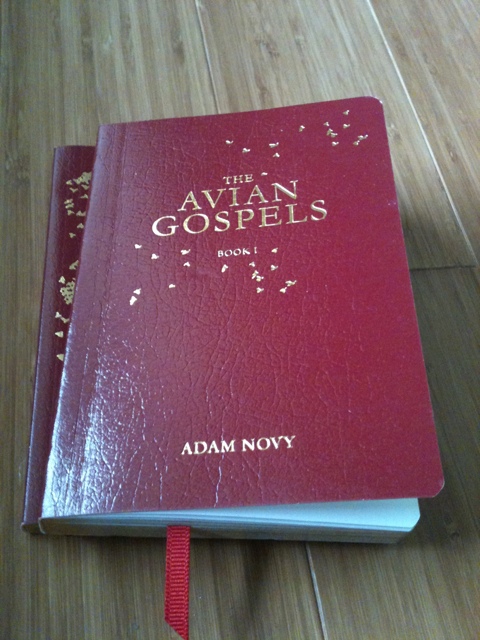
Adam Novy’s début novel The Avian Gospels arrived at Biblioklept World Headquarters this Saturday. I was at a football game all day (drinking beer and then watching my alma mater’s team vanquish men in orange), so I didn’t get to dip into these gorgeous, strange books until the next day, at which point my four-year old daughter took possession of the second volume (declaring it beautiful) and pretended to read it on the couch with me.

I’ve read the first 80 or so pages since then; so far, The Avian Gospels is about a boy named Morgan and his father, both of whom have the power to control birds. This is a handy skill, as the strange, burnt world of Novy’s novel is afflicted by swarms and swarms of birds, creatures that the Gypsies claim to be the souls of all the dead who have died in the city’s endless warring with Hungary. Ruthless Judge Giggs, the tyrannical ruler of the city, wants to enlist the talents of Morgan and his father. The book is surreal, dystopian and perhaps post-apocalyptic, but also very funny and at times even heartwarming in its tender treatment of parent-child relationships. Full review forthcoming.

Big Electric Chair — Andy Warhol

“The Lowest Male Mythology” — Slavoj Žižek on Tarkovsky’s Solaris

Writing Tips from Charlie Kaufman

Funeral Monologue, Synecdoche, New York

The funeral monologue in Charlie Kaufman’s deeply flawed, perhaps brilliant, and undoubtedly alienating directorial début Synecdoche, New York, is one of the film’s most bewildering moments (and that’s saying something). Our protagonist (PS Hoffman) has, at this point in the film, lost directorial control (forgive the redundancy) of his play (within a play within a play [all within a film, of course] . . . that never happens). His understudy/double stages a scene that is at once simultaneously maudlin, mawkish, and perhaps the most genuinely affecting moment in the film; it is pure emotional manipulation, but also, quite paradoxically, the strongest vein of truth in a film that unfolds in a series of quotation marks (inside quotation marks). Its brilliant, ironic conclusion (“Fuck everybody“) underscores the nihilism that the emotional tenor of the scene would otherwise hide (say, in the kind of MOW we might expect such a scene to appear in).

“Me & My Arrow” — Harry Nilsson (from The Point)