“On the Pleasure Derived from Objects of Terror” (1773)
by
Anna Letitia Aikin
That the exercise of our benevolent feelings, as called forth by the view of human afflictions, should be a source of pleasure, cannot appear wonderful to one who considers that relation between the moral and natural system of man, which has connected a degree of satisfaction with every action or emotion productive of the general welfare. The painful sensation immediately arising from a scene of misery, is so much softened and alleviated by the reflex sense of self-approbation on attending virtuous sympathy, that we find, on the whole, a very exquisite and refined pleasure remaining, which makes us desirous of again being witnesses to such scenes, instead of flying from them with disgust and horror. It is obvious how greatly such a provision must conduce to the ends of mutual support and assistance. But the apparent delight with which we dwell upon objects of pure terror, where our moral feelings are not in the least concerned, and no passion seems to be excited but the depressing one of fear, is a paradox of the heart, much more difficult of solution.
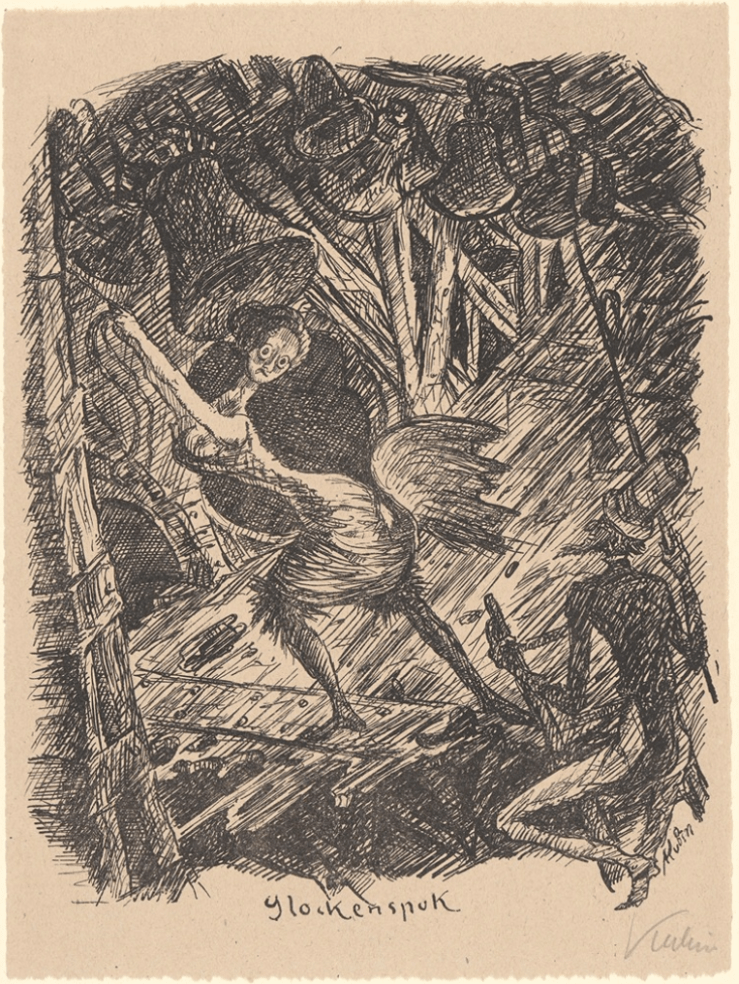
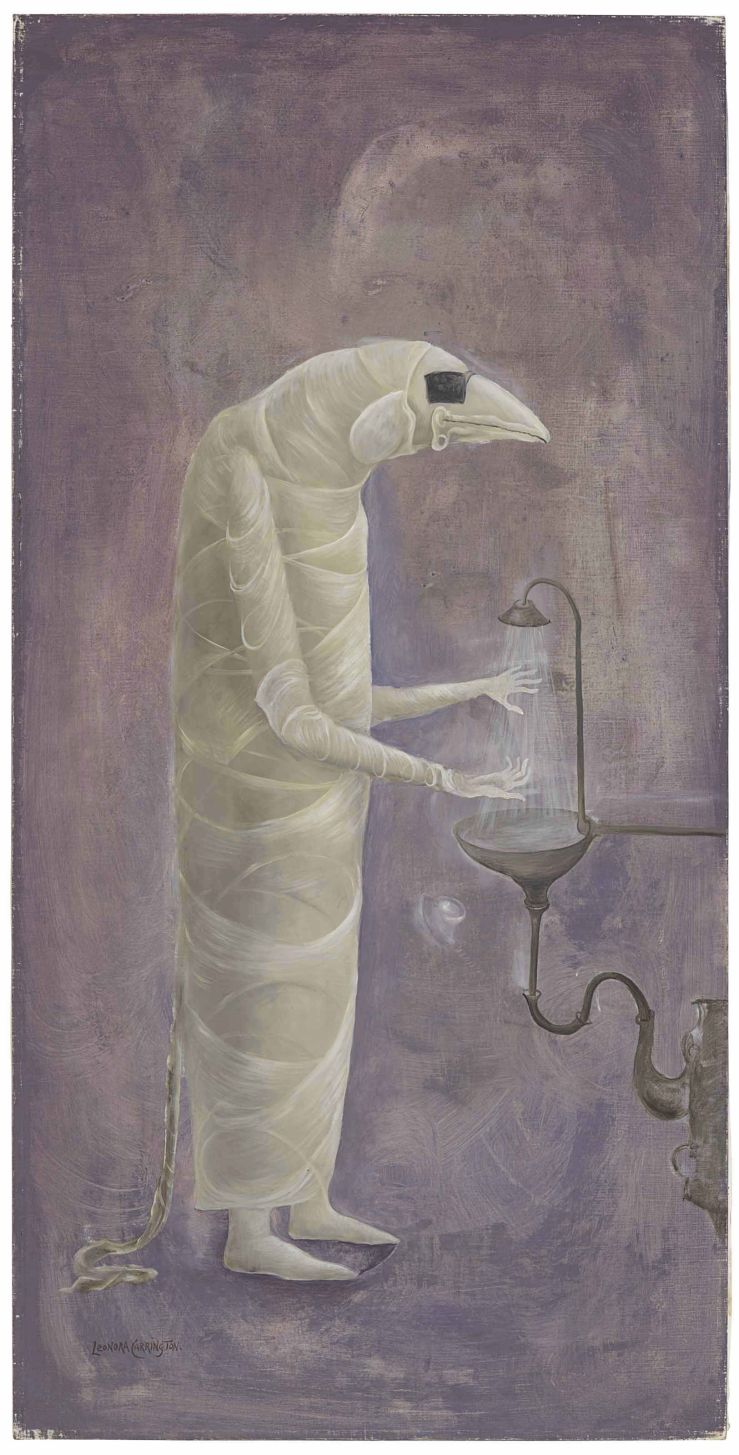
The reality of this source of pleasure seems evident from daily observation. The greediness with which the tales of ghosts and goblins, of murders, earthquakes, fires, shipwrecks, and all the most terrible disasters attending human life, are devoured by every ear, must have been generally remarked. Tragedy, the most favourite work of fiction, has taken a full share of those scenes; “it has supt full with horrors”–and has, perhaps, been more indebted to its tender and pathetic parts. The ghost of Hamlet, Macbeth descending into the witches’ cave, and the tent scene in Richard, command as forcibly the attention of our souls as the parting of Jasseir and Belvidera, the fall of Wolsey, or the death of Shore. The inspiration of terror was by the antient critics assigned as the peculiar province of tragedy; and the Greek and Roman tragedians have introduced some extraordinary personages for this purpose: not only the shades of the dead, but the furies and other fabulous inhabitants of the infernal regions. Collins, in his most poetical ode to Fear, has finely enforced this idea. “Tho’ gentle Pity claims her mingled part, Yet all the thunders of the scene are thine.” The old Gothic romance and the Eastern tale, with their genii, giants, enchantments, and transformations, however a refined critic may censure them as absurd and extravagant, will ever retain a most powerful influence on the mind, and interest the reader independently of all perculiarity of taste. Thus the great Milton, who had a strong bias to these wildnesses of the imagination, has with striking effect made the stories “of forests and enchantments drear,” a favourite subject with his Penseroso; and had undoubtedly their awakening images strong upon his mind when he breaks out,
“Call up him that left half-told
The story of Cambuscan bold; &c.”How are we then to account for the pleasure derived from such objects? I have often been led to imagine that there is a deception in these cases; and that the avidity with which we attend is not a proof of our receiving real pleasure. The pain of suspense, and the irresistible desire of satisfying curiosity, when once raised, for our eagerness to go quite through an adventure, though we suffer actual pain during the whole course of it. We rather chuse to suffer the smart pang of a violent emotion than the uneasy craving of an unsatisfied desire. That this principle, in many instances, may involuntarily carry us through what we dislike, I am convinced from experience. This is the impulse which renders the poorest and most insipid narrative interesting when once we get fairly into it; and I have frequently felt it with regard to our modern novels, which, if lying on my table, and taken up in an idle hour, have led me through the most tedious and disgusting pages, while, like Pistol eating his leek, I have swallowed and execrated to the end. And it will not only force us through dulness, but through actual torture–through the relation of a Damien’s execution, or an inquisitor’s act of faith. When children, therefore, listen with pale and mute attention to the frightful stories of apparitions, we are not, perhaps, to imagine that they are in a state of enjoyment, any more than the poor bird which is dropping into the mouth of the rattlesnake–they are chained by the ears, and fascinated by curiosity. This solution, however, does not satisfy me with respect to the well-wrought scenes of aritificial terror which are formed by a sublime and vigorous imagination. Here, though we know before-hand what to expect, we enter into them with eagerness, in quest of a pleasure already experienced. This is the pleasure constantly attached to the excitement of surprise from new and wonderful objects. A strange and unexpected event awakens the mind, and keeps it on the stretch; and where the agency of invisible beings is introduced, of “forms unseen, and mightier far than we,” our imagination, darting forth, explores with rapture the new world which is laid open to its view, and rejoices in the expansion of its powers. Passion and fancy cooperating elevate the soul to its highest pitch; and the pain of terror is lost in amazement.
Hence the more wild, fanciful, and extraordinary are the circumstance of a scene of horror, the more pleasure we receive from it; and where they are too near common nature, though violently borne by curiosity through the adventure, we cannot repeat it or reflect on it, without an overbalance of pain. In the Arabian Nights are many most striking examples of the terrible joined with the marvellous: the story of Alladin, and the travels of Sinbad, are particularly excellent. The Castle of Otranto is a very spirited modern attempt upon the same plan of mixed terror, adapted to the model of Gothic romance. The best conceived, and most strongly worked-up scene of mere natural horror that I recollect, is in Smollett’s Ferdinand Count Fathom; where the hero, entertained in a lone house in a forest, finds a corpse just slaughtered in the room where he is sent to sleep, and the door of which is locked upon him. It may be amusing for the reader to compare his feelings upon these, and from thence form his opinion of the justness of my theory.









 Biblioklept