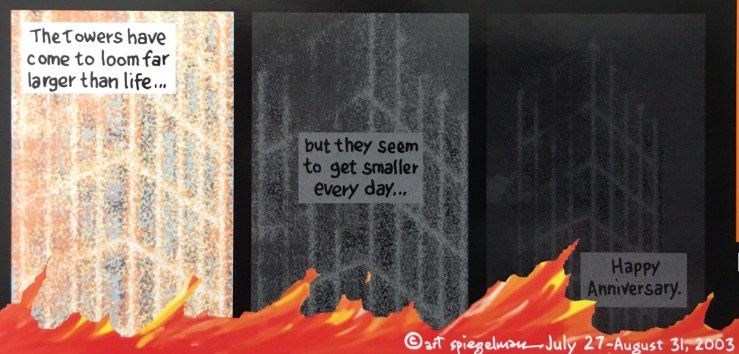
Anniversary (Art Spiegelman)

img_1026

From In the Shadow of No Towers by Art Spiegelman.


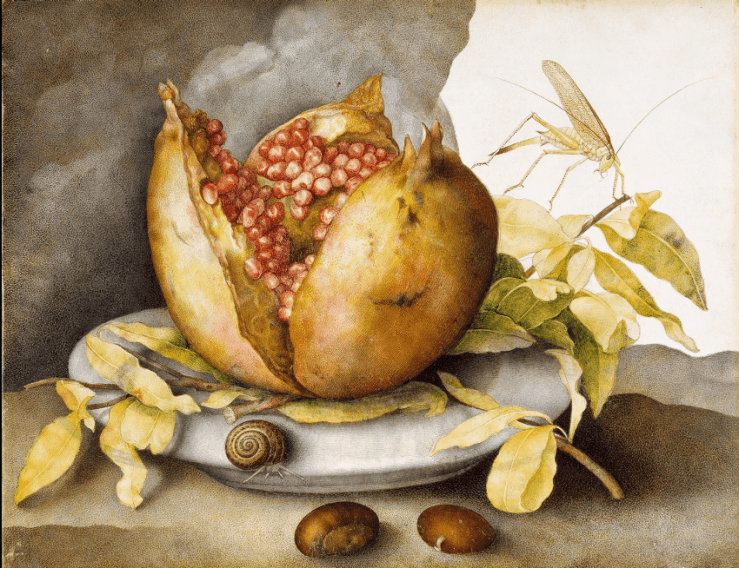
Open Pomegranate in a Dish, with Grasshopper, Snail and Two Chestnuts — Giovanna Garzoni

Screenshot 2018-09-08 at 4.54.13 PM

Open Pomegranate in a Dish, with Grasshopper, Snail and Two Chestnuts, c. 1652 by Giovanna Garzoni (1600–1670)

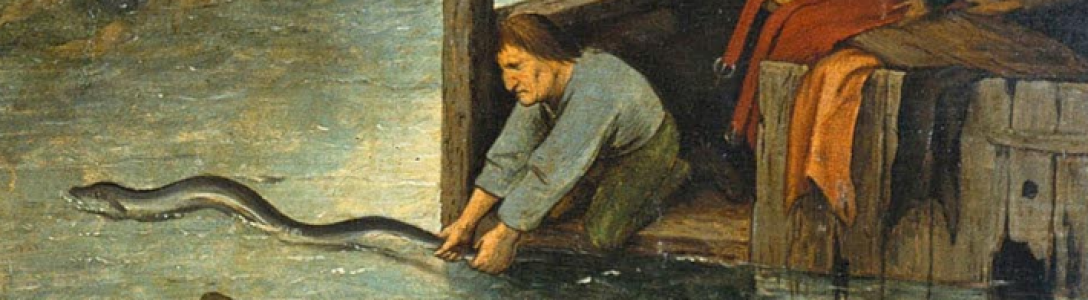
Twelve Proverbs — Pieter Bruegel the Elder

twelve-proverbs

Twelve Proverbs, c.1560 by Pieter Bruegel the Elder Original

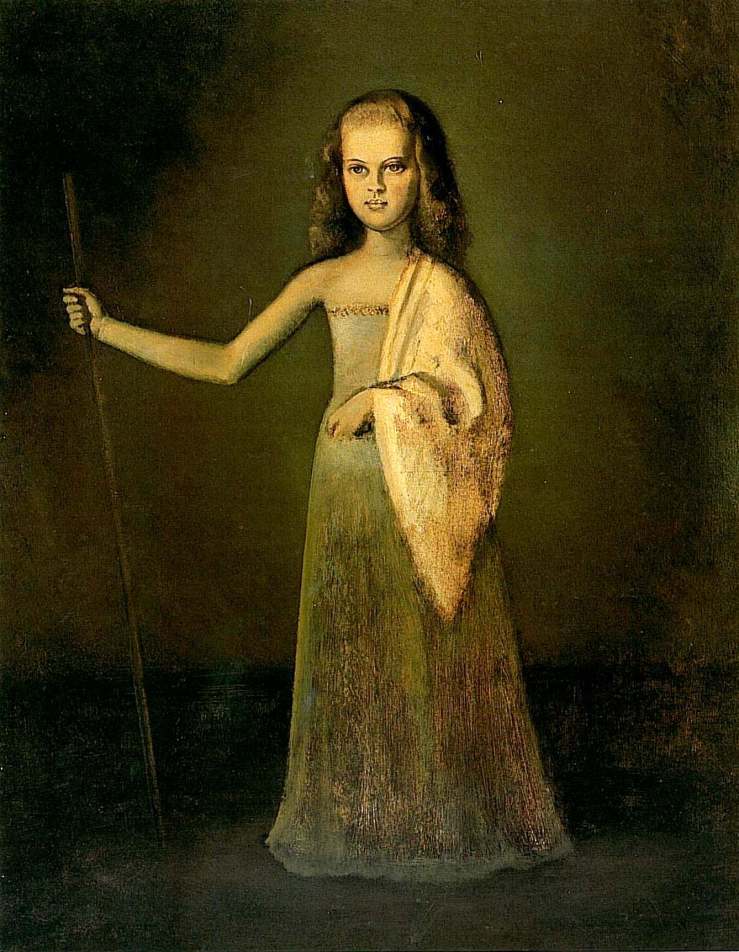
Princess Maria Volkonsky at the Age of Twelve — Balthus

princess-maria-volkonsky-at-the-age-of-twelve-1945

Princess Maria Volkonsky at the Age of Twelve, 1945 by Balthus (1908-2001)

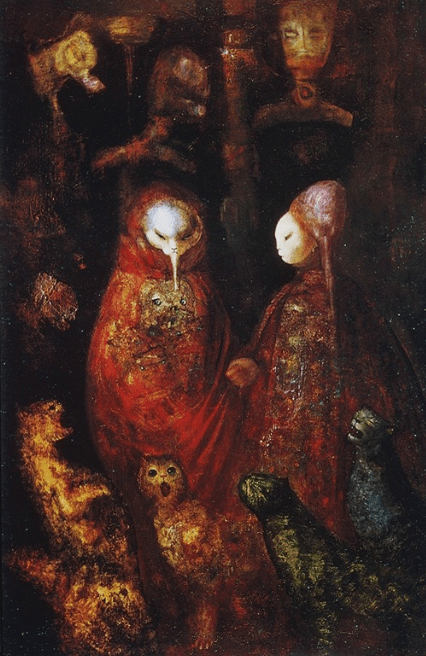
Ceremony — Leonor Fini

Screenshot 2018-09-08 at 4.23.39 PM

Ceremony, 1960 by Leonor Fini (1908-1996)

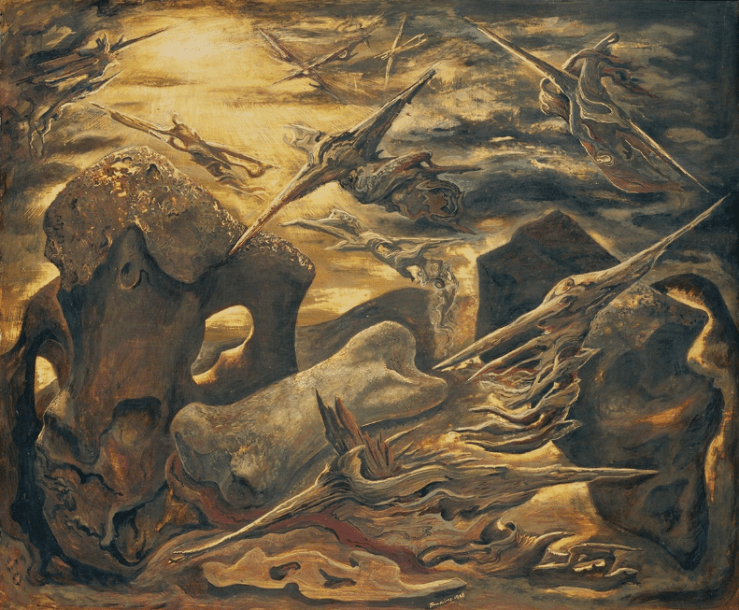
Metamorphosis — Margaret Tomkins

Screenshot 2018-09-07 at 4.33.26 PM

Metamorphosis, 1943 by Margaret Tomkins (1916-2002)

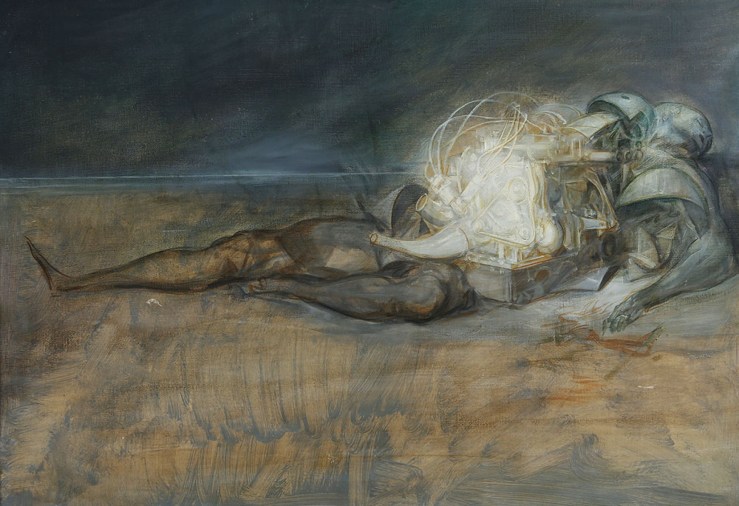
Metamorphosis — Riccardo Tommasi Ferroni

57e0f65a2858e

Metamorphosis, 1965 by Riccardo Tommasi Ferroni (1934-2000)

Culmin’s Ghost Appears to His Mother — Nicolai Abildgaard

nicolai_abildgaard_-_culmin27s_ghost_appears_to_his_mother_-_wga00016

Culmin’s Ghost Appears to His Mother, 1794 by Nicolai Abildgaard (1743–1809)

Near are the steps of Culmin; the youth came, bursting into tears. Wrathful he cut the wind, ere yet he mixed his strokes with Fillan. He had first bent the bow with Rothmar, at the rock of his own blue streams. There they had marked the place of the roe, as the sunbeam flew over the fern. Why, son of Cul-allin! why, Culmin, dost thou rush on that beam of light? It is a fire that consumes. Son of Cul-allin, retire. Your fathers were not equal in the glittering strife of the field. The mother of Culmin remains in the hall. She looks forth on blue-rolling Strutha. A whirlwind rises, on the stream, dark-eddying round the ghost of her son. His dogs are howling in their place. His shield is bloody in the hall. “Art thou fallen, my fair-haired son, in Erin’s
dismal war?”

From The Poems of Ossian by James McPherson. 

The Confidence Man — Guy Pène du Bois

guy_pc3a8ne_du_bois_-_the_confidence_man_-_google_art_project

The Confidence Man, 1919 by Guy Pène du Bois (1884-1958)

cm

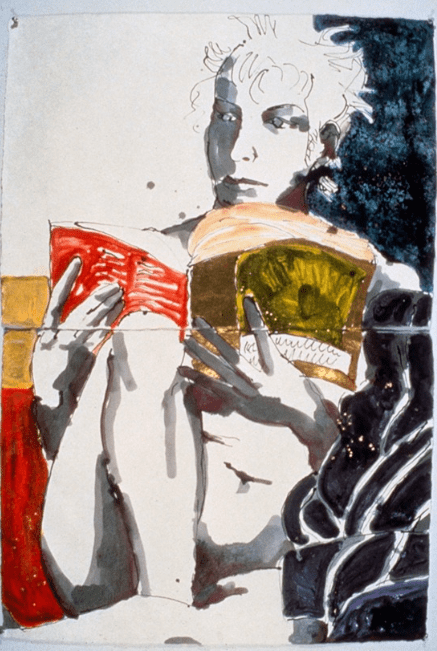
Reading — Robert Kushner

Screenshot 2018-07-31 at 5.37.53 PM

Reading, 1987 by Robert Kushner (b. 1949)

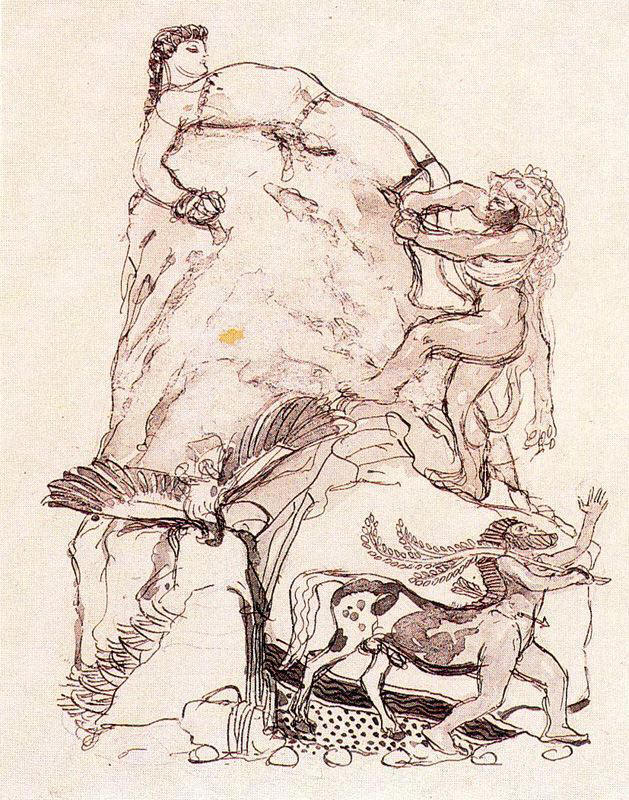
Prometheus in Chains — Frantisek Kupka

prometeo_kupka

Prometheus in Chains, 1905 by Frantisek Kupka (1871-1957)

“Youwarkee” — Jorge Luis Borges

yo

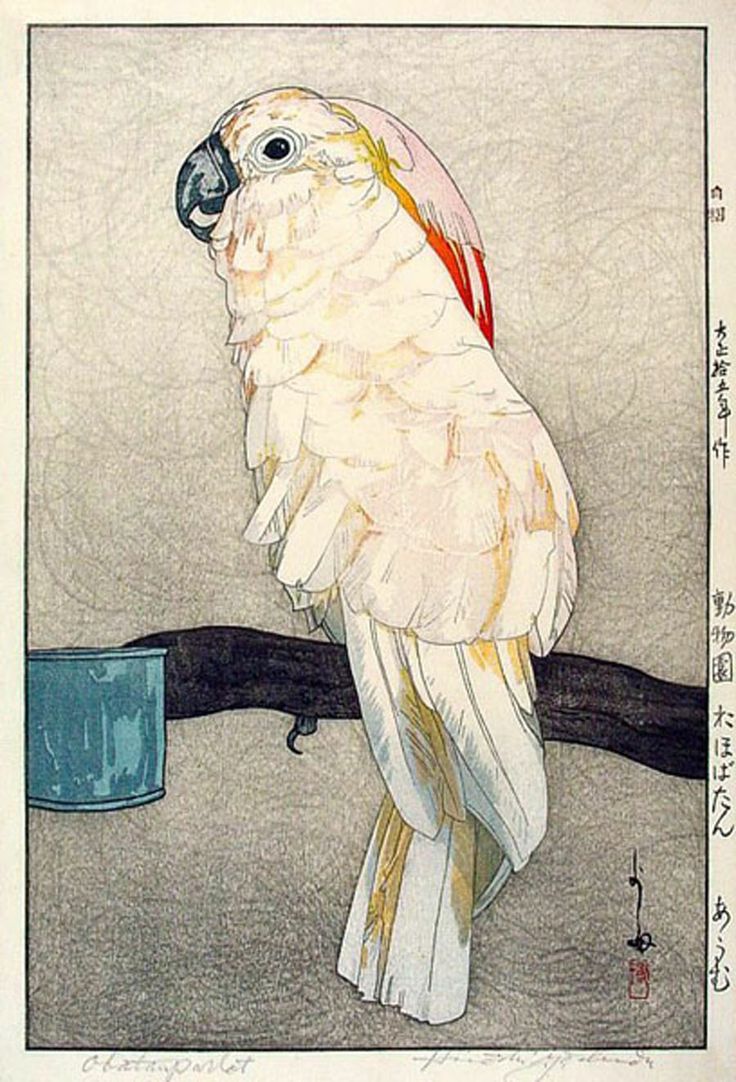
Obatan Parrot — Hiroshi Yoshida

698cf212a6c17282e4bcf8bb3608a8dd-hiroshi-yoshida-exotic-birds

Obatan Parrot, 1926 by Hiroshi Yoshida (1876-1950)

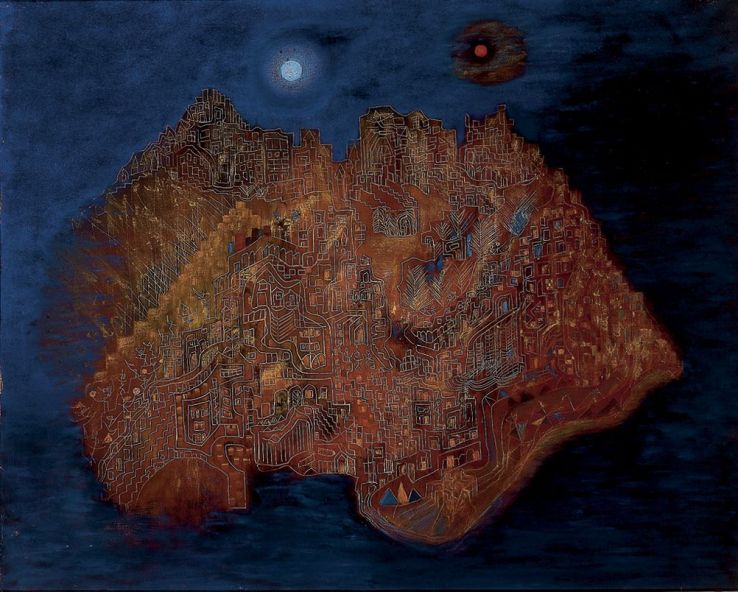
The Inner City — Alice Rahon

9e54175d8140d93f3049de38a6690254

The Inner City by Alice Rahon (1904–1987)

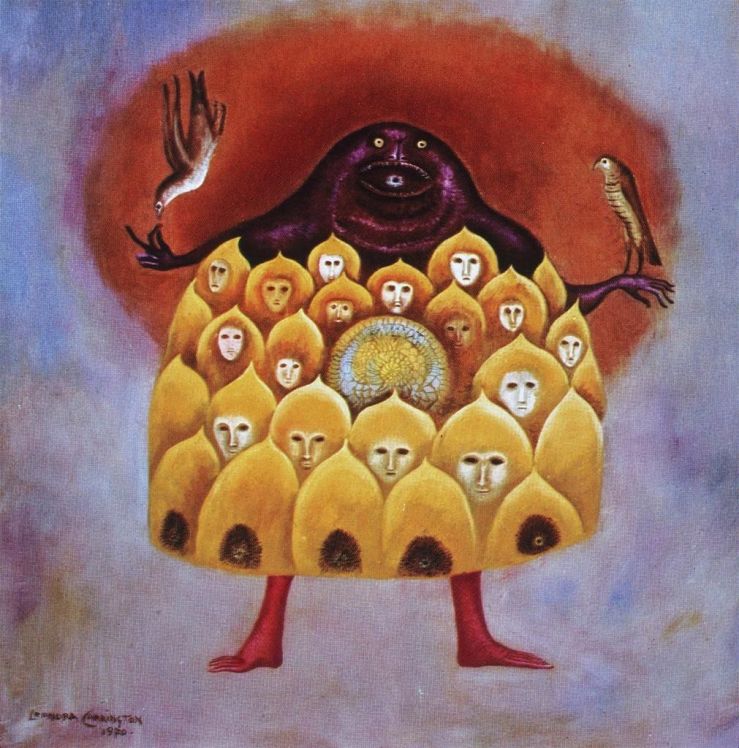
The God Mother — Leonora Carrington

08a11b329eca88910d78417434a56882

The Godmother, 1970 by Leonora Carrington (1917–2011)

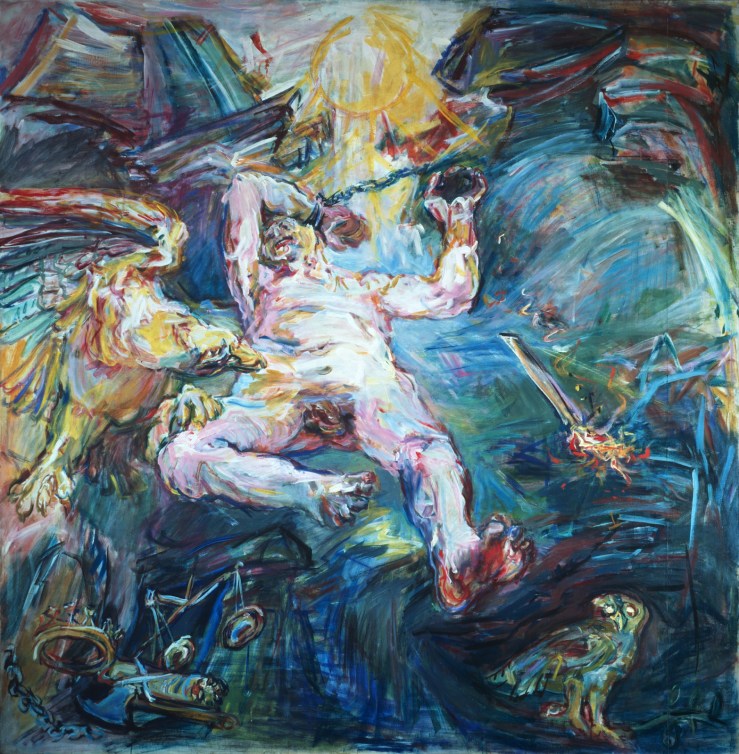
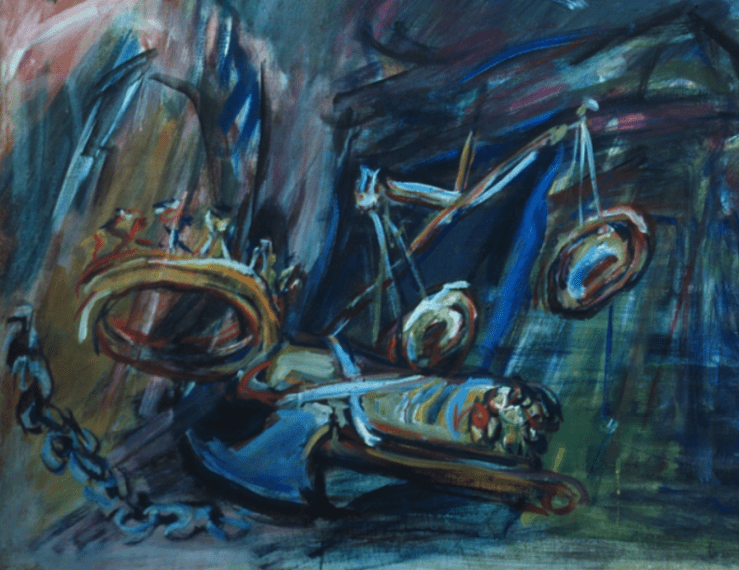
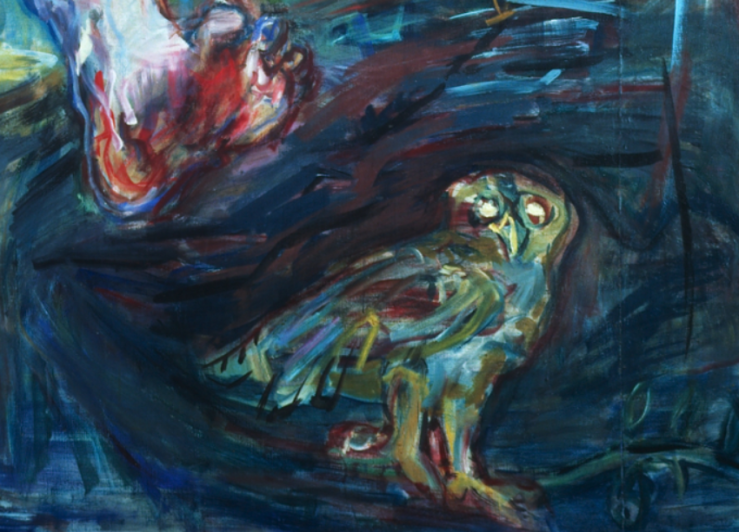
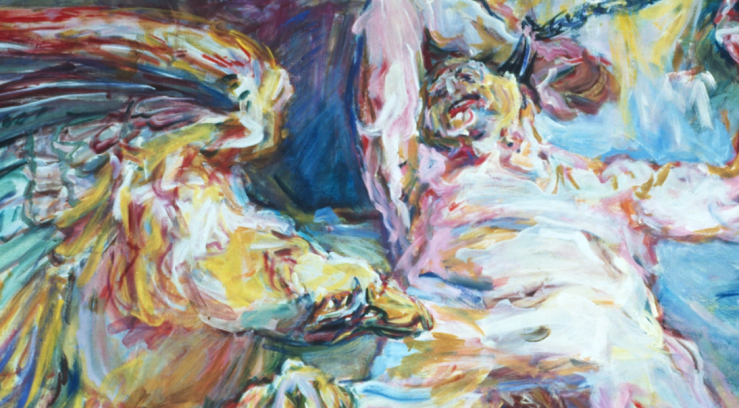
Prometheus — Oskar Kokoschka

p-1978-pg-210-3-png-10870

Prometheus (panel from The Prometheus Triptych), 1950 by Oskar Kokoschka (1886-1980)

Screenshot 2018-09-03 at 4.05.49 PMScreenshot 2018-09-03 at 4.05.37 PMScreenshot 2018-09-03 at 4.05.10 PM

Camus, Eliot, and Kuper’s Kafka (Books acquired, 31 Aug. 2018)

img_0894

I went to my favorite used bookshop on Friday afternoon to browse, order another Gerald Murnane novel, and pick up a copy of George Eliot’s Silas Marner.

I spied a late fifties mass market copy of Albert Camus’ novel Exile and the Kingdom from Vintage Books. I fell in love with the cover (by George Giusti) and ended up picking it up, although I’ll admit I haven’t read a Camus novel since college (it was The Plague if memory serves).

Browsing copies of Silas Marner, I found this monstrosity:

img_0892

I don’t even know where to start with this cover. I mean, even the colors seem to clash. It doesn’t really come across in the photo, but this hardback has a cheap greasy feel to it. I initially assumed that it was some kind of TV or film tie in, but as far as I can tell…no. Horrifying. I ended up going with the Oxford edition with Ferdinand Hodler’s painting Unemployed on the cover.

When I got home, the mail had come. It included a copy of Peter Kuper’s Kafkaesque, which collects 14 of Kuper’s illustrated Kafka translations. Publisher Norton’s blurb:

Award-winning graphic novelist Peter Kuper presents a mesmerizing interpretation of fourteen iconic Kafka short stories.

Long fascinated with the work of Franz Kafka, Peter Kuper began illustrating his stories in 1988. Initially drawn to the master’s dark humor, Kuper adapted the stories over the years to plumb their deeper truths. Kuper’s style deliberately evokes Lynd Ward and Frans Masereel, contemporaries of Kafka whose wordless novels captured much of the same claustrophobia and mania as Kafka’s tales. Working from new translations of the classic texts, Kuper has reimagined these iconic stories for the twenty-first century, using setting and perspective to comment on contemporary issues like civil rights and homelessness.

Longtime lovers of Kafka will appreciate Kuper’s innovative interpretations, while Kafka novices will discover a haunting introduction to some of the great writer’s most beguiling stories, including “A Hunger Artist,” “In The Penal Colony,” and “The Burrow.” Kafkaesque stands somewhere between adaptation and wholly original creation, going beyond a simple illustration of Kafka’s words to become a stunning work of art.