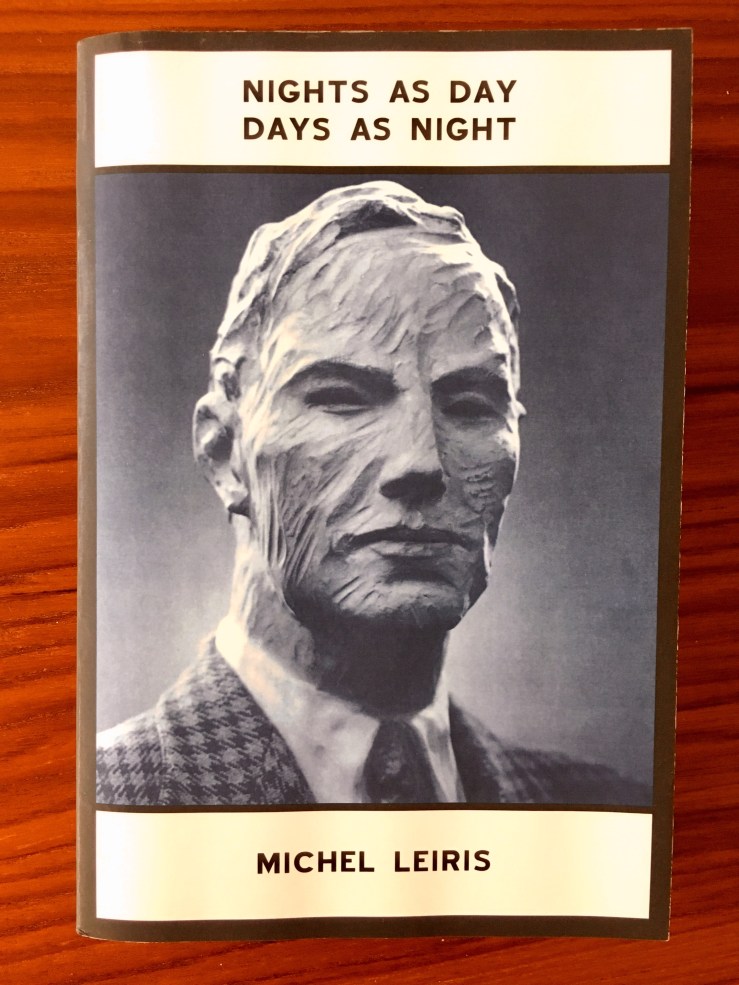
Michel Leiris’s book of dream fragments, Nights as Day, Days as Night is new from Spurl Editions. Their blurb:
Translated from French by Richard Sieburth, with a foreword by Maurice Blanchot. Hailed as an “important literary document and contemporary pleasure” by Lydia Davis, Nights as Day, Days as Night is a chronicle of Michel Leiris’s dreams. But it is also an exceptional autobiography, a distorted vision of twentieth-century France, a surrealist collage, a collection of prose poems. Leiris, author of the seminal autobiography Manhood, here disrupts the line between being asleep and awake, between being and non-being. He captures the profound strangeness of the dreamer’s identity: that anonymous creature who stirs awake at night to experience a warped version of waking life.
Whatever the setting (from circus shows to brothels, from the streets of Paris to Hollywood silent films), Leiris concentrates on estranging the familiar, on unsettling the commonplace. Beautifully translated by Richard Sieburth, these dream records often read like an outsider’s view of Leiris’s life and epoch. This outsider is the dreamer, Leiris’s nocturnal double, whose incisors grow as large as a street, who describes the terror he feels at being executed by the Nazis, and who can say in all seriousness, “I am dead.” It is an alternate life, with its own logic, its own paradoxes, and its own horrors, which becomes alienating and intimate at once. With hints of Kafka, Pirandello, and Nerval, Nights as Day, Days as Night is one of Leiris’s finest works of self-portraiture.
Michel Leiris (1901–1990) was an author, ethnographer, art critic, and former surrealist who pioneered a unique form of autobiographical writing. Praised by Susan Sontag, Maurice Blanchot, and Claude Lévi-Strauss, he made powerful contributions to modern French literature. His autobiographical works include Manhood, The Rules of the Game, and Nights as Day, Days as Night.
I’ve nibbled a little bit—something like microfictions, or unfinished fables, Leiris’ fragments are often funny and often unsettling.
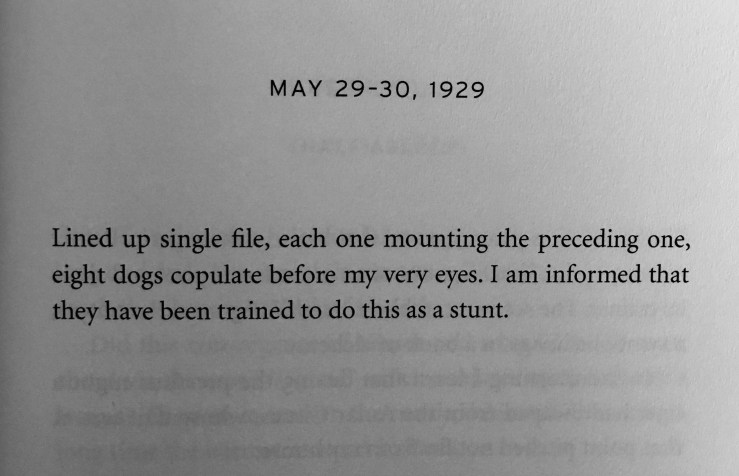
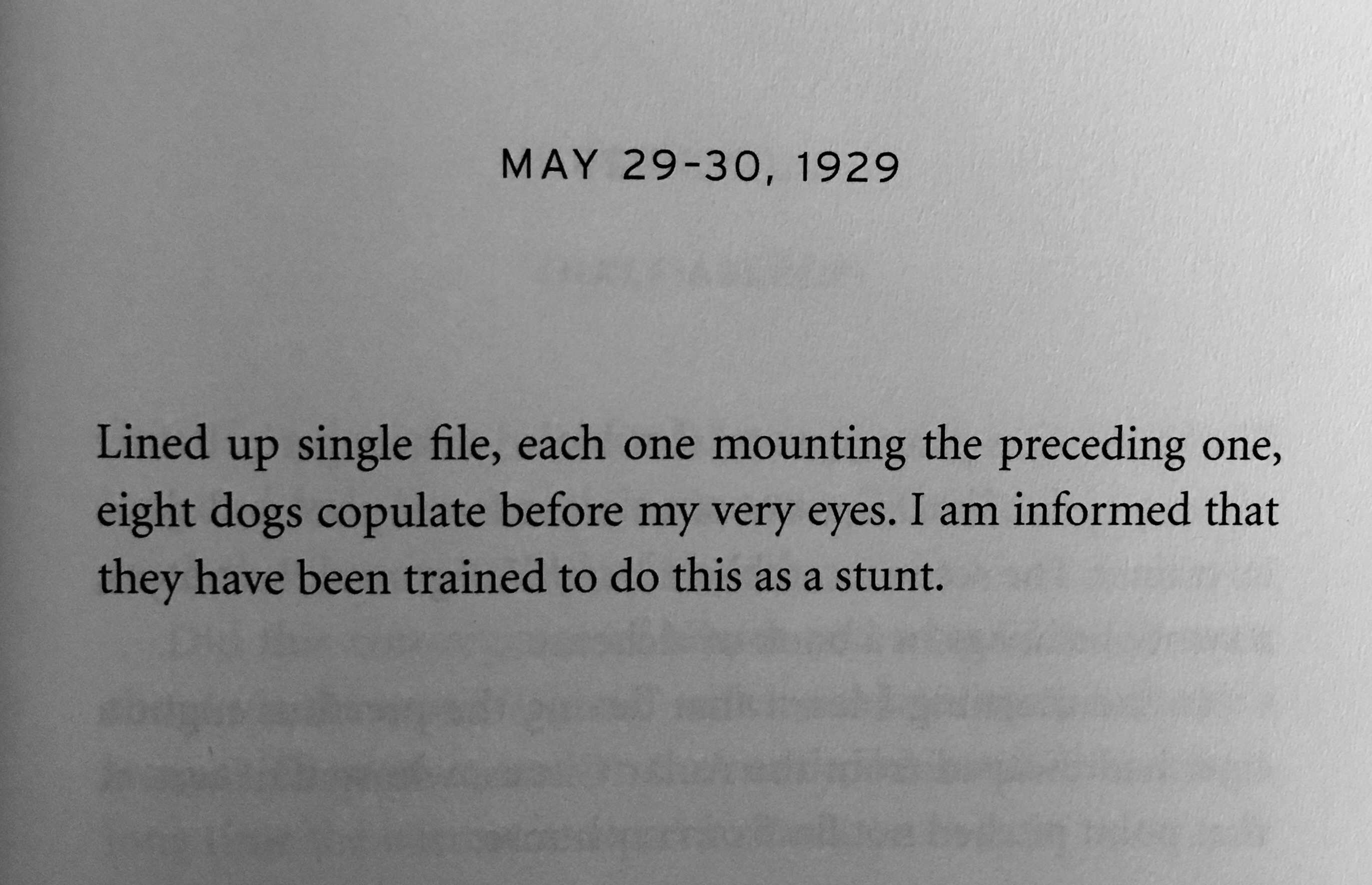
An erotic(ish) one:

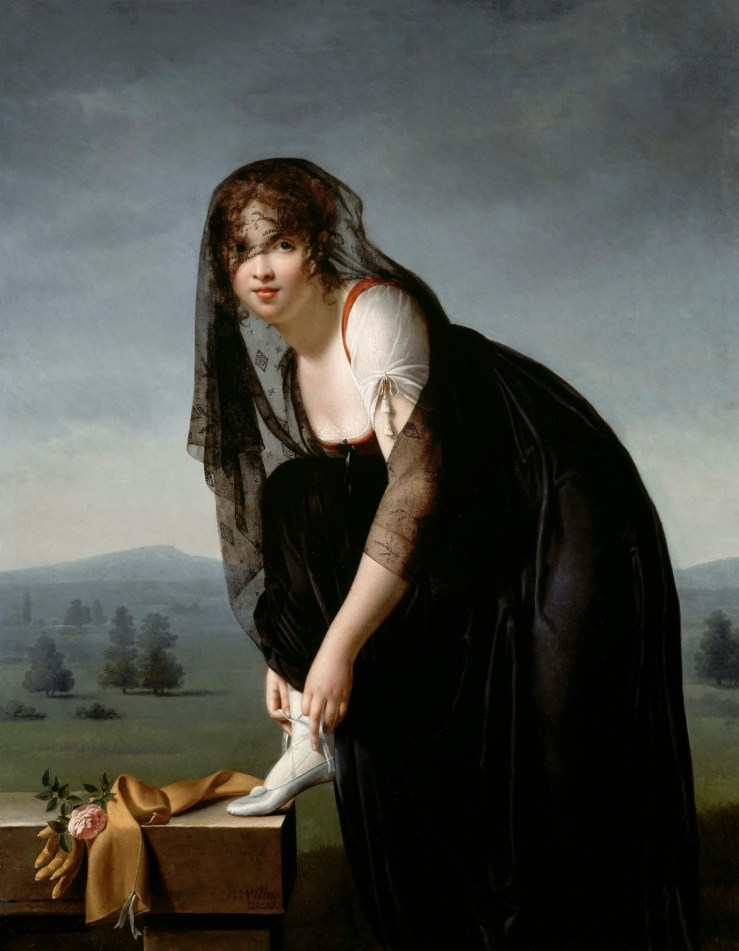
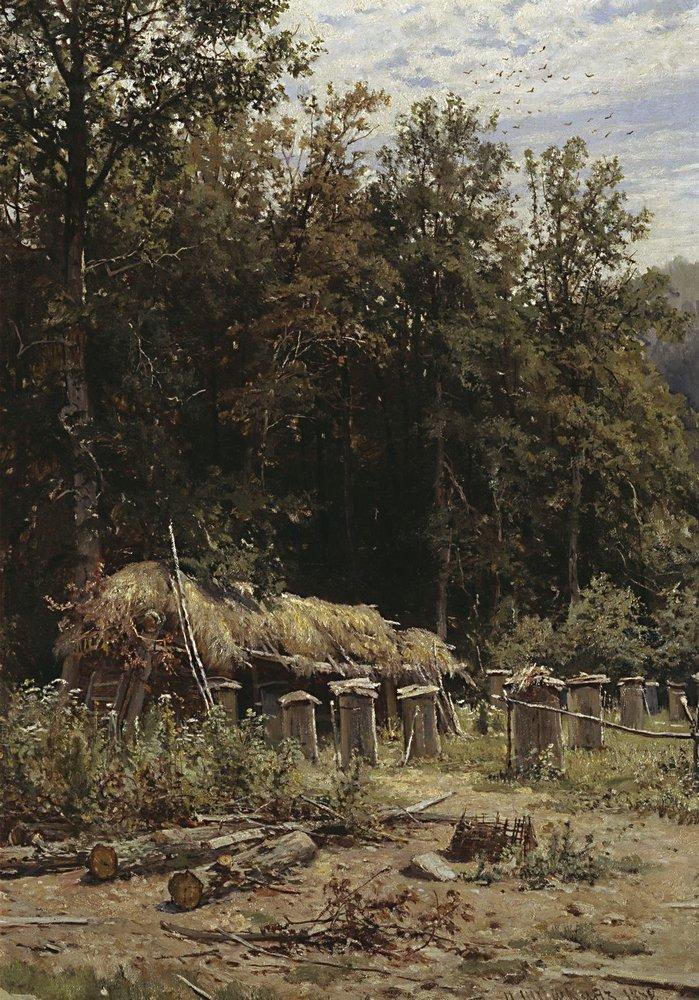
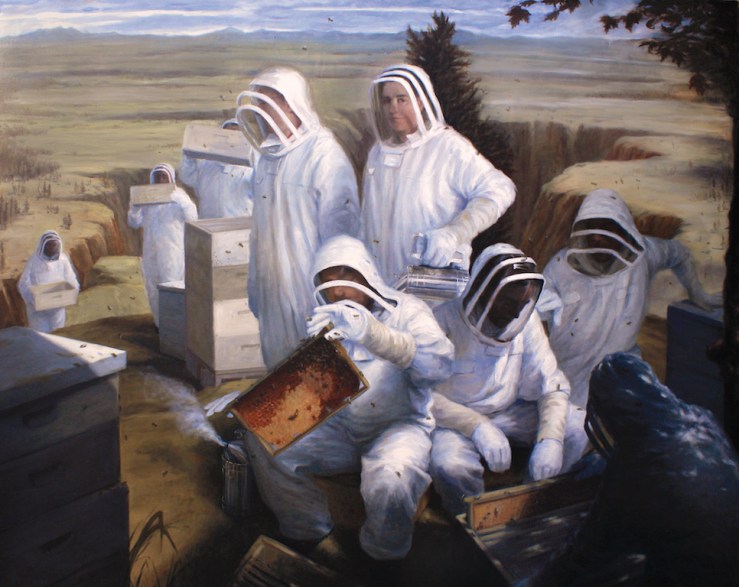
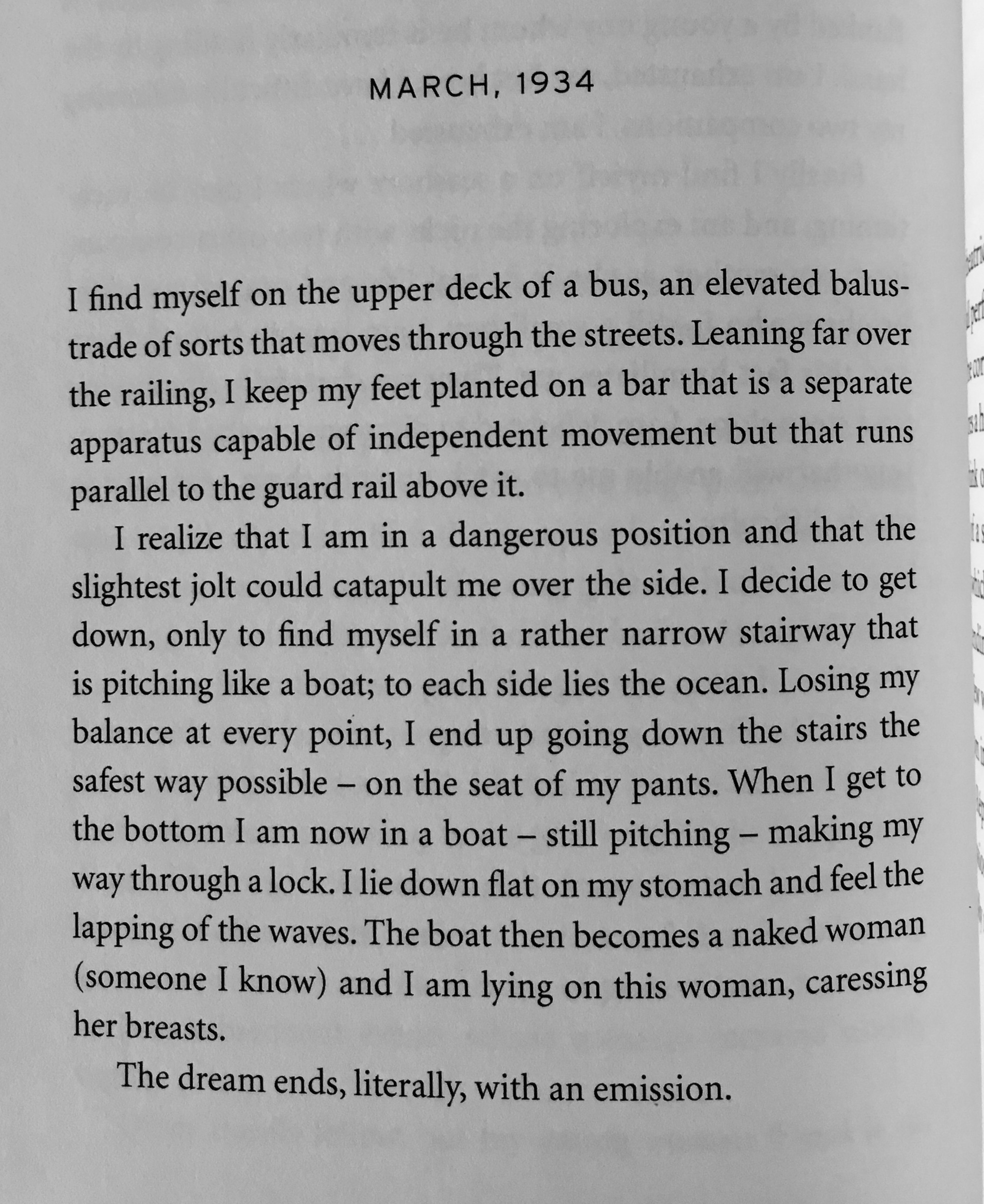
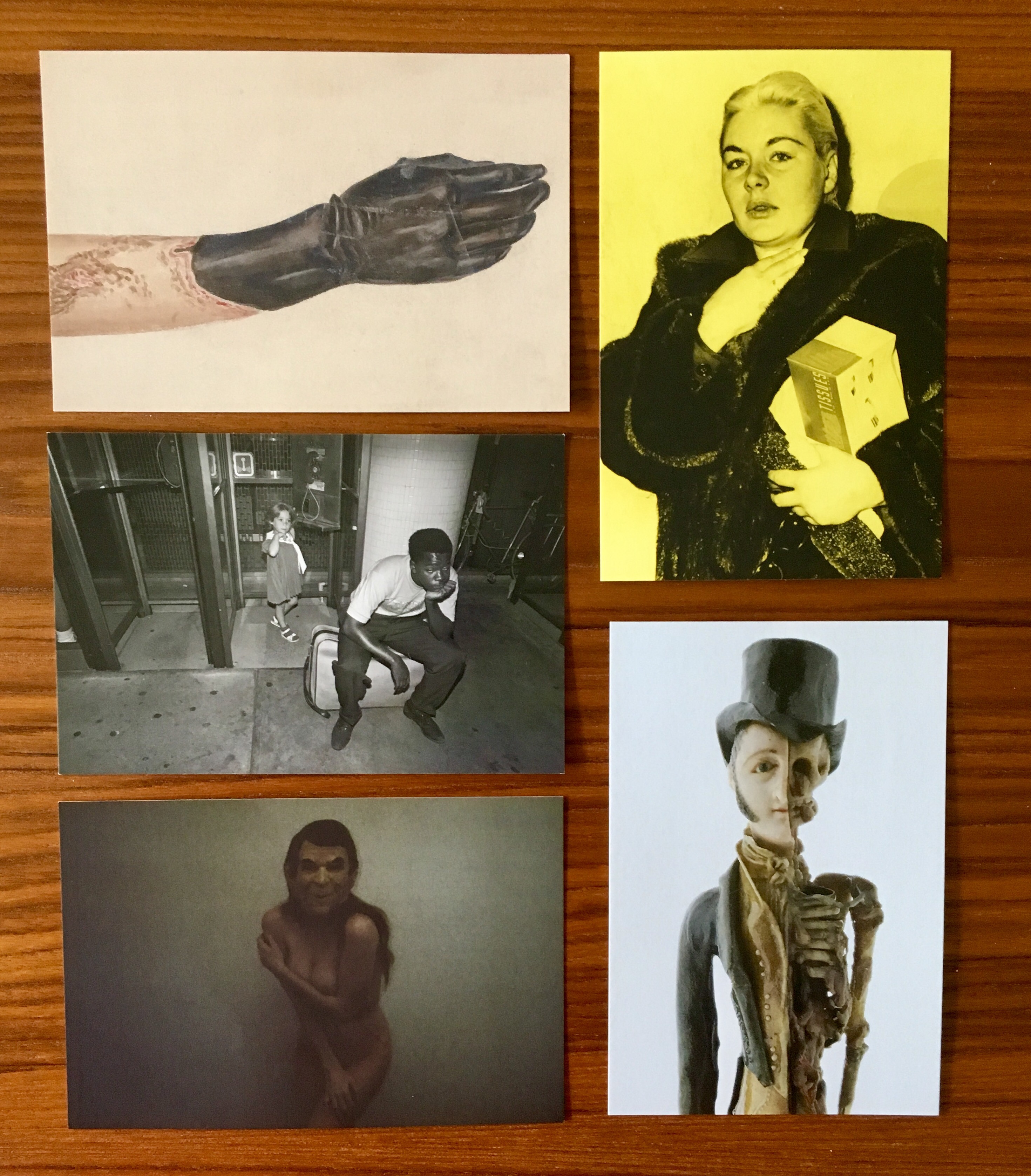
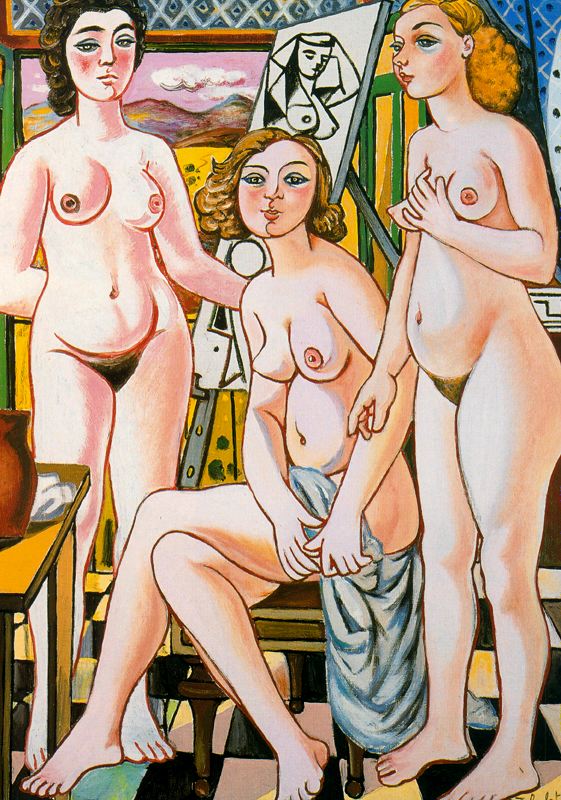
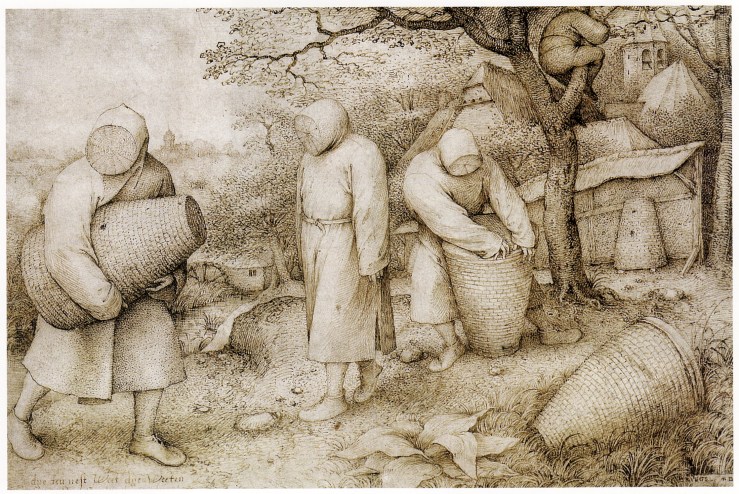
Spurl also enclosed some nice postcards.
I like postcards.
They make lovely bookmarks.






 Biblioklept