Adam Johnson Wins the 2013 Pulitzer Prize for Fiction

Adam Johnson won the 2013 Pulitzer Prize for fiction yesterday. He won for his 2012 novel The Orphan Master’s Son, which the jury notes is

an exquisitely crafted novel that carries the reader on an adventuresome journey into the depths of totalitarian North Korea and into the most intimate spaces of the human heart.

I gave the novel a somewhat mixed review—Johnson is a powerful prose-slinger and a fantastic storyteller, but The Orphan Master’s Son is overtly beholden to a standard of realism that the novel’s tone shifts cannot bear. I wrote—

The biggest problem though is the overwhelming suspicion that Johnson is simply out of his element in trying to inhabit the North Korean imagination. Although he’s clearly done his research, North Korea is essentially closed to the rest of the world. And Johnson is a U.S. American. I mean, there’s this whole other impossible-to-digest ball of wax here that makes Johnson’s admirable intent to write a novel about “propaganda” just way too complicated to suss out in a review, and I’ll admit that I tend to read like a reviewer, and that these notions just bugged the hell out of me as the novel progressed.

Reader in Green — Pierre-Auguste Renoir

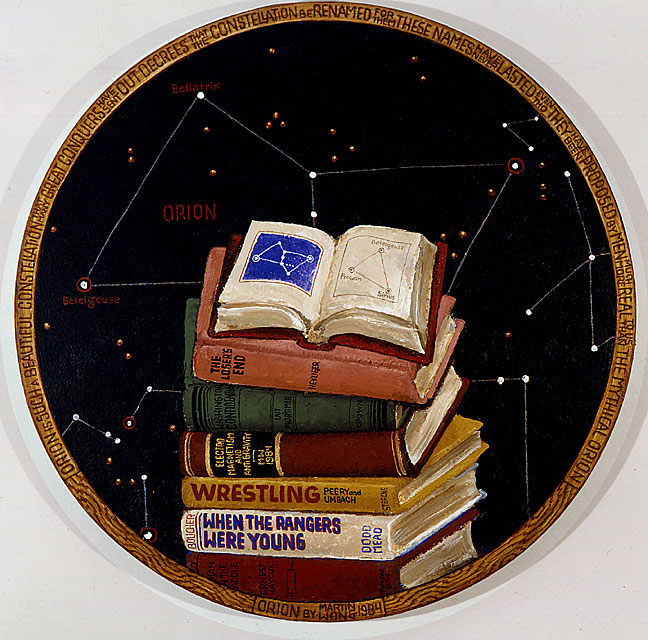
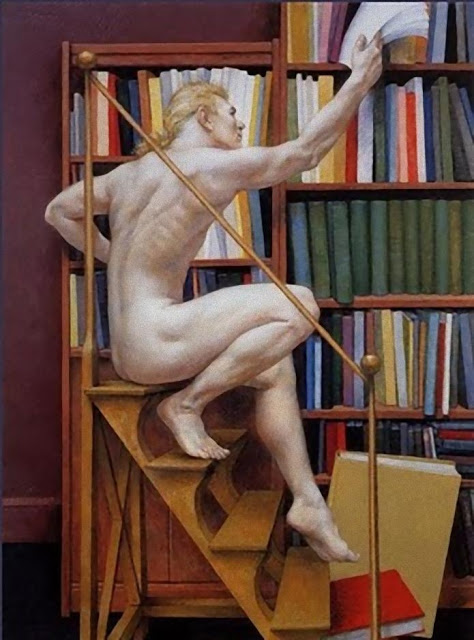
Orion — Martin Wong

02285

Woman Reading with Peaches — Henri Matisse

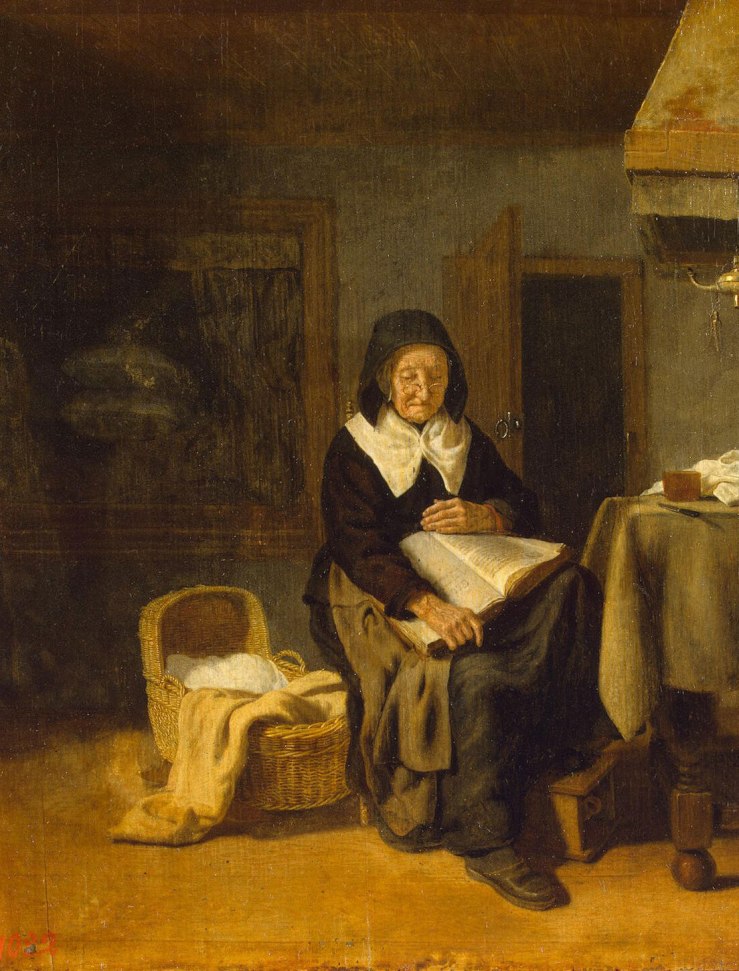
A Reader — Albert Joseph Moore

Reclining Reader — Milton Avery

Claude Monet (The Reader) — Pierre-Auguste Renoir

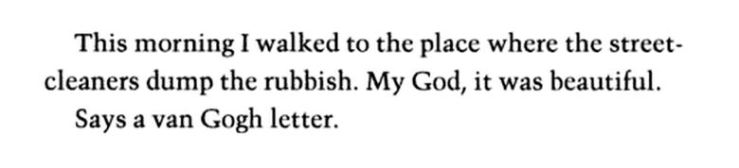
Van Gogh Anecdote (David Markson)

Capture

The Submissive Reader — Rene Magritte

Lydia Davis/Denis Johnson/Curzio Malaparte (Books Acquired, 4.06.2013)

20130408-201552.jpg

Purged the books pictured in the lower right-hand corner and picked up a few: Curzio Malaparte’s Kaputt, which has intrigued me for awhile now, Denis Johnson’s Fiskadoroin the Vintage Contemporaries edition no less!—and Lydia Davis’s novel The End of the Story, which I somehow haven’t read yet. Hypothesis: Lydia Davis and Denis Johnson may be America’s greatest living novelists (?).


Fiction Rule of Thumb (xkcd)

Portrait of Victor Guye — Francisco Goya

“The Candle” — Leo Tolstoy

“The Candle” by Leo Tolstoy

“Ye have heard that it hath been said, an eye for an eye and a tooth for a tooth: but I say unto you, That ye resist not evil.”—ST. MATTHEW V. 38, 39.

It was in the time of serfdom—many years before Alexander II.’s liberation of the sixty million serfs in 1862. In those days the people were ruled by different kinds of lords. There were not a few who, remembering God, treated their slaves in a humane manner, and not as beasts of burden, while there were others who were seldom known to perform a kind or generous action; but the most barbarous and tyrannical of all were those former serfs who arose from the dirt and became princes.

It was this latter class who made life literally a burden to those who were unfortunate enough to come under their rule. Many of them had arisen from the ranks of the peasantry to become superintendents of noblemen’s estates.

The peasants were obliged to work for their master a certain number of days each week. There was plenty of land and water and the soil was rich and fertile, while the meadows and forests were sufficient to supply the needs of both the peasants and their lord.

There was a certain nobleman who had chosen a superintendent from the peasantry on one of his other estates. No sooner had the power to govern been vested in this newly-made official than he began to practice the most outrageous cruelties upon the poor serfs who had been placed under his control. Although this man had a wife and two married daughters, and was making so much money that he could have lived happily without transgressing in any way against either God or man, yet he was filled with envy and jealousy and deeply sunk in sin.

Michael Simeonovitch began his persecutions by compelling the peasants to perform more days of service on the estate every week than the laws obliged them to work. He established a brick-yard, in which he forced the men and women to do excessive labor, selling the bricks for his own profit.

On one occasion the overworked serfs sent a delegation to Moscow to complain of their treatment to their lord, but they obtained no satisfaction. When the poor peasants returned disconsolate from the nobleman their superintendent determined to have revenge for their boldness in going above him for redress, and their life and that of their fellow-victims became worse than before. Continue reading ““The Candle” — Leo Tolstoy”

Book Buff — Paul Cadmus

Paul Cadmus - Tutt'Art@ -

The Storybook — Lewis Thomas Ives

c Lewis Thomas Ives (American artist, 1833-1894) The Storybook

Book Purge, Spring 2013

purge

Got rid of some books today—traded some in at the used bookshop I frequent, others I put in a box to take to the office to give away to colleagues. Anyway, I read these, reviewed many of them on the site, and in some cases enjoyed them—but I can’t see myself ever rereading them or returning to them for anything. And, uh, I hated some of them too.

Places in a room where books can be arranged (Georges Perec)

perec