Enjoy Thanksgiving with Our Literary Recipes Roundup

Fat Kitchen, Jan Steen

***

Enjoy Thanksgiving with our menu of literary recipes:

F. Scott Fitzgerald’s Turkey Twelve Ways

Zora Neale Hurston’s Mulatto Rice

Ian McEwan’s Fish Stew

James Joyce’s Burnt Kidney Breakfast

Herman Melville’s Whale Steaks

Ernest Hemingway’s Absinthe Cocktail, Death in the Afternoon

Vladimir Nabokov’s Eggs à la Nabocoque

Thomas Pynchon’s Banana Breakfast

Cormac McCarthy’s Turtle Soup

Robert Crumb’s Macaroni Casserole

Truman Capote’s Caviar-Smothered Baked Potatoes with 80-Proof Russian Vodka

Emily Dickinson’s Cocoanut Cake

Thomas Jefferson’s Vanilla Ice Cream

Charles Dickens’s Own Punch

Ben Jonson’s Egg Wine

Christmas Bonus:  George Orwell’s Recipes for Plum Cake and Christmas Pudding

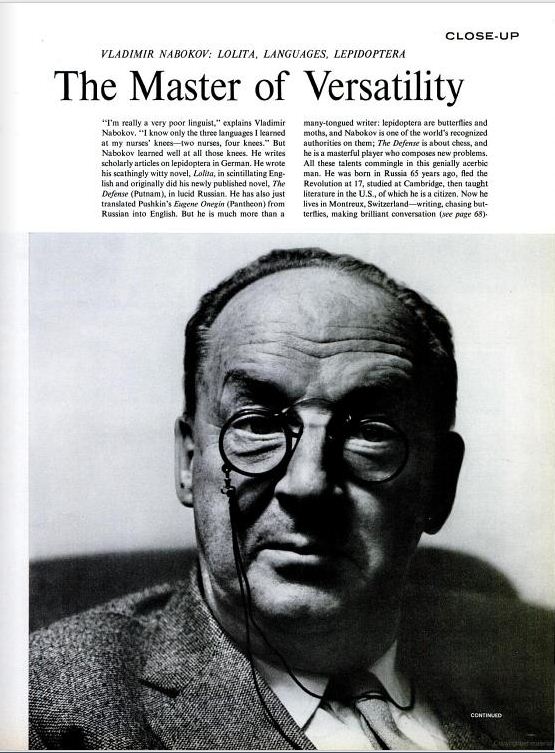
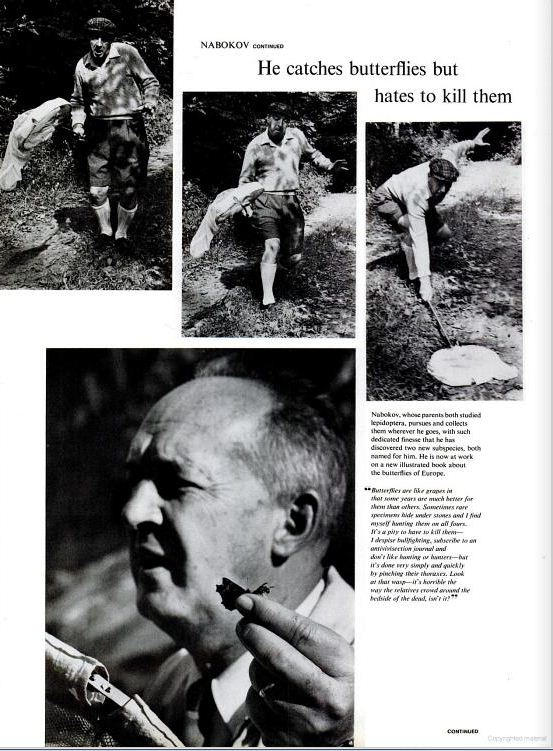
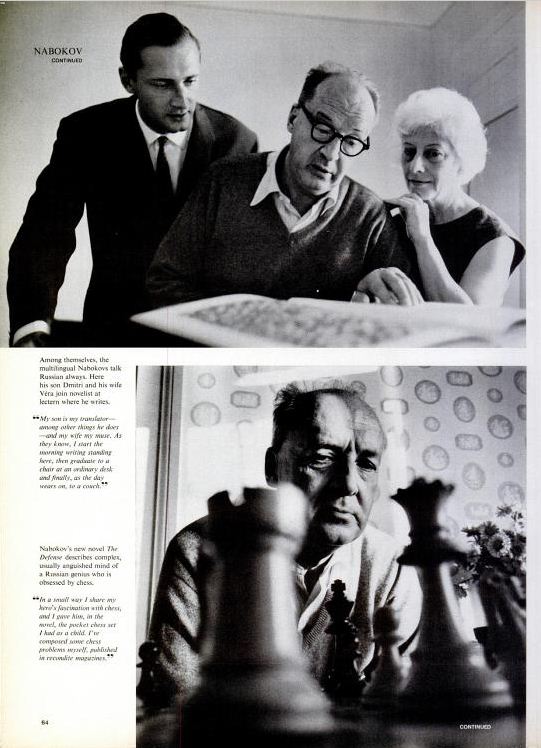
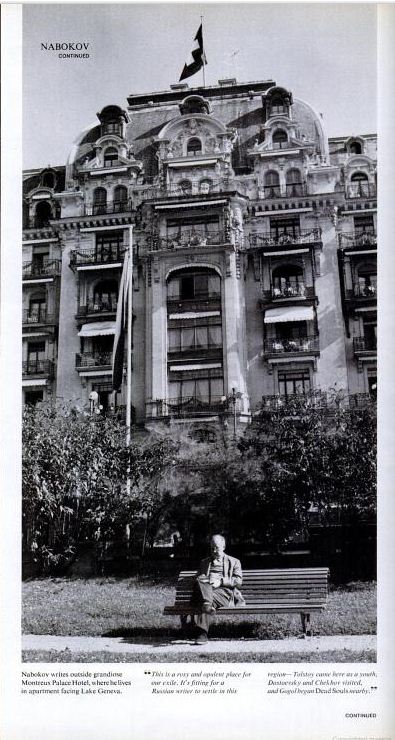
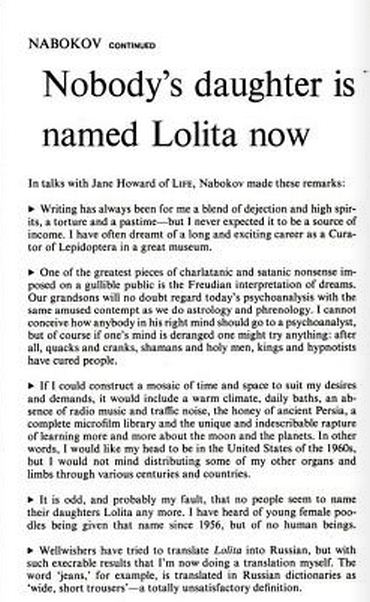
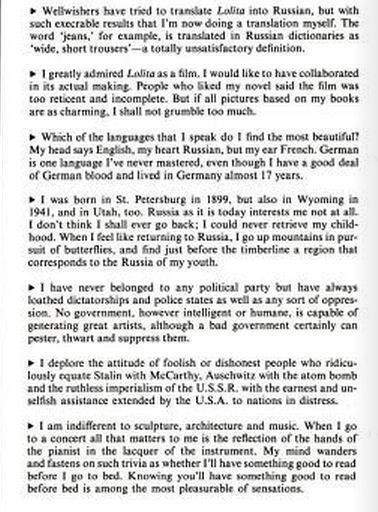
Vladimir Nabokov: Lolita, Languages, Lepidoptera (1964 LIFE Magazine Profile)

(From a 1964 LIFE profile; my favorite line: “It is odd, and probably my fault, that no people seem to name their daughters Lolita anymore. I have heard of young female poodles being given that name since 1956, but of no human beings.”)

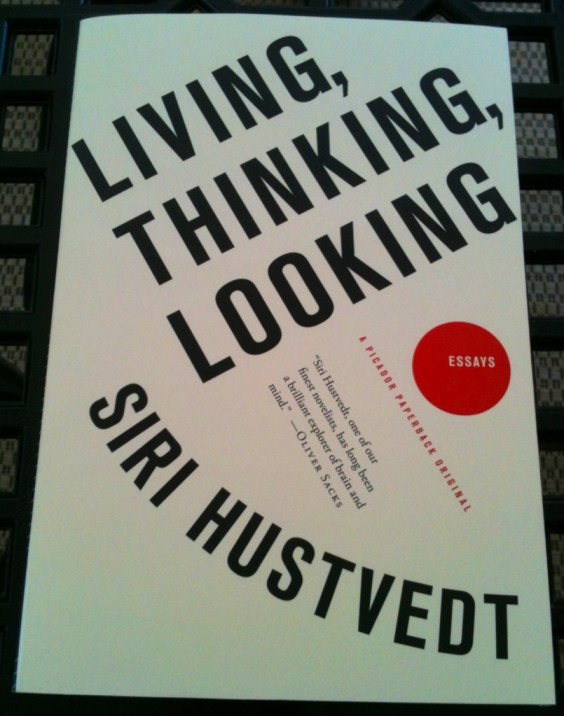
Siri Hustvedt’s Living, Thinking, Looking (Book Acquired, 5.15.2012)

20120606-120223.jpg

The whole point of these books acquired posts is to try to document interesting stuff that comes in before it winds up in my pile for months (to put things in perspective, I got a reader copy of Adam Johnson’s The Orphan Master’s Son back in January, and have finally gotten around to reading it just now). I usually spend a week or two looking over the book, maybe  publish a blurb or an excerpt of the book along with a photo, and then file it in one of three stacks — now, later, or never. Anyway, Siri Hustvedt’s new collection of essays Living, Thinking, Looking ended up never getting stacked anywhere, because I kept going back to it, poking into her essays on Goya, Gerhard Richter, Freud, reading her riff on sleeping, which somehow synthesizes Macbeth and Nabokov and REM science, pausing over her consideration of the Bush admin’s rhetoric. I haven’t finished the book but I will. Hustvedt combines her keen intellect with a range of ideas to explore her subjects (primarily, if the title didn’t tip you, living, thinking, looking). There’s a lot of lit here, a lot of psych, and plenty of art. Good stuff.

Enjoy Thanksgiving with Our Literary Recipes Roundup

Happy Thanksgiving! Enjoy Turkey Day with Biblioklept’s menu of literary recipes:

F. Scott Fitzgerald’s Turkey Twelve Ways

Zora Neale Hurston’s Mulatto Rice

Ian McEwan’s Fish Stew

James Joyce’s Burnt Kidney Breakfast

Herman Melville’s Whale Steaks

Ernest Heminway’s Absinthe Cocktail, Death in the Afternoon

Vladimir Nabokov’s Eggs à la Nabocoque

Thomas Pynchon’s Banana Breakfast

Cormac McCarthy’s Turtle Soup

Robert Crumb’s Macaroni Casserole

Christmas Bonus:  George Orwell’s Recipes for Plum Cake and Christmas Pudding

Vladimir Nabokov’s Recipe for Eggs à la Nabocoque

Another literary recipe to celebrate Thanksgiving—

Vladimir Nabokov’s recipe for eggs à la Nabocoque —

Boil water in a saucepan (bubbles mean it is boiling!). Take two eggs (for one person) out of the refrigerator. Hold them under the hot tap water to make them ready for what awaits them.

Place each in a pan, one after the other, and let them slip soundlessly into the (boiling) water. Consult your wristwatch. Stand over them with a spoon preventing them (they are apt to roll) from knocking against the damned side of the pan.

If, however, an egg cracks in the water (now bubbling like mad) and starts to disgorge a cloud of white stuff like a medium in an oldfashioned seance, fish it out and throw it away. Take another and be more careful.

After 200 seconds have passed, or, say, 240 (taking interruptions into account), start scooping the eggs out. Place them, round end up, in two egg cups. With a small spoon tap-tap in a circle and hen pry open the lid of the shell. Have some salt and buttered bread (white) ready. Eat.

V.N.
November 18, 1972

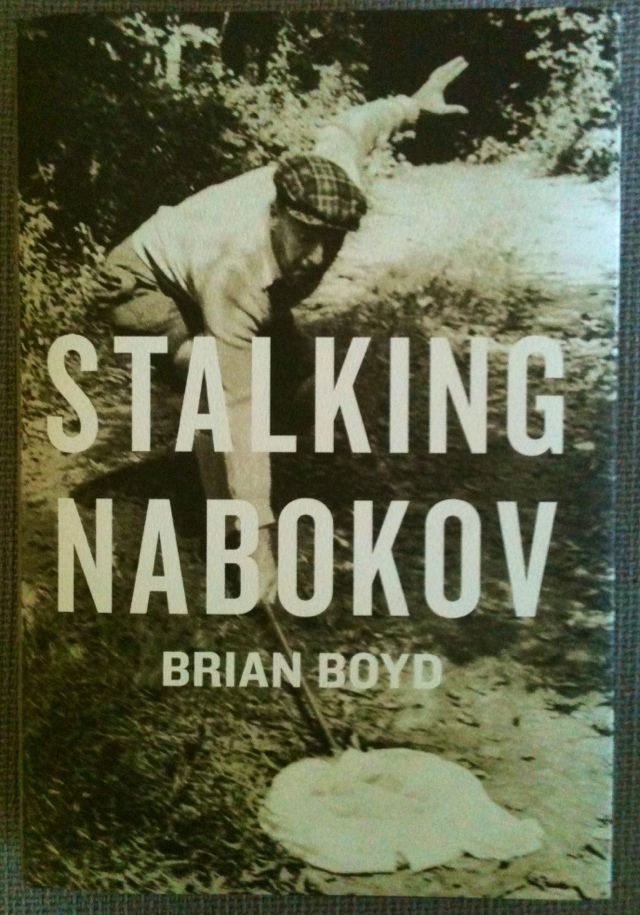
Book Acquired, 11.14.2011

20111112-164308.jpg

Stalking Nabokov by Brian Boyd. Publisher Columbia UP’s description—

At the age of twenty-one, Brian Boyd wrote a thesis on Vladimir Nabokov that the famous author called “brilliant.” After gaining exclusive access to the writer’s archives, he wrote a two-part, award-winning biography, Vladimir Nabokov: The Russian Years (1990) and Vladimir Nabokov: The American Years (1991). This collection features essays written by Boyd since completing the biography, incorporating material he gleaned from his research as well as new discoveries and formulations.

Boyd confronts Nabokov’s life, career, and legacy; his art, science, and thought; his subtle humor and puzzle-like storytelling; his complex psychological portraits; and his inheritance from, reworking of, and affinities with Shakespeare, Pushkin, Tolstoy, and Machado de Assis. Boyd offers new ways of reading Nabokov’s best English-language works: LolitaPale FireAda, and the unparalleled autobiography, Speak, Memory, and he discloses otherwise unknown information about the author’s world. Sharing his personal reflections, Boyd recounts the adventures, hardships, and revelations of researching Nabokov’s biography and his unusual finds in the archives, including materials still awaiting publication. The first to focus on Nabokov’s metaphysics, Boyd cautions against their being used as the key to unlock all of the author’s secrets, showing instead the many other rooms in Nabokov’s castle of fiction that need exploring, such as his humor, narrative invention, and psychological insight into characters and readers alike. Appreciating Nabokov as novelist, memoirist, poet, translator, scientist, and individual, Boyd helps us understand more than ever the author’s multifaceted genius.

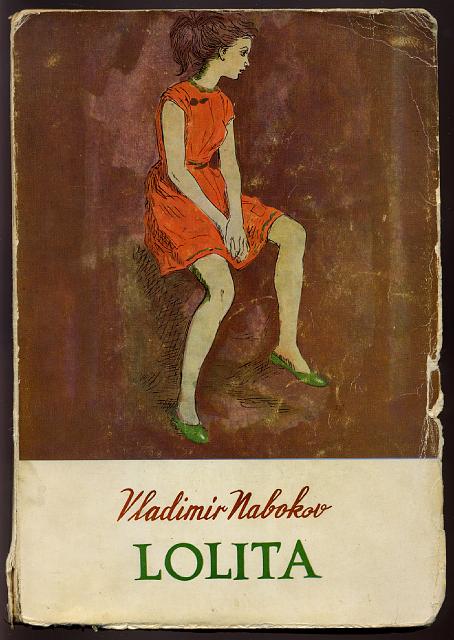
Nabokov Shows Off Different Lolita Covers

“Style and Content Must Match” — William Gaddis on Voice and Risk in His Novels

From a brief  1982 interview with William Gaddis

Q: The pervasive and distinctive authorial voice of The Recognitions gives way in J R to a self-effacing voice that seems to serve only functional purposes. Also in J R there is an increased dependence on dialogue. For verisimilitude in Lolita, Nabokov “travelled in school buses to listen to the talk of schoolgirls.” Did you take any special measures to hear and note the speech patterns of any of the wide variety of people who speak in “J R”?

William Gaddis: Style and content must match, must be complementary, accounting in part for a difference between the two books, though the lack of a conventional narrative style had already jarred a good many readers of The Recognitions when it appeared, as its hapless reviews show. J R was started as a story which quickly proved unsatisfactory, inspired- here’s the legitimate gossip—-by the postwar desecration of the Long Island village of Massapequa where my family had had property since around 1910, take a look at it now and you’ll see all the book’s worst hopes realized. In approaching J R as a novel, I was at pains to remove the author’s presence from the start as must be obvious. This was partly by way of what I mentioned earlier, obliging the thing to stand on own, take its own chances. But it was also by way of setting up a problem, a risk, in order to sustain my own interest, especially since the largely uninterrupted dialogue raised the further risk of presenting a convincing sense of real time without the conventional chapter breaks, white spaces, such narrative intrusions as “A week later . . .” How some of the writers I come across get through their books without dying of boredom is beyond me. As for what you call speech patterns, one is always listening and has got an ear or hasn’t, and without one, unless perhaps in dealing with an unfamiliar language and culture, no amount of your special measures like riding around on school buses will get you out of the swamp.

Nabokov Discusses Lolita Covers

See more Lolita covers.

Enjoy Thanksgiving with Our Literary Recipes Roundup

Happy Thanksgiving!

Enjoy Turkey Day (sans turkey) with Biblioklept’s menu of literary recipes:

Zora Neale Hurston’s Mulatto Rice

Ian McEwan’s Fish Stew

James Joyce’s Burnt Kidney Breakfast

Herman Melville’s Whale Steaks

Ernest Heminway’s Absinthe Cocktail, Death in the Afternoon

Vladimir Nabokov’s Eggs à la Nabocoque

Thomas Pynchon’s Banana Breakfast

Cormac McCarthy’s Turtle Soup

Robert Crumb’s Macaroni Casserole


Vladimir Nabokov’s Recipe for Eggs à la Nabocoque

Vladimir Nabokov’s recipe for eggs à la Nabocoque —

Boil water in a saucepan (bubbles mean it is boiling!). Take two eggs (for one person) out of the refrigerator. Hold them under the hot tap water to make them ready for what awaits them.

Place each in a pan, one after the other, and let them slip soundlessly into the (boiling) water. Consult your wristwatch. Stand over them with a spoon preventing them (they are apt to roll) from knocking against the damned side of the pan.

If, however, an egg cracks in the water (now bubbling like mad) and starts to disgorge a cloud of white stuff like a medium in an oldfashioned seance, fish it out and throw it away. Take another and be more careful.

After 200 seconds have passed, or, say, 240 (taking interruptions into account), start scooping the eggs out. Place them, round end up, in two egg cups. With a small spoon tap-tap in a circle and hen pry open the lid of the shell. Have some salt and buttered bread (white) ready. Eat.

V.N.
November 18, 1972

Vladimir Nabokov, Butterfly Hunter

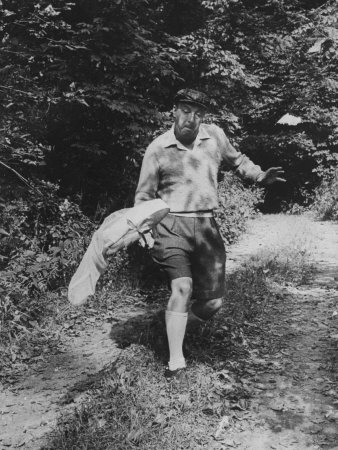
Oh my god. Look at that poise. That athleticism. That self-assurance. That spark of incandescent grace vibrating through his form. The lower lip lunging over the upper. The short pants.  Vladimir Nabokov, hunting butterflies. See the whole set.

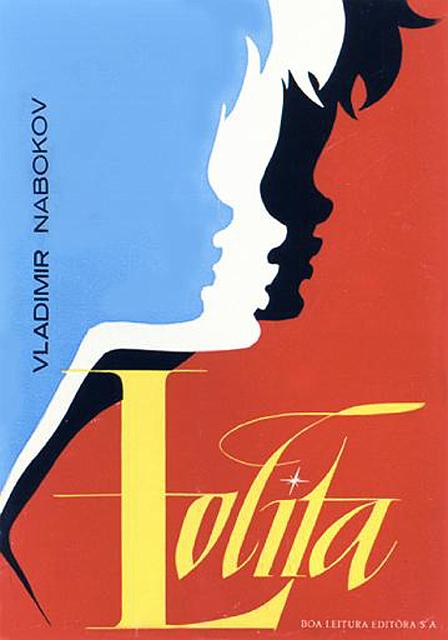
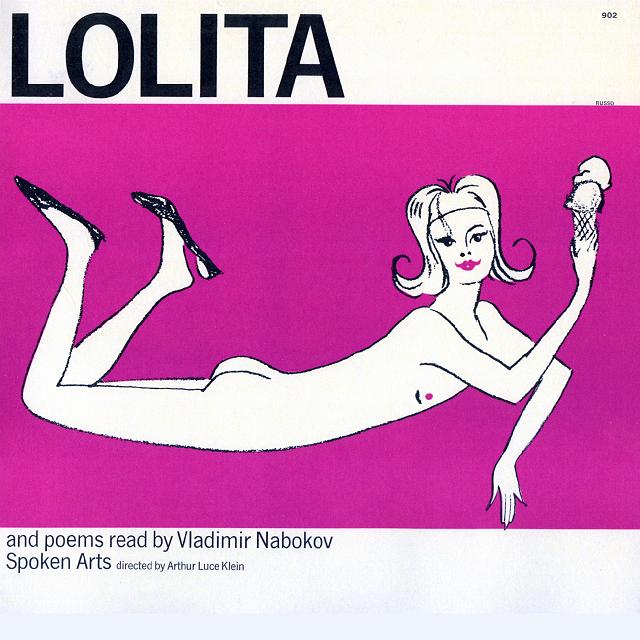
Lolita Cover Archive

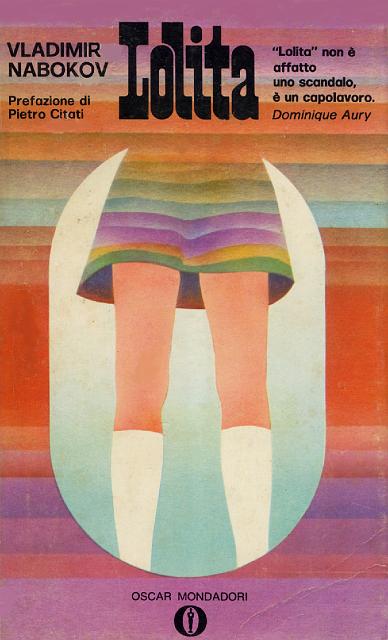
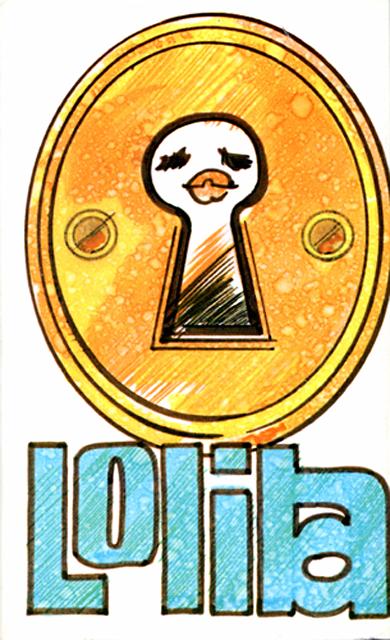
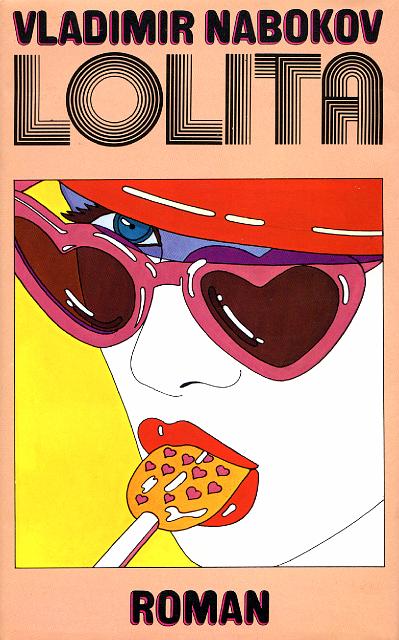
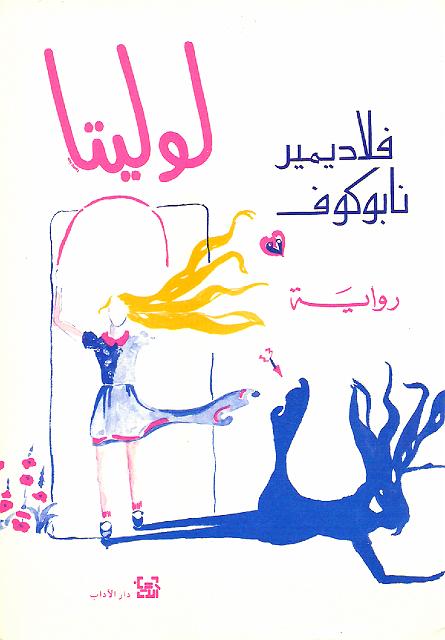
Checkout this great cover gallery archiving over 150 covers of Vladimir Nabokov’s masterpiece Lolita. A few favorites–

This 1957 Swedish cover is a pretty subtle/creepy upskirt.

1962, Brazil.

A 1964 LP with Pop Art undertones–seems a little too frank.

This 1970 Italian cover seems to be the earliest “girl in socks” theme that pops up again and again in the archive.

This 1972 Norwegian cover picks up the voyeur theme again, but it seems awfully goofy.

The poster for the Stanley Kubrick film adaptation inspired a rash of bad covers, but I think that this 1977 German cover works really well.

A Lebanese edition from 1988. Pretty and simple.

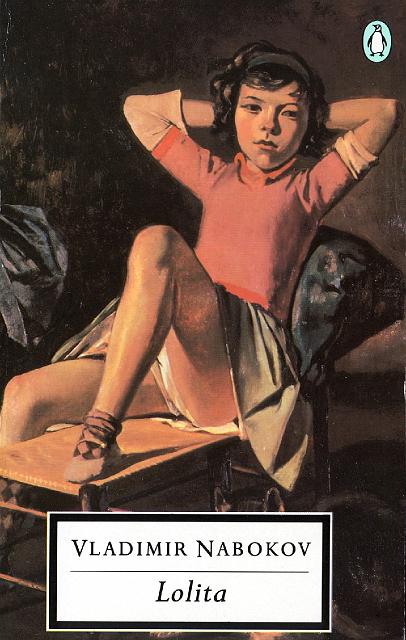
Balthus and Lolita seem like a natural fit, if a bit too obvious. I counted two other covers sporting Balthus paintings in addition to this 1995 English edition.

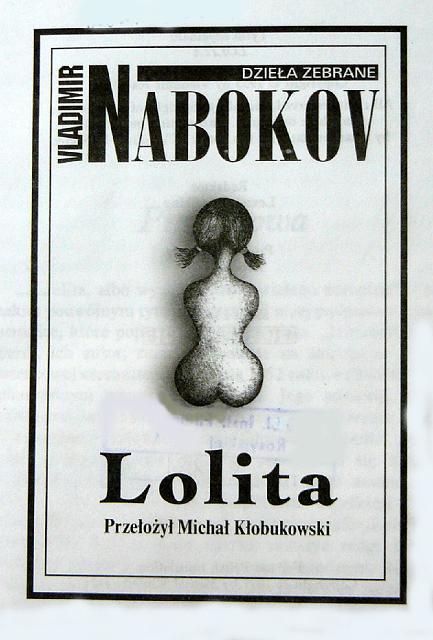
This Polish cover from 1997 is nine kinds of creepy.

Hotel Iris — Yoko Ogawa

Seventeen-year-old Mari, the narrator and subject of Yoko Ogawa’s new novel Hotel Iris, is something of a Cinderella figure. Her dad dies a violent death when she is only eight years old and her grandparents soon pass on as well, leaving her in the sole custody of her money-grubbing mother who works poor Mari like a slave in the upkeep of their shabby hotel. The titular Iris is a crumbling structure with only one seaside view, frequented in the off-season by prostitutes and only bustling in the sweltering summer months. It’s in the off-season when Mari first spies the transformative figure in her life–a man fifty years her senior who gets into a raucous fight with a hooker in the hotel. Transfixed by his commanding voice, Mari follows the man the next day as he performs banal errands. When he confronts her, the two strike up a strange friendship (very strange, it will turn out). The man lives on a small island where he works translating mundane Russian texts like tourist pamphlets–although he is hard at work at a passion project, translating a strange Russian novel. The translator begins writing Mari letters and she eventually sneaks away to meet him. In the seaside town he treats her with quiet deference, but when Mari visits his small, austere home on the island she undergoes a bizarre, sadistic sexual awakening. To continue a proper review of Hotel Iris will necessitate some mild spoilers. I won’t reveal any major plot points, but those intrigued may wish to stop reading here. Otherwise, on to the aforementioned bizarre, sadistic sexual awakening.

It’s pretty simple, really. The translator, a sexual sadist, has found in Mari a perfect masochist, a young girl so alienated and lonely that she can only find pleasure in extreme pain, beauty in brutal ugliness, and freedom in bondage. Her initial attraction to the translator, his commanding voice, goes to extremes in his isolated house on the island, where he strips her naked, ties her up, and forces her into all sorts of sexual humiliations. In a strange mirror of her Cinderella-life at Hotel Iris, he forces her to clean his house while strapped to a chair. He takes thousands of degrading photographs of her. In a scene reminiscent of “Bluebeard” he hangs her from the ceiling of a tiny pantry and whips her with a riding crop. He never engages in direct coitus with her; in fact, he never even removes the suit and tie he wears even in the sweltering summer. In each scenario Mari expresses the true happiness and pleasure she finds in the translator’s torture. “Only when I was brutalized, reduced to a sack of flesh, could I know pure pleasure,” she tells us.

That young, naïve Mari should narrate the novel is the genius of Ogawa’s program. Her first-person immediacy communicates the confusion and despair of a neglected, overworked teen trapped in a dead-end job in a Podunk town. As the plot spirals it tempts the reader to endorse the “love” that Mari feels for the old man who tortures her. Just as Nabokov manipulates his readers via the charms of Humbert Humbert, Ogawa, writing her reverse-Lolita, repeatedly cons us into normalizing the relationship, in viewing it only from Mari’s perspective. It’s through the slipped, oblique details of Mari’s past that we construct a more coherent image of a long pattern of abuse. Her mother, always bragging about Mari’s beauty, tells the story of a sculptor who used Mari as a model (Mari, of course, believes herself ugly). “The sculptor was a pedophile who nearly raped me.” The only maid in the hotel repeatedly claims to be “like a mother” to Mari, yet she attempts to blackmail and humiliate the poor girl, and even tells her that she was Mari’s father’s “first lover.” Late in the novel, a drunken hotel guest gropes Mari’s breast and her mother brushes the abuse off, blaming implicitly on her daughter. The focused, purposeful sadism of the translator–a result of the man’s own painful past–is thus a form of love for Mari. Yet we see what Mari can’t see, even as we accept the savage doom of their romance.

Hotel Iris recalls the dread creepiness of David Lynch, as well as that director’s subversion of fairy tale structures (perhaps “subversion” is not the right word–aren’t fairy tales by nature subversive?). There are also obvious parallels between Mari’s story and The Story of O and Peter Greenaway’s fantastic film The Cook, the Thief, His Wife, & Her Lover. But these are perhaps lazy comparisons–I should talk about Ogawa’s deft writing, her supple, slippy sentences, her sharpness of details, the exquisite ugliness of her depictions of sex and eating. She’s a very good writer, and translator Stephen Snyder has done a marvelous job rendering Ogawa’s Japanese into smooth, rhythmic sentences that resist idiomatic placeholders. Hotel Iris is not for everyone, but if you’ve read this far you’ve probably figured that out already. Readers who venture into Ogawa’s dark world will find themselves rewarded with a complex text that warrants close re-reading. Recommended.

Hotel Iris, a Picador trade paperback original, is available today.