Charlemagne Legend (Italo Calvino)

Late in life the emperor Charlemagne fell in love with a German girl. The barons at his court were extremely worried when they saw that the sovereign, wholly taken up with his amorous passion and unmindful of his regal dignity, was neglecting the affairs of state. When the girl suddenly died, the courtiers were greatly relieved—but not for long, because Charlemagne’s love did not die with her. The emperor had the embalmed body carried to his bedchamber, where he refused to be parted from it. The Archbishop Turpin, alarmed by this macabre passion, suspected an enchantment and insisted on examining the corpse. Hidden under the girl’s dead tongue he found a ring with a precious stone set in it. As soon as the ring was in Turpin’s hands, Charlemagne fell passionately in love with the archbishop and hurriedly had the girl buried. In order to escape the embarrassing situation, Turpin flung the ring into Lake Constance. Charlemagne thereupon fell in love with the lake and would not leave its shores.

From Italo Calvino’s Six Memos for the Next Millennium. 

Gabrielle Reading — Pierre-Auguste Renoir

Crime and Punishment (1935 Film Adaptation)

Confrontation 1 — Gerhard Richter

The Legend of Suram Fortress (Full Film)

A Short Riff on Those Horrid, Wonderful Vintage Contemporaries Paperbacks of the 1980s

20121014-173400.jpg

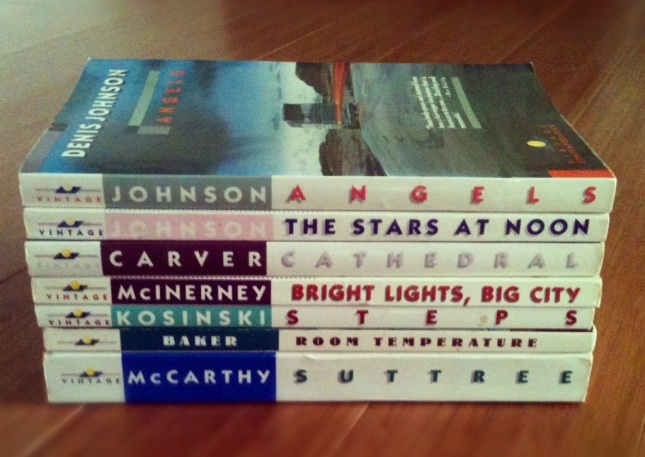
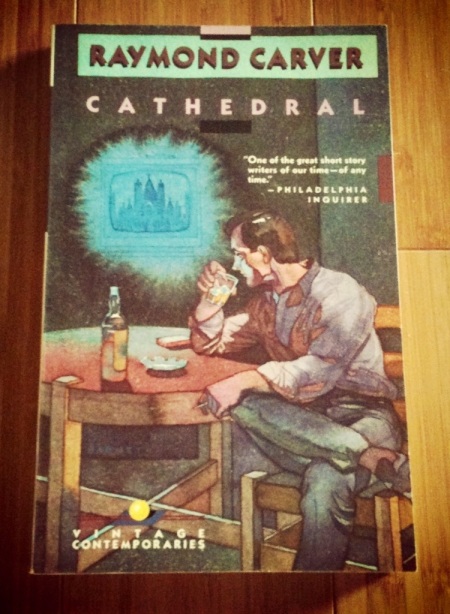
I’ve been a fan of Vintage Contemporaries for years. I’m pretty sure the first one I ever picked up was Raymond Carver’s Cathedral. I recall being vaguely dismayed about the cover and trying to find another used edition, but thrift won out. This was in the early or mid nineties, and book design was trending toward a more minimal, conceptual style.

20121014-173411.jpg

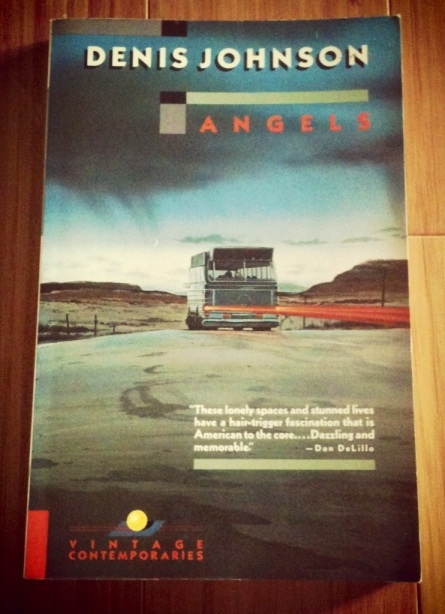
In contrast to a tasteful, minimalist cover, the Vintage Contemporaries edition of Cathedral is garishly literal. Ditto the cover for Denis Johnson’s Angels: sure, there’s a symbolic touch in those storm clouds, and a surreal tweak in the laser lights, but there’s something ghastly about the whole design.

20121014-173423.jpg

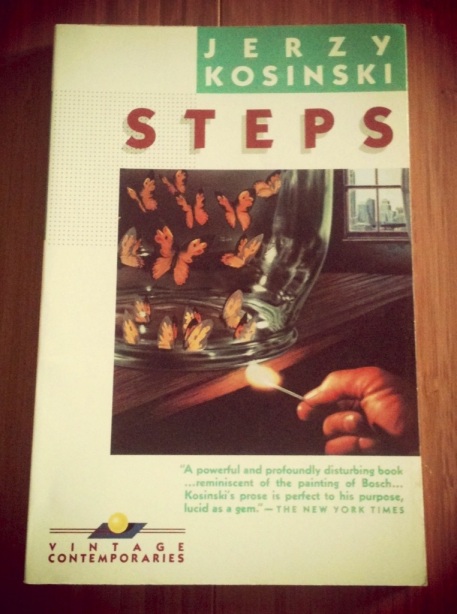
Even the cover for Jerzy Kosinski’s twisted horrorshow-in-vignettes Steps is remarkably literal—sure, the image seems surreal, but it’s straight out of Kosinski’s text. (It’s also one of my favorite covers in the line).

20121014-173436.jpg

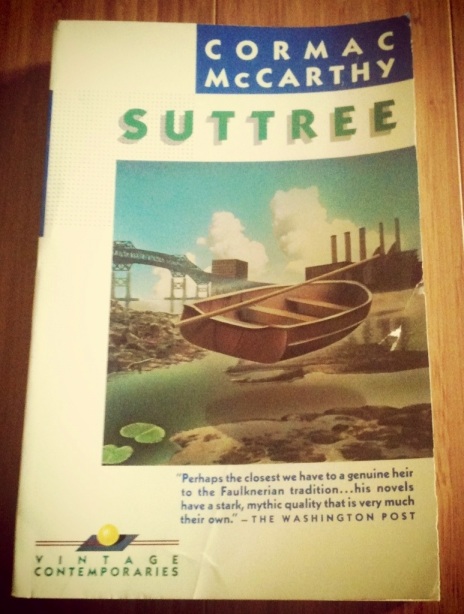
Anyway, in the past few years I’ve kept an eye out for certain titles from the Vintage Contemporaries line, even if I already own the book in another edition—DeLillo, for instance, or Cormac McCarthy. I was thrilled to find this edition of Suttree earlier this year. (And I’d love to get another copy of Harold Brodkey’s First Love and Other Sorrows; I gave mine away to a friend).

20121014-173446.jpg

I’d been wanting to write about the Vintage Contemporaries series for a while now, and had even gone so far as to write to a few artists and designers I know to see if they could put me in touch with a source of info. A few weeks ago, Mahendra Singh was kind enough to point out a thorough, in-depth essay on Vintage Contemporaries over at Talking Covers. Plenty of history, photos, and even interviews. It’s the mother-lode, the post I wished I could’ve mustered. (And if I seem a bit jealous, I can console myself in the knowledge that they used my first pic of Suttree. So there’s that). I encourage you to check it out.

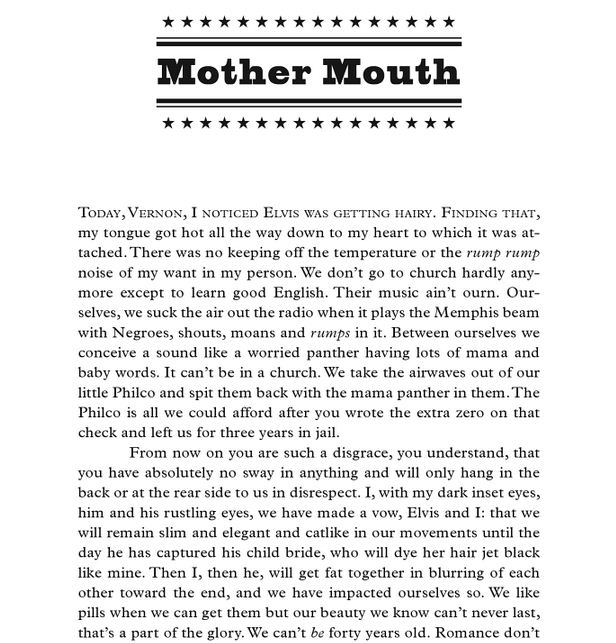
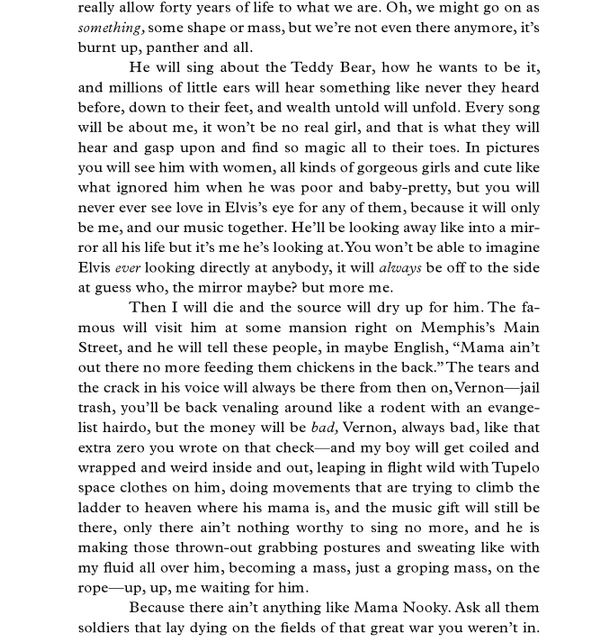
“Mother Mouth” — Barry Hannah

Portrait of Y.E. Kustodieva — Boris Kustodiev

We Jam Econo: The Story of the Minutemen

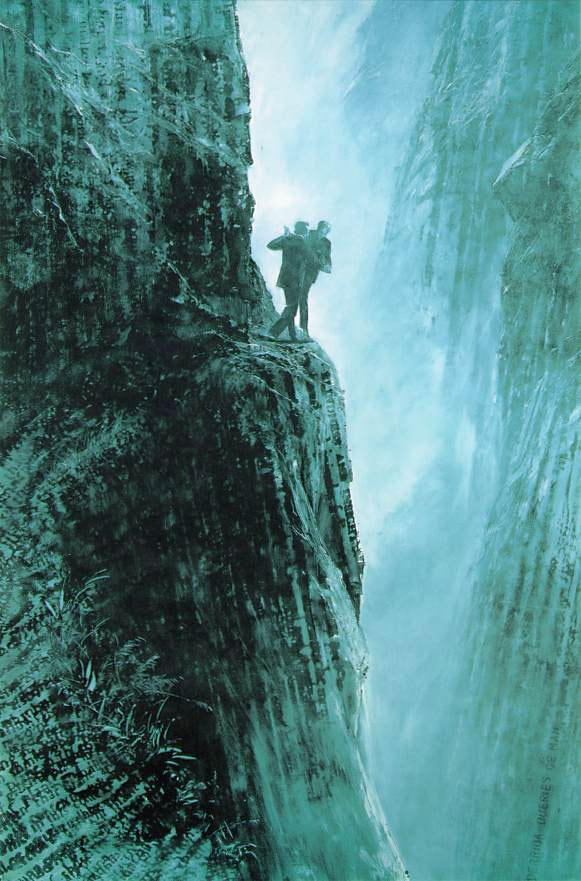
Derrida Queries DeMan — Mark Tansey

Book Shelves #42, 10.14.2012

20121013-200218.jpg

Book shelves series #42, forty-second Sunday of 2012

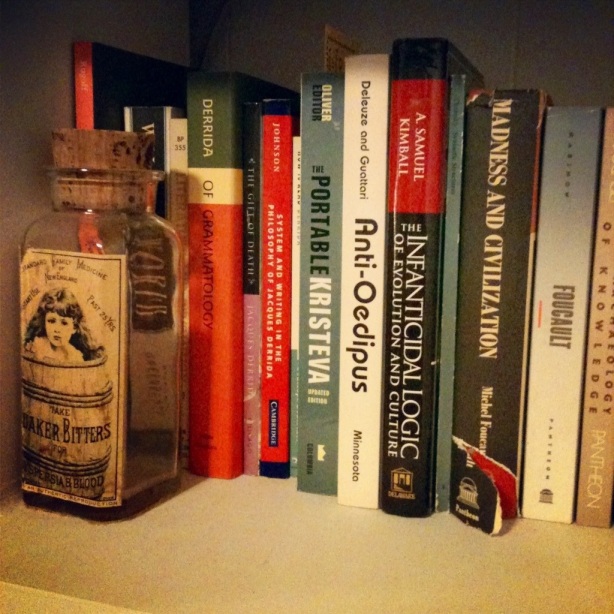
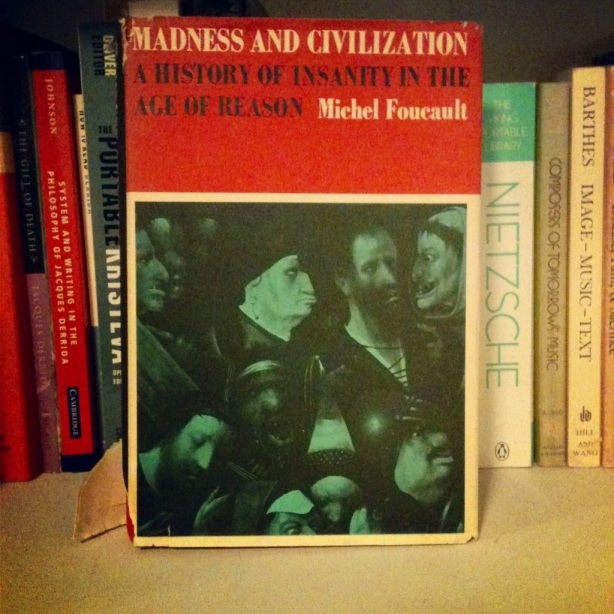
Couldn’t really get a good pic of the whole shelf, so in portions, starting with a spread of postmodernist favorites from years past. Julia Kristeva was a particular favorite of mine in grad school, but her Portable stands up well outside of, jeez, I dunno, theory and deconstruction and all that jazz; there are plenty of memoirish essays, including a wonderful piece on Paris ’68 and Tel Quel &c. Sam Kimball‘s book The Infanticidal Logic of Evolution and Culture still maintains an important place in the way I approach analyzing any kind of storytelling. Love the cover of this first American edition of Foucault’s Madness and Civilization, which I bought for a dollar years ago at a Friends of the Library sale:
20121013-202524.jpg

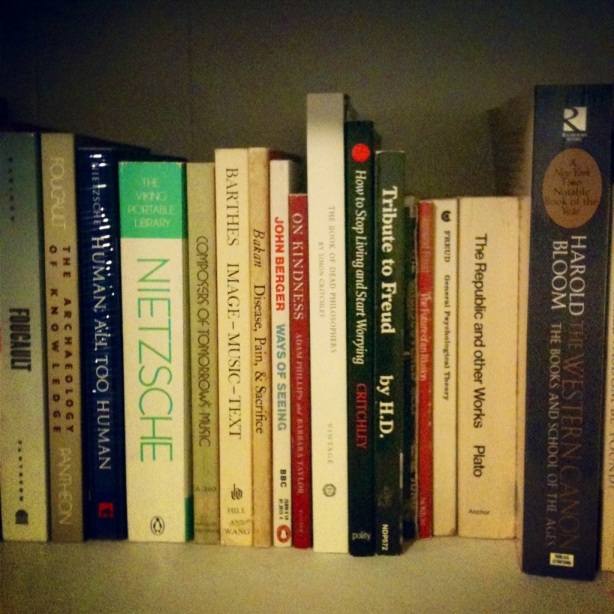
I may or may not have obtained the The Viking Portable Nietzsche through nefarious means in my sixteenth year. In any case, it’s not really the best intro (I’m partial to The Gay Science), but it’s not bad. The Plato I’ve had forever. I never finished Bloom’s The Western Canon, although I’ve returned to it many times in the past five or six years, as I’ve opened up more to his ideas. I wrote about many of the books on this shelf, including a few by Simon Critchley.
20121013-200225.jpg

The book I’d most recommend on this section of the shelf—indeed, the entire shelf—is Freud’s The Future of an Illusion:

20121013-200234.jpg

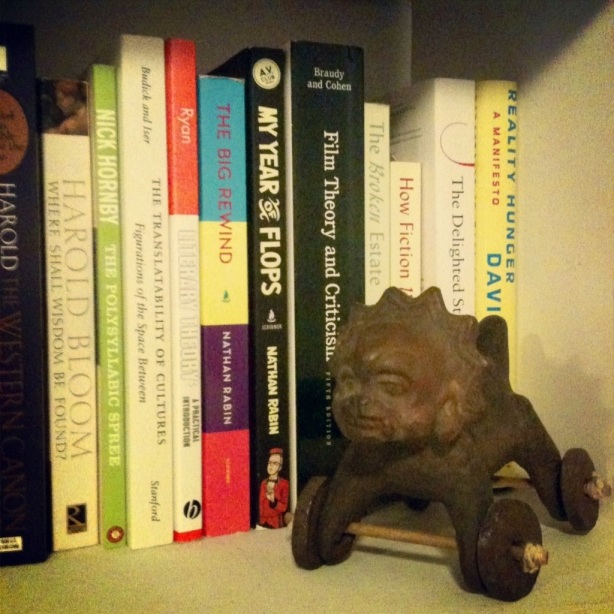
The end of the shelf moves into more pop territory, including two good ones by AV Club head writer Nathan Rabin. You might also note Reality Hunger, a book that I am increasingly afraid to go back to, fearing that I probably agree more with Shields’s thesis, even if I didn’t particularly like his synthesis.
20121013-200241.jpg

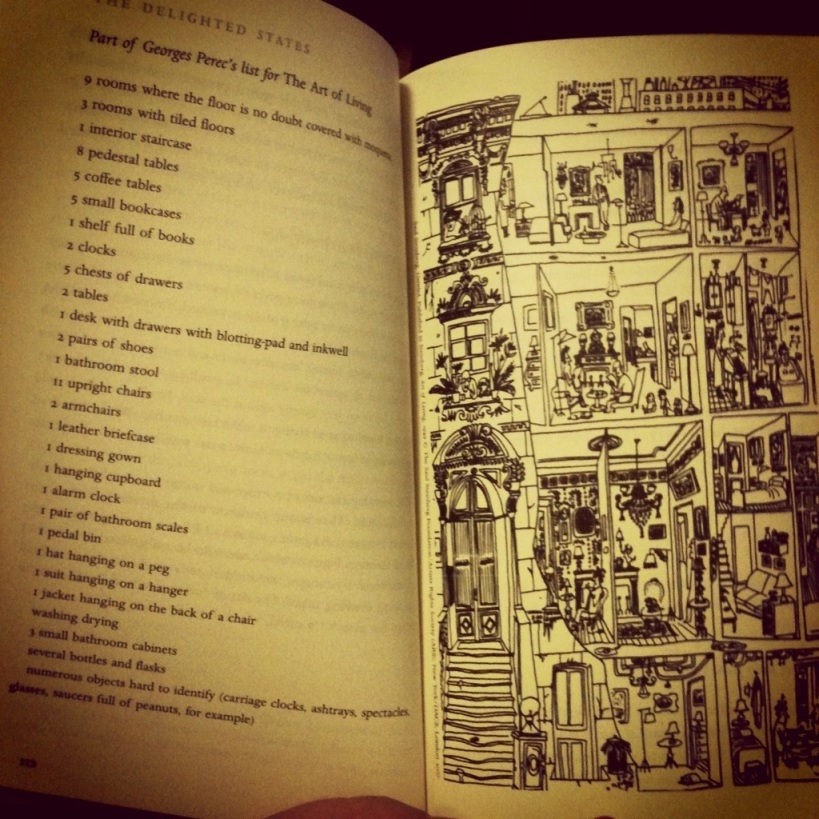
Adam Thirlwell’s The Delighted States is an overlooked gem that should have gotten more attention than Shields’s “manifesto.” He shares a bit of Georges Perec (whose writing helped spark this project of mine):
20121013-200251.jpg

James Wood’s How Fiction Works got my goat: 

20121013-200301.jpg

From my review:

Like most people who love to read, both academically and for pleasure, I like a good argument, and Wood’s aesthetic criticism is a marvelous platform for my ire, especially in a world that increasingly seems to not care about reading fiction. Wood is a gifted writer, even if his masterful skill at sublimating his personal opinion into a front of absolute authority is maddening. There’s actually probably more in his book that I agree with than not, but it’s those major sticking points on literary approaches that stick in my craw. It’s also those major sticking points that make the book an interesting read. I’d like to think that I’m not interested in merely having my opinions re-confirmed.

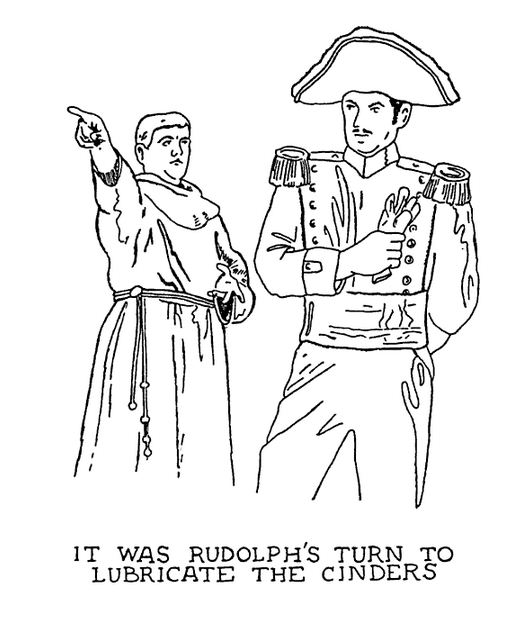
It was Rudolph’s turn to lubricate the cinders (Glen Baxter)

Clovis — Paul Gaugin

In the Night Kitchen (Animated Short) — Maurice Sendak

The Birds’ Concert — Frans Snyders

1989 Matt Groening Profile in Mother Jones

From the December, 1989 issue of Mother Jones:

Is Sampling Tom Petty Like Plagiarizing from Moby-Dick?