Reading/Have Read/Should Write About

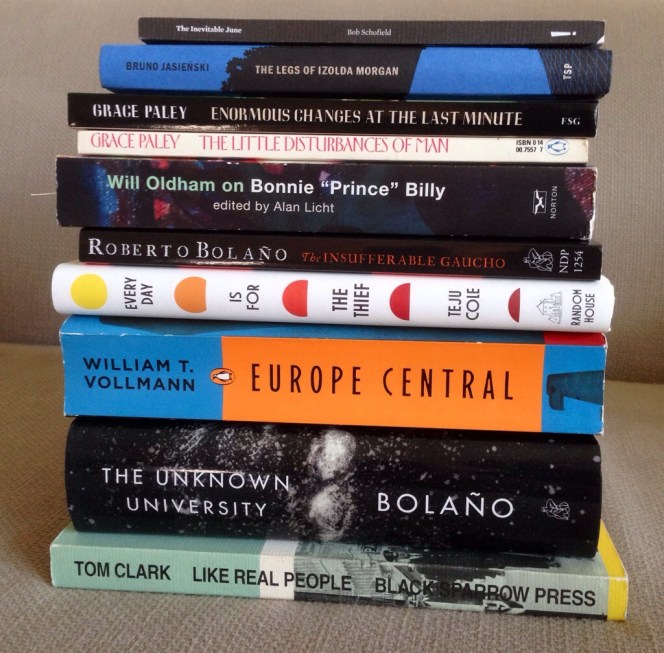
20140526-183428-66868331.jpg

Grasshoppers — Johan Thorn Prikker

“Stay a Little Longer” — Steve Earle and Rodney Crowell

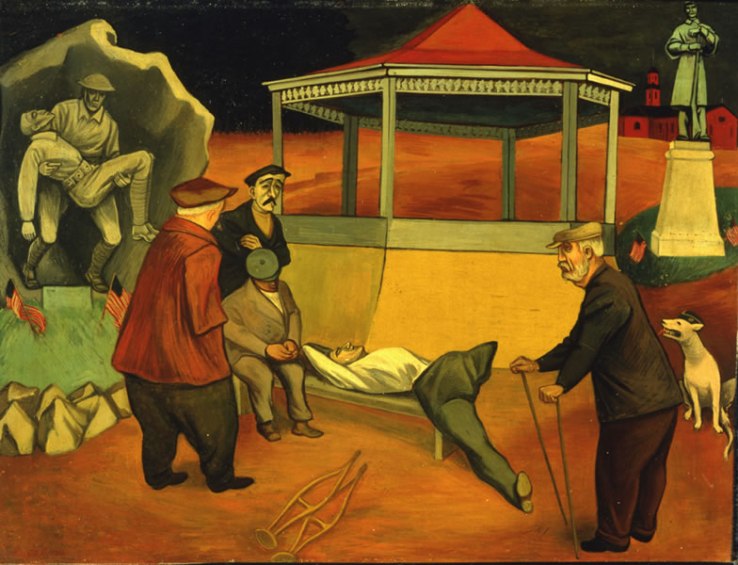
Decoration Day 1934 — Gregorio Prestopino

01  Decoration Day  1934   egg tempera on masonite   18x23_jpg

“Indian Camp” — Ernest Hemingway

“Indian Camp”

by

Ernest Hemingway  

At the lake shore there was another rowboat drawn up. The two Indians stood waiting.

Nick and his father got in the stern of the boat and the Indians shoved it off and one of them got in to row. Uncle George sat in the stern of the camp rowboat. The young Indian shoved the camp boat off and got in to row Uncle George.

The two boats started off in the dark. Nick heard the oarlocks of the other boat quite a way ahead of them in the mist. The Indians rowed with quick choppy strokes. Nick lay back with his father’s arm around him. It was cold on the water. The Indian who was rowing them was working very hard, but the other boat moved further ahead in the mist all the time.

“Where are we going, Dad?” Nick asked.

“Over to the Indian camp. There is an Indian lady very sick.”

“Oh,” said Nick.

Across the bay they found the other boat beached. Uncle George was smoking a cigar in the dark. The young Indian pulled the boat way up on the beach. Uncle George gave both the Indians cigars. Continue reading ““Indian Camp” — Ernest Hemingway”

Portrait of Elizaveta Martynova — Philip Maliavin

reader

Forest/Trees

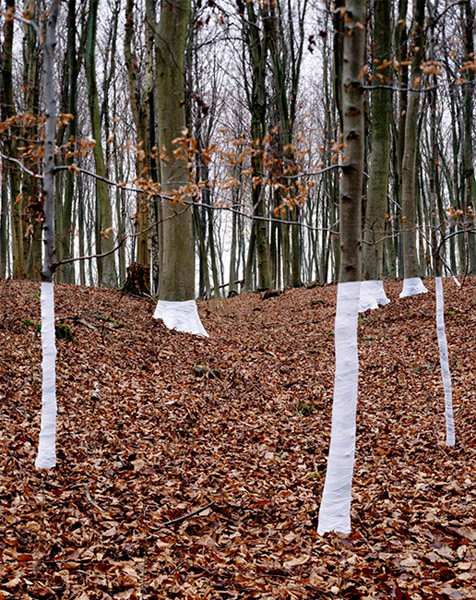
20140525-180910-65350503.jpg
Jarmusch
Klimt
Magritte
Mondrian
Olsen
Olsen
Hodler
Denis
Andreescu
Liebermann

Film Poster for The Big Lebowski — Tyler Stout

lebowskibig

Sympathy — Remedios Varo

“I’ll Never” — Trans Am

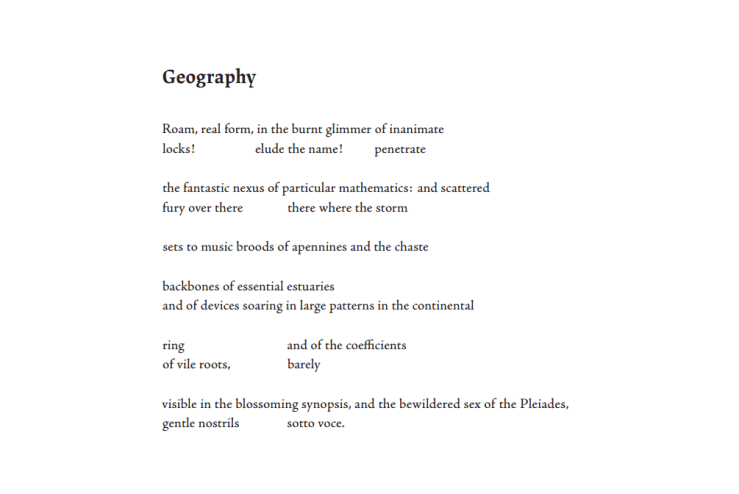
“Geography” — Emilio Villa

villa

From The Selected Poetry of Emilio Villa, translated by Dominic Siracusa and forthcoming from Contra Mundum Press.

Missed Connection — Adrian Tomine

tomine

Edvard Munch — Peter Watkins (Full Film)

Landscape at Cagnes — Chaim Soutine

You want to get rid of him?

20140524-111552-40552354.jpg

“On the Comparative Place of Interest and Beauty in Works of Art” — Arthur Schopenhauer

“On the Comparative Place of Interest and Beauty in Works of Art”

by

Arthur Schopenhauer

In the productions of poetic genius, especially of the epic and dramatic kind, there is, apart from Beauty, another quality which is attractive: I mean Interest.

The beauty of a work of art consists in the fact that it holds up a clear mirror to certain ideas inherent in the world in general; the beauty of a work of poetic art in particular is that it renders the ideas inherent in mankind, and thereby leads it to a knowledge of these ideas. The means which poetry uses for this end are the exhibition of significant characters and the invention of circumstances which will bring about significant situations, giving occasion to the characters to unfold their peculiarities and show what is in them; so that by some such representation a clearer and fuller knowledge of the many-sided idea of humanity may be attained. Beauty, however, in its general aspect, is the inseparable characteristic of the idea when it has become known. In other words, everything is beautiful in which an idea is revealed; for to be beautiful means no more than clearly to express an idea.

Thus we perceive that beauty is always an affair of knowledge, and that it appeals to the knowing subject, and not to the will; nay, it is a fact that the apprehension of beauty on the part of the subject involves a complete suppression of the will. Continue reading ““On the Comparative Place of Interest and Beauty in Works of Art” — Arthur Schopenhauer”