Samplerman

samplerman

Check out more Samplerman.

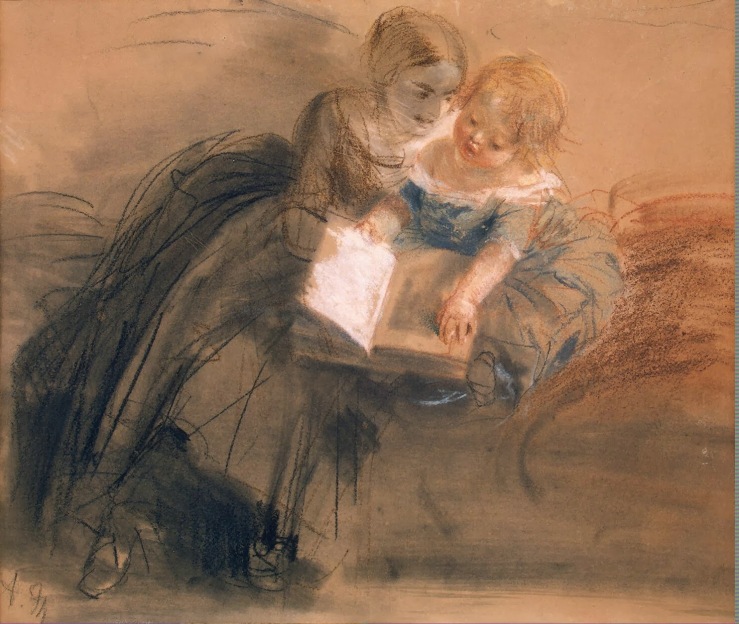
Young Woman Reading with Child — Adolph von Menzel

000000000000000000000000000000000000000

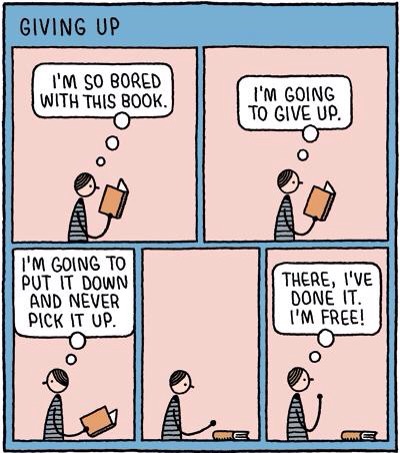
Infomercial: For-Profit Online University (Adult Swim)

Six Notes from Nathaniel Hawthorne’s Note-Books

Imitators of original authors might be compared to plaster casts of marble statues, or the imitative book to a cast of the original marble.


For a child’s story,–the voyage of a little boat made of a chip, with a birch-bark sail, down a river.


Fourier states that, in the progress of the world, the ocean is to lose its saltness, and acquire the taste of a peculiarly flavored lemonade.


How pleasant it is to see a human countenance which cannot be insincere,–in reference to baby’s smile.


The best of us being unfit to die, what an inexpressible absurdity to put the worst to death!


“Is that a burden of sunshine on Apollo’s back?” asked one of the children,–of the chlamys on our Apollo Belvedere.

From Nathaniel Hawthorne’s American Note-Books.

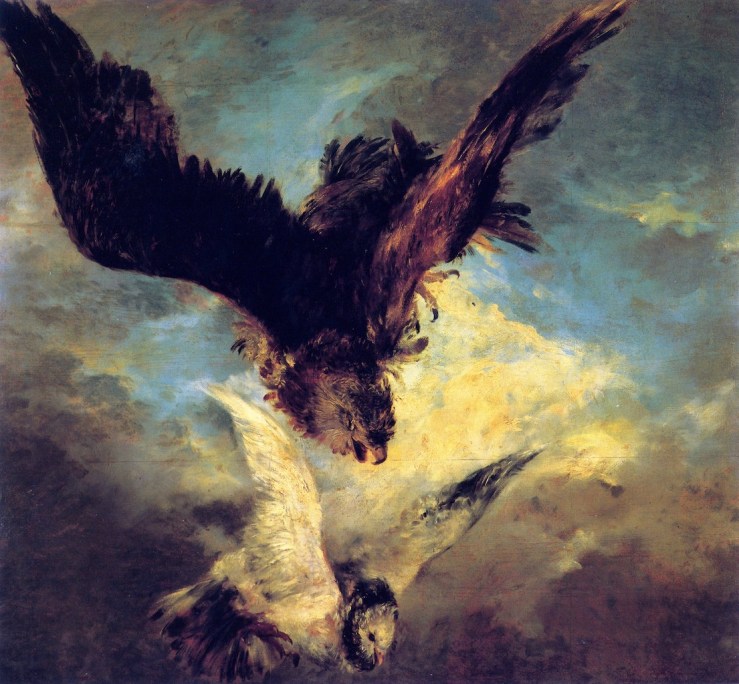
Falcon Swooping on a Dove — Adolph von Menzel

tumblr_ndxaudAxjI1rv5690o1_1280

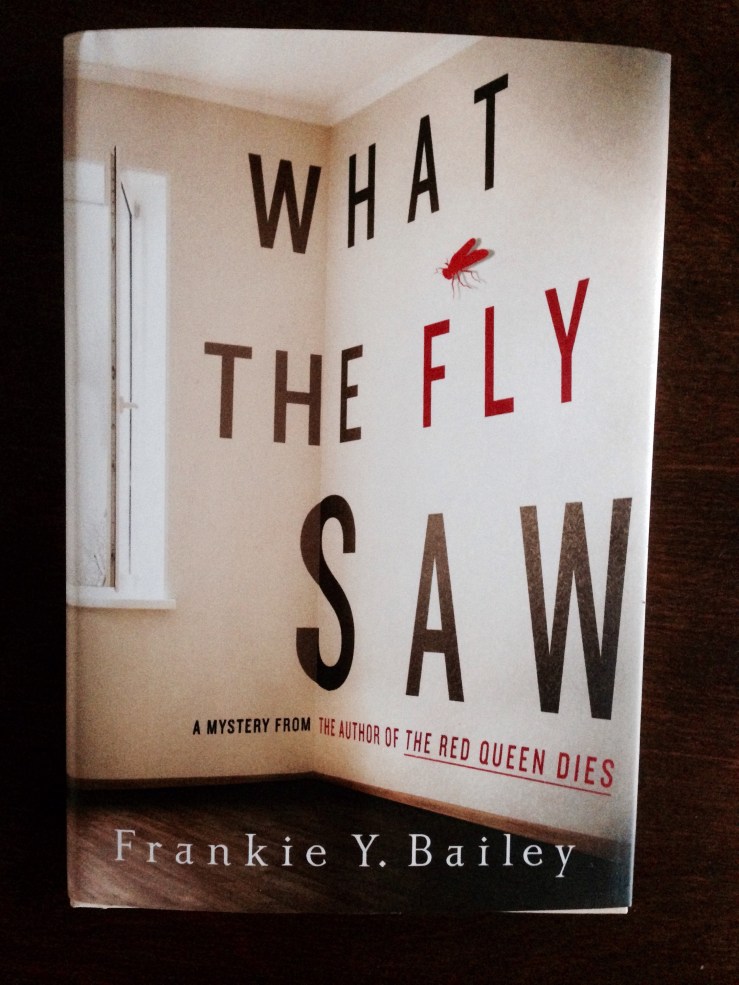
What the Fly Saw (Book acquired, some time in February 2015)

IMG_5098

Frankie Y. Bailey’s What the Fly Saw. Blurb from the author’s site:

The morning after a blizzard that shut down the city, funeral director Kevin Novak is found dead in the basement of his funeral home. The arrow sticking out of his chest came from his own hunting bow. A loving husband and father and an active member of a local megachurch, Novak had no known enemies. His family and friends say he had been depressed because his best friend died suddenly of a heart attack and Novak blamed himself. But what does his guilt have to do with his death? Maybe nothing, maybe a lot. The minister of the megachurch, the psychiatrist who provides counseling to church members, or the folksy Southern medium who irritates both men – one of these people may know why Novak was murdered. Detective Hannah McCabe and her partner, Mike Baxter, sort through lies and evasions to find the person who killed their “Cock Robin,” But McCabe is distracted by a political controversy involving her family, unanswered questions from another high-profile case, and her own guilt when a young woman dies after McCabe fails to act.


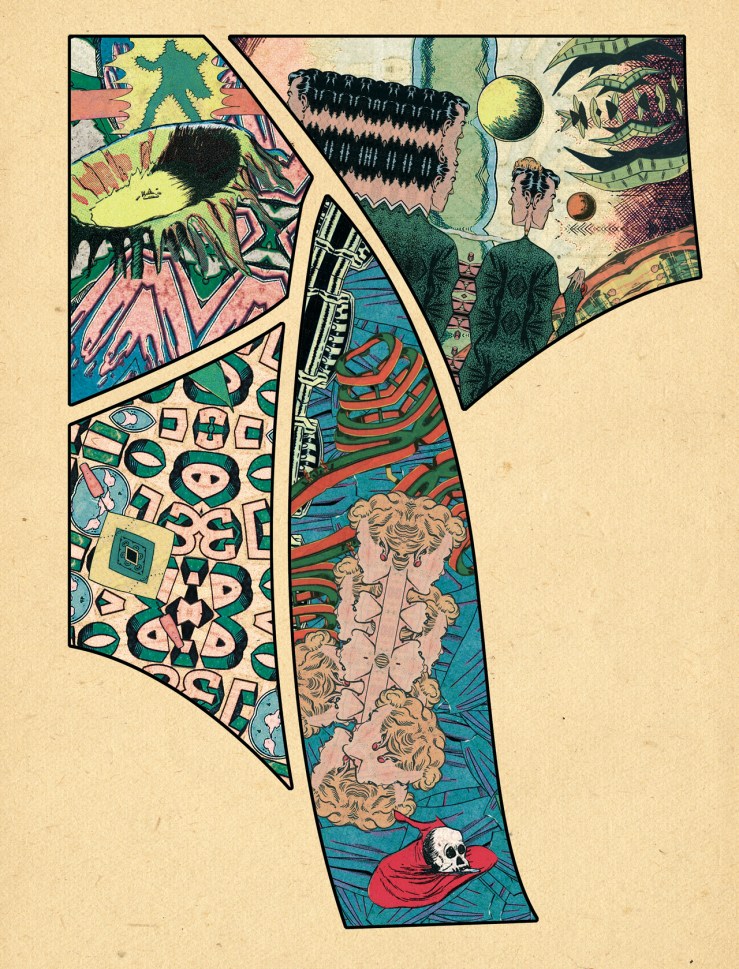
“Flowers,” a short Moebius-inspired comic by Katsuhiro Otomo

a b c

Read the rest of “Flowers” here.

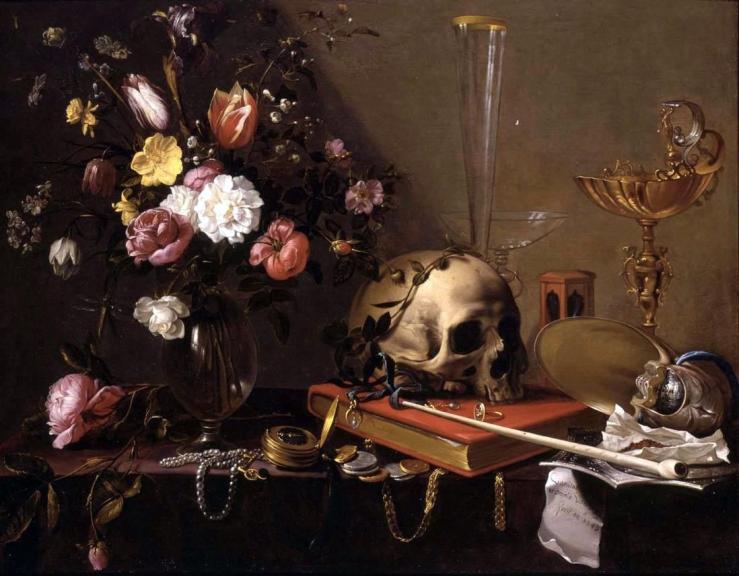
Small Bouquet and Skull — Adriaen van Utrecht

tumblr_lun3mnsEhb1r5569zo1_1280

Place has enshrined the spirit (Eudora Welty)

Place in fiction is the named, identified, concrete, exact and exacting, and therefore credible, gathering spot of all that has been felt, is about to be experienced, in the novel’s progress. Location pertains to feeling; feeling profoundly pertains to – place; place in history partakes of feeling, as feeling about history partakes of place. Every story would be another story, and unrecognizable as art, if it took up its characters and plot and happened somewhere else. Imagine Swann’s Way laid in London, or The Magic Mountain in Spain, or Green Mansions in the Black Forest. The very notion of moving a novel brings ruder havoc to the mind and affections than would a century’s alteration in its time. It is only too easy to conceive that a bomb that could destroy all trace of places as we know them, in life and through books, could also destroy all feelings as we know them, so irretrievably and so happily are recognition, memory, history, valor, love, all the instincts of poetry and praise, worship and endeavor, bound up in place. From the dawn of man’s imagination, place has enshrined the spirit; as soon as man stopped wandering and stood still and looked about him, he found a god in that place; and from then on, that was where the god abided and spoke from if ever he spoke.

From Eudora Welty’s essay “Place in Fiction.”

Henry VIII by the studio of Hans Holbein the Younger, 1540-1550 / Rick Ross

tumblr_nglfnbOeIh1txszqqo1_1280

I love love love this blog.

Taking Tea with Gordon Lish

Ready? I take my tea bag (or you take your teaspoon), one bag or one spoon for each five ounces of water, which is cold when I start and boiling up a rumpus before I pour, which I do, into a teapot that’s already hot, which condition of temperature is crucial.


So I pour furiously boiling water into good and hot teapot over bags or over loose tea or over bags or over tea bomb, slam top down, wrap entire business in dish towel, which is what I saw my mother do during the blizzard of ’46 and it made a tremendous impression on me, she being my mother and all. I understand some people are willing to buy a tea cosy—but, so far as I’m concerned, you’ve got to draw the line somewhere.


Anyhow, it sits for five minutes—you know, it steeps. If the waiting makes you edgy, go fold some paper bags. The next step is the last step, which is to hurry up and divide the product from its makings. Well, truth to tell, there is one more step—but that’s drinking it, drinking tea—which is a step I’m going to get around to, all in good time. When coffee scoots up over a sawbuck a can.

From Gordon Lish’s 1977 piece in The New York Times, “A Teaser on Tea, with a Footnote on Bags.” By way of context for that last line: the price of coffee soared in 1977 after a harsh freeze killed Brazilian crops. High coffee prices led to a coffee boycott. And tea drinking.

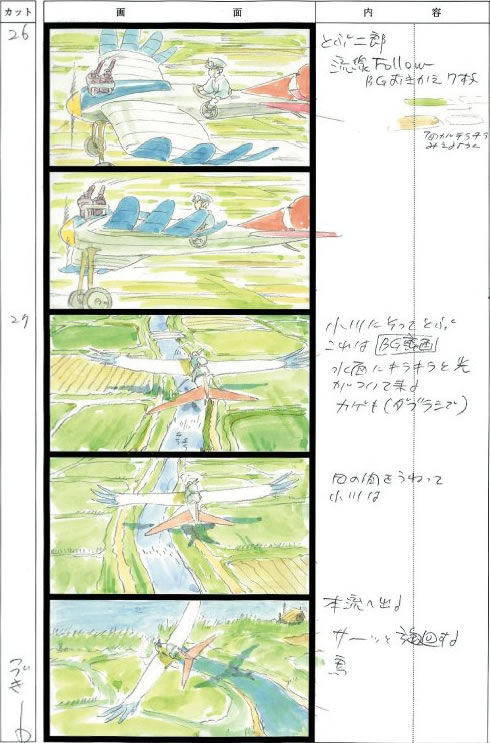
A storyboard from Hayao Miyazaki’s film The Wind Rises

tumblr_mr0fwaEYdQ1rjztfjo2_500

Via/more.

“Weather Vane” — Sam Prekop