What if we awake one day, all of us, and find ourselves utterly unable to read? (Nabokov’s Pale Fire)

We are absurdly accustomed to the miracle of a few written signs being able to contain immortal imagery, involutions of thought, new worlds with live people, speaking, weeping, laughing. We take it for granted so simply that in a sense, by the very act of brutish routine acceptance, we undo the work of the ages, the history of the gradual elaboration of poetical description and construction, from the treeman to Browning, from the caveman to Keats. What if we awake one day, all of us, and find ourselves utterly unable to read? I wish you to gasp not only at what you read but at the miracle of its being readable (so I used to tell my students). Although I am capable, through long dabbling in blue magic, of imitating any prose in the world (but singularly enough not verse – I am a miserable rhymester), I do not consider myself a true artist, save in one matter: I can do what only a true artist can do – pounce upon the forgotten butterfly of revelation, wean myself abruptly from the habit of things, see the web of the world, and the warp and the weft of that web.

From Vladimir Nabokov’s novel Pale Fire.

Corner of Studio Sink — Richard Diebenkorn

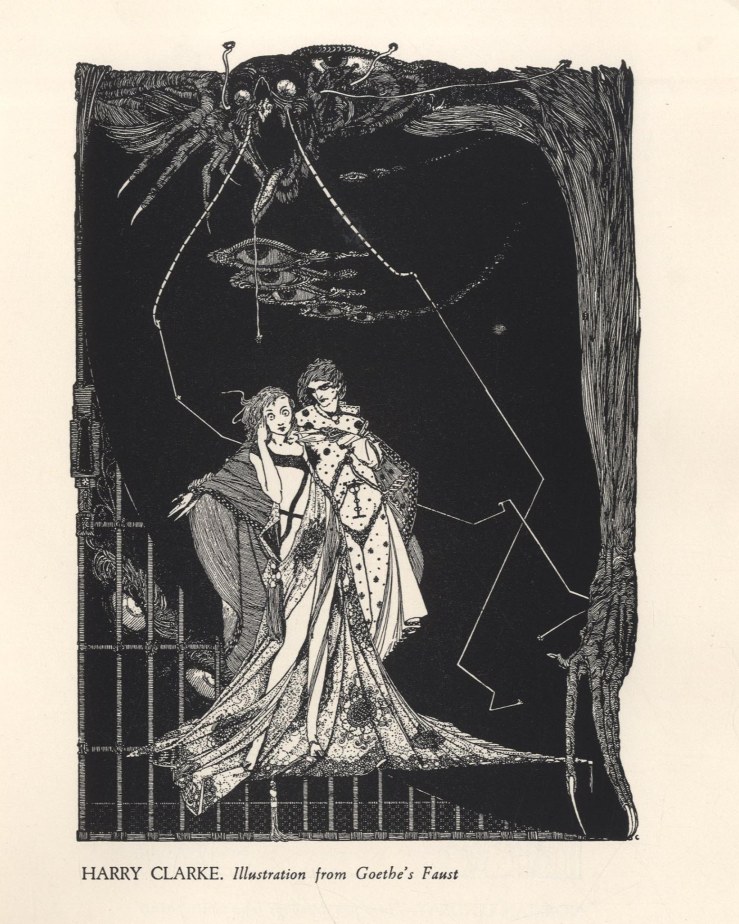
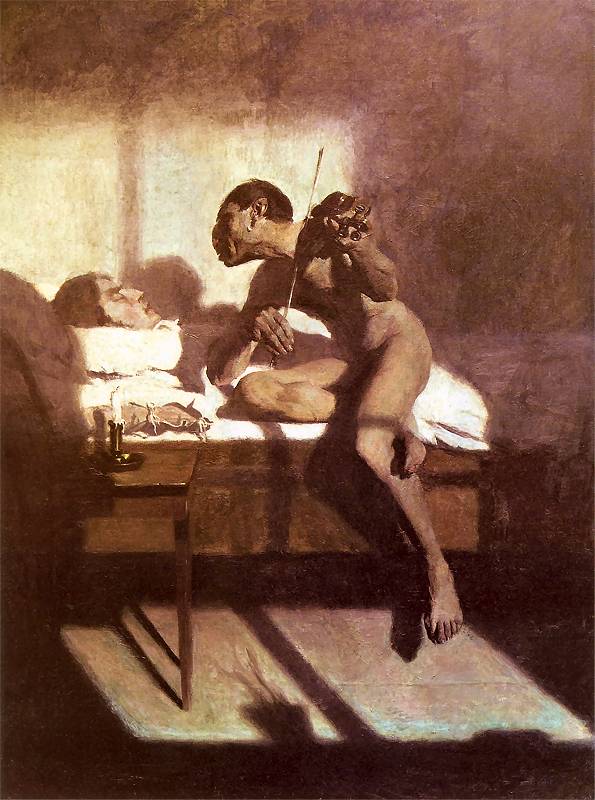
Illustration from Goethe’s Faust — Harry Clarke

4

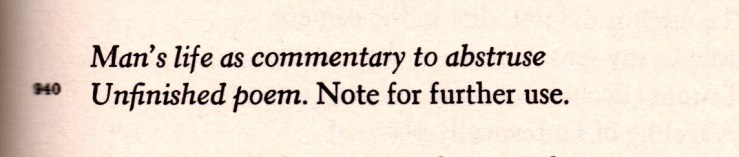
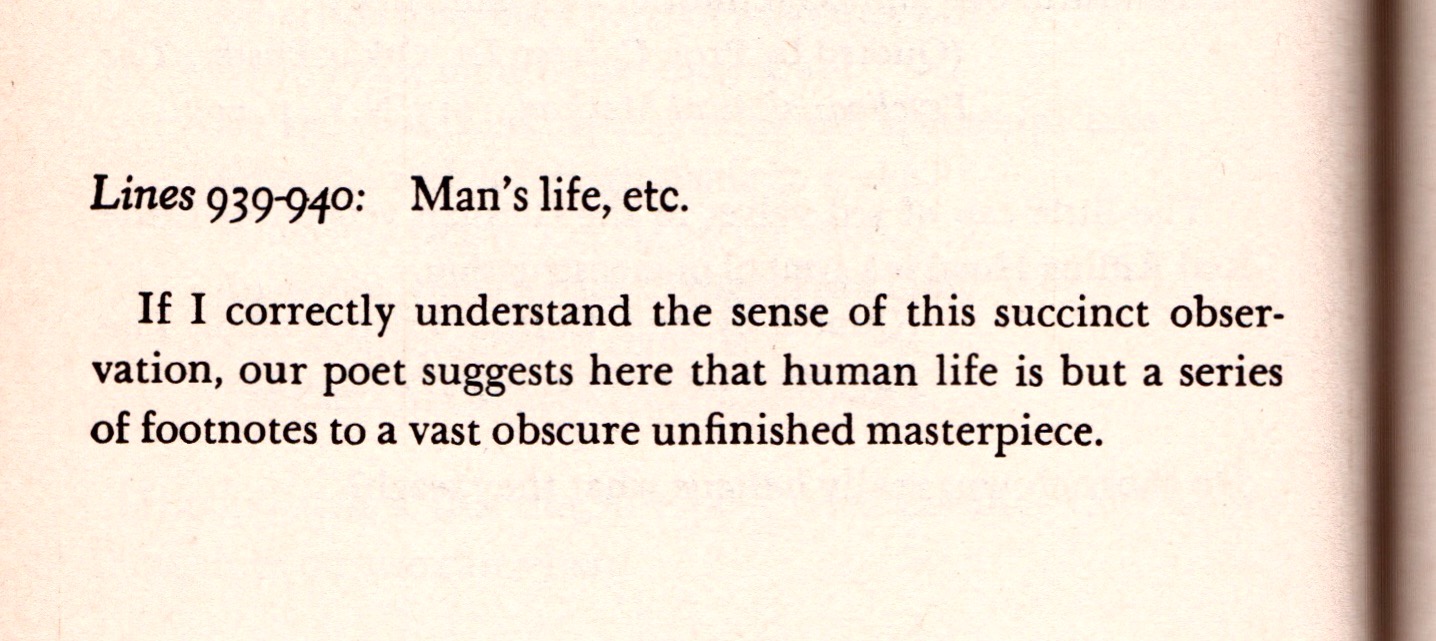
Man’s life, etc. (Nabokov’s Pale Fire)


From Vladimir’s novel Pale Fire.

The House of Nazareth — Francisco de Zurbaran

The Bus — Paul Kirchner

C4GDzdb - Imgur

Self-portrait with Black Background — Helene Schjerfbeck

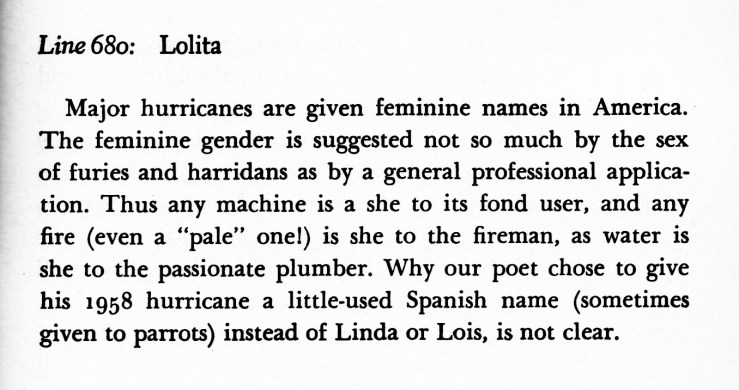
Lolita (Nabokov’s Pale Fire)

IMG_7865

Sixteen Don’ts for Poets (1917)

“Sixteen Don’ts for Poets” by Arthur Guiterman

from Literature in the Making (1917)


“Don’t think of yourself as a poet, and don’t dress the part.

“Don’t classify yourself as a member of any special school or group.

“Don’t call your quarters a garret or a studio.

“Don’t frequent exclusively the company of writers.

“Don’t think of any class of work that you feel moved to do as either beneath you or above you.

“Don’t complain of lack of appreciation. (In the long run no really good published work can escape appreciation.)

“Don’t think you are entitled to any special rights, privileges, and immunities as a literary person, or have any more reason to consider your possible lack of fame a grievance against the world than has any shipping-clerk or traveling-salesman.

“Don’t speak of poetic license or believe that there is any such thing.

“Don’t tolerate in your own work any flaws in rhythm, rhyme, melody, or grammar.

“Don’t use ‘e’er’ for ‘ever,’ ‘o’er’ for ‘over,’ ‘whenas’ or ‘what time’ for ‘when,’ or any of the ‘poetical’ commonplaces of the past.

“Don’t say ‘did go’ for ‘went,’ even if you need an extra syllable.

“Don’t omit articles or prepositions for the sake of the rhythm.

“Don’t have your book published at your own expense by any house that makes a practice of publishing at the author’s expense.

“Don’t write poems about unborn babies.

“Don’t—don’t write hymns to the great god Pan. He is dead; let him rest in peace!

“Don’t write what everybody else is writing.”

(Read the entire essay after the jump)

Continue reading “Sixteen Don’ts for Poets (1917)”

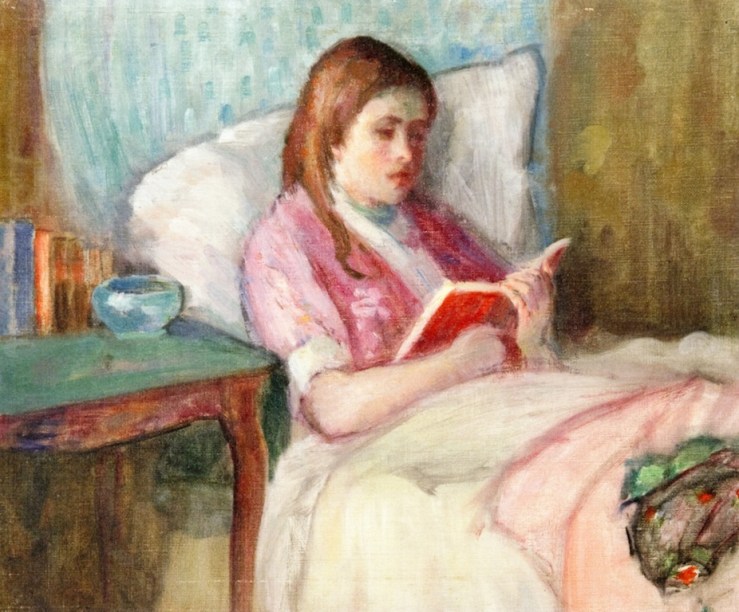
Young Woman Reading in Bed — Lucien Abrams

display_image (3)

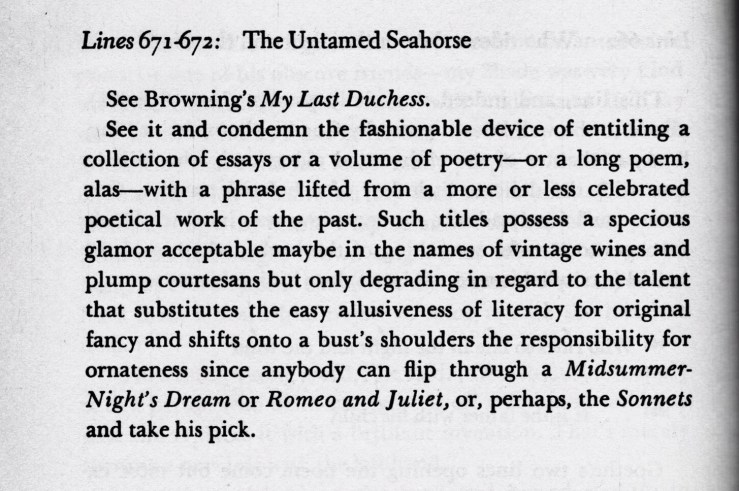
See it and condemn (Nabokov’s Pale Fire)

IMG_7867

I love this passage from Nabokov’s Pale Fire. The title of Pale Fire, of course, comes from Shakespeare’s Timon of Athens. Ironies aside, I dig the sentiment here, and would extend it to the glut of contemporary novels that rest heavily on the weight of other, better would-be precursor texts.

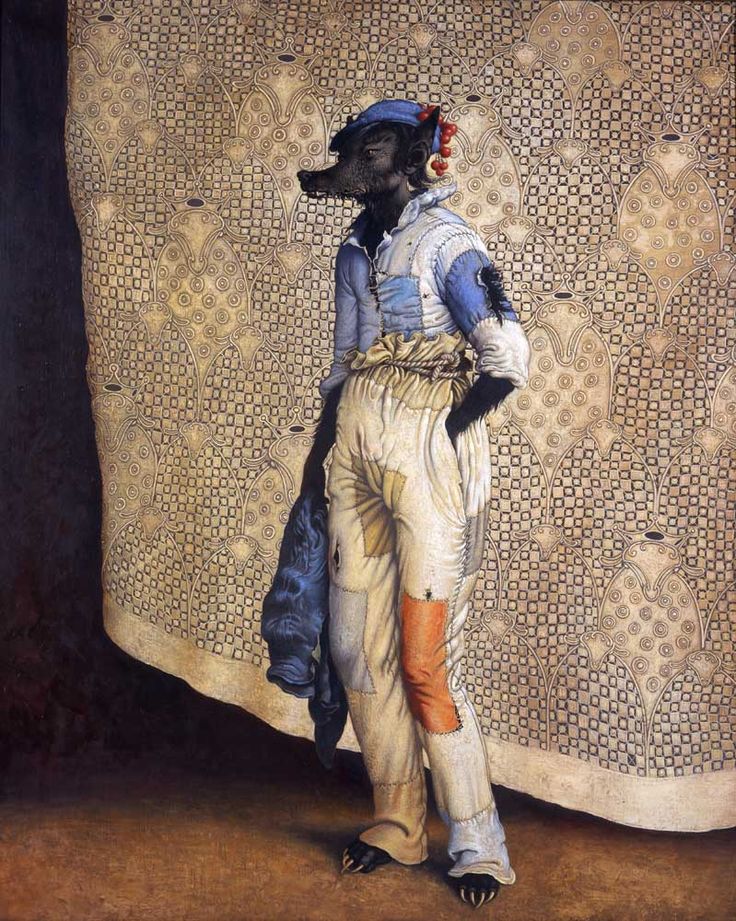
The Wolf — Claude Verlinde

1e2487853695c6c62d41df172f9fee7c

Reviews and riffs of June and July, 2015 (and an unrelated owl)

The second part of my (long) interview with Christopher K. Coffman and Daniel Lukes, editors of William T. Vollmann: A Critical Companion. Chock full of all sorts of riffage: sincerity, authenticity, Vollmann’s visual art, etc. Special bonus: slightly frazzled Franzen pic.

I reread David Foster Wallace’s novel Infinite Jest in June/July. First time I’d read the whole thing since 2001. I wrote about reading the first 299 pages. I was also reading some of the essays in William H. Gass’s Fiction and the Figures of Life, and I riffed at some length on Wallace contra Gass, masscult entertainment, etc. From that riff:

…this is Wallace’s big insight in Infinite Jest, right?—that our consciousnesses, mapped in the muck, are framed in desire and reward, and we are conditioned/subjected into that system of desire/reward, so that we desire the desire, even as our consciousnesses…can sneer at something we love, can dismiss the muck that helped shape us even as we plunge into it, the muck. And—too, part of Wallace’s insight in Infinite Jest—too, the consciousness of the consciousness of the desire of desire—that that’s, like, the contemporary condition. And what Wallace…seems to want to point to is some way out of the muck of pop consciousness, a reconciliation toward a pure consciousness that doesn’t sneer—right?

I also wrote a brief note to readers new to Infinite Jest, and included a list of motifs, which (the list) may or may not be helpful.

Nell Zink’s debut novel The Wallcreeper is fucking incredible.

Loved loved loved J.G. Ballard’s degenerate debauched depraved novel High-Rise

—but his later novel Millennium People, despite a great concept and some fascinating ideas, really isn’t so good.

Here’s that owl—with a special guest no less!

tumblr_m35xhxxMkN1qekndso1_500

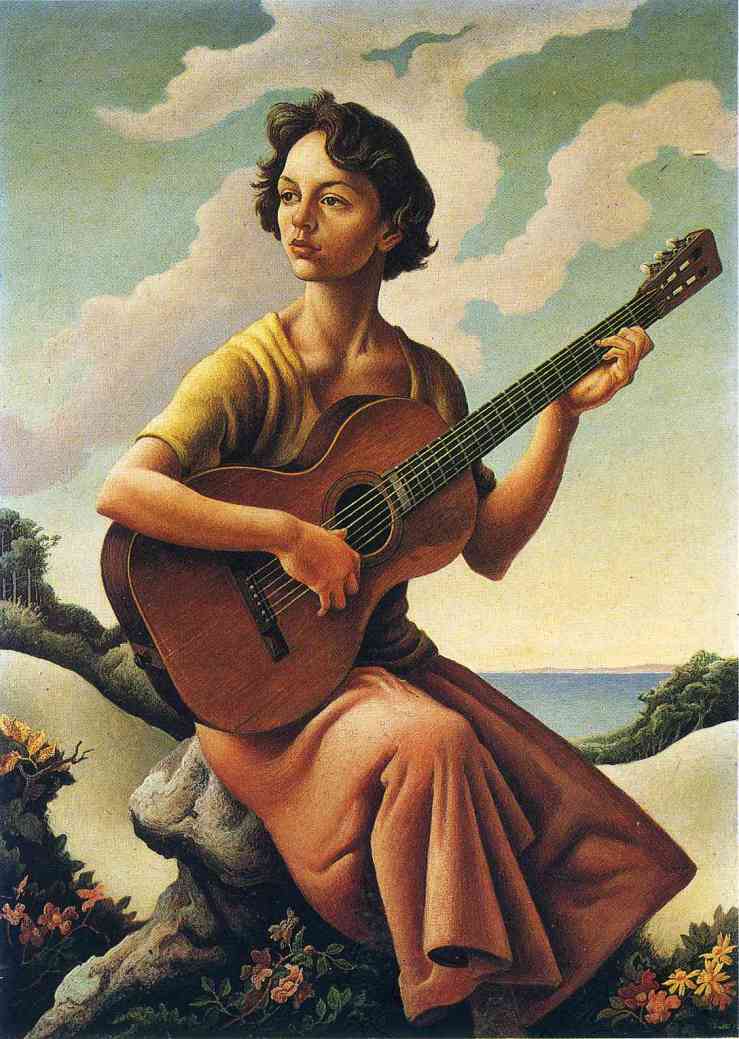
Jessie with Guitar — Thomas Hart Benton

tumblr_mkv94mVcM91rrnekqo1_1280

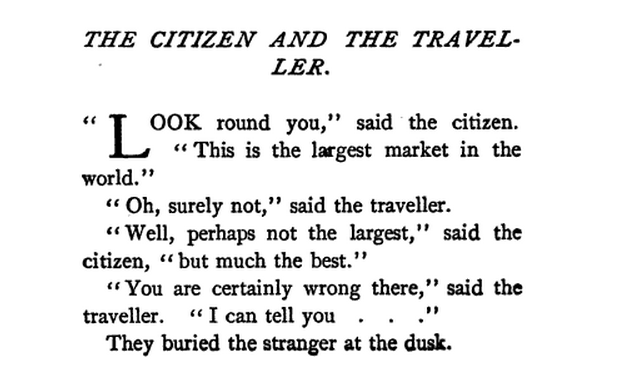
“The Citizen and the Traveller,” a short fable from Robert Louis Stevenson

Screenshot 2015-07-29 at 9.46.13 AM

Red and Pink Rocks — Georgia O’Keeffe