Read “The Fortune-Teller,” a short story by Joaquim Maria Machado de Assis

“The Fortune-Teller”

by

Joaquim Maria Machado de Assis

Translated by Isaac Goldberg


Hamlet observes to Horatio that there are more things in heaven and earth than are dreamt of in our philosophy. This was the selfsame explanation that was given by beautiful Rita to her lover, Camillo, on a certain Friday of November, 1869, when Camillo laughed at her for having gone, the previous evening, to consult a fortune-teller. The only difference is that she made her explanation in other words.

“Laugh, laugh. That’s just like you men; you don’t believe in anything. Well, let me tell you, I went there and she guessed the reason for my coming before I ever spoke a word. Scarcely had she begun to lay out the cards when she said to me: ‘The lady likes a certain person …’ I confessed that it was so, and then she continued to rearrange the cards in various combinations, finally telling me that I was afraid you would forget me, but that there were no grounds for my fear.”

“She was wrong!” interrupted Camillo with a laugh.

“Don’t say that, Camillo. If you only realized in what anguish I went there, all on account of you. You know. I’ve told you before. Don’t laugh at me; don’t poke fun at me….”

Camillo seized her hands and gazed into her eyes earnestly and long. He swore that he loved her ever so much, that her fears were childish; in any case, should she ever harbor a fear, the best fortune-teller to consult was he himself. Then he reproved her, saying that it was imprudent to visit such houses. Villela might learn of it, and then …

“Impossible! I was exceedingly careful when I entered the place.”

“Where is the house?”

“Near here. On Guarda-Velha Street. Nobody was passing by at the time. Rest easy. I’m not a fool.”

Camillo laughed again.

“Do you really believe in such things?” he asked. Continue reading “Read “The Fortune-Teller,” a short story by Joaquim Maria Machado de Assis”

Detail from Saint Michael and the Devil — Raphael

b

Saint Michael and the Devil (detail), c. 1503-04 by Raphael (1483-1520)

Inherent Vice 2: Inherent Boogaloo (William Gaddis’s The Recognitions)

img_1478

From page 234 of my copy of William Gaddis’s The Recognitions. (See also and also and also).

Read “Lost in the Louvre,” a short story by Lucia Berlin

“Lost in the Louvre” is a short story from Lucia Berlin’s collection of previously-uncompiled stories, Evening in Paradise. You can read the entire story at FS&G’s Work in Progress site.

Here are the first four paragraphs:

9780374279486As a child I would try to capture the exact moment that I passed from awake to asleep. I lay very still and waited, but the next thing I knew, it was morning. I did this off and on as I grew older. Sometimes I ask people if they have ever tried this, but they never understand what I mean. I was over forty when it first happened, and I wasn’t even trying. A hot summer night. Arcs from car headlights swept across the ceiling. The whirr of a neighbor’s sprinklers. I caught sleep. Just as it came quiet as a cool sheet to cover me, a light caress on my eyelids. I felt sleep as it took me. In the morning I woke up happy and I never needed to try it again.
It certainly had never occurred to me to catch death, although it was in Paris that I did. That I saw how it comes upon you.

I’m sure this sounds melodramatic. I was very happy in Paris, but sad too. My lover and my father had died the year before. My mother had quite recently died. I thought about them as I walked the streets or sat in cafés. Especially Bruno, talking to him in my head, laughing with him. My childhood friends, girls lying around on the grass, on the beach, talking about going to Paris someday. They were dead too. So was Andres, who had given me Remembrance of Things Past.

The first few weeks I explored every tourist destination in the city. L’Orangerie, the lovely Sainte Chapelle on a sunny day. Balzac’s house, Hugo’s museum. I sat upstairs at the Deux Magots, where everyone looked like a Californian or Camus. I went to Baudelaire’s grave in Montmartre and thought it was funny for feminist Simone de Beauvoir to be buried with Sartre. I even went to a museum for medical instruments and a stamp museum. I loitered on the rue de Courcelles and walked the Champs Elysées. Napoleon’s tomb, the Sunday bird market. La Serpente. Some days I took random combinations of Metros and walked and walked in each new quarter. I sat in the square beneath Colette’s apartment and walked in the Luxembourg Gardens with everybody from Flaubert to Gertrude Stein. I went to Boulevard Haussmann and to the Bois de Boulogne with Albertine. Everything I saw seemed vividly déjà vu, but I was seeing what I had read.

Read the rest of “Lost in the Louvre.”

Detail from Saint Michael and the Devil — Raphael

a
Saint Michael and the Devil (detail), c. 1503-04 by Raphael (1483-1520)

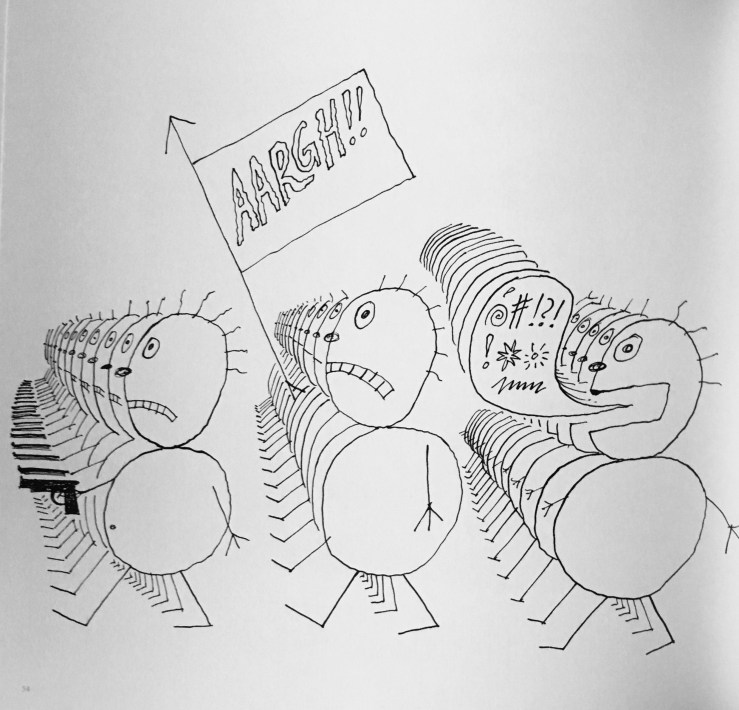
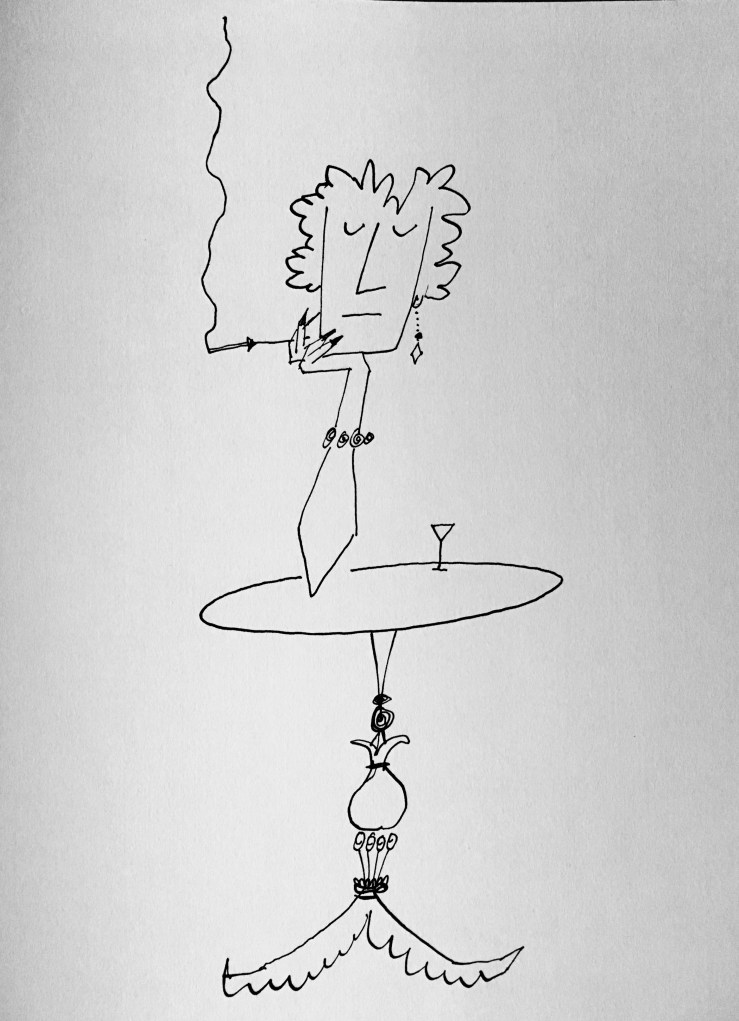
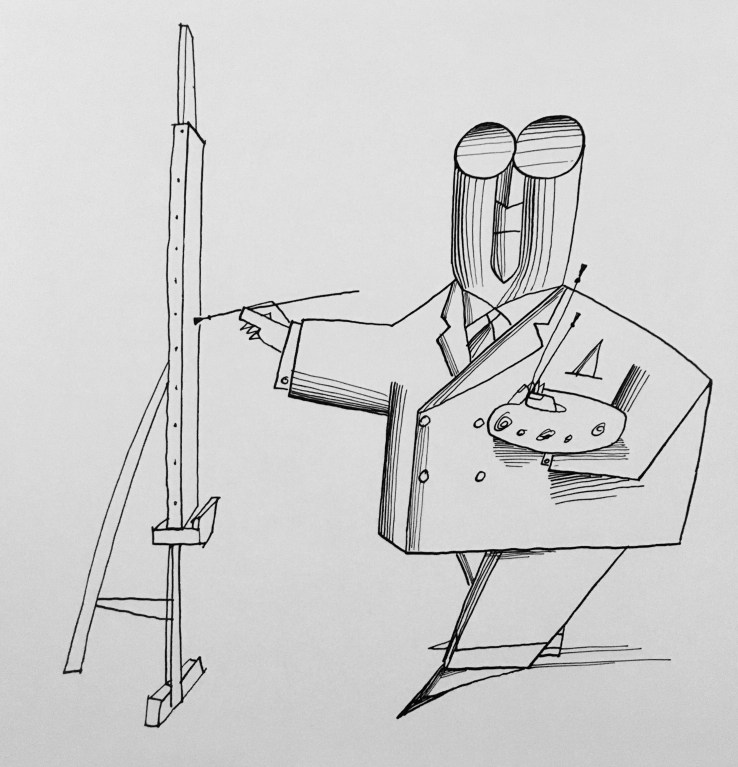
Saul Steinberg’s The Labyrinth (Book acquired 27 Oct. 2018)

img_1471

Saul Steinberg’s The Labyrinth is new in print again from NYRB, this time with a new introduction by novelist Nicholson Baker. The book is simply gorgeous.

img_1327

My eight-year-old son immediately asked if he might read it (he has been on a sort of comix probation since I caught him reading a R. Crumb collection), and he shuttled through the thing two or three times over half an hour.

img_1474

The Labryinth is 280 or so pages of illustrations with no story or plot, and he was a bit bewildered when I told him I planned to review the thing. “How?” I’ll figure out a way.

img_1472

For now, here’s NYRB’s blurb:

Saul Steinberg’s The Labyrinth, first published in 1960 and long out of print, is more than a simple catalog or collection of drawings— these carefully arranged pages record a brilliant, constantly evolving imagination confronting modern life. Here is Steinberg, as he put it at the time, “discovering and inventing a great variety of events: Illusion, talks, music, women, cats, dogs, birds, the cube, the crocodile, the museum, Moscow and Samarkand (winter, 1956), other Eastern countries, America, motels, baseball, horse racing, bullfights, art, frozen music, words, geometry, heroes, harpies, etc.” This edition, featuring a new introduction by Nicholson Baker, an afterword by Harold Rosenberg, and new notes on the artwork, will allow readers to discover this unique and wondrous book all over again.

img_1473

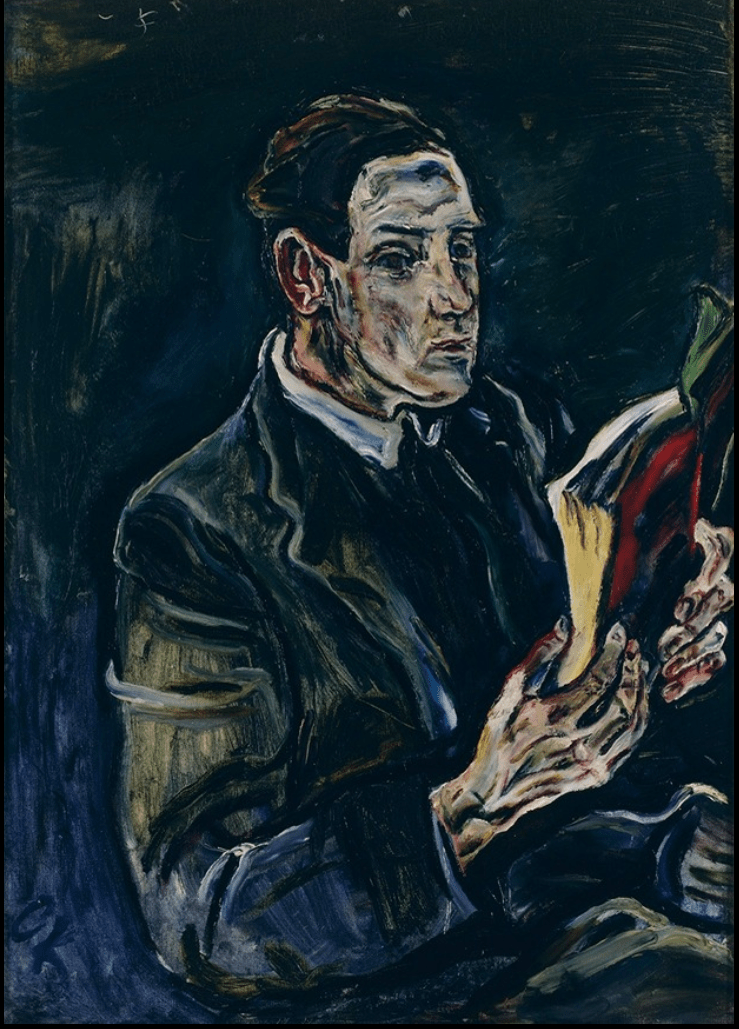
Portrait of the Physician Ludwig Adler — Oskar Kokoschka

ok

Portrait of the Physician Ludwig Adler, 1914 by Oskar Kokoschka (1886-1980)

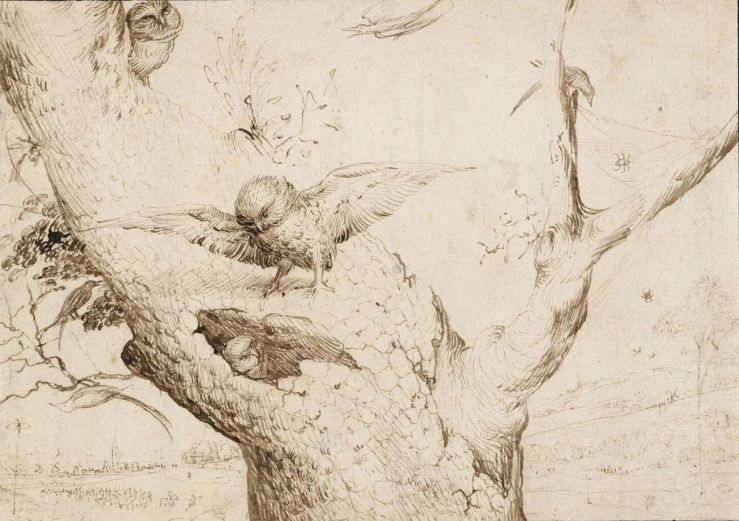
The Owl’s Nest — Hieronymus Bosch

1280px-the_owl27s_nest_bosch

The Owl’s Nest, c. 1505-16 by Hieronymus Bosch (c. 1450-1516)

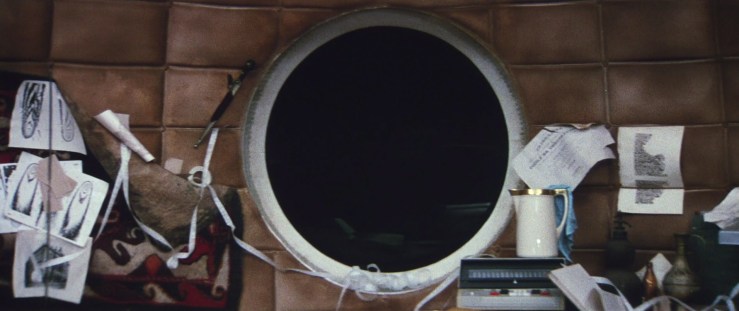
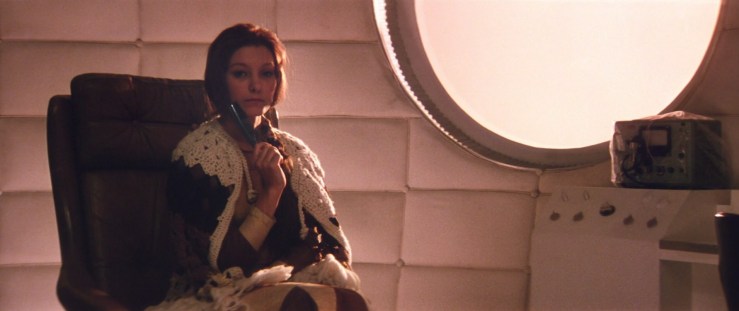
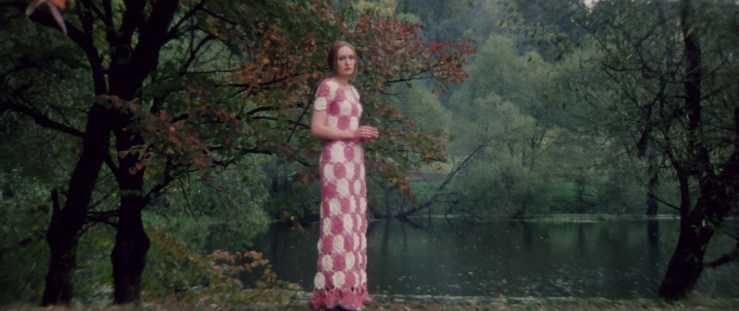
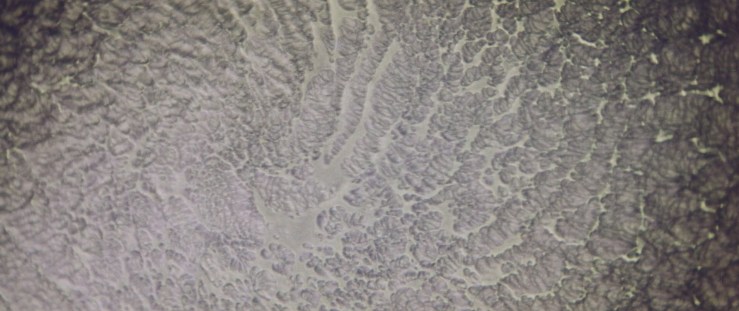
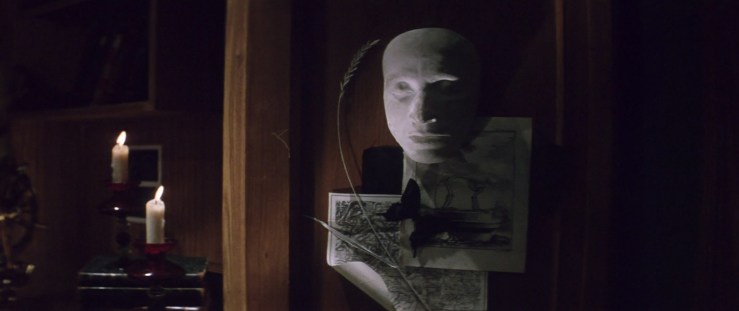
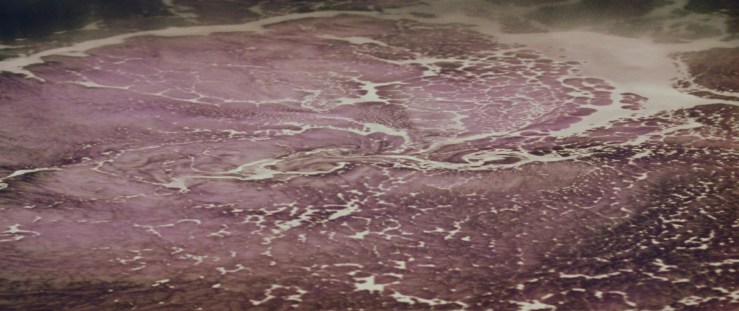
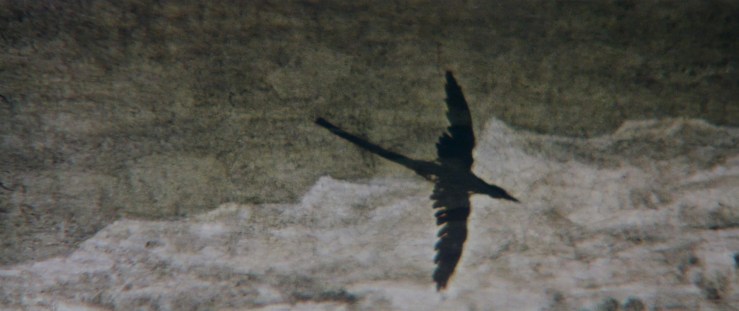
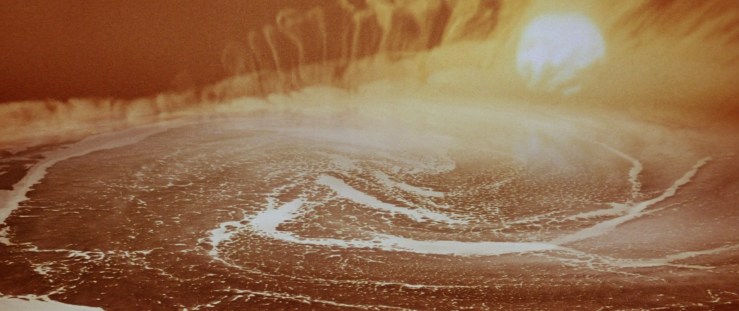
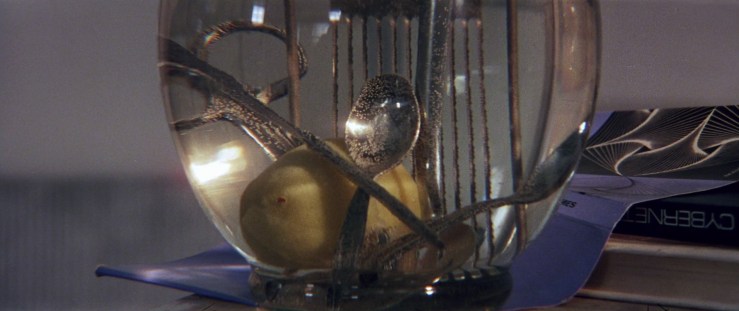
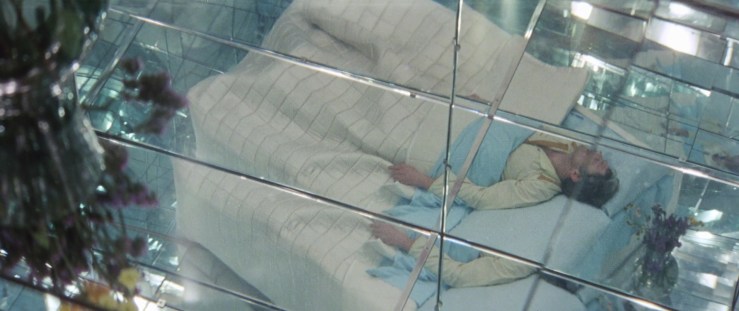
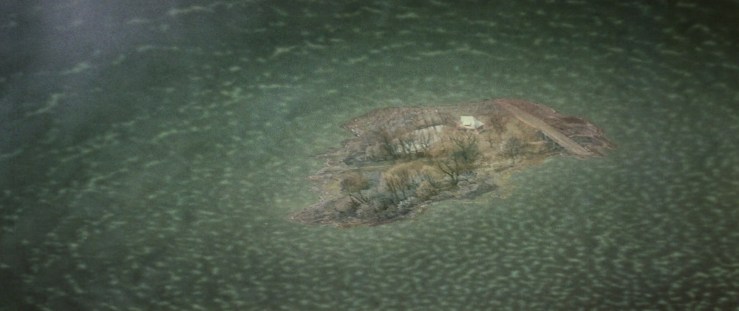
Nineteen still frames from Tarkovsky’s Solaris

solaris-1972-016solaris-1972-023solaris-1972-026solaris-1972-039solaris-1972-046solaris-1972-051solaris-1972-055solaris-1972-067solaris-1972-089solaris-1972-079solaris-1972-094solaris-1972-096solaris-1972-106solaris-1972-102solaris-1972-117solaris-1972-118solaris-1972-123solaris-1972-126solaris-1972-143

From Solaris, 1972. Directed by Andrei Tarkovsky with cinematography by Vadim Yusov. Via Screenmusings.

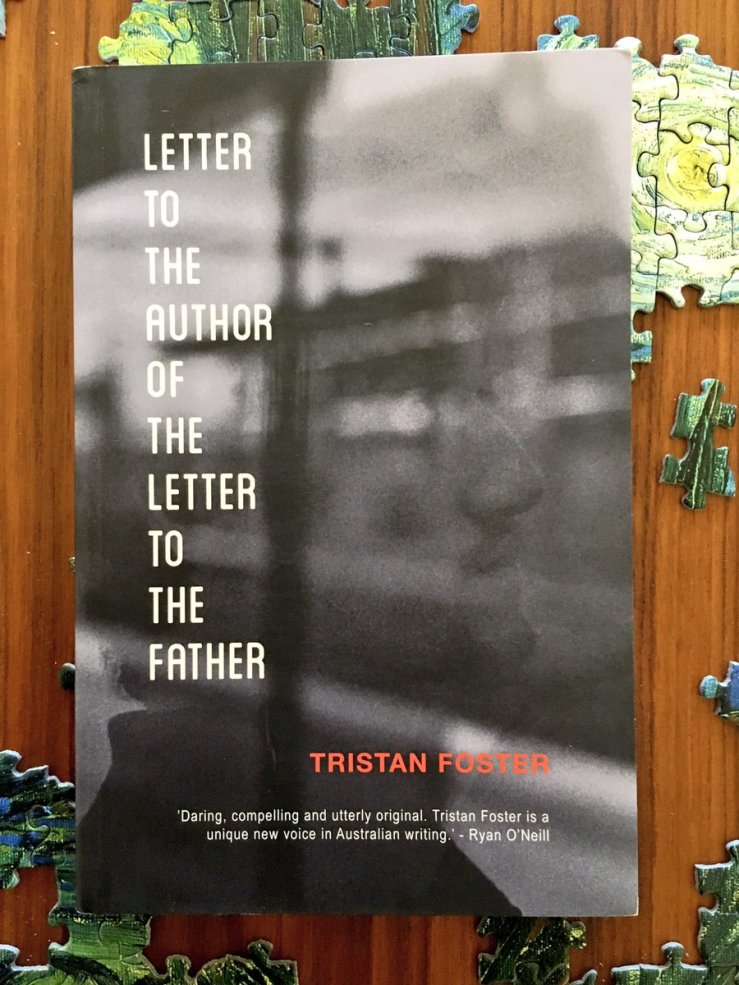
Tristan Foster’s Letter to the Author of the Letter to the Father (Book acquired, 29 Oct. 2018)

dqsvys2vsaaengd

Attempting to fictionalise things that happened to me or that I observed, even from afar, can be like trying to slip through a gap in a wire fence: shirtsleeves are snagged and threaten to unspool—so bear with me.

From “Music for Church Organs.”

Tristan Foster’s Letter to the Author of the Letter to the Father is new from Transmission Press.

“What does one wear to one’s death? What does the sheep think of the sky? Wrap the disc of soap in the washer. Draw it slow across the flesh, up the arm, up the arm, across the belly. Flesh of the living becomes flesh of the dead. Open the cupboard, doorknob squealing. Finger through coathangers, coats and throwovers and dresses. Pull a skirt out to see, imagine it on the hips, around the legs, hang the hanger back and look for death-clothe again. The water hot brings out the soap’s smell soft and light as feathers. That day on the corner the boys threw eggs. Egg in the hair and ran home. Egg on face means a smile now. Water down back down legs.

From “What the Sheep Thinks of the Sky.”

There are 28 stories in Letter to the Author of the Letter to the Father.

I met the dead man in the only place appropriate: underground. I was in Cappadocia, Turkey, in a tunnel dug more than a millennium ago by Byzantines hiding with their faith. I was—I admit this only reluctantly—lost; I’d separated from the tour group soon after the smiling guide had explained that the network of tunnels stretched out under the countryside for kilometers, and was alone in the ancient hallways for long enough to imagine being trapped in them forever.

From “The Deadest Man in the Underworld.”

I have not read all of the stories in Letter to the Author of the Letter to the Father yet.

While on holiday in Europe you go to a Courbet exhibition with a friend but you are so distracted by the scratching of your shirt’s tag on the base of your neck that later, after you’ve left the gallery, all that will remain with you are memories of idyllic, woodland scenes. A deer maybe. Only when you exit the exhibition do you go into a toilet cubicle, wrestle the back of the shirt around to the front and pluck off the tag, tearing a hole in the collar.

From “Stories About You.”

Some of the stories in Letter to the Author of the Letter to the Father are microfictions; some are not. Most are what could lazily be called experimental, but I don’t think Foster is experimenting. I think he knows what he’s doing. The reader is the one who gets experiment.

To be specific: fire-burnt fingers.

From “Hellhole.”

Tristan Foster’s Letter to the Author of the Letter to the Father is new from Transmission Press.


Inherent Vice (William Gaddis’s The Recognitions)

img_1462

From page 182 of my copy of William Gaddis’s The Recognitions. (See also and also).

Robby Müller on shooting Down By Law

The Tree of Paradise — Séraphine Louis

seraphine-de-senlis_larbre-de-paradis_1930-984x1500

The Tree of Paradise, 1930 by Séraphine Louis (1864–1942)

Saul Steinberg Talks

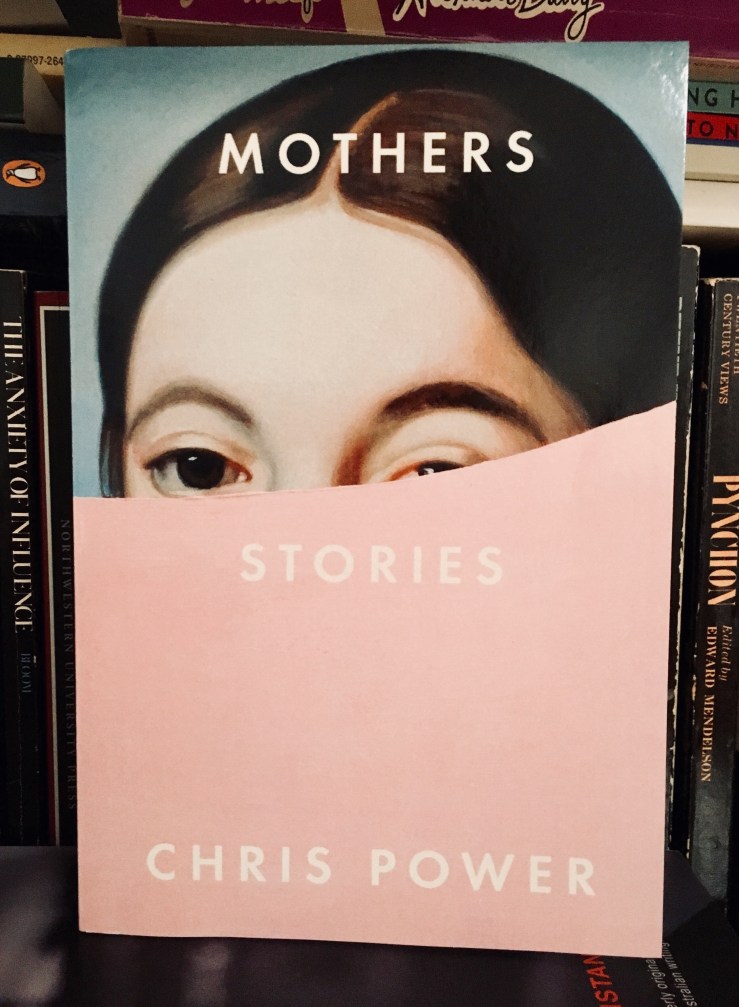
Chris Power’s Mothers (Book acquired, 23 Oct. 2018)

img_1461

I’ve been reading Chris Power’s series “A Brief Survey of the Short Story” for years now at The Guardian, so I wasn’t surprised when I saw a while back that he was working on his own collection of short fiction. I’ve read the first two in this collection, and so far, it’s Good Stuff. Proper review to come.

Mothers is forthcoming in the U.S. in January of 2019 from FS&G. Their blurb:

Chris Power’s stories are peopled by men and women who find themselves at crossroads or dead ends—characters who search without knowing what they seek. Their paths lead them to thresholds, bridges, rivers, and sites of mysterious, irresistible connection to the past. A woman uses her mother’s old travel guide, aged years beyond relevance, to navigate on a journey to nowhere; a stand-up comic with writer’s block performs a fateful gig at a cocaine-fueled bachelor party; on holiday in Greece, a father must confront the limits to which he can keep his daughters safe. Braided throughout is the story of Eva, a daughter, wife, and mother, whose search for a self and place of belonging tracks a devastating path through generations.

Ranging from remote English moors to an ancient Swedish burial ground to a hedonistic Mexican wedding, the stories in Mothers lay bare the emotional and psychic damage of life, love, and abandonment. Suffused with yearning, Power’s transcendent prose expresses a profound ache for vanished pasts and uncertain futures.

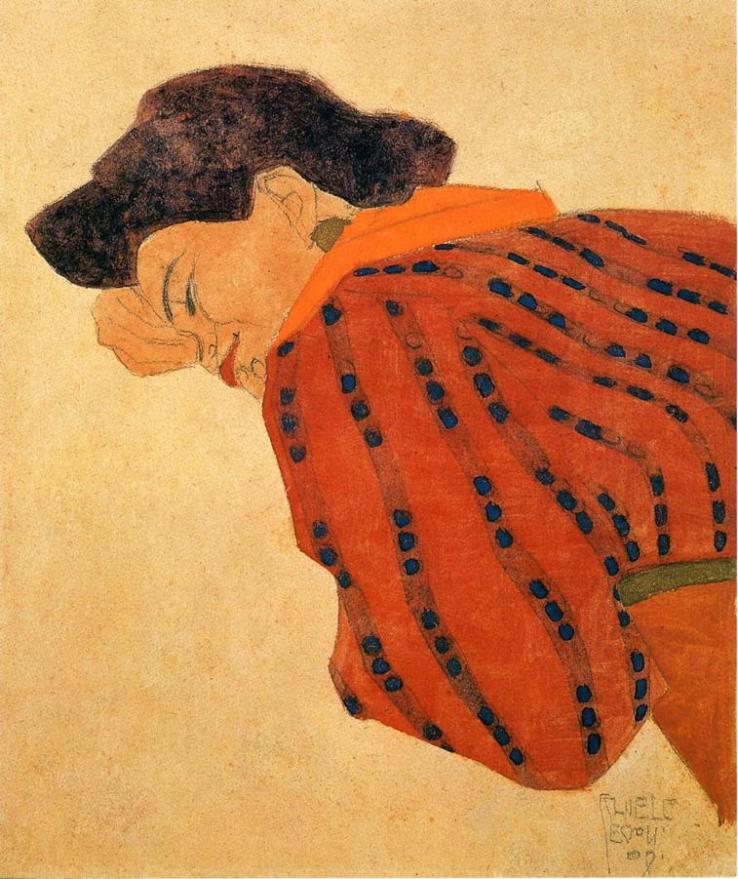
Reclining Woman with Red Blouse — Egon Schiele

reclining-woman-with-red-blouse-1908

Reclining Woman with Red Blouse, 1908 by Egon Schiele (1890-1918)