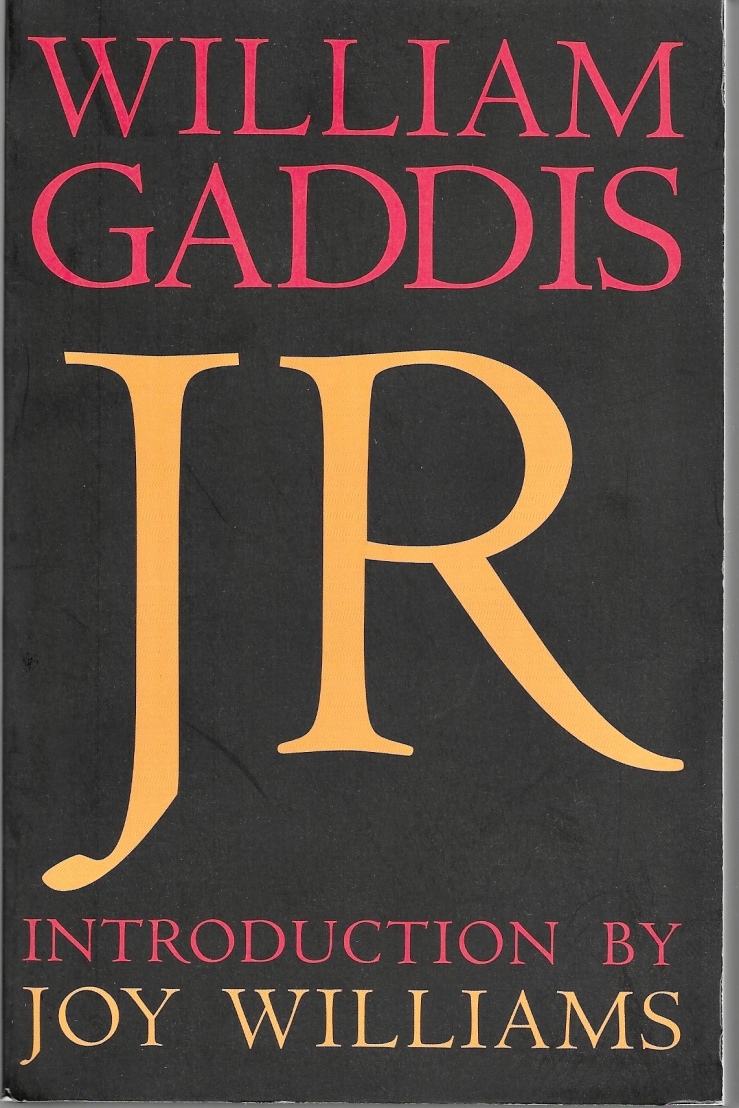
“The Death of Me”
by
Gordon Lish
I wanted to be amazing. I wanted to be so amazing. I had already been amazing up to a certain point. But I was tired of being at that point. I wanted to go past that point. I wanted to be more amazing than I had been up to that point. I wanted to do something which went beyond that point and which went beyond every other point and which people would look at and say that this was something which went beyond all other points and which no other boy would ever be able to go beyond, that I was the only boy who could, that I was the only one.
I was going to a day camp which was called the Peninsula Athletes Day Camp and which at the end of the summer had an all-campers, all-parents, all-sports field day which was made up of five different field events, and all of the campers had to take part in all five of all of the five different field events, and I was the winner in all five of the five different field events, I was the winner in every single field event, I came in first place in every one of the five different field events — so that the head of the camp and the camp counselors and the other campers and the other mothers and the other fathers and my mother and my father all saw that I was the best camper in the Peninsula Athletes Day Camp, the best in the short run and the best in the long run and the best in the high jump and the best in the broad jump and the best in the event which the Peninsula Athletes Day Camp called the ball-throw, which was where you had to go up to a chalk line and then put your toe on the chalk line and not go over the chalk line and then go ahead and throw the ball as far as you could throw.
I did.
I won.
It was 1944 and I was ten years old and I was better than all of the other boys at that camp and probably all of the boys at any other camp and all of the boys everywhere else.
I felt more wonderful than I had ever felt. I felt so thrilled with myself. I felt like God was whispering things to me inside of my head to me. I felt like God was asking me for me to have a special secret with him or for me to have a secret arrangement with him and that I had better keep on listening to his secret recommendations to me inside of my head. I felt like God was telling me to realize that he had made me the most unusual member of the human race and that he was going to need for me to be ready for him for me to go to work for him at any minute for him on whatever thing he said.
They gave me a piece of stiff cloth which was in the shape of a shield and which was in the camp colors and which had five blue stars on it. They said that I was the only boy ever to get a shield with as many as that many stars on it. They said that it was unheard-of for any boy ever to get as many as that many stars on it. But I could already feel that I was forgetting what it felt like for somebody to do something which would get you a shield with as many as that many stars on it. I could feel myself forgetting and I could feel everybody else forgetting — even my mother and father and God forgetting. It was just a little while afterwards, but I could tell that everybody was already forgetting everything about it — that the head of the camp was and the camp counselors were and the other campers were and that the other mothers and the other fathers were and that my mother and my father were and that even that I myself was, even though I was trying with all of my might for me to be the one person who never would.
I felt like God was ashamed of me. I felt like God was sorry that I was the one which he had picked out and that he was getting ready for him to make a new choice and for him to choose another boy instead of me and that I had to hurry up before God did it, that I had to be quick about showing God that I could be just as amazing again as I used to be and that I could do something, do anything, else.
It was August.
I was feeling the strangest feeling that I have ever felt. I was standing there with my parents and with all of the people who had come there for the field day and I was feeling the strangest feeling which I have ever felt.
I felt like lying down on the field. I felt like killing all of the people. I felt like going to sleep and staying asleep until someone came and told me that my parents were dead and that I was all grown up and that there was a new God in heaven and that he liked me better than even than the old God had.
My parents kept asking me where did I want to go now and what did I want to do. My parents kept trying to get me to tell them where I thought we should all of us go now and what was the next thing for us as a family to do. My parents kept saying they wanted for me to be the one to make up my mind if we should all of us go someplace special now and what was the best thing for the family, as a family, to do. But I did not know what they meant — do, do, do?
My father took the shield away from me and held it in his hands and kept turning it over in his hands and kept looking at the shield in his hands and kept feeling the shield with his hands and kept saying that it was made of buckram and of felt. My father kept saying did we know that it was just something which they had put together out of buckram and of felt. My father kept saying that the shield was of a very nice quality of buckram and of felt but that we should make every effort for us not to ever get it wet because it would run all over itself, buckram and felt.
I did not know what to do.
I could tell my parents did not know what to do.
We just stood around with the people all around all going away to all of the vehicles that were going to take them to places and I could tell that we did not, as a family, know if it was time for us to go.
The head of the camp came over and said that he wanted to shake my hand again and to shake the hands of the people who were responsible for giving the Peninsula Athletes Day Camp such an outstanding young individual and such a talented young athlete as my mother and father had.
He shook my hand again.
It made me feel dizzy and nearly asleep.
I saw my mother and my father get their hands ready. I saw my father get the shield out of the hand that he thought he was going to need for him to have his hand ready to shake the hand of the head of the camp. I saw my mother take her purse and do the same thing. But the head of the camp just kept shaking my hand, and my mother and my father just kept saying thank you to him, and then the head of the camp let go of my hand and took my father’s elbow with one hand and then touched my father on the shoulder with the other hand and then said that we were certainly the very finest of people, and then — he did this, he did this! — and then he went away.