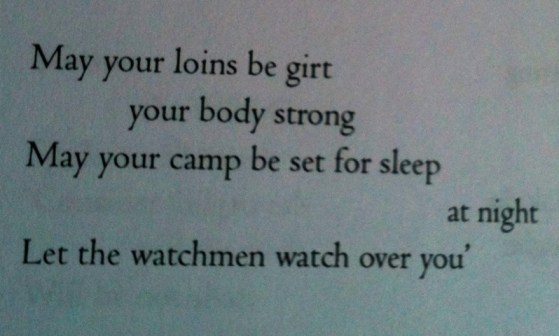
A few lines from Stuart Kendall’s new translation of Gilgamesh. Review and interview forthcoming. Read more here.
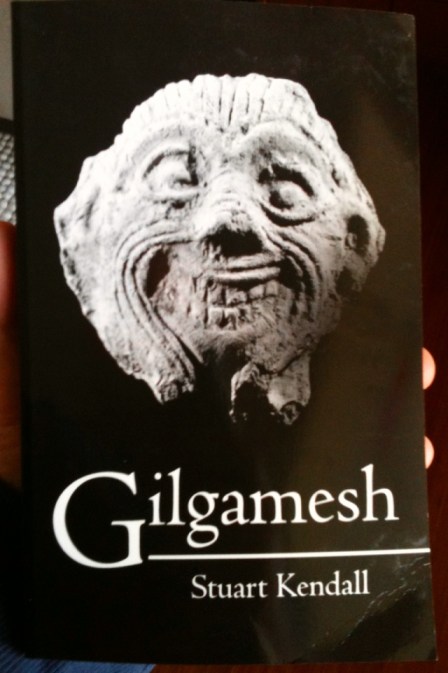
A few lines from Stuart Kendall’s new translation of Gilgamesh. Review and interview forthcoming. Read more here.
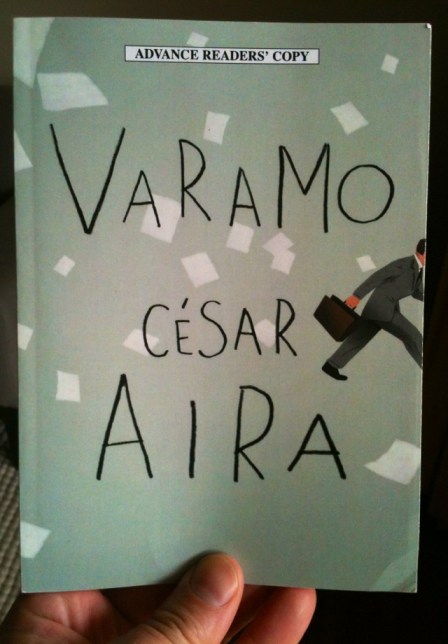
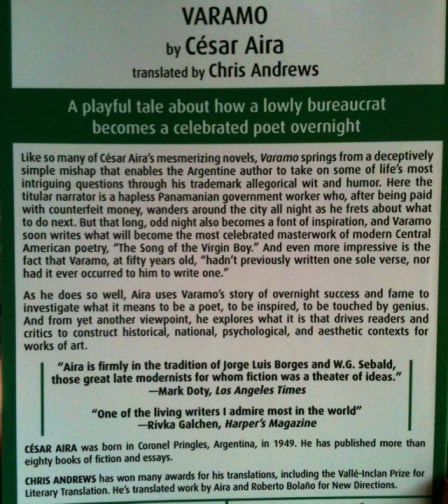
Varamo by César Aira (translated by Chris Andrews, whose work you should be familiar with). Forthcoming from the good people at New Directions.
I’ve been wanting to read some Aira since some readers suggested him (in the comments for this post where I bashed on Chad Harbach’s novel).
Anyway, details:

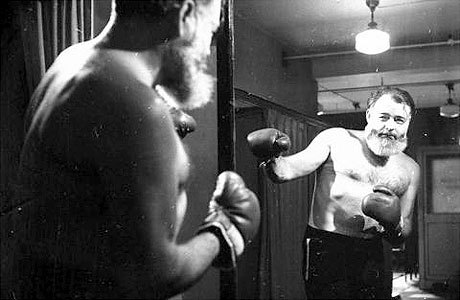
Check out literary mugshots at The Composites. (H/t to ‘klept reader JESCIE for pointing me to this cool site; yes, we know The Believer did a similar thing a few years ago).
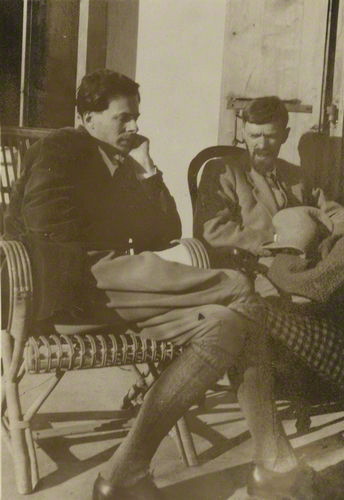
D.H. Lawrence in his long essay Apocalypse:
Now a book lives as long as it is unfathomed. Once it is fathomed, it dies at once. It is an amazing thing, how utterly different a book will be, if I read it again after five years. Some books gain immensely, they are a new thing. They are so astonishingly different, they make a man question his own identity. Again, other books lose immensely. I read War and Peace once more, and was amazed to find how little it moved me, I was almost aghast to think of the raptures I had once felt, and now felt no more.
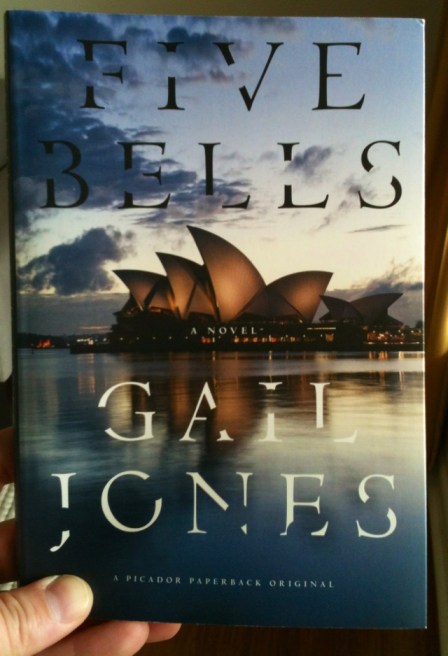
Gail Jones’s Five Bells is new from Picador:
On a radiant day in Sydney, four adults converge on Circular Quay, site of the iconic Opera House and the Sydney Harbor Bridge. Crowds of tourists mix with the locals, enjoying the glorious surroundings and the play of light on water.
But just as Circular Quay resonates with Australia’s past, each of the four carries a complicated history from elsewhere. Each person is haunted by past secrets and guilt. Ellie is preoccupied by her sexual experiences as a girl, James by a tragedy for which he feels responsible, Catherine by the loss of her beloved brother in Dublin, and Pei Xing by her imprisonment during China’s Cultural Revolution.
Told over the course of a single Saturday, Five Bells describes four lives that come to share not only a place and a time but also mysterious patterns and ambiguous symbols, including a barely glimpsed fifth figure, a young child. By nightfall, when Sydney is drenched in a summer rainstorm, each life will have been transformed by the events of this day
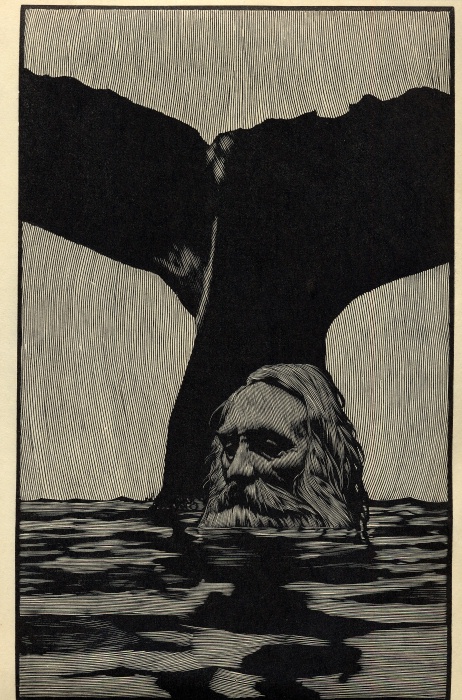

I need another book like I need a hole in the head, but, when I’ve had a stressful day at work, I like to browse the huge, labyrinthine used bookstore conveniently located just over a mile from my house. I don’t know how I wound up browsing D.H. Lawrence books, but Apocalypse stood out—first for its name, and second because, in a section of literally hundreds and hundreds of Lawrence volumes, it seemed to be the only one. Five minutes with the thing and I knew I was going to pick it up. It’s essentially a long essay on the Book of Revelation—and the concept of apocalypse and end-of-the-world in general.
Lawrence’s Studies in Classic American Literature is a seminal volume for me, one I return to repeatedly—but I’ve never made it through one of his novels; I even found his short fiction tedious. Anyway, read a huge chunk of this last night. More to come.

Near the beginning of William Gaddis’s sprawling novel J R, erstwhile protagonist Jack Gibbs rants about knowledge to his students:
Before we go any further here, has it ever occurred to any of you that all this is simply one grand misunderstanding? Since you’re not here to learn anything, but to be taught so you can pass these tests, knowledge has to be organized so it can be taught, and it has to be reduced to information so it can be organized do you follow that? In other words this leads you to assume that organization is an inherent property of the knowledge itself, and that disorder and chaos are simply irrelevant forces that threaten it from the outside. In fact it’s the opposite. Order is simply a thin, perilous condition we try to impose on the basic reality of chaos . . .
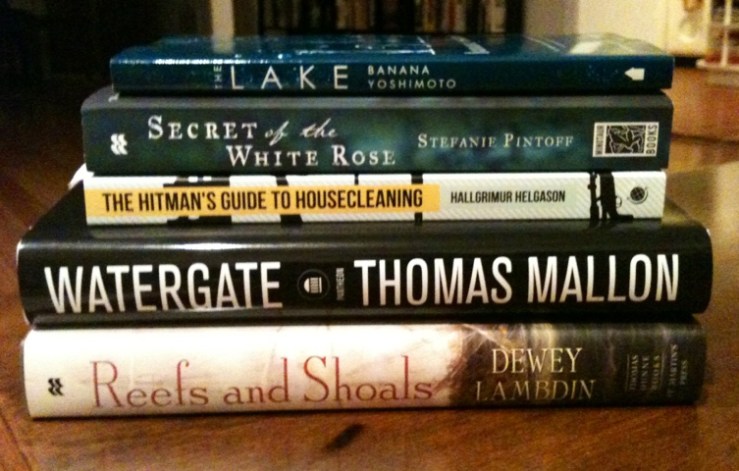
Large pile accrued yesterday although some of these were sent to the old abode. First: Lake by Banana Yoshimoto:
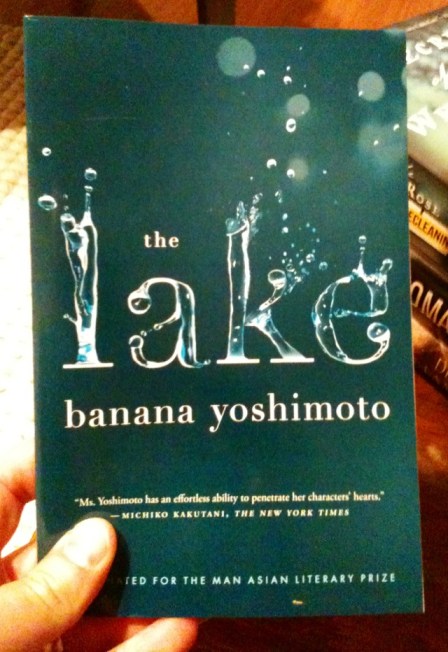
Publisher Melville House’s description:
With its echoes of the infamous, real-life Aum Shinrikyo cult (the group that released poison gas in the Tokyo subway system), The Lake unfolds as the most powerful novel Banana Yoshimoto has written. And as the two young lovers overcome their troubled past to discover hope in the beautiful solitude of the lake in the country- side, it’s also one of her most moving.
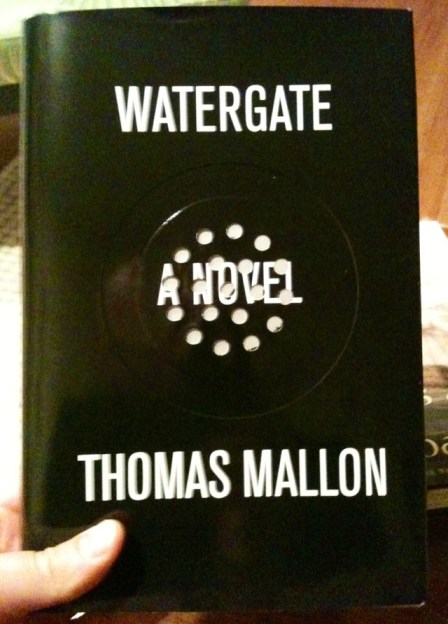
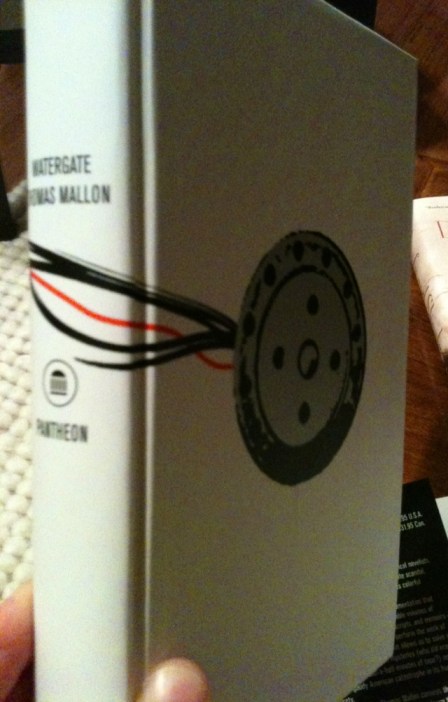
Thomas Mallon’s novelization of a scandal: Watergate. From the author’s website:
In Watergate: A Novel, Thomas Mallon conveys the drama and high comedy of the Nixon presidency through the urgent perspectives of seven characters we only thought we knew before now, moving readers from the private cabins of Camp David to the klieg lights of the Senate Caucus Room, from the District of Columbia Jail to the Dupont Circle mansion of Theodore Roosevelt’s sharp-tongued ninety-year-old daughter, and into the hive of the Watergate complex itself, home not only to the Democratic National Committee but also to the president’s attorney general, his recklessly loyal secretary, and the shadowy man from Mississippi who pays out hush money to the burglars. Mallon achieves with Watergate a scope and historical intimacy that surpasses even what he attained in his previous novels, as he turns a “third-rate burglary” into a tumultuous, first-rate entertainment.
Watergate gets big points for its cover: the book jacket (oh, how I loathe them!) is punctuated with holes suggesting one of those antique things your grandfather called a telephone; strip away the jacket and there’s this (far lovelier) cover:
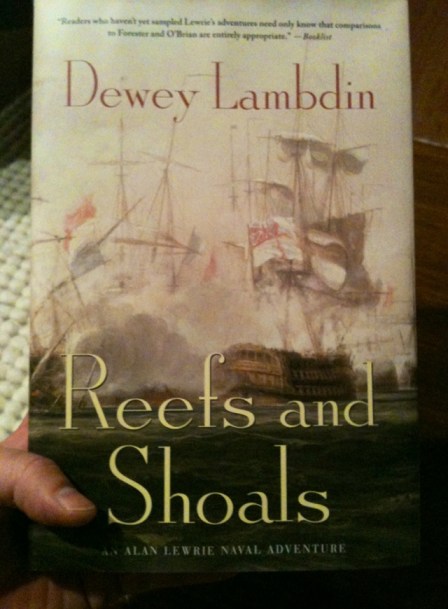
Reefs and Shoals, a naval adventure historical thing from Dewey Lambdin. From publisher Macmillan:
Pity poor Captain Alan Lewrie, Royal Navy! He’s been wind-muzzled for weeks in Portsmouth, snugly tucked into a warm shore bed with lovely, and loving, Lydia Stangbourne, a Viscount’s daughter, and beginning to enjoy indulging his idle streak, when Admiralty tears Lewrie away and order him to the Bahamas, into the teeth of ferocious winter storms. It’s enough to make a rakehell such as he weep and kick furniture!
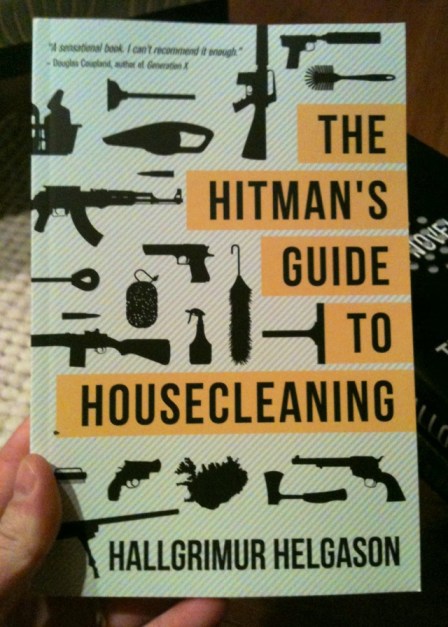
The Hitman’s Guide to Housecleaning by Hallgrimur Helagason, from, uh, Amazon’s publishing imprint:
Toxic, the hero of Hallgrimur Helgason’s The Hitman’s Guide to Housecleaning, had a record of 66 perfect kills. Then came the 67th–an undercover FBI agent–and suddenly he found himself in Iceland with a new identity. Oops. Avoid this kind of careless error by following Toxic’s handy tips.
1. Don’t miss the target. People tend to get a bit upset if they notice you’re trying to kill them.
2. Don’t waste a bullet. You have to think about the environment, too–you really shouldn’t add an unnecessary gunshot to an already noisy city.
3. Morning is for murder. Nobody expects a bullet for breakfast.
4. Don’t kill a priest. He who kills a man of the church will be killed by a church.
5. Don’t confuse killing and murder. Murder is for amateurs, killing is for the professionals.
6. If you have to take on another person’s identity, never let it be a priest. With that collar around your neck, your sex appeal is gone.
7. When you’re dating, don’t talk about your job–unless you’re overseas. Foreign girls are crazy about guys who kill Americans.
8. Embrace every new passport they give you. It’s always nice to get a new life now and then.
9. Don’t kill the wrong guy. Or you’ll end up in Iceland.
10. When in Iceland, stop the killing. There are so few of them.
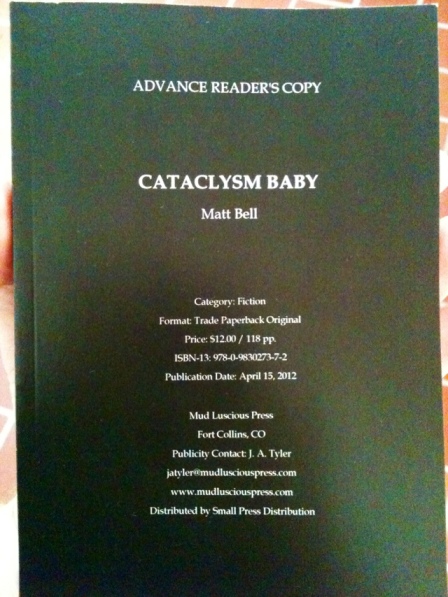
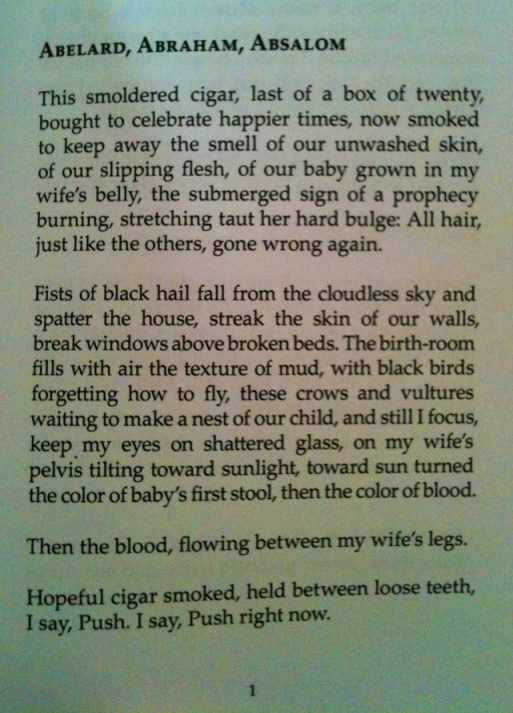
Okay, this one looks pretty cool—Cataclysm Baby by Matt Bell from indie Mud Luscious Press. More to come. Bell’s site describes the book as “twenty-six post-apocalyptic parenting stories, all narrated by fathers, each revealing some different family, some new end of the world.” First page:
 Biblioklept