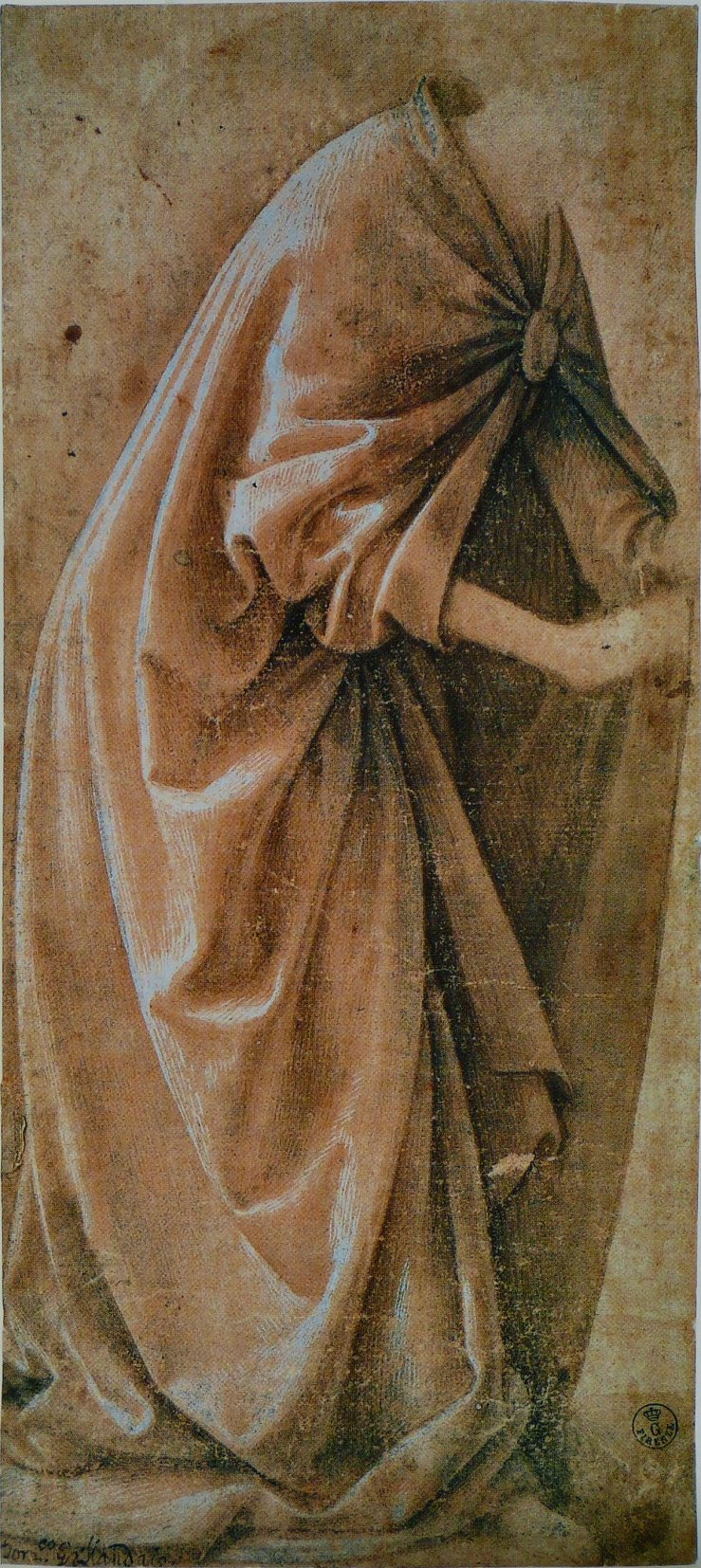
Study of Garments — Domenico Ghirlandaio

study-of-garments

Study of Garments, c. 1491 by Domenico Ghirlandaio (1449-94)

Posted in Art

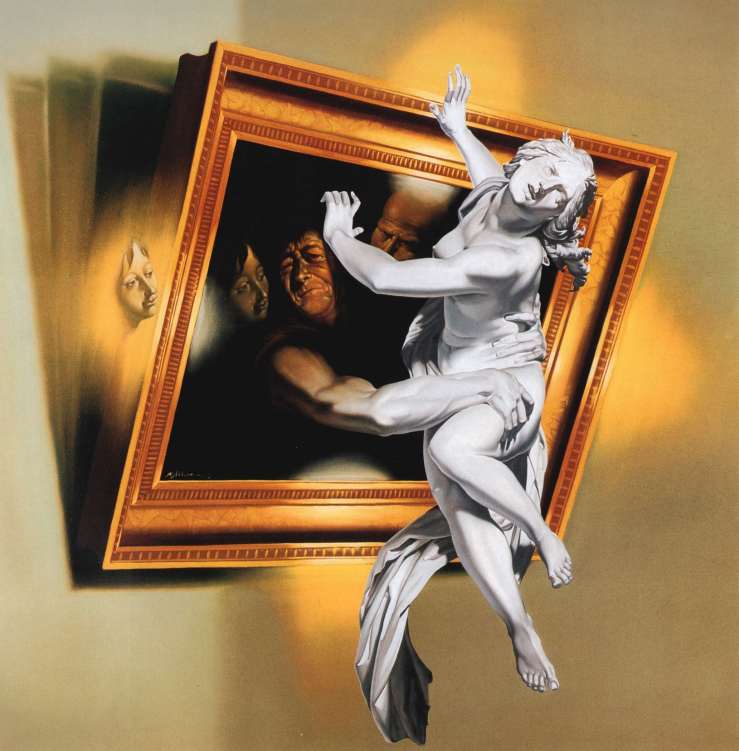
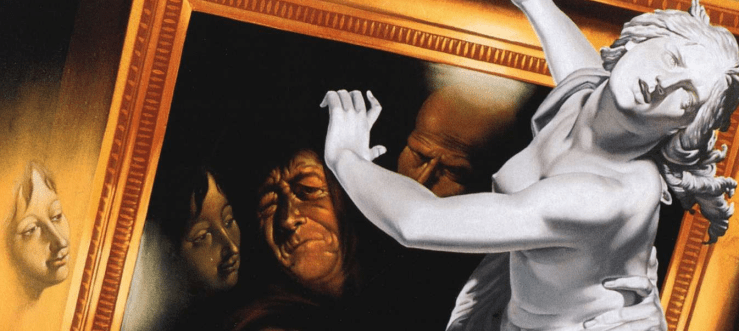
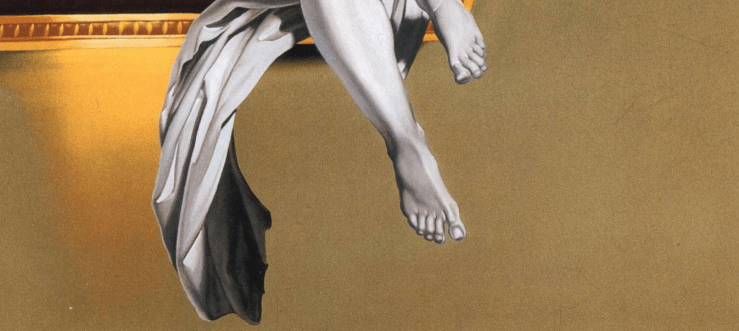
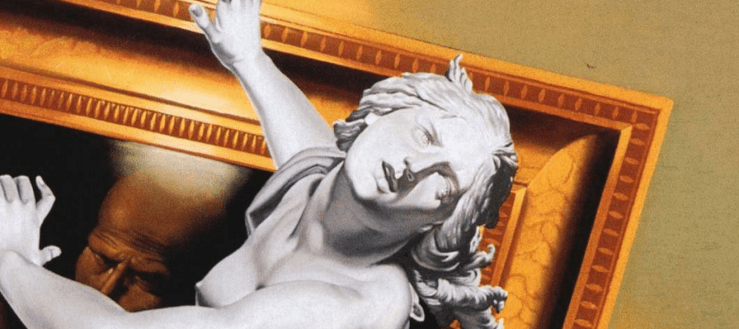
The Abduction of Proserpina — Nicolae Maniu

098-LENLEVEMENT-DE-PROSERPINE-huile-sur-toile-80x80-1985-collection-priveeScreenshot 2017-04-28 at 3.49.53 PMScreenshot 2017-04-28 at 3.50.04 PMScreenshot 2017-04-28 at 3.50.25 PM

L’Enlevement de Proserpine (The Abduction of Proserpina), 1985 by Nicolae Maniu (b. 1944)

Turtles have short legs

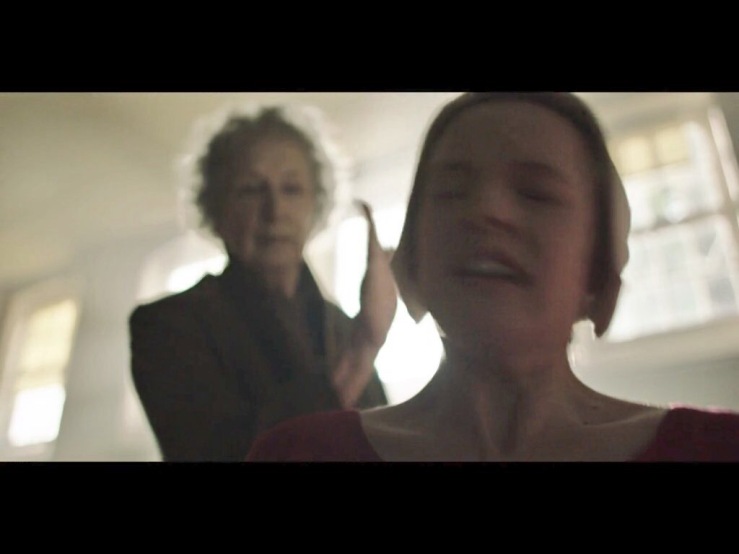
Margaret Atwood on her cameo in The Handmaid’s Tale pilot

img_0533

From Margaret Atwood’s essay of 10 March 2017 in The New York Times:

In this series I have a small cameo. The scene is the one in which the newly conscripted Handmaids are being brainwashed in a sort of Red Guard re-education facility known as the Red Center. They must learn to renounce their previous identities, to know their place and their duties, to understand that they have no real rights but will be protected up to a point if they conform, and to think so poorly of themselves that they will accept their assigned fate and not rebel or run away.

The Handmaids sit in a circle, with the Taser-equipped Aunts forcing them to join in what is now called (but was not, in 1984) the “slut-shaming” of one of their number, Jeanine, who is being made to recount how she was gang-raped as a teenager. Her fault, she led them on — that is the chant of the other Handmaids.

Although it was “only a television show” and these were actresses who would be giggling at coffee break, and I myself was “just pretending,” I found this scene horribly upsetting. It was way too much like way too much history. Yes, women will gang up on other women. Yes, they will accuse others to keep themselves off the hook: We see that very publicly in the age of social media, which enables group swarmings. Yes, they will gladly take positions of power over other women, even — and, possibly, especially — in systems in which women as a whole have scant power: All power is relative, and in tough times any amount is seen as better than none. Some of the controlling Aunts are true believers, and think they are doing the Handmaids a favor: At least they haven’t been sent to clean up toxic waste, and at least in this brave new world they won’t get raped, not as such, not by strangers. Some of the Aunts are sadists. Some are opportunists. And they are adept at taking some of the stated aims of 1984 feminism — like the anti-porn campaign and greater safety from sexual assault — and turning them to their own advantage. As I say: real life.

Which brings me to three questions I am often asked.

First, is “The Handmaid’s Tale” a “feminist” novel? If you mean an ideological tract in which all women are angels and/or so victimized they are incapable of moral choice, no. If you mean a novel in which women are human beings — with all the variety of character and behavior that implies — and are also interesting and important, and what happens to them is crucial to the theme, structure and plot of the book, then yes. In that sense, many books are “feminist.”
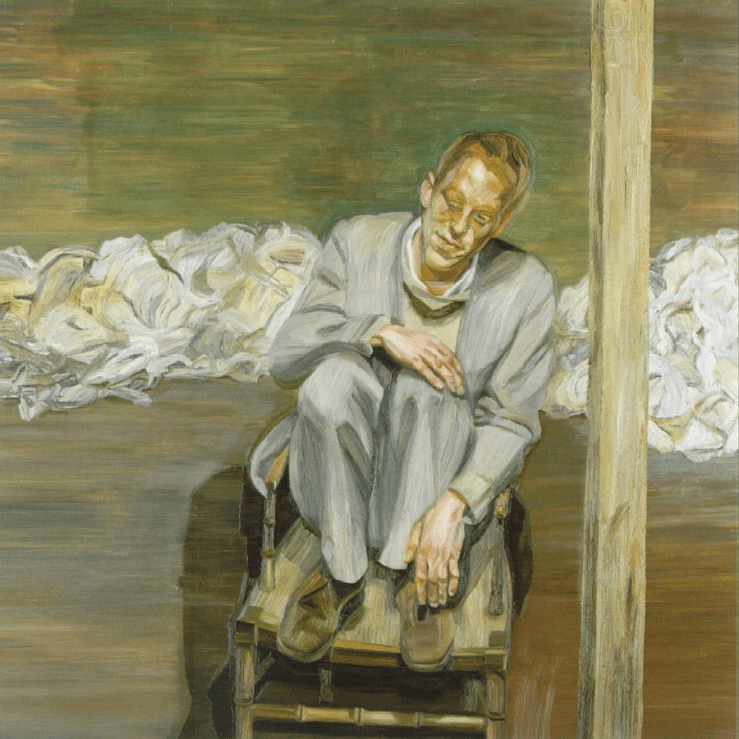
Red Haired Man on a Chair — Lucian Freud

tumblr_ol7idveiGQ1u6x3h6o1_1280

Red Haired Man on a Chair, 1963-64 by Lucian Freud

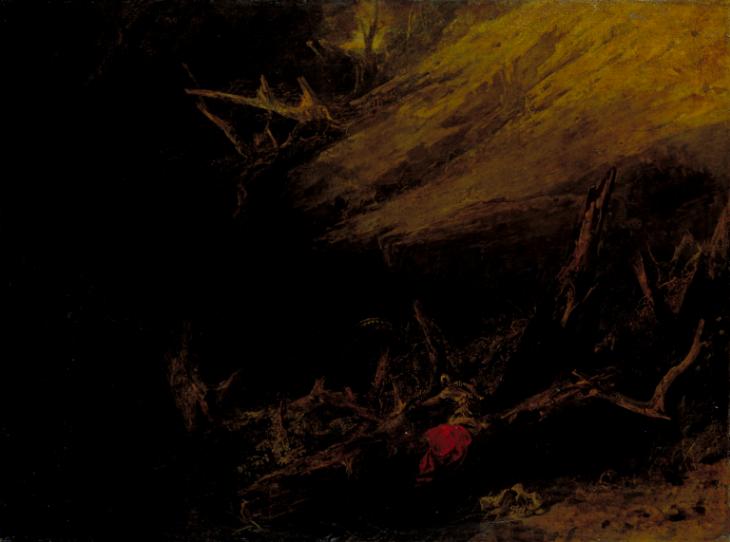
Jason — J.M.W. Turner

Jason exhibited 1802 by Joseph Mallord William Turner 1775-1851

Jason, 1802 by Joseph Mallord William Turner (1775–1851)

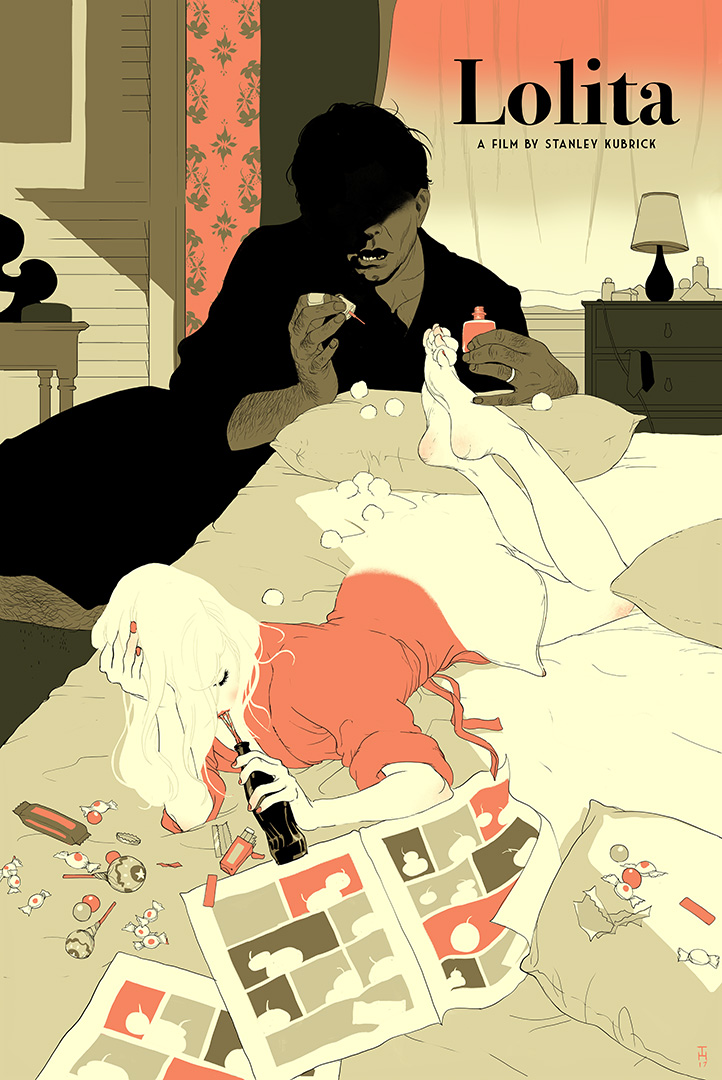
Tomer Hanuka’s film posters for Stanley Kubrick’s Lolita

lolita_reg72.jpglolita_var72.jpg

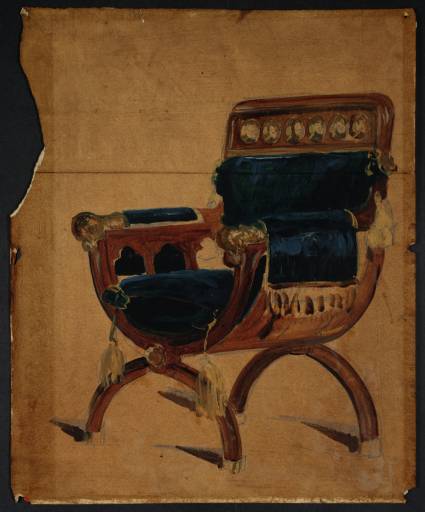
An Arm Chair — J.M.W. Turner

D05959_9.jpg

An Arm Chair, c.1801 by Joseph Mallord William Turner (1775–1851)

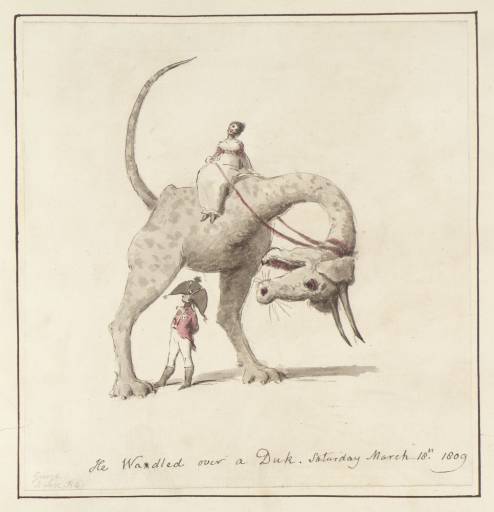
Two-Legged Ass-Headed Monster — George Dance

1. Caricature. A Woman Seated on a Two-Legged Ass-Headed Monster Straddling a Man in Military Uniform 1809 by George Dance 1741-1825

1. Caricature. A Woman Seated on a Two-Legged Ass-Headed Monster Straddling a Man in Military Uniform, 1809 by George Dance (1741–1825)

The Bed, The Chair, Waiting — Eric Fischl

the-bed-the-chair-waiting.jpg!Large

The Bed, The Chair, Waiting, 2000 by Eric Fischl (b. 1948)

An illustrated Devil’s Dictionary (Book acquired, 14 April 2017)

img_5948

I couldn’t pass up this 1958 illustrated edition of Ambrose Bierce’s caustic classic The Devil’s Dictionary. It’s published by The Peter Pauper Press, with art by Joseph Low. I took the matching dust jacket off for the scan above. A sample of the innards:

img_5950

Chair — Matthias Weischer

chair.png

Chair, 2004 by Matthias Weischer (b. 1974)

Shore for the Unmanned — Jean-Pierre Roy

JPRoy-Shore-for-the-Unmanned

Shore for the Unmanned, 2014 by Jean-Pierre Roy (b. 1974)

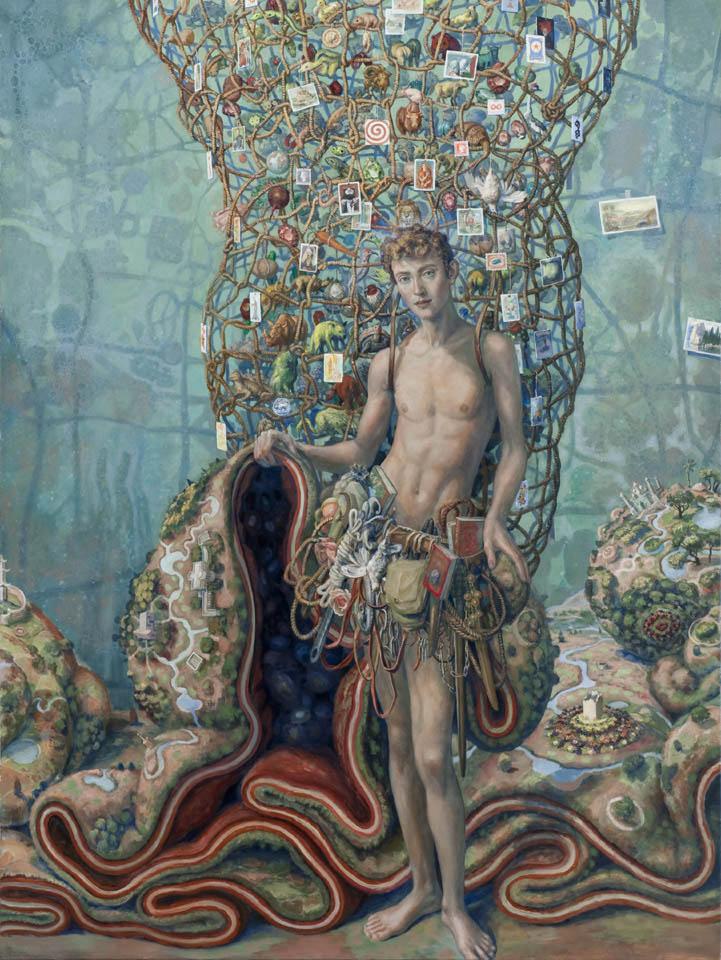
Self Portrait as Great Scout Leader III — Julie Heffernan

Great Scout Leader III_2010_72x54

Self Portrait as Great Scout Leader III, 2010 by Julie Heffernan (b. 1956)

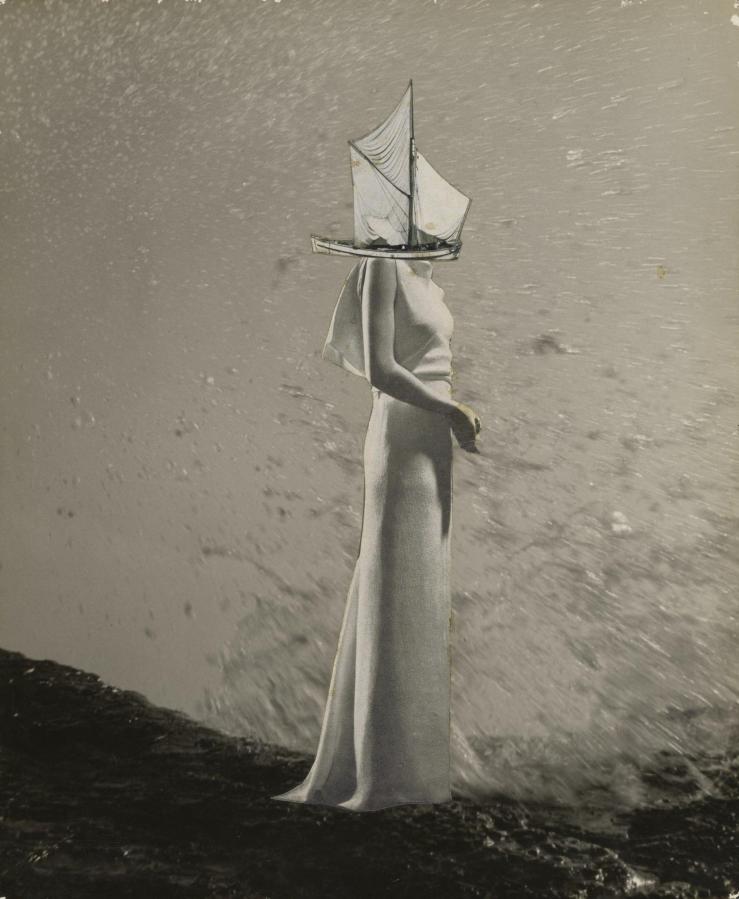
A Chronicle of Drifting — Kansuke Yamamoto

007-kansuke-yamamoto-theredlist

A Chronicle of Drifting, 1949 by Kansuke Yamamoto (1914-87)

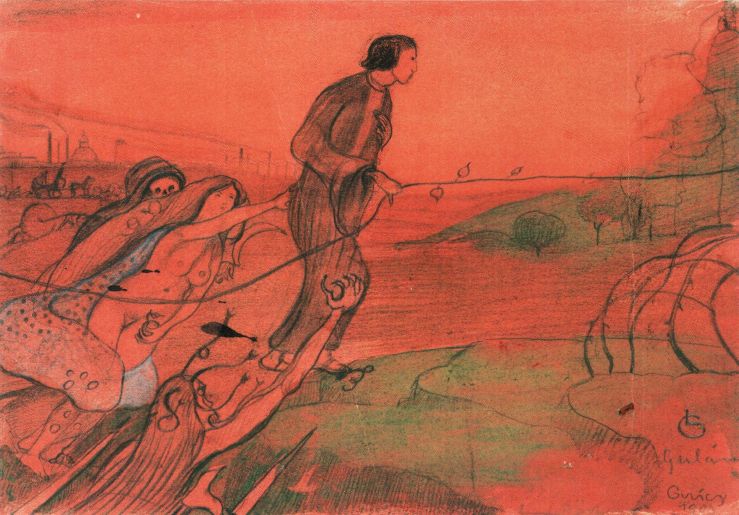
Dream — Lajos Gulácsy

Gulácsy_Dream_1903

Dream, 1903 by Lajos Gulácsy (1882-1932)

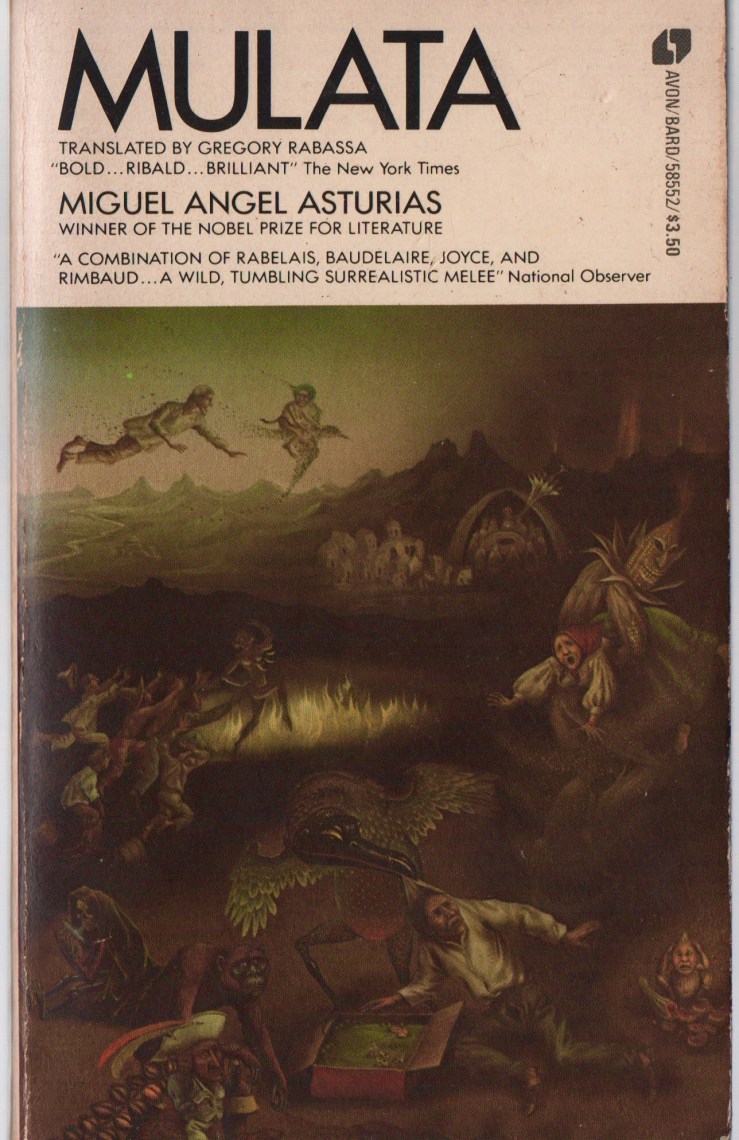
Miguel Ángel Asturias’s weird novel Mulata (Book acquired, 14 April 2017)

img_5940

I admit that I picked up Miguel Ángel Asturias’s 1963 novel Mulata de Tal because of the cover and blurb alone. This 1982 translation is by Gregory Rabassa, and part of a series of Latin American authors that Avon/Bard put out in really cool attractive mass market paperbacks in the 1980s. The titles can be hit or miss, but I like the energy of the first two chapters of Mulata. Back cover blurb:

img_5941