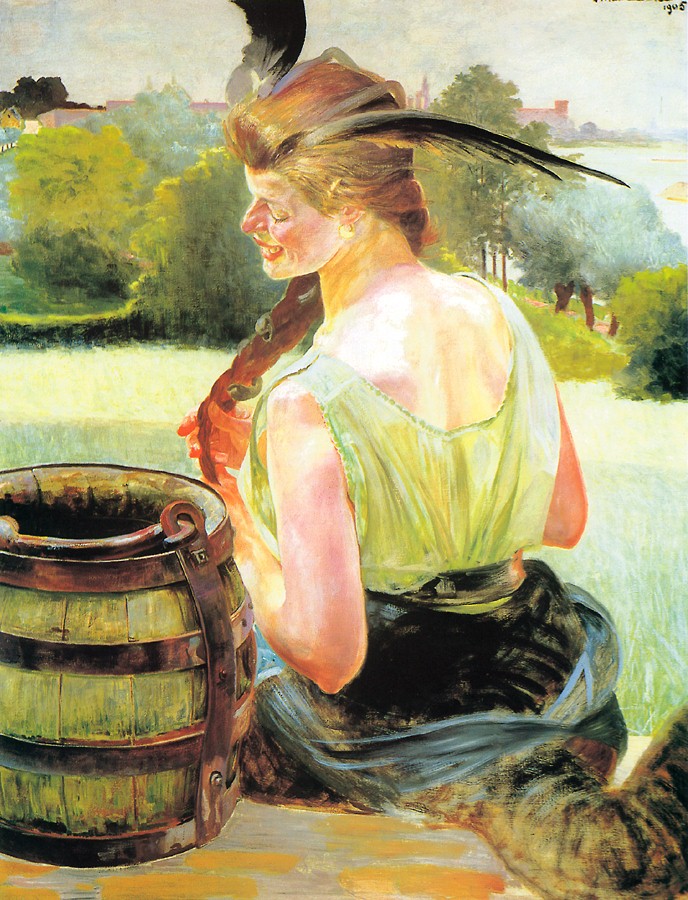
Zatruta studnia z chimerą (Poisoned Well with Chimera), 1905 by Jacek Malczewski (1854-1929)
Zatruta studnia z chimerą (Poisoned Well with Chimera), 1905 by Jacek Malczewski (1854-1929)


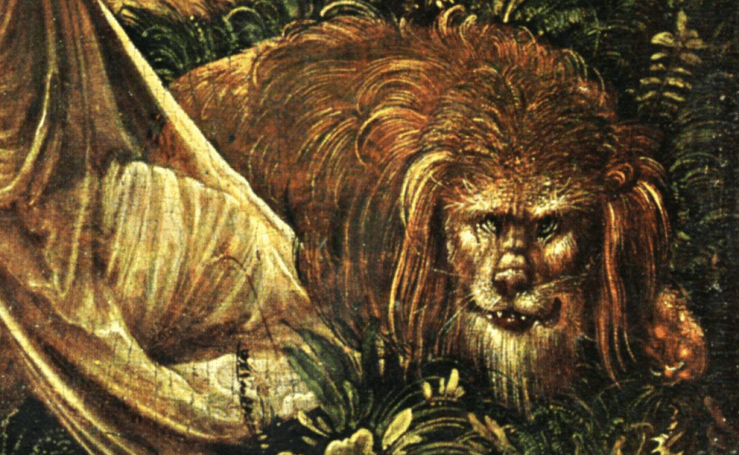
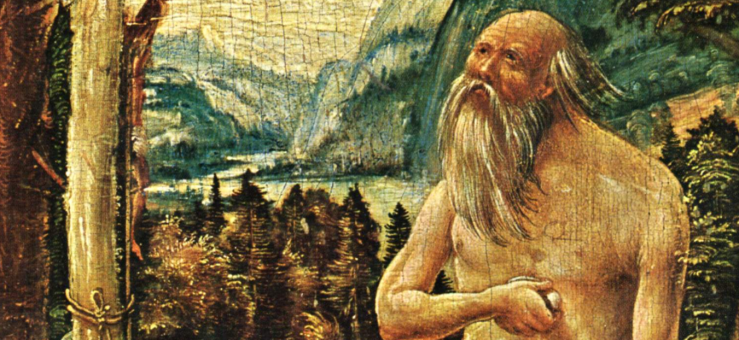
Büssender Hl. Hieronymus (Penitent St. Jerome), 1507 by Albrecht Altdorfer (c. 1480-1538)
May 19th.–. . . Lights and shadows are continually flitting across my inward sky, and I know neither whence they come nor whither they go; nor do I inquire too closely into them. It is dangerous to look too minutely into such phenomena. It is apt to create a substance where at first there was a mere shadow. . . . If at any time there should seem to be an expression unintelligible from one soul to another, it is best not to strive to interpret it in earthly language, but wait for the soul to make itself understood; and, were we to wait a thousand years, we need deem it no more time than we can spare. . . . It is not that I have any love of mystery, but because I abhor it, and because I have often felt that words may be a thick and darksome veil of mystery between the soul and the truth which it seeks. Wretched were we, indeed, if we had no better means of communicating ourselves, no fairer garb in which to array our essential being, than these poor rags and tatters of Babel. Yet words are not without their use even for purposes of explanation,–but merely for explaining outward acts and all sorts of external things, leaving the soul’s life and action to explain itself in its own way.
What a misty disquisition I have scribbled! I would not read it over for sixpence.
Nathaniel Hawthorne’s journal entry for May 19th, 1840. From Passages from the American Note-Books.
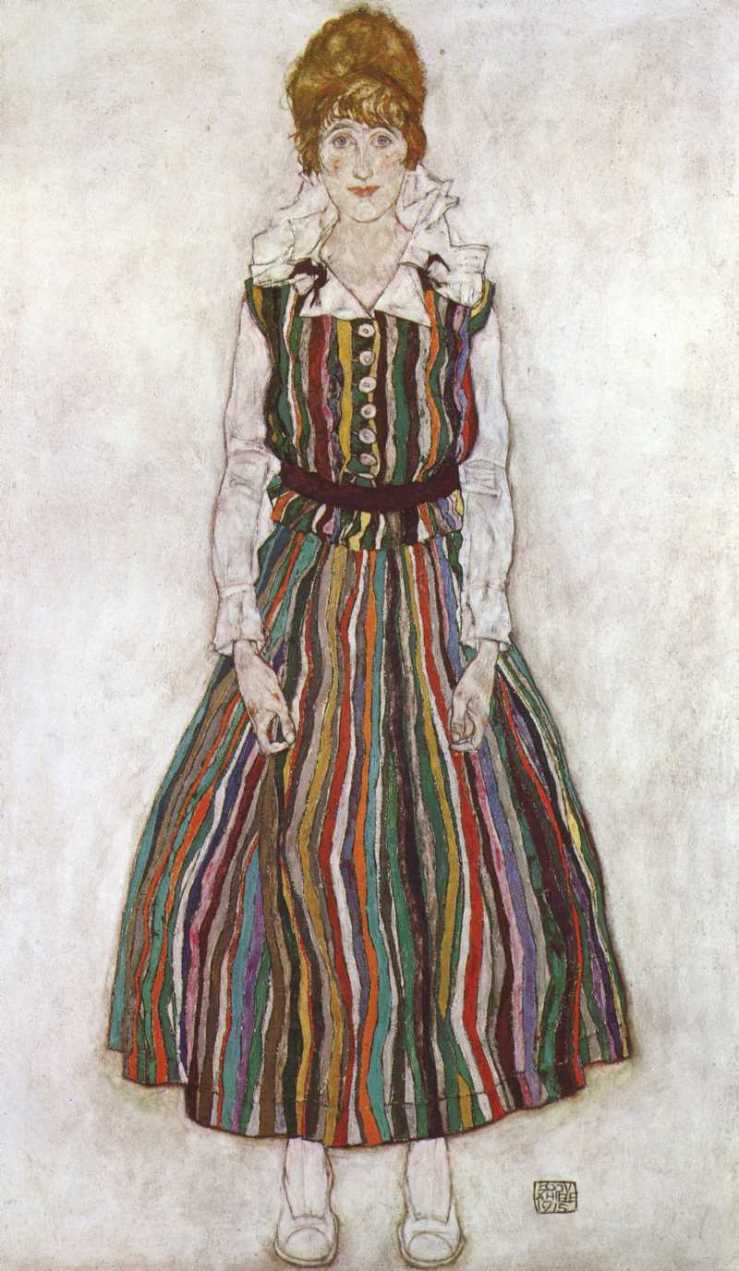
Portrait of Edith Schiele, the Artist’s Wife, 1915 by Egon Schiele (1890-1918)

Strawberries, 1906 by Octav Bancila (1872-1944)
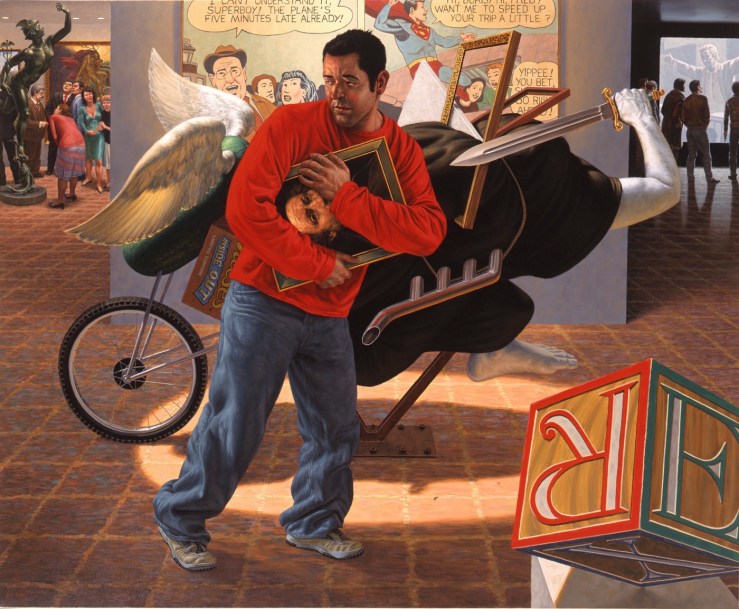
Time by F. Scott Hess (b. 1955)

Tankstelle (Gas Station), 2008 by Julian Faulhaber (b. 1975)
“The Fqih”
by
Paul Bowles
ONE MIDSUMMER AFTERNOON a dog went running through a village, stopping just long enough to bite a young man who stood on the main street. It was not a deep wound, and the young man washed it at a fountain nearby and thought no more about it. However, several people who had seen the animal bite him mentioned it to his younger brother. You must take your brother to a doctor in the city, they said.
When the boy went home and suggested this, his brother merely laughed. The next day in the village the boy decided to consult the fqih. He found the old man sitting in the shade under the figtree in the courtyard of the mosque. He kissed his hand, and told him that a dog no one had ever seen before had bitten his brother and run away.
That’s very bad, said the fqih. Have you got a stable you can lock him into? Put him there, but tie his hands behind him. No one must go near him, you understand?
The boy thanked the fqih and set out for home. On the way he determined to cover a hammer with yarn and hit his brother on the back of the head. Knowing that his mother would never consent to seeing her son treated in this way, he decided that it would have to be done when she was away from the house.
That evening while the woman stood outside by the well, he crept up behind his brother and beat him with the hammer until he fell to the floor. Then he fastened his hands behind him and dragged him into a shed next to the house. There he left him lying on the ground, and went out, padlocking the door behind him. Continue reading “Read “The Fqih,” a short story by Paul Bowles”

Tinkers Resting, 1946 by Louis Le Brocquy (1916–2012)
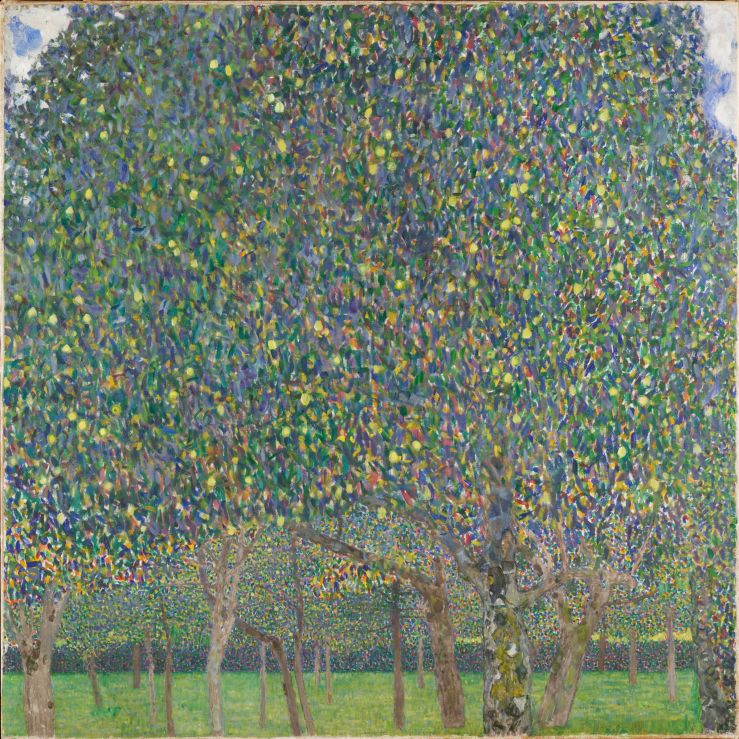
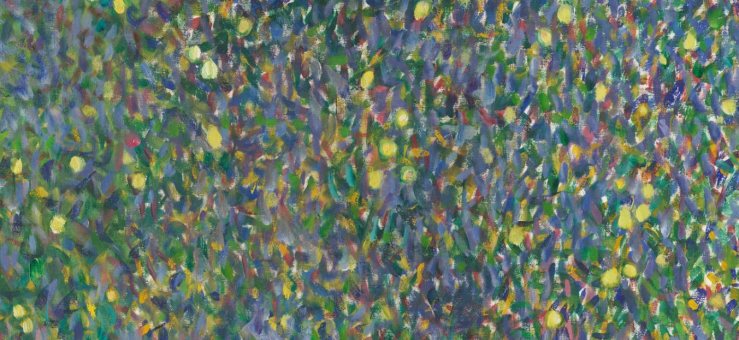
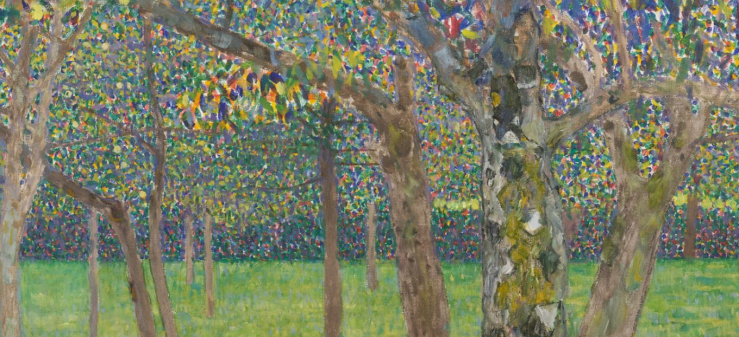
Pear Tree, 1903 by Gustav Klimt (1862-1918)
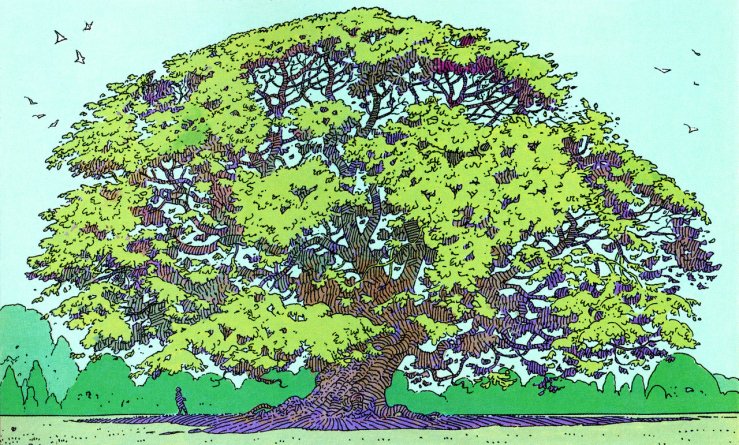
Untitled (Tree) by Moebius (Jean Giraud, 1938-2012)
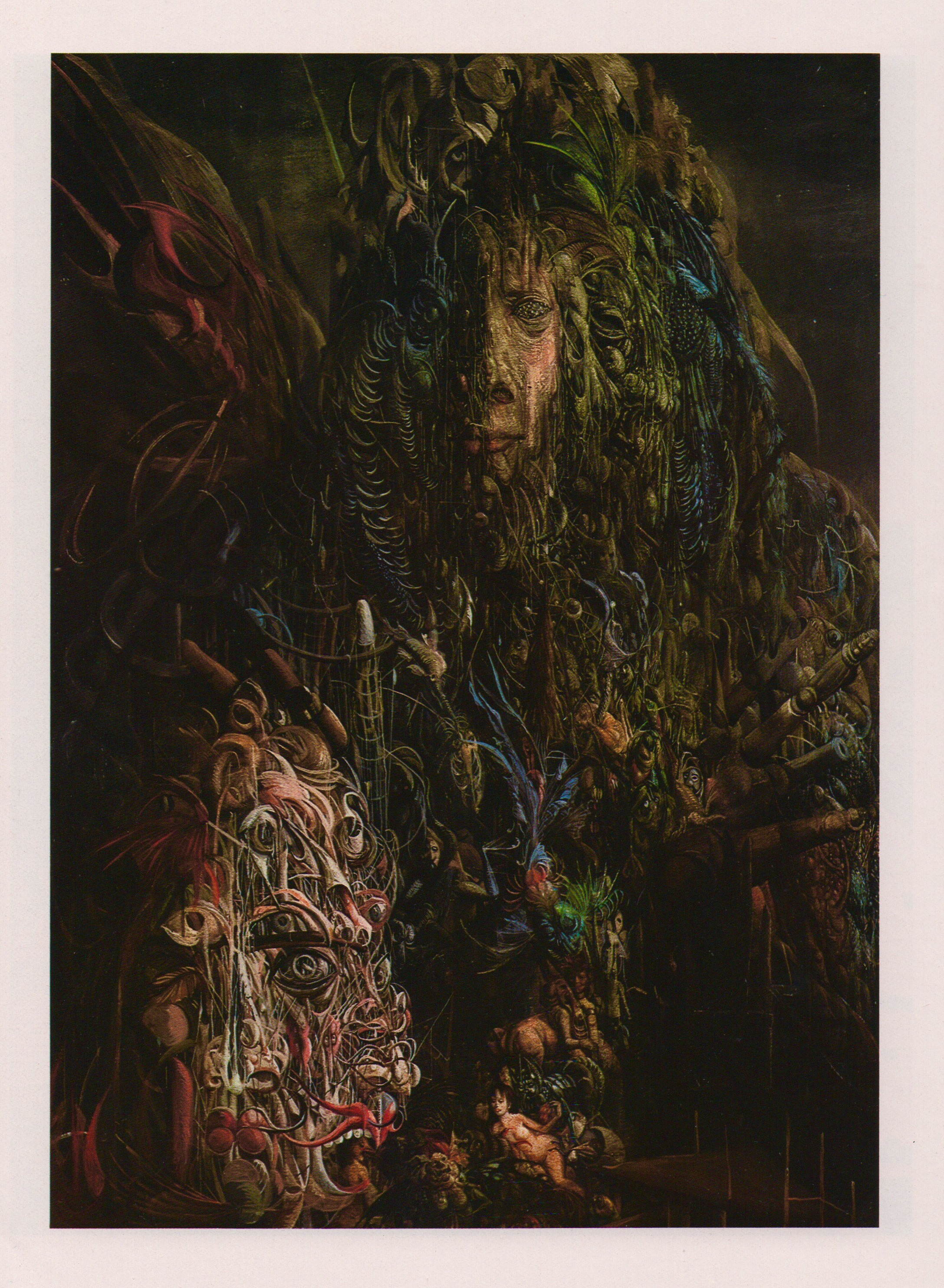
Lucifer by Thomas Häfner (1928–85)
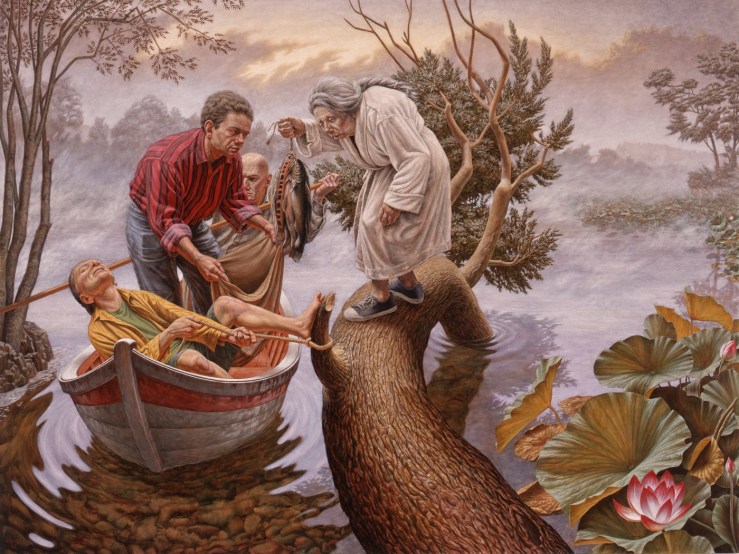
The Lotus Flower, 1996 by F. Scott Hess (b. 1955)

Two Oranges, 1975 by Avigdor Arikha (1929-2010)
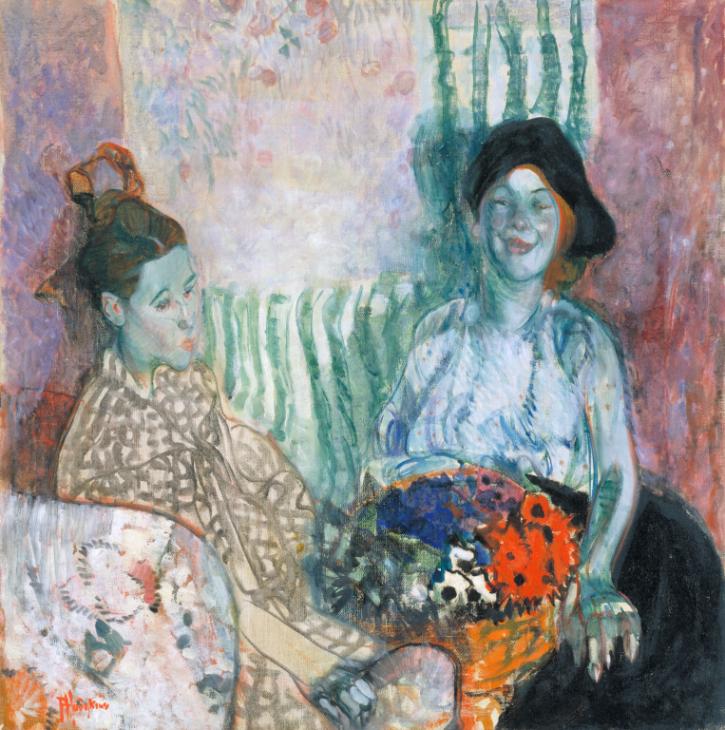
Loveday and Ann: Two Women with a Basket of Flowers, 1915 by Frances Hodgkins (1869–1947)
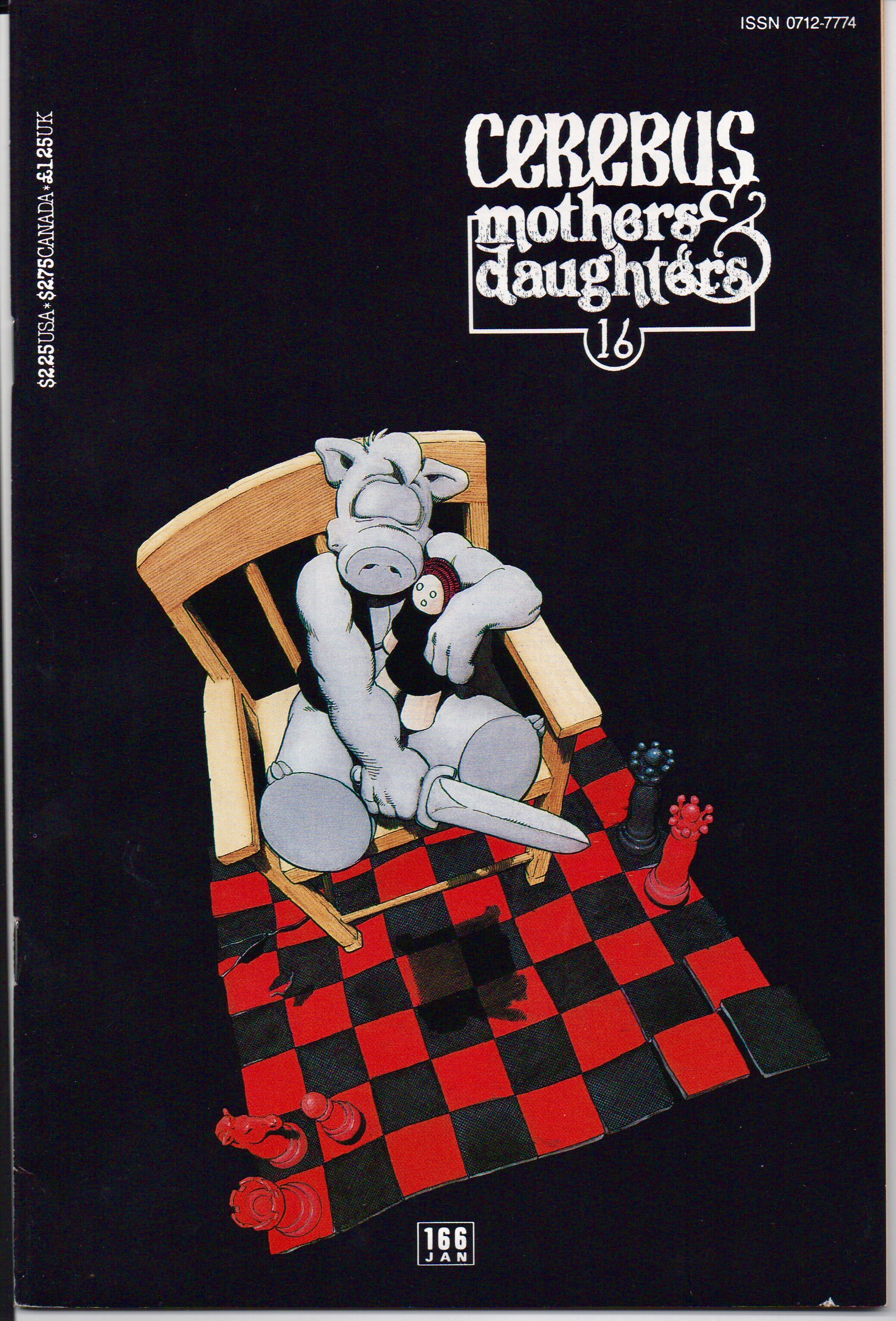
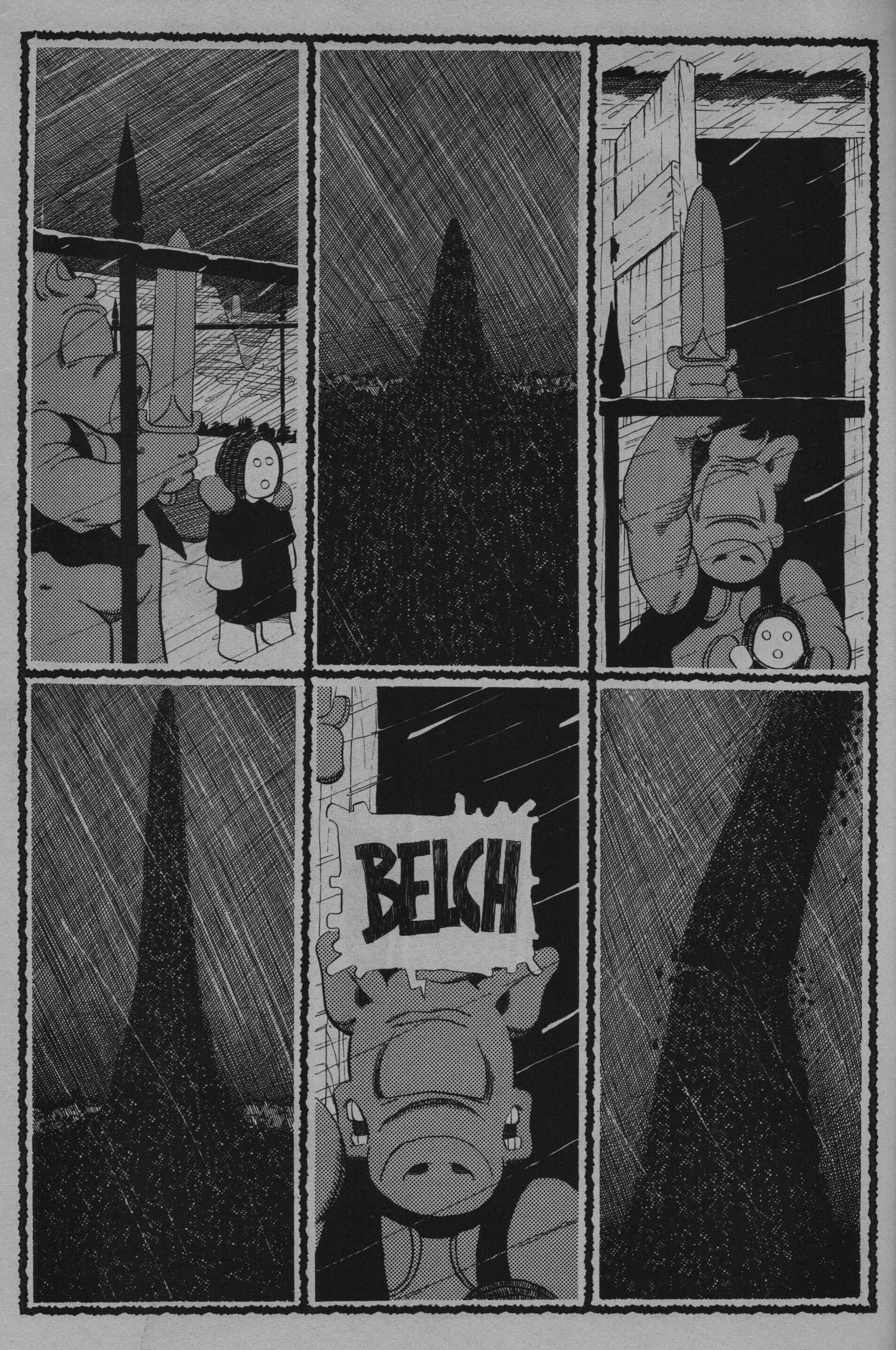
Cerebus #166, January, 1993 by Dave Sim and Gerhard; published by Aardvark-Vanaheim. This issue is Chapter 16 of the Mothers & Daughters storyline, Sim’s imagining of a tyrannical matriarchal state (sort of like The Handmaid’s Tale in reverse, sort of). This issue is one of my favorite chapters in the novel, a riff on Sim’s earlier “Mind Games” issues, wherein Cerebus’s dream-state shapes events in the real world. Mothers & Daughters is pretty much the last good Cerebus novel, before Sim took things completely off the rails in Reads.
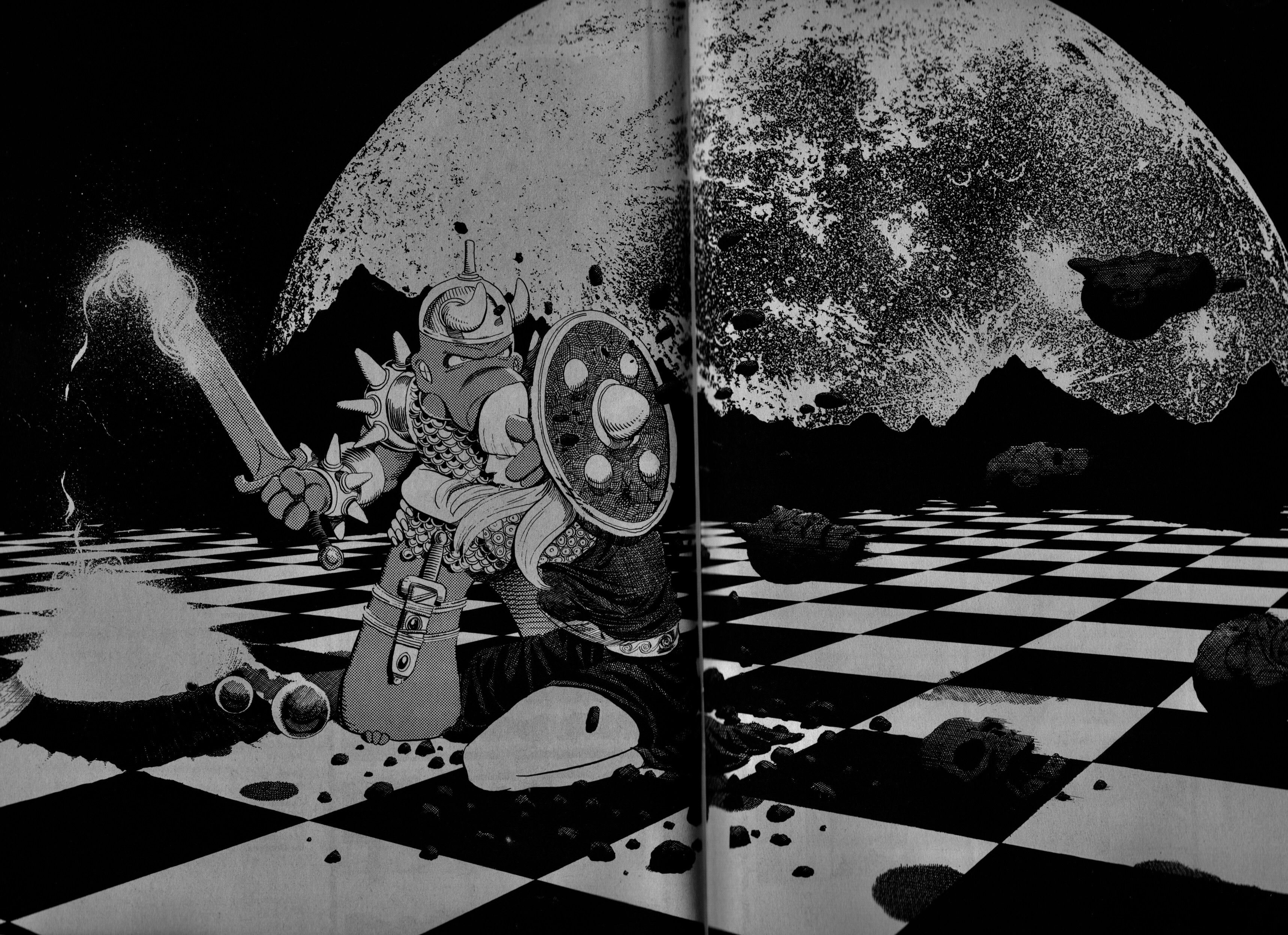
 Biblioklept