William Friedkin describes creating Sorcerer’s bridge-crossing sequence

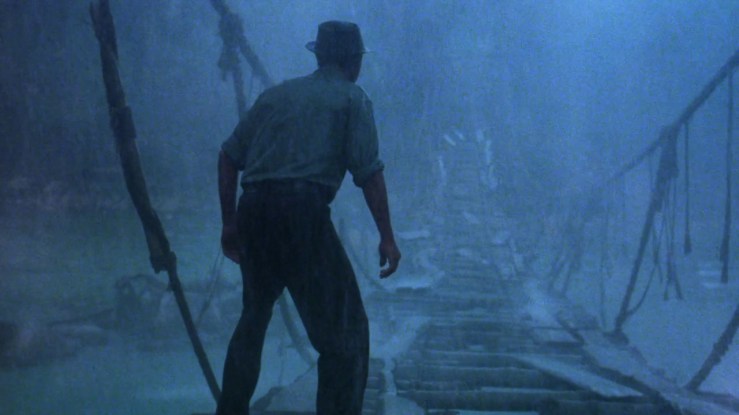
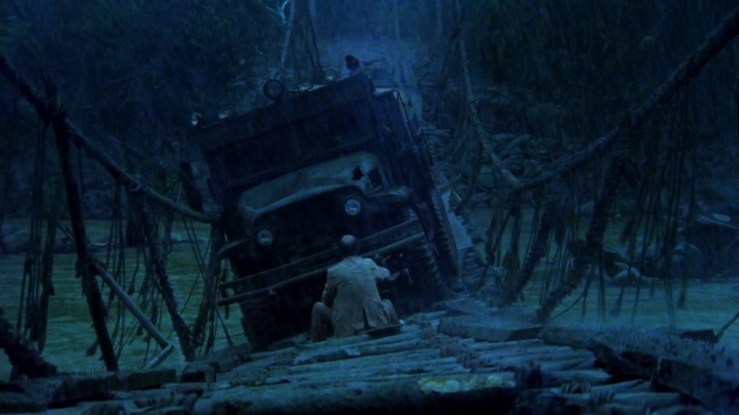
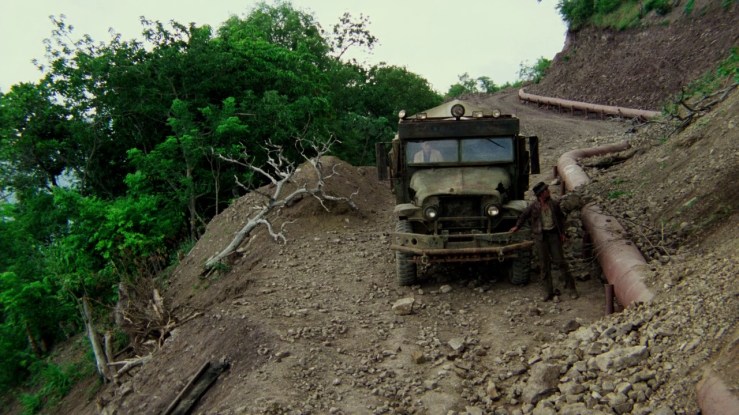
The most important scene in the film and the most difficult I’ve ever attempted is the bridge-crossing sequence, wherein the two trucks have to separately cross an old wooden suspension bridge that appears completely unstable. The bridge was anchored by crossbeams at each end, and the ropes suspending it were frayed, the wooden planks rotted and in some places absent. The crossing takes place over a rushing river during a blinding rainstorm. John Box designed the bridge so that it was controlled by a concealed hydraulic system with metallic supports. Each truck, as it crossed, was attached invisibly to the bridge so that it would sway but not capsize. That was the theory. Built at a cost of a million dollars, the bridge took three months to complete and was totally realistic, but it was a mad enterprise and definitely life-threatening.

We found the perfect river over which to build it, with a strong current and a depth of twelve feet. The river was more than two hundred feet wide, so that dictated the length of the bridge. Thick forest flanked it at each end.

As the weeks unfolded, there was little rainfall, and the river was diminishing. How could this be? Local experts and army engineers assured us that the river had never gone down. But slowly, agonizingly, it was doing just that. From twelve feet, the water level dropped down to ten, then eight, then five. By the time the bridge was finished, there was a little over a foot of water; and then the river dried up entirely! We had constructed a bridge over nothing. This was becoming a cursed project. With costs escalating and so many on the crew lost to illness and burnout, the sensible thing to do was to come up with a simpler sequence. That was the advice of all the executives, but I had become like Fitzcarraldo, the man who built an opera house in the Brazilian jungle. When I saw the finished bridge, I believed that if I could film the scene as I conceived it, it would be one of the greatest in film history. My obsession was out of control, and if I hadn’t been so successful over the past few years, I would have been ordered to stop. The two studios bet on me against their better judgment, because they thought I still had the mojo; maybe I was so in tune with audience tastes that costs wouldn’t matter. No one in his right mind would have continued on this course, but no one was in his right mind. I had the confidence, the energy, and the drive of an Olympic downhill skier, and those who stayed with me—the camera crew, the grips, electric, props, John Box, Roy Walker, my assistant director, Newt Arnold, and Bud Smith—all shared my passion. So we dispatched scouts to Mexico, to the Papaloapan River outside the town of Tuxtepec, where we had been told there were rushing waters in similar terrain that had never dropped in level, “the memory of man runneth not to the contrary.” John Box went to Mexico and came back with photos that matched our Dominican location perfectly. We dismantled the bridge and left the Dominican Republic with only two scenes left to shoot. We had to shut down while holding on to our four principal actors and key crew.

We flew to Vera Cruz, a shadowy seaport on Mexico’s Gulf Coast, which would be our base for three days, while John organized the precise location to rebuild the bridge. I discovered a small hotel in Plaza de las Armas, the main square. The tree-lined square was filled with mariachi bands and old men playing dominoes, smoking cigars, and drinking locally grown coffee. We filmed a prologue for Paco Rabal’s character Nilo, who kills a man execution-style in a room at the hotel overlooking the peaceful plaza below.

Our next stop was Tuxtepec in Oaxaca Province, one hundred miles to the south and east of Vera Cruz. From here we pushed farther south into the jungle surrounding the Papaloapan, to what had been an ancient Aztec village, with a small peasant population. The weather was humid, and thick, lush vegetation surrounded the fifteen-foot-deep branch of the swiftly rushing river. The bridge was already designed and built, so now it was a matter of reassembling and anchoring it. The shutdown of production lasted a month while we regrouped, at great expense to management. When we arrived at the Aztec village, I noticed what appeared to be a mass exodus of the local population. One of the authorities told me it was because of word of my arrival. They were a deeply religious people, and the man who made The Exorcist was coming to their village: bad karma. But a few of the locals and people from surrounding villages stayed and worked with us to put up the bridge.

I know this is hard to believe, but again the river level began to drop, at the rate of six inches or more a day. We had been told it rained often in this area, but we weren’t told that rain occurred only in the summer season. It was now the fall. I could see where this was going, but there was no turning back.

I became friendly with the local laborers. I used to share cervezas with them after a day’s work. One evening a man named Luis, who helped to organize the local crew, knocked on the door of my cabin. We all stayed in small wooden cabins in the jungle, the size of prison cells, with only an army cot, a chair, and a single hanging lightbulb. Luis asked if he might have a word with me. I was exhausted, but he was a good man who worked hard with a pick and shovel all day. I invited him in, and he handed me a beer and had one himself. We sat down and exchanged small talk for a few minutes; then he reached into his shirt pocket and pulled out what looked like an identity card but was on closer examination a badge. His look turned serious and sad. “Si, Señor Bill, I am Federales.” He was a federal agent assigned to work undercover on our set. “I have to inform you of an unfortunate situation,” he said. “There are members of your crew who are using drugs. This is a serious problem in my country.”

Was this a shakedown? “In a normal situation,” he continued, “I would be obliged to arrest them, and they would go to prison. Because I like you, I will not arrest them.” I was shocked; I wasn’t aware of who was using, or what. I thanked him and promised to make sure this activity stopped. “But they have to leave the country. Tomorrow,” he added. “Tomorrow?” “Sí.”

He gave me a dozen names, handwritten on a scrap of paper. They included members of the grip crew, some of the stuntmen, and the makeup artist. I told him this would seriously damage my ability to finish the film. “I am sorry,” he said quietly. “I’m sure you don’t want them to go to prison, and it is within my authority to arrest or send you all home, even those who are not using drugs. This is the best I can do; these people have to leave Mexico tomorrow.”

And so they did. It took two weeks to replace key people who had been with the film from the beginning, while the river continued to decline to a height of just under three feet, then became a stagnant pool. I called a meeting of the crew and explained the situation without inquiring who else was using. It was clear that anyone using would be caught and arrested. There were no more “unfortunate situations,” and thankfully the actors weren’t at risk, or we’d have been forced to shut the picture down.

We were able to divert sections of the river to our location using large pipes and pumping equipment, and I decided to shoot the scene in rain, manmade rain, so we brought in half a dozen large sprinklers that drew water from upriver. The sky was cloudy from morning until noon, then bright sun appeared and we had to shut down and go to our cabins until five o’clock, when the clouds rolled in again and we could resume shooting in matching light. The scene runs twelve minutes, roughly 10 percent of the final cut, but it took months to complete and cost more than $3 million, most of it not budgeted. The only thing that could save me was a hit picture. I had no doubt it would be. The performances were terrific, and the action scenes were original and believable.

Though the bridge scene was carefully prepared, the trucks would occasionally fall to one side. No one was hurt or injured, and none of the actors took the fall, only the stuntmen, who were heavily padded with flotation gear. I ran three cameras at different angles, but with the split shooting days it seemed as though we’d never be able to complete the scene. By the time it was over, a month later, I was exhausted and stressed but relieved, proud of the film but anxious to get home.

From William Friedkin’s memoir The Friedkin Connection.
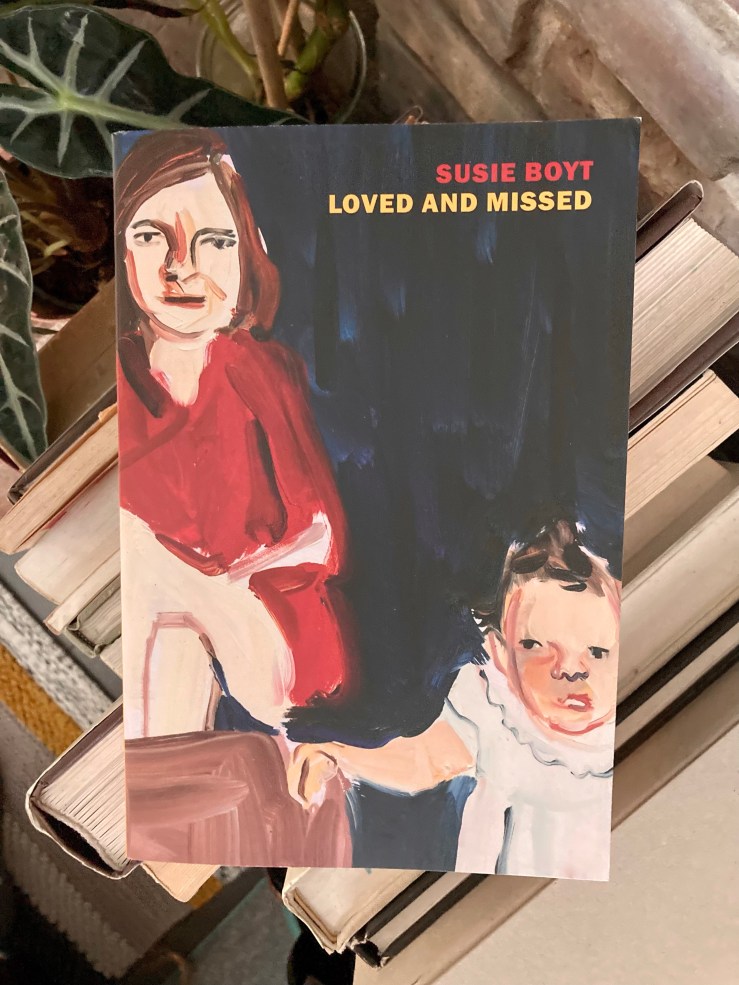
Susie Boyt’s Loved and Missed (Book acquired, 5 Aug. 2023)

Loved and Missed is the seventh novel by British author Susie Boyt, but the first to be published here in the States. Publisher NYRB’s blurb:

Ruth is a woman who believes in and despairs of the curative power of love. Her daughter, Eleanor, who is addicted to drugs, has just had a baby, Lily. Ruth adjusts herself in ways large and small to give to Eleanor what she thinks she may need—nourishment, distance, affection—but all her gifts fall short. After someone dies of an overdoes in Eleanor’s apartment, Ruth hands her daughter an envelope of cash and takes Lily home with her, and Lily, as she grows, proves a compensation for all of Ruth’s past defeats and disappointment. Love without fear is a new feeling for her, almost unrecognizable. Will it last?

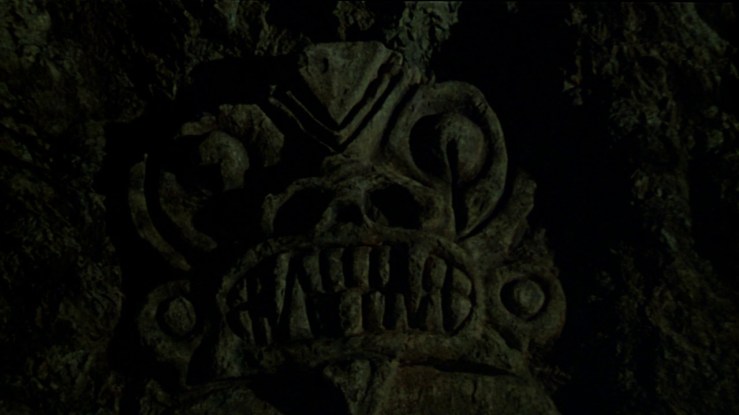
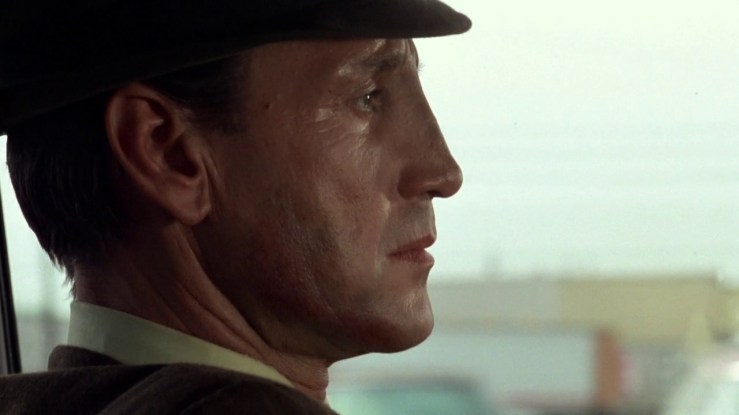
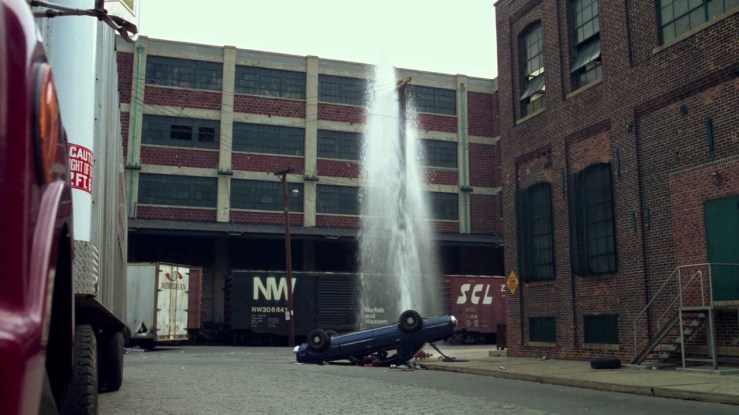
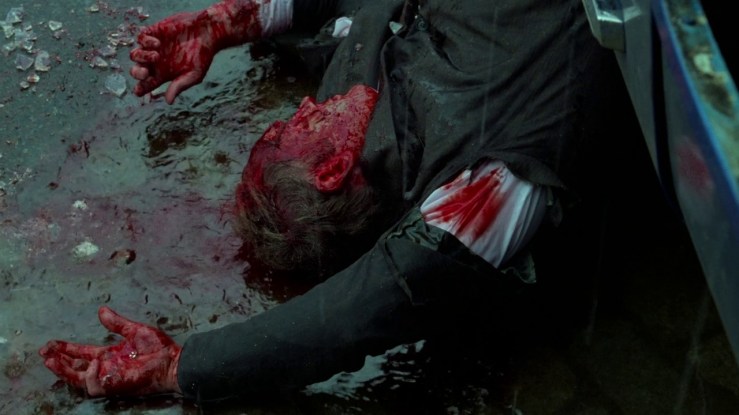
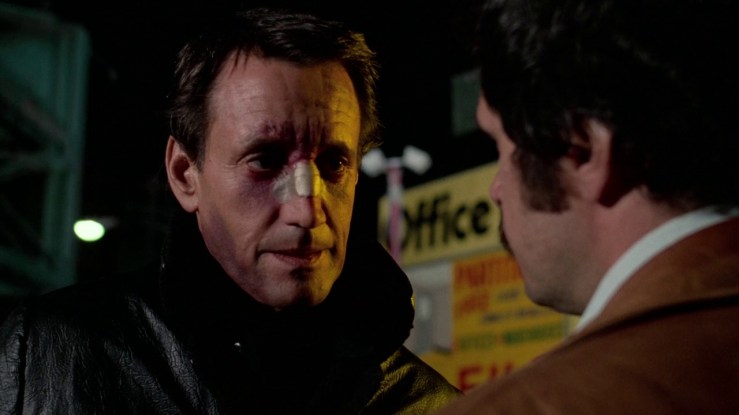
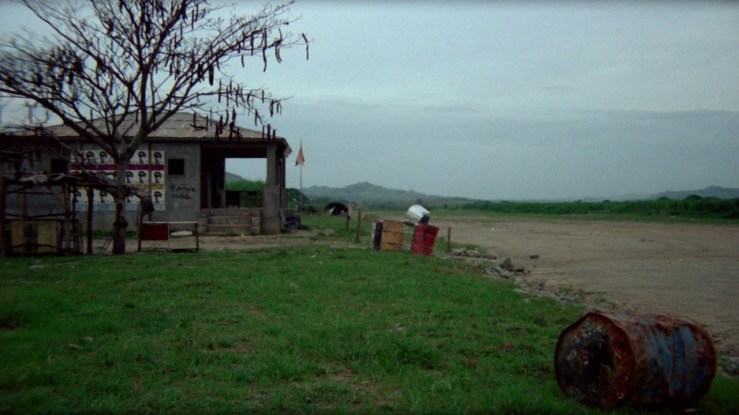
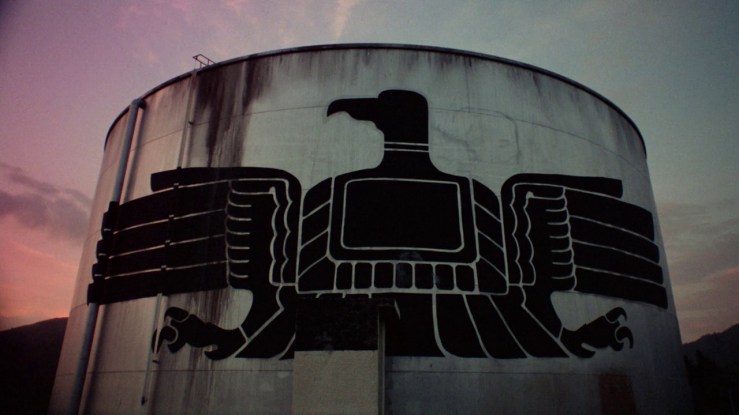
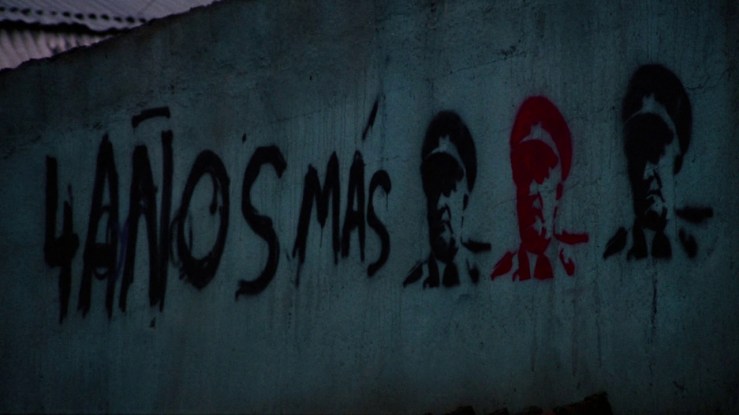
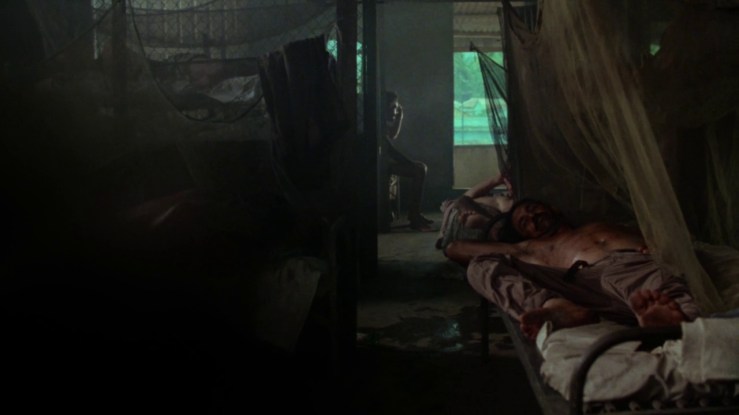
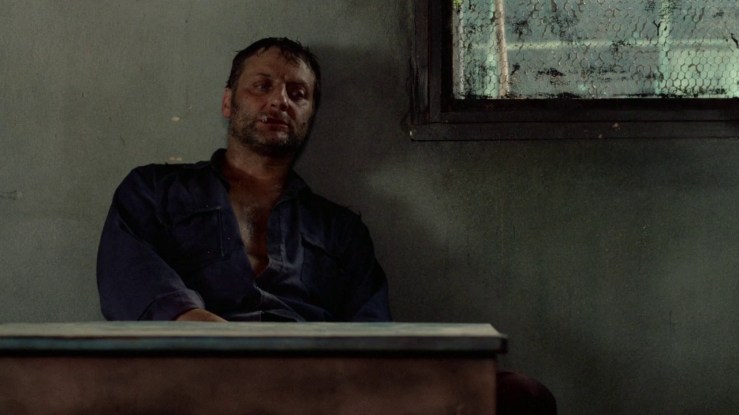
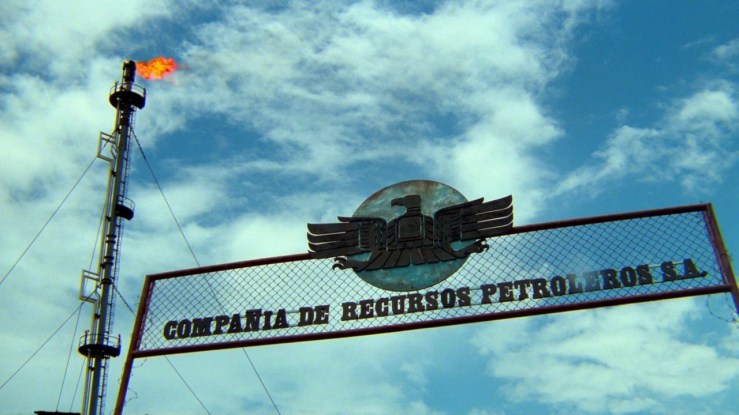
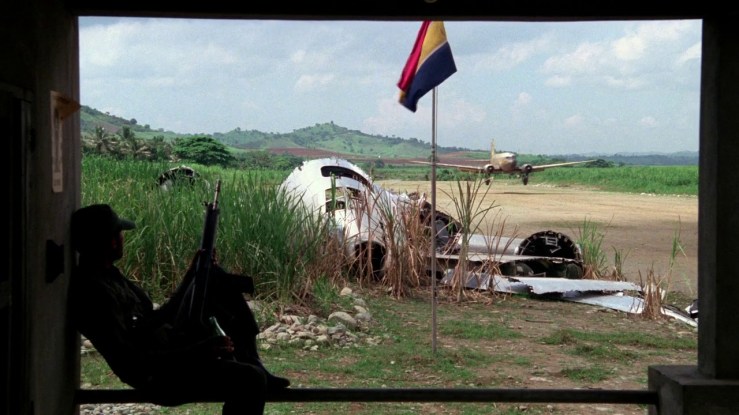
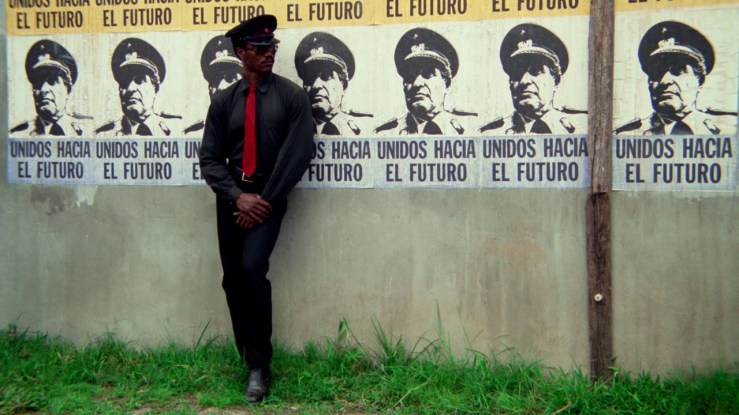
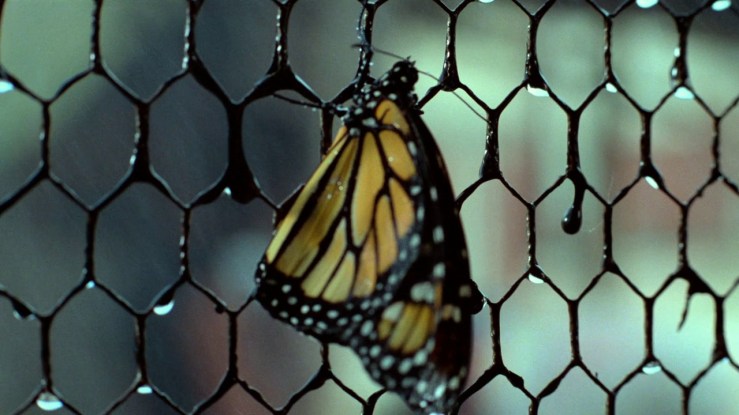
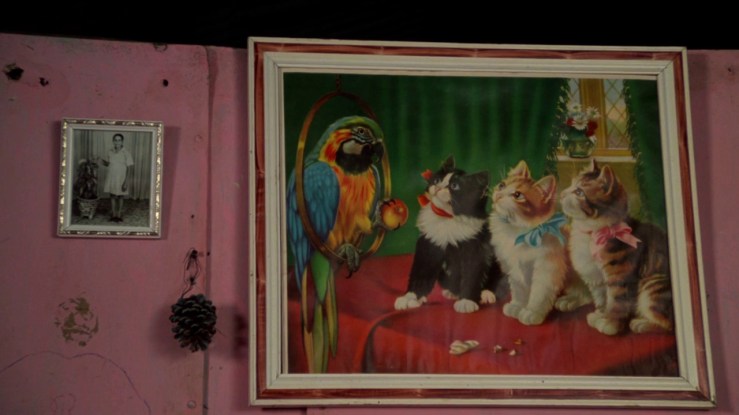
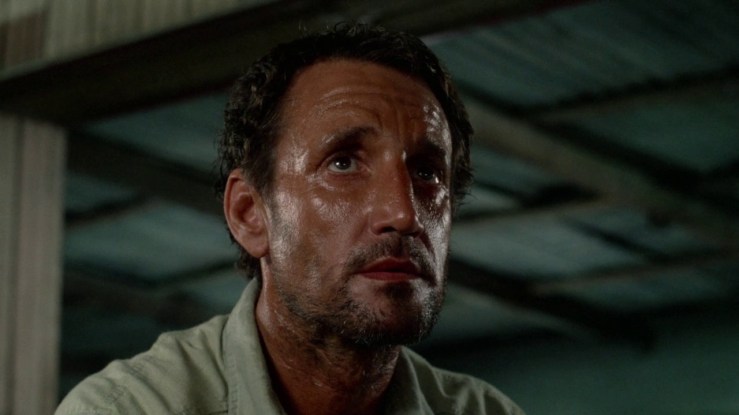
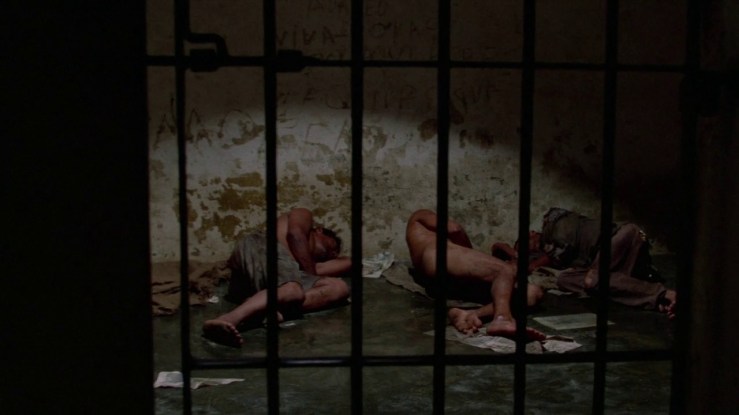
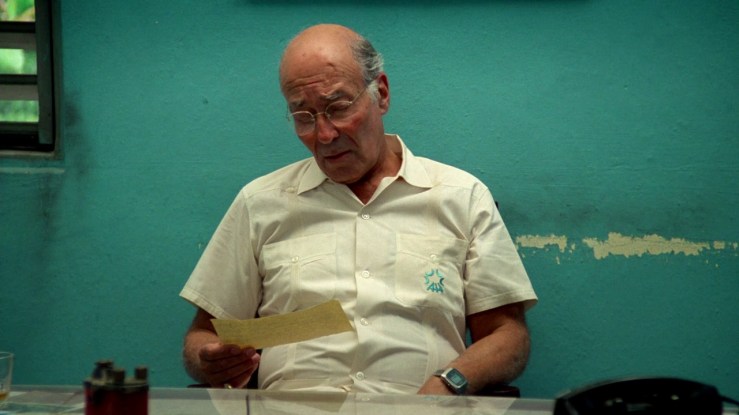
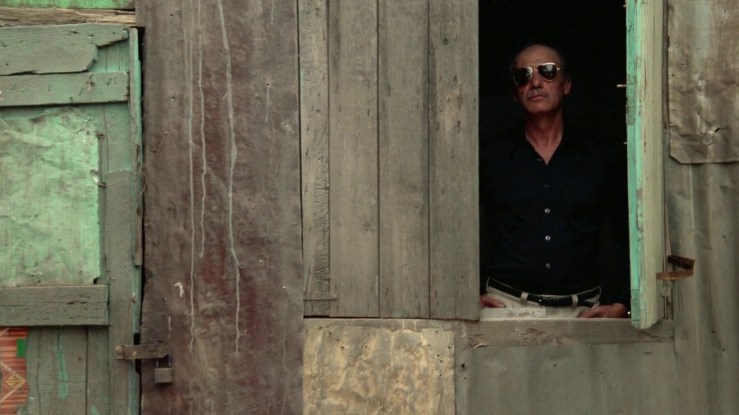
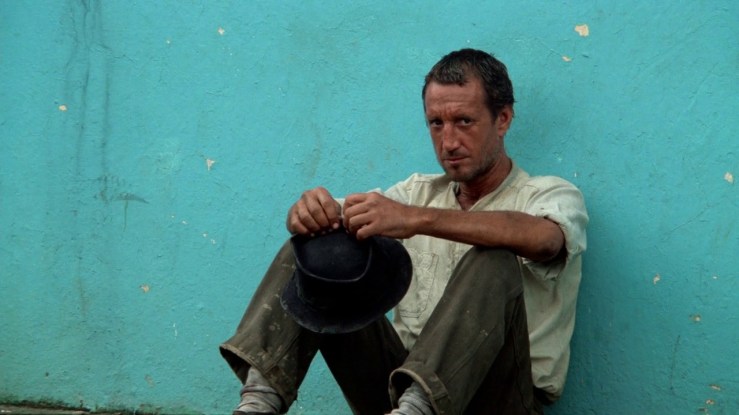
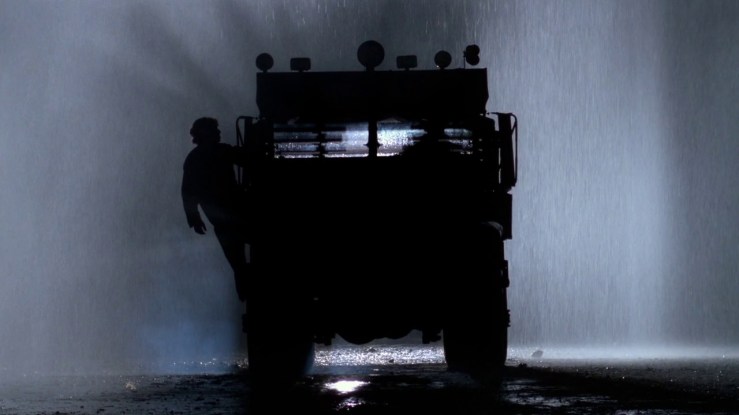
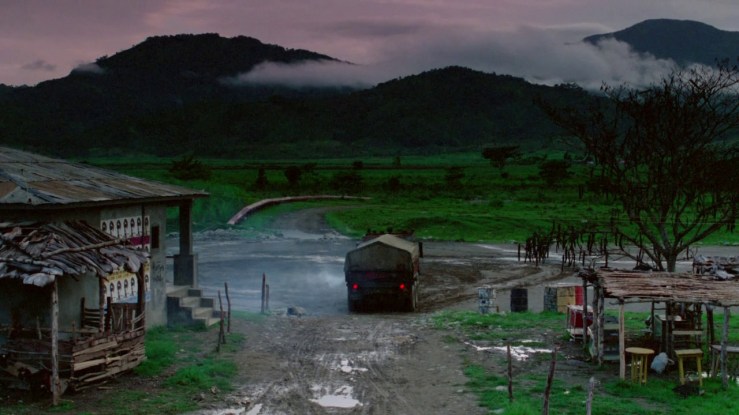
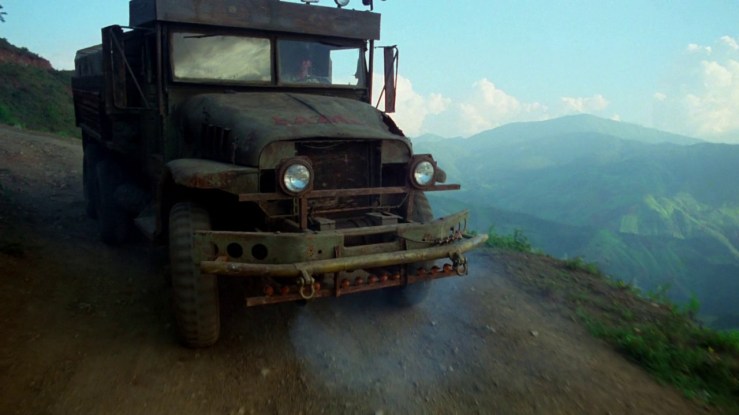
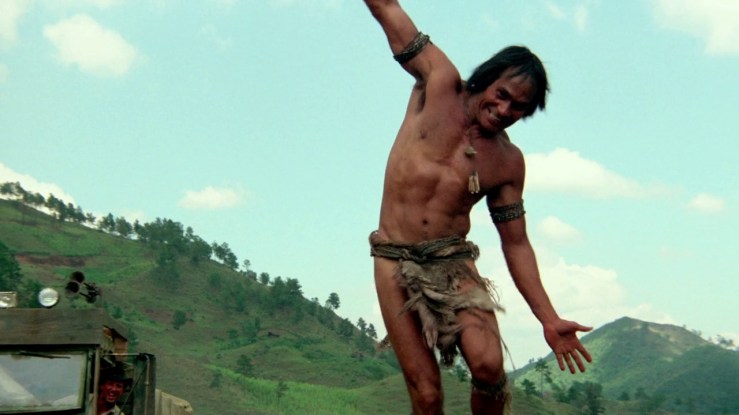
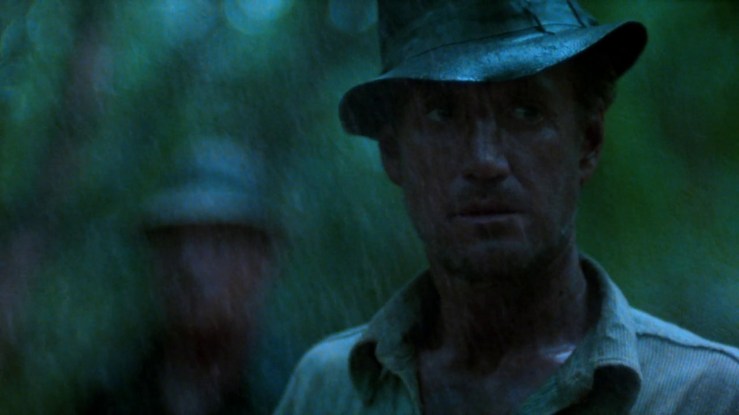
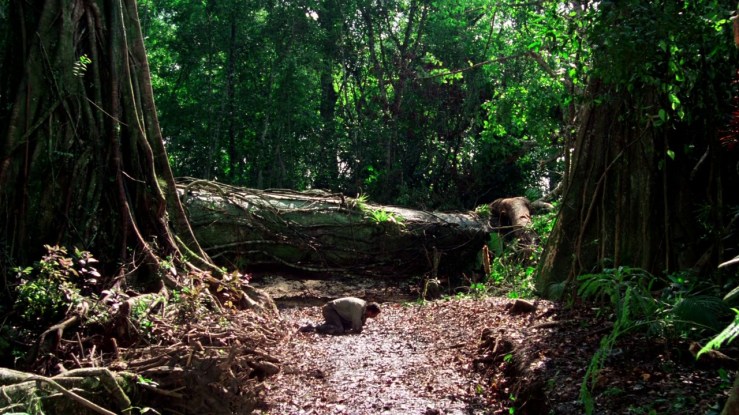
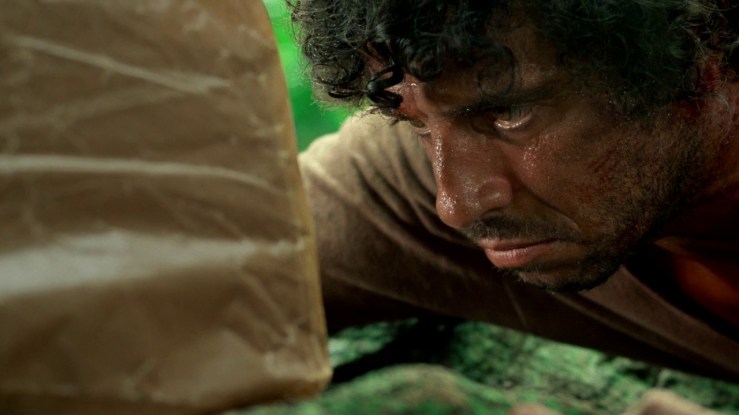
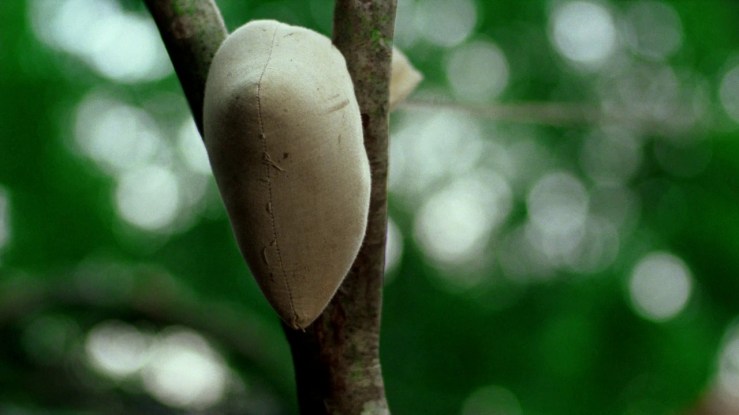
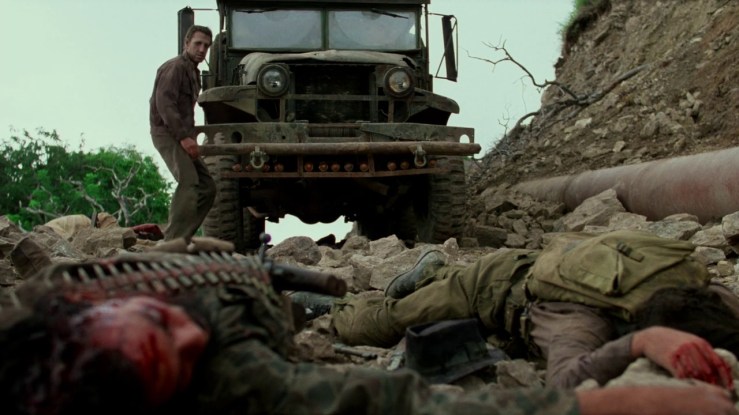
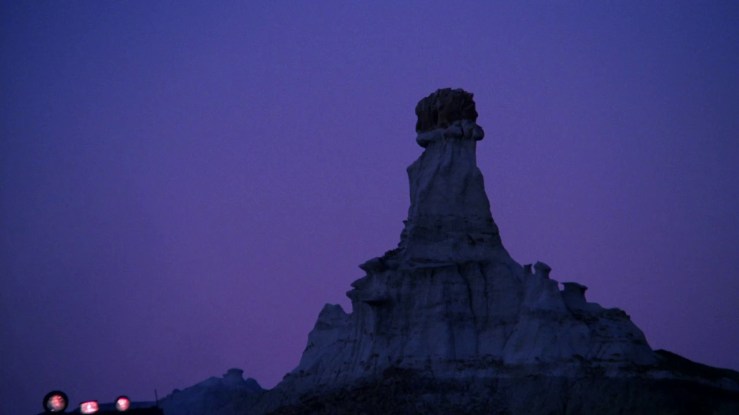
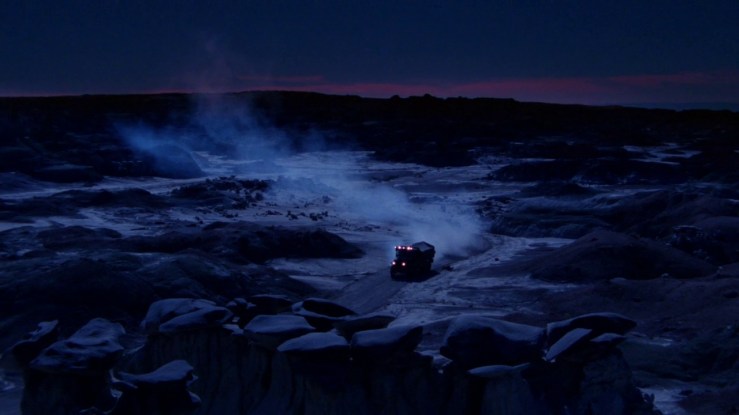
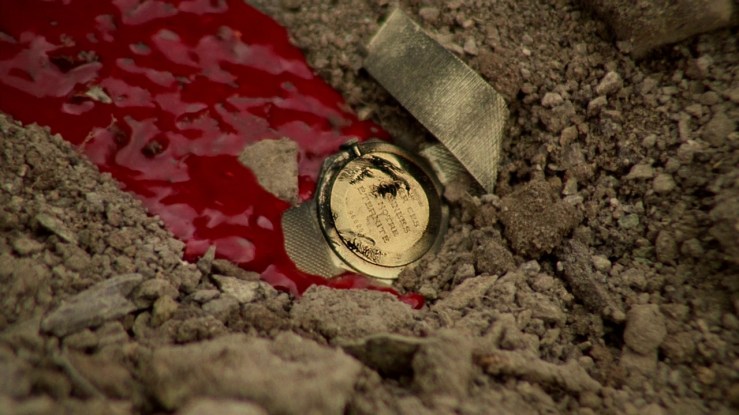
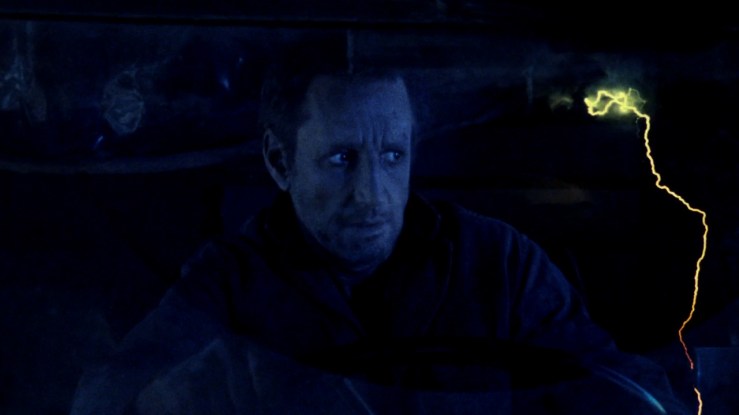
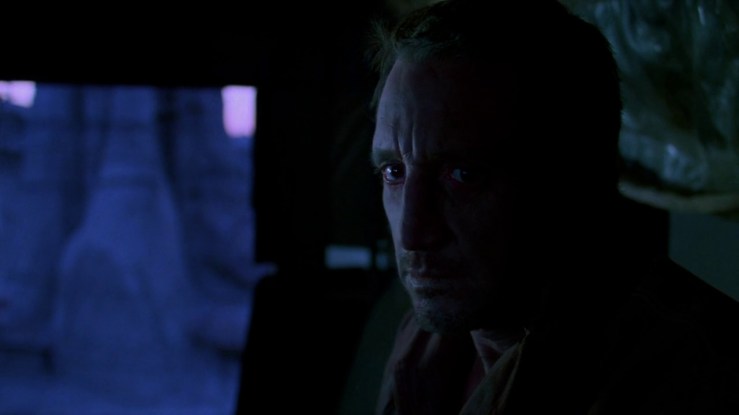
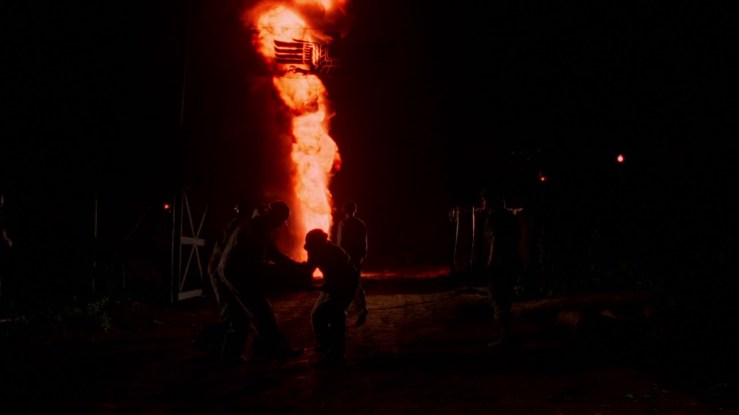
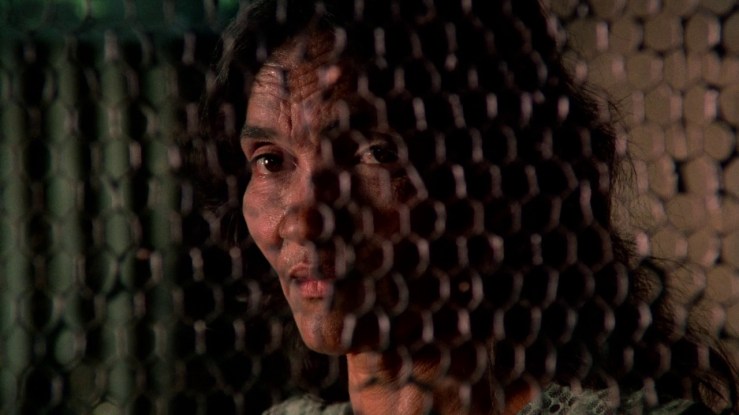
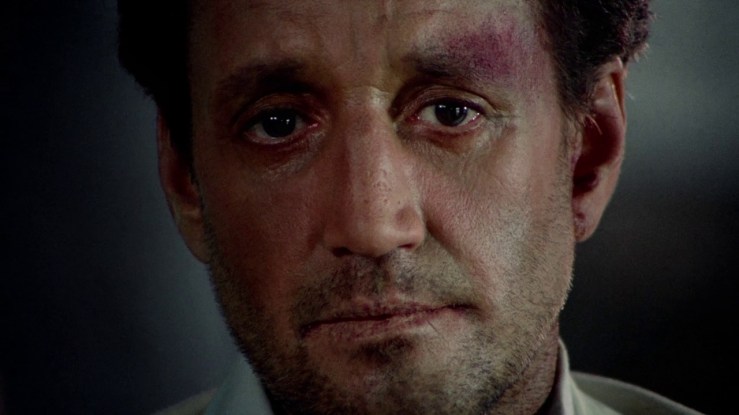
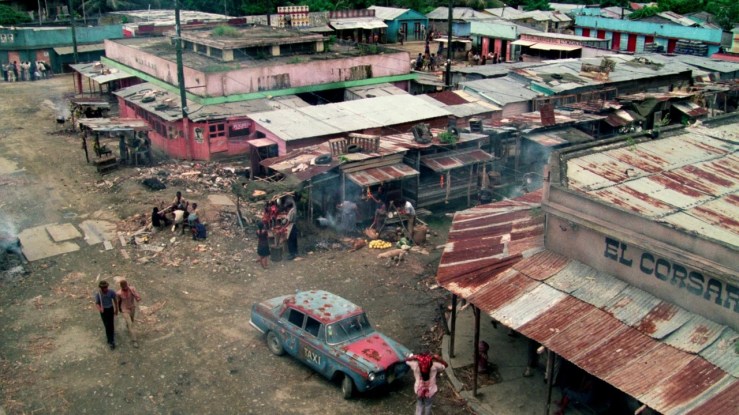
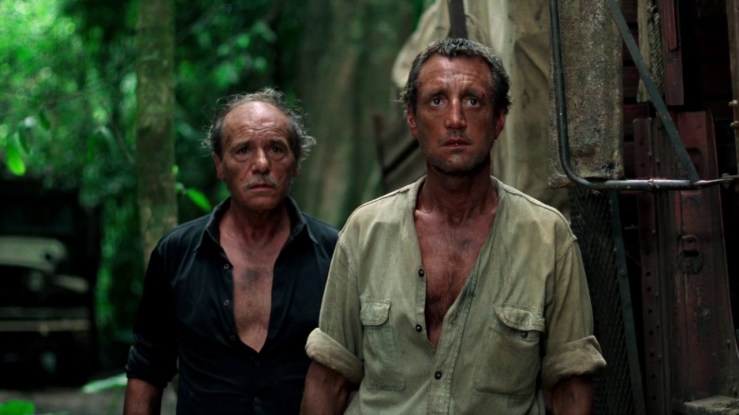
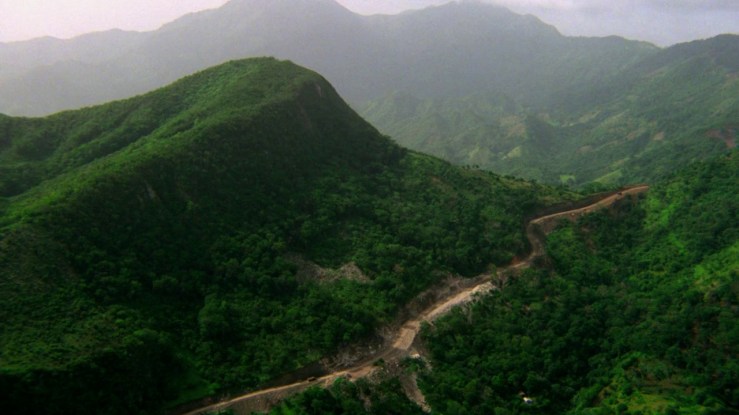
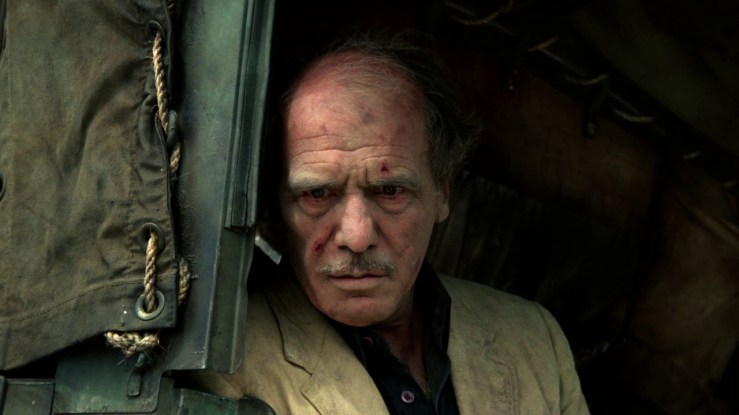
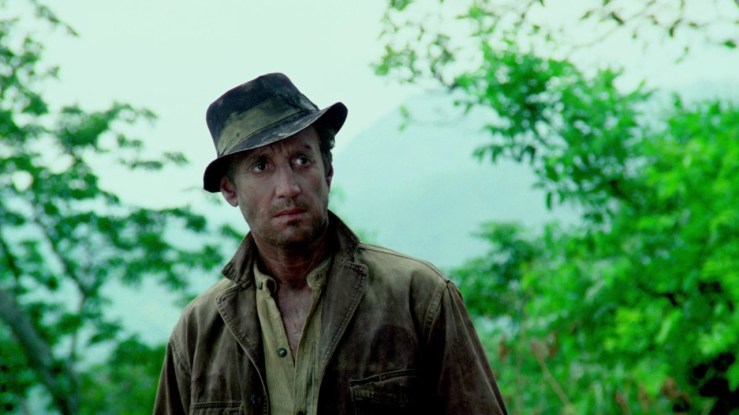
48 frames from William Friedkin’s Sorcerer

From Sorcerer, 1977. Directed by William Friedkin. Cinematography by Dick Bush & John M. Stephens. Stills via Film Grab.

RIP William Friedkin, 1935-2023.

“Counterman” — Paul Violi

“Counterman”
by
Paul Violi

What’ll it be?
Roast beef on rye, with tomato and mayo.
Whaddaya want on it?
A swipe of mayo.
Pepper but no salt.
You got it. Roast beef on rye.
You want lettuce on that?
No. Just tomato and mayo.
Tomato and mayo. You got it.
…Salt and pepper?
No salt, just a little pepper.
You got it. No salt.
You want tomato.
Yes. Tomato. No lettuce.
No lettuce. You got it.
…No salt, right?
Right. No salt.
You got it. Pickle?
No, no pickle. Just tomato and mayo.
And pepper.
Pepper.
Yes, a little pepper.
Right. A little pepper.
No pickle.
Right. No pickle.
You got it.
Next!
Roast beef on whole wheat, please,
With lettuce, mayonnaise and a center slice
Of beefsteak tomato.
The lettuce splayed, if you will,
In a Beaux Arts derivative of classical acanthus,
And the roast beef, thinly sliced, folded
In a multi-foil arrangement
That eschews Bragdonian pretensions
Or any idea of divine geometric projection
For that matter, but simply provides
A setting for the tomato
To form a medallion with a dab
Of mayonnaise as a fleuron.
And—as eclectic as this may sound—
If the mayonnaise can also be applied
Along the crust in a Vitruvian scroll
And as a festoon below the medallion,
That would be swell.
You mean like in the Cathedral St. Pierre in Geneva?
Yes, but the swag more like the one below the rosette
At the Royal Palace in Amsterdam.
You got it.
Next!

All art constantly aspires to the condition of music all art constantly aspires to the condition of music

Gosfield Street Murder — James Boswell

Gosfield Street Murder, 1942 by James Boswell (1906-1971)

“Slow Grounder,” a short story by Hob Broun

“Slow Grounder”

by

Hob Broun

from

Cardinal Numbers

img_9613


Up or down, in motion or asleep and half asleep, Speed has the same musical questions that slosh in his head. How could you play twelve years in the majors and end up like this? Did you go stupid on purpose? Where is the curly wife birdfeeding you popcorn tinged with lipstick? And the little girls begging to stand on your big feet to be danced in circles? The Barca-lounger? The riding mower? The tropical aquarium? Going, going, all long gone.

So now Speed has transistor radios in his place, on sills and ledges, hanging by wrist straps from bedpost and cabinet knob, on top of the fridge and the toilet tank. They have silver aerials that always point up. They have leather casings that snap over the top like overalls; or go naked in turquoise Jap plastic. Below, their countable speaker dots and on top a grid of numbers make super dominoes. Very advanced. Dominoes from Outer Space.

But even playing all together so Lurtsema downstairs spears his ceiling with a mop handle, they can’t drown out Speed’s musical questions. What happened to the four-bedroom house with skylight and sundeck? To the Chrysler New Yorker with gray velour upholstery Kimmie called mouseskin, chanting it at her sister and bouncing?

Back in Dakota, when he was still Russell and a boy, there’d been Gramp in his chair. Gramp clicking his plates on the stem of a cold pipe. Gramp in full expectation, bird gun across his knees, and sooner or later the door would suck open on a winter-crazed redskin come to take, and let him reach for one potato or lump of coal, Gramp would blast him back across the frozen porch.

You were supposed to be on guard, block the plate. But Speed had his chest protector on backwards, or something. Now he’s getting the razz. The hotfoot and the horselaugh. “This bum,” and he can see his picture coming down in delis and barbershops. Bumhood like something he could pass over wire so the guys duck out when he calls. “Going south for the tarpon, Speed. Keep in touch.” Even his roomie four years with the Sox saying, “I’m kind of extended now, Speed. Maybe you could put it in a letter,” then hanging up before he can get the address. And what had him extended was a thing called Bob’s Bag-O-Salad, three of them opened around Philadelphia there, the shaved lettuce and carrots, so on, in a special plastic bag you could eat out of, then throw away, and the dressing faucets, your choice of ten. People were flocking to the greens, trying to ward off cancer.

Back in Dakota one year when he was visiting for Christmas, the wind had come down off the Canadian plains to swirl snow and dirt into what they called a “snirt” storm. It clattered against the house. Mom said, “Hardly recognize you in those clothes.” Pop said, warily lifting his present, “Is it something to eat?” Pop had been three years at the Colorado School of Mines. As a cook. It was still snirting the next day and the day after that. “That dog can’t but hardly see,” Pop said. Perry Como sang about mistletoe and Mom sniffled. Speed went to the cellar. He put his hands in the bin of seed potatoes. Things can live in the dark, he thought, and didn’t feel any better.

Speed gets out his fourteen gum cards, still shiny. Twelve full seasons, plus the one in front when they sent him down to Asheville for seasoning, and the one in back when they said you’re not in our plans for this year. But we could let you be a batting coach in the Bean Dip League. He remembers the Fargo girl who sent pictures of herself on a horse, or in her band uniform. “Carry me up there and hit the big one.” And the one night he puts her in his pocket Fuentes throws a no-hitter. Sandi, with a heart over the i. He thinks about pictures as a residue of time. “Adams led the club last year in RBIs.”

Back in tenth grade in Dakota, geometry had calmed him down. Nothing he knew was so pure as those angles and arcs. Not even the hiss of a fastball inside the four points of a diamond. He made figures with compass and ruler and colored them in. Numbers might be a trick, but he could understand the laws of shape.

It’s almost dark outside, so Speed turns some radios on. The sound is tight, a pressure leak, but Speed hears his questions the same. And what they want is the clacking logic of one domino tipping the next one as it falls and the next and the next and the next. But all he can remember is what the things were, not why or where they went. From the couch to the John to the bed is the only geometry left. The lines don’t really meet, okay.

Noticing the buzzer, he can tell its been going some time behind his radios. Getting up, he feels light, light as paper, when the door sucks open on a man with silver eyes, skin with a rubbery shine, and where the ears ought to be, holes in a circle like the mouthpart of a telephone.

He says, “Bless my stars.”

Speed says come on in, but the shape of the doorframe seems to make him nervous. He tries to smile and it’s like something he had to learn in a hurry.

Nodding to the radios: “You’re a listener.”

Speed shrugs a little. Those eyes are really terrible.

“So you’re ready to go, then?”

Speed doesn’t say, “I don’t care if I never come back.” He sings it.

“Really very nice there.” The man gestures vaguely, impatiently. “All the lines meet. It’s very forgiving.”

Speed really wants him to come in now, but the man says he needs to run a couple or errands first.

“My vehicle’s parked on the roof. Wait here.”

Okay. In the kitchen Speed empties a can of Hormel chili into a pan. Hearing the traffic report is nice. He breaks two eggs into the pot, stirs. It doesn’t require a look to know there are bits of shell in there. But so why take them out?

Mass culture reflects the American bewilderment in the face of the world we live in | James Baldwin

What the mass culture really reflects…is the American bewilderment in the face of the world we live in. We do not seem to want to know that we are in the world, that we are subject to the same catastrophes, vices, joys, and follies which have baffled and afflicted mankind for ages. And this has everything to do, of course, with what was expected of America: which expectation, so generally disappointed, reveals something we do not want to know about sad human nature, reveals something we do not want to know about the intricacies and inequities of any social structure, reveals, in sum, something we do not want to know about ourselves. The American way of life has failed—to make people happier or to make them better. We do not want to admit this, and we do not admit it. We persist in believing that the empty and criminal among our children are the result of some miscalculation in the formula (which can be corrected); that the bottomless and aimless hostility which makes our cities among the most dangerous in the world is created, and felt, by a handful of aberrants; that the lack, yawning everywhere in this country, of passionate conviction, of personal authority, proves only our rather appealing tendency to be gregarious and democratic. We are very cruelly trapped between what we would like to be and what we actually are. And we cannot possibly become what we would like to be until we are willing to ask ourselves just why the lives we lead on this continent are mainly so empty, so tame, and so ugly.

This is a job for the creative artist—who does not really have much to do with mass culture, no matter how many of us may be interviewed on TV. Perhaps life is not the black, unutterably beautiful, mysterious, and lonely thing the creative artist tends to think of it as being; but it is certainly not the sunlit playpen in which so many Americans lose first their identities and then their minds.

I feel very strongly, though, that this amorphous people are in desperate search for something which will help them to re-establish their connection with themselves, and with one another. This can only begin to happen as the truth begins to be told. We are in the middle of an immense metamorphosis here, a metamorphosis which will, it is devoutly to be hoped, rob us of our myths and give us our history, which will destroy our attitudes and give us back our personalities. The mass culture, in the meantime, can only reflect our chaos: and perhaps we had better remember that this chaos contains life—and a great transforming energy.

From James Baldwin’s 1959 essay “Mass Culture and the Creative Artist: Some Personal Notes,” collected in The Cross of Redemption.
[Ed. note–the elision in the first sentence of this excerpt is mine; I chose to remove a parenthetical aside that Baldwin makes to Archibald MacLeish’s 1958 play J.B. Here is the first line in full: “What the mass culture really reflects (as is the case with a “serious” play like J.B.) is the American bewilderment in the face of the world we live in.”]

Portrait of James Baldwin — Beauford Delaney

Portrait of James Baldwin, 1965 by Beauford Delaney (1901-79)

Patient with the French | From Natalia Ginzburg’s memoir Family Lexicon

In the autumn, I went with my mother to visit Mario, who was now living in a small town near Clermont-Ferrand. He was teaching in a boarding school. He had become great friends with the school’s headmaster and his wife. He said that they were extraordinary people, very sophisticated and honest, the kind of people you could only find in France. In his small room he had a coal stove. From his window you could see the countryside covered in snow. Mario wrote long letters to Chiaromonte and Cafi in Paris. He translated Herodotus and fiddled with the stove. Under his jacket, he wore a dark turtleneck sweater that the headmaster’s wife had made for him. To thank her, he’d given her a sewing basket. Everyone in the town knew him. He stopped and chatted with everyone and he was asked by all to come home with them and drink “le vin blanc.”

My mother said, “How French he’s become!”

In the evenings, he played cards with the headmaster and his wife. He listened to their conversations and discussed educational methods with them. They also spoke a long time about whether or not there had been enough onion in the soup served at dinner.

“How patient he’s become!” my mother said. “How patient he is with these people. With us he never had any patience. Whenever he was home, he thought we were all so boring. These people seem even more boring than we are!”

And she said, “He’s patient with them only because they’re French!”

From Natalia Ginzburg’s 1963 memoir Lessico famigliarein translation (under the title Family Lexicon) by Jenny McPhee.


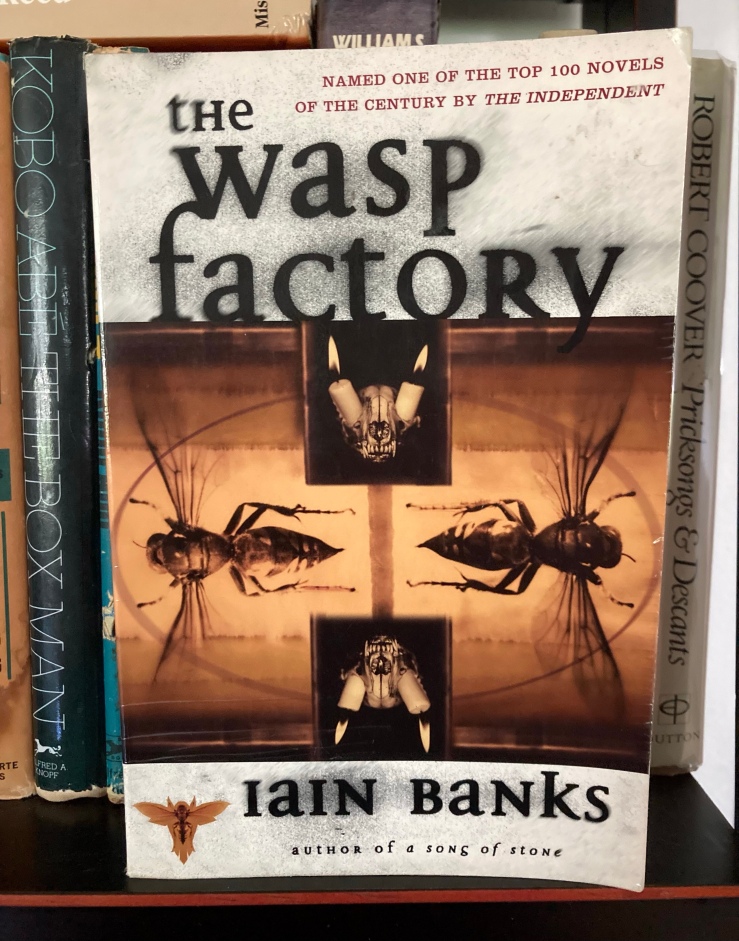
Iain Banks’s The Wasp Factory is an abject coming-of-age novel narrated by a teenage psychopath

Frank Cauldhame, the narrator of Iain Banks’s 1984 debut novel The Wasp Factory, is a teenage psychopath. Frank lives with his eccentric father on an island in rural Scotland. He is an unregistered person with “no birth certificate, no National Insurance number,” nothing to officially prove his existence. He enjoys this unofficial existence, patrolling his island, which he protects through various rituals.

One of these rituals is to construct and maintain “Sacrifice Poles,” and when we first meet Frank, he is “making the rounds” of these talismans: “One of the Poles held a rat head with two dragonflies, the other a seagull and two mice.” Frank has to keep plenty of dead animals on hand for his ritual defenses, and he kills them by slingshot, air-gun, explosives, and even an improvised flamethrower. (Readers sensitive to depictions of animal cruelty, or just cruelty in general, may wish to avoid The Wasp Factory.)

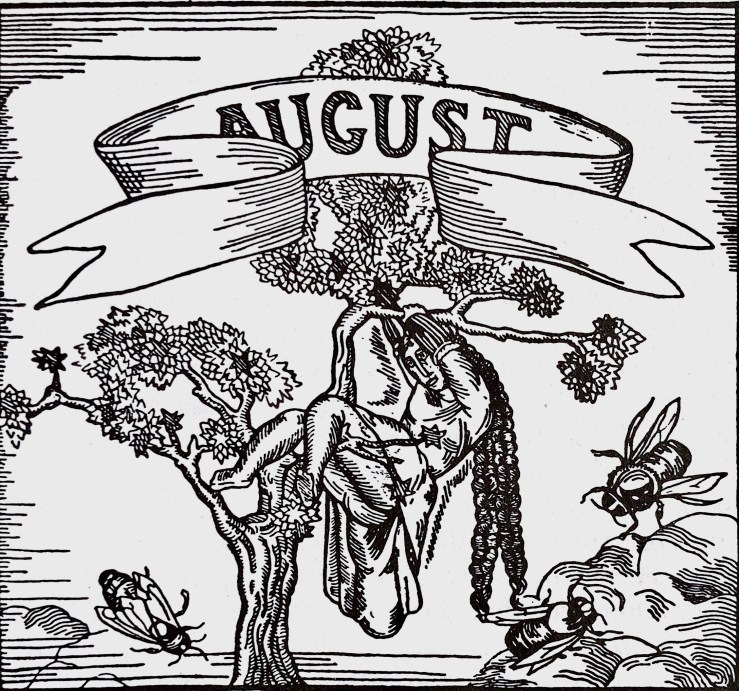
Another of Frank’s rituals consists of sacrificing a live wasp to the titular Wasp Factory (“beautiful and deadly and perfect,” in our narrator’s words). Frank has devised the Wasp Factory as a bizarre death trap built from “the face of the old clock which used to hang over the door of the Royal Bank of Scotland in Porteneil.” Once introduced to the Factory, the poor wasp can fall prey to one of a dozen different deaths, including the Boiling Pool, the Spider’s Parlour, the Acid Pit, or even “the rather jocularly named Gents (where the instrument of ending is [Frank’s] own urine, usually quite fresh).”

Frank’s urine becomes an important motif in The Wasp Factory. We learn fairly early that he is a “unique eunuch,” supposed victim of a dog bite accident that has left him forever unmanned (and deeply misogynistic). Our lad must piss sitting down, a shame he accepts with a hateful forbearance. Urine flows throughout the novel, an abject magical potion.
Indeed, Frank’s rituals frequently call for the most abject residues and excretions for the magic to work. Consider the Naming Ceremony he performs for a new weapon he’s purchased:

I smeared the metal, rubber and plastic of the new device with earwax, snot, blood, urine, belly-button fluff and toenail cheese, christened it by firing the empty sling at a wingless wasp crawling on the face of the Factory, and also fired it at my bared foot, raising a bruise.

Parts of me thought all this was nonsense, but they were in a tiny minority. The rest of me knew this sort of thing worked. It gave me power, it made me part of what I own and where I am. It makes me feel good.

Were it not for the animal cruelty, Frank’s rituals, no matter how abject, might be the stuff of antic children’s games–playing war, building dams, shooting pellets at cans, and so forth. But the ritualized animal murders are part and parcel of Frank’s most sadistic crimes. He is a serial killer.

Frank confesses his crimes early in The Wasp Factory, and the Scribner trade paperback edition uses his confession as copy on the back of the book to entice would-be readers, so I don’t think I’ll spoil much by sharing it:

Two years after I killed Blyth I murdered my young brother Paul, for quite different reasons than I’d disposed of Blyth, and then a year after that I did for my young cousin Esmerelda, more or less on a whim.

That’s my score to date. I haven’t killed anybody for years, and don’t intend to ever again.

It was just a stage I was going through.

The punchline there at the end is indicative of the dark humor that pervades The Wasp Factory. The edition I’m quoting includes blurbs from negative reviews as well, again highlighting Banks’s mordant glee with the monster he’s conjured. “Rubbish!” declares The Times of London; “There’s nothing to force you, having been warned, to read it; nor do I recommend it,” warns The Scotsman.

Elsewhere, Banks’s humor is earthier, as when Frank recounts some of the early days of his homeschooling at the hands of his ex-hippy chemist father:

For years I believed Pathos was one of the Three Musketeers, Fellatio was a character in Hamlet, Vitreous a town in China, and that the Irish peasants had to tread the peat to make Guinness.

There’s also a sweet streak to the book as well as Frank himself, who, despite his psychotic behavior, is a genuinely caring person at times. His relationship to his only friend, a dwarf named Jamie, is damn near tender; Frank perches Jamie on his shoulders so that the latter can better see the awful punk bands at the local pub.

Frank also cares deeply for his older brother Eric. In the first line of the novel, we learn that Eric has “escaped”; we soon learn he’s escaped from a psychiatric ward he’d been sent to after terrorizing the town folk. Eric’s insane crimes also involve animal cruelty: burning local dogs; force-feeding children worms.

The plot of The Wasp Factory is actually quite simple: What will happen when Eric comes home? Banks keeps the pot boiling through a series of phone calls Eric makes to Frank. We come to see that while Frank might be a psychopath, he is not insane in the way that his older brother is. (A late reveal in the novel that explains the cause of Eric’s insanity is one of the most disgusting pieces of prose I’ve ever read (I write this in admiration.)) In the meantime, Frank attempts to break into the office door that his father has always kept locked.

These twin plots—prodigal son coming home, daddy’s secret locked door—drive the action of The Wasp Factory (oh, and Frank’s basement is full of explosive cordite, too). The book’s real weight comes not from the plot, but from Frank’s narration. He’s a perceptive intelligence, and tuning into his voice is by turns mesmerizing and horrifying.
Not everyone will enjoy The Wasp Factory, as I’ve tried to make as clear as possible in this review. To borrow from The Scotsman, “There’s nothing to force you, having been warned, to read it.” And even admirers may find the twist ending a bit dated and the final moments of Frank’s deep reflection a bit rushed. But Banks does give the reader a conclusion, when it might have been so much easier to leave his characters (and readers) in a noncommittal fuzz of ambiguity. There’s a point of view here, even if it disturbs. The Wasp Factory is a truly fucked up coming-of-age novel, an abject anti-Huckleberry Finn whose narrator makes Holden Caulfield seem perfectly well adjusted. Not for everyone, but I loved it. Recommended.

All inextricably linked to those words and phrases | From Natalia Ginzburg’s Family Lexicon

 My parents had five children. We now live in different cities, some of us in foreign countries, and we don’t write to each other often. When we do meet up we can be indifferent or distracted. But for us it takes just one word. It takes one word, one sentence, one of the old ones from our childhood, heard and repeated countless times. All it takes is for one of us to say “We haven’t come to Bergamo on a military campaign,” or “Sulfuric acid stinks of fart,” and we immediately fall back into our old relationships, our childhood, our youth, all inextricably linked to those words and phrases. If my siblings and I were to find ourselves in a dark cave or among millions of people, just one of those phrases or words would immediately allow us to recognize each other. Those phrases are our Latin, the dictionary of our past, they’re like Egyptian or Assyro-Babylonian hieroglyphics, evidence of a vital core that has ceased to exist but that lives on in its texts, saved from the fury of the waters, the corrosion of time. Those phrases are the basis of our family unity and will persist as long as we are in the world, re-created and revived in disparate places on the earth whenever one of us says, “Most eminent Signor Lipmann,” and we immediately hear my father’s impatient voice ringing in our ears: “Enough of that story! I’ve heard it far too many times already!”
From Natalia Ginzburg’s 1963 memoir Lessico famigliarein translation (under the title Family Lexicon) by Jenny McPhee.

I love this book so far, and this passage may come as close as anything to an early thesis for what Ginzburg is doing. I suppose, too, I deeply identify with this idea, this notion of phrases, saying, quips, in jokes, etc., as the psychological basis of familial identification.

Cortazar/Crowley/Ford (Books acquired, 27 July 2023)

I went to the bookstore today looking for a copy of Katherine Burdekin’s dystopian 1937 novel Swastika Night. I was unsuccessful there, but while browsing the scifi and fantasy section, I came across three books that I couldn’t resist.

The first was an unread hardcover first edition of John M. Ford’s 1983 novel The Dragon Waiting. This book was only on my radar because Slate republished a 2019 article on Ford by Isaac Butler and a friend sent me the link (his message was simply “?”). From Butler’s article:

The Dragon Waiting is an unfolding cabinet of wonders. Over a decade before George R.R. Martin wrote A Song of Ice and Fire, Ford created an alternate-history retelling of the Wars of the Roses, filled with palace intrigue, dark magic, and more Shakespeare references than are dreamt of in our philosophy. The Dragon Waiting provokes that rare thrill that one gets from the work of Gene Wolfe, or John Crowley, or Ursula Le Guin. A dazzling intellect ensorcells the reader, entertaining with one hand, opening new doors with another.

Wolfe blurbed the back cover of the copy I bought, by the way.

Maybe Crowley was in my subconscious too; while searching for Swastika Night under the Cs (it was first published under the pseudonym “Murray Constantine”), I came across a cheap hardcover copy of Crowley’s 1976 novel Beasts. I’d read Little, Big years ago, enjoyed it, but gone no further. (There were no copies of Little, Big in Crowley’s placarded section, all though I did find three copies in the “General Fiction” section, away from the beautiful weird scifi fantasy ghetto.)

I’ve long been a sucker for the mass market Avon Bard Latin American writers series, so I couldn’t pass up the copy of Julio Cortazar’s Hopscotch (translated by Gregory Rabassa). It sat upon a miscellaneous, dusty stack of outcasts in the middle of the “D” aisle in the scifi fantasy ghetto, waiting for me.


Reclining Nude Reading — Felice Casorati

tumblr_n6sq23lmJo1qb4lg8o1_1280

Reclining Nude Reading, 1943 by Felice Casorati (1883–1963)

“Nervous,” a very short story by Robert Walser

“Nervous”

by

Robert Walser

translated by Christopher Middleton


I am a little worn out, raddled, squashed, downtrodden, shot full of holes. Mortars have mortared me to bits. I am a little crumbly, decaying, yes, yes. I am sinking and drying up a little. I am a bit scalded and scorched, yes, yes. That’s what it does to you. That’s life. I am not old, not in the least, certainly I am not eighty, by no means, but I am not sixteen any more either. Quite definitely I am a bit old and used up. That’s what it does to you. I am decaying a little, and I am crumbling, peeling a little. That’s life. Am I a little bit over the hill? Hmm! Maybe. But that doesn’t make me eighty, not by a long way. I am very tough, I can vouch for that. I am no longer young, but I am not old yet, definitely not. I am aging, fading a little, but that doesn’t matter; I am not yet altogether old, though I am probably a little nervous and over the hill. It’s natural that one should crumble a bit with the passage of time, but that doesn’t matter. I am not very nervous, to be sure, I just have a few grouches. Sometimes I am a bit weird and grouchy, but that doesn’t mean I am altogether lost, I hope. I don’t propose to hope that I am lost, for I repeat, I am uncommonly hard and tough. I am holding out and holding on. I am fairly fearless. But nervous I am, a little, undoubtedly I am, very probably I am, possibly I am a little nervous. I hope that I am a little nervous. No, I don’t hope so, one doesn’t hope for such things, but I am afraid so, yes, afraid so. Fear is more appropriate here than hope, no doubt about it. But I certainly am not fear-stricken, that I might be nervous, quite definitely not. I have grouches, but I am not afraid of the grouches. They inspire me with no fear at all. “You are nervous,” someone might tell me, and I would reply cold-bloodedly, “My dear sir, I know that quite well, I know that I am a little worn out and nervous.” And I would smile, very nobly and coolly, while saying this, which would perhaps annoy the other person a little. A person who refrains from getting annoyed is not yet lost. If I do not get annoyed about my nerves, then undoubtedly I still have good nerves, it’s clear as daylight, and illuminating. It dawns on me that I have grouches, that I am a little nervous, but it dawns on me in equal measure that I am cold-blooded, which makes me uncommonly glad, and that I am blithe in spirit, although I am aging a little, crumbling and fading, which is quite natural and something I therefore understand very well. “You are nervous,” someone might come up to me and say. “Yes, I am uncommonly nervous,” would be my reply, and secretly I would laugh at the big lie. “We are all a little nervous,” I would perhaps say, and laugh at the big truth. If a person can still laugh, he is not yet entirely nervous; if a person can accept a truth, he is not yet entirely nervous; anyone who can keep calm when he hears of some distress is not yet entirely nervous. Or if someone came up to me and said: “Oh, you are totally nervous,” then quite simply I would reply in nice polite terms: “Oh, I am totally nervous, I know I am.” And the matter would be closed. Grouches, grouches, one must have them, and one must have the courage to live with them. That’s the nicest way to live. Nobody should be afraid of his little bit of weirdness. Fear is altogether foolish. “You are very nervous!” “Yes, come by all means and calmly tell me so! Thank you!”

That, or something like it, is what I’d say, having my gentle and courteous bit of fun. Let man be courteous, warm, and kind, and if someone tells him he’s totally nervous, still there’s no need at all for him to believe it.

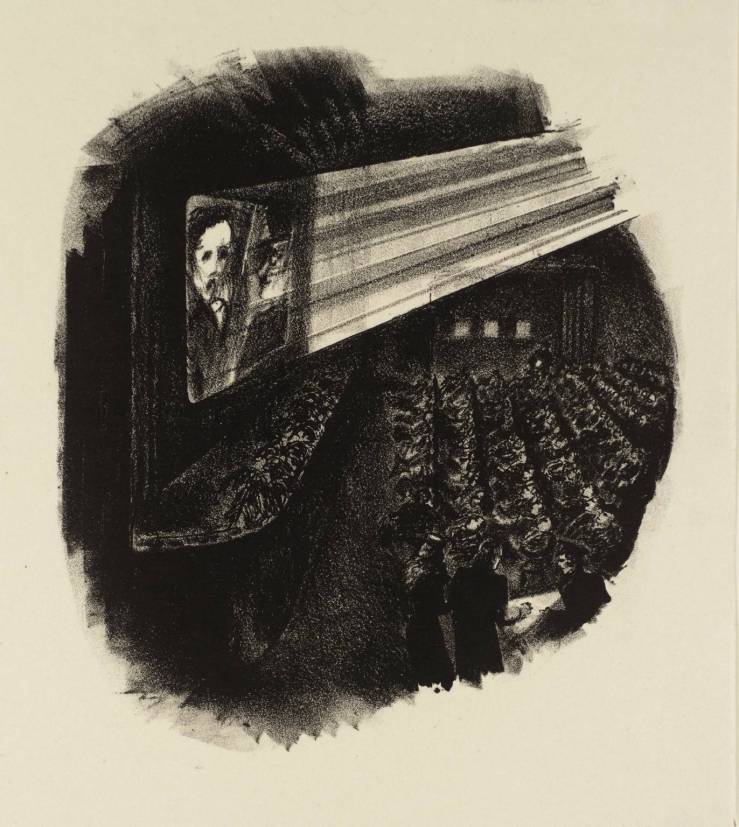
The Cinema — James Boswell

The Cinema, 1939 by James Boswell (1906-1971)