Shifting the Gaze — Titus Kaphar

cur.2017.34_jack_shainman_gallery

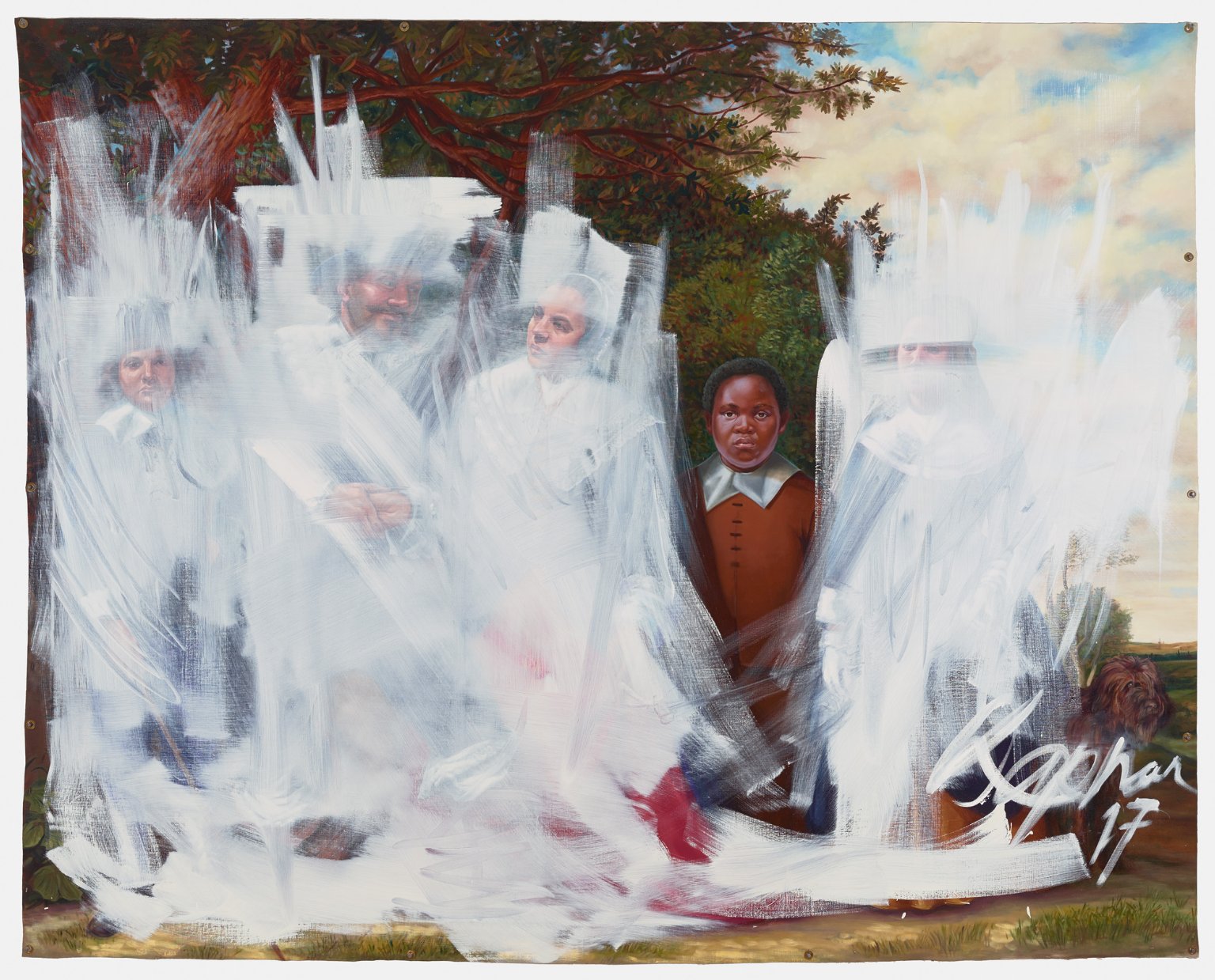
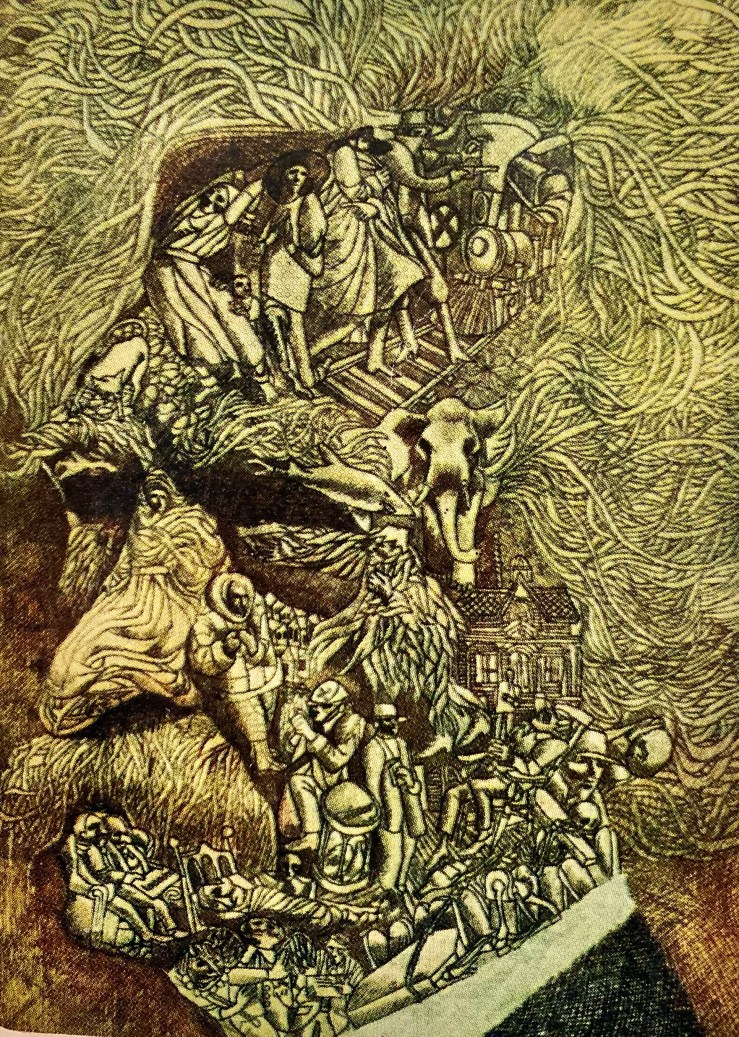
Shifting the Gaze, 2017 by Titus Kaphar (b. 1976)

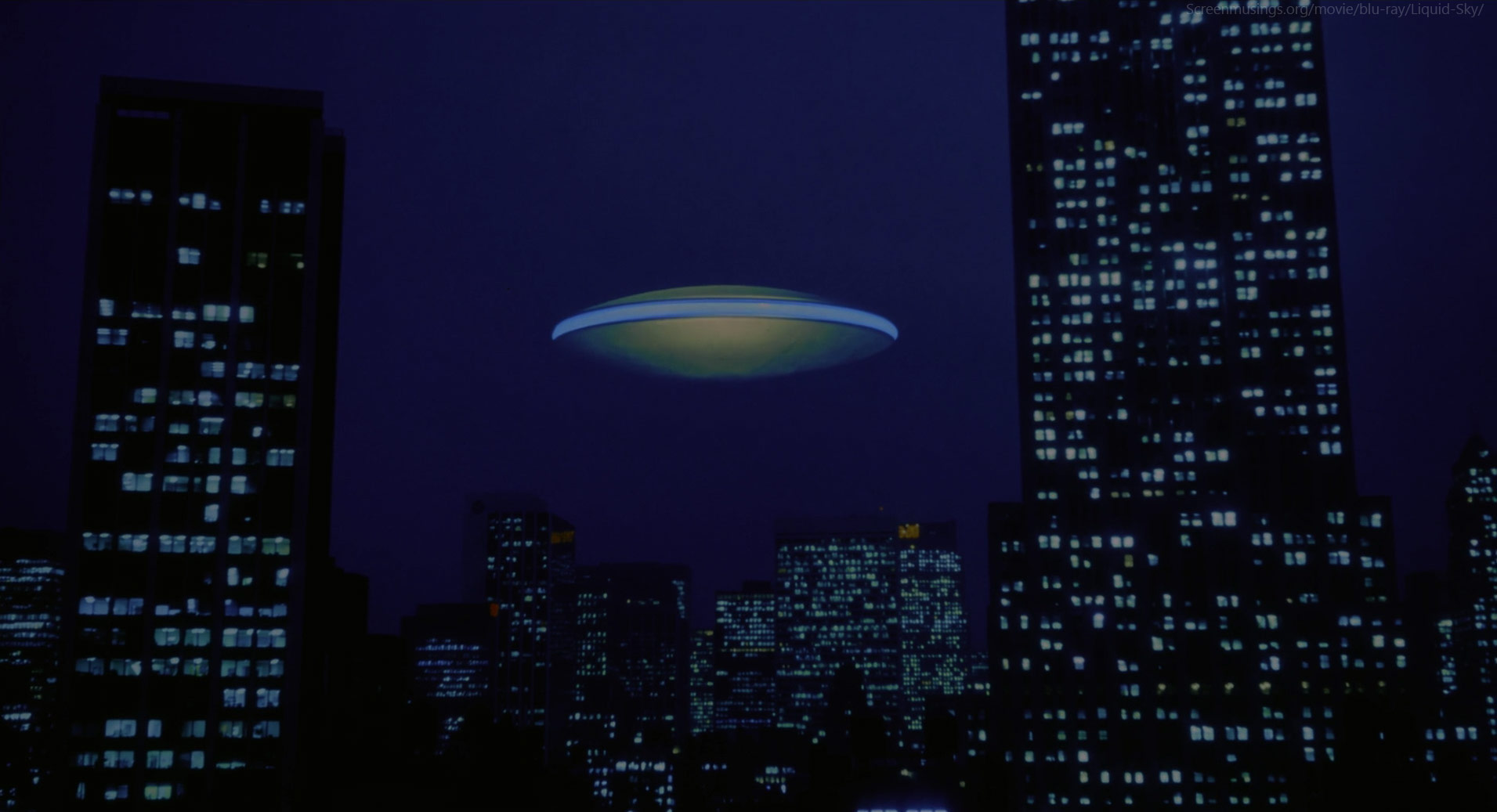
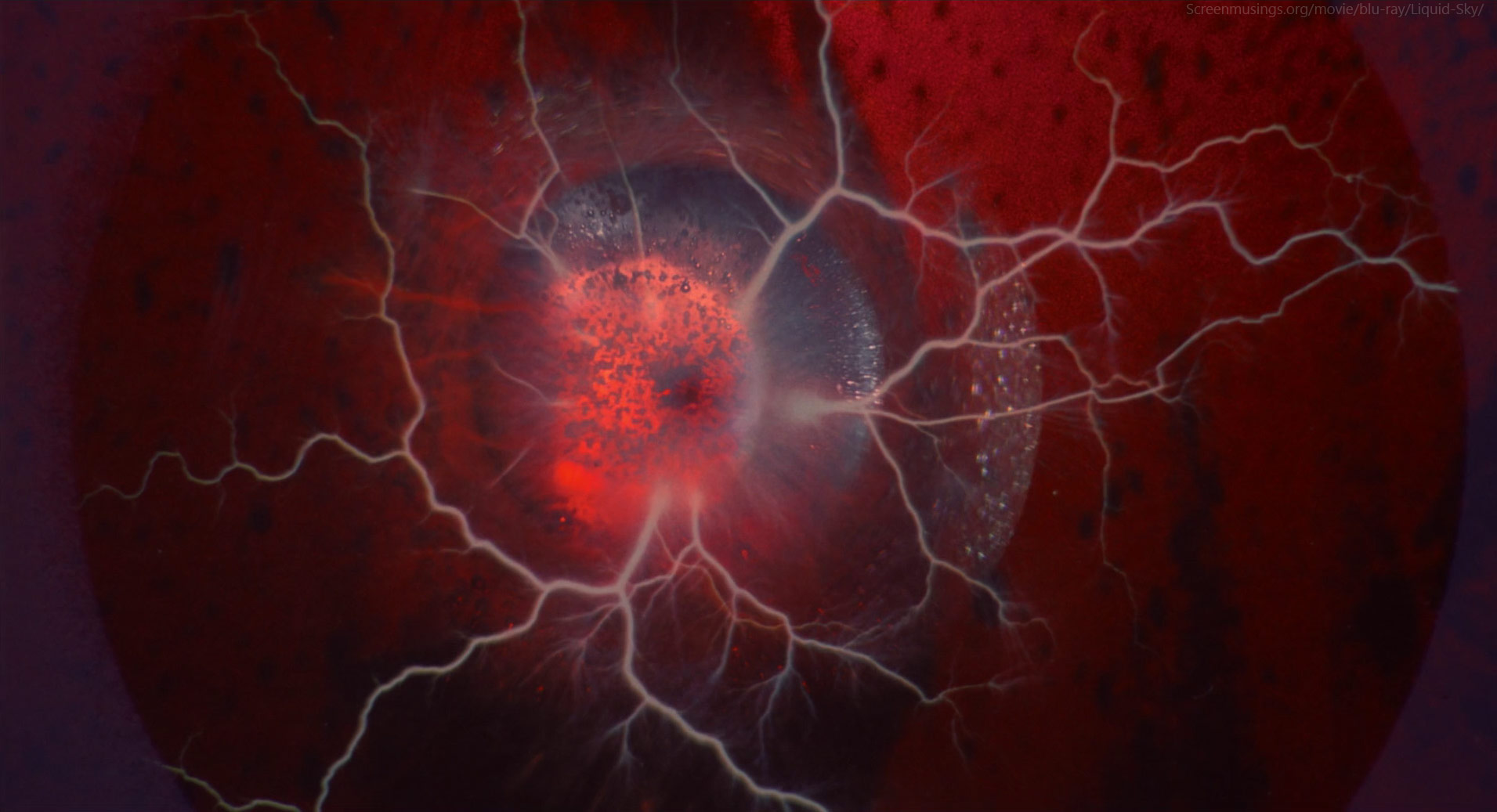
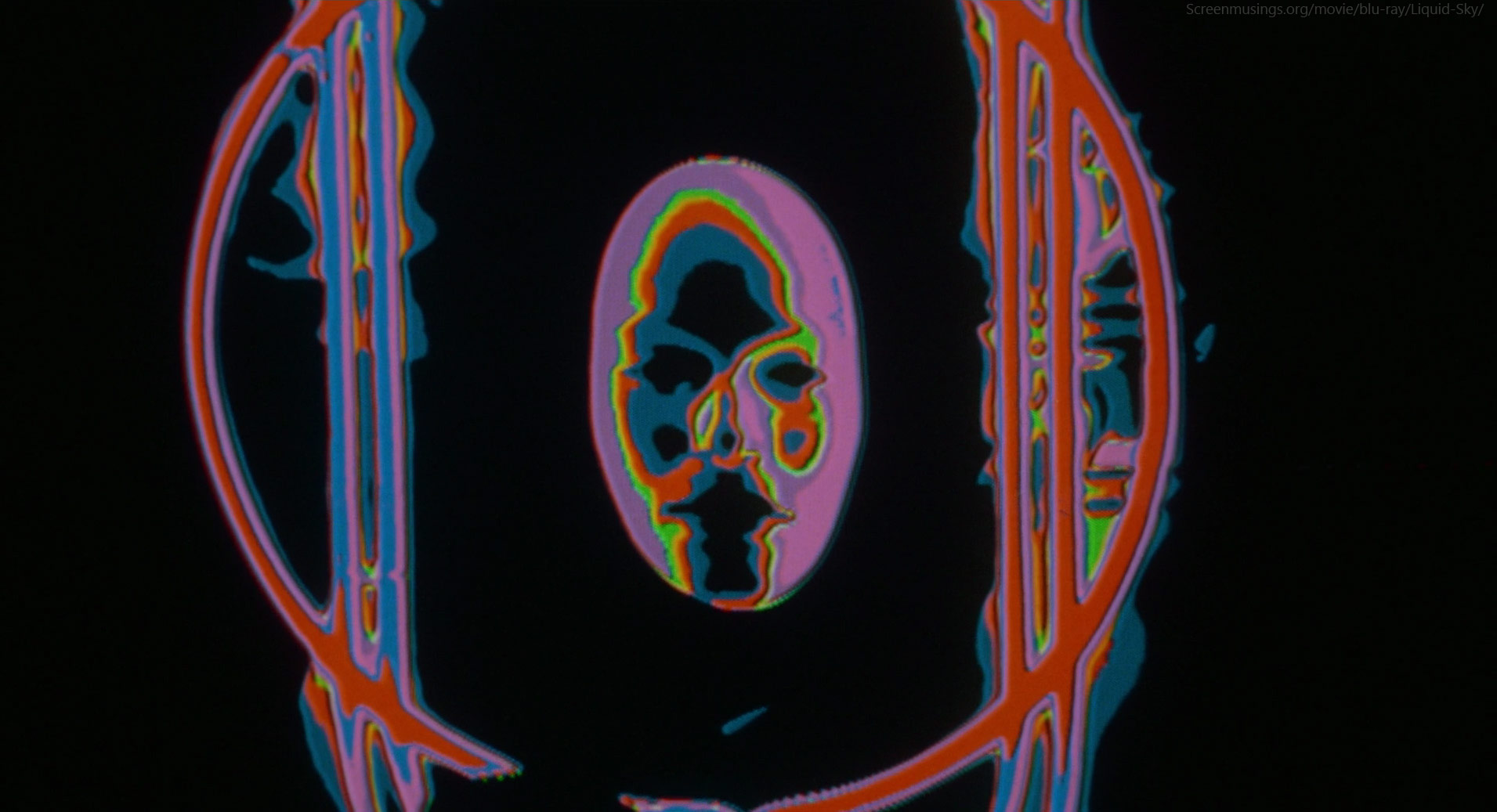
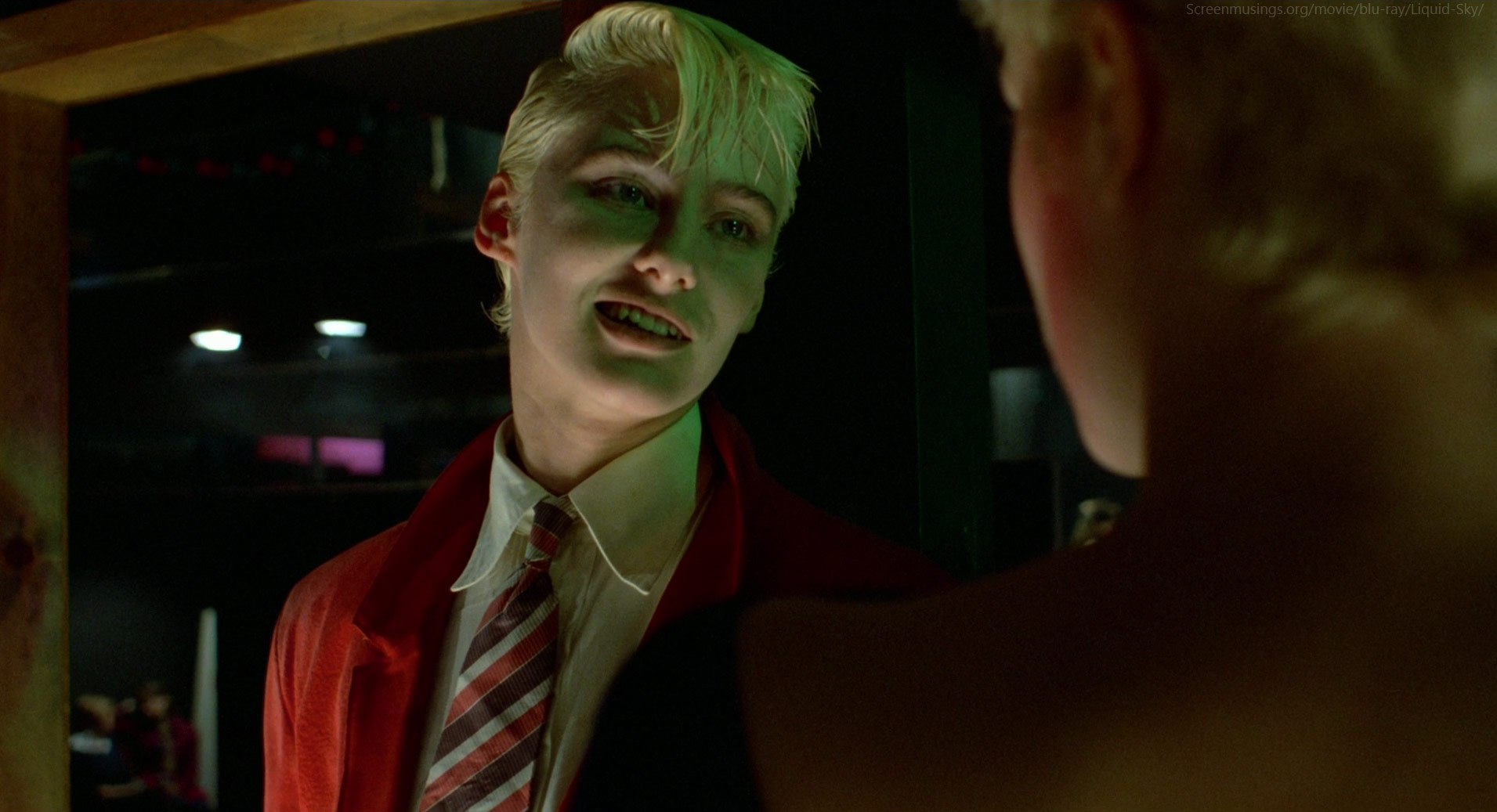
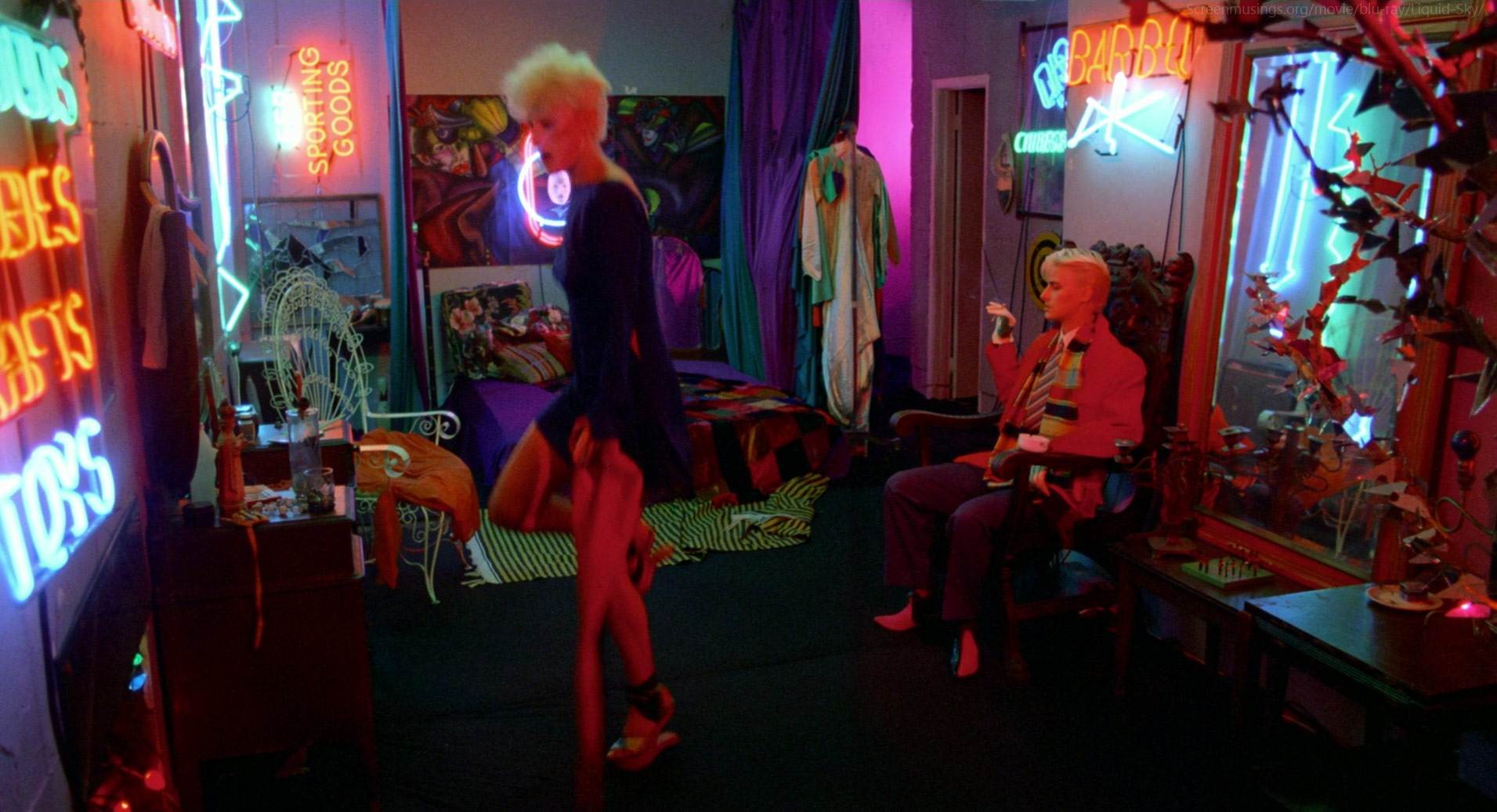
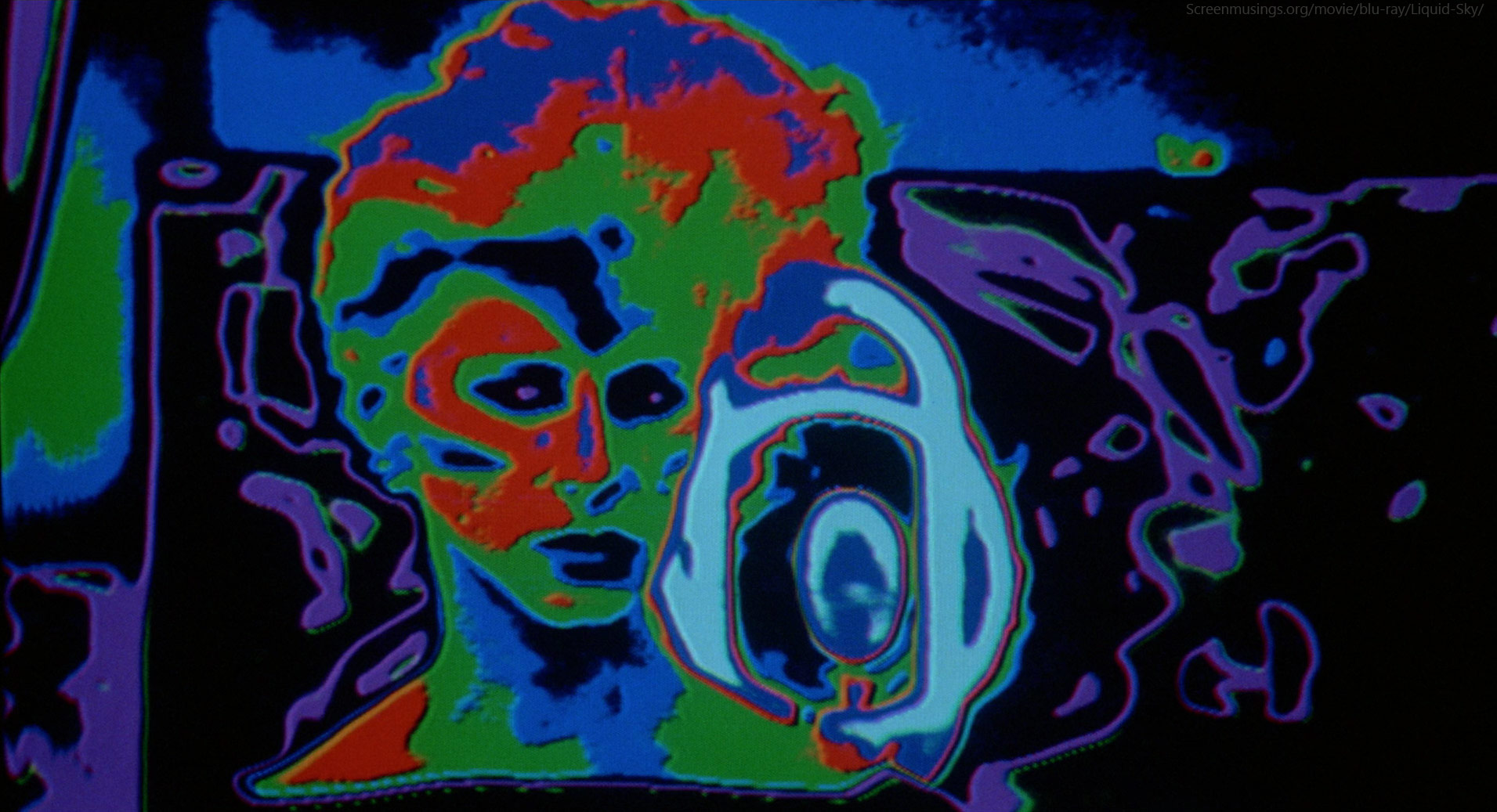
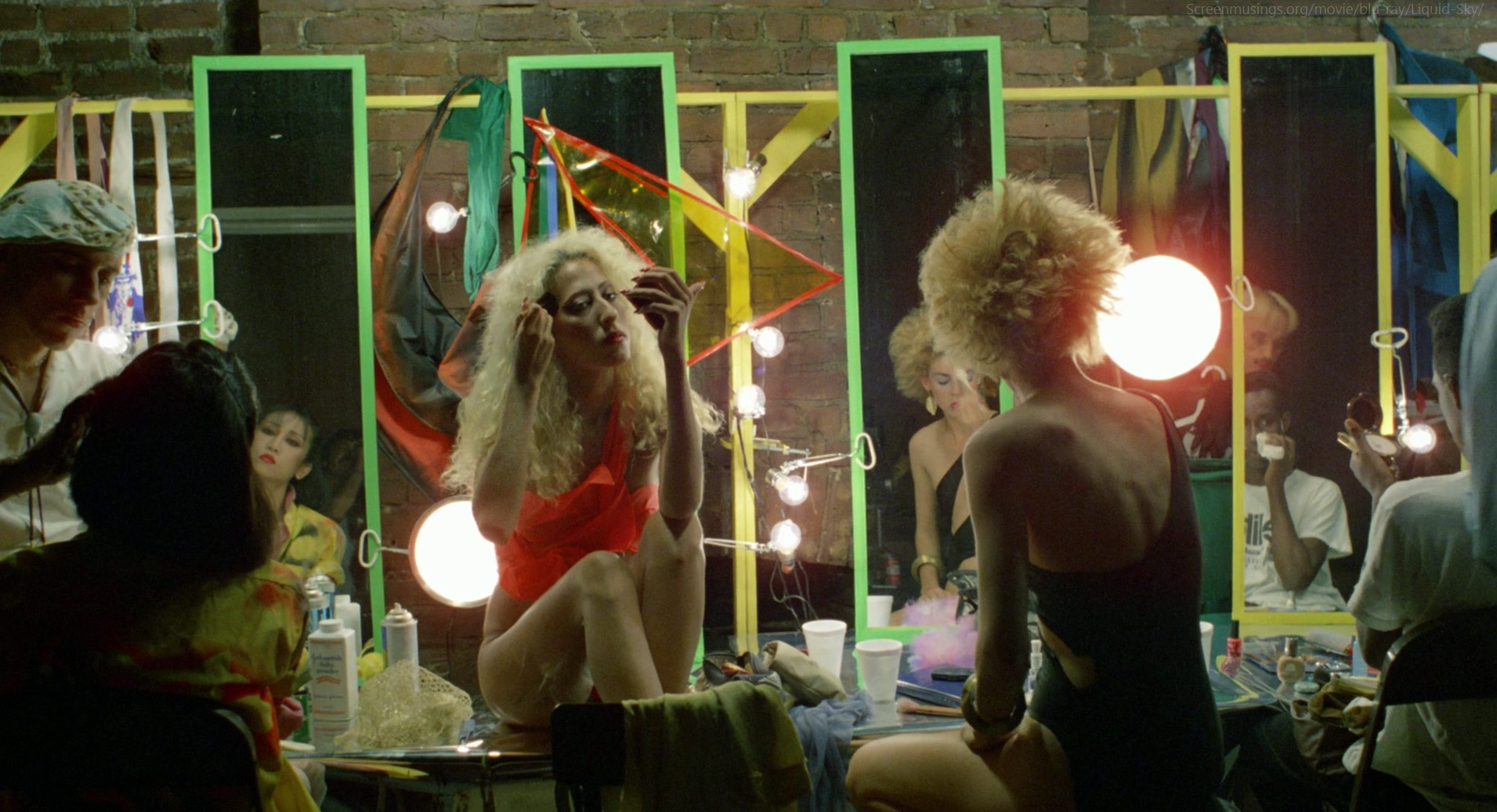
51 still frames from Slava Tsukerman’s Liquid Sky

Liquid-Sky-001Liquid-Sky-006Liquid-Sky-014Liquid-Sky-016Liquid-Sky-022Liquid-Sky-025Liquid-Sky-026Liquid-Sky-028Liquid-Sky-029Liquid-Sky-032Liquid-Sky-036Liquid-Sky-040 Continue reading “51 still frames from Slava Tsukerman’s Liquid Sky”

“Books are made out of books” | Blood Meridian and Samuel Chamberlain

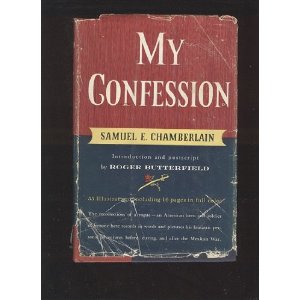
In his 1992 interview with The New York Times, Cormac McCarthy said, “The ugly fact is books are made out of books. The novel depends for its life on the novels that have been written.” McCarthy’s masterpiece Blood Meridian, as many critics have noted, is made of some of the finest literature out there–the King James Bible, Moby-Dick, Dante’s Inferno, Paradise Lost, Faulkner, and Shakespeare. While Blood Meridian echoes and alludes to these authors and books thematically, structurally, and linguistically, it also owes much of its materiality to Samuel Chamberlain’s My Confession: The Recollections of a Rogue.

Chamberlain, much like the Kid, Blood Meridian’s erstwhile protagonist, ran away from home as a teenager. He joined the Illinois Second Volunteer Regiment and later fought in the Mexican-American War. Confession details Chamberlain’s involvement with John Glanton’s gang of scalp-hunters. The following summary comes from the University of Virginia’s American Studies webpage

According to Chamberlain, John Glanton was born in South Carolina and migrated to Stephen Austin’s settlement in Texas. There he fell in love with an orphan girl and was prepared to marry her. One day while he was gone, Lipan warriors raided the area scalping the elderly and the children and kidnapping the women- including Glanton’s fiancee. Glanton and the other settlers pursued and slaughtered the natives, but during the battle the women were tomahawked and scalped. Legend has it, Glanton began a series of retaliatory raids which always yielded “fresh scalps.” When Texas fought for its independence from Mexico, Glanton fought with Col. Fannin, and was one of the few to escape the slaughter of that regiment at the hands of the Mexican Gen. Urrea- the man who would eventually employ Glanton as a scalp hunter. During the Range Wars, Glanton took no side but simply assassinated individuals who had crossed him. He was banished, to no avail, by Gen. Sam Houston and fought as a “free Ranger” in the war against Mexico. Following the war he took up the Urrea’s offer of $50 per Apache scalp (with a bonus of $1000 for the scalp of the Chief Santana). Local rumor had it that Glanton always “raised the hair” of the Indians he killed and that he had a “mule load of these barbarous trophies, smoke-dried” in his hut even before he turned professional.


Chamberlain’s Confession also describes a  figure named Judge Holden. Again, from U of V’s summary–

Glanton’s gang consisted of “Sonorans, Cherokee and Delaware Indians, French Canadians, Texans, Irishmen, a Negro and a full-blooded Comanche,” and when Chamberlain joined them they had gathered thirty-seven scalps and considerable losses from two recent raids (Chamberlain implies that they had just begun their careers as scalp hunters but other sources suggest that they had been engaged in the trade for sometime- regardless there is little specific documentation of their prior activities). Second in command to Glanton was a Texan- Judge Holden. In describing him, Chamberlain claimed, “a cooler blooded villain never went unhung;” Holden was well over six feet, “had a fleshy frame, [and] a dull tallow colored face destitute of hair and all expression” and was well educated in geology and mineralogy, fluent in native dialects, a good musician, and “plum centre” with a firearm. Chamberlain saw him also as a coward who would avoid equal combat if possible but would not hesitate to kill Indians or Mexicans if he had the advantage. Rumors also abounded about atrocities committed in Texas and the Cherokee nation by him under a different name. Before the gang left Frontreras, Chamberlain claims that a ten year old girl was found “foully violated and murdered” with “the mark of a large hand on her throat,” but no one ever directly accused Holden.


It’s fascinating to note how much of the Judge is already there–the pedophilia, the marksmanship, the scholarship, and, most interesting of all, the lack of hair. Confession goes on to detail the killing, scalping, raping, and raiding spree that comprises the center of Blood Meridian. Chamberlain even describes the final battle with the Yumas, an event that signals the dissolution of the Glanton gang in McCarthy’s novel.

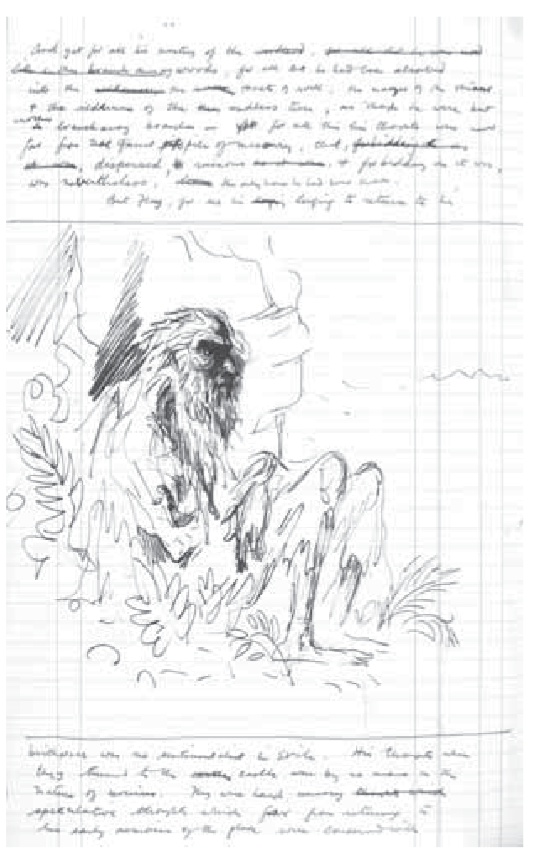
Content aside, Chamberlain’s prose also seems to presage McCarthy’s prose. In his book Different Travelers, Different Eyes, James H. Maguire notes that, “Both venereal and martial, the gore of [Chamberlain’s] prose evokes Gothic revulsion, while his unschooled art, with its stark architectural angles and leaden, keen-edged shadows, can chill with the surreal horrors of the later Greco-Italian painter Giorgio de Chirico.” Yes, Chamberlain was an amateur painter (find his paintings throughout this post), and undoubtedly some of this imagery crept into Blood Meridian.

You can view many of Chamberlain’s paintings and read an edit of his Confession in three editions of Life magazine from 1956, digitally preserved thanks to Google Books–here’s Part I, Part II, and Part III. Many critics have pointed out that Chamberlain’s narrative, beyond its casual racism and sexism, is rife with factual and historical errors. He also apparently indulges in the habit of describing battles and other events in vivid detail, even when there was no way he could have been there. No matter. The ugly fact is that books are made out of books, after all, and if Chamberlain’s Confession traffics in re-appropriating the adventure stories of the day, at least we have Blood Meridian to show for his efforts.

[Ed. note–Biblioklept first ran this post in September of 2010.]

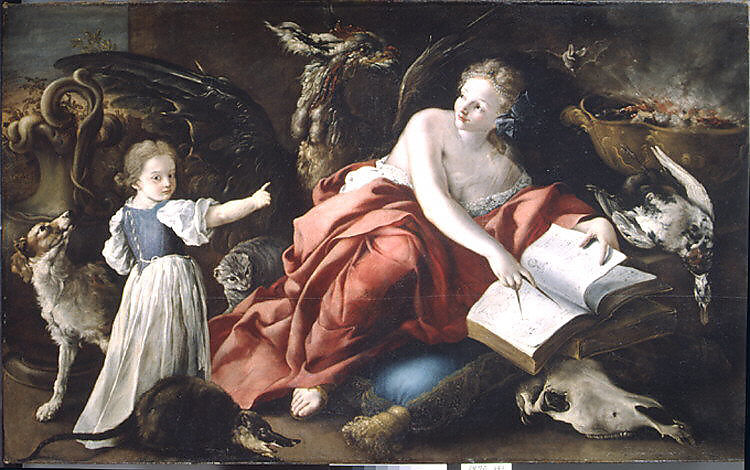
An Allegory — Domenico Guidobono

main-image (1)

An Allegory, c. 1720 by Domenico Guidobono (1668–1746)

Five bookmarks

2020-07-18_154118_1-4

Business card for the NC-based artist Hannah Dansie, likely obtained at an arts fair in Asheville, NC, late 2018. Inside Charles Portis’s The Dog of the South, pages 106-07. Did I finish The Dog of the South? Yes I did.

2020-07-18_154118_1-2

An actual bookmark from the indie publisher Two Dollar Radio, obtained in 2020 when I purchased their edition of Rudolph Wurlitzer’s Nog. Inside Rudolph Wurlitzer’s Nog, between the cover and the first page. Did I finish Nog? Yes I did.

2020-07-18_154118_1-3

Entrance ticket for Wat Pho, obtained in Bangkok, Thailand, in the fall of 2002. Found inside Thomas Pynchon’s V., pages 228-29 (the beginning of “Mondaugen’s Story.” Did I finish V.? Yes I did.

2020-07-18_154118_1-1

Postcard from the Greek indie publisher Pilotless Press celebrating Allen Kechagiar’s chapbook The Mundane History of Lockwood HeightsObtained via the publisher in 2012. Inside of Barry Hannah’s Long, Last, Happy, page 254-55. Did I finish The Mundane History of Lockwood Heights? Yes I did.

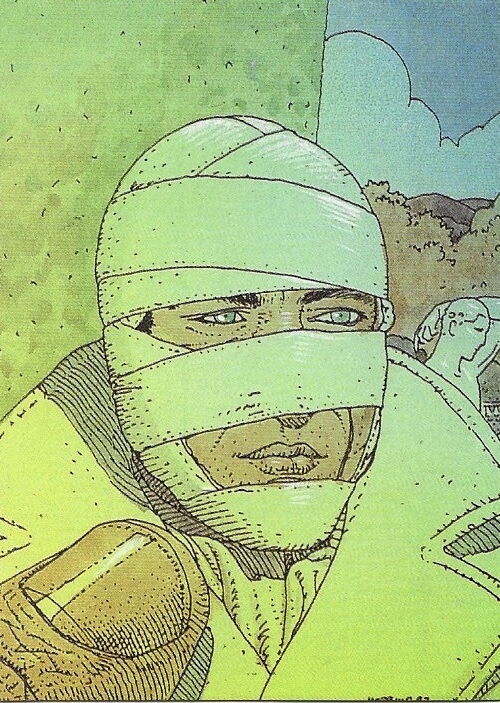
2020-07-18_154118_1

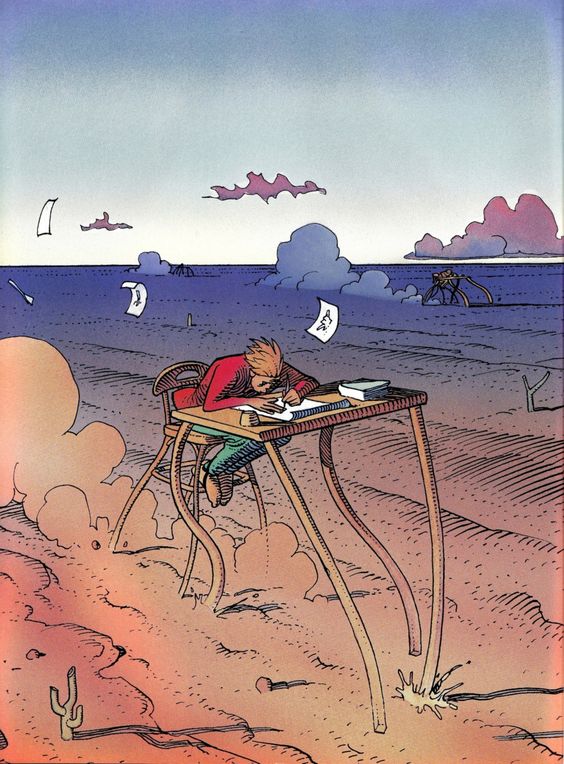
Card #30 (from Airtight Garage) of a set of Moebius collector cards, circa 1993. Obtained in a pack of Moebius Collector Cards purchased from Floating World Comics in Portalnd, Oregon, in July of 2019. Inside Jim Dodge’s Fup, pages 24-25. Did I finish Fup? No I did not.

Illustration for Poe’s “The Masque of Red Death” — Ivor Abrahams

The Masque of the Red Death 1976 by Ivor Abrahams born 1935

Illustration for Poe’s “The Masque of Red Death,” 1976 by Ivor Abrahams (1935–2015)

“The Masque of Red Death”

by

Edgar Allan Poe


The “Red Death” had long devastated the country. No pestilence had ever been so fatal, or so hideous. Blood was its Avatar and its seal—the redness and the horror of blood. There were sharp pains, and sudden dizziness, and then profuse bleeding at the pores, with dissolution. The scarlet stains upon the body and especially upon the face of the victim, were the pest ban which shut him out from the aid and from the sympathy of his fellow-men. And the whole seizure, progress and termination of the disease, were the incidents of half an hour.

But the Prince Prospero was happy and dauntless and sagacious. When his dominions were half depopulated, he summoned to his presence a thousand hale and light-hearted friends from among the knights and dames of his court, and with these retired to the deep seclusion of one of his castellated abbeys. This was an extensive and magnificent structure, the creation of the prince’s own eccentric yet august taste. A strong and lofty wall girdled it in. This wall had gates of iron. The courtiers, having entered, brought furnaces and massy hammers and welded the bolts. They resolved to leave means neither of ingress nor egress to the sudden impulses of despair or of frenzy from within. The abbey was amply provisioned. With such precautions the courtiers might bid defiance to contagion. The external world could take care of itself. In the meantime it was folly to grieve, or to think. The prince had provided all the appliances of pleasure. There were buffoons, there were improvisatori, there were ballet-dancers, there were musicians, there was Beauty, there was wine. All these and security were within. Without was the “Red Death”.

It was towards the close of the fifth or sixth month of his seclusion, and while the pestilence raged most furiously abroad, that the Prince Prospero entertained his thousand friends at a masked ball of the most unusual magnificence. Continue reading “Illustration for Poe’s “The Masque of Red Death” — Ivor Abrahams”

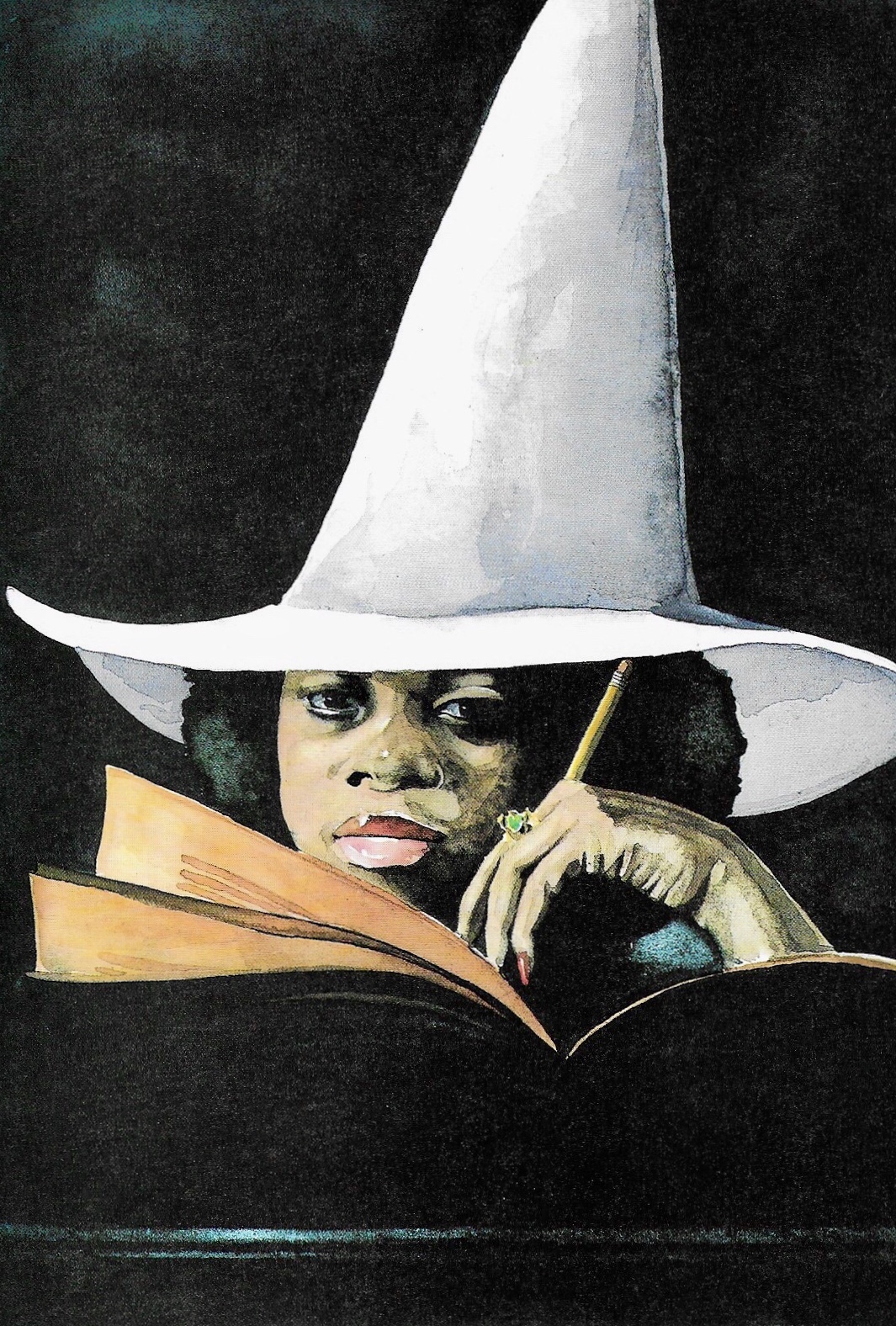
Illustration for “The Hare and the Black-and-White Witch” — Barry Moser

2020-07-05_160024

Barry Moser’s illustration for Lynne Reid Banks’s “The Hare and the Black-and-White Witch.” From The Magic Hare, Avon, 1994.

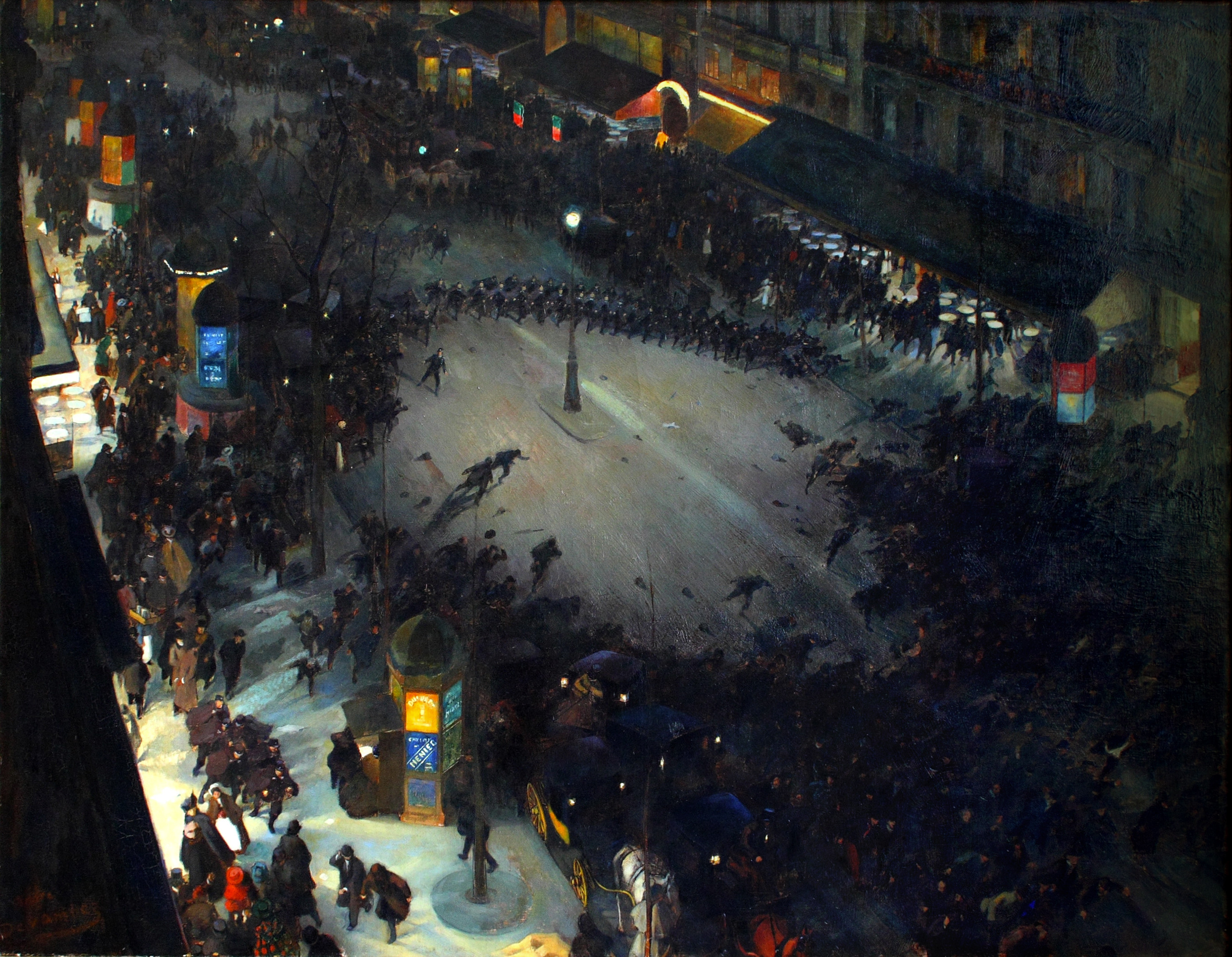
The Charge — André Devambez

andrc3a9_devambez_-_la_charge_-_1902-1903_-_musc3a9e_d27orsay

The Charge, 1902 by André Devambez (1867–1944)

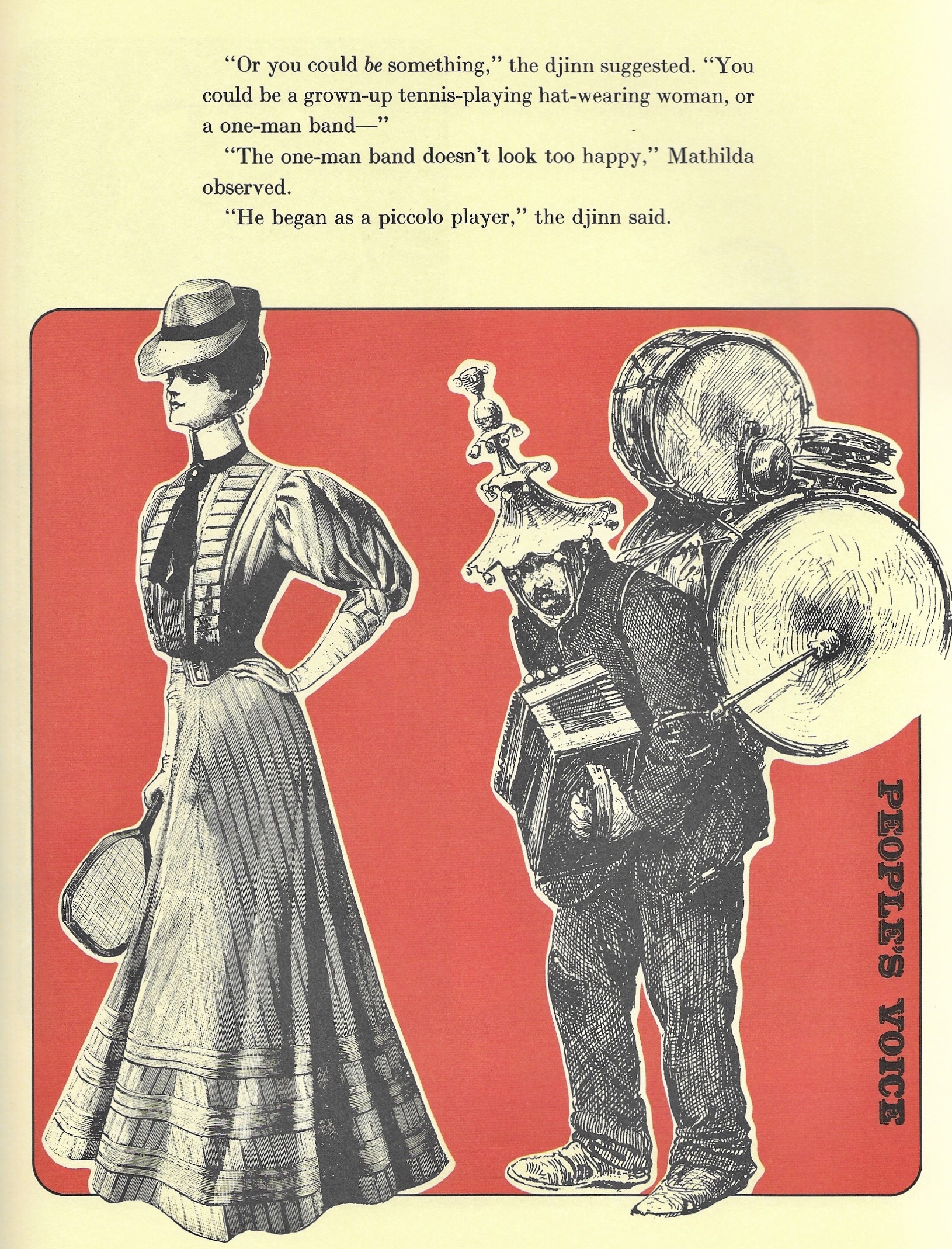
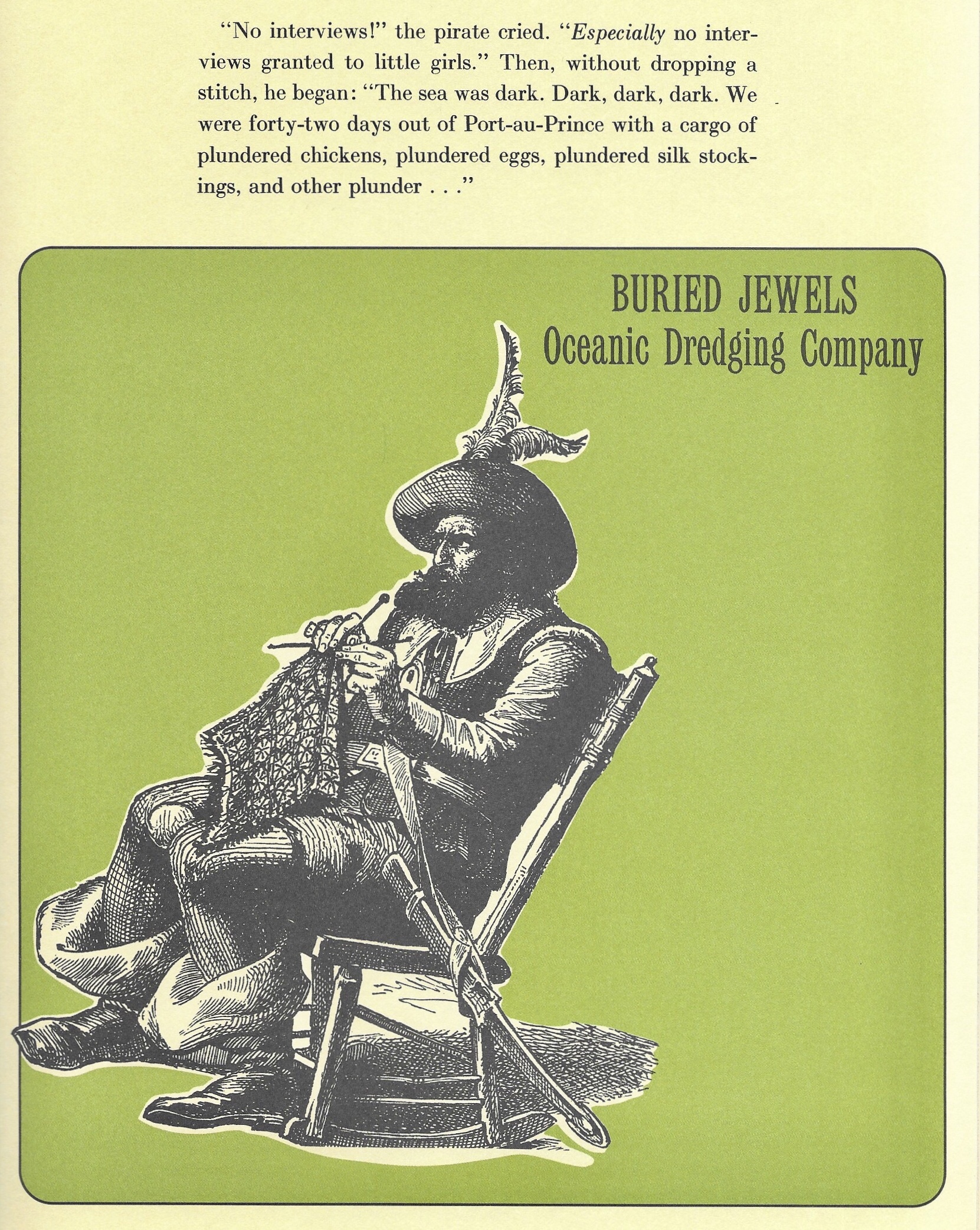
“No interviews!” the pirate cried | Donald Barthelme

2020-06-28_183906

From Donald Barthelme’s children’s book The Slightly Irregular Fire Engine; or The Hithering Thithering Djinn.

Top Down — Jerrell Gibbs

jerrellgibbs2ctopdown2c20192ccourtesyoftheartistandmarianeibrahimgallery

Top Down, 2019 by Jerrell Gibbs (b. 1985)

My Father — George Adolphus Storey

My Father 1868 by George Adolphus Storey 1834-1919

My Father, 1868 by George Adolphus Storey (1834–1919)

Smartphones — Chen Danqing

chen-danqing-smartphones-2016-oil-on-canvas-180x160cm

Smartphones, 2016 by Chen Danqing (b. 1953)

A Short History of Modern Painting –Mark Tansey

1vf9zt_4qaut_2340x1316

A Short History of Modern Painting, 1982 by Mark Tansey (b. 1949)

On the Map — William Coldstream

On the Map 1937 by Sir William Coldstream 1908-1987

On the Map, 1937 by William Coldstream (1908-1987)

Judith and Holofernes — Kehinde Wiley

Judith and Holofernes, 2012 by Kehinde Wiley (b. 1977)

The Complete Short Stories of J.G. Ballard (Tenth Riff: The Eighties)

jgb_complete_ss4003111

PREVIOUSLY:

Introductions + stories 1956-1959

Stories of 1960

Stories of 1961

Stories of 1962

“The Subliminal Man,” Black Friday, and Consumerism

Stories of 1963-1964

Stories of 1966

Closing out the sixties

The seventies

IN THIS RIFF:

“A Host of Furious Fancies” (1980)

“News from the Sun” (1981)

“Memories of the Space Age” (1982)

“Myths of the Near Future” (1982)

“Report on an Unidentified Space Station” (1982)

“The Object of the Attack” (1984)

“Answers to a Questionnaire” (1985)

“The Man Who Walked on the Moon” (1985)

“The Secret History of World War 3” (1988)

“Love in a Colder Climate” (1989)

“The Enormous Space” (1989)

“The Largest Theme Park in the World” (1989)

“War Fever” (1989)

“News from the Sun” (1981) / “Myths of the Near Future” (1982) / “Memories of the Space Age” (1982)

Let me first confess how happy I am to be finished with this enormously enormous book (okay, not physically enormous on my Kindle, but still…). Let me also confess to dread at having to finish out these riffs (no, no one is forcing me, but still…). At this point, I feel like I could write my own Ballard story—a crazed astronaut here, a drained swimming pool there, a femme fatale, some psychotropic drugs, armchair psychology, a swamp, some birds (perhaps), a plane or two, time obsession, sex obsession, space obsession. Obsession obsession Anyway. Ballard arguably peaks in the early 1980s; everything after reads like a day-glow Keith Haringesque pop-approximation of his grittier seventies stuff—or (worse) scolding wrapped up in little morality plays.

But, like I said (wrote), Ballard is in his prime in the early 1980s, and “News,” “Myths,” and “Memories” are some of his finest stories (file these triplets in my quasi-fictional-but-c’mon-we-can-make-this-happen collection The Essential Short Stories of J.G. Ballard)—they are also some of his most Ballardian, riffing on space-travel-as-cosmic-taboo, paranoid parables obsessed with time. A particularly Ballardian paragraph (from “Memories”):

He had almost ceased to breathe. Here, at the centre of the space grounds, he could feel time rapidly engorging itself. The infinite pasts and future of the forest had fused together. A long–tailed parakeet paused among the branches over his head, an electric emblem of itself more magnificent than a peacock. A jewelled snake hung from a bough, gathering to it all the embroidered skins it had once shed.

(Parenthetical aside: “Myths” and “Memories” are both set in Florida. Ballard’s depiction of Florida feels thoroughly inauthentic (I’m Floridian), but that inauthenticity also feels thoroughly appropriate).

 “A Host of Furious Fancies” (1980)

Ballard constructs this little tale around a psychoanalytic reading of Cinderella:

The entire fairy tale of Cinderella was being enacted, perhaps unconsciously, by this deranged heiress. If she herself was Cinderella, Dr Valentina Gabor was the fairy godmother, and her magic wand the hypodermic syringe she waved about so spectacularly. The role of the pumpkin was played by the ‘sacred mushroom’, the hallucinogenic fungus from which psilocybin was extracted. Under its influence even an ancient laundry van would seem like a golden coach. And as for the ‘ball’, this of course was the whole psychedelic trip.

But who then was Prince Charming? As I arrived at the great mansion at the end of its drive it occurred to me that I might be unwittingly casting myself in the role, fulfilling a fantasy demanded by this unhappy girl. . . .

For all my resistance to that pseudo–science, it occurred to me that once again a psychoanalytic explanation made complete sense of these bizarre events and the fable of Cinderella that underpinned them. I walked up the staircase past the dismembered clock. Despite the fear–crazed assault on them, the erect hands still stood upright on the midnight hour – that time when the ball ended, when the courtships and frivolities of the party were over and the serious business of a real sexual relationship began. Fearful of that male erection, Cinderella always fled at midnight.

Etc.

Ballard’s Freudian riff would be more interesting as an essay.

(The story also showcases some of his typical chauvinism: The psychiatrist is described as the “woman psychiatrist” — just as earlier a dentist is referred to as a “lady dentist,” etc. Straight through to the end of the collection. In the 1990s).

“Report on an Unidentified Space Station” (1982) / “The Enormous Space” (1989)

“Report” and “Space” both read like takes on Sigizmund Krzhizhanovsky’s Soviet-era short story “Quadraturin” — both concern space, that corollary to time, and, just as Ballard repeatedly posits time as a matter of perspective, he treats space—area—the same way here. “Report” is a bit more satisfying than “Space,” which feels like a retread of so many of Ballard’s revenge stories—only with, uh, some comical cannibalism.

  1. “The Object of the Attack” (1984) / “Answers to a Questionnaire” (1985)

“Attack” and “Questionnaire” are maybe the same story—only “Questionnaire” is essentially perfect, whereas “Attack” feels like a clumsy, heavy first draft (but only because “Questionnaire” exists—do you see what I mean by this?)

Both stories showcase Ballard’s syntheses of religion (messianic; apocalyptic) and assassination (political; media-saturated). While “Attack” employs a discursive-but-still-linear approach to the theme, “Answers to a Questionnaire” gives us a discontinuous but more engaging riff in the form of (uh) exactly what its title promises.  First fifth:

1) Yes.

2) Male (?)

3) do Terminal 3, London Airport, Heathrow.

4) Twenty–seven.

5) Unknown.

6) Dr Barnardo’s Primary, Kingston–upon–Thames; HM Borstal, Send, Surrey; Brunel University Computer Sciences Department.

7) Floor cleaner, Mecca Amusement Arcades, Leicester Square.

8) If I can avoid it.

9) Systems Analyst, Sperry–Univac, 1979–83.

10) Manchester Crown Court, 1984.

11) Credit card and computer fraud.

12) Guilty.

13) Two years, HM Prison, Parkhurst.

14) Stockhausen, de Kooning, Jack Kerouac.

15) Whenever possible.

16) Twice a day.

17) NSU, Herpes, gonorrhoea.

18) Husbands.

19) My greatest ambition is to turn into a TV programme.

20) I first saw the deceased on 17 February 1986, in the chapel at London Airport. He was praying in the front pew.

Essential, natch.

“The Man Who Walked on the Moon” (1985)

I should’ve wedged this passable but ultimately forgettable little tale in elsewhere. J.G. Ballard’s faux memoir of a faux astronaut. Pass.

“The Secret History of World War 3” (1988)

“The Secret History of World War 3” is Ballard’s “I told you so” sequel to one of his best stories (frankly a much better story), 1968’s “Why I Want to Fuck Ronald Reagan.” In his unofficial sequel, Ballard imagines (the horror!) of a third Reagan term (post-Bush 1), in which the country is obsessed with the President’s (lack of) health:

…the nation’s TV screens became a scoreboard registering every detail of the President’s physical and mental functions. His brave, if tremulous, heartbeat drew its trace along the lower edge of the screen, while above it newscasters expanded on his daily physical routines, on the twenty–eight feet he had walked in the rose garden, the calorie count of his modest lunches, the results of his latest brain–scan, read–outs of his kidney, liver and lung function. In addition, there was a daunting sequence of personality and IQ tests, all designed to reassure the American public that the man at the helm of the free world was more than equal to the daunting tasks that faced him across the Oval Office desk.

The story concerns a man who—alone, always alone, despite his wife, I mean this is Ballard here, hero’s alone (and rightjustified) in his paraonoia—a man who is the only person to remember the brief outbreak of WW3, wedged, as it is, among updates of Ronnie and Nancy’s bowel movements. The story is farcical but juvenile, and if it seems surprisingly sophomoric, it’s worth noting that “TSHofWW3” echoes not just “Fuck Ronald Reagan,” but also one of Ballard’s earliest efforts, “Escapement” (1956), where a man sits on his couch in disbelief as his wife (stand-in for the whole world) fails to perceive what he perceives.

“Love in a Colder Climate” (1989) / “The Largest Theme Park in the World” (1989) /“War Fever” (1989)

A trio of late period lectures blazoned in the day glow approximations that anyone who live in the late eighties will not-so-fondly recall. Ballard evokes the neon apocalyptic impulses of the day, reworking his familiar themes—reproduction, civilization, war (etc.). Our baroque surrealist’s strokes are broader, not as sharp, more magnified—more Haring than Delvaux. Michel Houellebecq will pick up JGB’s torch here (with arguably better results) a decade and a half later.

On the horizon:

A handful of stories of the nineties: Or: Ballard returns to the same well with diminishing returns.

[Ed. note: Biblioklept originally ran a series of posts on The Complete Short Stories of J.G. Ballard between October 2013 and March 2014.]

Street Circus — Xiao Guo Hui

xiaostreet-circus-944x1024-1

Street Circus, 2010 by Xiao Guo Hui (b. 1969)