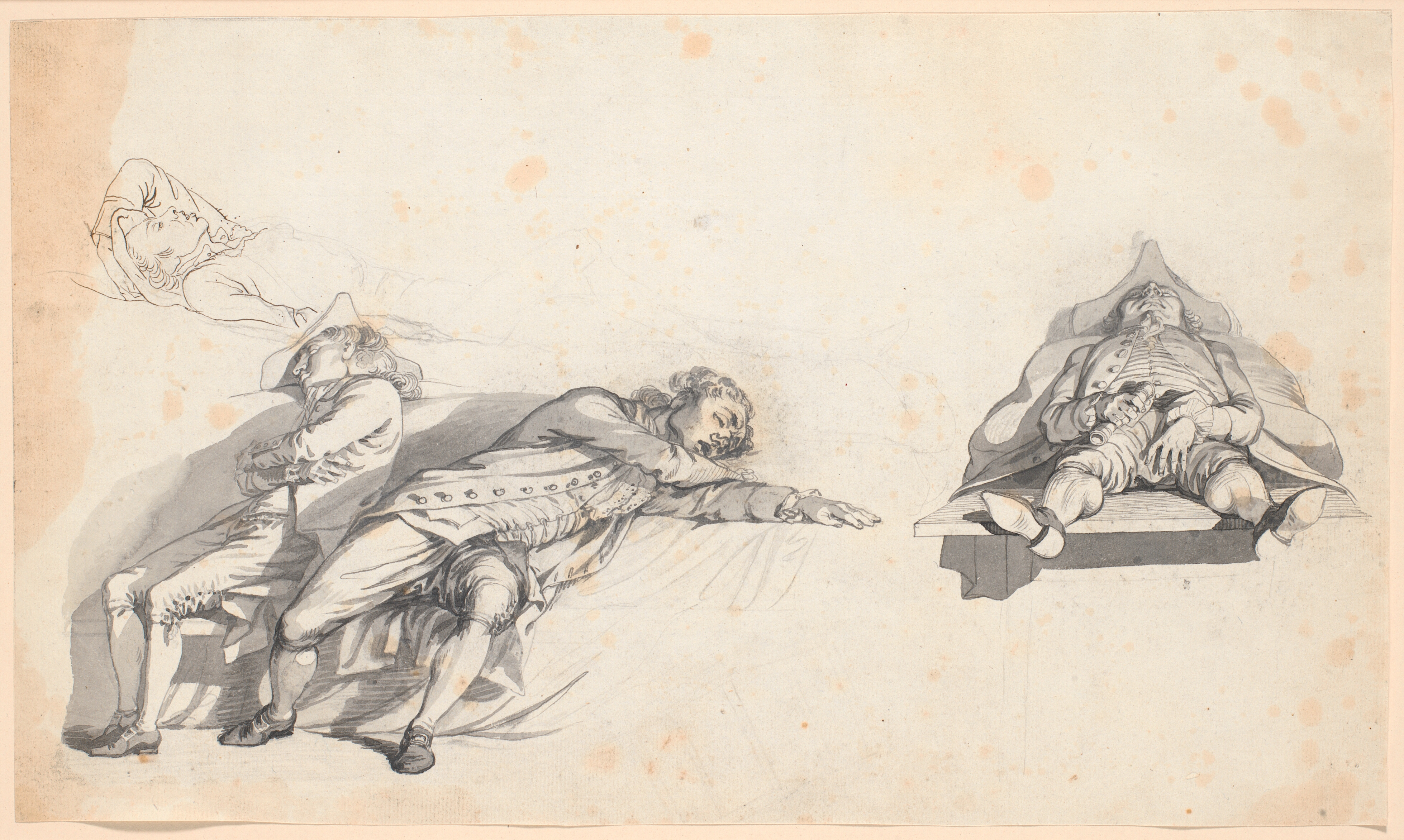
A Scene on Mont Salève, Switzerland, after a Drinking Session, 1778 by Jens Juel (1745–1802)

A Scene on Mont Salève, Switzerland, after a Drinking Session, 1778 by Jens Juel (1745–1802)
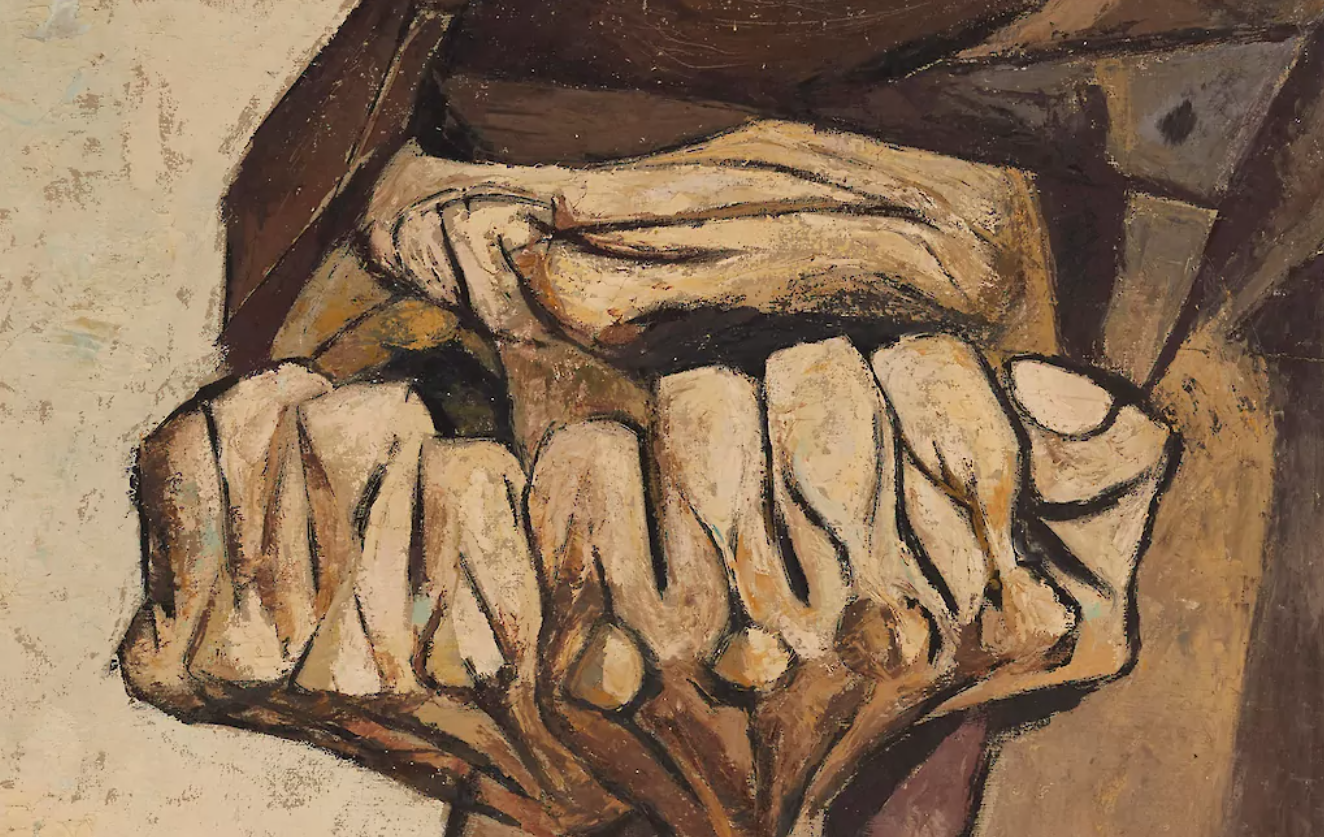
Untitled (Detail), 1964 by Eduardo Kingman (1913-1997)
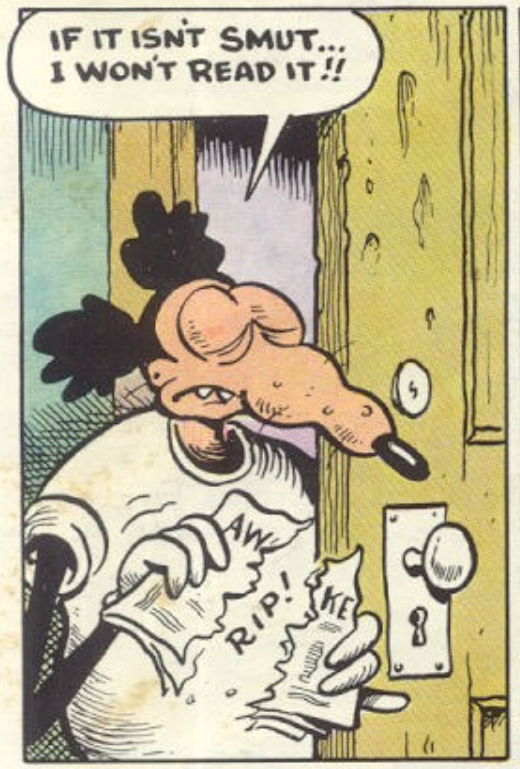
From “Rude Interlude” by Robert E. Armstrong, Mickey Rat #4, 1982.
“Painter and Magician”
by
Alice Rahon
From Surrealist Women: An International Anthology (ed. Penelope Rosemont). The text is from the catalog, Alice Rahon, Willard Gallery, New York, 1951
In earliest times painting was magical; it was the key to the invisible. In those days the value of a work lay in its powers of conjuration, a power that talent alone could not achieve. Like the shaman, the sibyl, and the wizard, the painter had to make himself humble, so that he could share in the manifestation of spirits and forms. The rhythm of our life today denies the primordial principle of painting; conceived in contemplation, the emotional content of of the picture cannot be perceived without contemplation.
The invisible speaks to us, and the world it paints takes the form of apparitions; it awakens in each of us that yearning for the marvelous and shows us the way back to it—the way that is the great conquest of childhood, and which is lost to us with the rational concepts of education.
Perhaps we have seen the Emerald City in some faraway dream that belongs to the common emotional fund of man. Entering by the gate of the Seven Colors, we travel along the Rainbow.
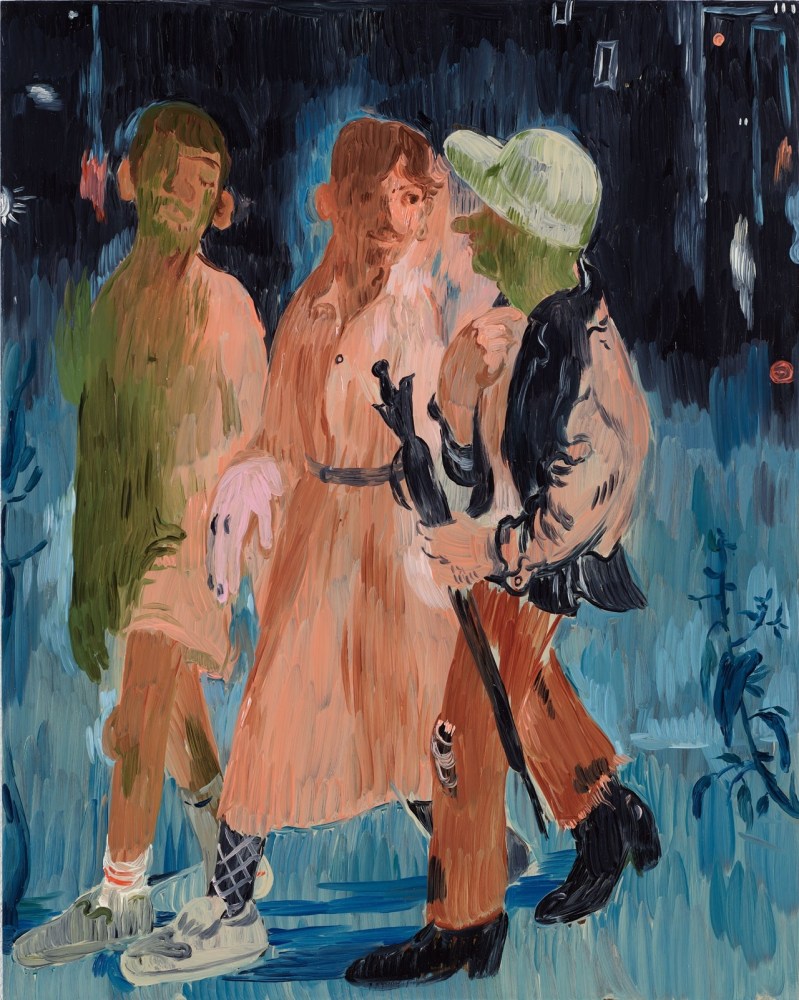
Night Walkers, 2022 by Salman Toor (b. 1983)
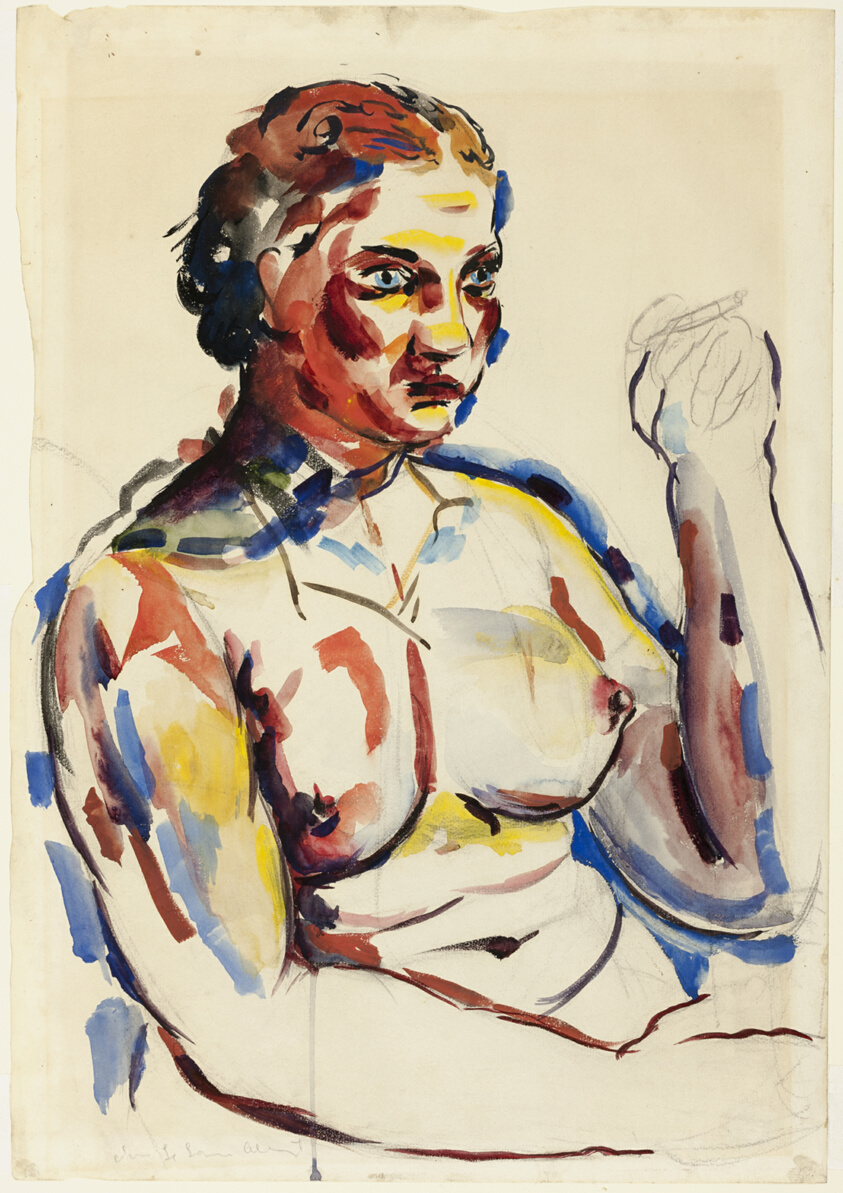
Seated Female Nude, c. 1933 by Ivan Albright (1897-1983)


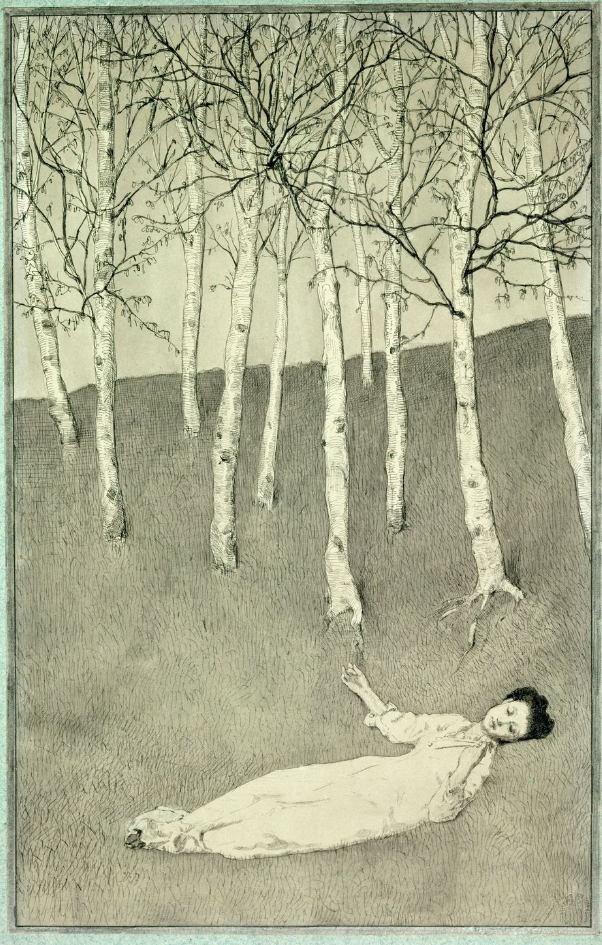
Early Spring, 1897 by Max Klinger (1857-1920)
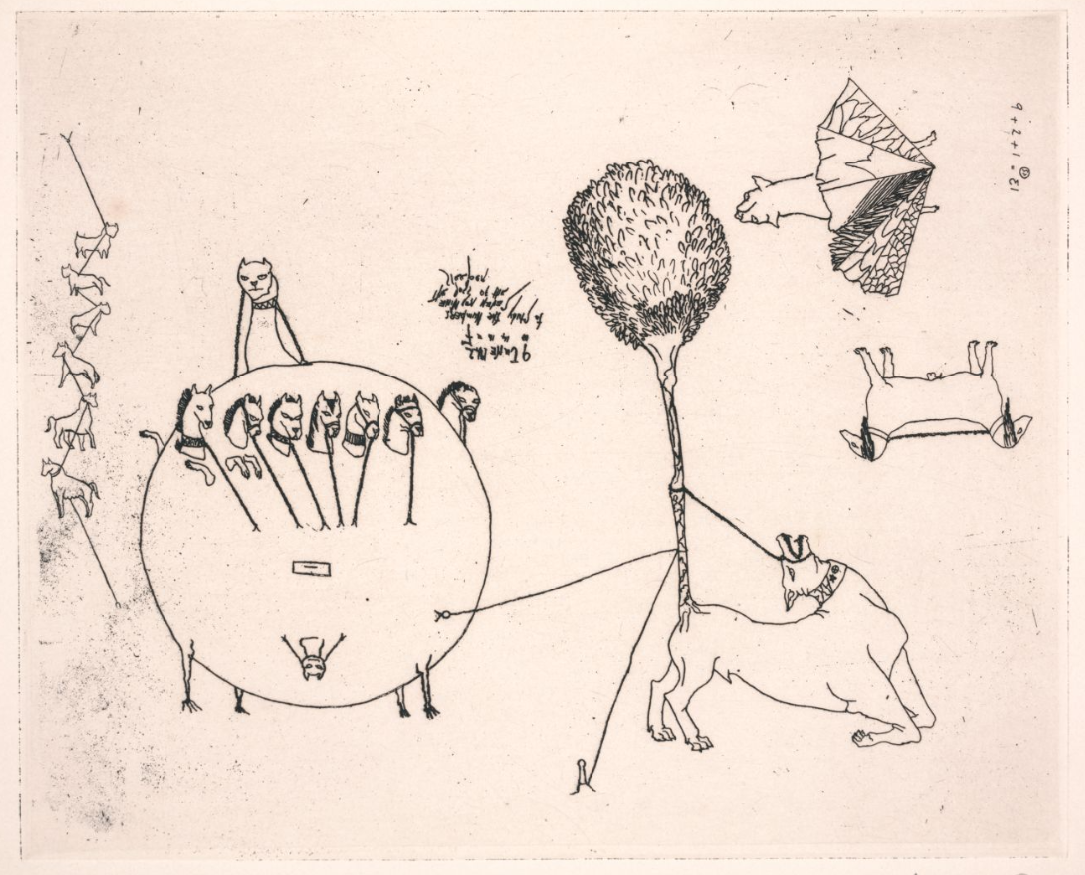
To Study the Numbers, 1941 by Leonora Carrington (1917 – 2011)

Maggie Umber calls the nine pieces collected in Chrysanthemum Under the Waves “comics,” so I will call them comics too. The term “comics” has long encompassed a wide range of visual storytelling techniques, resisting attempts to confine it to rigid structures, and Chrysanthemum Under the Waves shows the form’s expansive potential, blending horror, surrealism, and poetic fragmentation to tap into the alienation, paranoia, and repression that lurks under the surface of everyday life.
The stories here resist conventional narrative logic, which will likely confound any reader expecting something traditional. Umber eschews the common building blocks of the medium: there are no speech bubbles, no thought balloons, no panels stacking up into a coherent sequence. In fact, the few pages that use multiple panels feel like an anomaly. Most of the work in Chrysanthemum is confined to single, expansive images. Yet, these full-page spreads do not recall the bombastic splash pages of Jack Kirby or other Golden Age comics. Instead, they underscore the inherent incompleteness of storytelling. No artwork, no story, can ever present a full picture of reality—there are always gaps, always gutters. And in these gaps, dread and unease fester.

Umber’s comics aren’t so much about exploring the fragmentation of storytelling; rather, they showcase it as an aesthetic choice. It’s a choice that generates a palpable tension, a constant refusal to return to any resolution. There is no resolving tonic chord here. The uncanny permeates these pages—not in the sense of something foreign intruding upon the familiar, but as if the familiar itself has been subtly warped. Maybe this horror is “real,” maybe it’s not—but what is certain is its presence. The world Umber paints is one of perpetual strangeness, captured in black-and-white, shaded with grays. Pen and ink, printmaking, and watercolor all blur together in a form that makes us feel the unease before we can even articulate it.
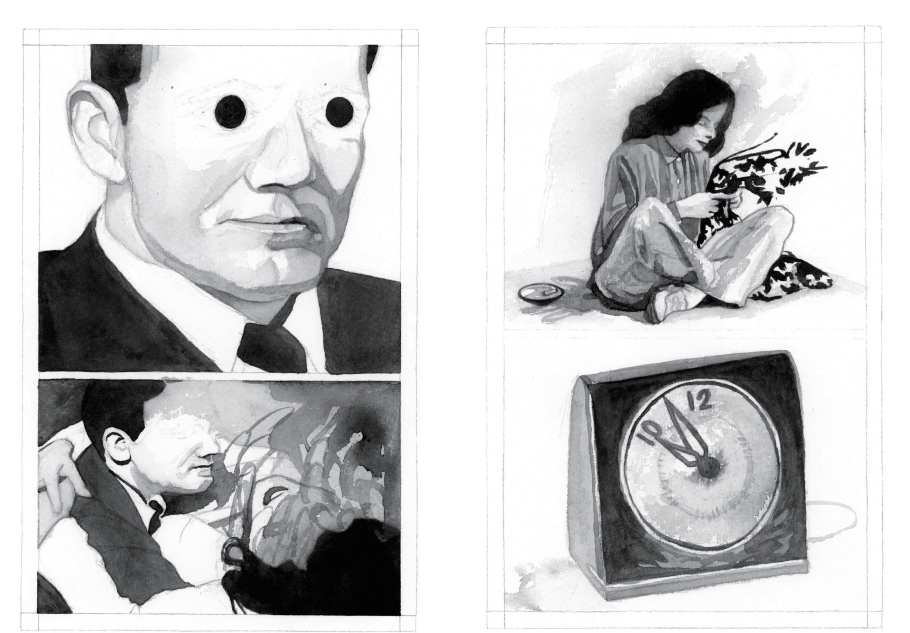
And while Umber’s work is refreshing in its uniqueness, it is by no means sui generis, but rather part of a clear tradition. As Umber notes in her introduction, Chrysanthemum started as a one-off “adaptation” of Shirley Jackson’s 1949 story “The Tooth.” If you have read “The Tooth” (and if you haven’t, do yourself a favor and resolve that problem) — if you have read “The Tooth,” you will likely recognize the uncanny unease that permeates Chrysanthemum. In her intro, Umber identifies James Harris as the agent of this unease: “James Harris snuck up on me when I was distracted by other things.” James Harris is a strange character who wanders in and out of not only “The Tooth,” but several of the other stories in Jackson’s The Lottery. Indeed, the original subtitle of The Lottery was not and Other Stories, but rather The Adventures of James Harris. This is the James Harris of the 17th century ballad “The Daemon Lover”; he is also the oblique star of Chrysanthemum Under the Waves. Look and you will find him in each of Umber’s tales, sliding like a shadow in and out of panels and gaps.
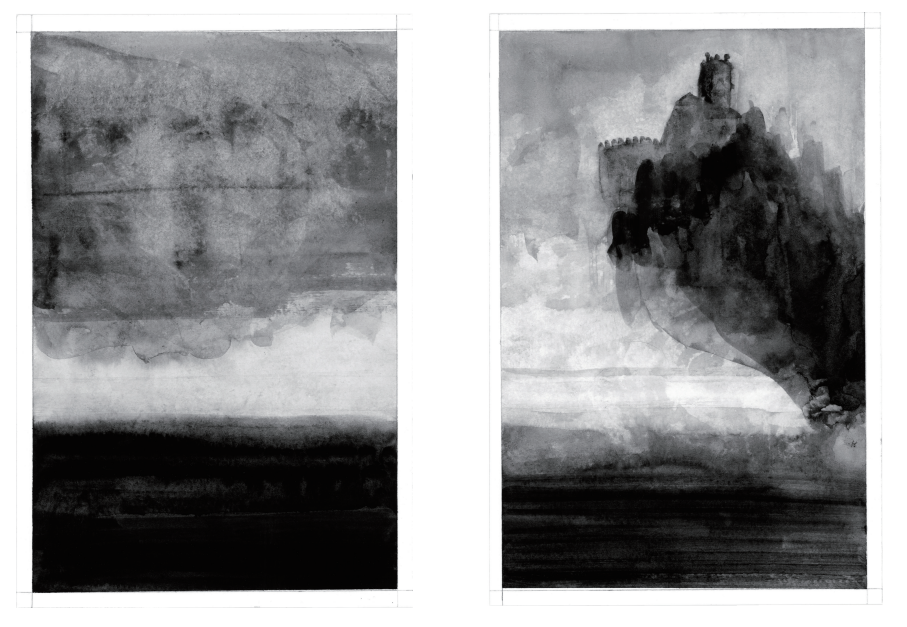
You will find so much more there as well–there are direct allusions to Goya’s Caprichos and Black Paintings, as well as nods to Toulouse-Lautrec and Sylvia Plath. There’s also a strong echo of Jackson’s American Gothic precursors and successors: Nathaniel Hawthorne, Edgar Allan Poe, Emily Dickinson, David Lynch, Kathy Acker — and, far less famously, Jason Schwartz. Chrysanthemum Under the Waves most reminded me of Schwartz’s prose-poem John the Posthumous, so much so that I read it again to confirm my notion.
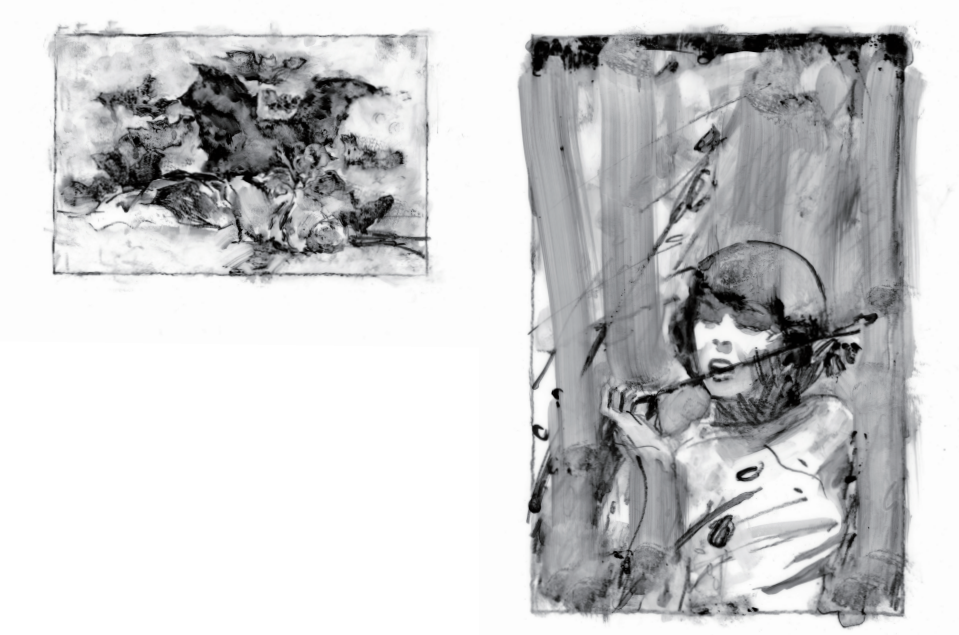
I’ve failed to remark so far on the apparent plots of the tales here. I found myself arrested by the ominous vibes in my first readings, and I still could not pin down a summary. At the same time, I feel that Umber clearly knows “what’s happening” in her stories, even if she keeps that information in the gaps and margins, out of the panel, but still, maybe, hidden in the pictures. The lead story, “Those Fucking Eyes,” is a collision of horror and beauty, twisting the artist’s gaze into something self-possessed and austere. “Rine” plays with fragmentation and distortion while evoking a ghostly presence. We get a gentleman caller, a broken bridge, a bouquet of flowers that flickers between reality and illusion. “Intoxicated” takes on a Gothic Toulouse-Lautrec aesthetic, unraveling into surreal rage and rejection. “The Devil Is a Hell of a Dancer” retells the “James Harris” ballad; it’s the first time written language infiltrates one of the stories.
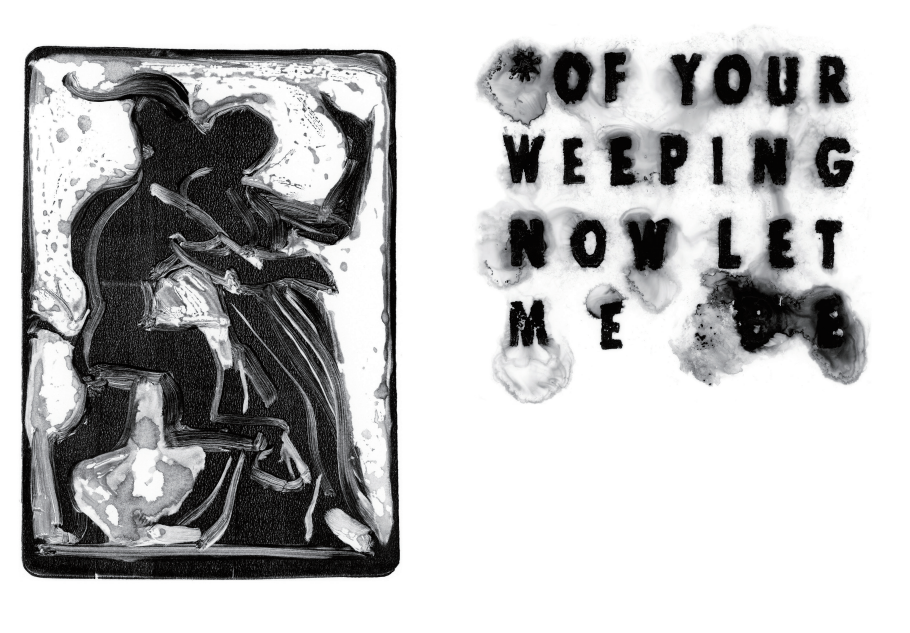 The title track, “Chrysanthemum” is a surreal noir fantasia punctured by a cup of coffee, with daemon lover James Harris hovering menacingly in the background. It seems to reinterpret Shirley Jackson as does the aforementioned “The Tooth” — itself a revision of Charlotte Perkins Gilman’s suffocating 1892 classic, “The Yellow Wall-Paper.” The shortest comic, “There Is Water” unfolds like a koan, enigmatic and meditative. Standout “The Witch” returns to Goya but also channels the American Gothic vein. The piece might be a nightmare one of Hawthorne’s characters endures. There are clouds, castles, dreams, doors, flickering horror. Is that a witch burning? And do the flames morph into a glimpse of Goya’s Saturn, only to resolve into the shadowed face of a woman? Shadows and erasures pulse through the imagery. It is both the strongest and longest piece in the collection. The book ends with “The Rock,” another riff on the the ballad “James Harris.” It’s a fitting end, conclusive but elusive. What remains rattles: unsettled, open, and always strange.
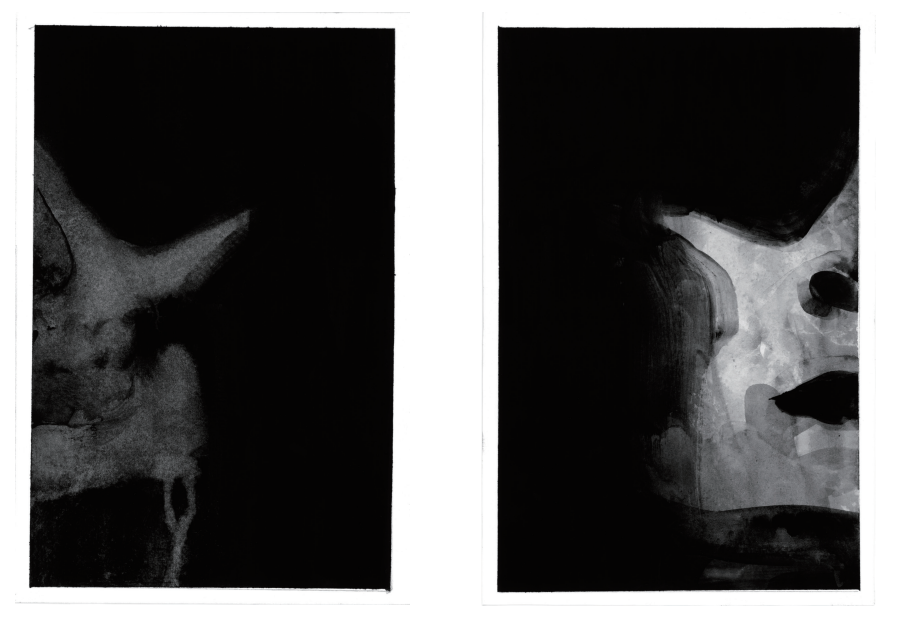
Chrysanthemum Under the Waves is a haunting, layered work that defies easy categorization. Umber’s pieces blend literary, artistic, and Gothic influences into a unique vision that expands the possibilities her chosen medium’s conventions. With its distinctive style and careful attention to space and detail, Chrysanthemum Under the Waves is a compelling read. Highly recommended.
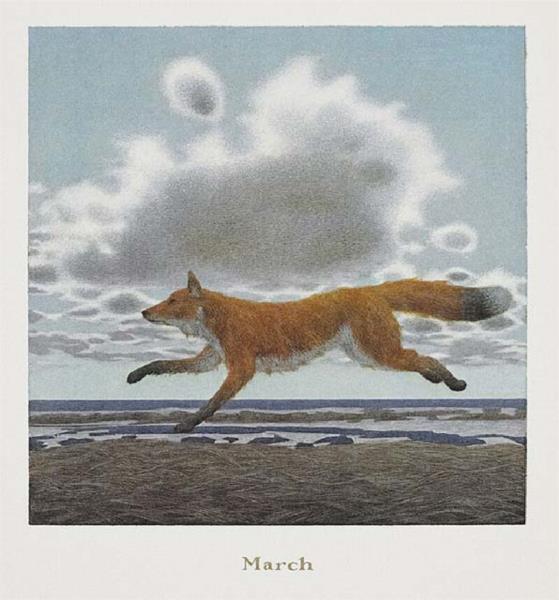
March, 1979 by Alex Colville (1920-2013)
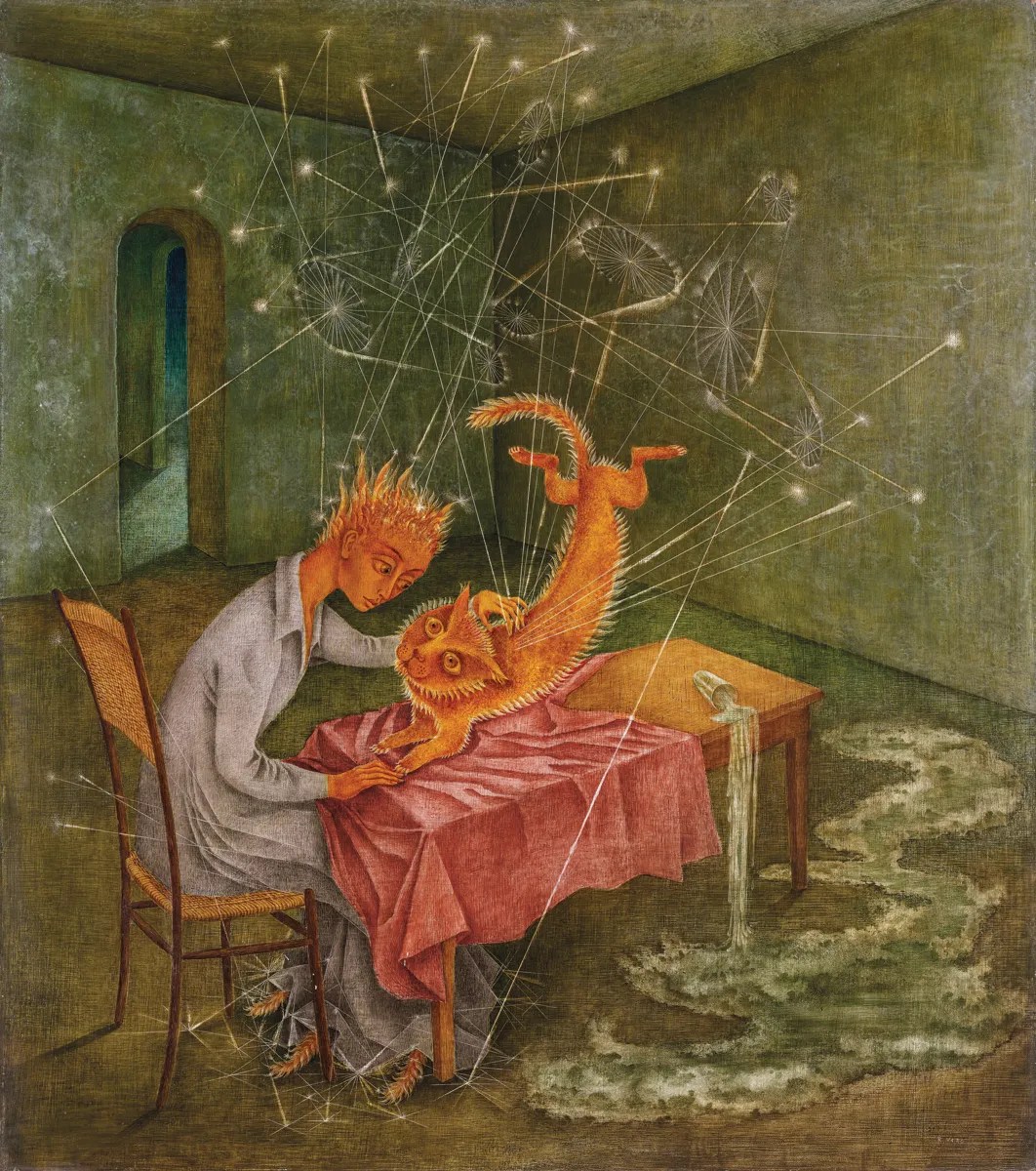
Simpatía (La rabia del gato) (Sympathy, the Cat’s Rage), 1955 by Remedios Varo (1908-1963)
“Legend”
by
Dorothea Tanning
From Surrealist Women: An International Anthology (ed. Penelope Rosemont). “Legend” first appeared in Max Ernst’s At Eye Level and Paramyths, the catalog of the “Max Ernst: 30 Years of His Work” exhibition in Beverly Hills in 1949.
A young sinner grew weary of Olympus. He went to the head of the stairs where the three graces sat knitting sweaters for their earthly sons. (Winter was at hand.) Each of them smiled secretly at the young sinner, each believing she was the only one whom he had provided with pleasant memories. But they wouldn’t let him pass.
“It’s a cruel place,” said one. “How will you nourish yourself?”
“On destinies,” he answered promptly. “Take the laughter of seven maidens, stir in several of the moonbeams that fall across their beds. Add the head of a procession, a few umbrella ribs and a tale of hilarious crime. Season it madly and serve on collection plates.”
“But,” said another, barring the way, “Where will you go?”
“To picnics,” said he, making a perfect triple pirouette.
The third grace laid her knitting in her lap where it formed a pretty, medium-sized figleaf. She turned her eyes up to him and said softly, “What will you do?”
She looked so charming that for a moment the young sinner hesitated. Perhaps he wouldn’t go after all. But he recovered himself and said:
“Please be advised that I will vaccinate the world with a desire for violent and perpetual astonishment. Disguised in my own presence, I will conduct a horde through the five aqueducts of knowledge, after which their guardians will ask the authorities for replacements. I will provoke prodigies. When I have built the torpid town, certain words will fall into disuse: eminent prominent peerless noble honorable lordly stately august princely majestic sacred and sublime. I will make rhapsodies from grains of sleep. I’ll wrap up a manmaking hat and drop it in the mailbox. I’ll hold a revolver up to nature. When professional critics lose themselves in the swamp I’ll arrange a delegation of chimeras with their own language and their own secrets. As for the night, I will discover all its phases. And I will fall in love.”
The three graces had been looking rather sleepy; but at the last words they opened their mouths in horror, then picked up their knitting and fled.
With his glittering blue eyes the young sinner sent lightning strokes after them—a parting gift. Then he ran down the steps, two at a time.
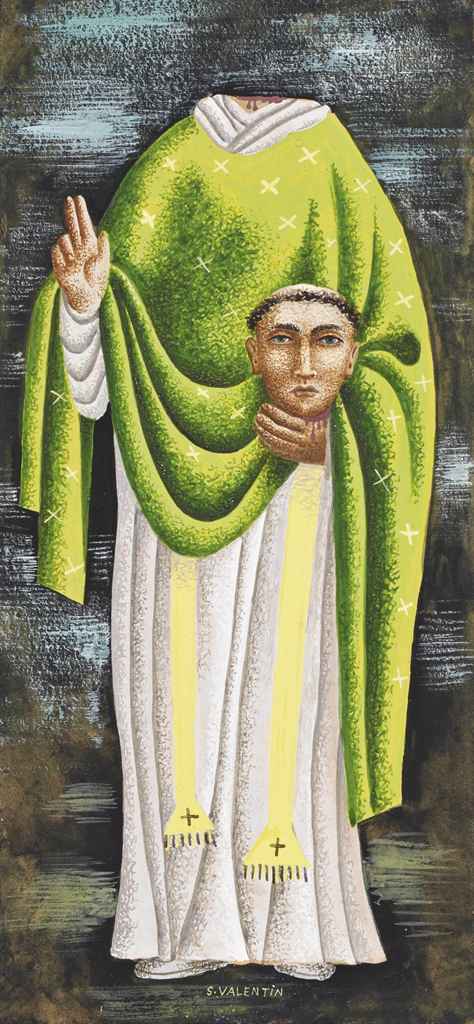
Saint Valentine, 1930 by Jean Hugo (1894-1984)
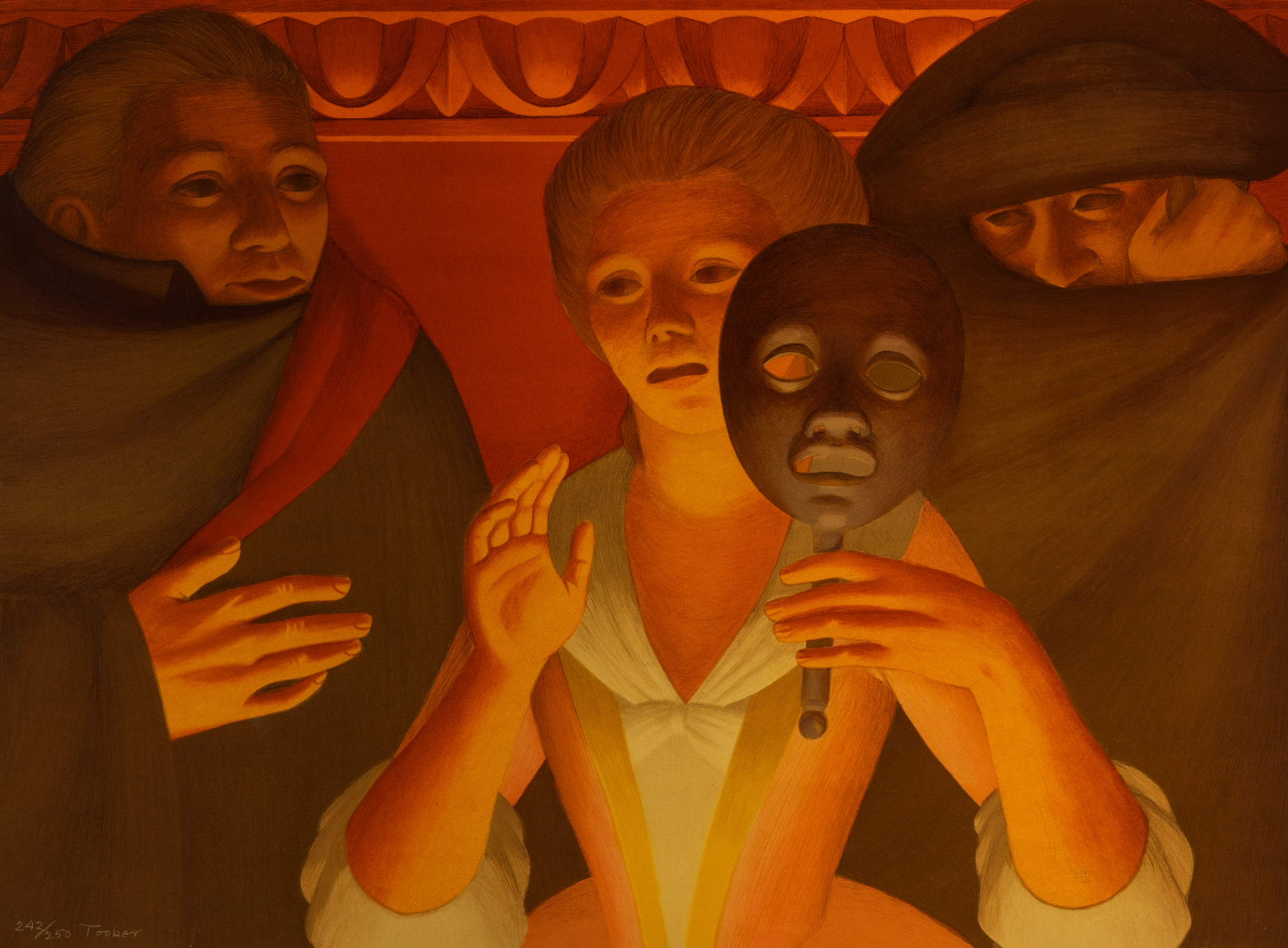
Un Ballo in Maschera (A Masked Ball), 1983 by George Tooker (1920-2011)
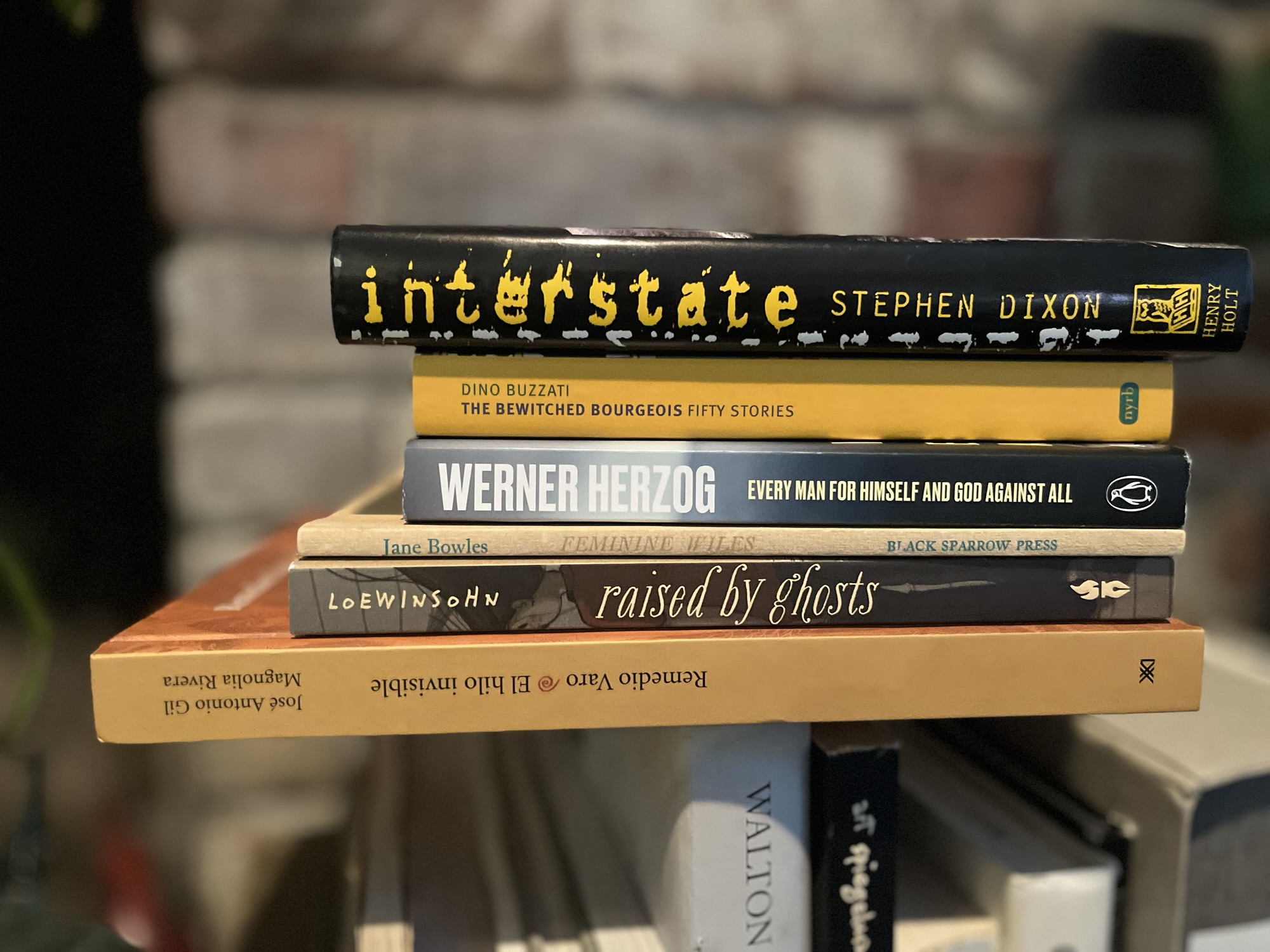
What an interesting few weeks it’s been! Here’s (some of) what I’ve been reading so far this year:
I’m in the middle of Stephen Dixon’s novel Interstate. It is a devastating, ugly, addictive, beautiful novel; I have no idea if it is “good” or not but I love it. I can’t really think of a single person I know (in real life) I could recommend it to. We played cards with some friends and one of them asked about what I was reading, and I said a novel called Interstate by this guy Stephen Dixon, and she asked of course What’s it about? and I said something, Well, this guy’s driving on the interstate with his daughters and two guys in a van pull up along side him and start shooting at them, killing his younger daughter–this happens in like, the first few paragraphs–and then we see how this event destroys his life–but then Dixon repeats the initial scenario like seven more times with different (but all really tragic so far) outcomes–and it’s written in this addictive vocal style that might be really off-putting to many readers, and it also makes really fascinating use of the coordinating conjunction for, which may just be a verbal tic –and it’s also really funny at times? I am not trying to sell this novel to anyone but I love it.
My reading experience of Briana Loewinsohn’s graphic novel Raised by Ghosts was kinda sorta the opposite of Dixon’s Interstate in that after I finished it I immediately pressed it on my wife and then my kids and then texted some of my oldest friends about it (oldest in the previous clause should be understood to modify the friendship, not the actual friend’s years–although we’re all getting older). We’re all getting older, all the time, and Raised by Ghosts provoked an aged nostalgia in me. I’m about half a year older than Loewinsohn and so much of her semi-autobiographical novel resonated with me. She gets everything right about what it was like to be a little bit of a weirdo at school in the nineties. There’s this wonderful passage on how important it was to get a handwritten note from a friend; there’s a page that’s nothing but a notebook page filled with band names; there’s a marvelous scene where our hero loses her shit watching You’re a Good Man, Charlie Brown. I should have a proper review this week or next, but great stuff. (The whole family loved it, by the way.)
I’ve been reading a collection of Dino Buzzati short stories translated by Lawrence Venuti; my technique is to read one of the shorter stories when I feel a bit of dread or anxiety from, like, reading something else. (The collection is called The Bewitched Bourgeois by the way.) I’ve enjoyed reading them, and have especially enjoyed allowing myself to read them at random instead of following the collection’s chronological trajectory. Very Kafka, very Borges, but also very original.
Not in the picture above, but I’ve also been working my way through a digital copy of Vladimir Sorokin’s short story collection Dispatches from the District Committee, in translation by Max Lawton (and illustrated by Gregory Klassen). Great gross stuff.
I picked up a collection of Jane Bowles’ sketches, letters, and other ephemera a few weeks ago–I love her stuff, but really it was that these were contained in the somewhat-rare Black Sparrow Press edition Feminine Wiles. I’m pretty sure all of the stuff here is collected in My Sister’s Hand in Mine, but I’ve enjoyed dipping into this one more. It’s slim, not bulky, but that bulky boy’s around her (My Sister’s) if I need him.
My uncle sent me a copy of Werner Herzog’s 2022 memoir Every Man for Himself and God Against All for Christmas (in translation by Michael Hofmann). I devoured the first few chapters and then a colleague hipped me to the fact that there’s an audiobook of Herzog reading his memoir (available on Spotify and other platforms) — so on my commute I’ve been listening to him read his own memoir, which is just amazing. Like fucking amazing. Hearing him say phrases like “the escapades of Christopher Robin, Winnie-the-Pooh, Piglet, and Eeyore” or that “chipmunks…have something consoling about them” is surreal. There are like fifty insane things that happen in every chapter, and if Dwight Garner of the failing New York Times attested that he didn’t “believe a word” of the memoir, I take the opposite tack. Everything is true, everything is permitted.
Finally, I can’t really say I’ve been “reading” Remedios Varo: El hilo invisible by Jose Antonio Gil and Magnolia Rivera. My grasp of Spanish cannot graspingly grasp too much of the Spanish (although my iPhone’s picture-text-translate thing works fine when I’m really curious), but the book is a lovely visual catalog of not just one of my favorite artist’s works (including many pieces I haven’t seen before), but also documents her visual influences. I picked it up at the Museo de Arte Moderno in Mexico City back in January, still floating on the high of seeing many of Varo’s lovely paintings there that afternoon.
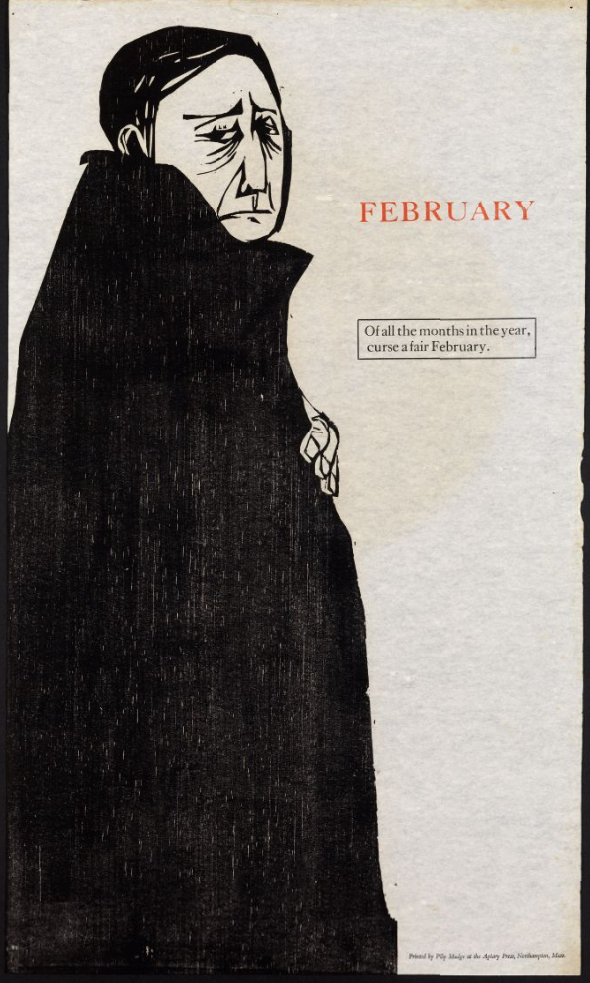
February, from the Apiary Almanac, 1960 by Polly Mudge (1938-1976)
 Biblioklept