The Unspeakable Mr. Hart and Ah Pook Is Here– William Burroughs/Malcolm McNeill

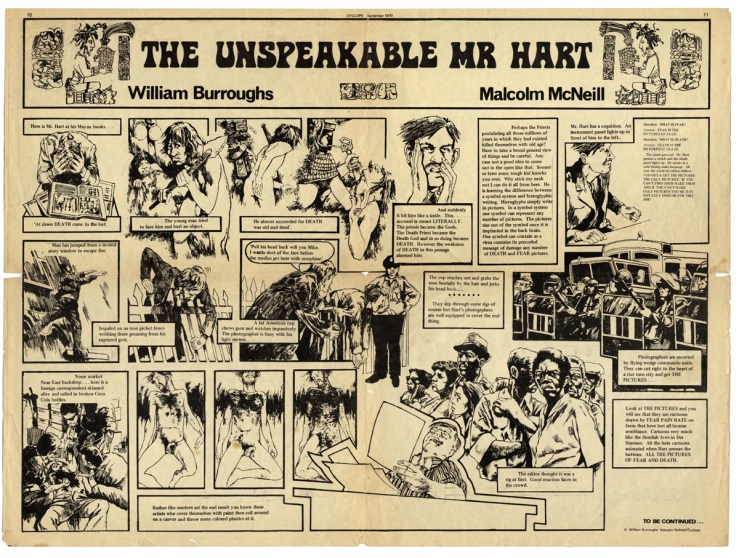
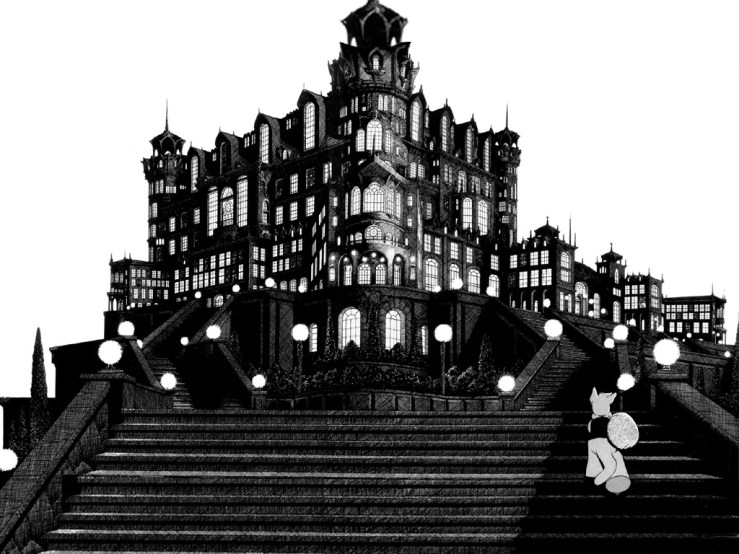
In 1970, William Burroughs was living in London. While there, he collaborated with young English artist Malcolm McNeill on a comic series for a magazine called Cyclops. The series was called The Unspeakable Mr. Hart, and remains uncollected/reprinted to date. Too bad, because it looks like really cool stuff. We got these images via The Virtual Library’s Beats collection, where there’s a really cool interview with McNeill (he discusses Burroughs habit of “going to movies to admire hard-ons and talking about them all afternoon,” which is kinda hilarious):

mcneillmrhart1mcneillmrhart2

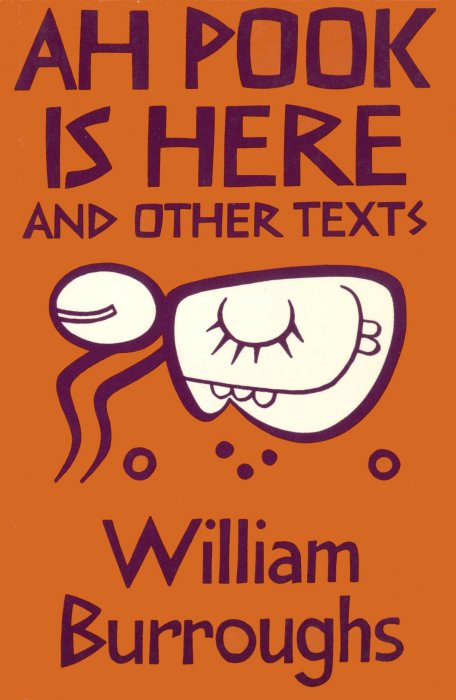
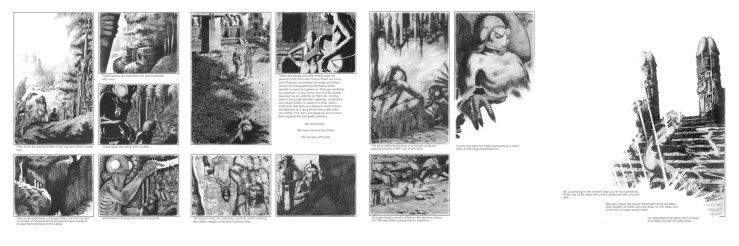
After Cylcops went kaput, Burroughs and McNeill continued the story in a project called Ah Pook Is Here, (a reference to the Mayan death god). Ah Pook Is Here, unfinished, was collected in the early eighties in Ah Pook Is Here and Other Texts which unfortunately is out of print. And very expensive. (Feel free to send it to me, anyone).

ah_pook_is_hereukcalder1979

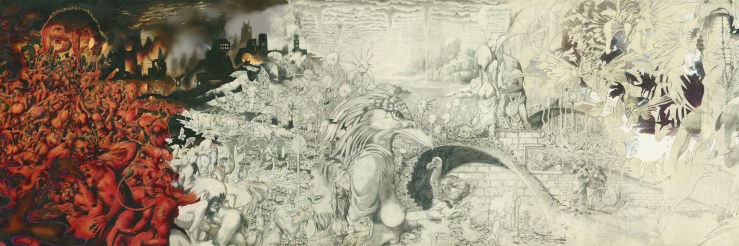
Fortunately, we can at least get a peek at some of McNeil’s hellish art at burroughsmcneillart.com. A few Boschian samples

burroughs_mcneill3

burroughs_mcneill

burroughs_mcneill2

Again, we want this book. Please send us this book. In the meantime, filmmaker Philip Hunt made this 1994 6 minute animated short of Ah Pook Is Here:

Roughing It

Classic_Novels_pub_coverUS.indd
The American cover isn’t bad…

Simon Mason’s The Rough Guide to Classic Novels covers “a selection of 229 novels . . . from 36 countries, published between 1604 and 2002.” Roughly pocket-sized (if you have big pockets), Classic Novels provides short, simple summaries of each of the books, outlining the plot as well as contextualizing the relative importance of the novel. Mason also recommends the best English translations and discusses film adaptations (quite even-handedly), where applicable. He also includes a “Where to Go Next” bullet for each novel. Sometimes these suggestions work: liked Brave New World? Then check out Russell Hoban’s Riddley Walker. Other times, they’re a bit nonsensical–does anyone really go to A Portrait of the Artist as a Young Man after they’ve made it through Ulysses?

...but we prefer the British cover
…but we prefer the British cover

But this criticism is mere quibbling; Mason does a great job with an almost impossible task–after all what books would you cover in such a limited space (and you’d have to include Ulysses, and you’d have to give it pride of place over the Portrait, right?). Simon admits in his preface that inevitably “the selection is a personal one, and not likely to be the same as anyone else’s.” Of course he includes the “classics” that will jump to anyone’s mind–Jane Eyre, War and Peace, Moby-Dick, etc., but he also includes works by Toni Morrison, Don DeLillo, and Haruki Murakami, along with dozens and dozens of books I’ve never heard of, but now feel that I simply must read. And in exposing a potential reader to a book they’ve never heard of, Classic Novels is a success.

graphic-novels

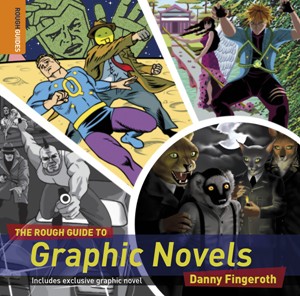
If Danny Fingeroth’s The Rough Guide to Graphic Novels is less successful than Mason’s Classic Novels, that shortcoming is in his attempt to sanctify a canon in a medium that is still often misunderstood as a genre. While most of us will readily agree that Don Quixote and The Catcher in the Rye are classics, the canonical works of the comic book medium still need some sorting out, and many fans of graphic novels will find Fingeroth’s language a bit too-definitive. After a great first chapter that asks “What Is a Graphic Novel?,” a brief history of the comic book story-telling medium, and his own comic, “For Art’s Sake,” (a fun but forgettable overview of the graphic story-telling arts from an artist’s perspective), Fingeroth initiates the bulk of the book, “The Canon: The Sixty Best Graphic Novels.” As if his language weren’t definitive enough, he kicks the section off with “Ten Graphic Novels Everyone Should Read.” And while Fingeroth’s “Canon” and top-ten list are full of obvious choices that should certainly be there–Spiegelman‘s Maus, Satrapi’s Persepolis, Charles Burns’s Black Hole, Clowes‘s Ghost World–there are also gaping holes on one hand and complete over-representation on the other, as well as some real head-scratchers thrown in to boot. Why, for instance, does Fingeroth include Frank Miller’s The Dark Knight Strikes Again over its vastly superior and more influential predecessor, The Dark Knight Returns? Why is Sin City canonized at all? Although Alan Moore’s From Hell is canonized, why is his controversial recent novel Lost Girls included over work like Watchmen, V for Vendetta, or Saga of Swamp Thing–all books that had a tremendous impact on comic book storytelling? Why does Dave Sim’s massive contribution Cerebus get glossed over in a single sentence, while Kyle Baker’s trifling missive Why I Hate Saturn is given pride of place on the top ten list? Fingeroth could’ve saved himself a lot of nitpicking by simply changing his language a bit to at least admit that his choices are subjective. Far more satisfying is the next chapter, “The Icons,” covering some of the most influential persons in comic history, including Robert Crumb, Chris Ware, Joe Sacco, and the Hernandez Brothers. I would’ve liked to have seen this chapter expanded quite a bit (perhaps at the expense of the superfluous chapter on manga); if The Rough Guide to Graphic Novels is to be a starting place for new readers interested in this medium, “The Icons” best represents that starting place. Those interested in discovering graphic novels they haven’t heard of will also be pleased with the many full-page art reproductions throughout the book, probably its best feature. Despite its flaws, however, there is something admirable about Fingeroth’s attempt to create a canon out of a medium that has for far too long been marginalized.

The Rough Guide to Classic Novels and The Rough Guide to Graphic Novels are now available from Rough Guides,

After the jump: Fingeroth’s top ten list vs. Biblioklept’s top ten list–

Continue reading “Roughing It”

Bourbon Island 1730 — Olivier Appollodorus and Lewis Trondheim

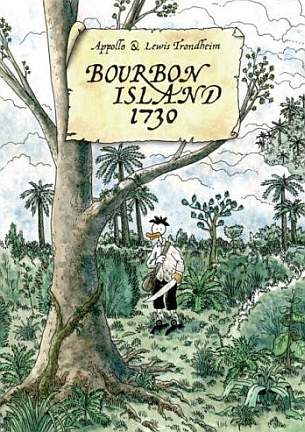
Bourbon Island 1730, part funny animal graphic novel, part historical literature, recounts the story of Raphael Pommeroy who travels from France to Bourbon Island with his ornithology professor in search of a living dodo. On the journey to the French colony, Raphael becomes entranced by pirate tales, and when he arrives to Bourbon Island, he immediately tries to join up with some ex-pirates–unsuccessfully, of course. The French government has offered an amnesty to all pirates, and many have become successful plantation owners. However, their new wealth comes at the expense of the large population of slaves brought to Bourbon Island from Madagascar and Mozambique. The most interesting subplot of Bourbon Island 1730 involves a network of maroons, runaway slaves who have colonized their own villages at the top of the island’s treacherous terrain. When the notorious pirate Captain Buzzard is captured, some of the maroons plan to set him free and lead a revolt against the French colonials. In the meantime, the colonial authorities, including the scheming governor and the greedy priest, are trying to get Buzzard to reveal where he’s hidden a large cache of treasure.

Lewis Trondheim’s art strikes a nice balance between vivid detail and the classic funny animal style, and the book’s measured pacing delivers the story at a nice clip. Appollodorus and Trondheim never rush, taking the time to convey the cultural complexity of Bourbon Island–quite a feat, really, when you consider how much is going on here: the end of a pirate age, the horrors of slavery, and the problematics of colonization. Appollodorus and Trondheim envision Bourbon Island as a strange nexus of slavery and freedom, piracy and central authority, of the meeting of the cultures of Africa, India, and Europe. Leading man Raphael is a hopeless romantic who pines wistfully for the absolute freedom he sees as the life of a pirate and the natural right of all men. And yet, as the book makes clear, idealism can rarely stand up to the corrosive complexity of the real world.

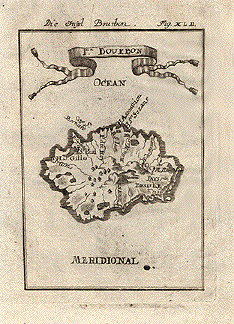
Allain Mallet's 1719 Map of Bourbon Island

With twelve pages of endnotes, Bourbon Island 1730 is just the kind of well-researched historical fiction that would fit neatly into any post-colonial studies course. There’s only one major fault with the book: it ends too quickly. Appollodorus and Trondheim have too many fascinating subplots that they don’t bother to resolve. While we have no problem with ambiguous conclusions, Bourbon feels simply rushed at the end, as it sprints to a virtual non-conclusion. We would’ve been much happier with a cliff-hanger and a promise of a part two. Nonetheless, anyone interested in colonialism and post-colonial studies should check out this book.

Bourbon Island 1730 is available October 28th, 2008 from First Second.

High Society–Dave Sim

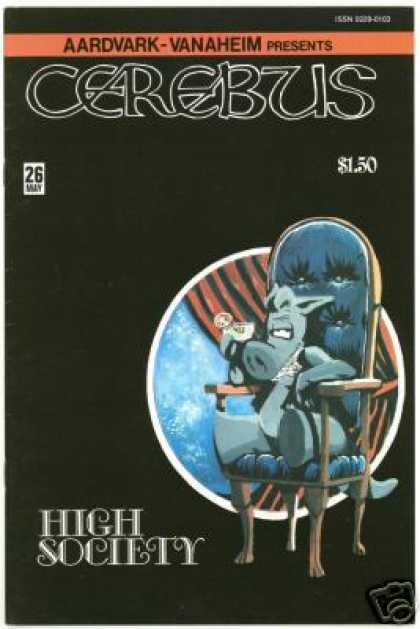
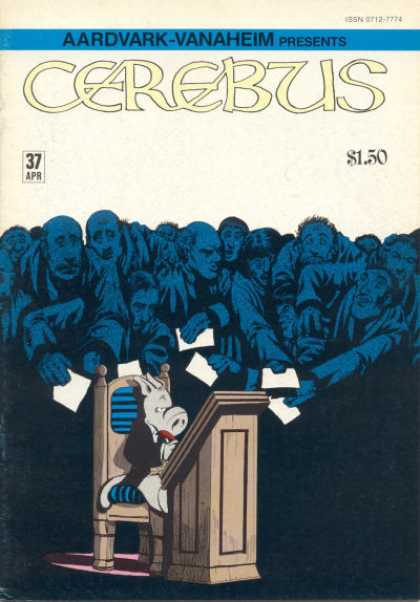
If you’re at all interested in reading any of Dave Sim’s epic 300-issue comic book Cerebus, a book chronicling the life–and death–of a misanthropic mystical barbarian aardvark, High Society is the best (and possibly only) starting point. High Society tells the story of Cerebus’s political adventures in Iest, the largest cosmopolitan city-state of Estarcion. Guided (or perhaps manipulated) by Machiavellian Astoria, Cerebus undertakes a strange, comic odyssey of political ascendancy, culminating in an election for Prime Minister (against Groucho Marx stand-in Lord Julius’s goat, of all things). Sim has a deft ear for political satire and the volume holds up particularly well to a rereading against the backdrop of the current American electoral process. While High Society conveys a certain cynical contempt for the cronyism, deal-making, and the general nasty malfeasance that underwrites politics, there’s also a reconciling of democracy, liberty, and art here that you could never find from a CNN analyst or a Fox News hack. By this point, the crude art and flubbed pacing that hampered the first few years of Cerebus are nowhere to be found. High Society is tightly-plotted, full of smart gags expressed in Sim’s keen lines, without an over-reliance on bubbles overstuffed with exposition.

The book is funny without ever being light, and rereading it again, I was surprised at how moved–and exhilarated–I was by the conclusion. Although the parody of Marvel’s forgotten Batman ripoff Moon Knight doesn’t hold up very well, and the “sideways” issues at the end are an annoying (but interesting) experiment, High Society continues to deliver both laughs and insight about the political process over twenty years after its single-volume publication. Very good stuff, and highly recommended (read it along with/against the 2008 election).

(Strange aside that I couldn’t work into the piece–remember Ken Jennings? That guy who won Jeopardy! like, a year straight? According to his blog he’s a huge Cerebus fan).

Summer Reading List: Tales of Adventure

Indulge yourself this summer by taking a fantastic voyage–literary or literally. To help you get started, check out the following tales of adventure.

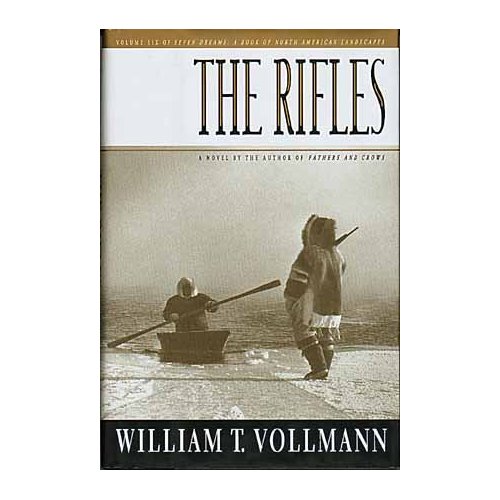
William Vollman’s The Rifles, part of his as-yet-unfinished Seven Dreams series is a brilliant engagement of history, colonialism, identity, and all of those Big Profound Issues that we so adore in our modern literature. It’s also a really cool adventure story, the tale of John Franklin’s nineteenth-century exploration of Inuit territory. Sad, beautiful, breathtaking.

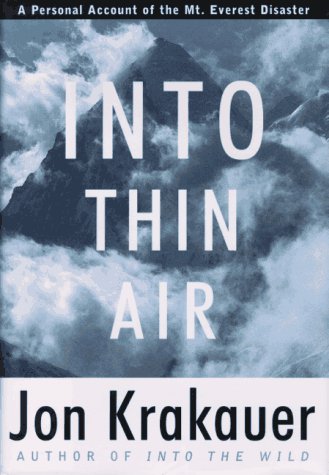
If you prefer your adventure tales uncomplicated by postmodern gambits, check out John Krakauer’s Into Thin Air, a journalistic account of the writer’s 1996 ascent of Mt. Everest, and the disasters that befell his expedition. The word “harrowing” fits well, gentle readers.

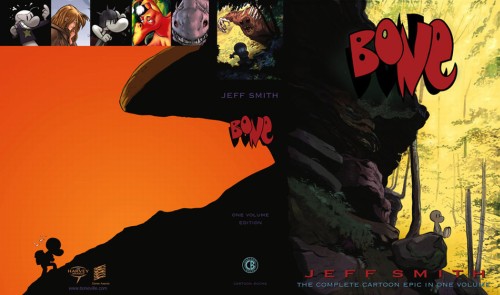
On the lighter-but-not-too-much-lighter side, Jeff Smith’s self-published comic Bone is fantastic; even better, you can get the entire 1300 page run of the whole series in Bone: One Volume Edition. We use the word “delightful” here in an absolutely unpejorative sense, friends: the adventures of Fone Bone, his cousins Phoney Bone and Smiley Bone, and Thorn, Granma Rose, and the Red Dragon are epic in scope yet retain an honest humor that will keep in the most cynical folks laughing. A major literary accomplishment that has been unjustly overlooked.

Also somewhat overlooked is Herman Melville’s Benito Cereno. In Bone, protagonist Fone Bone lugs around a massive copy of Melville’s masterpiece Moby-Dick everywhere he goes–and while that book is undoubtedly a desert island classic, Benito Cereno is an underappreciated gem of a tale. Revealing the strange secret at the heart of this book would spoil it, so suffice to say that the short novel enigmatically investigates slavery and colonialism in ways that beg for closer analysis. Good stuff.

Perhaps, though, you beg for the real thing. In that case, we recommend Ultimate Adventures (from Rough Guides) for all your camel-trekking-in-the-Sahara, rock-climbing-at-Joshua-tree, Pacuare-River-rafting needs. Beautiful photography and tantalizing descriptions are coupled with informative “Need to Know” sections that spell out the who-what-when-where-and-how that will help you get your adventure under way.

Also in the exploratory vein, Where to Go When: The Americas, from DK’s Eyewitness Travel, serves as a kind of travel almanac–the kind that makes you wish you were very, very rich with an excess of free time. If that were the case, you’d be spending nine days in May on the Amazon River, spotting pink river dolphins, gorgeous macaws, and darling squirrel monkeys instead of reading this blog right now. Even if you’re not excessively rich with nothing more pressing to do other than trek the Alaskan fjords, The Americas is fun daydreaming material–perhaps the realist response to Vollman’s Seven Dreams. In any case, Ultimate Adventures and The Americas both come out at the end of this summer, giving you plenty of time to plan that awesome adventure getaway for next year.

Cerebus — Dave Sim

Quick disclaimer:

What follows is a review of the first Cerebus graphic novel, not a review of the series as a whole. I initially contemplated such a feat, but handling Dave Sim’s (and Gerhard’s) 300-issue-long magnum opus in one post would result in either a really, really long post or a really, really inadequate handling of such fine (and troubled) material. Instead, I’ll review the series chronologically, covering one volume a month.

I suppose, also, that a quick primer or introduction may be necessary, so here goes–

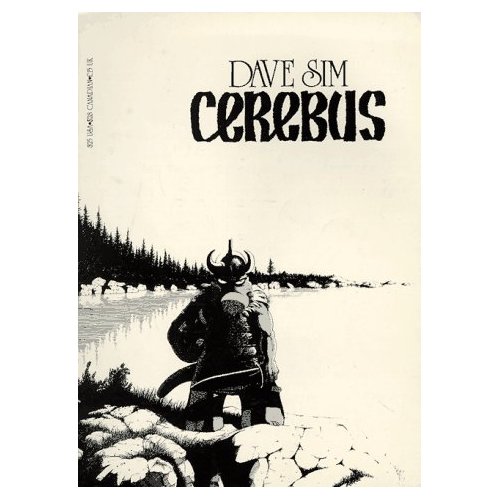
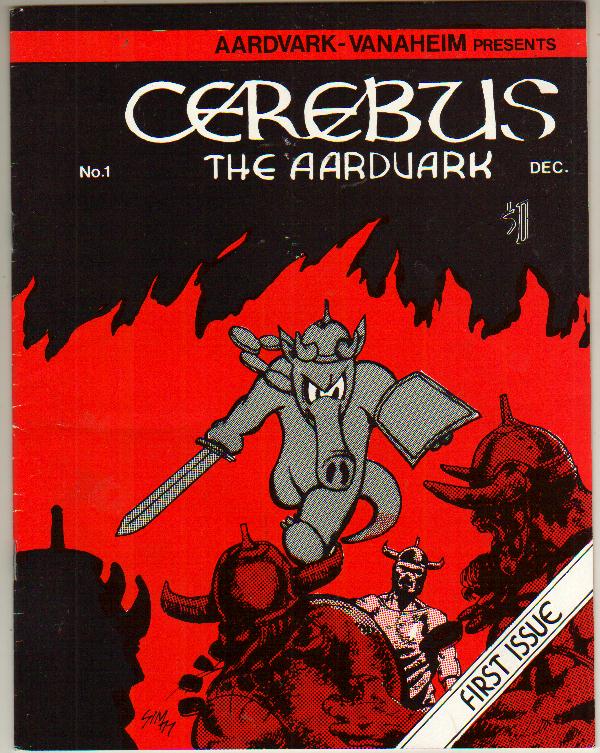
Cerebus is a 300 issue black and white comic book, conceived, written, and drawn by Dave Sim (with stunning background art by Gerhard in issues 66-300). Sim published the book himself via his Aardvark-Vanaheim imprint. The book follows the adventures (and non-adventures) of Cerebus the Aardvark, a surly barbarian who, as one of only three existing aardvarks in Estarcion, has a sort of catalytic power to influence major world events. It’s satire, it’s drama, it’s action, it’s art. The series contemplates politics, religion, literature, economics, and just about everything else under the sun. Only this is really not an adequate summary at all, so I’ll stop here, and get to the actual review. You can google “Cerebus” and “Dave Sim,” of course, and read all about Sim’s rise and fall (it gets spectacularly crazy, folks!); or, you can just wait until we get to the Reads book to learn all about Dave Sim, misogynist. But I’ve digressed before I’ve even begun. (The Cerebus Wikipedia page is pretty good; and this 2004 AV Club interview is also insightful).

Let’s start the review with yet another non-start: another disclaimer:

If you’re at all interested in Cerebus, Cerebus, the first graphic novel in the series, collecting issues
1-25, is not the place to start. If you really are interested in Sim’s work, start with the next collection, High Society. It’s much funnier, tighter, and Sim comes into his own as a draftsman by these issues (although there’s no denying that the art only gets better and better as the story progresses). Sim claims that he knew more or less from the beginning that Cerebus would have a scope of 300 issues (taking 27 years to complete), but the first 15 or so issues don’t really reveal anything that promising. Very early Cerebus is a silly funny animal Conan-Red Sophia parody. However, with issue 20, “Mind Games”–a comic Sim composed in interlocking images that when reconstituted created a new image (all right, that’s not a great description)–the book starts to get really interesting. By this point, Sim has already introduced my favorite character, Lord Julius, the anarchic Groucho Marx parody who wreaks havoc throughout the series; Sim further stirs things up by injecting the matriarchialist Cirinists into the chaos. The emerging Cirinists’ political/martial power becomes the conflict that will dominate the first half of the Cerebus series, and the larger issue of female power can rightly be named the Sim’s thematic obsession throughout the entire comic’s run. Before these themes come into their own, issues 1-17 or so of the book are stock fantasy tropes poked at with a stoner’s sense of humor. Like I said before, Cerebus–volume 1 of Cerebus–will be most enjoyed by those who’ve already had a taste of the good stuff–High Society and Church & State. Good stuff. More to come.

Frank Miller Reconsidered

During a horrible illness I suffered the other week, I turned to the only thing that I can digest when I’m really, really sick–comic books. I randomly chose to reread Frank Miller’s classic re-imagining of Batman, 1986‘s The Dark Knight Returns. I’ve read this comic–or “graphic novel,” if you want to sound like an asshole who’s afraid of being seen reading comic books–at least a dozen times now, I’d guess, but the last time I’d read it was after its sequel The Dark Knight Strikes Again came out in 2001.
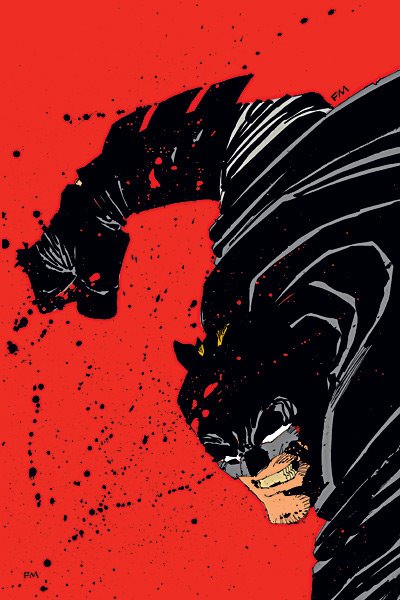
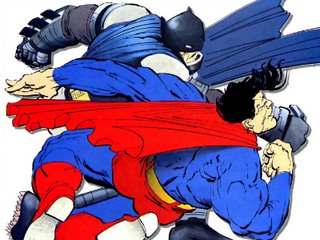
The Dark Knight Returns didn’t disappoint; it never does. Set in a future with a very old Bruce Wayne, the story figures Gotham City as an urban dystopia, chaotic with child-gangs running rampant. The superheroes that once policed the world–including Superman–have been forced to retire by the government. The anarchy in the city prompts The Batman to return. The Joker revives his old crime career. The Soviets invade a Caribbean island. Superman and Batman fight. Batman leads a youth revolution. It’s really fucking spectacular, grim, violent, and funny–the book works at all times to satire the media-obsessed materialism of the 80s. Great stuff.

I don’t own the sequel, The Dark Knight Strikes Again, which says a lot. The story’s not great; in fact, it’s highly forgettable.The plot overreaches, eschewing the essentially frail humanity of The Batman–always the character’s most interesting facet–in favor for a plot stuffed with too many of the truly extra-human characters of the DC universe. Superman, Brainiac, and Captain Marvel are just too hyperbolic to serve as effective foils for gritty Batman. Fifteen years later, Miller’s sequel overshoots, taking Batman from the underground, from the streets, and up into the air, where he just doesn’t belong.
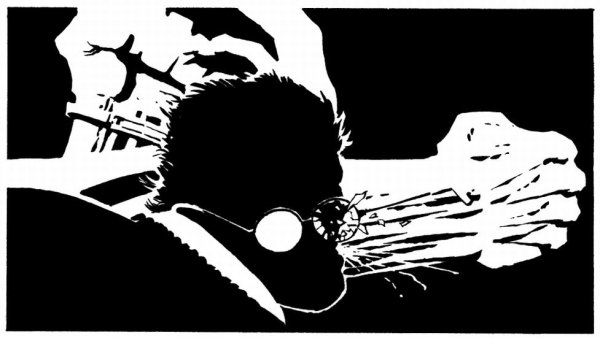
The Dark Knight Strikes Again also came out after Frank Miller had had tremendous success with his Sin City series, published by Dark Horse. I remember when the first Sin City comics came out: I was really disappointed. The artwork was fantastic–a new level of excellence for Miller, whose Jack Kirby-influenced lines always managed to convey energy, tension, and action. Sin City looked like no comic before it that I can think of, a chiaroscuro film noir that rippled and moved. Unfortunately, the story was basic at best and flat and one-dimensional at worst. Without thematic depth or any measure of subtlety, the Sin City stories are aesthetically pleasing but hardly essential.

When 300 came out as a film last year, I took the time to read it–at Barnes & Nobles. Again, the book, especially in its oversized format, is visually striking, but where the old Frank Miller–the guy who created Elektra and made Wolverine the coolest mutant in the world–would’ve just drawn a great story, the late nineties Miller forces the drama down the reader’s throats. On virtually every page, 300‘s narrator tells you how you should feel about what’s going on in the story; the book is probably better without any lettering at all.
Although 300 was published in 1998, as criticism of the film has shown, its themes of patriarchal violence, unabashed militarism, and outright xenophobia are amazingly prescient to America’s post 9/11 ideology (my biggest criticism is undoubtedly the film’s depictions of idealized bodies contrasted with the extreme vilification of any “othered” bodies: this is a film that hates the differently-abled at all turns). Frank Miller has been something of a spokesman for this gung-ho mentality. Consider his September 11th, 2006 contribution to NPR’s “This I Believe” series, in which he blandly recapitulates the Bush administration’s “with us or against us” (in being against them) ethos; in an interview (again on NPR) a few months later he rails the “Bush-hating” “spoiled brats” who are not on board with the Iraq war. For such comments, Miller’s become something of a hero among right-wing bloggers, and his work has been reinterpreted within this light.

I wouldn’t hold this against Miller if his work held up, but I’m not sure that it does. He hasn’t produced anything that could touch The Dark Knight Returns in the twenty-plus years since its publication, and his recent announcement that he is writing Holy Terror, Batman! a self-described “piece of propaganda” in which “Batman kicks al Qaeda’s ass” is a truly lamentable decision (even Stan Lee, of all people, described the idea as “corny” and out of touch). Miller’s aim to write a piece of “propaganda” seems dead on, actually. Divorce “propaganda” from whatever politics it’s meant to convey, for a moment, and you have exactly the kind of work Miller’s been producing for quite some time now: thoroughly one-dimensional, brutishly simple pulp that hides its vacuity under a thick veneer of stylized violence.
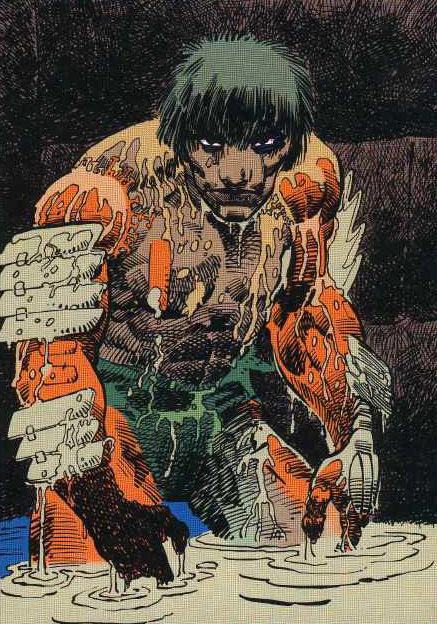
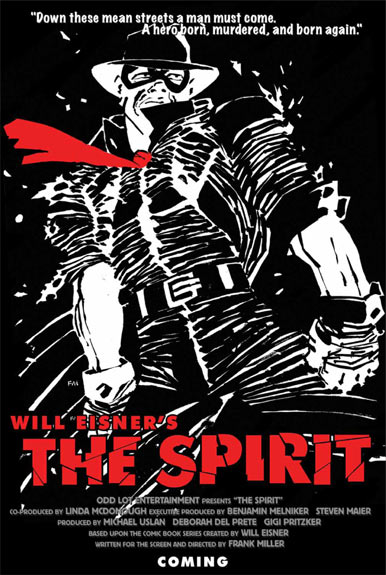
To come back to where this long post started: after I finished The Dark Knight Returns, I reread Ronin, Miller’s 1983 tale of a masterless samurai lost in an apocalyptic future New York. The story explores dystopic race relations, emerging technologies, telekinesis, and bioethics. There’s also a demon. Ronin is cyberpunk on par with the best of William Gibson, and certainly the best thing Miller ever produced–and possibly the most overlooked. Apparently, a film version of Ronin is planned for release in 2009, which will undoubtedly lead to future confusion connected to Frankenheimer’s 1998 car-chase opus (also titled Ronin). Miller, however, seems to have no major hand in the movie–he’s too busy adapting and directing Will Eisner’s classic strip The Spirit for a 2009 movie release. The Spirit is fantastic source material, and Samuel “I Will Act in Your Movie For Money” Jackson is playing the villain, The Octopus, so it might be good. Then again, Miller is the screenwriter responsible for both Robocop 2 and 3, movies that completely missed the tone of Verhoeven’s satirical original. And whether or not Miller’s future movies–including sequels to Sin City–are any good, the gritty and grimy tone that he established in series like Daredevil and the original Wolverine book, as well as his groundbreaking revisioning of Batman led to a new seriousness and depth to an art form that had too-long been relegated to the margins of literature. And that’s a good thing.
Comic Book Writers on The Simpsons

Even a die-hard Simpsons fan such as myself–I’ve been watching the show for over half of my life on a near-daily basis–cannot deny that the show has been in a slump for the past couple (some might say dozen) years. And so far, the 2007 season has been pretty awful–even the highly anticipated “Treehouse of Horror” episode failed to elicit a single laugh. So I was unduly excited by the first segment of last night’s episode, which featured three of our favorite comic book writers: Art Spiegelman, Daniel Clowes, and Alan Moore. Jack Black guest-starred as the owner of Coolsville, a new comic book shop where the elite underground trio gathers for a book signing (much to the ire of Comic Book Guy, of course). Somehow (and of course, if you watch The Simpsons, you know exactly how), this plot lasts exactly until the commercial break: in part two Marge opens a gym, and in part three Homer gets plastic surgery. Sigh. Luckily, Youtube allows us to preserve and isolate the most pleasing fragment of last night’s episode and watch it again and again obsessively.

Check out the super trio here (and take note of the prominent display of one of our favorite graphic novels ever, From Hell):

Hieroglyphick Bibles and other Marvelous Oddities

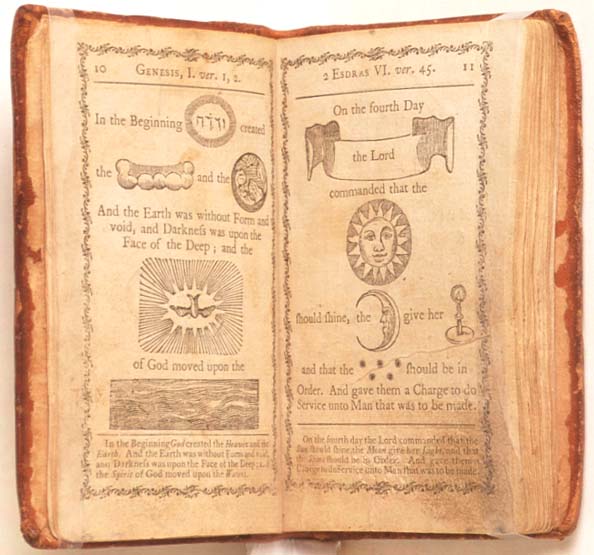
I’ve really been enjoying going through the Library of Congress American Treasures Collection. I came across this Hieroglyphick Bible (1788) the other day and thought it was pretty cool.

hieroglyph.jpg

Of course, I’m a big fan of the graphic novel (as well as the Old Testament) so this was right up my alley. More evidence supporting Scott McCloud‘s argument that the comics form is one of the oldest forms on earth (of course he goes way further back than the eighteenth century, contending that Egyptian hieroglyphs fall into his definition of comics art). Either way, check out LOC’s collection–fun for book nerds and history geeks alike.

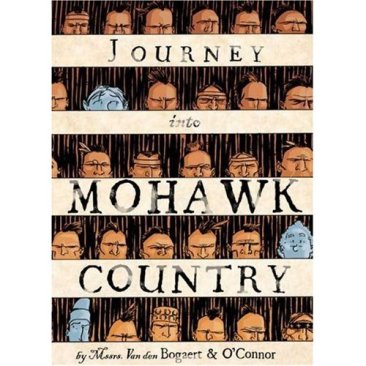
Journey into Mohawk Country–Van den Bogaert and O’Connor


mohawk.jpg

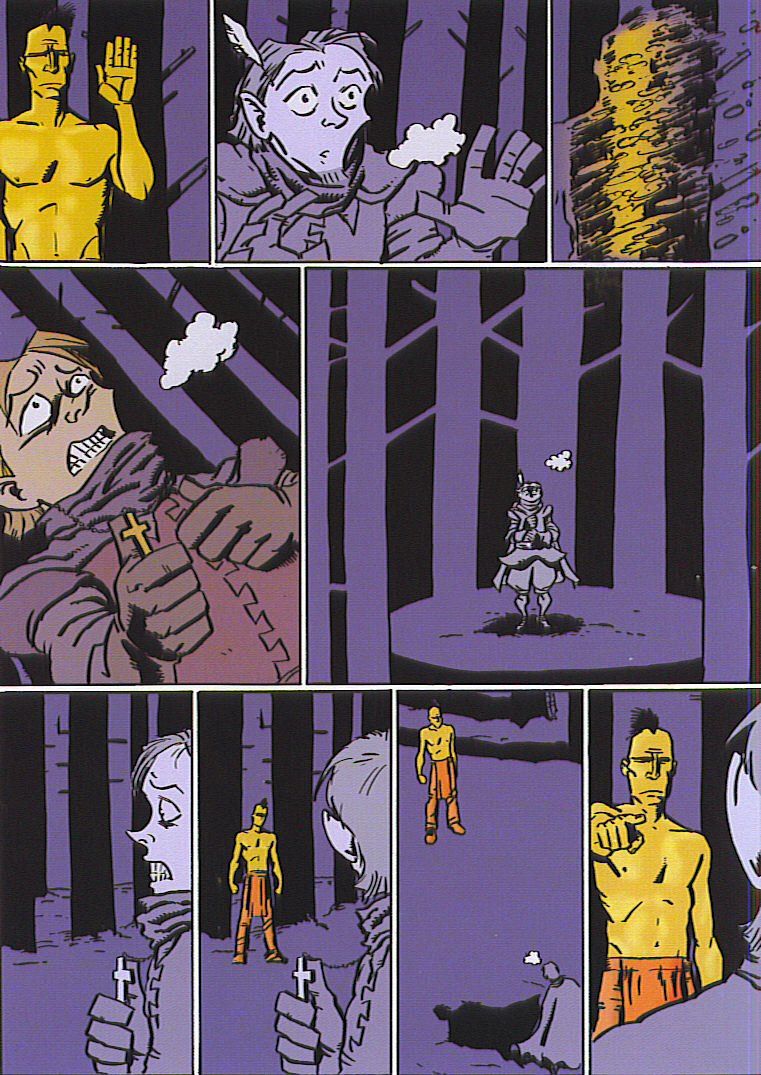
Journey into Mohawk Country is George O’Connor’s adaptation of Harmen Meyndertsz Van den Bogaert’s diary, an historical document detailing the young Dutch explorer’s 1634 journey out west of New Amsterdam to make contact with Indian villages for trade. O’Connor uses Van den Bogaert’s words verbatim, but his graphic novel format allows him extraordinary liberties with the journal’s account. Vague descriptions are literally fleshed out; O’Connor finds innuendo in even the simplest of Van den Bogaert’s entries, illustrating a between-the-lines reading of the Dutchman’s diary. O’Connor even manages to stick a strange epiphanic mystical revelation scene in there. The story itself is pretty simple: Van den Bogaert and his two companions head out into Mohawk country, meet and trade with Indians, eat bear, learn about some alien customs (including a sequence where some Indians show Van den Bogaert how to heal the sick by vomiting on them), and go back to Fort Orange. It’s really the little interpretive scenes around the text-proper, courtesy of O’Connor’s cartoony pictures, that make Journey into Mohawk Country such a pleasure to read. O’Connor’s work here illustrates the first-person narrative’s slippery claims on truth and the limited viability of a “true” historical account. Good stuff.

mohawk2.jpg

Leviathan–Jens Harder

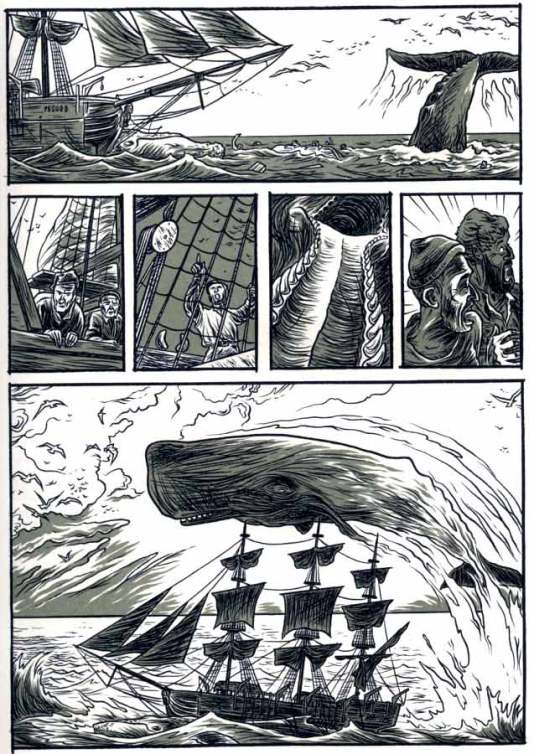
Jens Harder’s Leviathan is a graphic novel in the truest sense. Harder uses scratchy but fluid images to tell the story of a mystical whale who battles a giant squid, saves Noah’s ark, attacks the Pequod, wreaks havoc on a cruise ship, and eventually battles an armada of anachronisms. The only text Harder employs in Leviathan are excerpts and quotes from a variety of sources including the Bible and a host of philosophers; the bulk of quotes come from Melville’s Moby-Dick. Just as that novel begins with an “Etymology” followed by a section called “Extracts,” Harder begins with a section called “Leviathanology,” a collection of quotes about leviathans from the likes of Hobbes, Milton, and the book of Job. These quotes inform the story of Leviathan, connecting the whale to a sublime and unknowable mystery that Harder will explore. Harder’s surreal images often invert notions of “proper” space and time, giving the whale an awesome significance, but also positing the beast as something that denies signification. By eschewing the traditional forms of graphic storytelling, which rely on speech bubbles and clear-cut panel transitions, Harder is able to capture something that is essentially too large to capture. This book works. Highly recommended.

leviathan.jpg

Joe Sacco

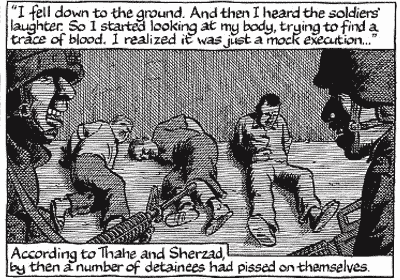
 Joe Sacco’s comic book journalism captures the human elements in disaster, bringing the world’s worst phenomena–war, political oppression, genocide–into a perspective that the average American can understand. Although I was certainly old enough to follow media coverage of the Bosnian War in the nineties, I didn’t really have any clue as to what the whole thing was about until I read Sacco’s alarmingly real Safe Area Goražde, a masterpiece of graphic journalism that puts a human face on planned extinction. Ditto for Palestine, a work detailing Sacco’s years in the Gaza Strip, exploring the Israeli-Palestinian conflict. Palestine distills an ancient and ungraspable conflict into a series of frames, images, faces, and words that becomes somehow easier to confront. Palestine certainly can’t explain the incursions and the stone-throwing and the land grabs and the refugee camps and the food shortages and the torture and the kidnapping–it doesn’t even try–but it does make these abstractions thoroughly concrete. 

Sacco is by no means an impartial, objective observer–he eats and lives with the people he’s writing about, and appears in all his stories as a character. Some of the most poignant moments in Sacco’s work concern simple pleasures–like watching bad action movies on pirated VHS or sharing fresh coffee with a new friend–set against a backdrop of disaster. Like Marjane Satrapi’s Persepolis, Sacco’s comics work as an education in both politics and the humanities. Highly recommended.

Check out Sacco’s recent comics on Iraq, downloadable as pdfs–Trauma on Loan and Complacency Kills.

Also available online in-full, The Underground War in Gaza, originally published by The New York Times Magazine in 2003.

Persepolis

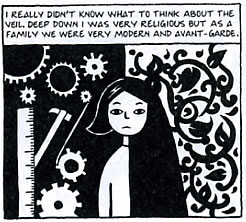
“It was funny to see how Marx and God looked like each other.”

Marjane Satrapi’s Persepolis makes a nice introduction to the graphic novel autobiography for anyone who hasn’t read one before. Marjane’s memoir weaves the political turmoil of the Islamic Revolution with the everyday stuff of childhood experience. As the the repressive Islamic regime revokes liberal freedoms, Marjane’s folks (secular intellectuals, of course) smuggle Iron Maiden posters back from Turkey; young Marjane sneaks cigarettes and rock music to a backdrop of political assassinations and war with Iraq.

persepolis_extract2

Persepolis succeeds by engaging the reader in a personal experience of revolution and cultural alienation. It works as a history lesson and as a coming of age story. Readers who try something different (maybe suspend some prejudices?) will be rewarded with an enriched perspective on a political/cultural upheaval still effecting global politics today.

In the Shadow of No Towers–Art Spiegelman

Art Spiegelman’s Maus, released as a graphic novel over twenty years ago, did more to legitimize the comic as an art form than any other work I can think of. It won a Pullitzer Prize Special Award in 1992 (the Pullitzer committee found it hard to classify…perhaps they didn’t want to admit that they were giving a prestigious award to a comic book!), and today Maus is a standard on many college English syllabi.

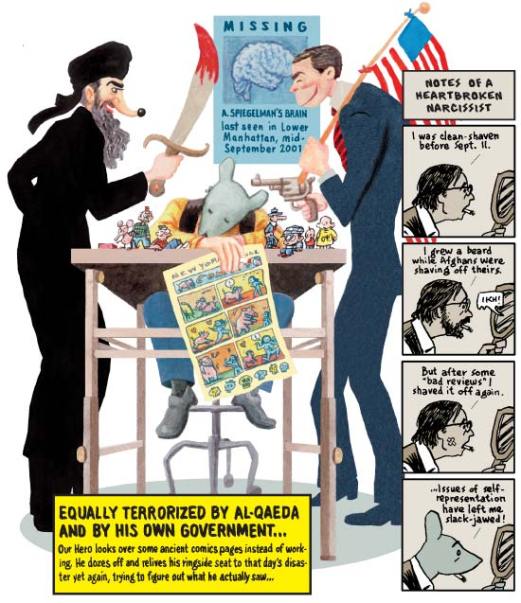
After Maus, Spiegelman worked for The New Yorker for over ten years, quitting in early 2002 after the September 11th attacks to work on a series of broadsheets entitled In the Shadow of No Towers. These broadsheets were collected in 2004 in an unwieldy 15″ x 10″ book.

spiegelman_02_550×637.jpg

Spiegelman lived in downtown Manhattan, right by the towers; his daughter attended school a few blocks away. He saw the towers collapse in person, fleeing for his life with his family. Spiegelman attempts to capture this raw, unmediated, and very personal experience in In the Shadow of No Towers (Sonic Youth’s 2002 album Murray Street works to the same end–only much more abstractly): the narrative is discontiguous, fluctuating from bitter satire to earnest inquiry. Spiegelman’s choice of the broadsheet as his medium (the broadsheets were published monthly by different newspapers as Spiegelman produced them) is tremendously affective: just like the 9/11 attacks, the broadsheets are larger than life, hard to grasp, hyperbolically resisting easy, singular readings. Spiegelman balances bitter attacks against the conformist mentality spurred by the Bush administration with pathos and humor; In the Shadow of No Towers recalls the good-natured satire of broadsheet comics from a hundred years ago, bittersweetening the content. The 2004 collection wisely contextualizes Spiegelman’s work by reprinting broadsheets of “The Yellow Kid” and “The Katzenjammer Kids.”

Like Maus, In the Shadow of No Towers is a fascinating exploration of how disaster confronts and transforms identity. And reflecting its heinous subject, In the Shadow of No Towers ends without concluding: as the foolish Iraq war begins, Spiegelman can no longer shape any meaning or sense from his work. This isn’t a graphic novel–don’t look for a cohesive narrative structure here; instead, In the Shadow of No Towers explores the loose ends, the detritus, the psychic remnants of disaster.

The Religious Experience of Philip K. Dick

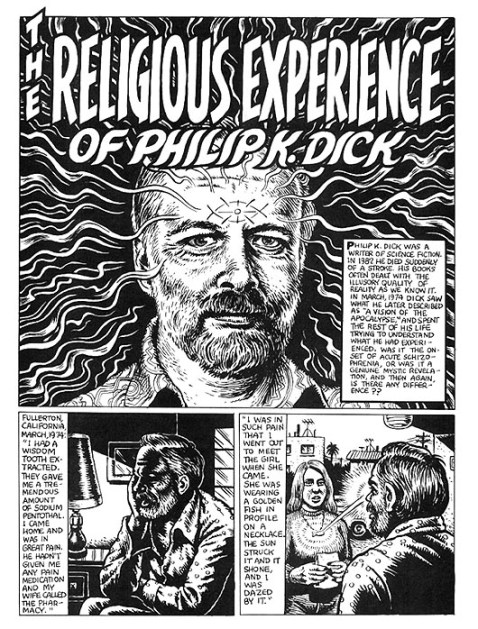
Want to learn about PK Dick’s bizarre apocalypse visions? Sure you do–and who better to tell a bizarre story than underground comix avatar Robert Crumb, whose accoutnt is available here in full.  Dick’s revelations led him to believe that he was coexisting in a Roman Empire that never fell, and that the spirit of the prophet Elijah lived within him. Highly recommended. 

weirdo1.jpg

Guy Fawkes Day and V for Vendetta

“Remember, remember the 5th of November…”

I was lucky enough to live in New Zealand for a few years as a kid, so I got to experience Guy Fawkes Day. We made effigies of Guy, and then we burned them on a bonfire. There was a barbecue, and fireworks. To me it seemed a strange mixture of the Fourth of July and Halloween.

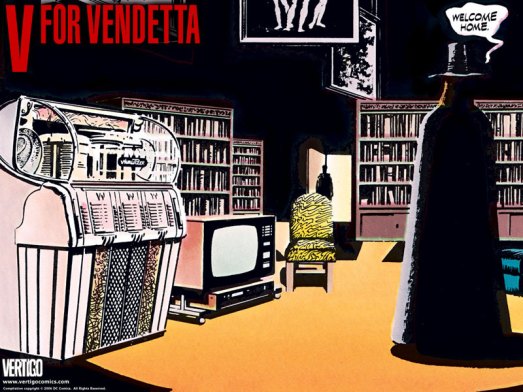
It was a few years after my last Guy Fawkes experience that I read Alan Moore’s V for Vendetta. V, an anarchist who wears a stylized Guy Fawkes mask, wages a vigilante war on a harsh authoritarian government. Along with Frank Miller’s The Dark Knight Returns, V was a first for me, something different than the stuff I was reading at the time, stuff like The Uncanny X-Men and the ill-fated Valiant Comics imprint (I actually made a small fortune selling early Valiant issues I owned).  

A film version of V for Vendetta was released in 2006; Alan Moore famously had his name removed from it. I enjoyed the film, although it certainly wasn’t as good or thought-provoking as Moore’s original story; and even though the film looked good, the passive experience of watching an action movie can’t measure up to David Lloyd’s original art work and that wonderful space between the panels of comics that engages the reader’s imagination.

v_for_vendetta_5_800×600.jpg

This afternoon I finished the first graphic novel of Alan Moore’s  run writing Swamp Thing, and I can’t wait until my library hold on the second graphic novel comes in. I had no idea Saga of the Swamp Thing would be as good as it was, nor as beautifully illustrated; it’s actually much better than V for Vendetta or Moore’s other famed work, Watchmen (and none of these titles are even in the same league as Moore’s masterpiece, From Hell). Alan Moore and Steve Bissette’s run on the DC Comics series essentially led to DC’s creation of the edgier Vertigo imprint for their more “mature” titles, such as The Sandman. These titles helped to change the audiences of “comic books” and helped to make the graphic novel a new standard in the medium (no mean feat, considering the fanboyish culture of comic nerds, a culture that prizes rarity of print run over quality of storytelling).

V for Vendetta illustrates what happens when we don’t allow for dissent, what happens when ideas are both prescribed and proscribed, and all dialogue is muted. Authoritarian governments consolidate their power from the silencing of ideas. A healthy society requires all sorts of opinions, even ones we don’t like. The smiling Americans in this photo aren’t burning effigies of would-be revolutionaries, they are burning something much more dangerous–books.

book-burning.jpg

Jeff Smith–Bone

I got Jeff Smith’s Bone: One Volume Edition in the mail today. I love getting mail, maybe that’s why I love Netflix so much.

This book collects every single issue of Smith’s self-published Bone comic book series, which first came out back in the early nineties…I still have the first couple of issues (think they might be worth anything?)

When Bone originally came out, I was very much into Dave Sim’s Cerebus and other black & white indie comics of a “dark” nature–and despite Dave Sim’s recommendations, Bone was too sweet-natured for me. I couldn’t appreciate Smith’s Walt Kelley-esqe art (the Pogo strip had perplexed me as a kid), and Smith’s layered plot moved too slowly–I realize now it started slow because Smith had all 1300 pages of the series plotted out from the first issue.

A few weeks ago, I was searching through some old graphic novels, looking for a particular Asterix book for some reason, when I came across the first graphic novel in the Bone series, Out from Boneville. I started re-reading it to find that it was waaaaaay funnier than I had realized, and that the art was beautiful and logical and spare and clean. Luckily, Smith has made his work easily accessible, in one big (seriously, this book is heavy) edition.

Will post more on this as I read.