RIP Paula Rego


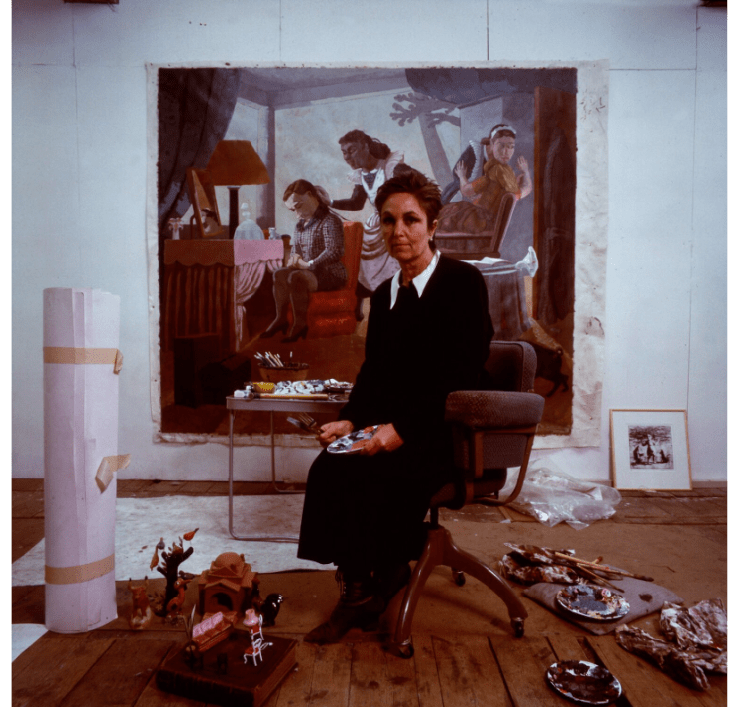
The Artist in Her Studio, 1993


RIP Paula Rego, 1935-2022

Paula Rego was one of the great figurative painters of the late-twentieth and early twenty-first centuries. Born in Portugal, Rego lived and worked most of her life in England. She first began exhibiting her work in the early 1960s with The London Group, and over the decades, her paintings were recognized for their haunting power in a series of career retrospectives at major museums, including the Tate Britain. She was also the first Associate Artist of the National Gallery in London.

Paula Rego portrait by Chris Garnham, 1988

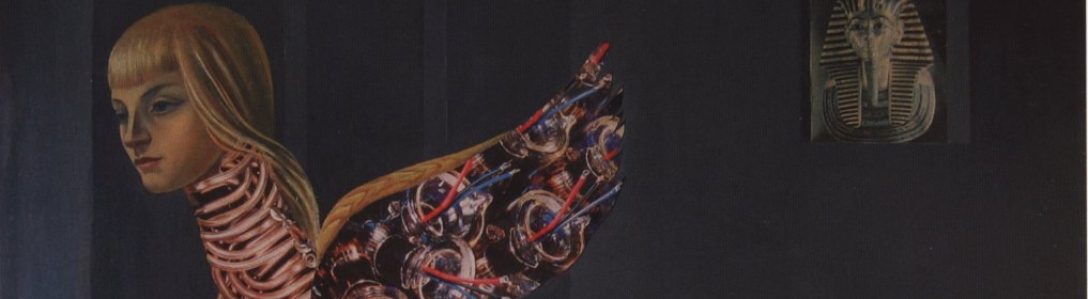
Rego’s paintings are strange and disturbing, evoking the psychosexual tumult that underwrites Western myths and fairy tales. Obliquely feminist, Rego’s images conjure a counternarrative to patriarchal domination. As Whitney Chadwick put it in her book Women, Art, and Society, Rego’s paintings were part of “the figurative tradition of history painting but used heroic scale, harsh lighting, and theatrical compositions to present a pantheon of female figures traditionally suppressed in accounts of male exploits . . .[her] works propose a new iconography for the female heroine.”

Snow White Swallows the Poisoned Apple, 1995

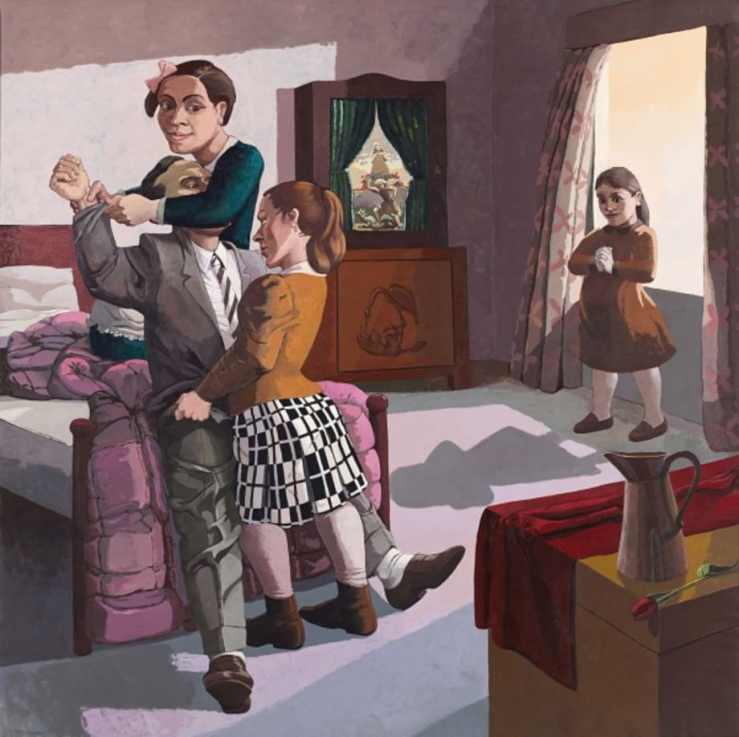
I’m pretty sure it was in Chadwick’s Women, Art, And Society that I first saw a reproduction of The Family, a painting that shocked me, and reminded me of the work of one of my favorite painters at the time, Balthus, as well as the films of David Lynch.

The Family, 1988
The Maids, 1987

There’s an uncanny mix of humor and paranoid terror in much of Rego’s work, and her feminist reimagining of folk tales and myths has much in common with the work of writers like Angela Carter and Anne Sexton.

little murderess
The Little Murderess, 1987
20091202023111_paularegofitting
The Fitting, 1989
1-1
The Policeman’s Daughter, 1987

A strong advocate of women’s rights, in 2019 Rego called out the increasingly-draconian anti-choice laws being acted in America, telling The Guardian, “It seems unbelievable that these battles have to be fought all over again. It’s grotesque.”

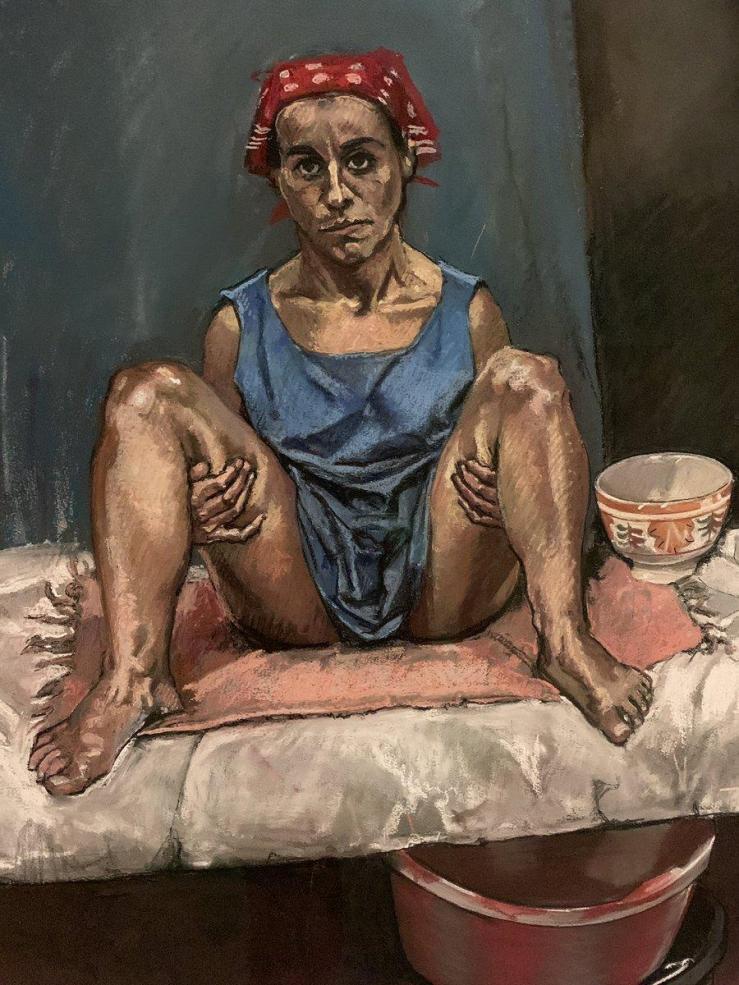
In 1998, Rego, who spoke publicly about her own abortions, created a series called The Abortion Pastels. The series depicted the reality of unsafe illegal abortions, and was a response to a failed referendum to legalize abortion in her native Portugal.

Untitled No.1 (from The Abortion Pastels), 1998

Rego’s work also addressed human trafficking, so-called “honor killings,” and war in an oblique, surreal-tinged style that transcends the limits of social realist figurative art.

Human Cargo, 2008
Two Women Being Stoned, 1995
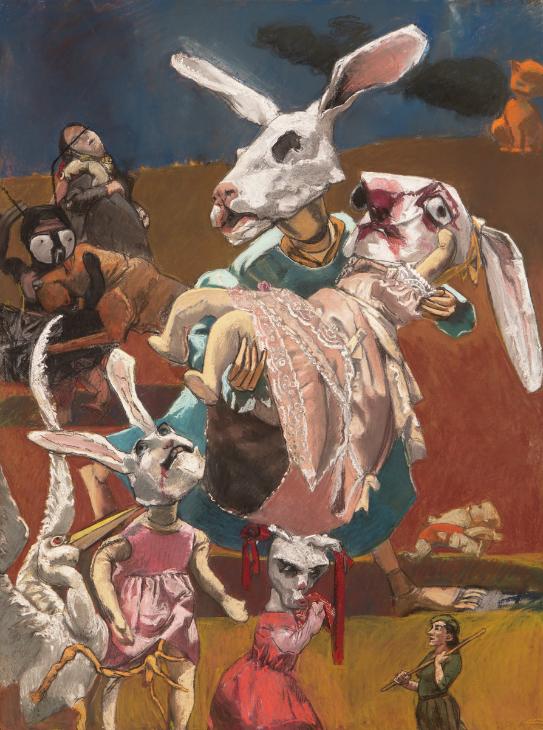
War, 2003

And while Rego’s art addressed sociocultural ills, and in doing so was often shocking and disturbing, it is nevertheless beautiful—she was a fantastic painter and left a strong, large body of work that will, I suspect, feel even more relevant as the twenty-first century careens into fascism and fear.

Once, I was talking to Herman Melville. He said, “I’m writing book called Moby-Dick” | Gilbert Gottfried

RIP Gilbert Gottfried, 1955-2022

RIP Peter Bogdanovich

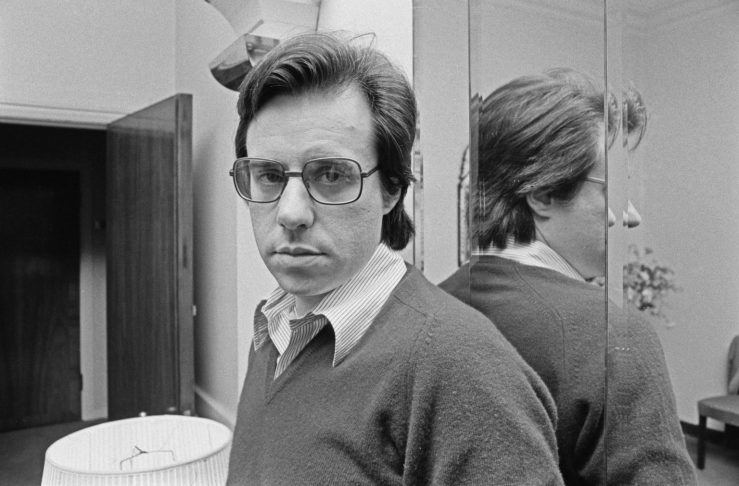
RIP Peter Bogdanovich, 1939-2022

Peter Bogdanovich died today at the age of 82.

Bogdanovich was an actor, writer, producer, and film critic, but will most likely be remembered as a film director.

The first Bogdanovich film I saw was Mask (1985) starring Eric Stoltz and Cher. I was probably eight or nine, and I did not know it was a “Peter Bogdanovich film.” Mask was one of the many films my grandfather taped from HBO, Disney, or Cinemax, and mailed to my family on VHS cassettes, little bundles of cinema my brother and I consumed repeatedly and indiscriminately in our remote village in the highlands of Papua New Guinea. Mask is one of the first films I ever saw that genuinely hurt my feelings.

Years later I’d see Bogdanovich’s most celebrated film, The Last Picture Show (1971), and it would also hurt my feelings. I was maybe eighteen or nineteen and the film just shattered my stupid heart (Cybill Shepherd as Jacy Farrow did something very particular to me, forever). This was the first time I knew I was watching a “Peter Bogdanovich film”—I’d learned about the New Hollywood guys and even seen some of the film stuff he’d written. (It would be years later until I realized that he was behind Noises Off (1992), which I’d watched as a VHS rental with my grandmother one Saturday night.)

Paper Moon (1973), starring real-life father and daughter Ryan and Tatum O’Neal is the sweetest (yet still a little heart-breaking) film I’ve seen by Bogdanovich, and maybe the best starting place for anyone interested in his work. There’s a touch of De Sica’s The Bicycle Thief in it–a kind of gritty neorealism that hums alongside the film’s tender core.

I found some of Bogdanovich’s films less successful. His adaptation of Henry James’s novel Daisy Miller (1974) doesn’t work and the screwball farce What’s Up Doc? (1972) is never as good as the films it pays homage to. (Avoid Texasville (1990), the sequel to The Last Picture Show, at all costs. It’s like The Two Jakes, by which I mean, a bad sequel to a great film, and it should never have happened.) But even his failures are far more interesting than most basic Hollywood fare.

Bogdanovich was also great in bit parts in film and TV. His perhaps most notable performance was playing Dr. Melfi’s therapist Dr. Kupferberg on The Sopranos. He was also the voice of the DJ in Tarantino’s Kill Bill films, perhaps a nod to his voiceover work in The Last Picture Show, where he also played a DJ.

For me though, Bogdanovich’s most significant acting role is that of director Brooks Otterlake in Orson Welles’ film The Other Side of the Wind (2018). I wrote “Orson Welles’ film” in the previous sentence, but that’s not quite true–The Other Side of the Wind is a bizarre beautiful mess of cinema spanning four decades. It’s a film about film (about film about film…), and Bogdanovich was instrumental in getting it finally released a few years ago.

Bogdanovich’s work in finally bringing Welles’ lost classic to screens is emblematic of his filmmaking career—a filmmaker in love with film, an artist enamored of film as art who came to prominence during the New Hollywood movement that rejected film as commerce. While so much of what makes it to theaters (and streaming platforms) today is simply “content,” or established “intellectual property” that execs know will do numbers, Bogdanovich’s spirit (and the New Hollywood DNA) inheres in current filmmakers who bear his influence, like the Safdie brothers, Sofia Coppola, Noah Baumbach, Wes Anderson, and Quentin Tarantino. That influence will continue to ripple forward, and I hope that we get more films that will disturb us, hurt our feelings, and break our hearts.


Go to sleep, everything is alright

RIP Norm Macdonald

RIP Norm Macdonald, 1959-2021

The Canadian humorist Norm Macdonald died today from cancer.

Macdonald’s dry, loose, deadpan style of humor was not for everyone, but I loved it. He was a cast member on Saturday Night Live when I was in high school, serving as the Weekend Update anchor and doing impressions on the show until 1998, when he was fired.

I got to see him live that year, at the University of North Florida’s homecoming thing. He was an ill-cast headliner, and the show seemed to simultaneously tank and soar as droves walked out to his postmodern/postdroll riffs on dropping acid and pigfucking. (He managed to offend the university president to the point where the dude up and left within about 10 minutes of the set.) Watching Norm Macdonald live was like an unedited extension of watching him on TV—this was a guy leading you out into some weird weeds, dropping non sequitur breadcrumbs as you went. The frustration for much of Macdonald’s audience, was, Hell, hey, where are we going?–what is this all adding up to, where’s the punchline, what’s the point? The point is the wandering of course, a sentiment that Macdonald would roast I think.

Years ago, at one of those stupid Comedy Central roasts—maybe it was Bob Saget or William Shatner?—the comedian Jim Norton described Macdonald’s loose, shuffling set as “like watching Henry Fonda pick blueberries.” Macdonald’s response is perfect:

The looseness never added up to anything like stardom (when I saw Macdonald live, still bitter from his firing at NBC, he complained that “they fucking hate me there”), but he did star in the 1998 Bob Saget-directed comedy Dirty Work (great silly stuff)as well as 2000’s Screwed (which isn’t that great). He also starred in an ABC sitcom called Norm opposite Laurie Metcalf. (I watched it sometimes over antenna TV my last years of college; at its best it was a send up of TV tropes and audience expectations, but it was hardly ever at its best.)

Norm Macdonald did plenty of voice over stuff and small role appearances, but his best stuff was his stand-up comedy and his late night appearances. He was a staple on both Letterman and Conan O’Brien, a postmodern Charles Grodin, making me sneeze beer through my nose way too late at night in the late nineties and beyond.

In the last decade of his too-short life—

—and here I just have to say, I always thought of the guy as old, old, impossibly, cantankerously old, and I now see he died way too young at 61, that he’s only two decades older than me, but I guess that’s how life works, old is just some goal posts we push away—-

In the last decade of his too-short life, Norm Macdonald continued to do his thing—stand-up and voice gigs and standby late night spots. Like every other motherfucker in the past two decades, he had a podcast, Norm Macdonald Live. This “The Aristocrats!” style bit on the serial murderer Albert Fish is one of my favorites from that era:

It wasn’t until last year, during Early Lockdown Times, that I watched his 2018 “interview” show Norm Macdonald Has a Show on Netflix. The series surpasses cringe comedy or anti-comedy or whatever you want to call it. It reads like someone who genuinely doesn’t care if the project gets renewed (which it didn’t). The best episodes are the first, with David Spade, and the fourth, with David Letterman. Spade is not bright enough to figure out that the show is a goof on showbiz, a big fuckyou to the idea of careerism in comedy; Letterman figures it out immediately and plays along, to a point. Calling what he did “anti-comedy” misses the point. He and his sidekick Adam Eget were laughing plenty.

Macdonald’s legacy might be complicated. His jokes were often very, very dark, and in the past few years, out of step with the zeitgeist. But I always found something simultaneously and impossibly oblique and sharp in what Norm Macdonald did. He wasn’t for everyone, but he spoke to me, and I’ll miss him.

RIP Lawrence Ferlinghetti

RIP Lawrence Ferlinghetti, 1919-2021

RIP MF DOOM

RIP MF DOOM, 1971-2020

What a stupid fucking year.

RIP Mort Drucker

drucker_madmovie

RIP Mort Drucker, 1929-2020

I grew up on MAD Magazine and always loved Mort Drucker (and Sergio Aragones) in particular. He frequently drew the film and television show parodies that I especially enjoyed as a kid. Even though I got to watch all kinds of films I probably shouldn’t have seen as a kid in the mid-eighties (where “parenting” was throwing all the kids in a spare room with a VHS copy of Robocop or Predator), I still attribute a large part of any film and television knowledge I have to the MAD parodies that Drucker drew.

RIP John Prine

RIP John Prine, 1946-2020

RIP Bill Withers

RIP Bill Withers, 1938-2020

Threnody

RIP Krzysztof Penderecki, 1933-2020

RIP Charles Portis

m9zxmlvgx70yhcyrctsekf9exavnowl4y1lblmdiury

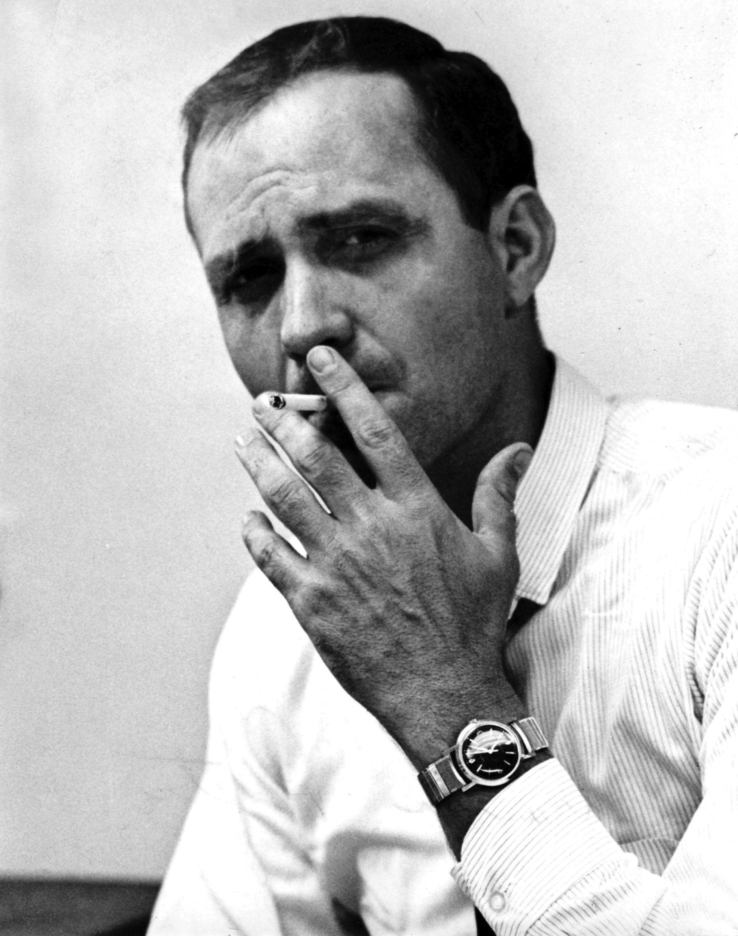
RIP Charles Portis, 1933-2020

The Arkansas Times and other sources have reported that the novelist Charles Portis has died at the age of 86.

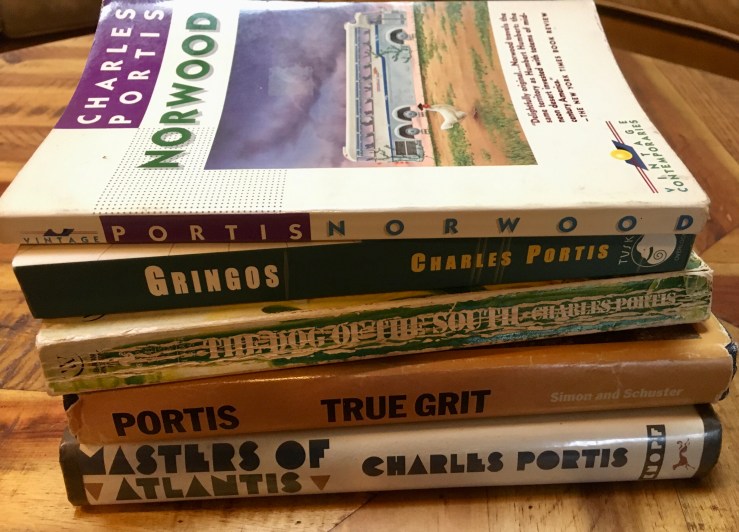
Portis published five novels in his life: NorwoodThe Dog of the SouthMasters of Atlantis, and Gringos, but he’s most likely well-known for his 1968 bestseller True Grit, which has been adapted to film twice. The first adaptation (1969), starring John Wayne, is a much broader affair than the Coen Brother’s 2010 take, which does a better job conveying the novel’s sharp humor. Neither can touch the novel, of course.

Walker Percy blurbed True Grit, comparing it to Adventures of Huckleberry Finn, and he’s not wrong. Told in Mattie Ross’s clipped, witty, yet still-the-slightest-shade-naive voice, True Grit’s narrative voice echoes Huck’s, and is equally achieved and engrossing, a wonderful layering of author-narrator-speaker. The prose is beautiful and Mattie is an endearing, enduring American hero. True Grit is a novel that teens and adults alike will love, and revisit, each time finding it changed. I’m very sorry that I was forty when I first read it, but I can make sure my daughter doesn’t overlook it. True Grit is probably a perfect novel.

Portis’s first novel Norwood (1966) is the first novel I read by him. This impossibly-large but slim novel is the picaresque tale of Norwood Pratt, who kind of bumbles his way across the South after being discharged from the Marines. Portis taps into the same grotesque fount that fed Faulkner and Flannery, Cormac McCarthy and Carson McCullers, but he converts that fuel into something more exuberant, energetic, and joyful than anything those authors ever produced.

img_4990

Eleven years after True Grit, Portis published The Dog of the South, which might be my favorite of the four I’ve read by him. This is a shaggy dog, a road trip novel, ribald, grotesque, and very, very funny. It reads like the novel that Barry Hannah was never quite sober enough to manage, a loose ironic folk-blues ballad of a novel with more structure and tighter refrains than Hannah’s wild jazz. Dog may have some faults, but it’s a wonderful read, and its ending reverberates with earned pathos.

1985’s Masters of Atlantis is probably the consensus favorite among Portis fans. Easily the most sprawling of his books, both in geographical scope and time, Masters is a novel of con-men and poseurs, secret societies and secret scams, capitalism and the price of knowledge. Despite an international cast, like Portis’s first three novels Masters is a very American novel, whatever that means. There’s a Pynchonian paranoid vibe and a Pynchonian zaniness to Masters—the novel reminds me very much of Pynchon’s underrated Against the Day. Masters of Atlantis also belongs to the American tradition of grifter novels, like Melville’s The Confidence-Man, Baum’s Oz books, the Adventures of Tom Sawyer, and even  The Great Gatsby. (It’s more fun to read than any of those.) Told in a third-person voice, Masters feels positively epic compared to the first-person immediacy of True Grit or The Dog of the South, or even the third-person voice of Norwood, which hovers around its protagonist’s brain pan and eye line, and doesn’t flit much farther. Masters is a loose, shaggy epic that seems to sprawl beyond its 250-odd pages.

I have yet to read Portis’s final novel Gringos (1991), which centers on expatriate Americans living in Merida who raid Mayan tombs and hunt UFOs (this may be an inaccurate description). I secured a copy when I was on my Portis binge, but when I finished Masters of Atlantis, I had to pause. Like many readers who fall in love with an author—especially an author with such a slim oeuvre—I tend to read greedily, voraciously, as the cliche goes. Finding Portis at forty felt like a bizarre gift from nowhere (a gift from the author himself, of course). I read all of Cormac McCarthy in my late twenties, an act I now regret. It’s not that I can’t re-read McCarthy—I do all the time—but unless we get another novel, it’s like, That’s it. When I truly fell in love with Pynchon and Gaddis, in my thirties, I consumed their novels, of course, re-reading books like Gravity’s Rainbow an J R—but also leaving one, y’know, in my back pocket, metaphorically: Bleeding Edge and A Frolic of His Own, respectively. Gringos is on the same mental shelf as those volumes, but I’ve taken it down from the actual shelf it was just-until-now resting upon, a to-be-read stack.  I used the adjective final in the first sentence of the previous paragraph to describe Portis’s 1991 novel Gringos. It’s possible that there are more novels, of course, finished or otherwise, and I have to admit that I’ll look forward to seeing them. In the meantime, I’ll start Gringos.


RIP Alasdair Gray

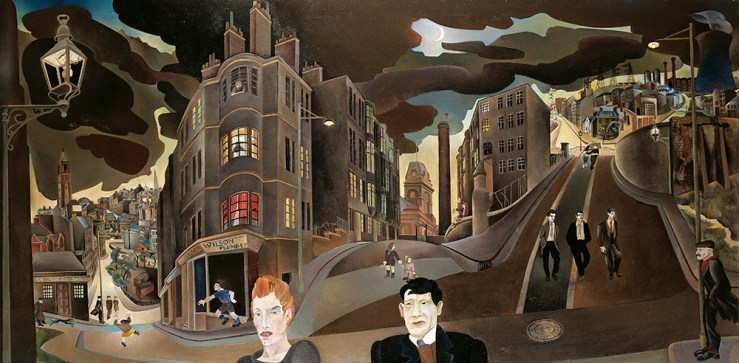
Screenshot 2019-12-29 at 6.54.56 PM

RIP Alasdair Gray, 1934-2019

The Scottish novelist and artist Alasdair Gray died today, one day after his 85th birthday.

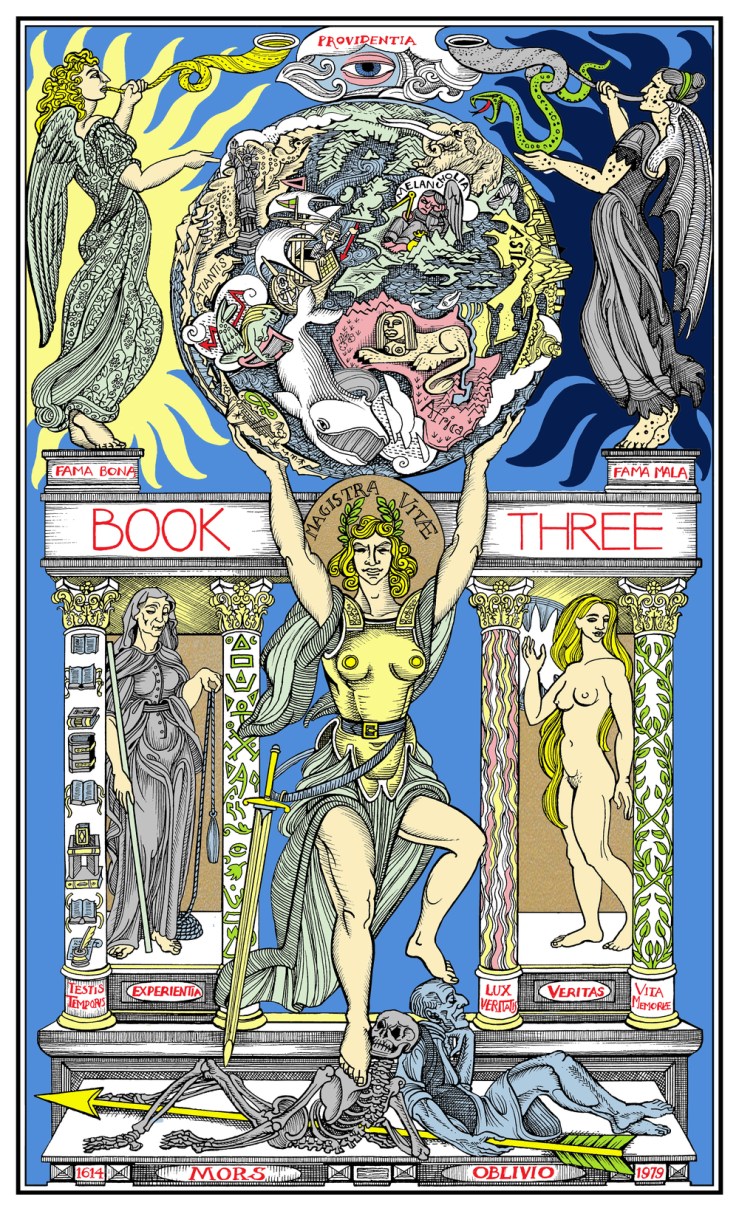
Gray’s first novel, 1981’s Lanark, is one of the strangest and most memorable novels I’ve ever read. Part dystopian fantasy, part realist autofiction, part Kafkaesque anti-quest, and part Künstlerroman, Lanark deconstructs the traditional novel, braiding multiple narratives into a complex, sharp, satirical epic.

super

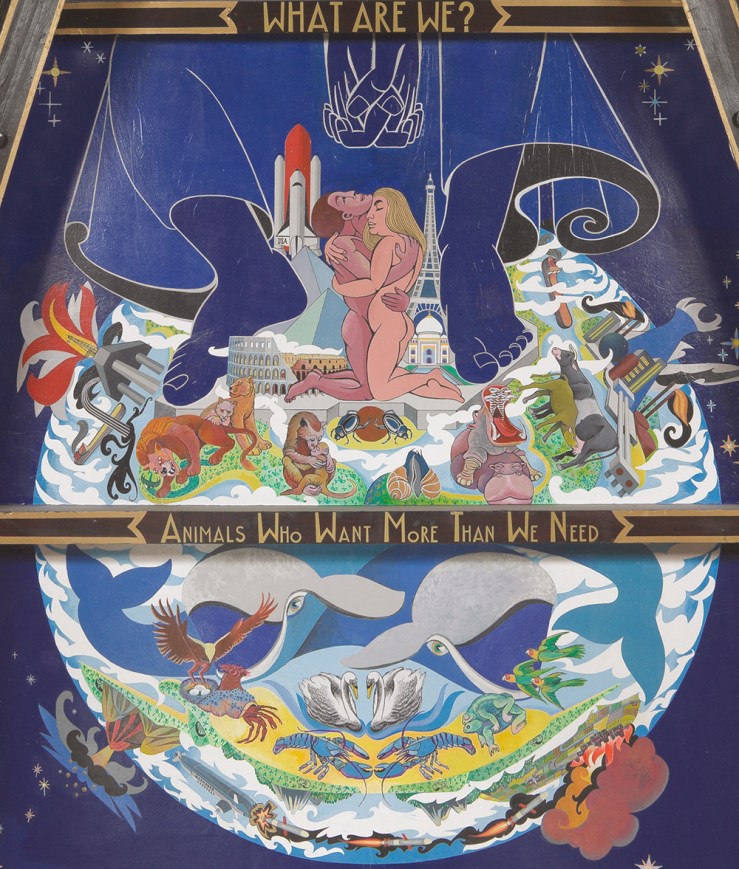
Lanark included original artwork by Gray, a trend that would continue over the course of his career as a novelist. Gray was trained as a muralist, and if I ever make it to Glasgow I plan to see his murals.

omworldcrop

Gray’s art of course adorns his follow-up to Lanark, 1984’s 1982, Janine, a challenging novel of debauchery. 1982, Janine is conceptually, formally, and typographically challenging, a kind of answer to Finnegans Wake, and like Joyce’s big weird fun hard novel, Gray’s sophomore jaunt is a jam I return to again and again without the hope of truly ever finishing. 1982, Janine also has the best blurb I think I’ve ever read—you can watch Gray read it in this 1993 STV documentary about Gray (around 15:34)—

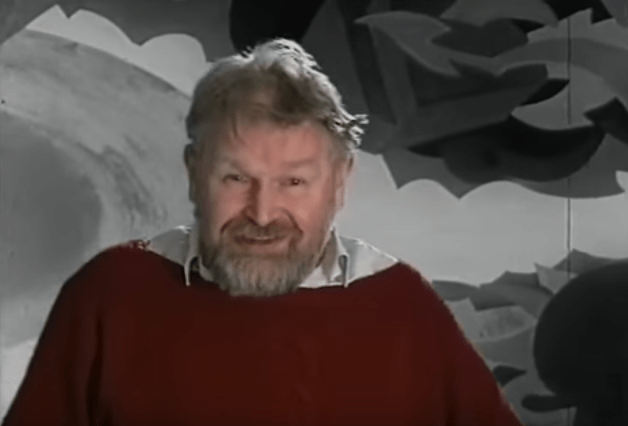
The Gray Matter also features Gray discussing his novels and reading from them, as well as his art. It makes a neat primer to the Gray’s work, and while I’m no expert—just a big fan of those first two novels and his art, to be clear—I think it does a nice job of letting the artist speak about his art.

I’ll close by reiterating that Lanark has stuck with me in a way that most novels don’t. It might seem a daunting read at nearly 600 pages (not to mention its four-book structure, which begins with Book Three before going to Books One and Two and then concluding with Four—and, oh the books are formally/stylistically varied)—but Lanark might be the cult novel you’ve been missing from your life.

140


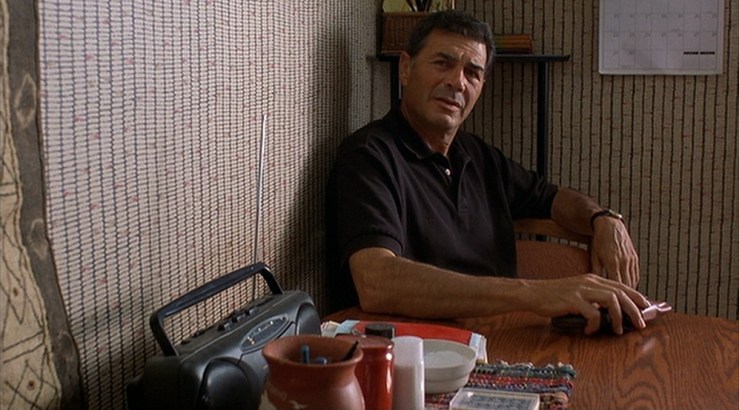
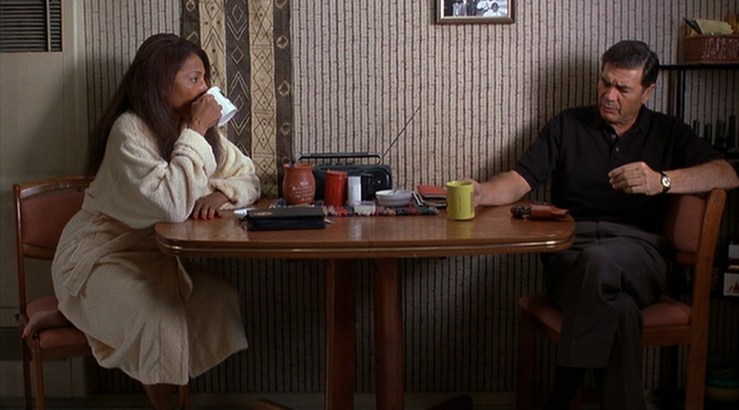
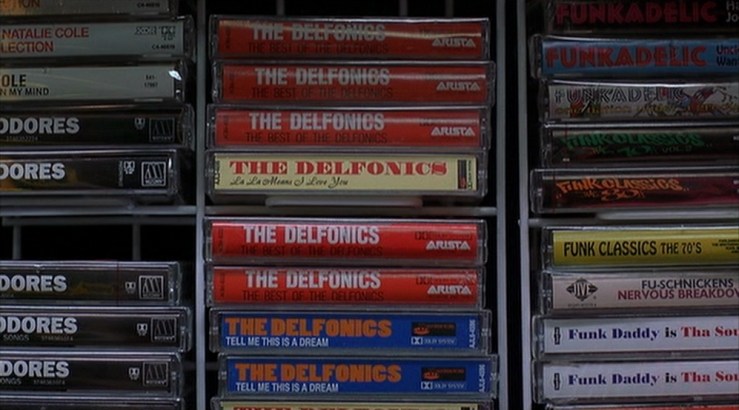
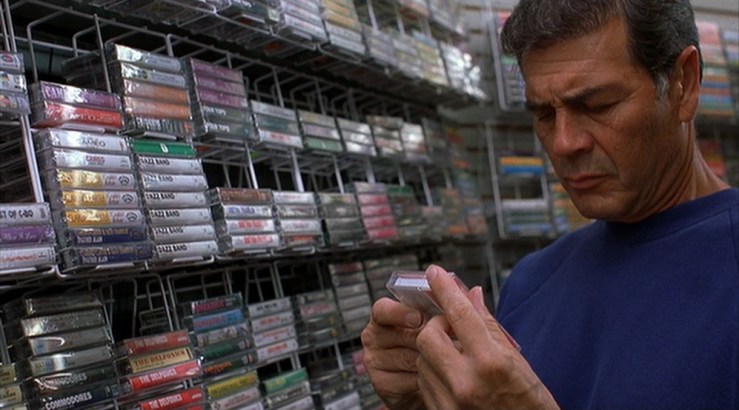
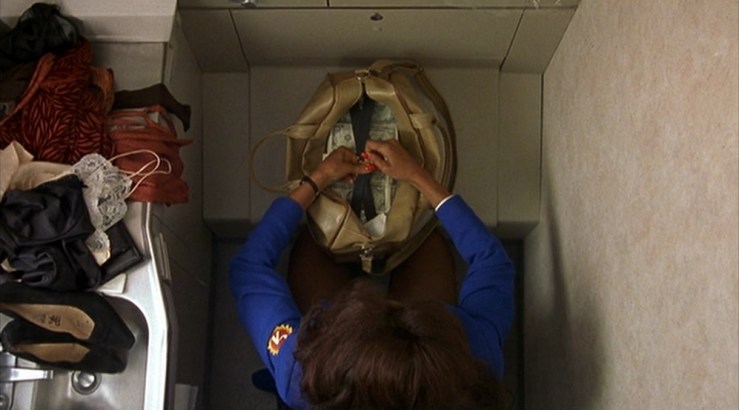
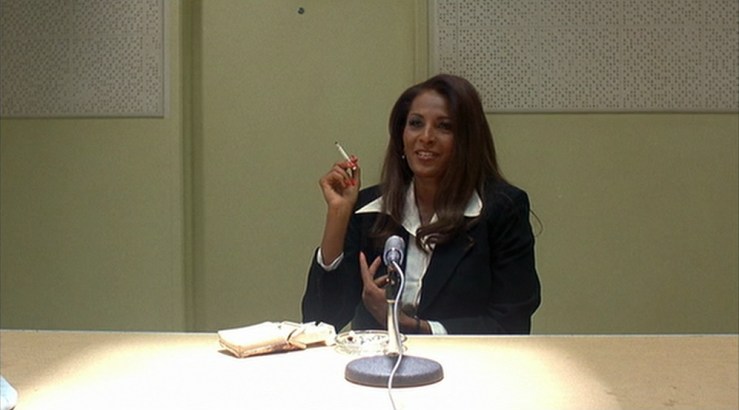
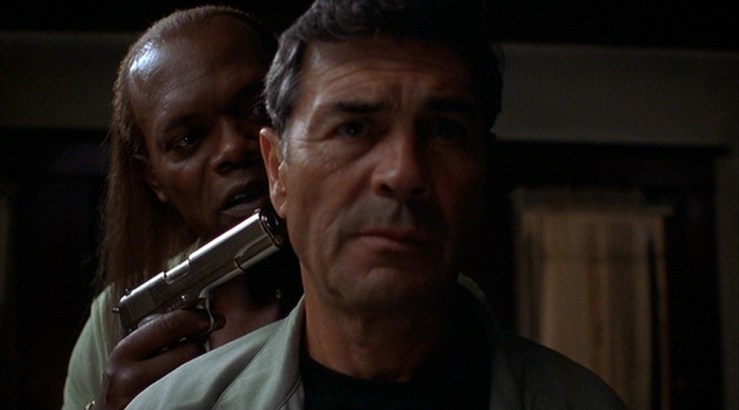
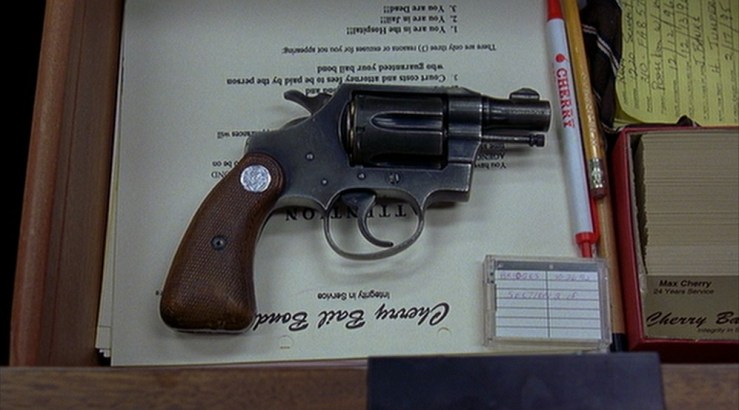
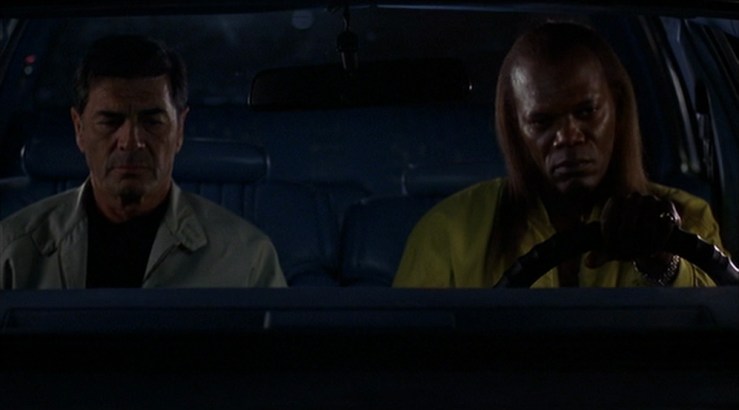
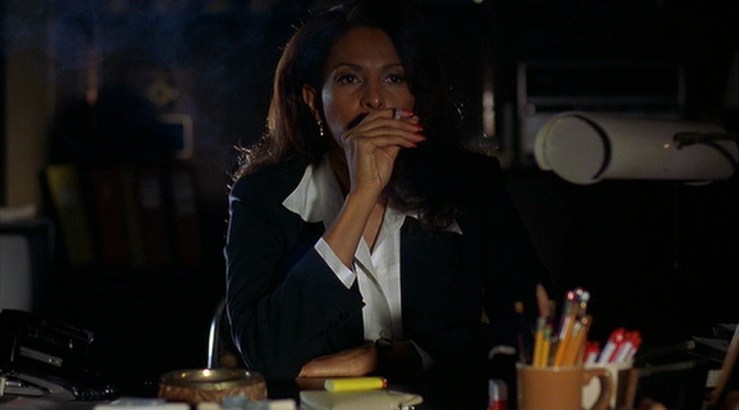
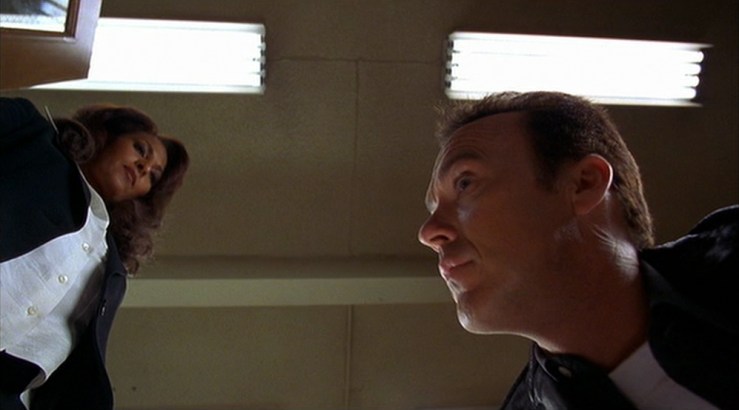
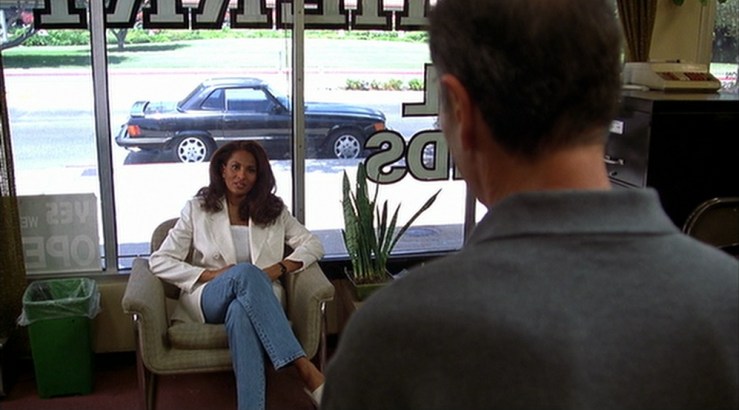
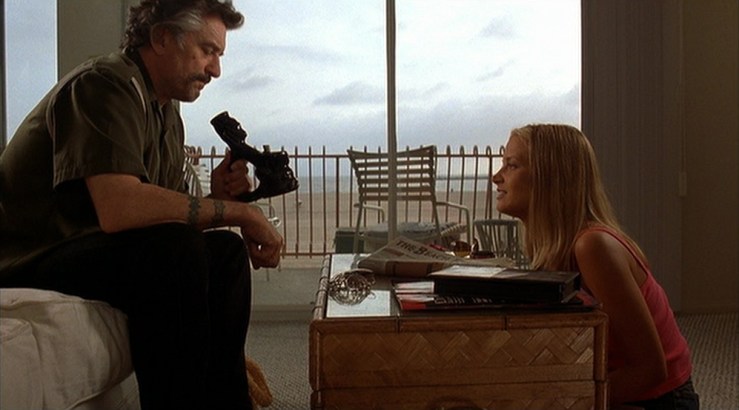
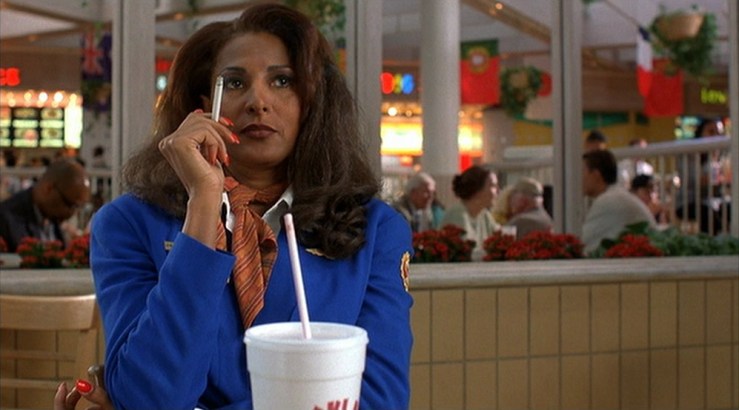
25 still frames from Quentin Tarantino’s Jackie Brown

64 (393)01 (522)03 (521)05 (522)08 (522)20 (532)21 (532)24 (532)25 (532)26 (532)27 (532)28 (531)30 (531)31 (528)32 (530)37 (529)43 (522)53 (498)54 (494)56 (484)58 (479)59 (475)62 (434)63 (410)65 (357)

From Jackie Brown, 1997. Directed by Quentin Tarantino with cinematography by Guillermo Navarro. Via Film Grab. RIP Robert Forster.

“Funeral Home” — Daniel Johnston

RIP Daniel Johnston, 1961-2019

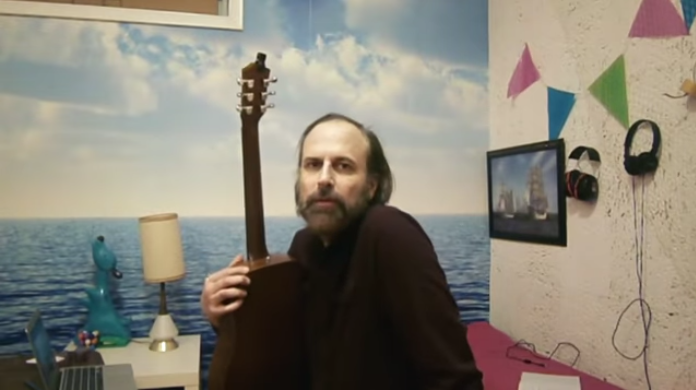
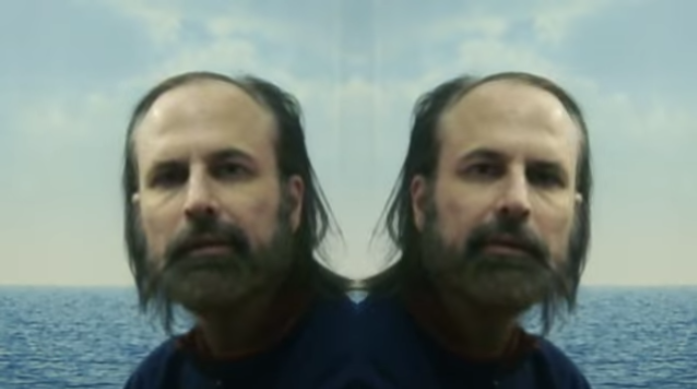
For David Berman

Screenshot 2019-05-17 at 3.48.03 PM.png

I wish David Berman were still alive.

That’s the thing that I want to say.

I’m sitting here on a black leather couch with scratched arms—the couch’s arms are scratched not mine, scratched by a cat named Remy who ran away years ago—I’m sitting here typing these dumb words while my daughter is a few feet off at the kitchen table working on a summer reading essay she should have started ages ago. The essay is on The Outsiders. She’s letting me help her, for once, but she’s complaining about the help, which is mostly in the form of questions by me—Why does it matter that they hide in a church? What does Frost’s poem mean? How does Johnny interpret the poem? What does it mean to save someone at great cost to yourself? She’d rather have answers.

I have a lot of tabs open on my browser, too. I’m looking through recent posts on Menthol Mountains, the blog of the late David Berman, who died yesterday way too young at 52, David Berman the singer-songwriter, the poet, the author of six Silver Jews albums and the slim poetry collection Actual Air and most recently an album called Purple Mountains by a band called Purple Mountains; David Berman, who died yesterday way too young at 52, was a voice in my ear and in my head from the time I was 15.

The last post on Menthol Mountains is a bunch of quotes from the Austrian writer Thomas Bernhard. The first quote is:

Q: Why are you so allergic to interviews?

A: Try to picture yourself being shackled hand and foot to a tree, and someone firing a machine gun at you. Don’t you think that would make you a bit tense?

Was Berman allergic to interviews himself? He did a surprising number for the release of the Purple Mountains record. (John Lingan’s profile in The Ringer is particularly outstanding.) Most of the interviews and profiles told a sad story, a man living in a one-room apartment in the back of his record label Drag City’s offices, trying to stay sober. A man whose wife and ally and bandmate Cassie had left him; a man whose mother, an anchor in his life, had died in 2016. A man still estranged from his evil father.

These sad details are expressed in every lyric and chord of the Purple Mountains record. It opens with “That’s Just the Way That I Feel,” an unusually plain and plaintive title for Berman. The song begins thus:

Well, I don’t like talkin’ to myself
But someone’s gotta say it, hell
I mean, things have not been going well
This time I think I finally fucked myself

(The opener “Well, I don’t” echoes the opening of “How to Rent a Room,” the first track of my favorite Silver Jews record, The Natural Bridge: “No I don’t really want to die
/ I only want to die in your eyes.”)

“This time I think I finally fucked myself.” Purple Mountains returns to this idea of fucking oneself in the last song, “Maybe I’m the Only One for Me”:

If no one’s fond of fucking me
Maybe no one’s fucking fond of me
Yeah, maybe I’m the only one for me

I could pick through the record more, pull line after line out—I’ve been listening to the thing almost every day for a month—but the titles alone signal Berman’s deep pain: “She’s Making Friends, I’m Turning Stranger”; “Darkness and Cold”; “Nights that Won’t Happen”; the song “I Loved Being My Mother’s Son” is heartbreaking and I’ve found myself getting up to skip it because it’s too painful. Berman channeled all that pain into something beautiful; Purple Mountains is probably his best, most sincere, cohesive record. I hate that it was his last one, and I hate that its opening lines seemed to warn us—here’s the next set of lines from “That’s Just the Way That I Feel”:

You see, the life I live is sickening
I spent a decade playing chicken with oblivion
Day to day, I’m neck and neck with giving in
I’m the same old wreck I’ve always been

I’m not sure if I can listen to the record any time soon.

I was thrilled when Berman made new music. I wrote about hearing “All My Happiness Is Gone” for the first time, although I was really writing about myself, like I am here, and a friend, the friend who texted me three months ago to tell me that there was new music by David Berman and the friend who texted me last night to tell me that David Berman died. I was making dinner and my nephew and niece were over for the night and I was cooking angel hair pasta and I cried and I overcooked the angel hair pasta.

I wish David Berman were still alive.

(I’ve gotten up from the black leather cat-scratched couch a few times to look in on my daughter’s essay, which seems to be focusing on saving people and trying to stay golden and all that jazz.)

Back on Menthol Mountains, Berman’s blog, scrolling through more Thomas Bernhard quotes, and I see this one, from my favorite Bernhard novel Gargoyles:

Everyone, he went on, speaks a language he does not understand, but which now and then is understood by others. That is enough to permit one to exist and at least to be misunderstood.

Did Berman understand his own language? I felt like I understood him, even at his most cryptic, in the poems of Actual Air or the lyrics of some of the weirder Silver Jews songs. Again, I felt like this was someone talking to me. I took “Advice to the Graduate” personally:

Sleep on your back and ash in your shoes
And always use the old sense of the words
Your third drink will lead you astray
Wandering down the backstreets of the world

I’m thinking now of the lines after those, too

On the last day of your life, don’t forget to die
The things that you do will always make your mama cry

It’s a little past noon now and my daughter is still writing, and I’m still writing, and I know she’s managed to say more than I have—that’s she’s over there spelling out what it means to sacrifice for others, what it means to stay gold and care about sunsets, and etc. But I think she might need me to make her a sandwich now.

I wish David Berman had forgotten to die.
Screenshot 2019-05-17 at 3.51.11 PM

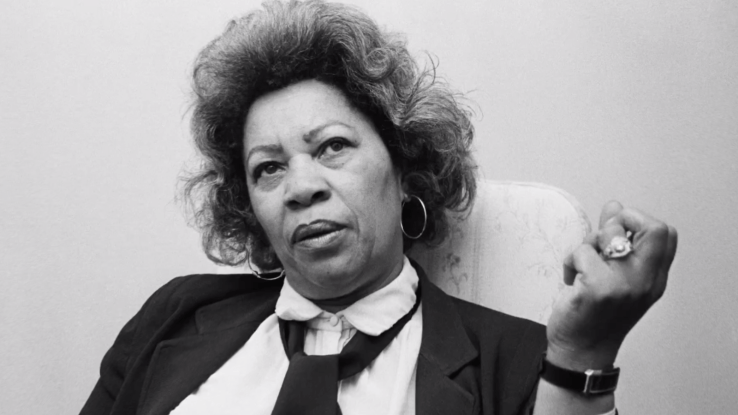
RIP Toni Morrison

bdkyvyujr2crj4r4q8gm

RIP Toni Morrison, 1931-2019

The great American writer Toni Morrison died yesterday at the age of 88. Morrsion was a writer, academic, teacher, and playwright (among many other things), but will likely be best remembered for her eleven novels, which include Beloved (1987), The Bluest Eye (1970), and most recently God Help the Child (2015). Morrison’s slim essay collection Playing in the Dark (1992) remains a standard in college classrooms.

Playing in the Dark was probably the first thing I read by Morrison. I read it more than 20 years ago in a college classroom, and it was one of the first works of cultural criticism I’d read. I think I was probably too young to fully appreciate its scope, but I’ve since used elements of it (as well as Morrison’s essay on Adventures of Huckleberry Finn) in my own classes many times. Beloved, which I read around the same time, also as an undergraduate, had a more profound, visceral effect on me.
While Beloved, a mature exercise published when the author was in her fifties, is likely to be the book most people associate with Morrison, her early novels are especially compelling. The Bluest Eye is a study in abjection, painful, rich, fertile. The follow up, Sula (1973), centers on a black township in Ohio in the thirties. It’s also a painful and beautifully-written novel. Song of Solomon (1977) is maybe my favorite Morrison novel. Its protagonist Milkman Dead remains one of her most complex and memorable figures. I tend to think of these three early novels as a fecund trilogy, the rich base from which Morrison’s themes of race, memory, location, family, identity, and love continued to grow. These themes continued throughout her works, notably Beloved, of course, as well as Jazz (1992) and Paradise (1997). Morrison’s later works are perhaps underread or understudied compared to her early and middle period, but her 2008 novel A Mercy is a particularly focused and strong exploration of the myth of early America. It remains one of my favorites by Morrison. Morrison published two novels after: Home (2012) and God Help the Child. She also wrote the libretto for the opera Margaret Garner (2005), who was the historical inspiration for Beloved. Days after the 2016 election, Morrison published “Making America White Again” in The New Yorker.
A documentary film about her life, Toni Morrison: The Pieces I Am is in theaters now.