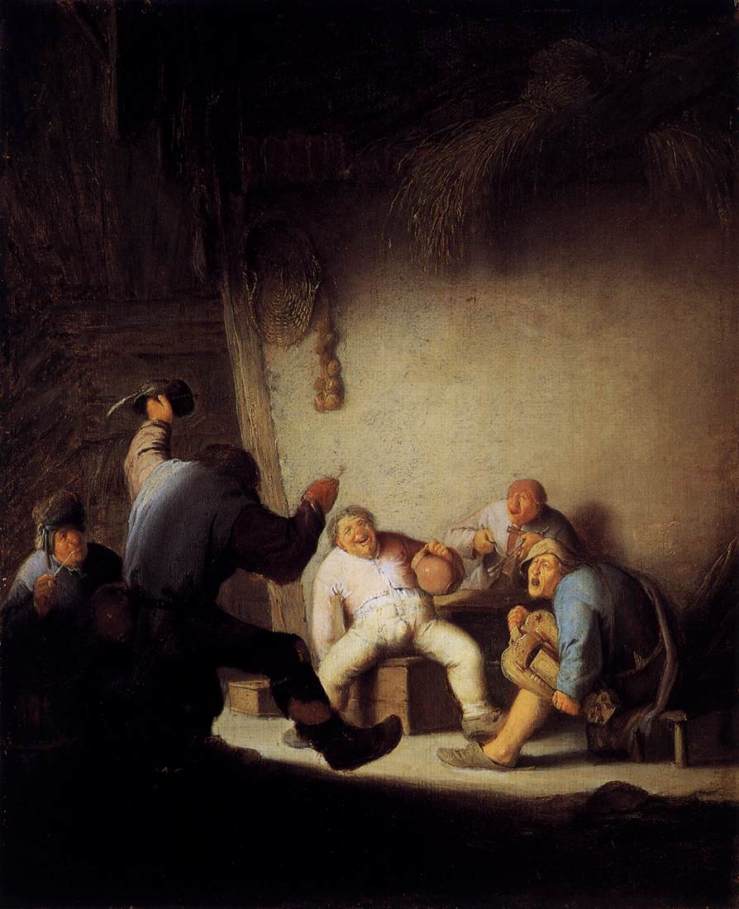
Peasants Drinking and Making Music in a Barn — Adriaen van Ostade

peasants-drinking-and-making-music-in-a-barn

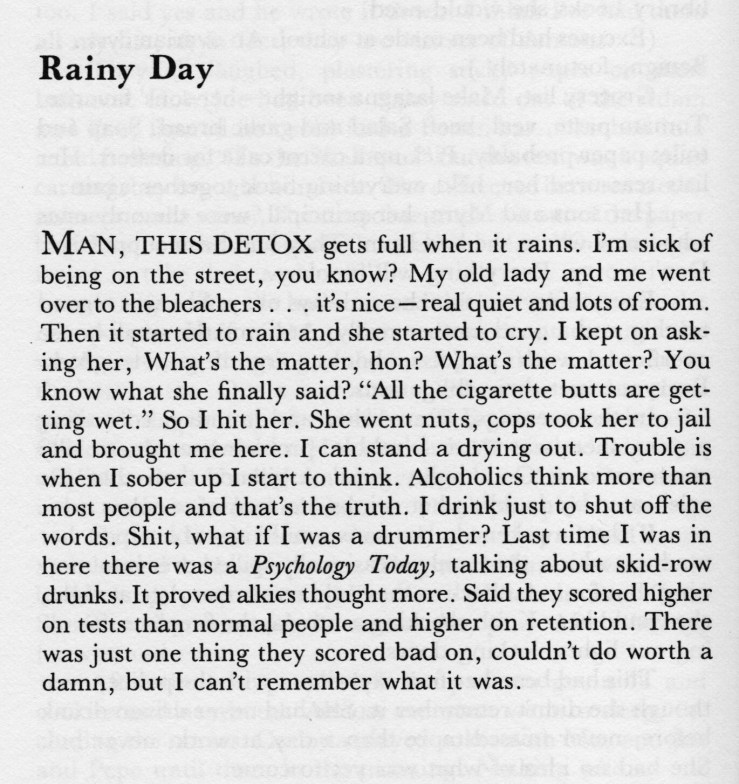
“Rainy Day” — Lucia Berlin

img_2376-1

Tiny Splendor’s Box of Books Vol IX (Books acquired, 5.14.2016)

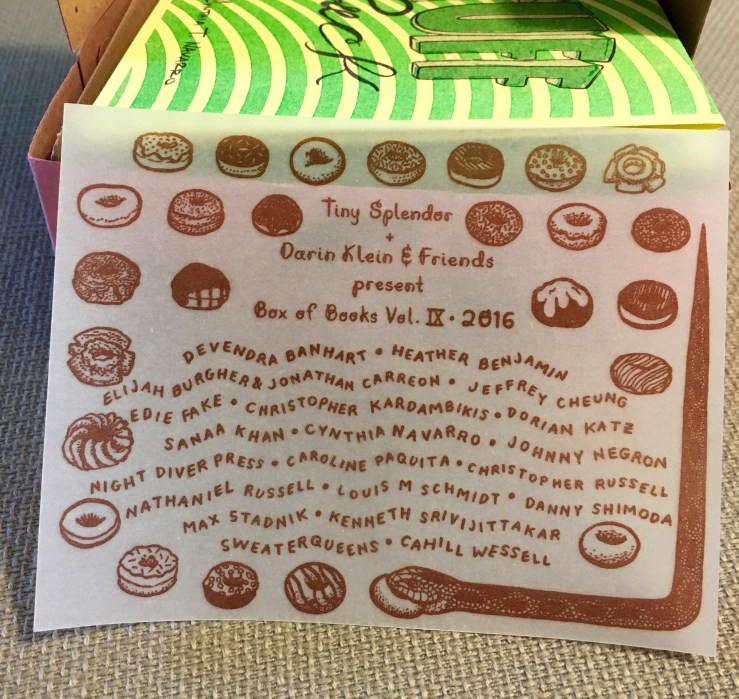
My friend gave me Tiny Splendor’s Box of Books, Vol. IX last weekend.

Here’s the tracklist:

img_2367

I was initially trying to limit myself to looking at one a day but then stopped trying to limit myself to looking at one a day and now I’ve looked at all of them. (Is “look” the right verb? Not sure. “Book” may not be the right noun, either. These book pamphlet art zine comic things are fun though).

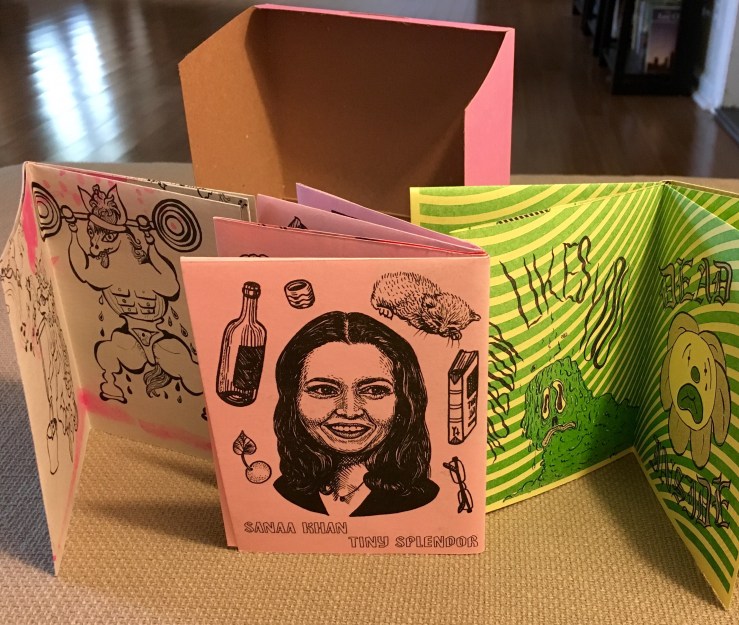
This is what a few of the books look like out of the box:

img_2369

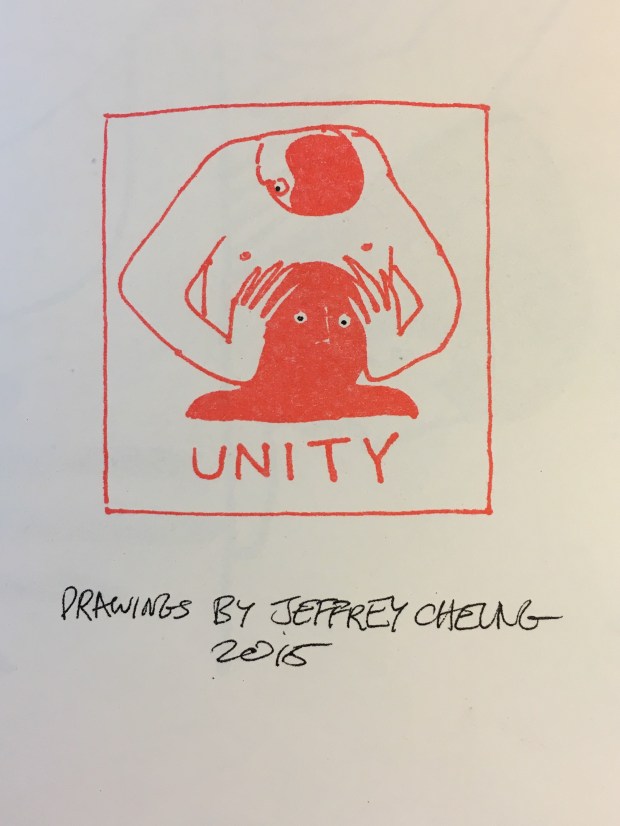
Jeffrey Cheung’s book cracked me up.

img_2371

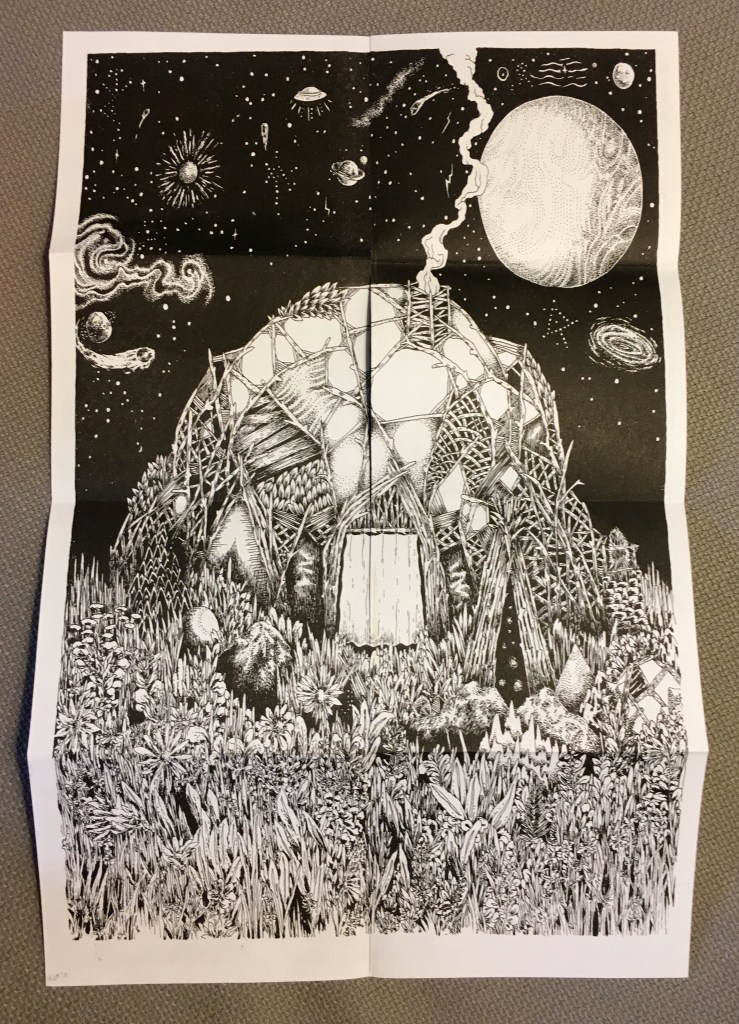
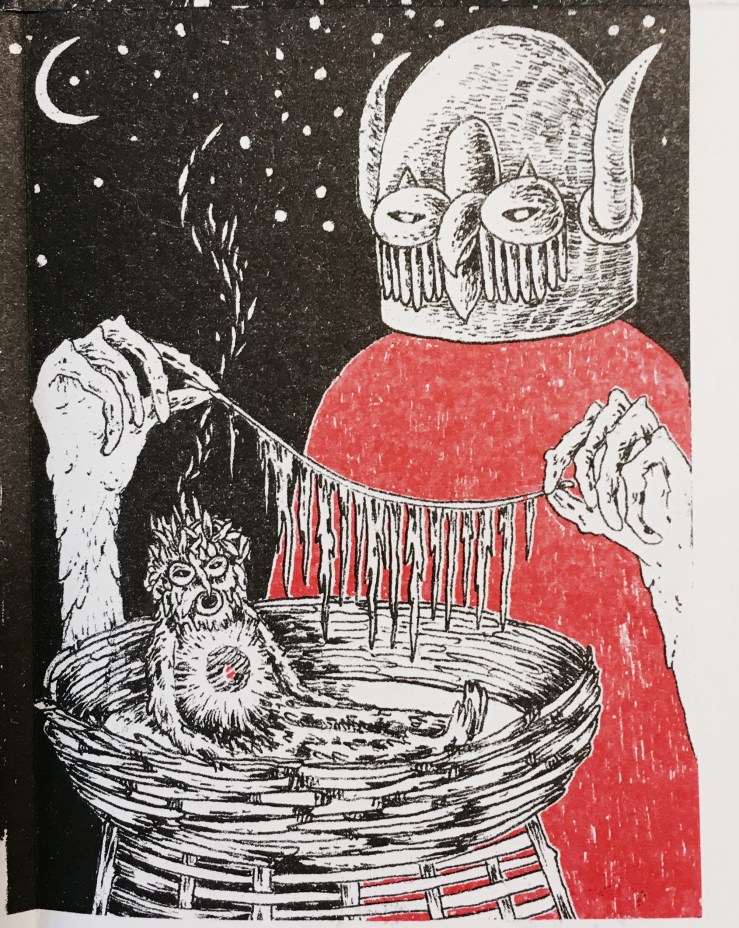
And I really really dig Danny Shimodaa’s contribution:

img_2372 img_2373

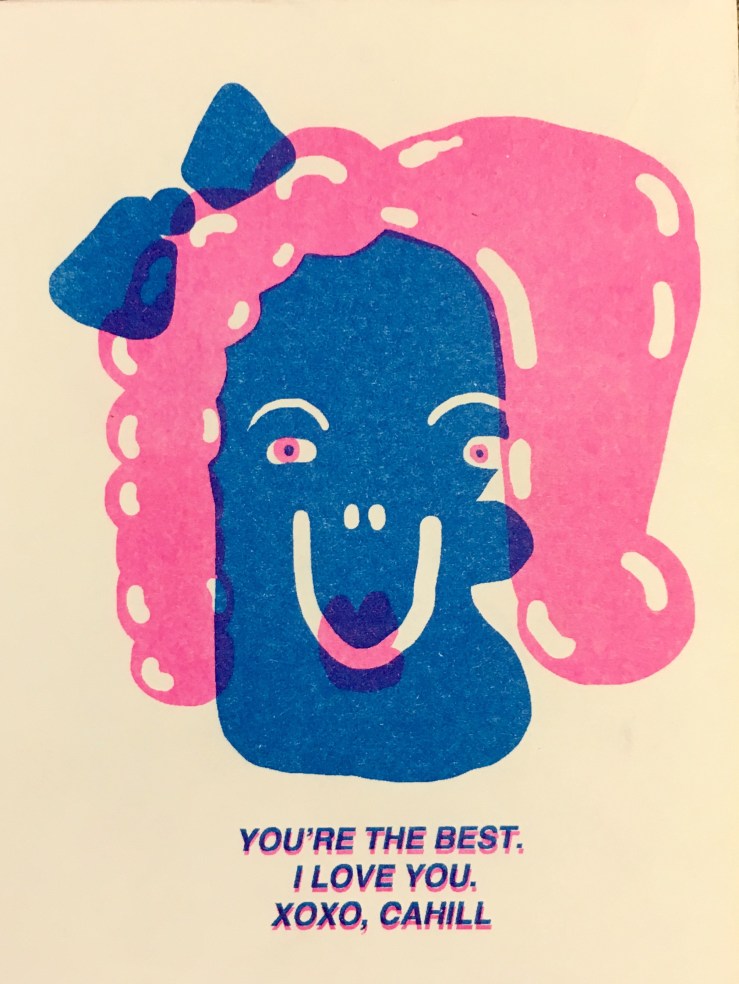
And I’ll end the post with positive vibes from Cahill Wesson:img_2374


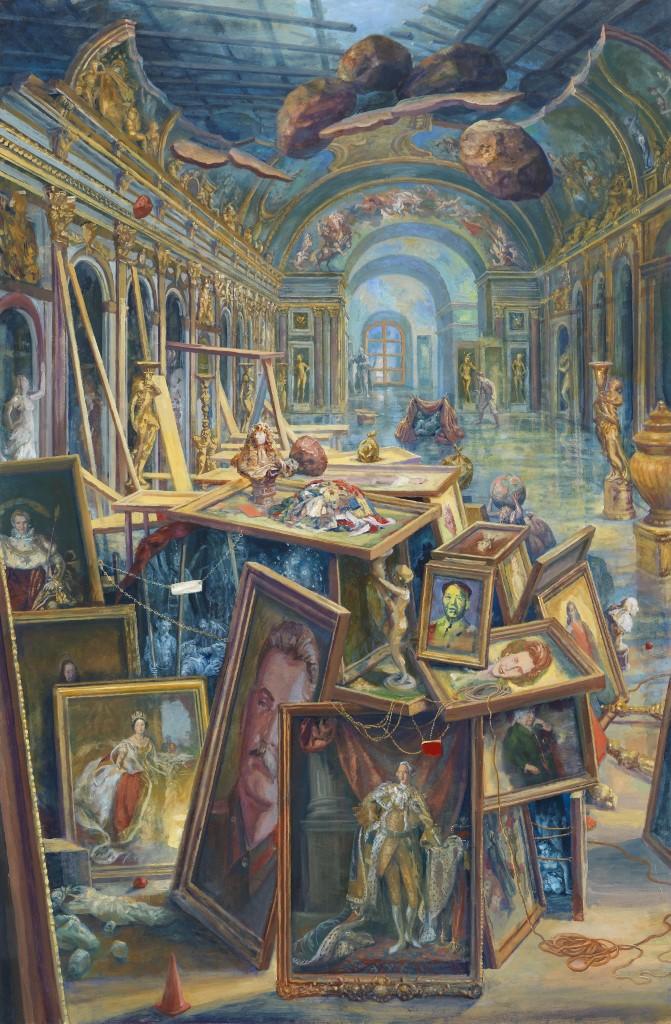
Self Portrait as Shantytown — Julie Heffernan

heffernan-self20portrait20as20shantytown2c2020142028671x102429

M

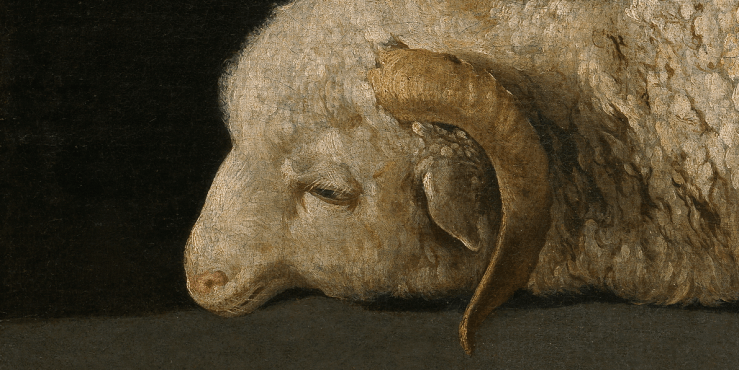
Agnus Dei (detail) — Francisco de Zurbarán

Screenshot 2016-05-19 at 6.06.47 PM

No possibility of transcendence (Elena Ferrante)

I’m always surprised when someone points out as a flaw the fact that my stories contain no possibility of transcendence. Here I’d like to move on to a statement of principle: since the age of fifteen, I haven’t believed in the kingdom of any God, in Heaven or on Earth—in fact, wherever you place it, it seems dangerous to me. On the other hand, I share the opinion that most of the concepts we work with have a theological origin. Theology helps us understand the origins of the dregs we even now resort to. As for the rest, I don’t know what to tell you. I’m comforted by stories that emerge through horror to a turning point, stories in which someone is redeemed as confirmation that peace and happiness are possible, or that one can return to a private or public Eden. But I tried to write a story like that, long ago, and I discovered that I didn’t believe in it. I’m drawn, rather, to images of crisis, to seals that are broken. When shapes lose their contours, we see what most terrifies us, as in Ovid’s “Metamorphoses,” Kafka’s “Metamorphosis,” and Clarice Lispector’s extraordinary “Passion According to G.H.” You don’t go beyond that; you have to take a step back and, to survive, reënter some good fiction. I don’t believe, however, that every fiction we orchestrate is good. I cling to those that are painful, those that arise from a profound crisis of all our illusions. I love unreal things when they show signs of firsthand knowledge of the terror, and hence an awareness that they are unreal, that they will not hold up for long against the collisions. Human beings are extremely violent animals, and the violence they are always ready to use in order to impose their own eternal, salvific life vest, while shattering those of others, is frightening.

Elena Ferrante in conversation with novelist Nicola Lagioia. English translation by Ann Goldstein. The full exchange between Lagioia and Ferrante will be published in Frantumaglia: An Author’s Journey Told Through Letters, Interviews, and Occasional Writings this fall. Read a longer (and fascinating) excerpt at The New Yorker. 

leis: track, footprint, furrow.

img_2356

From Joseph T. Shipley’s The Origin of English Words: A Discursive Dictionary of Indo-European Roots.

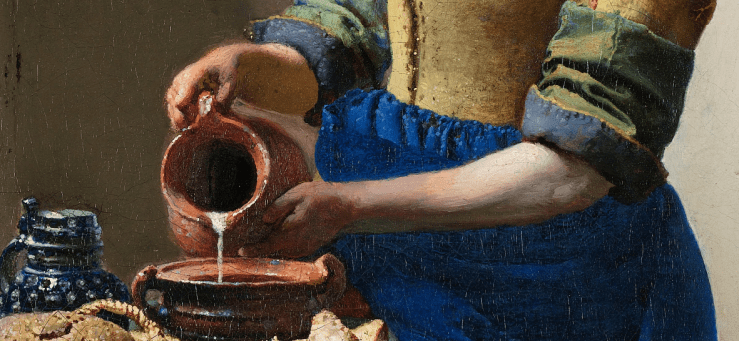
The Milkmaid (detail) — Johannes Vermeer

Screenshot 2016-05-19 at 10.54.13 AM

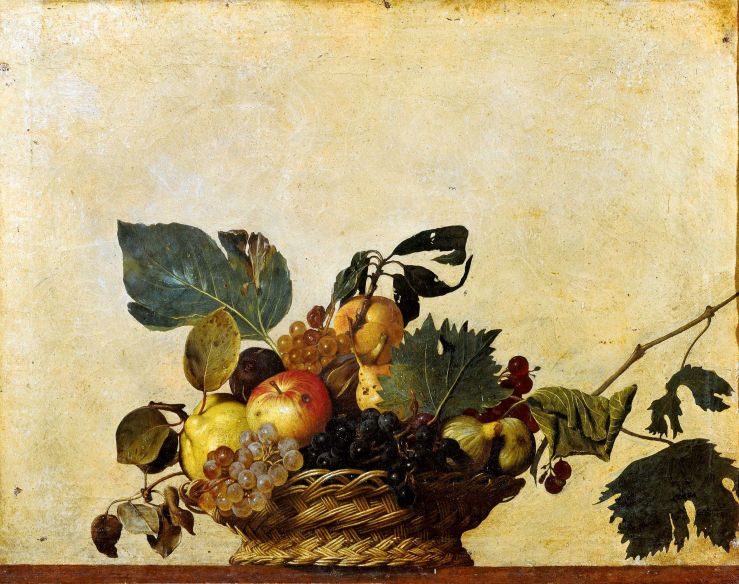
Basket of Fruit — Caravaggio

canestra_di_frutta_caravaggio

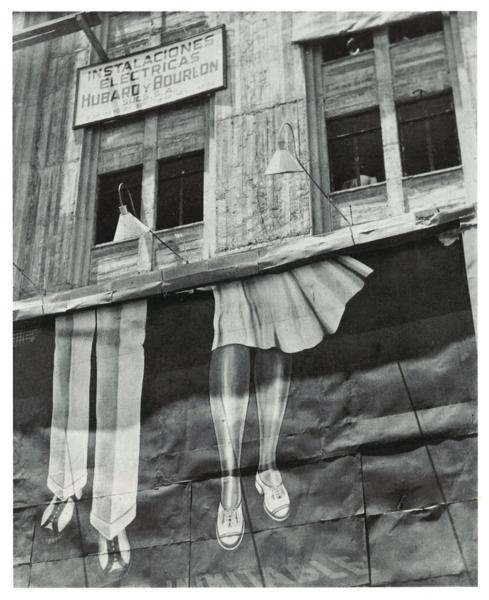
Two Pairs of Legs — Manuel Alvarez Bravo

two-pairs-of-legs-1929large

Vanitas (detail) — Hans Baldung

Screenshot 2016-05-18 at 1.10.53 PM

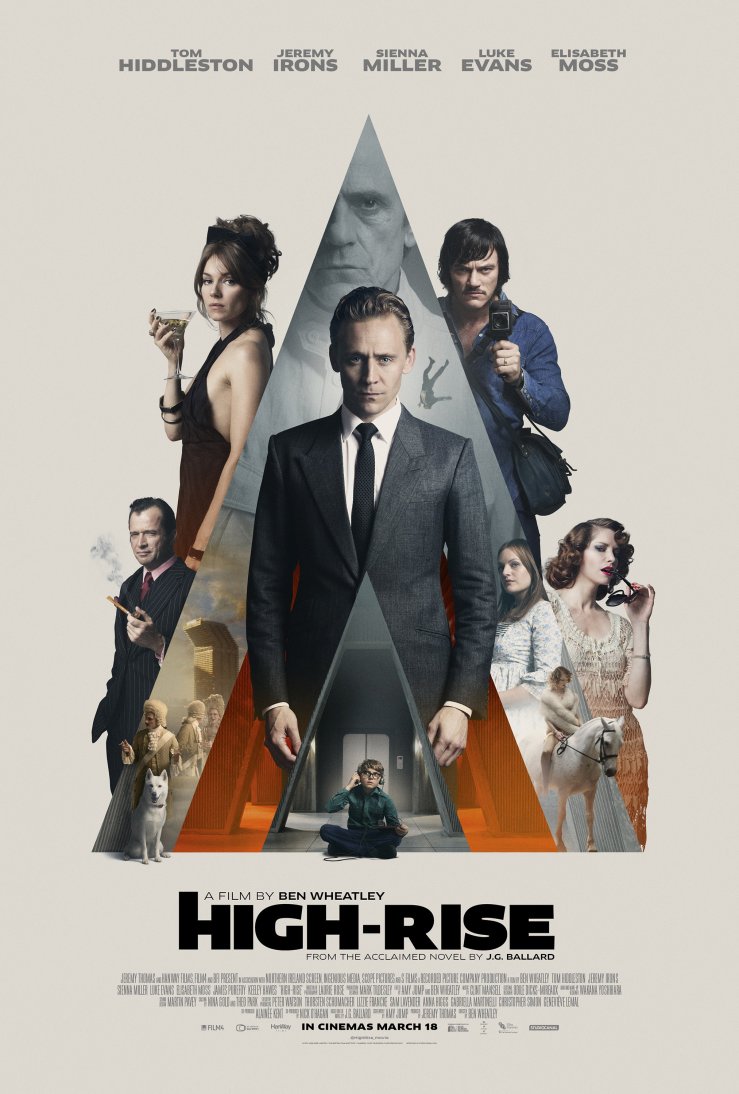
Despite our Ballardian present, the High-Rise film adaptation is a nostalgia piece

high-rise-poster

  1. Our present is utterly Ballardian.
  2. Our present is so utterly Ballardian that our present is actually our (unevenly distributed) future.
  3. Like, what is the 2016 U.S. presidential election but a short story Ballard might have written in 1983 (and hopefully thrown in the trash)?
  4. Ballard’s 1975 novel High-Rise is particularly concerned with this present-future condition: the phrase to come (as in a future to come) repeats throughout the novel, a key dissonant note.
  5. Near the end of the novel, Ballard’s free indirect style drifts into the mind of protagonist Robert Laing:

    ...he found it difficult not to believe that they were living in a future that had already taken place, and was now exhausted.

  6. A version of this line shows up in the first minutes of director Ben Wheatley’s 2015 film adaptation of High-Rise.
  7. While Ballard’s satire evokes the post-future’s psychological (ir)reality, Wheatley’s film adaptation feels like a nostalgic period piece for a future that came and skedaddled. Perhaps he (and his fellow filmmakers—screenwriter Amy Jump, the editor, the set designers and costumers, etc.) found it impossible to do more than stylistically recapitulate the Modernist contours that Ballard transcended.
  8. Critic Tasha Robinson lays it out neatly in her proper review at The Verge:

    The retro cars, suits, and architecture all put High-Rise more in a quaint, remote past than a dystopian future. They also add to the sense of otherworldliness that hangs over the film.

    And so does the sense that High-Rise is driven more by Wheatley’s poster-ready striking images —€” a suicide falling from a high balcony in ultra slow motion, Laing expressionless and spattered with paint — than by any sort of human drives.

  9. (I modify “review” in the above with “proper” because Robinson wrote a real review; I’m not doing that here. I think her take on the film is far more detailed and broad than what I’m doing here, and certainly attends more to the, like, plot of the film—even as she acknowledges that the plot basically gets put on the back-burner for long stretches).
  10. So probably my biggest quibble with the High-Rise film adaptation is its nostalgia, its obsession with midcentury modernism and Brutalism and style—by which I mean the idea of style—over, like, ideas. 
  11. Those ideas: Ballard’s central critiques of capitalism, consumerism, and class do come through in the film, but Wheatley and his team resist giving them any air to breathe, let alone room to stretch their legs. (My god. Forgive me these metaphors, this terrible personification).
  12. There are very, very few scenes in the film where people exchange ideas.
  13. Instead, ideas are wedged in, often in snippets lifted directly from the book, crammed quickly into a frame that will surely veer back into the film’s main technique: Montage!
  14. The first chapter of Ballard’s novel is titled “Critical Mass.” As I pointed out in my review of the novel, “Ballard dispenses with any simmering in his tale of depraved debauchery,” and gets his pot boiling in a hurry.
  15. In contrast, Wheatley’s film gets a slower—but strong—start. (The first 50 or so minutes are actually pretty great).
  16. At its midway point though, the High-Rise film tries to pick up the pace—dramatically. The solution is montage after montage.
  17. Indeed, the final hour of the film slips into a state of near-constant montage. The big set piece scenes (y’know—dance parties and food riots and orgies and the like) dissolve into the film’s frenetic technique. It often feels as if Wheatley is more interested in making a bunch of cool music videos than a film. While this jumpy method might have been the filmmakers’ intention—y’know, to evoke paranoia, anxiety, exhaustion, claustrophobia, etc.—the result, at least for me, was a kind of paradoxical lethargy, a creeping dullness.
  18. Key moments, like the first encounter between Wilder and Royal for example, fly by in rushed blips. It’s as if Wheatley was afraid that if he let two people talk on-screen for more than 30 seconds the viewers would not, y’know, pick up on the fact that we are witnessing the thin veneer of society crack open revealing an abject tumult of sex and violence underneath.
  19. (Wilder—the Id man! Royal the Superego. So much of Ballard’s psychological stuff gets lost in the film, which foregrounds class hierarchy instead of synthesizing the two. But that’s a separate quibble).
  20. What were likely great performances (and much potential for humor) get lost in all the short cuts and montage.
  21. Still:  Sienna Miller is great as Charlotte Melville, and Tom Hiddleston is charming enough.
  22. But best in the film—at least for me—is Elizabeth Moss as Wilder’s pregnant wife Helen.
  23. Still, the filmmakers insist on mining her pregnancy for cheap nostalgic jokes—she’s always smoking, always finishing a drink or pouring a new one.
  24. Which brings me back to: Why a period piece? Why not update High-Rise—or, even better take it outside of time completely?
  25. (It will be interesting to look at the film in twenty years: Oh! These were the aesthetic obsessions of the 2010’s, these were the nostalgic totems of that silly decade).
  26. (And while I’m wedging points in parenthetically in a rush: The ending. I read the novel’s conclusion ironically—the high-rise is a phallic failure, and as its patriarchy devolves into chaos and death, a matriarchy arises (or maybe coalesces is the verb I want). But the film concludes more ambiguously—sure, it points to the idea of a matriarchy (or harem)—but it leaves Laing in the kind of alpha male position that the novel had sought to ironize).
  27. And, to return to point 24: Did the filmmakers underestimate the currency of Ballard’s satire? We live in an era of radical wealth inequality, where the richest in our society are rapidly establishing their own private greenzones away from the plebeians. High-Rise is more timely now than ever.
  28. (A short list of (non-)adaptations of J.G. Ballard’s High-Rise: Pete Travis’s Dredd (2012), Matteo Garrone’s Gomorra (2008), and George Romero’s Land of the Dead (2005)).
  29. (And re: point 27 w/r/t adaptations—in a sense, Ballard adapted/revised the novel himself in his 2003 novel Millennium People).
  30. Reading back over this riff, briefly, I see that there’s so much I left out—on stuff the filmmakers left out (why change the key plot point of Laing’s sister?)—on stuff I should’ve praised more (great soundtrack; good cinematography)—but most of all, what doesn’t come through is my admiration that the filmmakers tried. And they tried hard, successfully evoking a Ballardian style. But while the High-Rise adaptation delivers Ballardian style, that Ballardian style only points at itself, and not at our Ballardian present, our Ballardian future.

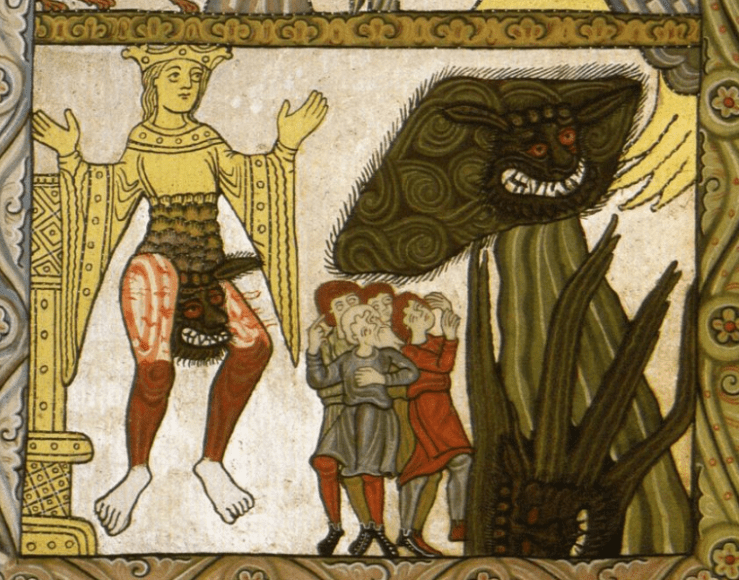
Vision of the Last Days (detail) — Hildegard of Bingen

Screenshot 2016-05-17 at 3.27.52 PM

In American Candide, Mahendra Singh reboots Voltaire’s classic satire

tumblr_o71467dk931s4y9aso1_1280

About halfway through Mahendra Singh’s American Candide, our omniscientish (yet beguiled) narrator slows down for a moment to offer an internal critique (and useful summary) of the novel thus far:

If Candide could address the reader right now, he would probably apologize for both the breakneck pace and pixelated tenor of his adventures so far. Modern literature evolved beyond that sort of thing long ago, and an easy-to-swallow plot enlivened with a soupçon of ironic handwringing is all the rage today. The idea of a fictional hero running afoul of angry fathers, jihadi terrorists, secret police, corporate mercenaries, a cable TV network, and a secret cabal of global warmers simply boggles the reader’s mind, an authorial fate worse than death.

And yet of course many readers enjoy a good mind boggling every now and then.

I do, anyway.

Our narrator’s little condensation of the novel thus far reminds us that stylistically and formally, American Candide is a true heir to Voltaire’s Candide. Both novels offer a “breakneck pace and pixelated tenor”; both novels pulse with picaresque energy; both novels drip with delightfully venomous satiric acid; both novels are basically one-damn-thing-happening-after-another. Both novels are funny as fuck all.

Our narrator’s quick summary also jabs at the limitations of contemporary socially-conscious-realistic fiction—you know, “serious literature”—which limitations American Candide dispenses with in favor of frenzied fun. Instead of a soupçon of ironic handwringing, we get full-blown glorious agitation.

What’s all the agitation over?

American Candide’s full title is American Candide; or Neo-Optimism, a direct nod to Voltaire’s full title, Candide; or Optimism. But Singh’s subtitular prefix points to other connotations: Neoliberalism, neoconservatism—hell, neofascism—but most of all, the irony that very little of human nature really has changed in three centuries. The big ideals of the Enlightenment continue to radiate too radically for some folks.

tumblr_o6f5s07t9a1s4y9aso1_1280

To wit, American Candide carves sharply into the last two decades, synthesizing the dangerous follies of the Bush Gang (and the subsequent fallout of their crimes) into a kind of mythical transposition. Singh offers a cruel fun satire of the neo-optimism that underwrites blind belief in “the better-than-best of all possible worlds, 21st-century America”. The novel’s satirical sting is simultaneously sweetened by intense humor and painfully amplified by the cruel realism underneath Singh’s zany hyperbole. Tell all the truth but tell it slant, as the poet advised.

And so American Candide is terribly terribly funny but also terribly terribly sad.

For example, Singh’s take on Hurricane Katrina shows American Candide’s capacity to condense historical critique into sharp moments that bristle with anger leavened in caustic humor:

The offending hurricane was clearly an act of god, and the Freedonian government prided itself on its special relationship with god.

Another snippet (“Hooterville” is New Orleans’s Freedonian stunt double):

The winds howled, the clouds unleashed a torrential rain, and the fetid waters of an entire ocean climbed over the heads of those surviving Hootervillains too patently lazy to live on higher ground.

Just a page or two later, Candide and Pangloss mistake armed and uniformed authorities for civil peacekeepers:

Rah! Ooh! We’re better than best police! … We’re Tender-Mercynaries® from Baron Incorporated, booyah, and this is a federally-restricted emergency disaster area, yoot-yoot rah booh!

Instead of helping our heroes, the mercenaries abduct, torture, and interrogate them. Candide and Pangloss find themselves in black hoods at a black site, and even though our young hero “had been lightly sodomized and beaten and even urinated upon…his innermost Freedonian convictions had not been too badly shaken.”

It’s the reader who shakes, in a mix of laughter and rage. The world of American Candide is simply our own world dressed up in a satirical frock that somehow reveals, rather than covers over, our society’s garish ugliness, our addictions to binding illusions. Man is born free, and everywhere he is in chains, commented Rousseau (Voltaire hated Rousseau).
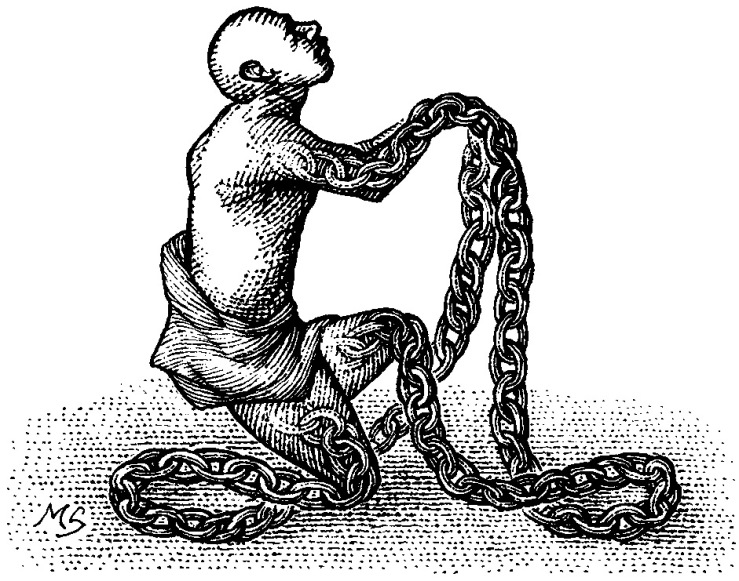
tumblr_o70wqo1hoq1s4y9aso1_1280

American Candide’s  blurb warns that, “College-boy sissies will call it a Juvenalian satire upon America’s penchant for mindless optimism and casual racism.” Hooray for college-boy sissies! But no, really, I think that’s a fair assessment—as is Singh’s Candide’s assessment from the aforementioned blurb: “rage against the rage, Voltaire-dude!”

But it’s not just rage: Laughter—laughter in the all-seeing eye of absurdity—it’s laughter that undergirds American Candide.

img_1468

In a review of Lowell Blair’s translation of Voltaire’s Candide, I suggested:

The book’s longevity might easily be attributed to its prescience, for Voltaire’s uncanny ability to swiftly and expertly assassinate all the rhetorical and philosophical veils by which civilization hides its inclinations to predation and evil. But it’s more than that. Pointing out that humanity is ugly and nasty and hypocritical is perhaps easy enough, but few writers can do this in a way that is as entertaining as what we find in Candide.

Singh’s update-reboot-translation of Candide fittingly answers Voltaire’s pessimistic prescience with not just bitter affirmations of contemporary predation and evil, but also with an eye toward entertainment—to the affirmations of laughter.

[Note: All the illustrations in this review are by Mahendra Singh, and are part of American Candide].
The Pink Shirt — Tamara de Lempicka

tamara-de-lempicka-the-pink-shirt-i

A Chameleon — Ustad Mansur

a-chameleon-1612large