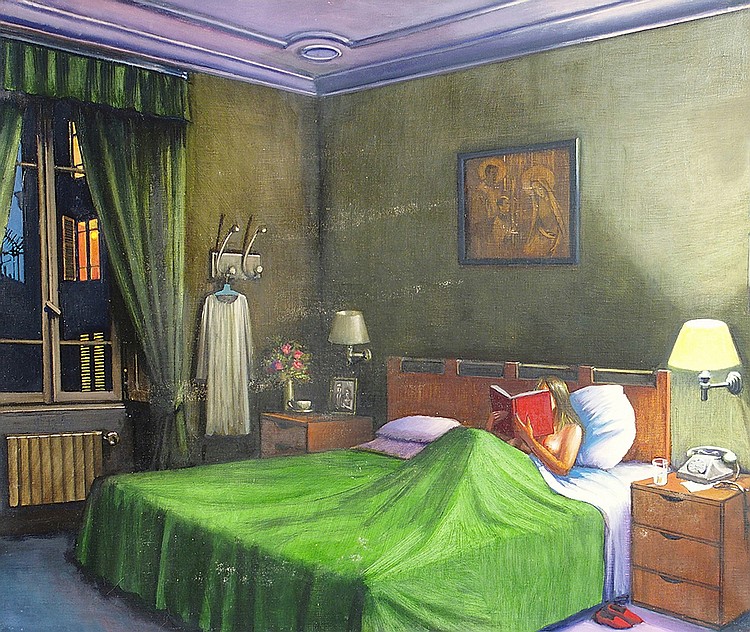
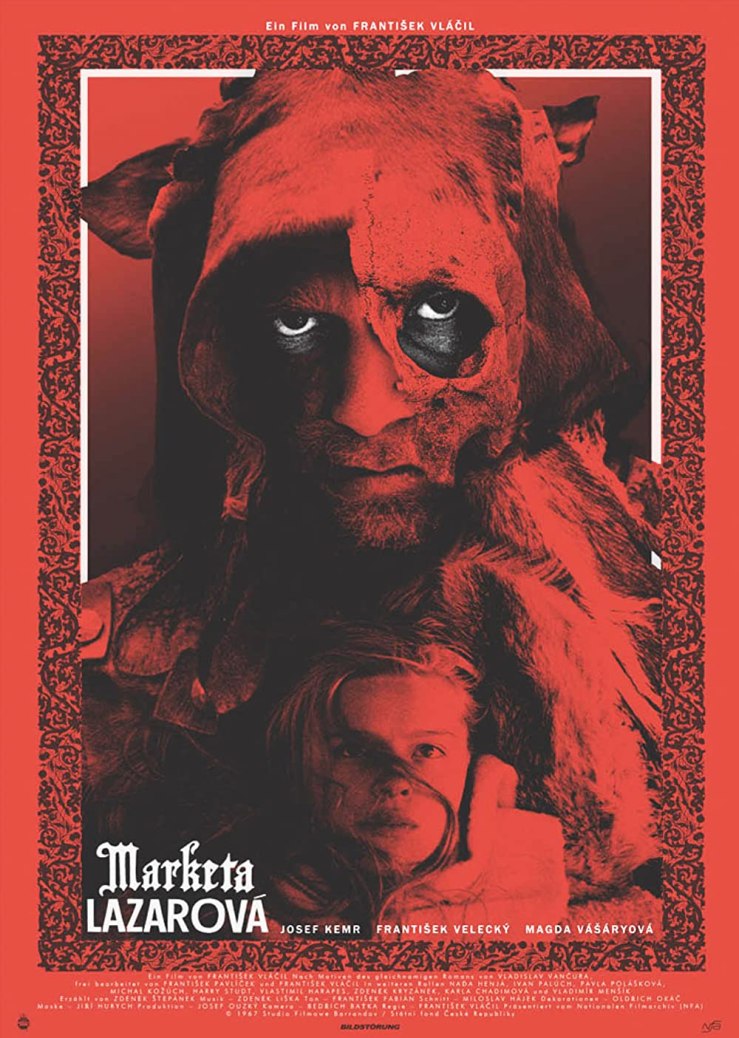
The Monster — Odilon Redon

The Monster, Odilon Redon (1840–1916)

A review of My Phantoms, Gwendoline Riley’s novel of disappointed expectations

Gwendoline Riley’s novel My Phantoms is not so much a sad novel as it is an unhappy one—an unhappy novel about an unhappy family. Some joker once suggested that every unhappy family is unhappy in its own way, but the unhappiness of the unhappy family evoked in My Phantoms will feel familiar to anyone who grew up with a narcissistic or depressed, passive-aggressive parent.

Our unhappy family are the Grants: mom Helen (“Hen”), father Lee, and sisters Michelle and Bridget (“Bridge”). Bridge is our narrator and her foil is mother Hen. In some ways, My Phantoms amounts to an oblique biography Hen, one patched together through estrangement and emotional distance. Bridge does not let her mother into her life: she refuses to introduce Hen to her boyfriends and will not let her into her home. She meets Hen once yearly for a dreary birthday dinner filled with passive-aggressive banter.

Late in the novel, Bridge finally acquiesces to spend a few days with Hen, caring for her after a surgery, and the pair almost—almost—come to a communication breakthrough. Hen, an extrovert with two failed marriages and only one close friend (whom she does not like), repeats her mantra: It was just what you did. The It in that sentence stands in for a proscribed life: getting married when you were a certain age, moving to the suburbs, abandoning your dreams. Having children, even if you didn’t want children.

As My Phantoms progresses, it becomes clear that, even if she never states it, Hen resents that Bridge has evaded the proscriptions of It was just what you did. Bridge has engineered a patchwork of phrases and prompts to make it through her “conversations” with Hen, but as her caretaker visit comes to a close, she actually opens up to her mother, suggesting that Hen starts therapy. Bridge continues:

Can I tell you what I think? You need to think about what you want. And why what you get seems to leave you so empty. This comes up a lot with you, this note of disappointed expectation. I think you feel like a bargain has been broken when you say you do what you’re supposed to do. You understand that a deal was never struck, don’t you?

Hen never attends therapy, but she is finally permitted to go to her daughter’s flat for dinner and meet her boyfriend, John. A man Hen met traveling also attends the dinner. The awkward evening is yet another example in a series of Hen’s disappointed expectations. She is unable to converse naturally with anyone at the table. John observes of Hen, after their first meeting, that:

It just became quickly obvious that she wasn’t going to engage with anything that was actually being said. She had a stance, she was sticking to that, and that precluded reacting to what was actually happening. Or experiencing what was actually happening.

Hen’s inability to square her idealized expectations with reality and the impact that inability has on her children will be familiar to many readers. Riley’s evocation of the passive-aggressive mother is understated and deeply realistic. There’s nothing hyperbolic about My Phantoms, which makes the novel’s core unhappiness even more unsettling.

Take for instance Riley’s portrayal of Bridge’s narcissistic father Lee. Like Hen, he is unable to clearly communicate with his daughters. Instead, he picks on them with stock phrases and formulations. “I’m testing the produce!” Lee declares in the grocery store, stealing grapes to his daughters’ embarrassment. He mocks Bridge for reading Chekov, insisting that she’s merely “posing with a book. He makes lewd comments about women’s bodies to his daughters. And yet his hectoring ultimately fails to get under their skin. They learn to tune him out, and choose to have nothing to do as soon as they are able. Lee is possibly the most annoying character I’ve read in a contemporary novel. Unable to communicate with his daughters, he verbally bullies them in a light style that might be plausibly denied as actual abuse. But it is abusive. Lee is a man who believes himself to be much smarter and much funnier than he is, and when the world around him fails to notice his supposed brilliance, he responds by amplifying his obnoxiousness. I am sure you know someone just like him in your own life.

Bridge’s estrangement from her parents is unhappy—and realistic, as I’ve noted repeatedly. It’s her disconnection from her sister Michelle that I find most sad about the novel. It is not that the two are on bad terms; rather, they seem to have cultivated distance as a coping mechanism. What might have brought them closer instead separates them. But again, that separation is realistic.

There’s no joy in My Phantoms, and the bits of humor are bitter. The enjoyment in the novel comes from slowly piecing together the emotional reality behind the accretion of realistic details in the foreground. Bridge isn’t necessarily an unreliable narrator, but she’s rarely direct. She shows us scenes from her life and comments on their emotional impact–but she never tells us what they mean, even as we reach the novel’s indelible and unhappy final image.

My Phantoms is available now from NYRB.

Wake in Fright | Full Film

From Roger Ebert’s 2012 review, which came out after the film’s only surviving print was found by its editor and Wake in Fright got a new release:

Wake in Fright is a film made in Australia in 1971 and almost lost forever. It’s not dated. It is powerful, genuinely shocking and rather amazing. It comes billed as a “horror film” and contains a great deal of horror, but all of the horror is human and brutally realistic.

Two signed William S. Burroughs novels (Books acquired, 15 Oct. 2022)

Huge huge huge thanks to my twitter friend Prabhakar Ragde for sending me his signed copies of two William S. Burroughs novels: Cities of the Red Night and Naked Lunch. Prabhakar is downsizing his book collection as he moves to Europe, abandoning, I guess, the totally-sane, rational heaven that is the U.S. of A.

Prabhakar got the volumes signed at a 1984 in-store appearance at Moe’s Books in Berkeley. (“He asked for my name, but I told him it was too hard to spell, so it’s just his signature,” Prabhakar told me.)

Thanks again, Prabhakar!

Fear (Three Girls Crouching) — Henry Fuseli

Fear (Three Girls Crouching), 1777 by Henry Fuseli (1741-1825)

Absage — Dieter Mammel

Absage, 2020 by by Dieter Mammel (b. 1965)

“Goblin Market” — Christina Rossetti

“Goblin Market”

by

Christina Rossetti


Morning and evening
Maids heard the goblins cry:
“Come buy our orchard fruits,
Come buy, come buy:
Apples and quinces,
Lemons and oranges,
Plump unpeck’d cherries,
Melons and raspberries,
Bloom-down-cheek’d peaches,
Swart-headed mulberries,
Wild free-born cranberries,
Crab-apples, dewberries,
Pine-apples, blackberries,
Apricots, strawberries;—
All ripe together
In summer weather,—
Morns that pass by,
Fair eves that fly;
Come buy, come buy:
Our grapes fresh from the vine,
Pomegranates full and fine,
Dates and sharp bullaces,
Rare pears and greengages,
Damsons and bilberries,
Taste them and try:
Currants and gooseberries,
Bright-fire-like barberries,
Figs to fill your mouth,
Citrons from the South,
Sweet to tongue and sound to eye;
Come buy, come buy.”

Evening by evening
Among the brookside rushes,
Laura bow’d her head to hear,
Lizzie veil’d her blushes:
Crouching close together
In the cooling weather,
With clasping arms and cautioning lips,
With tingling cheeks and finger tips.
“Lie close,” Laura said,
Pricking up her golden head:
“We must not look at goblin men,
We must not buy their fruits:
Who knows upon what soil they fed
Their hungry thirsty roots?”
“Come buy,” call the goblins
Hobbling down the glen. Continue reading ““Goblin Market” — Christina Rossetti”

Merchant’s Wife and Domovoi — Boris Kustodiev

Merchant’s Wife and Domovoi, 1922 by Boris Kustodiev (1878–1927)

Edgar Allan Poe’s “The Black Cat,” but just the punctuation.

, , . , . , — — . – , – . , , , , . , — — — — . . , — — . , , – — — , , , , , . . . , . , . , , . , . – , . , . , . , – , , , , . , , . , , , , . — — , , . — — ‘ — — . , . . , , , — — — — ( ) . , , , , . . , . , , . , – . , , , , , , , , . — — ! — — , , — — . , , , , . ; , , . . . , , , – , . – – , , , ! , , , . — — ‘ — — , , ; , , , . , . . , , , . , , , . , . . , , . . , — — , , . , , , ? , , , ? , , . — — — — ‘ — — . , , ; — — , ; — — , ; — — — — — — — — . , . . . , , , . . , . , . — — . , . , , . , , , . , , — — . , . ” ! ” ” ! ” , . , , . . ‘ . — — — — . . , , . , — — , , . . – ; , , , . , , , . ; , , – , , . , , , , , . , , , , , , . , . , . — — — — , . ; , , . , , , , . , , . ; — — — — . , , , . ; . , . , . ; — — — — . , . ; , , . , , , ; — — — — , , . , , , , , , , . , , , , , , , , . , , . . , , , . , , , , , . , , , , — — — — . — — . — — , ‘ , — — , . , , , , . , , ; , — — , — — , , . — — , , , , — — , , — — — — ! — — , — — ! . — — — — — — , — — ! ! ! , , — — — — ! , . — — . ; , , , , , , . , , . , , , . , , , , , , . . , , , . , . , , , . , , . . , . , . , — — , , , . . — — . . , , . , , , , , . , , , . . – , , , , , , – . , , , , , . , . . . , : ” , , . ” ; , , . , , ; , . , , , . ; , , ; , ! , . . , , ! ! ! . , . — — . . , , , , . , , , . . . , , . . . . , . . . , , . ” , ” , , ” . , . , , — — – . ” ( , . ) — — ” – . — — , ? — — ; ” , , , , – . – ! , ! — — , , , , , , — — — — , , , . . , . , . , . . , , . , , , . !


Edgar Allan Poe’s “The Black Cat,” but just the punctuation.

Margaret through the Studio Window — Norman Blamey

Margaret through the Studio Window, 1972 by Norman Blamey (1914 – 2000)

Posted in Art

Three from indie press Whisk(e)y Tit (Books acquired, 8 Oct. 2022)

Good mail this past weekend from the indie press Whisk(e)y Tit, which continues to publish the Weird Stuff.

Aina Hunter’s Charlotte and the Chickenman was the first one I flicked through, and it seems very much up my alley—surreal, shapeshifting stuff. From the jacket copy:

It’s November 2, 2059 in Baltimore and Charlotte-Noa Tibitt, the downwardly mobile, adult daughter of a popular HelloCast lifestyle coach, feels like death. A few months back Charlotte and her Eurindigenous girlfriend scored a sweet subsidized apartment in a building chock full of fellow queer-radical-feminist animal rights activists. But when an unspeakable right-wing candidate again wins the US presidency, Charlotte seeks refuge in a luxury roof-top hotel bar and life begins to unravel.

So now it’s time to stop mourning. Get back on the bus, make a plan, start over.

I also am intrigued by Thomas Kendall’s The Autodidacts, which has a blurb from Dennis Cooper:

Thomas Kendall’s THE AUTODIDACTS is a brilliant novel — inviting like a secret passage, infallible in its somehow orderly but whirligig construction, spine-tingling to unpack, and as haunted as any fiction in recent memory.

David Leo Rice’s The New House also sounds like a Special Kind of Weird. Jacket copy:

A family of outsider artists roams the American interior in search of the New Jerusalem in David Leo Rice’s new dream novel, loosely inspired by the hermetic worlds of Joseph Cornell. As Tobias Carroll writes, “The childhood of Jakob, The New House’s young hero, is one unlike that of your typical coming-of-age narrative. His is a youth surrounded by prophetic dreams, religious schisms, and secretive conversations — plus some shocking scenes of violence. Rice’s prose creates a mood abounding with mystery and dread, and The New House would fit comfortably beside the likes of Michael McDowell’s Toplin and Iain Banks’s The Wasp Factory in terms of disquieting portraits of sustained alienation.”


The Vampire — Franco Lázaro Gómez

The Vampire, 1948 by Franco Lázaro Gómez (1920-1949)

Aw, kick him, honey | Gérard DuBois illustration for Blood Meridian

Illustration for Cormac McCarthy’s novel Blood Meridian by Gérard DuBois. From the Folio Society edition of Blood Meridian.

“By the Numbers” — Hob Broun

“By the Numbers”

by

Hob Broun


[1]

THEY WORKED AT THE enclosed mall in King of Prussia. They wore plastic nametags, the corporate logo above a deep groove accommodating a Dymo label. Jenelle for the record store, Courtney for the bookstore. They had received reprimands for lateness.

[2]

Dinner is interesting. The plastic bag doesn’t melt in the boiling water. You cut off the top with scissors and lobster Newburg comes out.

From the paper: “Dartmouth Warnell, 19, of North Philadelphia, while attempting to escape from police custody, was shot and killed in the parking lot of the Afro-American Cultural Museum. A warrant for driving-while-suspended had been outstanding.”

The table is a phone company cable spool which occasionally insinuates a splinter. The
VCR format is unchic: Beta. The movie from the rental store traces an anchorwoman who finally turns into a werewolf on the air. They’ve seen it before.

[3]

Saturdays there are special events at the mall. It could be a ho-ho banjo band in red vests and sleeve garters. Or a begonia club. Or a cat show. There might be Cub Scouts all over the place. Everyone seems to put in the extra effort on a Saturday. Their jaws ache from smiling.

[4]

Courtney and Jenelle together in a bath. Pubic hair is ugly, but they’re afraid to shave. Many products for the hair, each based on a wholesome foodstuff. Plastic bottles bobbing.

J: I wish my toes were long and thin like yours.

[4A]

Courtney and Jenelle in a stall shower, embracing in soap foam. Why they’re late all the time. Mist.

[4B]

Courtney and Jenelle washing clothes by the Orinoco. (Black-and-white, dubbed.)

C: Why can’t I get my skirts as bright as yours?

J: You’re not beating them hard enough.

Rising smoke in the distance, music of chain saws. Continue reading ““By the Numbers” — Hob Broun”

The Last Act — Ruprecht von Kaufmann

The Last Act, 2019 by Ruprecht von Kaufmann (b. 1974)

Still Life with Red Peppers on a White Lacquered Table — Felix Vallotton

Still Life with Red Peppers on a White Lacquered Table, 1915 by Felix Vallotton (1865-1925)

Two Girls Reading — Arthur George Walker

Two Girls Reading, early 20thc. by Arthur George Walker (1861 – 1939)