“He Done It with a Bucket,” an Ozark folktale from Vance Randolph’s indispensable collection, Pissing in the Snow & Other Ozark Folktales–
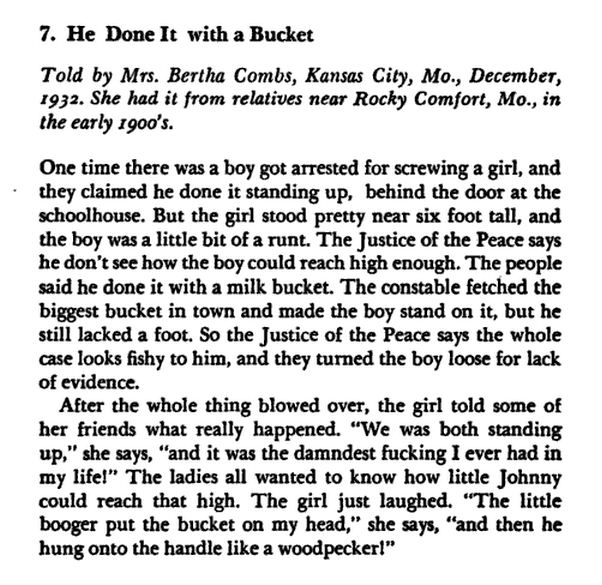

“He Done It with a Bucket,” an Ozark folktale from Vance Randolph’s indispensable collection, Pissing in the Snow & Other Ozark Folktales–
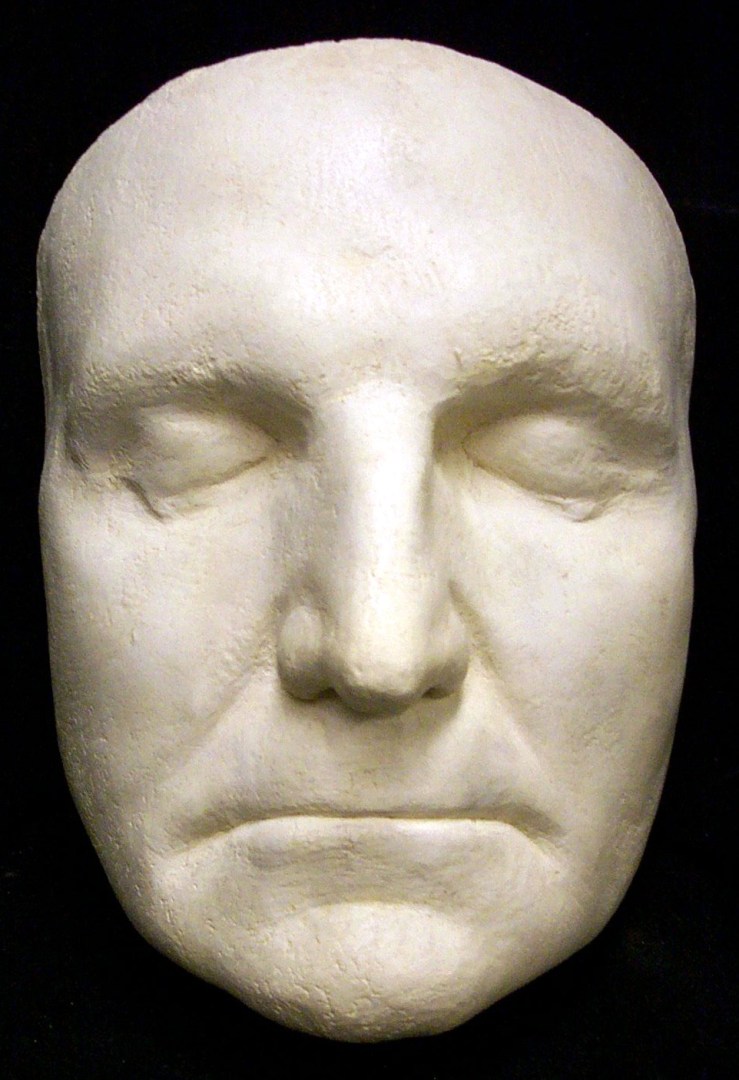
We published this list last year under the heading “Ten Excellent Dystopian/Post-apocalyptic Novels That Aren’t Brave New World or 1984“, but what with the Rapture going down and all, why not post it again, this time with links to pieces we’ve written on these novels—
1. Riddley Walker, Russell Hoban
2. Camp Concentration, Thomas Disch
3. A Clockwork Orange, Anthony Burgess
4. Oryx and Crake and The Year of the Flood, Margaret Atwood
5. The Hospital Ship, Martin Bax
6. Naked Lunch, William S. Burroughs
9. Ape and Essence, Aldous Huxley
10. The Road and Blood Meridian, Cormac McCarthy
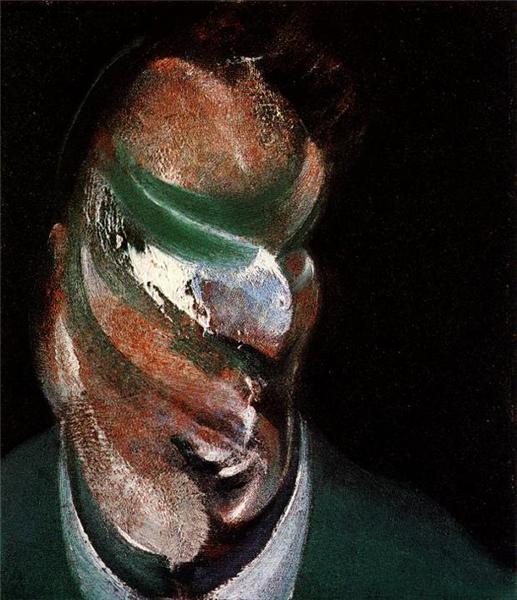
“The Flash,” from Italo Calvino’s Numbers in the Dark—
It happened one day, at a crossroads, in the middle of a crowd, people coming and going.
I stopped, blinked: suddently I understood nothing. Nothing, nothing about anything: I did not understand the reasons for things or for people, it was all senseless, absurd. I laughed.
What I found strange at the time was that I had never realized before; that up until then I had accepted everything: traffic lights, cars, posters, uniforms, monuments, things completely detached from any sense of the world, accepted them as if there were some necessity, some chain of cause and effect that bound them together.
Then my laugh died. I blushed, ashamed. I waved to get people’s attention. “Stop a moment!” I shouted, “there is something wrong! Everything is wrong! We are doing the absurdest things. This cannot be the right way. Where can it end?”
People stopped around me, sized me up, curious. I stood there in the middle of them, waving my arms, desparate to explain myself, to have them share the flash of insight that had suddenly enlightened me: and I said nothing. I said nothing because the moment I had raised my arms and opened my mouth, my great revelation had been as it were swallowed up again and the words had come out any old how, on impulse.
“So?” people asked, “what do you mean? Everything is in its place. All is as it should be. Everything is a result of something else. Everything fits in with everything else. We cannot see anything wrong or absurd.”
I stood there, lost, because as I saw it now everything had fallen into place again and everything seemed normal, traffic lights, monuments, uniforms, towerblocks, tramlines, begggards, processions; yet this did not calm me, it tormented me.
“I am sorry,” I said. “Perhaps it was I who was wrong. It seemd that way then. But everything is fine now. I am sorry.” And I made off amid their angry glares.
Yet, even now, every time (and it is often) that I find I do not understand something, then, instincitively, I am filled with the hope that perhaps this will be my moment again, perhaps once again I shall understand nothing, I shall grasp the other knowledge, found and lost in an instant.
Funny, awkward, then totally crushing.
“Surreptitious Kissing,” a poem by Denis Johnson—
I want to say that
forgiveness keeps ondividing, that hope
gives issue to hope,and more, but of course I
am saying what issaid when in this dark
hallway one encountersyou, and paws and
assaults you—loveaffairs, fast lies—and you
say it back and weblunder deeper, as would
any pair of loosedmarionettes, any couple
of cadavers cut latelyfrom the scaffold,
in the secluded hallwaysof whatever is
holding us up now.
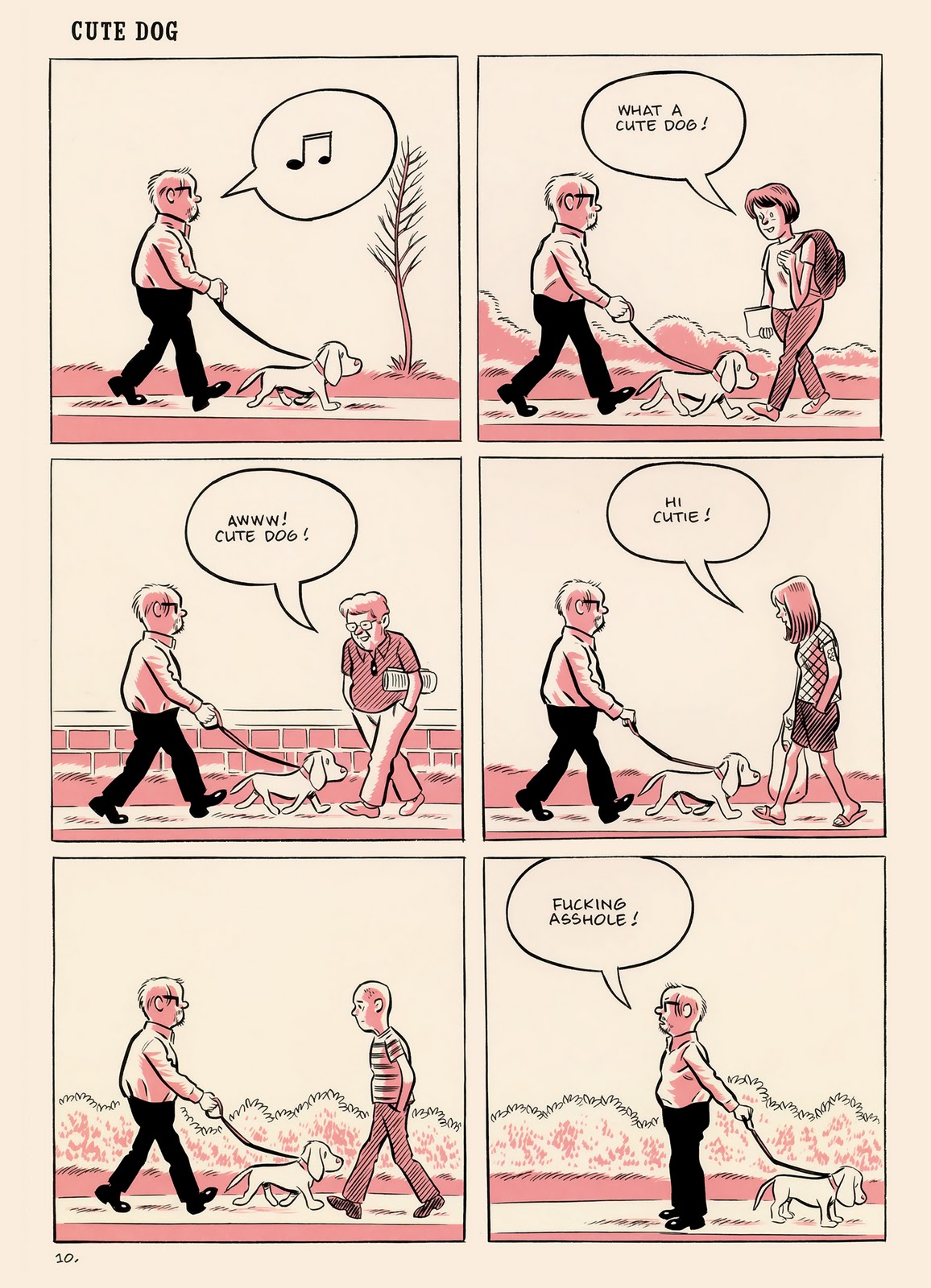
Read our review of Daniel Clowes’s Wilson, or buy the book from Drawn & Quarterly..
From Italo Calvino’s The Uses of Literature—
- The classics are the books of which we usually hear people say, “I am rereading . . . ” and never “I am reading . . . “
- We use the words “classics” for books that are treasured by those who have read and loved them; but they are treasured no less by those who have the luck to read them for the first time in the best conditions to enjoy them
- The classics are books that exert a peculiar influence, both when they refuse to be eradicated from the mind and when they conceal themselves in the folds of memory, camouflaging themselves as the collective or individual unconscious.
- Every rereading of a classic is as much a voyage of discovery as the first reading.
- Every reading of a classic is in fact a rereading.
- A classic is a book that has never finished saying what it has to say.
- The classics are the books that come down to us bearing the traces of readings previous to ours, and bringing in their wake the traces they themselves have left on the culture or cultures they have passed through (or, more simply, on language and customs).
- A classic does not necessarily teach us anything we did not know before. In a classic we sometimes discover something we have always known (or thought we knew), but without knowing that this author said it first, or at least is associated with it in a special way. And this, too, is a surprise that gives much pleasure, such as we always gain from the discovery of an origin, a relationship, an affinity.
- The classics are books which, upon reading, we find even fresher, more unexpected, and more marvelous than we had thought from hearing about them.
- We use the word “classic” of a book that takes the form of an equivalent to the universe, on a level with the ancient talismans. With this definition we are approaching the idea of the “total book,” as Mallarmé conceived of it.
- Your classic author is the one you cannot feel indifferent to, who helps you to define yourself in relation to him, even in dispute with him.
- A classic is a book that comes before other classics; but anyone who has read the others first, and then reads this one, instantly recognizes its place in the family tree.
- A classic is something that tends to relegate the concerns of the moment to the status of background noise, but at the same time this background noise is something we cannot do without.
- A classic is something that persists as a background noise even when the most incompatible momentary concerns are in control of the situation.
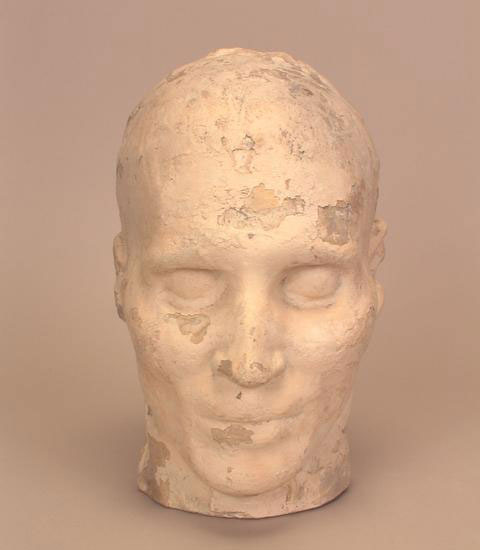
William Burroughs looks a little like Captain Picard in this one—
Will Ferrell talks to the AV Club about his new film, Everything Must Go, which is based on Raymond Carver’s short story “Why Don’t You Dance?” From the interview—
AVC: Your character in Everything Must Go is a persistent alcoholic who loses his job and his wife in one fell swoop, so the film could have been much darker than it is, especially considering the source. Raymond Carver isn’t known for being quirky and lighthearted.
WF: I probably shouldn’t admit, but I will, that I had never read Raymond Carver prior to this. When Dan gave me the short story, the collection it was in, I read it cover to cover, and I loved the starkness of his writing. But it’s true, it’s pretty dark and alcoholic. It just depends on your filter and where you’re coming from. You mentioned that it could be a lot darker. Other people have said to me, “Wow, this is really dark, especially for you to do.” I was fearful of the shot of the shaky hand reaching for the can, like, “That’s going to come off terrible.” A more skilled actor maybe could do it, but for me, and Dan agreed, we just made sure that everything was underplayed, if anything.
AVC: Actors often say that playing drunk is one of the hardest things to do, and the secret is acting like you’re trying not to look drunk.
WF: Totally. I actually had a buddy of mine come over and film me getting drunk one night, just as an excuse to drink 18 beers, but also to see if there was anything I could glean from that.

 Biblioklept