The Eternal City — Peter Blume

The Eternal City, 1937 by Peter Blume (1906–1992)

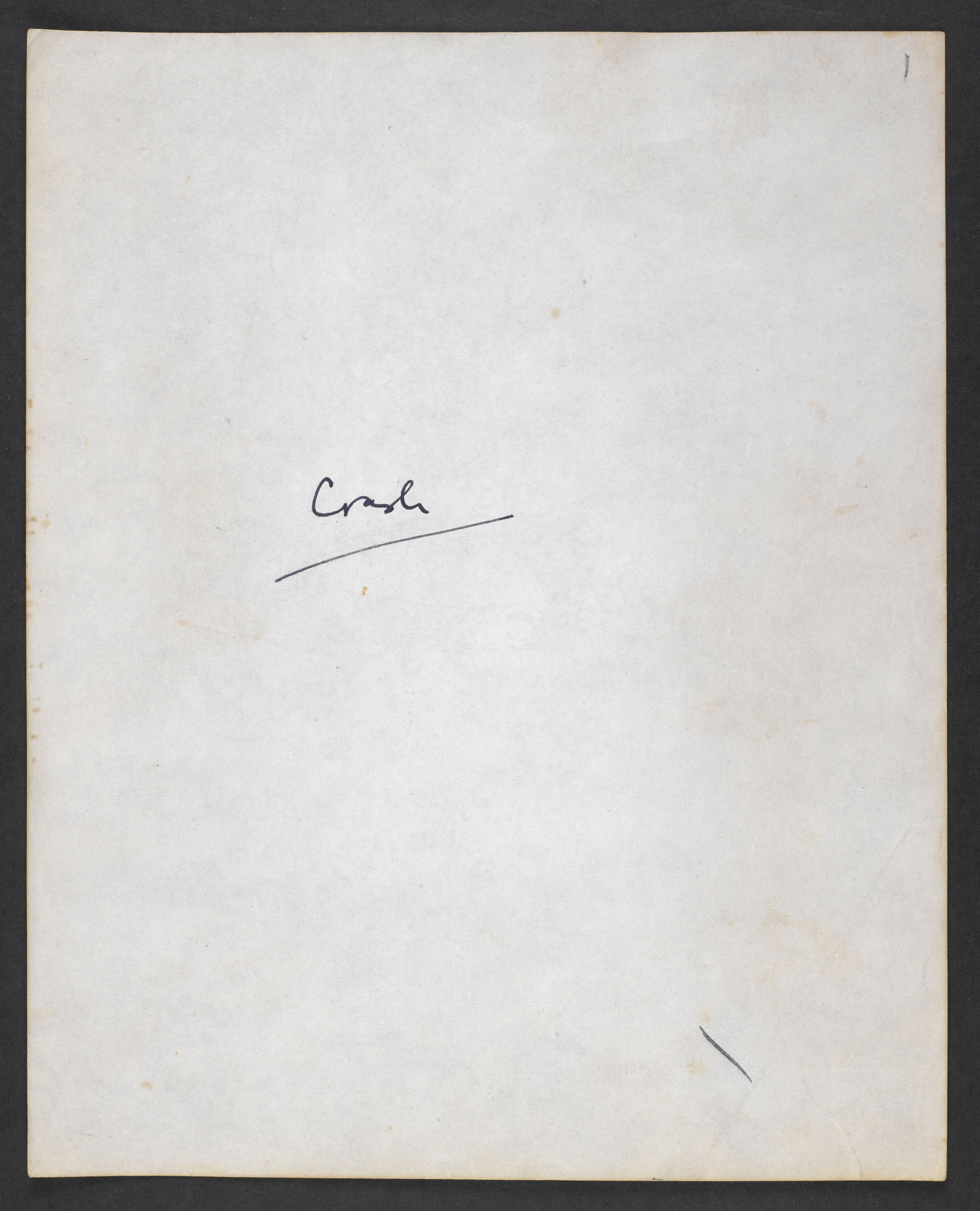
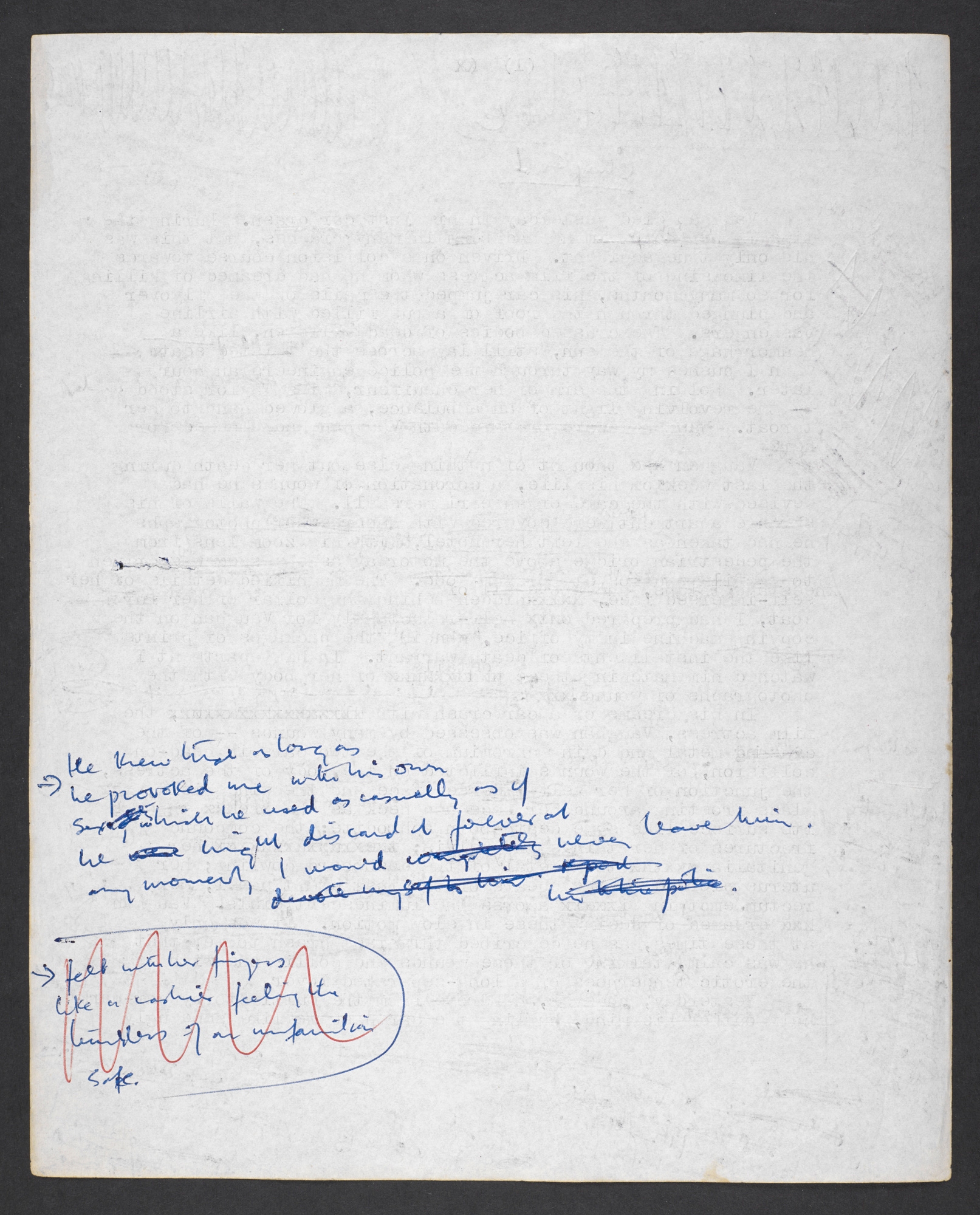
Vaughan died yesterday in his last car crash | J.G. Ballard’s typescript, hand-revised draft of the opening page of Crash

Via/more.

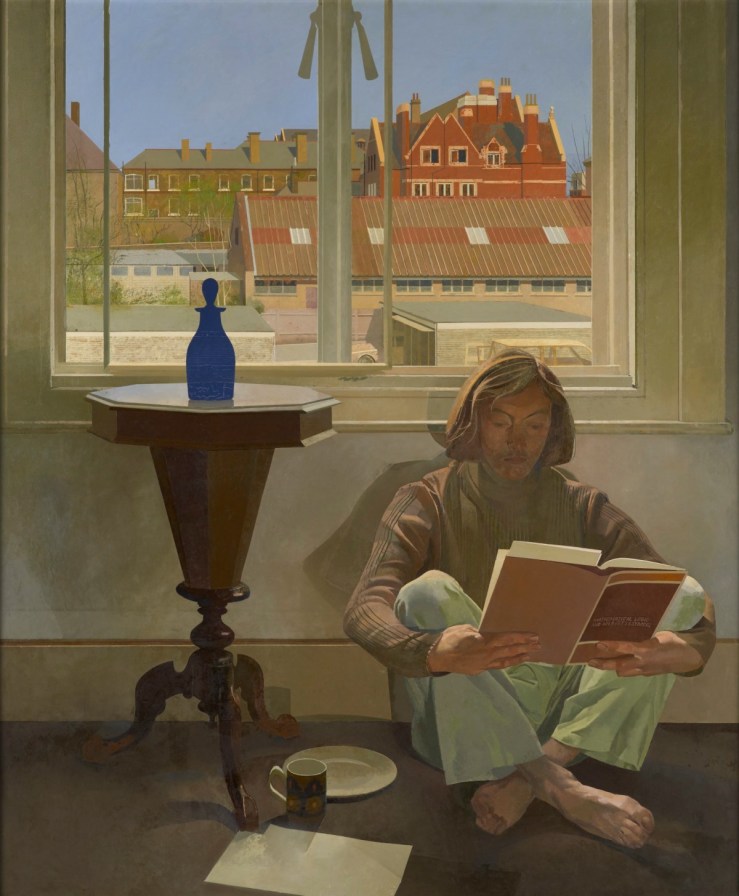
Spring and the Student — Norman Blamey

Spring and the Student, 1975 by Norman Blamey (1914 – 2000)

Under the Volcano and elsewhere (Books acquired, week of 10 March 2023)

My family and I had a wonderful time vacationing in Mexico City last week. We rented an apartment in Condesa, a friendly, walkable neighborhood marked by shade trees, lush gardens, and robust parks. And dogs. Lots of lovely dogs. Over eight days, we took in as much of the city as we could (as well as some excellent day trips to Grutas Tolantongo in Hidalgo and Teotihuacán in Edomex). The city is huge, with more than 150 museums, and the food is excellent. While the four members of our family share common interests (including a love of art), making sightseeing somewhat streamlined, I left Mexico City feeling like I had barely scratched the surface. It reminded me in disparate ways of New York City, Bangkok, and New Orleans. Like those cities, there’s not a single aspect that intrigues me, but rather a vibe. But this is not a travel blog, it is a book blog, so:

The first thing I noticed is that the selection of titles in the several bookstores I visited (a few just very briefly) was generally excellent. Shops tended to feature big-ell Literature titles in lieu of bestsellers and airport novels, with new releases like Mircea Cartarescu’s Solenoid and Yuri Herrera’s La estación del pantano getting prominent displays.

I visited both locations of Cafebrería El Péndulo, and picked up an inexpensive Debolsillo edition of Roberto Bolaño’s La literatura nazi en America, resisting the urge to grab one of the big novels. I’ve read Chris Andrews’ translation of Nazi Literature in the Americas a few times, and I figured that it would be better for me to attempt reading and comparing the shorter sketches here than to jump into 2666 in Spanish. Although I practiced my Spanish for a year in preparation for the trip (it helps to have a Spanish professor friend whose office is down the hall from mine), my vocabulary is still limited and my conjugations are a mess.

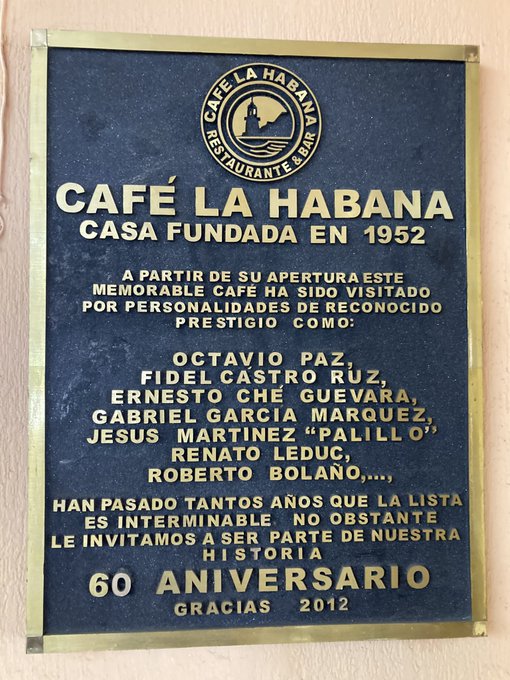
Also Bolaño-related: We lunched at Café la Habana, a charming restaurant boasting a history as a salon for poets, politicians, theorists and other bullshitters. In Bolaño’s Mexican opus The Savage Detectives, Café la Habana appears as Café Quito.

I also visited Under the Volcano, a tiny and charming bookstore in Condesa that carries English-language books–mostly literature. The store is named for Malcolm Lowry’s excellent novel, but there didn’t appear to be any of his books there the day I visited. There was a first-edition hardback copy of Robert Coover’s Pricksongs and Descants, but it was jacketless and out of my price range. There was also a standalone magazine-sized Dalkey Archive edition of William H. Gass’s story Willie Master’s Lonesome Wife, which, based on its price, the owner seemed to believe the most valuable item in the store. I also spied a copy of Jay McInerney’s 1984 novel Ransom, notable because it’s the first and so-far only hardcover of a Vintage Contemporaries edition I’ve ever seen.

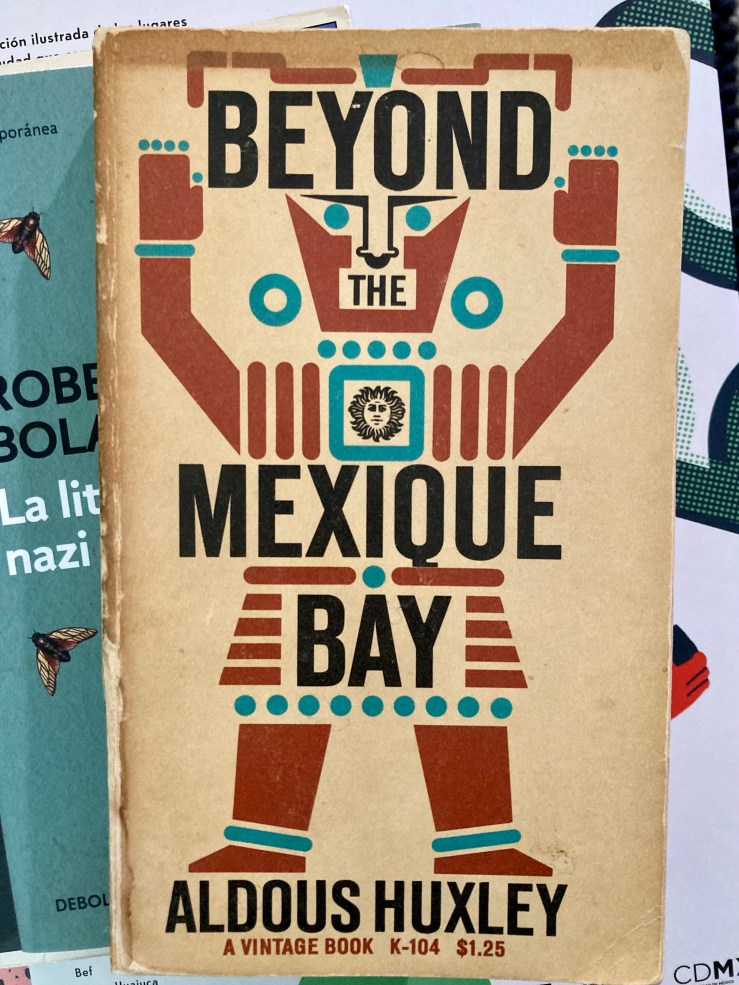
I wound up with two books from Under the Volcano: a Europa Editions of Steven Erickson’s Zeroville and Vintage edition of Aldous Huxley’s Beyond the Mexique Bay. I listened to the audiobook of Zeroville a few years ago, loved it, and have kept an eye out for a reasonably-priced copy ever since. I admit that I picked up Huxley’s essay collection in large part because of its title and its cover design (by Bradbury Thompson). I only found it because I was looking for a copy of Huxley’s The Devils of Loudun. I’ve been falling asleep to an audiobook version of Devils for about three weeks now.

I stopped into a La Increíble Librería at random while walking through Condesa. It’s a charming store that specializes in art books and arty children’s books. They also sell a small but excellent selection of Latin American titles in English translation. I picked up a coffee table book there called 50 íconos de la Ciudad de México. The book is in both Spanish and English, and features lovely illustrations of iconic Mexico City locations by ten different artists. Here’s a detail from Diego Huacuja’s illustration of the Auditorio Nacional:

As we looked through this book this morning, my wife remarked on just how few of the fifty icons presented we missed seeing on this trip. And although we saw a lot that’s not in the book, it nevertheless confirmed my feeling that we need to visit Mexico City again.

St. Patrick and the Druid, an episode from Finnegans Wake (with explication from Joseph Campbell)

On pages 611-613 of James Joyce’s Finnegans Wake, St. Patrick meets the archdruid Balkelly:

Tunc. Bymeby, bullocky vampas tappany bobs topside joss pidgin fella Balkelly, archdruid of islish chinchinjoss in the his heptachromatic sevenhued septicoloured roranyellgreenlindigan mantle finish he show along the his mister guest Patholic with alb belongahim the whose throat hum with of sametime all the his cassock groaner fellas of greysfriaryfamily he fast all time what time all him monkafellas with Same Patholic, quoniam, speeching, yeh not speeching noh man liberty is, he drink up words, scilicet, tomorrow till recover will not, all too many much illusiones through photoprismic velamina of hueful panepiphanal world spectacurum of Lord Joss, the of which zoantholitic furniture, from mineral through vegetal to animal, not appear to full up to-gether fallen man than under but one photoreflection of the several iridals gradationes of solar light, that one which that part of it (furnit of heupanepi world) had shown itself (part of fur of huepanwor) unable to absorbere, whereas for numpa one pura —— duxed seer in seventh degree of wisdom of Entis–Onton he savvy inside true inwardness of reality, the Ding hvad in idself id est, all objects (of panepiwor) allside showed themselves in trues coloribus resplendent with sextuple gloria of light actually re-tained, untisintus, inside them (obs of epiwo). Rumnant Patholic, stareotypopticus, no catch all that preachybook, utpiam, tomorrow recover thing even is not, bymeby vampsybobsy tap — panasbullocks topside joss pidginfella Bilkilly–Belkelly say pat — fella, ontesantes, twotime hemhaltshealing, with other words verbigratiagrading from murmurulentous till stridulocelerious in a hunghoranghoangoly tsinglontseng while his comprehen-durient, with diminishing claractinism, augumentationed himself in caloripeia to vision so throughsighty, you anxioust melan-cholic, High Thats Hight Uberking Leary his fiery grassbelong- head all show colour of sorrelwood herbgreen, again, nigger- blonker, of the his essixcoloured holmgrewnworsteds costume the his fellow saffron pettikilt look same hue of boiled spinasses,other thing, voluntary mutismuser, he not compyhandy the his golden twobreasttorc look justsamelike curlicabbis, moreafter, to pace negativisticists, verdant readyrainroof belongahim Exuber High Ober King Leary very dead, what he wish to say, spit of superexuberabundancy plenty laurel leaves, after that com-mander bulopent eyes of Most Highest Ardreetsar King same thing like thyme choppy upon parsley, alongsidethat, if please-sir, nos displace tauttung, sowlofabishospastored, enamel Indian gem in maledictive fingerfondler of High High Siresultan Em-peror all same like one fellow olive lentil, onthelongsidethat, by undesendas, kirikirikiring, violaceous warwon contusiones of facebuts of Highup Big Cockywocky Sublissimime Autocrat, for that with pure hueglut intensely saturated one, tinged uniformly, allaroundside upinandoutdown, very like you seecut chowchow of plentymuch sennacassia Hump cumps Ebblybally! Sukkot?

Punc. Bigseer, refrects the petty padre, whackling it out, a tumble to take, tripeness to call thing and to call if say is good while, you pore shiroskuro blackinwhitepaddynger, by thiswis aposterioprismically apatstrophied and paralogically periparo-lysed, celestial from principalest of Iro’s Irismans ruinboon pot before, (for beingtime monkblinkers timeblinged completamen-tarily murkblankered in their neutrolysis between the possible viriditude of the sager and the probable eruberuption of the saint), as My tappropinquish to Me wipenmeselps gnosegates a handcaughtscheaf of synthetic shammyrag to hims hers, seeming-such four three two agreement cause heart to be might, saving to Balenoarch (he kneeleths), to Great Balenoarch (he kneeleths down) to Greatest Great Balenoarch (he kneeleths down quite-somely), the sound salse sympol in a weedwayedwold of the firethere the sun in his halo cast. Onmen.

That was thing, bygotter, the thing, bogcotton, the very thing, begad! Even to uptoputty Bilkilly–Belkelly-Balkally. Who was for shouting down the shatton on the lamp of Jeeshees. Sweating on to stonker and throw his seven. As he shuck his thumping fore features apt the hoyhop of His Ards.

Thud.

Good safe firelamp! hailed the heliots. Goldselforelump! Halled they. Awed. Where thereon the skyfold high, trampa-trampatramp. Adie. Per ye comdoom doominoom noonstroom. Yeasome priestomes. Fullyhum toowhoom.


Continue reading “St. Patrick and the Druid, an episode from Finnegans Wake (with explication from Joseph Campbell)”

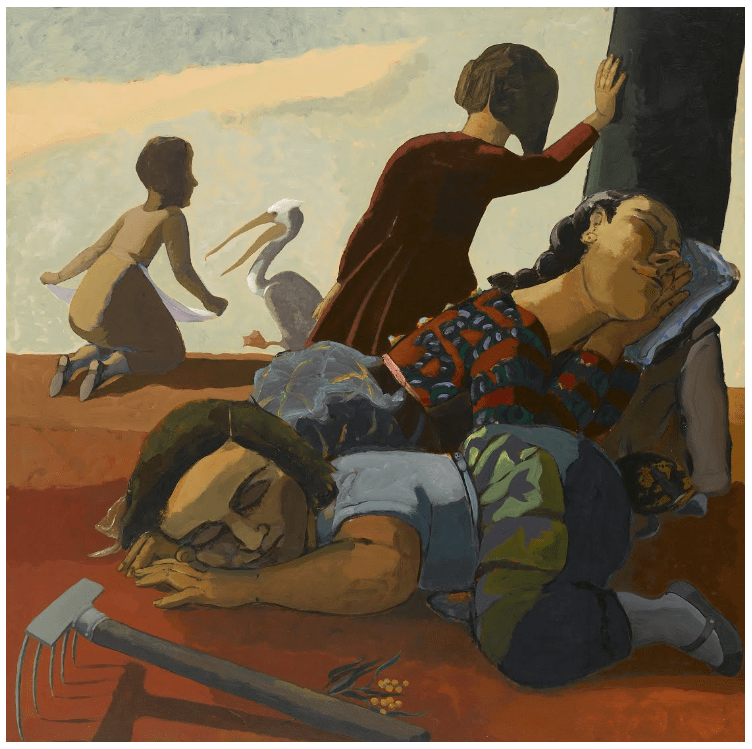
Sleeping — Paula Rego

Sleeping, 1986 by Paula Rego (1935–2022)

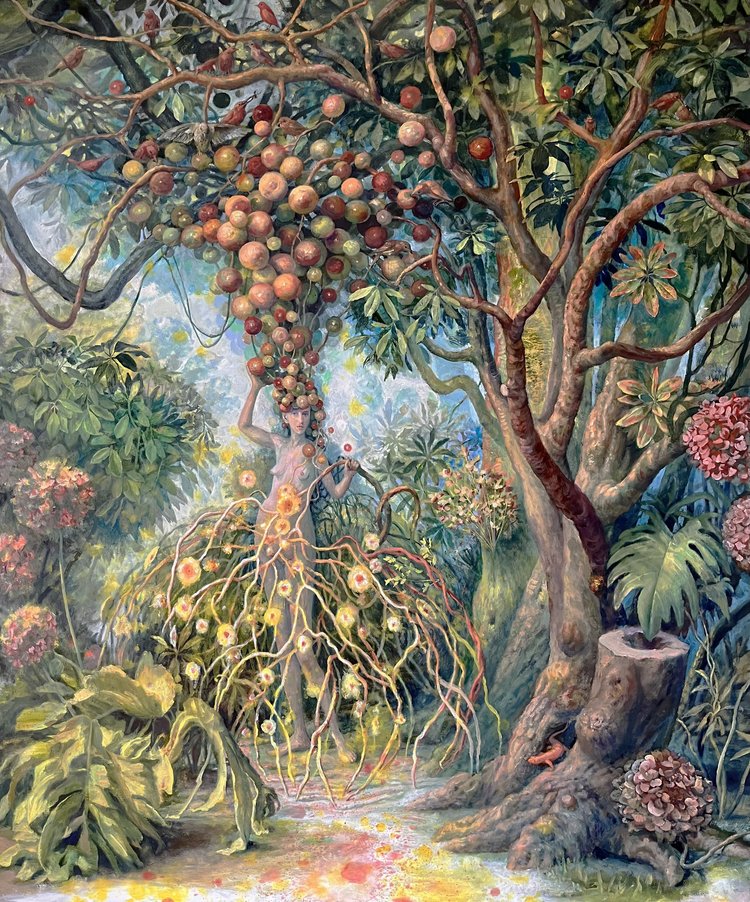
Self-Portrait with Root Skirt — Julie Heffernan

Self-Portrait with Root Skirt, 2022 by Julie Heffernan (b. 1956)

Angel — Paula Rego

Angel, 1998 by Paula Rego (1935–2022)

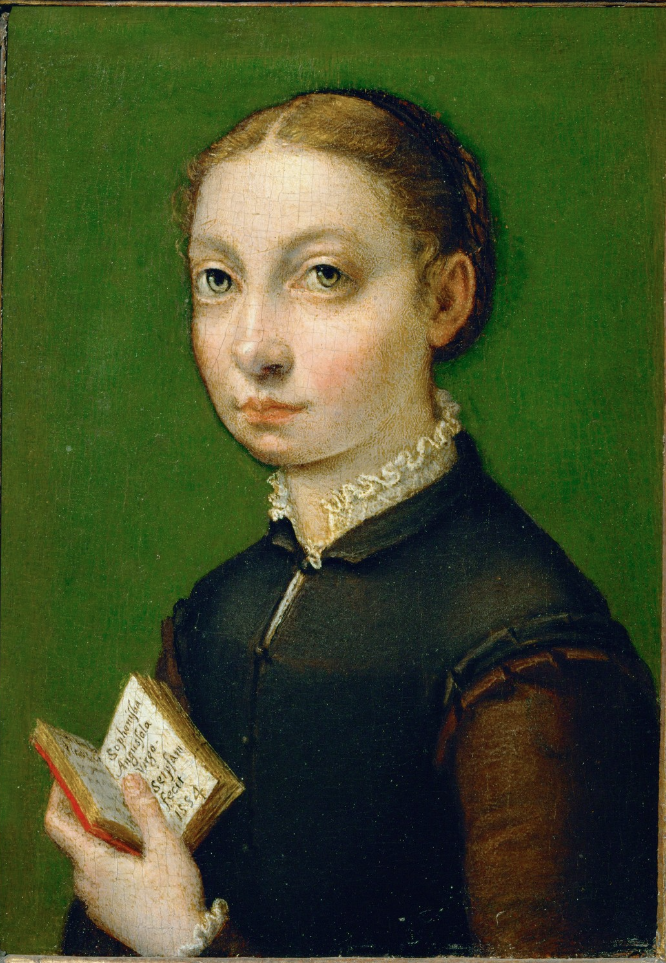
Self-Portrait — Sofonisba Anguissola

Self-Portrait, 1554 by Sofonisba Anguissola (c. 1532-1625)

Minerva Dressing — Lavinia Fontana

Minerva Dressing, 1613 by Lavinia Fontana (1552-1614)

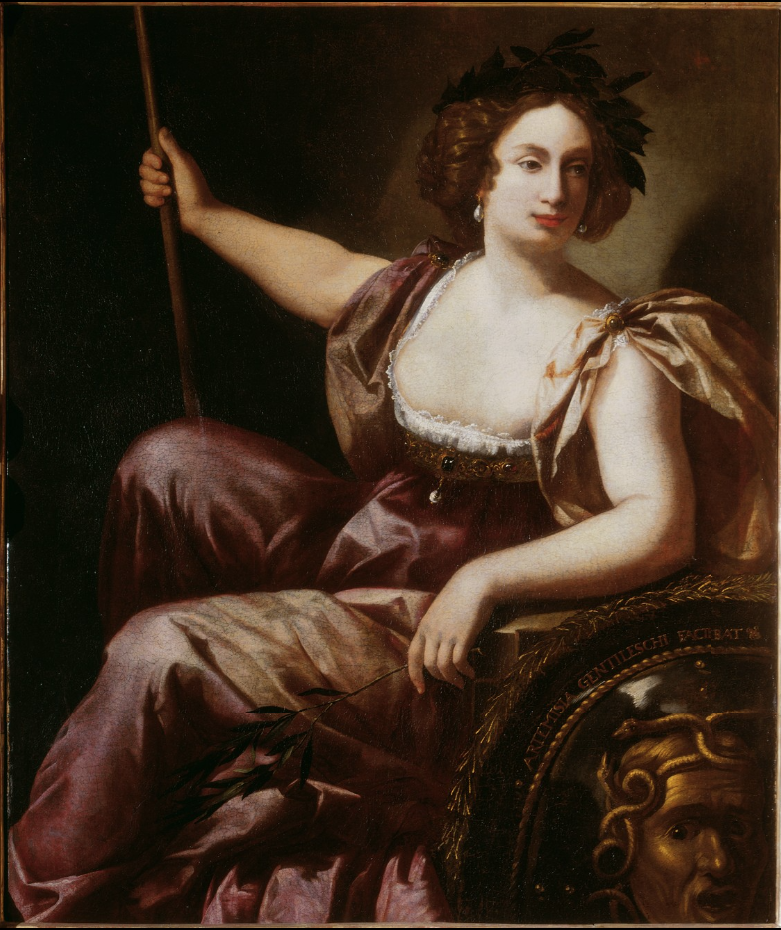
Minerva — Artemisia Gentileschi

Minerva, c. 1640–1651 by Artemisia Gentileschi (1593-1653)


Susanna and the Elders (After Artemisia Gentileschi) — Gina Siciliano

Susanna and the Elders (After Artemisia Gentileschi) by Gina Siciliano. From Siciliano’s brilliant biographyI Know What I Am: The Life and Times of Artemisia Gentileschi.

First riff: The Letters of William Gaddis, “Growing Up, 1930–1946”

The Letters of William Gaddis, ed. Steven Moore, NYRB, 2023

Chapter One: “Growing Up, 1930-1946”

Earliest letter:

To Edith Gaddis (mother), 9 Dec. 1930

Latest letter:

To Frances Henderson Diamond (early love interest), 13 March 1946

Synopsis, citations, and observations:

Most of the letters collected by Moore in this first section of Letters are addressed to Edith Gaddis, whom Moore appropriately describes as “the heroine of the first half of this book: his confidante, research assistant, financial benefactor, his everything.”

His everything clearly includes everything, but I would’ve thrown in the words earliest audience. The letters featured in this earliest chapter show only the barest germ of the writer into which Gaddis would evolve—but they do show a tenacious foundation for practice, one facilitated by a loving, motherly reader.

Here is the first letter in the volume:

Merricourt
Dec. 9, 1930

Dear Mother.

Our vacation is from Sat. Dec. 20. to January 4.
We are making scrapbooks and lots of things. We are learning about the Greek Gods.
I am making an airplane book.

With love
Billy

Little Billy is a few weeks shy of eight years old here, attending boarding school in Connecticut. He attended Merricourt from the time he was five—around the same time his mother Edith separated from his father, William T. Gaddis.

It’s clear why Moore would single out this particular letter for inclusion. The mechanical notion of “making” books, in particular books from scrap, recalls Jack Gibbs, hero of J R., who keeps scraps of newspapers and magazines in his pockets). Our boy was always a scissors-and-paste man.

The Letters gets through childhood and adolescence fairly quickly (a few scant pages) before we find 17-year old Bill sailing on the Caribbean on the SS Bacchus. There’s not much to the Caribbean adventure, but it does initiate an early theme of The Letters—young Bill goes on adventures, often getting in over his head, but also expanding his worldview. “A good part of the crew are colored but they’re okay too,” he writes to Mama Gaddis, a cringeworthy line, sure, but also one that underscores that Our Hero is a man of privilege.

A year later he’s at Harvard.

But not at Harvard for long!

This theme of attending and departing Harvard goes on a bit in the first part of Letters. (Gaddis never earned a degree). Young Bill fell ill his first semester (making him part of a famous fraternity of sick writers: Joyce, O’Connor, Kafka, Walser, Keats, Crane, Wharton, etc.),

What to do? Our Hero heads West, eventually landing in Arizona to recuperate.

Eastern Boy Gaddis’s Western Adventure is especially humorous against the backdrop of his literary oeuvre to come, particularly The Recognitions, which sardonically roasted poseurs (while simultaneously lifting up the efforts of counterfeiters who channel True Art). Our Boy decides to be a cowboy. In a letter to Mama Edith dated 17 Jan. 1942, he details his cowboy outfit:

I have gotten a pair of blue jeans ($1.39) and a flannel shirt (98¢) for this riding—expect to get another pair of jeans today—and later perhaps a pair of “frontier pants” and a gabardine shirt. No hat as yet as they do seem sort of “dudey”—but I can see that it too will become almost a necessity before too long.

The letter is part of an early genre that Gaddis hacked away at, if never perfecting: Mom, need money. 

It continues:

As for wanting anything else—well there are things down here that make me froth just to look at them!—belts such as I never dreamed of—rings—beautiful silver and leather work—but I figure I don’t need any of it now and will let it go until I’ve been around a bit more and seen more of these things that I’ve always known must exist somewhere!

We’ve all been twenty, all made questionable fashion choices, all wanted Beautiful Things We Could Not Afford. (Most of us have not had the misfortune to have our private letters published.)

Letters includes a photograph of Cowboy Bill, duded up in boots with horse. He did not give up the affect easily; in a later letter from the fall of 1942, when he’d returned to Harvard, he requested the following of Dear Mother:

Say when you get a chance could you start the following things on their way up here to make our room more habitable[:] the leopard skin on the lodge closet door—the spurs on the floor nearby—both of Smokey’s pictures—the small rug—both machetes and the little Mexican knife & sheath & chain to the right of the east hayloft windows (one machete is over hayloft door—the other on edge of balcony)—also any thing else you think might look intriguing on our wall—oh yes the steers’ horns—

Bill Gaddis spent much of the year bumming around the American West, getting to Los Angeles, Wyoming, and as far as east as St. Louis, where he meets a woman

hard of hearing—and her son Otto, who’s about 23—is sort of—simple. He went thru college—then started in at Harvard (!) and then cracked up it seems.

The first time I read The Recognitions, I found Otto a repugnant poseur of the worst stripe. Reading and rereading The Letters and Gaddis’s first novel, I find myself far more sympathetic.

The version of Young Gaddis we get from these early letters will resonate with anyone who’s held artistic ambitions. He’s callow, largely unread, generally ignorant of just how ignorant he is, charming, brave, and foolish. And while his reliance on his mama’s money transfers can occasionally irk, there’s a deep tenderness in his writing to her—for her. Again, almost every one of these letters are written to and for Edith.

William Thomas Gaddis Junior’s father and namesake hardly pops up in the discourse (at least in Moore’s edit), but a letter to Edith dated 26 Jan. 1942 is unusually detailed on the paternal topic:

And then as you say this slightly ironic setup—about my father. …As you said it has not been a great emotional problem for me, tho it does seem queer; you see I still feel a little like I must have when I said “I have no father; I never had a father!,” and since things have been as they have, I have never really missed one—honestly—and only now does it seem queer to me. All I know of fathers I have seen in other families, and in reading, and somehow thru the deep realization I have gained of their importance; of father-and-son relations; and families: not just petty little groups, but generations—a name and honour and all that goes with it—this feeling that I have gained from other channels without ever having missed its actual presence: somehow these are the only ties I feel I have with him.

Father-son relationships wrinkle queerly throughout Gaddis’s novel, always deferrals and deflections, whether Wyatt-Otto in The Recognitions or Bast-JR in J R or the King Lear tirade of Gaddis’s final letter to the world, Agapē Agape.

Gaddis returned to Harvard in the fall of 1942 (“devil to pay for eight months hence I guess”). He reads Nietzsche and Schopenhauer, or at least tells his mother he reads Nietzsche and Schopenhauer—but I believe him. Reading Nietzsche and Schopenhauer seems like a thing a young man might do. In a letter of December 1942, “so angry now am about to fly,” he complains of being recommended a history book that “turns out to be history of Communism and Socialism–Marxism–enough to make me actively ill.” A postscript lauds William Saroyan but worries that “G Stein is still a little beyond!” Our Lad has room to grow.

By the spring of 1943, Gaddis is working on the Harvard Lampoon. He would eventually become the President of the Lampoon (or, um, ‘Poon, as he writes his Mama). This project seems to entirely consume him, distracting him from his studies.

Gaddis was eventually kicked out of Harvard after an “incident” with the police (Our Boy was drunk and disorderly). The last few letters in the collection are bitter and a bit sad. Gaddis worked as a fact checker at The New Yorker for not-quite-a-year, with scant letters from this period appearing in Letters. There is a letter from a vacation to Montreal in the summer of 1945 that attests the following disillusionment:

Frankly the more I move along the more I find that every city is quite like the last one.

Not long after, Gaddis would start writing material that would wind up in The Recognitions.

NYRB 2023 updates to the Dalkey Archive’s 2013:

In addition to a smattering of letters to women who are not Edith Gaddis, NYRB’s new edition includes two new pictures–Gaddis’s Harvard 1944 yearbook picture and a professional head shot of Frances Henderson Diamond. There’s also this close-up of a photograph of children included in the Dalkey edition, clarifying which kid is Billy Gaddis.

Love Our Dude’s pipe!

The Woman with the Medal — Lucien Lévy-Dhurmer

The Woman with the Medal, 1896 by Lucien Lévy-Dhurmer (1865–1953)

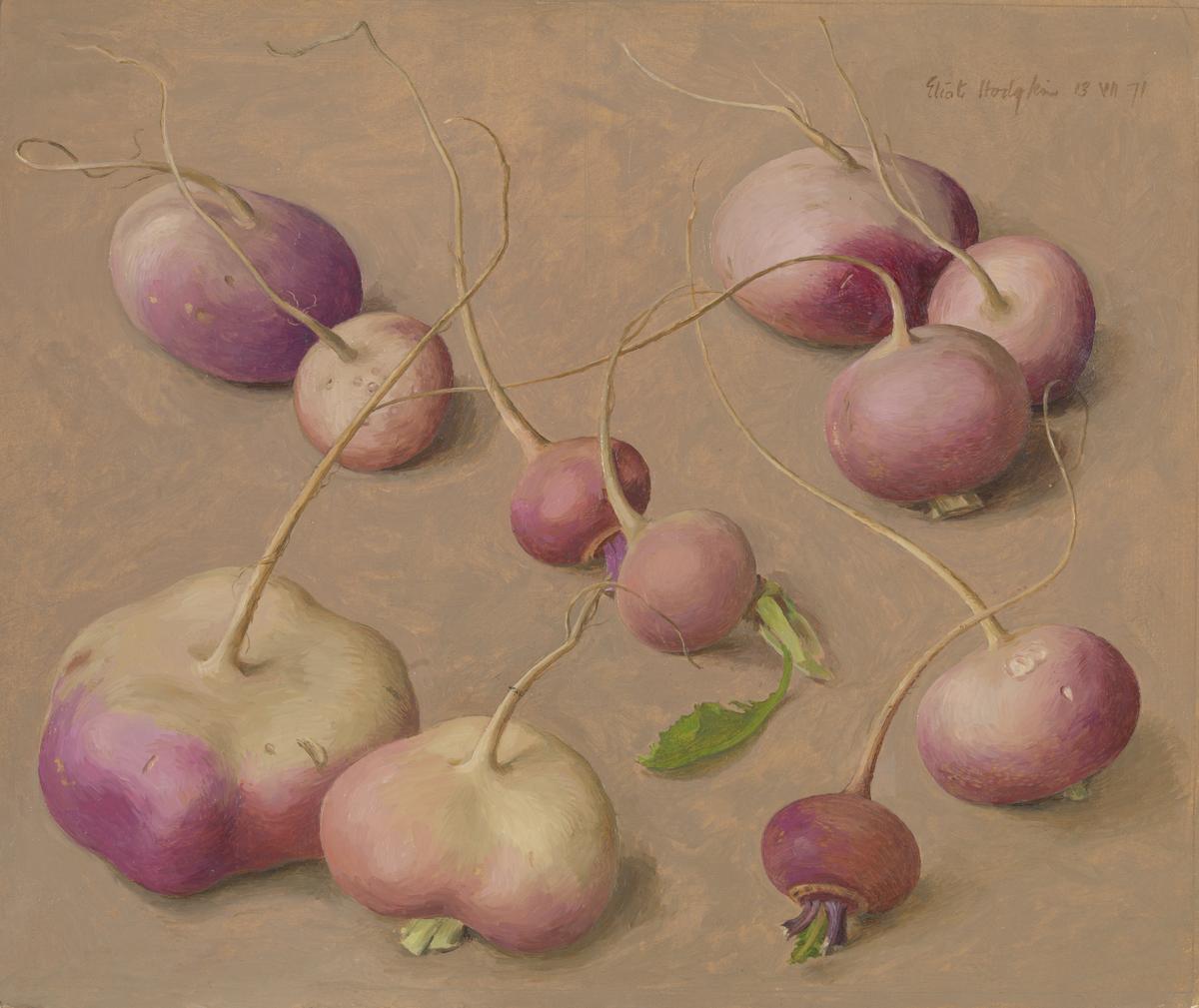
Pink and White Turnips — Eliot Hodgkin

Pink and White Turnips, 1971 by Eliot Hodgkin (1905-1987)

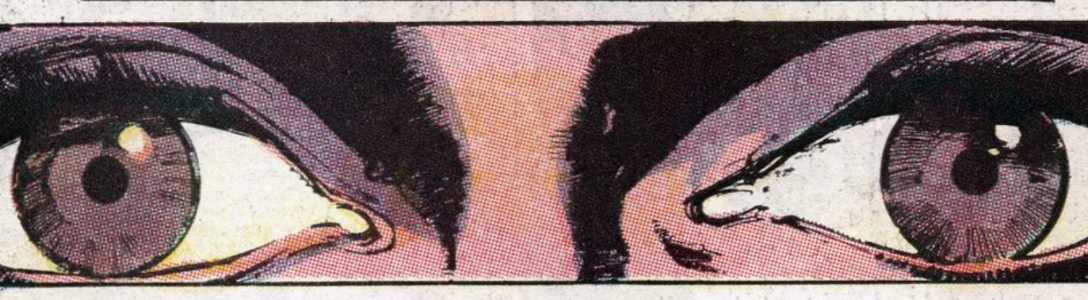
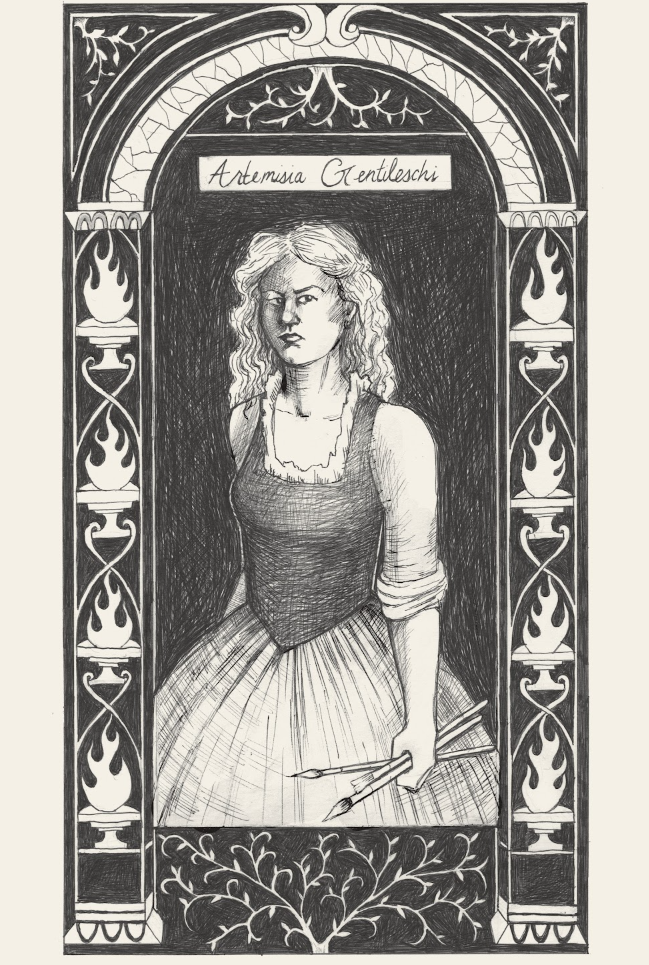
Portrait of Artemisia Gentileschi — Gina Siciliano

A portrait of the artist Artemisia Gentileschi by Gina Siciliano. From Siciliano’s brilliant biographyI Know What I Am: The Life and Times of Artemisia Gentileschi.

Gravity’s Rainbow annotations (so far)

img_4025

I’ll be adding to these and then doing more the next time (?!) I read Gravity’s Rainbow.*

Pages 82-83: The White Visitation, etc.

Page 103: Black Markets, King Kong, etc.

Pages 148-49: Preterite/Elect, Lurianic Kabbalah, Uncanny X-Men, etc.

Page 203: Rainbows, Fuck-yous, Plastic Man, etc.

Pages 204-05: Paper, mise en abyme, a silkenness of girls, etc.

Page 256: “Real America,” Hughes contra Whitman, BANZAI!, etc.

Pages 257-58: The War, nimbus clouds, Zoot Suit Riot!, etc.

Page 299: Tannhäuser, horny expectations, etc.

Page 364: Knights and fools, dendrites and axons, etc.

Pages 412-13:  Ouroboros, organic chemistry, tarot, etc.

Page 419: Innocence, experience, Wm Blake, Wagner’s Ring cycle, etc.

Page 539: Critical Mass, Weismann’s tarot reading, Rilke, hymns, etc.

[Ed. note–I published these links to my notes, riffs, and images connected to a re-reading of Gravity’s Rainbow back in November of 2016. Today marks the 50th anniversary of the publication of Pynchon’s great novel.]