Checkmate — Maria Helena Vieira da Silva

2020-07-15_151953_3

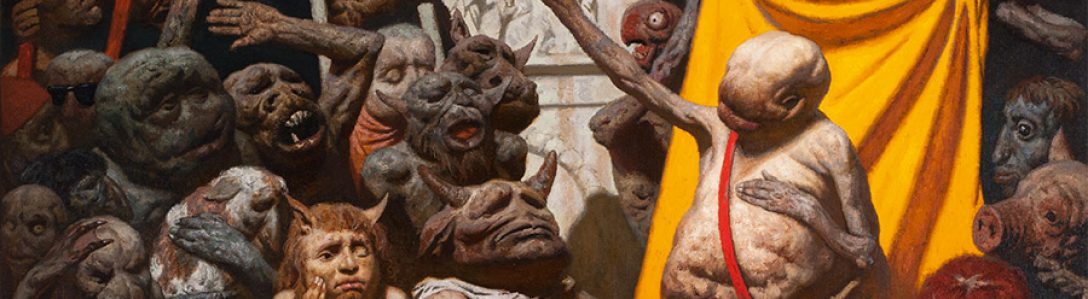
Checkmate, 1950 by Maria Helena Vieira da Silva (1908–1992)

Illustration for Poe’s “The Masque of Red Death” — Ivor Abrahams

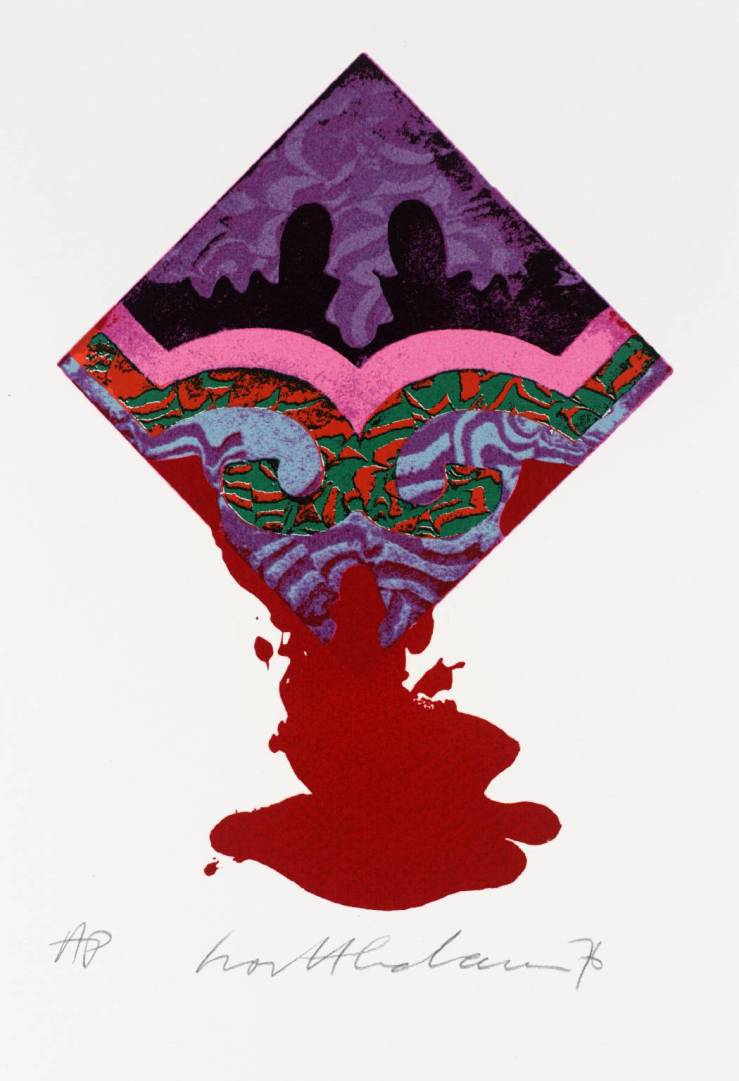
The Masque of the Red Death 1976 by Ivor Abrahams born 1935

Illustration for Poe’s “The Masque of Red Death,” 1976 by Ivor Abrahams (1935–2015)

“The Masque of Red Death”

by

Edgar Allan Poe


The “Red Death” had long devastated the country. No pestilence had ever been so fatal, or so hideous. Blood was its Avatar and its seal—the redness and the horror of blood. There were sharp pains, and sudden dizziness, and then profuse bleeding at the pores, with dissolution. The scarlet stains upon the body and especially upon the face of the victim, were the pest ban which shut him out from the aid and from the sympathy of his fellow-men. And the whole seizure, progress and termination of the disease, were the incidents of half an hour.

But the Prince Prospero was happy and dauntless and sagacious. When his dominions were half depopulated, he summoned to his presence a thousand hale and light-hearted friends from among the knights and dames of his court, and with these retired to the deep seclusion of one of his castellated abbeys. This was an extensive and magnificent structure, the creation of the prince’s own eccentric yet august taste. A strong and lofty wall girdled it in. This wall had gates of iron. The courtiers, having entered, brought furnaces and massy hammers and welded the bolts. They resolved to leave means neither of ingress nor egress to the sudden impulses of despair or of frenzy from within. The abbey was amply provisioned. With such precautions the courtiers might bid defiance to contagion. The external world could take care of itself. In the meantime it was folly to grieve, or to think. The prince had provided all the appliances of pleasure. There were buffoons, there were improvisatori, there were ballet-dancers, there were musicians, there was Beauty, there was wine. All these and security were within. Without was the “Red Death”.

It was towards the close of the fifth or sixth month of his seclusion, and while the pestilence raged most furiously abroad, that the Prince Prospero entertained his thousand friends at a masked ball of the most unusual magnificence. Continue reading “Illustration for Poe’s “The Masque of Red Death” — Ivor Abrahams”

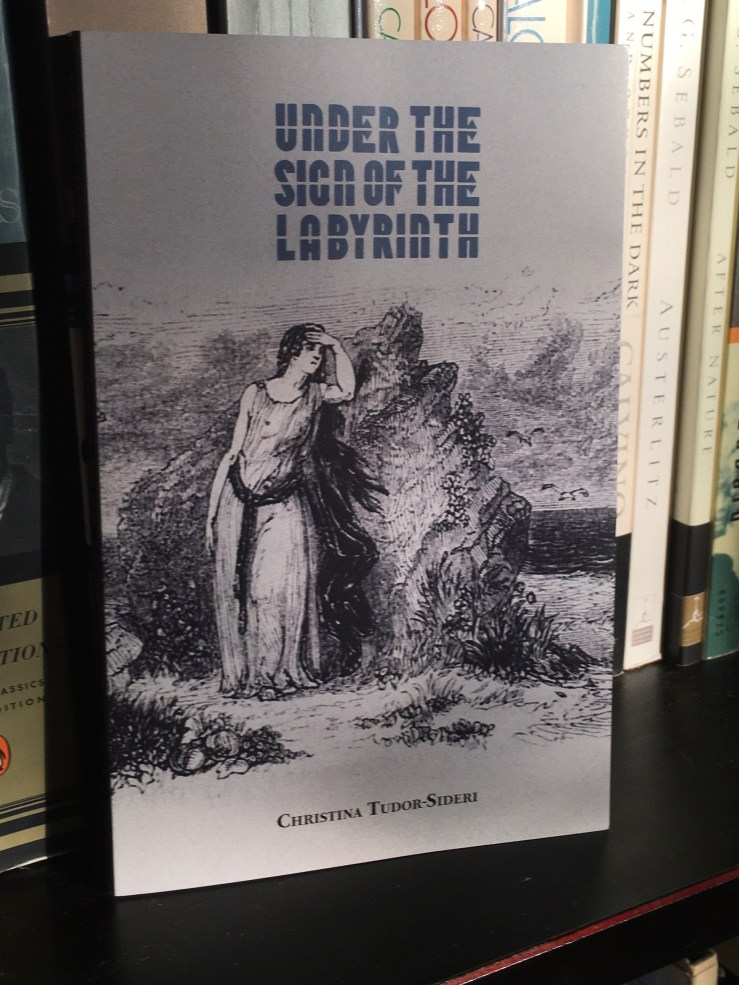
Under the Sign of the Labyrinth (Book acquired, 7 July 2020)

img_5756

Christina Tudor-Sideri’s Under the Sign of the Labyrinth adds to Sublunary Editions‘ growing catalog of odd and engaging short volumes.

Their blurb:

There is no need to place your hand on a wound to feel it throbbing in pain. There is no need to see its root to know that a tree is dying. I am renouncing history. A film frame has lost its meaning. Vain and cruel, I have become a self that contains all negations to come, I have escaped the universe of time and space—page after page, touch after touch, train after train. I have become the idea of a sea beast moving in the deep. I have become the labyrinth. I am entombed in poetry. In the first stanza, in the last, in the blueness of thirsting ink—in the bruising of eternity. I have become alone. I am alone.”

Buzz off

From Jim Jarmusch’s 1986 film Down By Law (full film below).

Pacific — Alex Colville

alex-colville-pacific

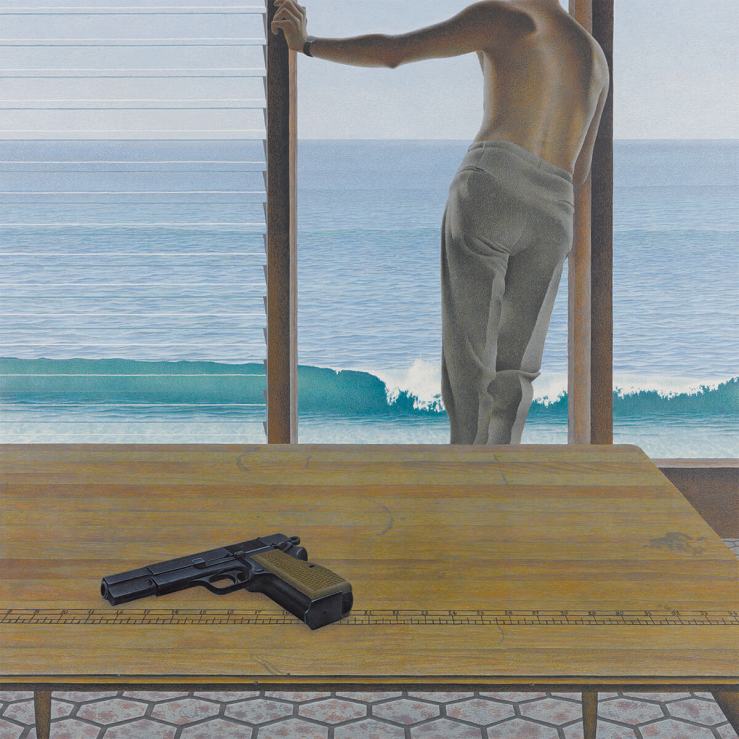
Pacific, 1967 by Alex Colville (1920-2013)

“The Friar’s Dream” — Álvaro Mutis

2020-06-29_174250

From The Mansion; English translation by Beatriz Haugner.

Saturday Night — George Petrovich Kichigin

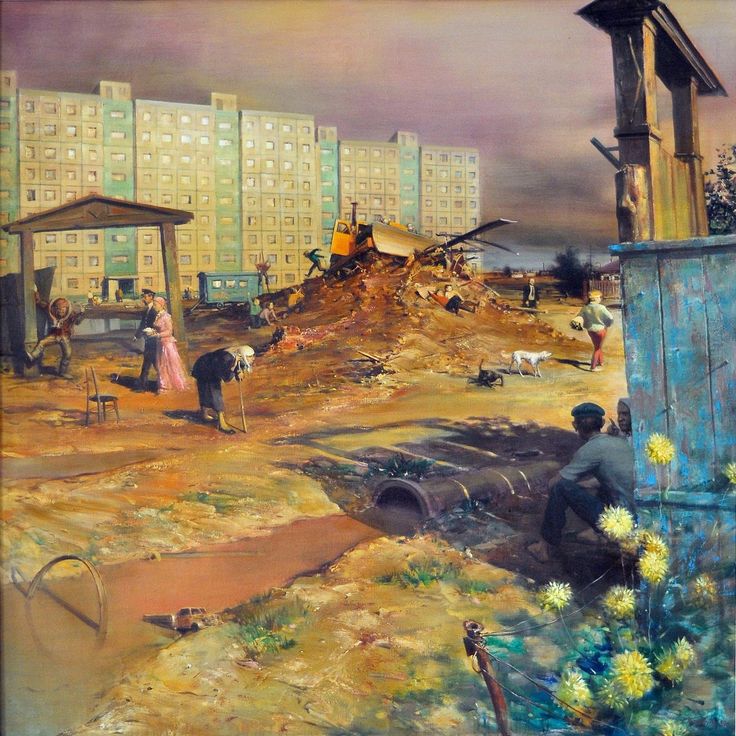
113bb8e591684a30d7c73c750c19d0bd

Saturday Night, 1989 by George Petrovich Kichigin (b. 1951)

Books acquired, 1 July 2020

img_5747

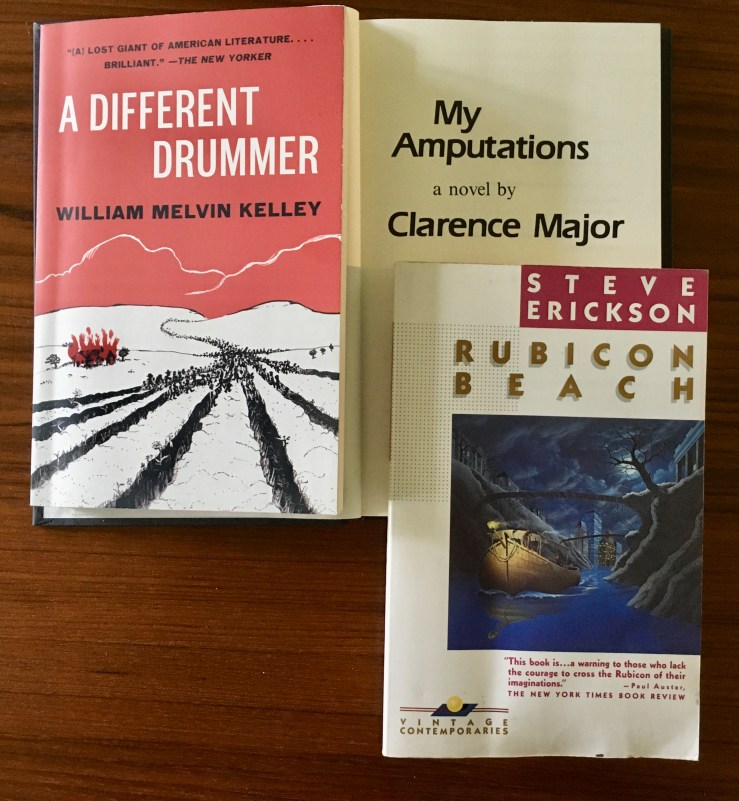
Scored a copy of William Melvin Kelley’s first novel A Different Drummer the other week, along with a copy of Steve Erickson’s novel Rubicon Beach. I was looking for the Kelley; I was looking for a print edition of Erickson’s more recent novel Zeroville (which I loved in audiobook), but there wasn’t one. Still, I can’t resist a Vintage Contemporaries edition. I’d been looking for a copy of Clarence Major’s My Amputations for a while now with no luck; I eventually broke down and bought one on Abebooks for five bucks. It turned out to be an old library copy with no dust jacket. No one ever checked it out. Check it out.

Astronaut and Radio Telescope — Bettina von Arnim

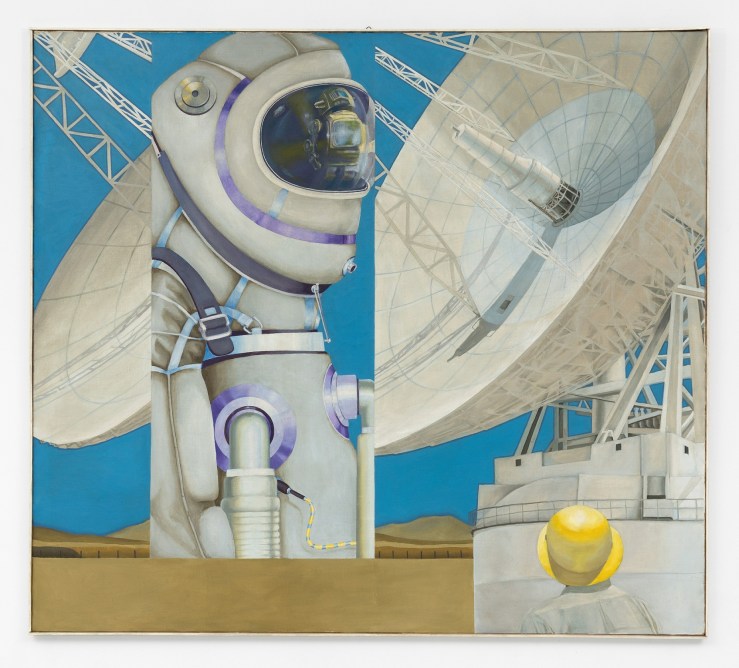
713da44e04f64cc2

Astronaut and Radio Telescope, 1970 by Bettina von Arnim (b. 1940)

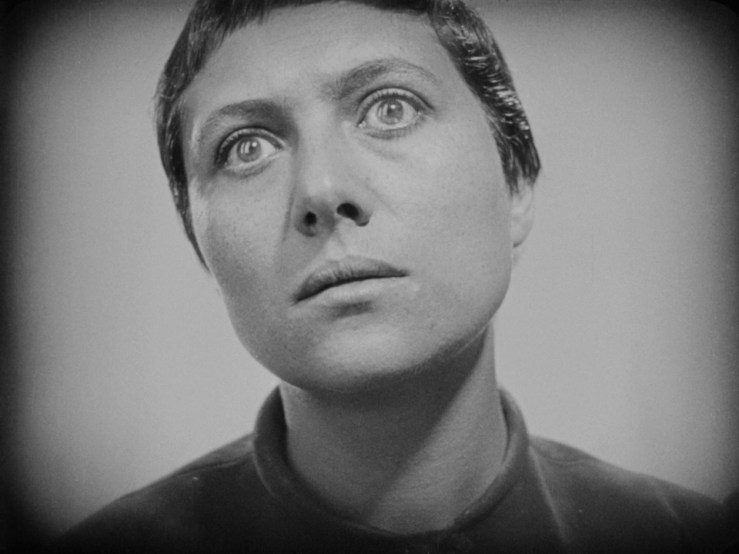
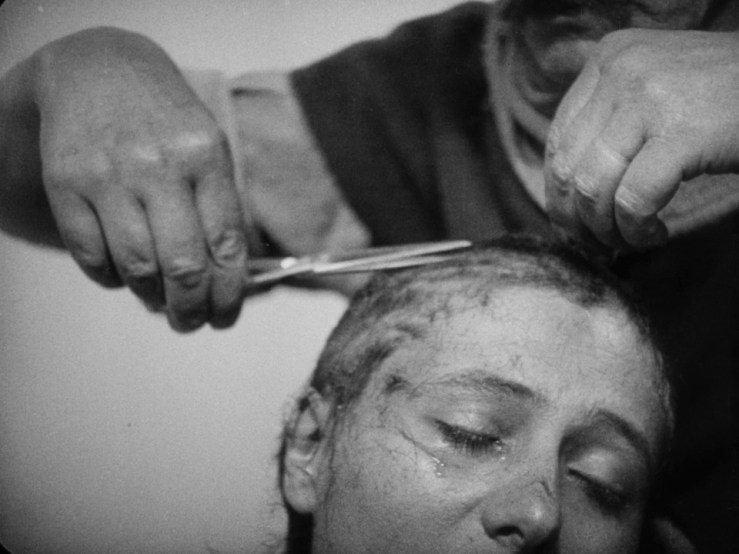
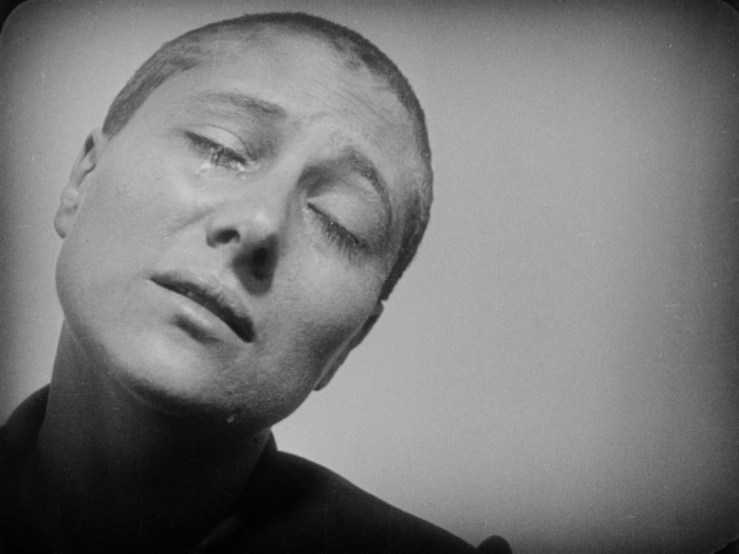
12 still frames from Carl Theodor Dreyer’s The Passion of Joan of Arc

09 (1130)13 (1156)16 (1156)25 (1156)26 (1156)28 (1155)34 (1153)46 (1129)49 (1118)51 (1105)55 (1072)59 (1034)

From The Passion of Joan of Arc, 1928. Directed by Carl Theodor Dreyer and starring Renée Jeanne Falconetti. Cinematography by Rudolph Maté. Via FilmGrab.


Infatuation — Konrad Klapheck

Verliebtheit (Infatuation), 1969 by Konrad Klapheck (b. 1935)

Freudian Woman, NYC — Louis Faurer

dchywgoxuaay0sh

Freudian Woman, NYC, 1947 by Louis Faurer (1916-2001)

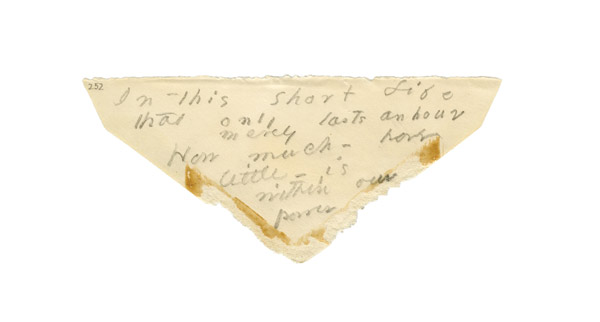
much/little (Emily Dickinson)

In this short Life that only lasts an hour
How much – how little – is within our power

Emily Dickinson (poem 1287)

3-1

Head of a Woman — Maruja Mallo

gal_15344_01

Head of a Woman, 1946 by Maruja Mallo (1902–1995)

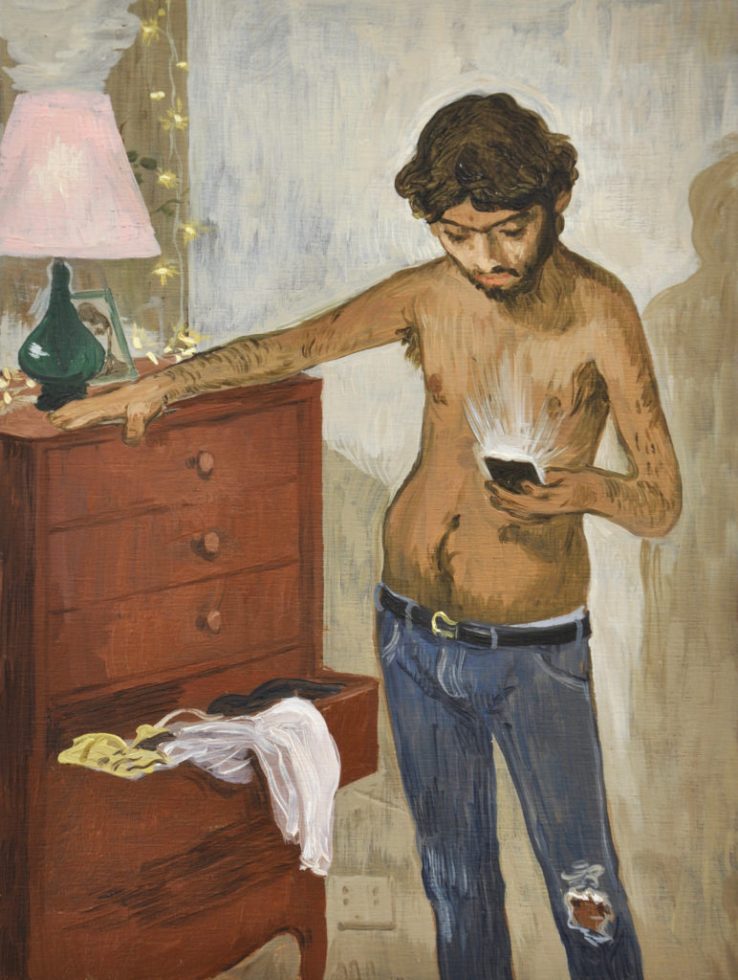
The Plan Maker — Salman Toor 

the-plan-maker-oil-on-panel-12-x-9-inches-772x1024-1

The Plan Maker, 2018 by Salman Toor (b. 1983)

Michaelmas Term — Toyin Ojih Odutola 

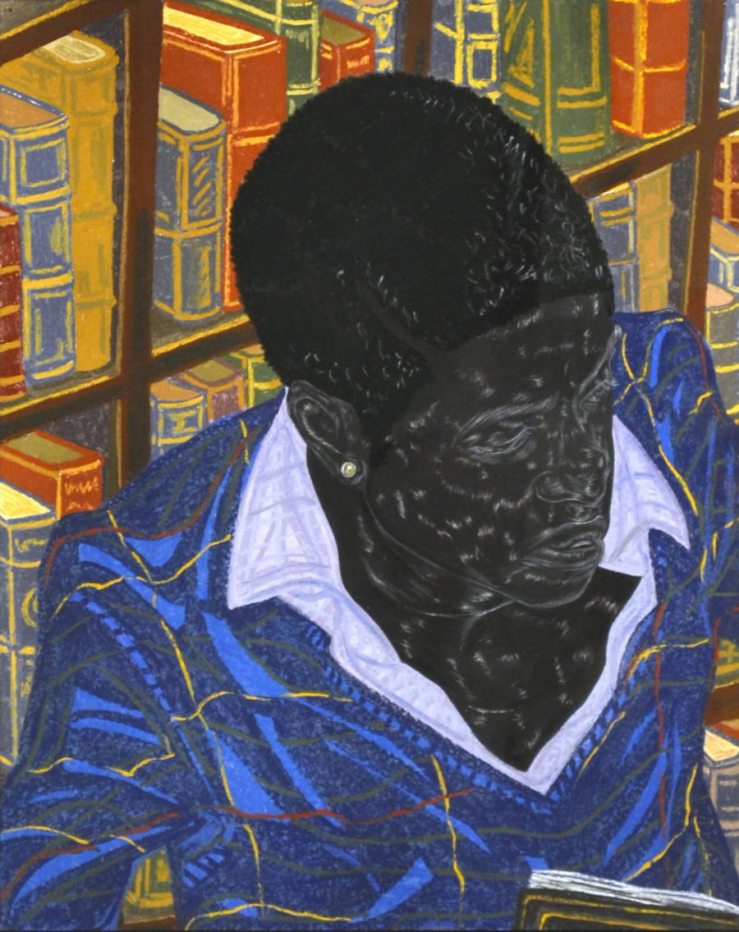
michaelmas-term-framed-hr-cropped-copy-900x1136-1

Michaelmas Term, 2016 by Toyin Ojih Odutola (b. 1985)

I haven’t written a review in sixty days–

—and even then I didn’t even label it even, the non-review, as a “review” —- what was it, sixty days ago?—a thing on Thomas Pynchon’s latest novel Bleeding Edge which I managed to pound out in time for Pynchon’s 83rd birthday on 8 May 2020, sixty odd days ago. (All these days are odd, or if not odd, then boring, and very hot humid heavy here in Florida lately, filled with smaller and bigger dreads and excuses for and away from screens, me spinning proverbial plates to distract my kids and myself from the yawning hot nothingness of a campless, socially-distant, non-vacationing summer, etc.) I signed my name, Edwin Turner, to that non-review. I also signed my name to another non-review, another thing I called a “blog about” (this is still a blog about books, isn’t it? Not sure), a blog posted about twenty-four days ago, a few days after my forty-first birthday. I let an image of a stack of books guide that post, a stupid trick I use too often, or maybe not enough, I don’t know. There were some good books and great books in the photograph in the non-review that I would like to have written proper reviews of: Muriel Spark’s Loitering with Intent (great), Graciliano Ramos’s São Bernardo (good),  Guillermo Stitch’s Lake of Urine (good/weird/good weird)—and a book I have absolutely loved, Jean-Baptiste Del Amo’s Animalia (excellent, I think), which I have stopped in the dead middle of, for reasons that I am not sure about but which are certainly uninteresting, these reasons. There was also Kazuo Ishiguro’s The Unconsoled, which may or may not be great, and which I loved, and which I have no interest in “reviewing.” And more Muriel Spark novels. And I bought some more Spark novels, including A Far Cry from Kensington, which is on this double-stacked shelf of books that I need to or at least want to write about or am in any case reading or have read or intend to read; look, here’s a picture, what most of you will simply scroll and scan and then move on, never having read any of this blather—
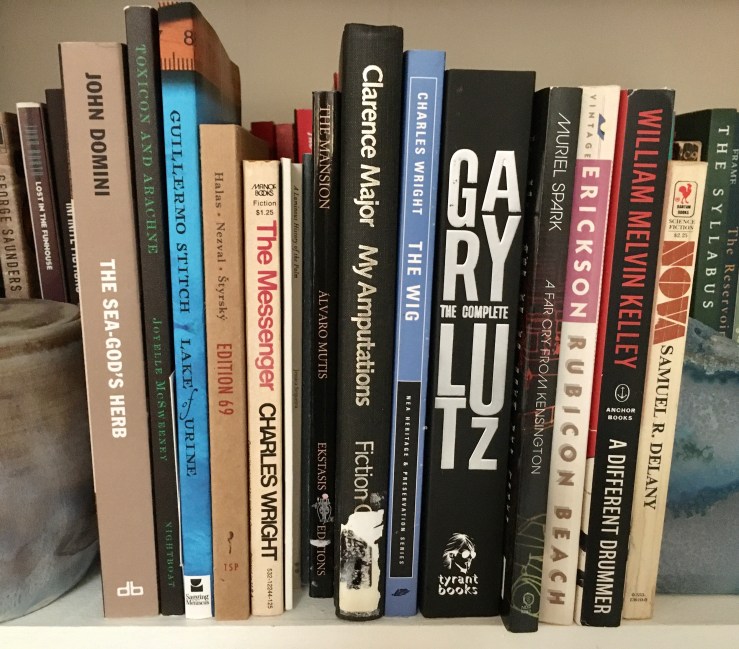
img_5741

—not in the pic is the large gorgeous alienlanguage graphic novel Anasazi by Mike Mccubbins and Matt Bryan, a really excellent and very different book that I’ve dithered around (not) reviewing for months now (starting painful starts and stabs at reviews, deleting pretentious paragraphs about Wittgenstein, deleting three word “reviews” (Get this book!), etc.): Get this book!—and etc. I’ll never finish The Complete Gary Lutz (that’s a compliment). I listened to the audiobook of Steve Erickson’s novel Zeroville (read by Bronson Pinchot of True Romance and Cousin Balki fame) and loved it and picked up another Erickson novel—Rubicon Beach. Zeroville reminded me of the fictional novel version of Biskind’s Easy Riders, Raging Bulls that I didn’t know I wanted. It also made me want to watch more films, and I’ve been watching at least a film a night for a while now (Can I remember the past few nights?: Princess Mononoke, Withnail & I, C.H.U.D., Cocteau’s Beauty and the Beast, Week-End, Bringing Up Baby, Scanners, Lifeforce, The Battle for Algiers, Cutter’s Way); I listened to the audiobook of Nico Walker’s novel Cherry and liked it at first and then it really started to wear on me and then I kind of hated it by the end—my review of Cherry is “I would’ve fucking loved Cherry when I was 20″; I do not currently have an audiobook on deck. I read Claudia Rankine’s discursive memoir-poem-essay Citizen on July 3rd, and were I the kind of person who wore socks (I don’t wear socks if I can help it), they would have been knocked far, far from my hobbitfeet. I am not the right person to review Citizen but reading it was wonderful, painful, expansive. Reminded me a bit of David Markson and W.G. Sebald, but not at all like those things. Excellent stuff.

There must have been something else but I forget.

And I realize now that this post was not what I intended to write, but maybe I have to push this garbage out of me to move forward and actually write a review again (if, indeed, this is still a blog about books).