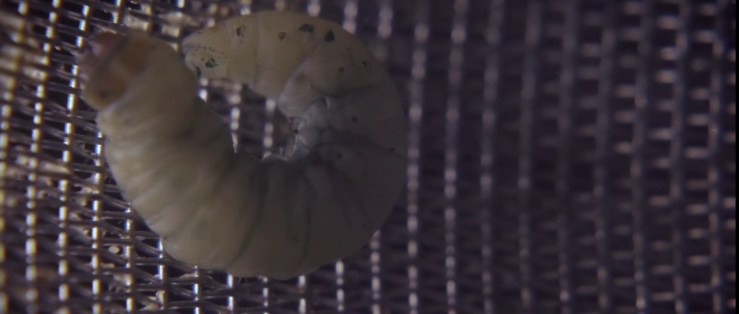
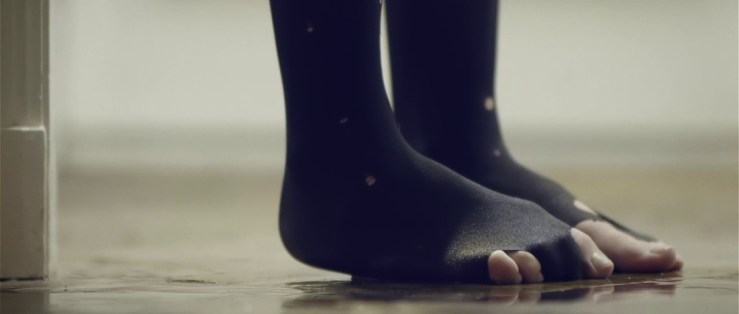
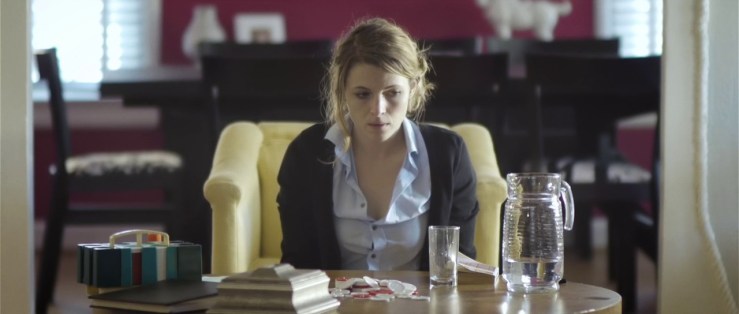
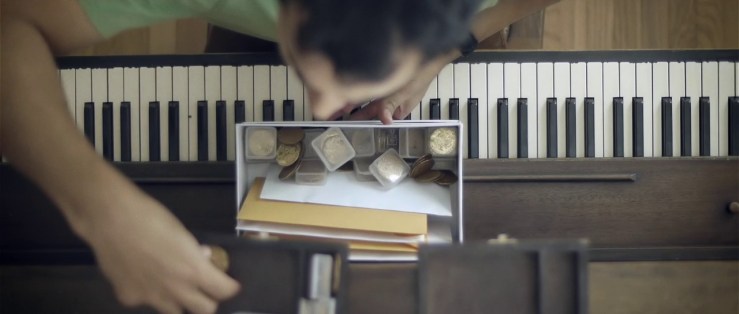
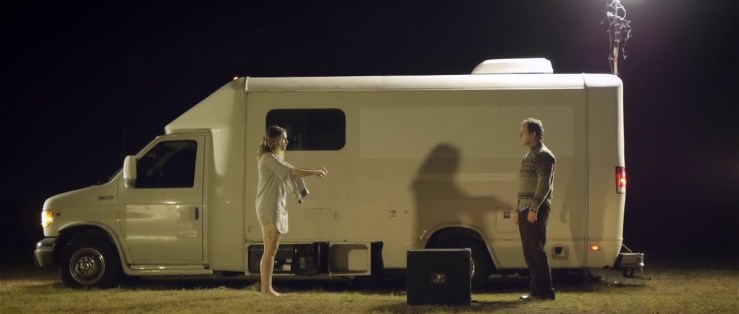
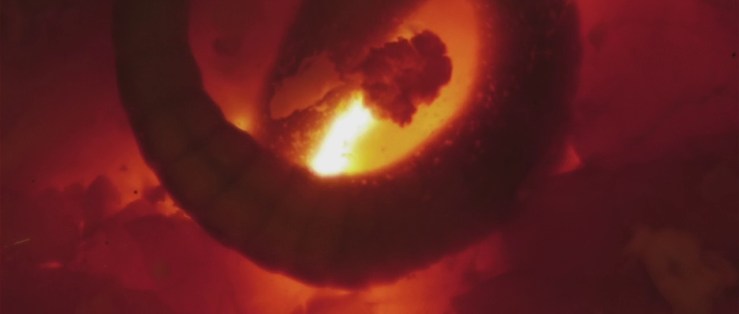

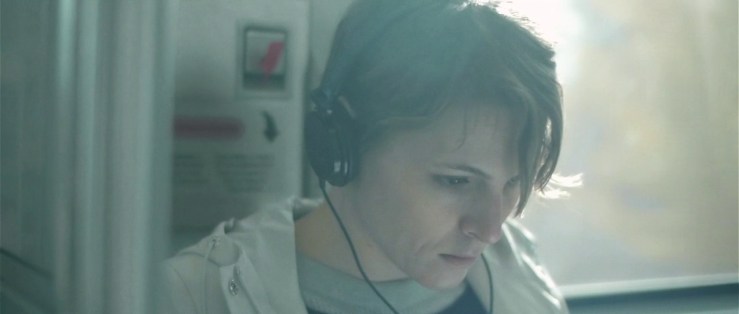
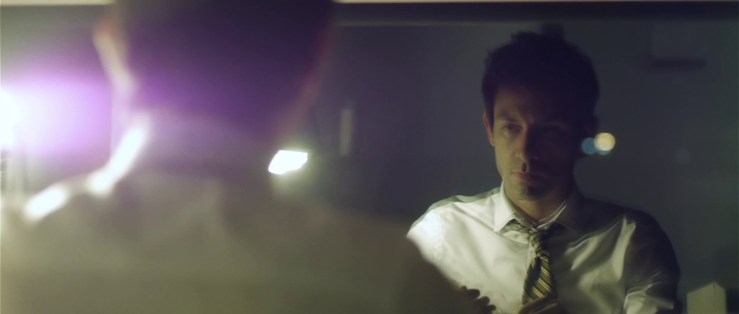
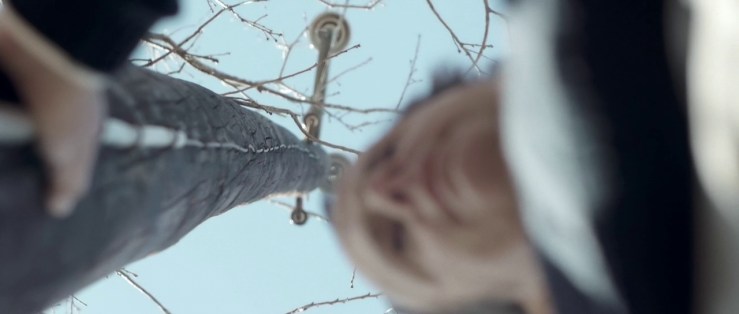

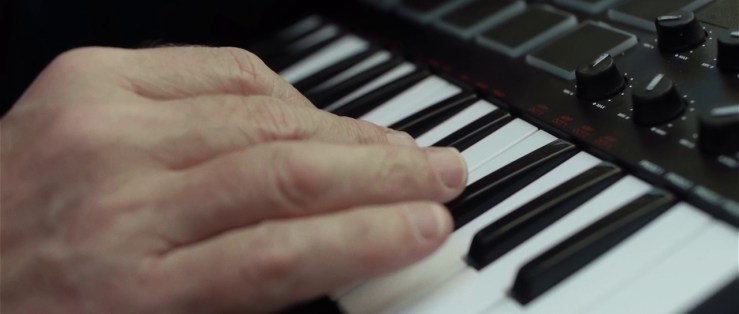
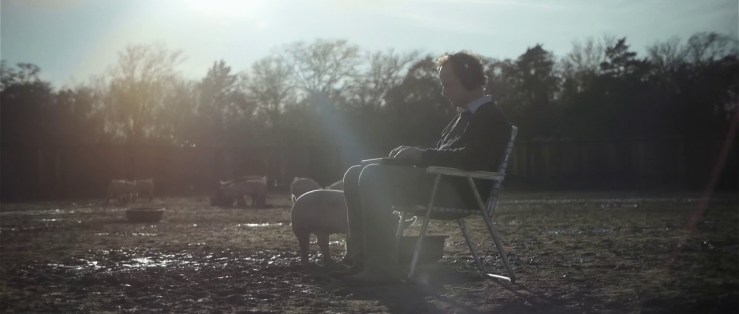
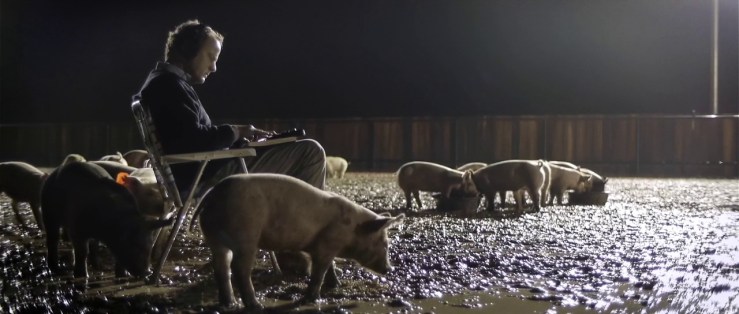
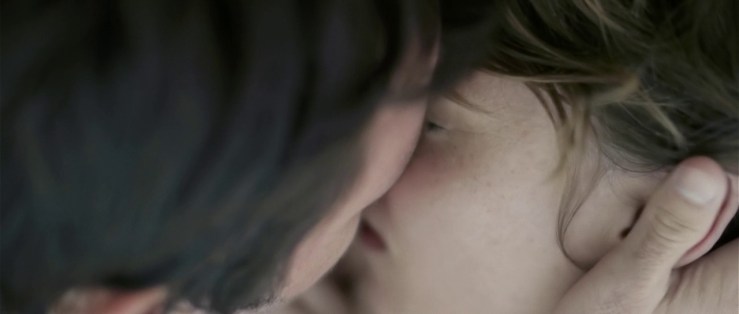
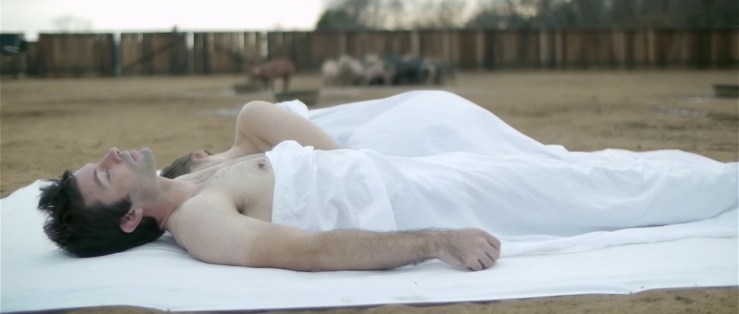


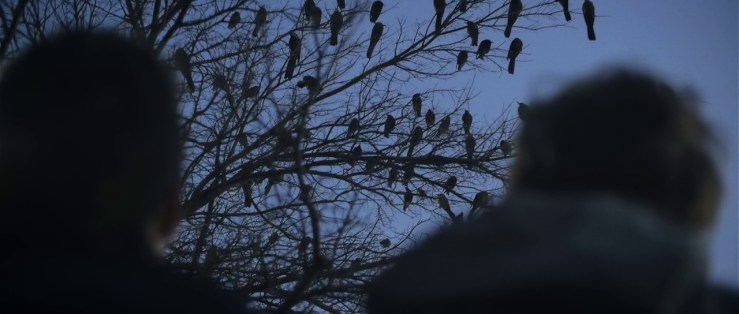

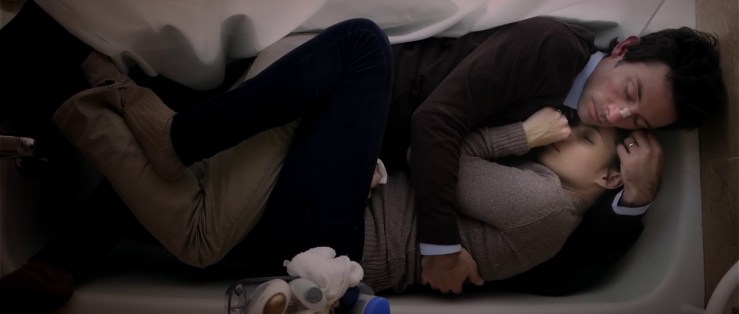

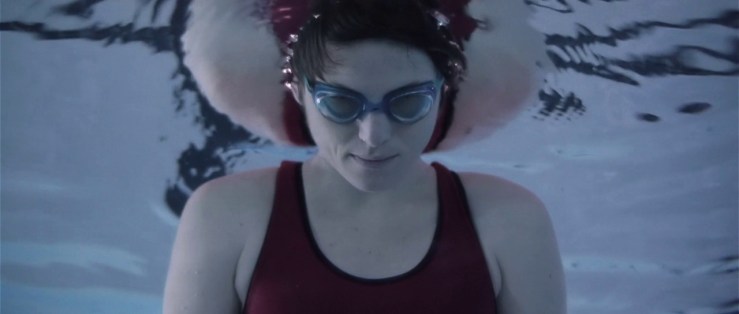
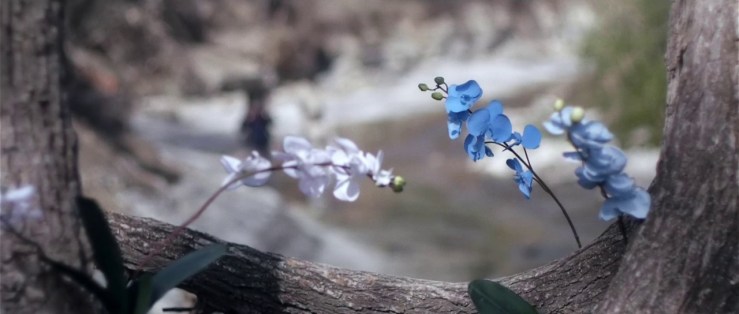
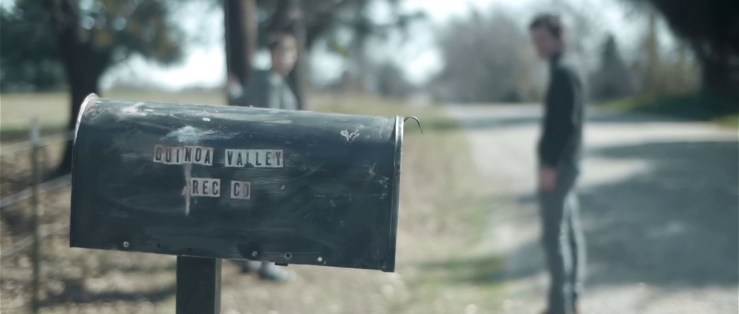
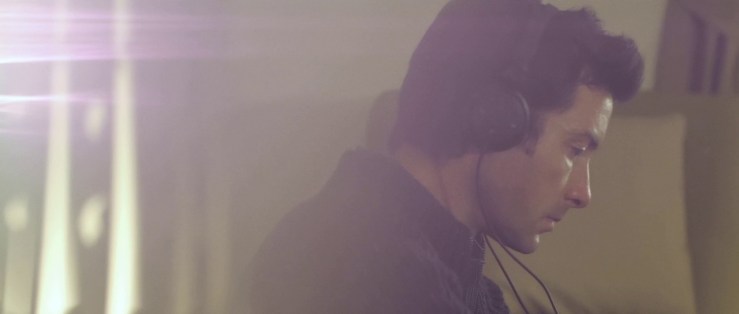
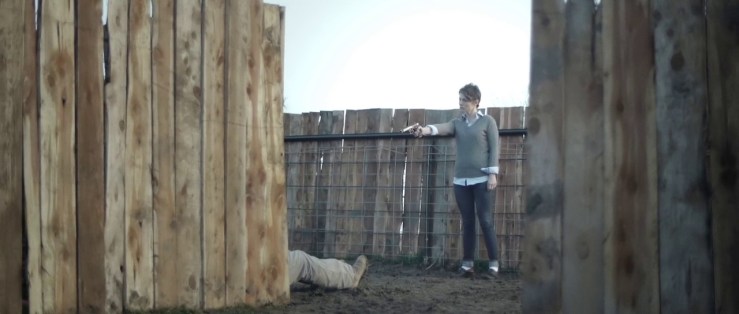
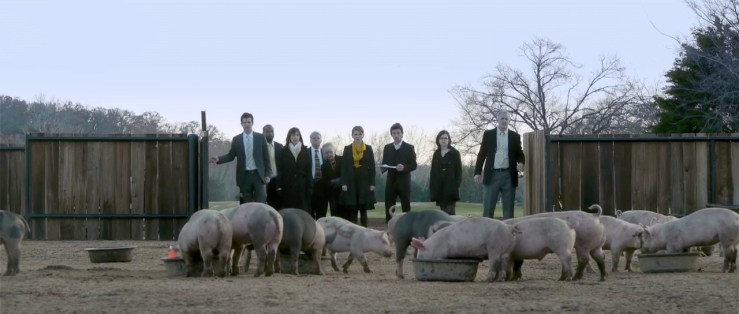
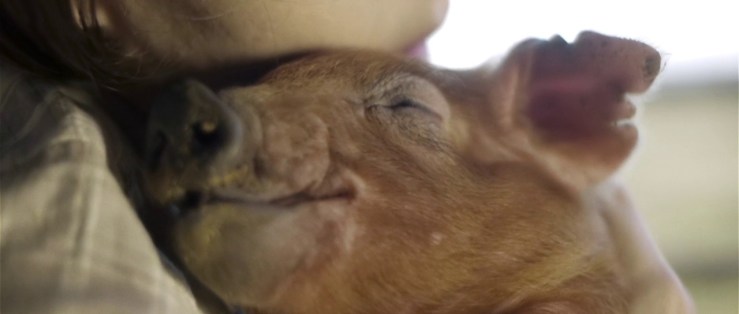
From Upstream Color, 2013. Direction and cinematography by Shane Carruth. Via Film Grab.

From Upstream Color, 2013. Direction and cinematography by Shane Carruth. Via Film Grab.

Miss Europe, 2016 by Kent Monkman (b. 1965)
“Why I Might Go to the Next Football Game”
by
Denis Johnson
sometimes you know
things: once at a
birthday party a little
girl looked at her new party
gloves and said she
liked me, making suddenly the light much
brighter so that the very small
hairs shone above her lip. i felt
stuffed, like a swimming pool, with
words, like i knew something that was in
a great tangled knot. and when we sat
down i saw there were
tiny glistenings on her
legs, too. i knew
something for sure then. but it
was too big, or like the outside too
everywhere, or maybe
hiding inside, behind
the bicycles where i later
kissed her, not using my tongue. it was
too giant and thin to squirm
into, and be so well inside of, or
too well hidden to punch, and feel. a few
days later on the asphalt playground i
tackled her. she skinned her
elbow, and i even
punched her and felt her, felt
how soft the hairs were. i thought
that i would make a fine football-playing
poet, but now i know
it is better to be an old, breathing
man wrapped in a great coat in the stands, who
remains standing after each play, who knows
something, who rotates in his place
rasping over and over the thing
he knows: “whydidnhe pass? the other
end was wide open! the end
was wide open! the end was wide open . . . ”

Ennui, c. 1914 by Walter Sickert (1860–1942)

Morning after the Flood, 1928 by Mary Adshead (1904–1995)
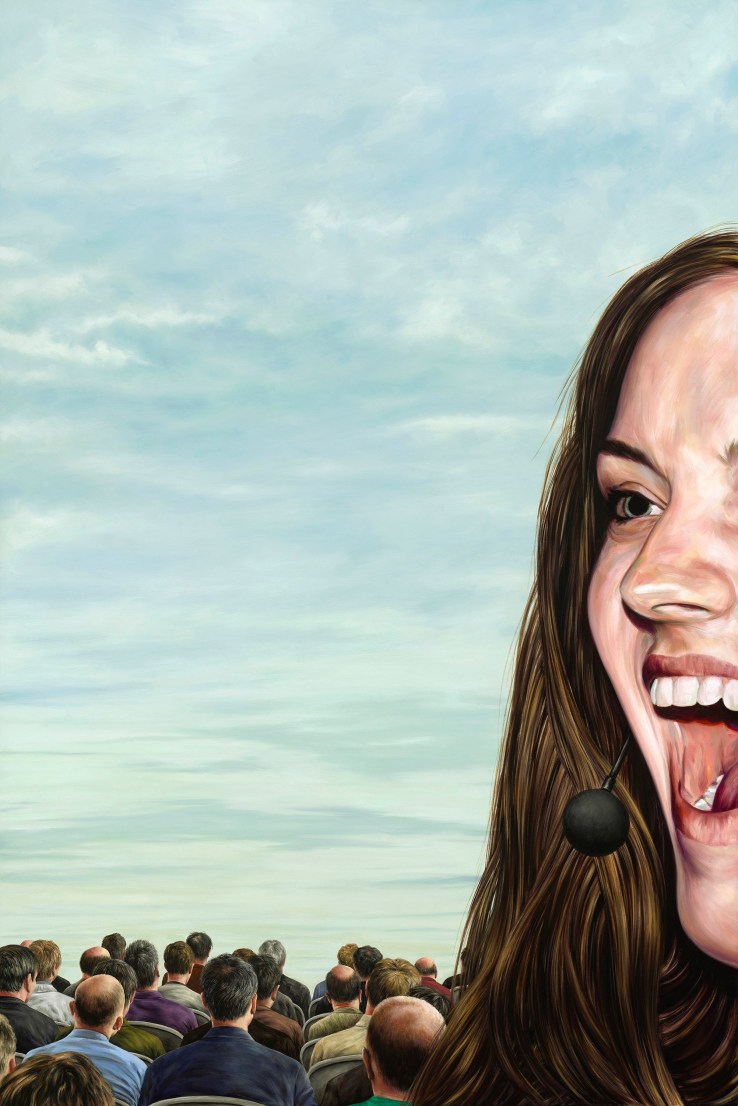
Seminar, 2019 by Eric White (b. 1968)
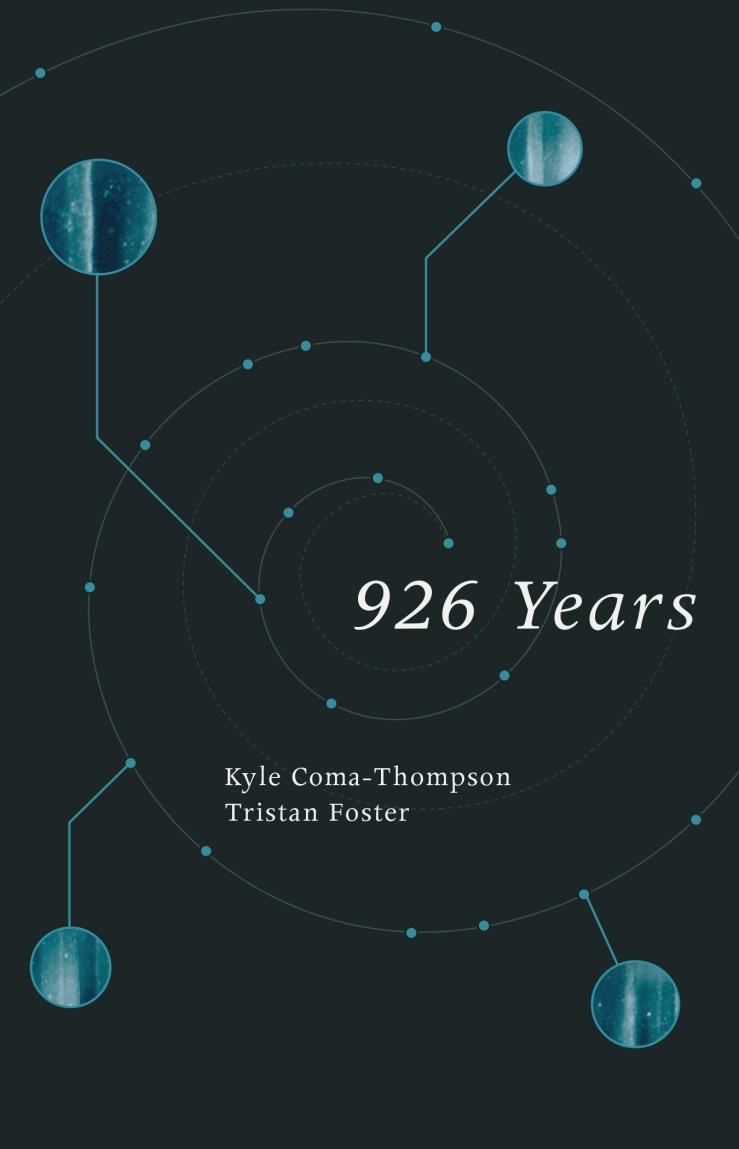
926 Years is a collaboration between Kyle Coma-Thompson and Tristan Foster. The book consists of 22 stories, each a paragraph long, and each paragraph no longer than the front and back of a 4.5″ x 7″ page. Each story is titled after a character plus the character’s age (e.g. “Chaplain Blake, age 60”; “Sebastian, age 30”; “Marty Fantastic, age 81”). (I have not done the math to see if all the ages add up to 926.) Although the characters never meet in the book’s prose, key sentences suggest that they may be connected via the reader’s imagination.
Indeed, the blurb on the back of 926 Years describes the book as “twenty-two linked stories.” After reading it twice, I don’t see 926 Years so much as a collection of connected tales, but rather as a kind of successful experimental novel, a novel that subtly and reflexively signals back to its own collaborative origin. Coma-Thompson lives in Louisville, Kentucky and Foster lives in Sydney, New South Wales. They’ve never met in person. And yet they share a common language, of course, and other common cultural forces surely shape their prose. (Melville’s Ishmael refers to Australia as “That great America on the other side of the sphere” in Ch. 24 of Moby-Dick.)
The book’s prose offers a consistency to the apparently discontinuous narrative pieces that comprise 926 Years. My first assumption was that Coma-Thompson and Foster traded narratives, but as I read and re-read, the prose’s stylistic consistency struck me more as a work of synthesis, of two writers tuning to each other and humming a new frequency. The sentences of 926 Years are predominantly short, and often fall into fragmentation, or elide their grammatical subject. Here’s an example from “Shelley Valentine, age 34”:
A flare of sansho pepper on the tongue tip. Catch the tree at the right time of year and the fruit bursts, raining peppercorns down. Maybe like the season when pistachios open, the night snapping like broken locust song. Used for seasoning eel. Sansho leaves for garnishing fish. Clap it between the hands for aroma, make a wish, the finishing touch to the perfect soup. In Korea, the unripe fruit was used for fishing. Poisonous to the smallest ones. That was cheating wasn’t it? Or was pulling up the fish all that mattered?
Eventually we can attribute these fragmented thoughts to Shelley Valentine, now well out of her magic twenties, drinking sansho-peppered gin and tonics in a “New bar, same lost , of course.” She’ll leave alone.
The characters in 926 Years move between isolation and connection, between fragmentation and re-integration. Here’s Larry Hoavis (age 47, by the way), sitting in a lawn chair in his rural backyard:
Why does it feel lonely, sitting and watching? Nature in its subtle power and monotony, pre-Internet to the core, unconscious of its enormity. No one. No one knows he’s even here. The house at his back. Divorced. His ex elsewhere, how he loved her, hurt her, himself. Why’s it beautiful, why’s it comforting, that no one knows?
Hoavis’s lonely transcendental private (and tequila-tinged) reverie of disconnection reinforces 926 Years’ themes of interconnection coupled with disintegration. In one of my favorite tales, “Lew Wade Wiley, age 55,” we learn of the “Spoiled heir of the Prudential fortune” who collects other people’s lives. He has them brought to his Boston penthouse to offer
…their worst fears, desires, the messy embarrassments of their commonalities…these he worked into undead monotone prose, the diary of Lew Wade Wiley, and so lived fuller than anyone who’d opened a newspaper to read those advertisements, wrote to that listed address, knocked at his penthouse door.
The adjective “undead” above fits into a resurrection motif that floats through 926 Years, whether it be the lifeforce of currency or the proverbial powers of cats to cheat death. Sometimes the resurrection is a kind of inspiriting force, as one character, overwhelmed by aesthetic possibility that “knocked the air out of him” experiences: “It had reminded him of a moment in a childhood that wasn’t his.”
Elsewhere, we see resurrection at a genetic level, as in “Mrs. Anderson, age 67,” whose psychologist describes to her the “cherry blossom” experiment, the results of which suggest that fear and anxiety to specific aesthetic stimuli can be passed down from generation to generation.
Reincarnation becomes both figurative and literal in the case of the lounge star Marty Fantastic, “Eighty-one-year-old darling with ten faces (one for each lift)…The plague of identities—who to be tonight, Peggy Lee, Rod Stewart, Cole Porter, Journey?” The oldest (and penultimate) character in 926 Years, Marty reflects on his own death as he gazes at his audience: “The songs of their future–what about those? They lyrics set in stone, the melodies: unknown.” The lovely little couplet suggest a complex relationship of aesthetic substance and aesthetic spirit.
The final piece in 926 Years–well, I won’t spoil it, I’ll simply say it kept me thinking, made me happy in a strange, nervous way. It features the youngest character in the book, and it points clearly if subtly to the book’s affirmation of imaginative and aesthetic possibility as a kind of crucial lifeforce. I’ll close instead with something from the book’s third tale, a little moment early on when 926 Years clicked for me:
Much as the geese and other such birds at the beginning of winter months fly south towards more temperate climates, it’s the nature of human beings to move in unconscious arrow formation as well. They take turns, leading the pack. The burden of cutting resistance through the air, something they share. Others fly, you see, in the wake; and that is why they form a V. The wake makes for easy flying, particularly at the furthest, outermost edges. The ones in the rear work less, conserve strength, eventually make their way towards the top of the V, tip of the arrow, then when it’s time and the leader has tired, assume the vanguard position. It is written into them by instinct to share the effort, burrowing southwards through the sky; that nevertheless sky we all live below.
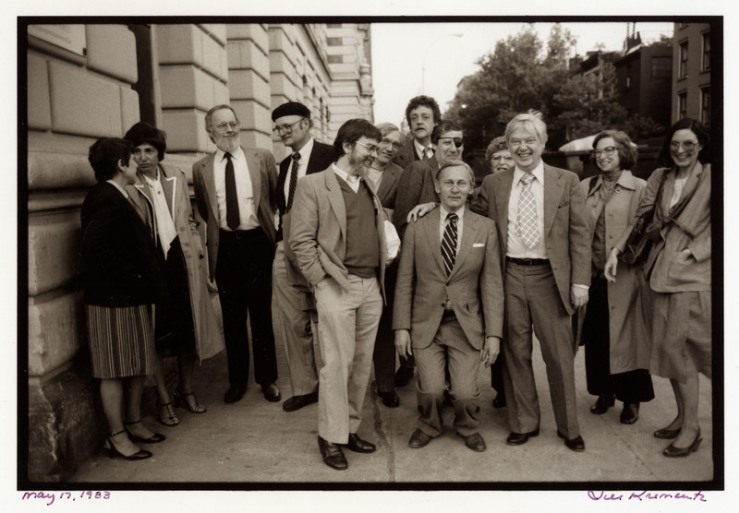
Photograph from “The Postmodernists Dinner,” 1983 by Jill Krementz (b. 1940)
From the University of Houston’s collection of Barthelme’s papers. The entry’s description:
Left to right: unidentified, unidentified, Donald Barthelme, John Barth, Robert Coover (turned), unidentified, Kurt Vonnegut, Walter Abish (with patch), William Gaddis (squatting), unidentified, William Gass, unidentified, unidentified. In 1983, Barthelme arranged a “Postmodernists Dinner” for the group of writers who were often lumped together under the “postmodernist” label. The reclusive Thomas Pynchon declined the invitation.
It would be swell if anyone could identify the women in the photograph. [Ed. note–the woman to Walter Abish’s left (behind Gass) is the artist Cecile Abish, Walter’s wife. Thanks to Terry in the comments.]
In his 2009 Barthelme biography Hiding Man, Tracy Daugherty offers the following recollection of the “Postmodernist Dinner” from novelist Walter Abish:
Around this time — in the spring of 1983 — “Donald had this idea to make a dinner in SoHo,” says Water Abish. “A major dinner for a group of writers, and he planned it very, very carefully. It was a strange event. Amusing and intriguing. He invited…well, that was the thing of it. The list. I was astounded that he consulted me but he called and said, ‘Should we invite so-and-so?’ Naturally, I did the only decent thing and said ‘Absolutely’ to everyone he mentioned. I pushed for Gaddis. Gass was there, and Coover and Hawkes, Vonnegut and his wife, Jill Krementz, who took photographs, I think. Don’s agent, Lynn Nesbit, was there. She was always very friendly. Susan Sontag was the only woman writer invited.
Daugherty continues:
Pynchon couldn’t make it. He wrote Don to apologize. He said he was ‘between coasts, Arkansas or Lubbock or someplace like ‘at.”
Abish recollects that the meal was at a very expensive restaurant, prefix, and the writers had to pay their own way. There were about 21 attendees, and Barthelme was “Very, very dour.”
Here is Pynchon’s letter declining the invite (via Jessamyn West, both on Twitter and her wonderful Donald Barthelme appreciation page):
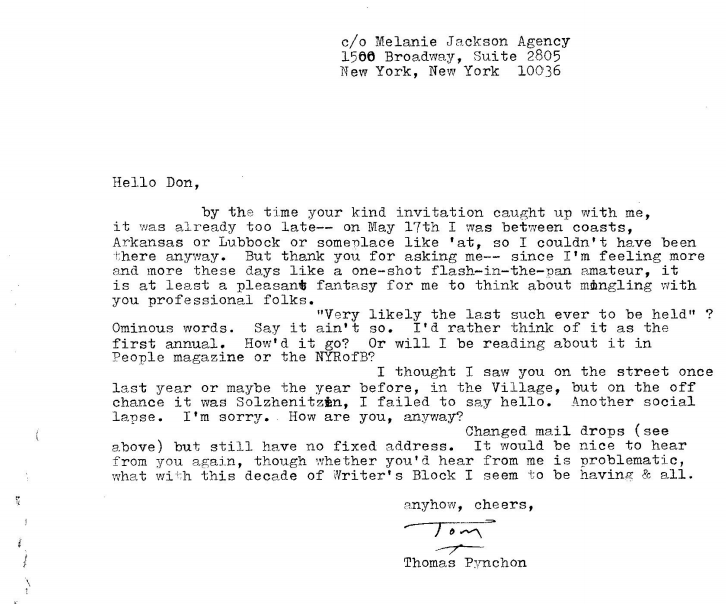
I had never seen the photograph until today when Ethelmer shared it with me on Twitter. Thanks!
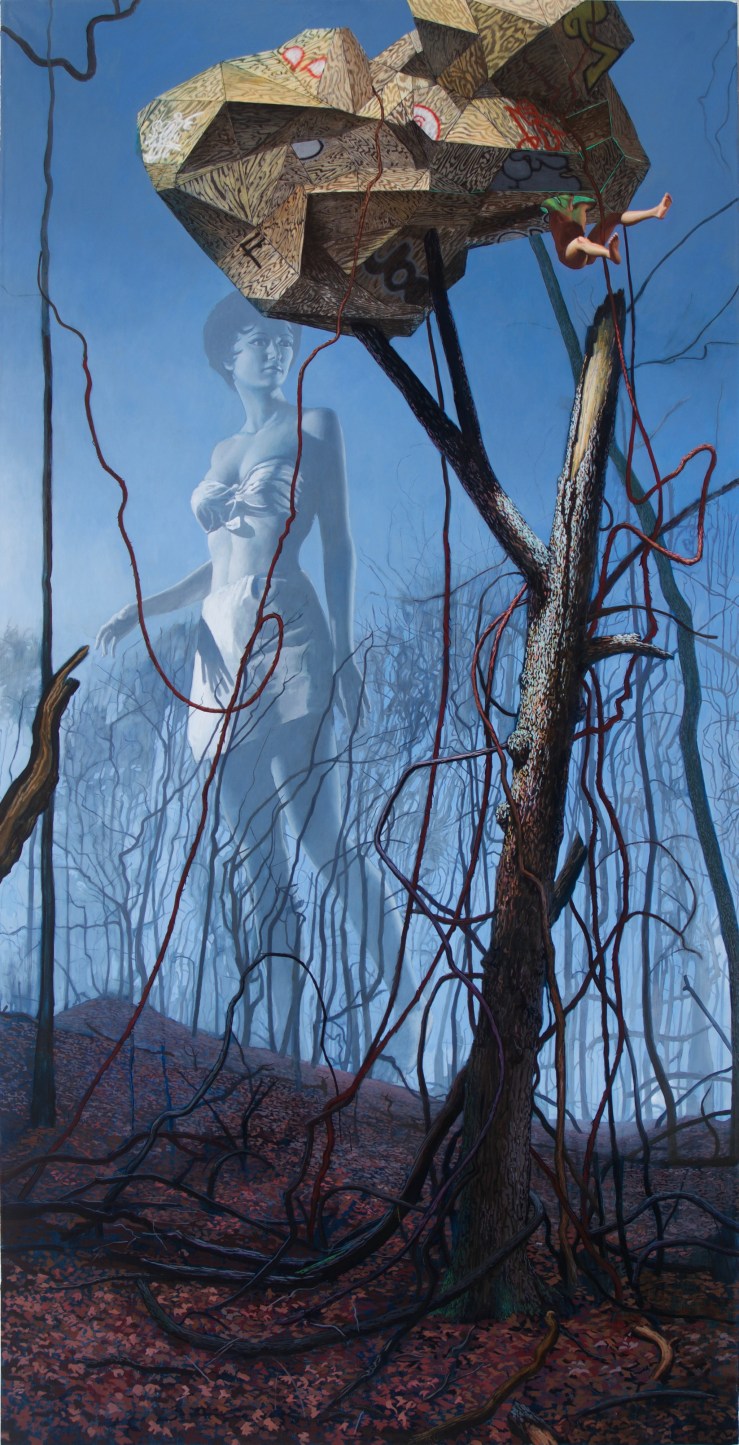


Colossus, 2019 by John Jacobsmeyer (b. 1964)

Sallow/Fur, 2018 by Anna Bjerger (b. 1973)
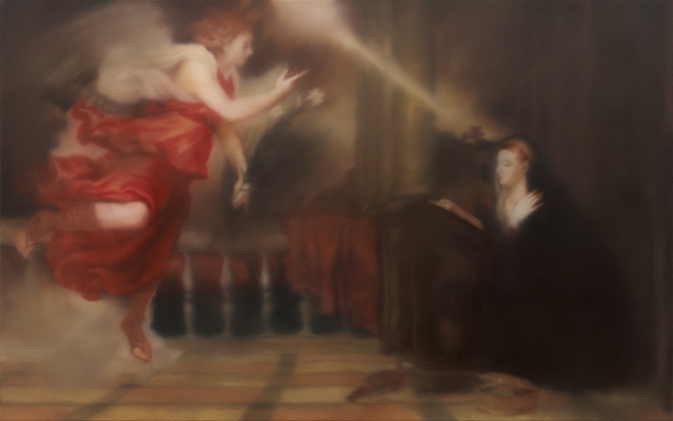
Annunciation after Titian, 1973 by Gerhard Richter (b. 1932)
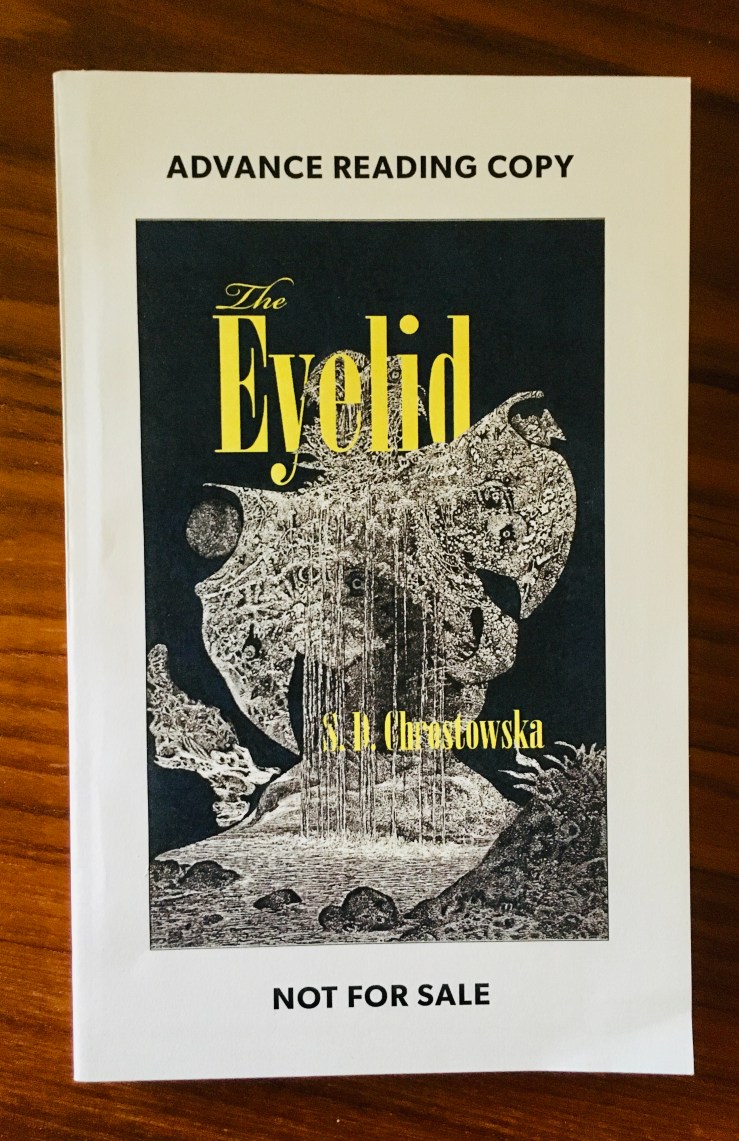
An AR copy of S.D. Chrostowska’s novel The Eyelid showed up at Biblioklept World Headquarters a few days before Xmas. I was inundated with books, both review copies and gifts and gifts to myself, but still excited—I think Chrostowska’s novel Permission is great. (I was lucky enough to interview Chrostowska about the novel, too.)
The book’s blurb points to a kind of sci-fi or dystopian plot that I wouldn’t necessarily have expected from Chrostowska (all the better):
In the near future, sleep has been banned. Our unnamed, dream-prone narrator finds himself following Chevauchet, a diplomat of Onirica, a foreign republic of dreams, to resist the prohibition. On a mission to combat the state-sponsored drugging of citizens with uppers for greater productivity, they traverse an eerie landscape in an everlasting autumn, able to see inside other people’s nightmares and dreams. As Comprehensive Illusion — a social media-like entity that hijacks creativity — overtakes the masses, Chevauchet, the old radical, weakens and disappears, leaving our narrator to take up Chevauchet’s dictum that “daydreaming is directly subversive” and forge ahead on his own.
In slippery, exhilarating and erudite prose, The Eyelid revels in the camaraderie of free thinking that can only happen on the lam, aiming to rescue a species that can no longer dream.
The Eyelid is forthcoming from Coach House Proof in April of this year.
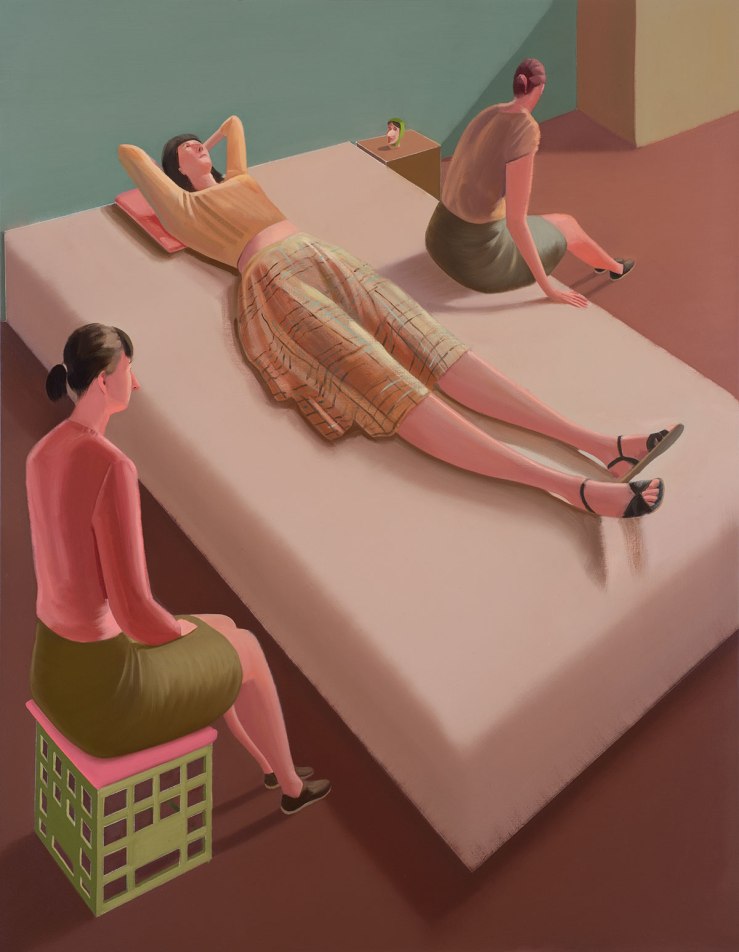
The Visit, 2018 by Prudence Flint (b. 1962)

The Gallien Girl, 1910 by Frantisek Kupka (1871-1957)

Reverie, 1948 by Gertrude Abercrombie (1909–1977)
 Biblioklept