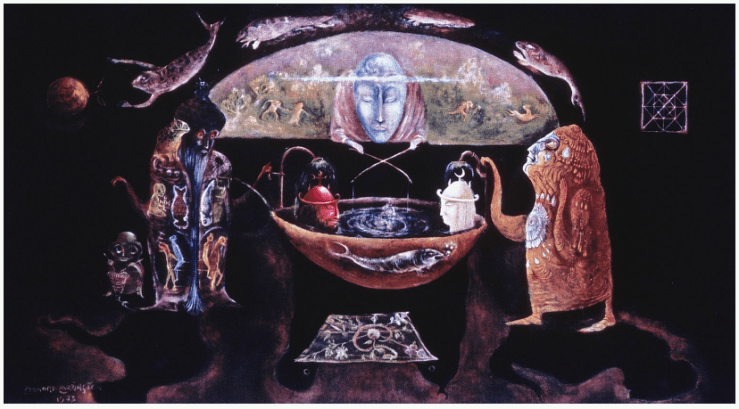
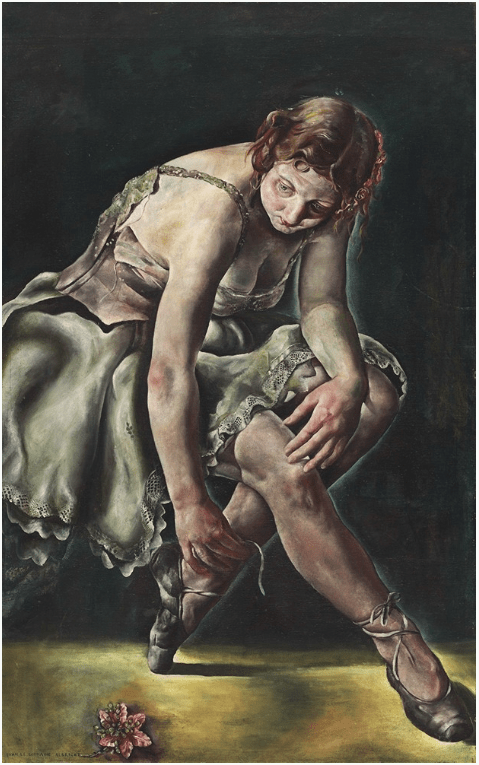
Cornelia and Cornelius — Leonora Carrington

Screenshot 2018-09-03 at 10.27.40 PM

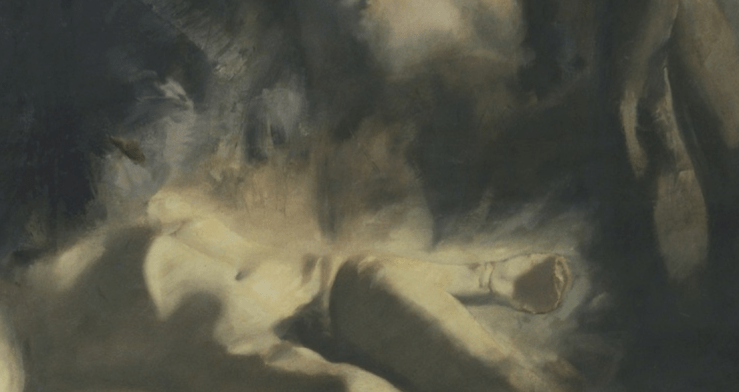
Cornelia and Cornelius, 1974 by Leonora Carrington (1917–2011)

“Was” by William Faulkner

“Was”

by

William Faulkner

from Go Down, Moses


Isaac McCaslin, ‘Uncle Ike’, past seventy and nearer eighty than he ever corroborated any more, a widower now and uncle to half a county and father to no one

this was not something participated in or even seen by himself, but by his elder cousin, McCaslin Edmonds, grandson of Isaac’s father’s sister and so descended by the distaff, yet notwithstanding the inheritor, and in his time the bequestor, of that which some had thought then and some still thought should have been Isaac’s, since his was the name in which the title to the land had first been granted from the Indian patent and which some of the descendants of his father’s slaves still bore in the land. But Isaac was not one of these:-a widower these twenty years, who in all his life had owned but one object more than he could wear and carry in his pockets and his hands at one time, and this was the narrow iron cot and the stained lean mattress which he used camping in the woods for deer and bear or for fishing or simply because he loved the woods; who owned no property and never desired te since the earth was no man’s but all men’s, as light and air and weather were; who lived still in the cheap frame bungalow in Jefferson which his wife’s father gave them on their marriage and which his wife had willed to him at her death and which he had pretended to accept, acquiesce to, to humor her, ease her going but which was not his, will or not, chancery dying wishes mortmain possession or whatever, himself merely holding it for his wife’s sister and her children who had lived in it with him since his wife’s death, holding himself welcome to live in one room of it as he had during his wife’s time or she during her time or the sister-in-law and her children during the rest of his and after not something he had participated in or even remembered except from the hearing, the listening, come to him through and from his cousin McCaslin born in 1850 and sixteen years his senior and hence, his own father being near seventy when Isaac, an only child, was born. rather his brother than cousin and rather his father than either, out of the old time, the old days.

When he and Uncle Buck ran back to the house from discovering that Tomey’s Turl had run again, they heard Uncle Buddy cursing and bellowing in the kitchen, then the fox and the dogs came out of the kitchen and crossed the hall into the dogs’ room and they heard them run through the dogs’ room into his and Uncle Buck’s room then they saw them cross the hall again into Uncle Buddy’s room and heard them run through Uncle Buddy’s room into the kitchen. Where Uncle Buddy was picking the breakfast up out of the ashes and wiping it off with his apron. “What in damn’s hell do you mean,” he said “turning that damn fox out with the dogs all loose in the house?”

“Damn the fox” Uncle Buck said. “Tomey’s Turl has broke out again. Give me and Cass some breakfast quick we might just barely catch him before he gets there.” Continue reading ““Was” by William Faulkner”

Tuesday — Leonora Carrington

tuesday

Tuesday, 1946 by Leonora Carrington (1917–2011)

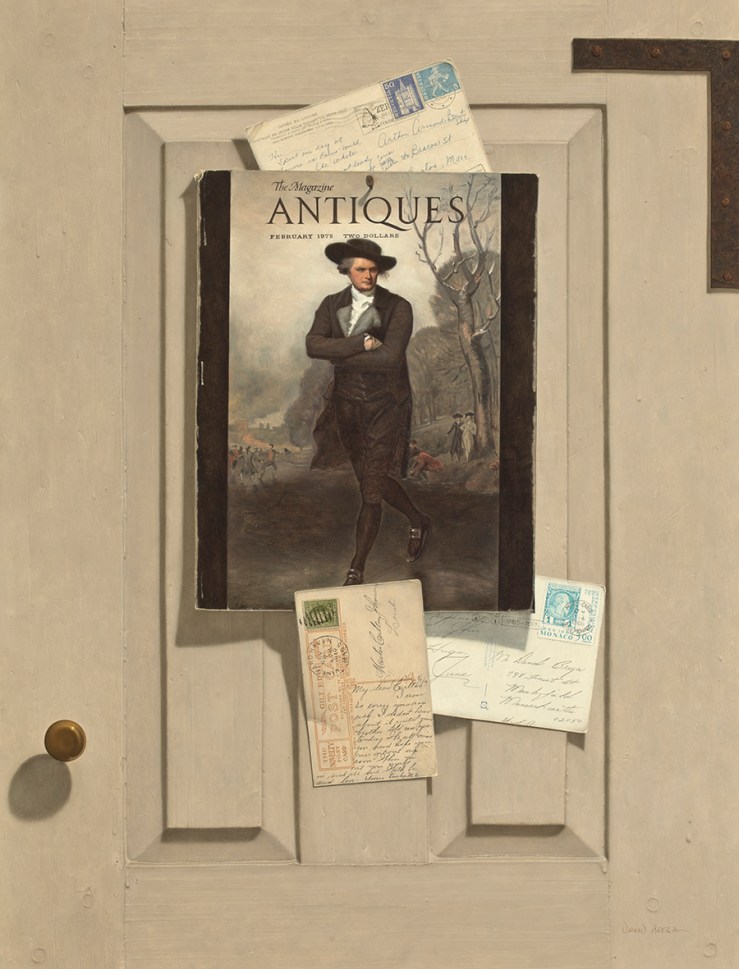
The Magazine Antiques — David Brega

brega_themagazineantiques_300dpi

The Magazine Antiques, 1986 by David Brega (b. 1948)

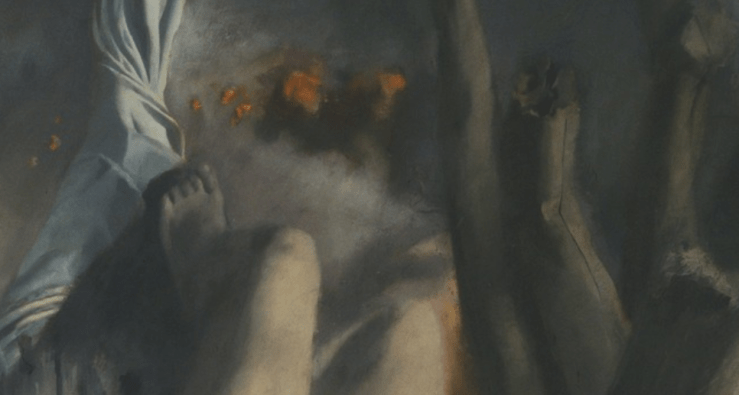
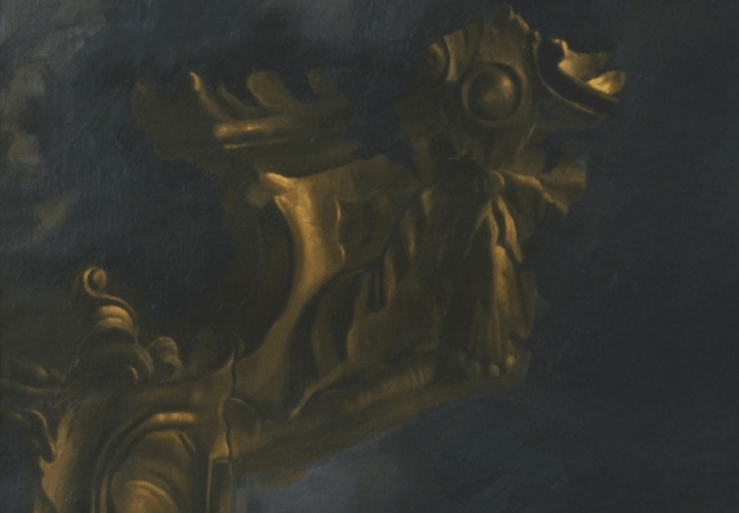
Composition with Still Life — Edwin Dickinson

edwindickinsonScreenshot 2018-09-23 at 4.32.18 PMScreenshot 2018-09-23 at 4.32.08 PMScreenshot 2018-09-23 at 4.31.53 PMScreenshot 2018-09-23 at 4.31.36 PM

Composition with Still Life, 1937 by Edwin Dickinson (1891-1978)

“September, 1918” — Amy Lowell

“September, 1918”

by

Amy Lowell


This afternoon was the colour of water falling through sunlight;
The trees glittered with the tumbling of leaves;
The sidewalks shone like alleys of dropped maple leaves,
And the houses ran along them laughing out of square, open windows.
Under a tree in the park,
Two little boys, lying flat on their faces,
Were carefully gathering red berries
To put in a pasteboard box.
Some day there will be no war,
Then I shall take out this afternoon
And turn it in my fingers,
And remark the sweet taste of it upon my palate,
And note the crisp variety of its flights of leaves.
To-day I can only gather it
And put it into my lunch-box,
For I have time for nothing
But the endeavour to balance myself
Upon a broken world.

Sunburnt — Julio Larraz

sunburnt1

Sunburnt, 2013 by Julio Larraz (b. 1944)

Poe Poe Poe Poe Poe Poe Poe (Book acquired, 21 Sept. 2018)

img_1111

After flirting with the thing after first spying it a few weeks ago, I finally broke down and picked up Daniel Hoffman’s 1972 biography Poe Poe Poe Poe Poe Poe Poe. It is too weird not to be mine. Here is a good review of the book.

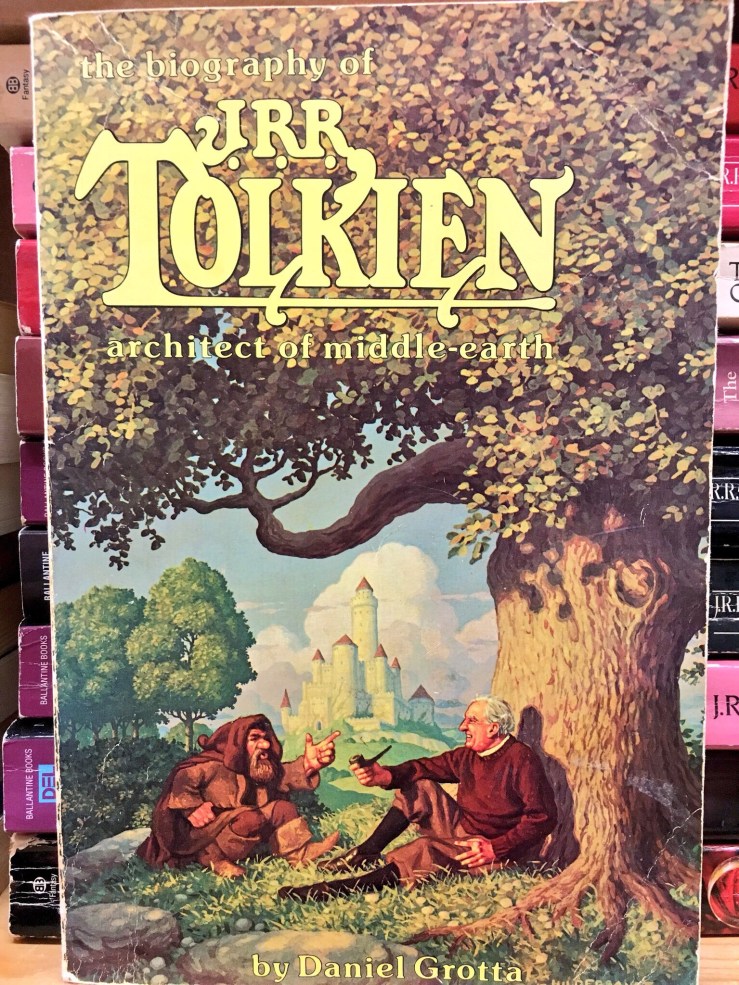
I spied but did not pick up this biography of JRR Tolkien, but its cover is utterly charming.

img_1101

Untitled (Ark) — Hans-Georg Rauch

img_1107

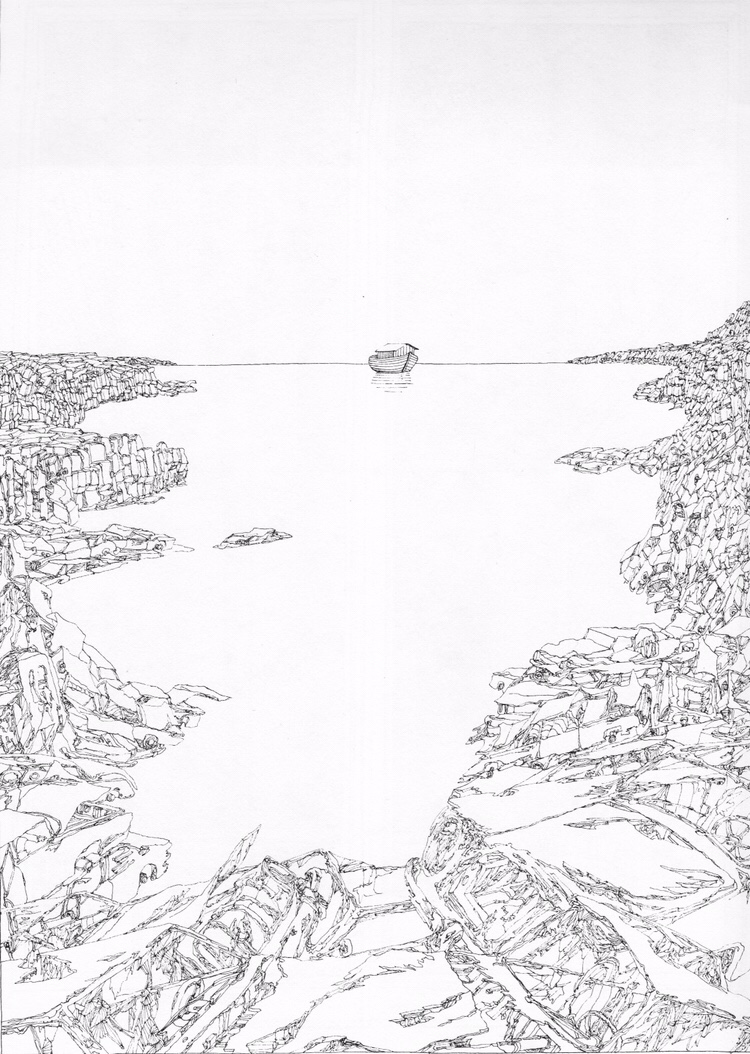
From HG Rauch’s En Masse (Collier, 1975).

The Concert — Pavel Tchelitchew

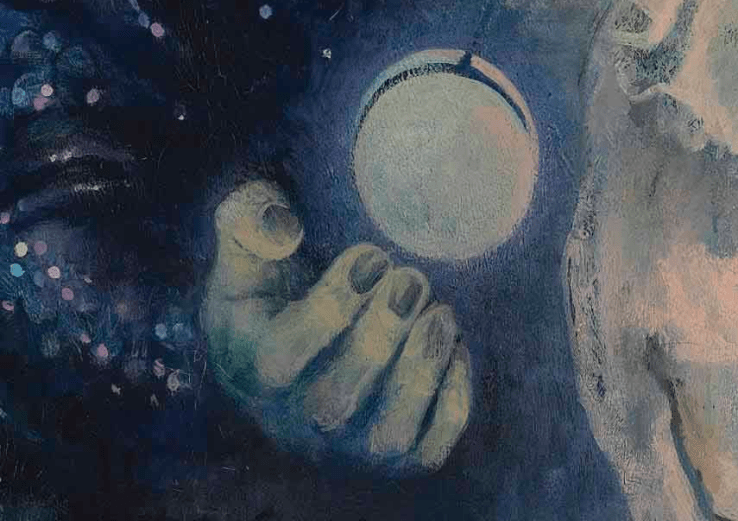
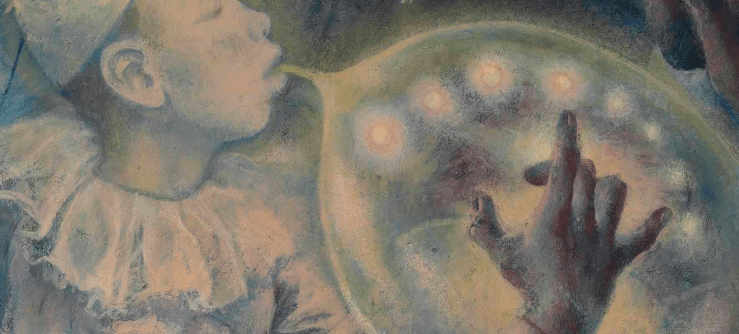
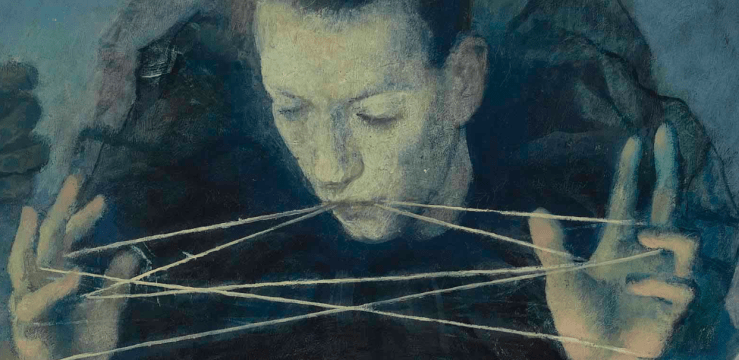
2016_cks_13765_0020_000pavel_tchelitchew_the_concert

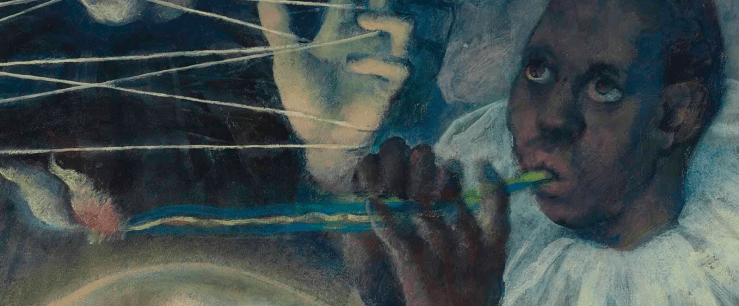
The Concert, 1933 by Pavel Tchelitchew (1898-1957)

Screenshot 2018-09-21 at 6.05.04 PMScreenshot 2018-09-21 at 6.04.44 PMScreenshot 2018-09-21 at 6.04.14 PMScreenshot 2018-09-21 at 6.03.41 PM

The Lake — Frances Hodgkins

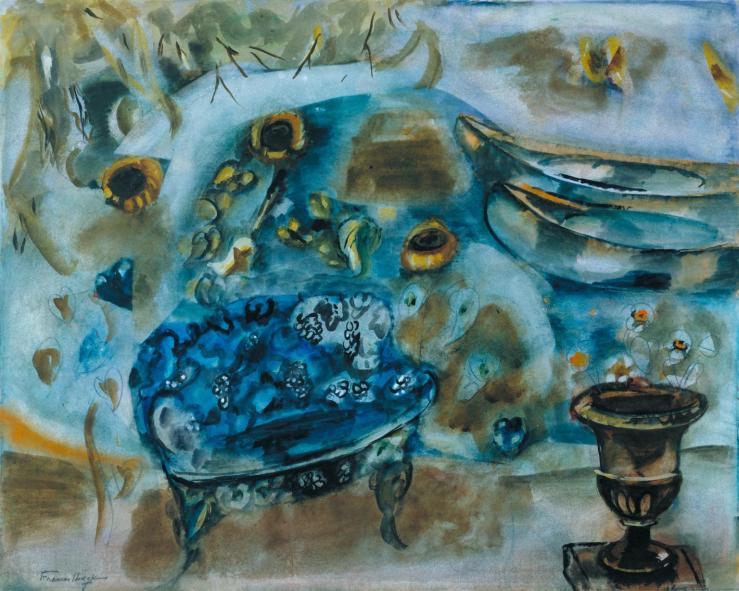
The Lake c.1930-5 by Frances Hodgkins 1869-1947

The Lake, c. 1935 by Frances Hodgkins (1869–1947)

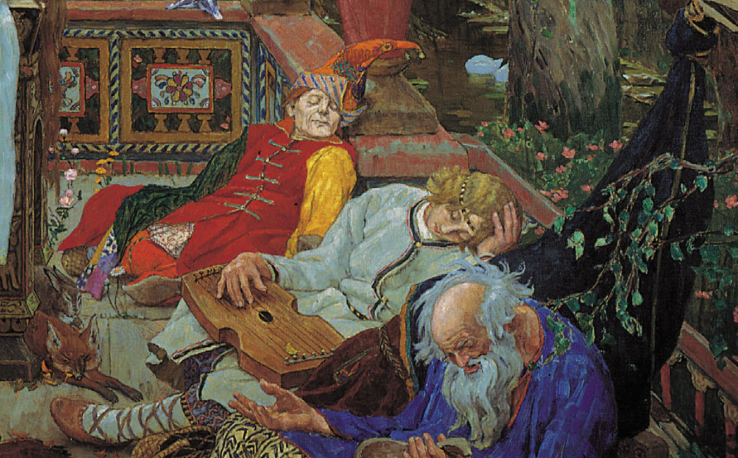
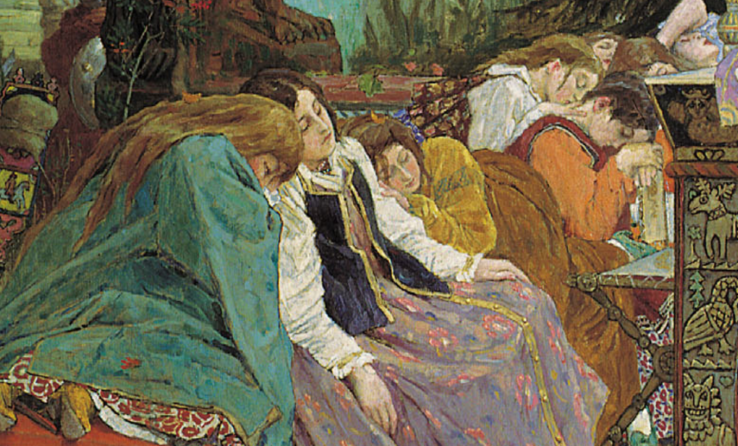
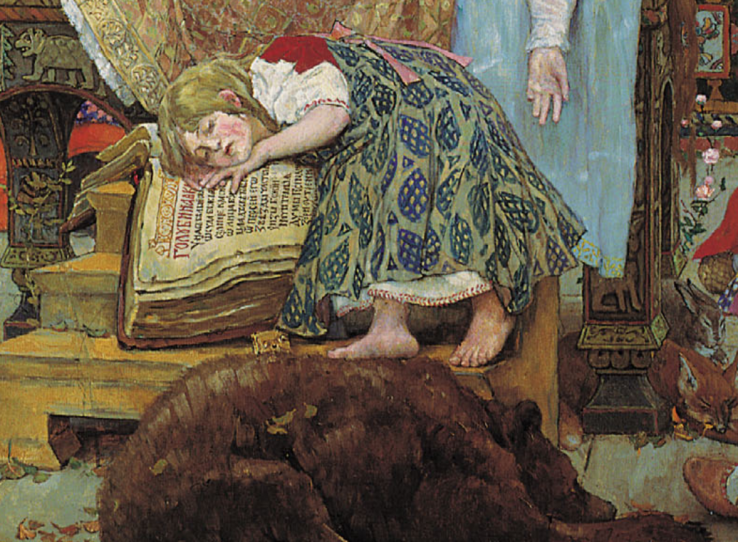
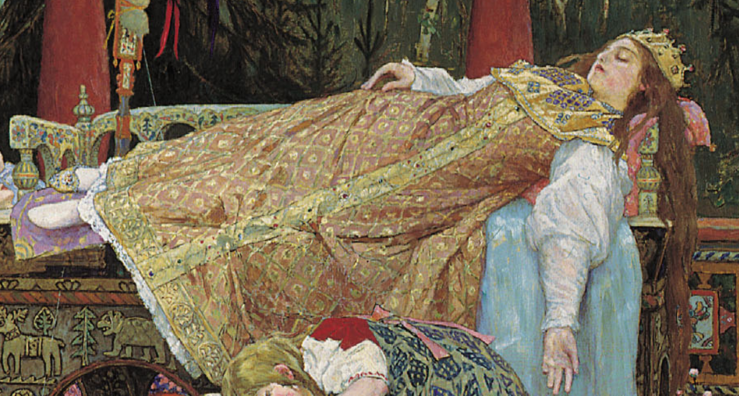
The Sleeping Princess — Viktor Vasnetsov

unnamed-file

The Sleeping Princess by Viktor Vasnetsov (1848-1926)

abcd

There Were No Flowers Tonight — Ivan Albright

albright

There Were No Flowers Tonight, 1929 by Ivan Albright (1897-1983)

“The Adventure of a Reader,” a story by Italo Calvino

“The Adventure of a Reader”

by

Italo Calvino

translated by  William Weaver


The coast road ran high above the cape; the sea was below, a sheer drop, and on all sides, as far as the hazy mountainous horizon. The sun was on all sides, too, as if the sky and the sea were two glasses magnifying it. Down below, against the jagged, irregular rocks of the cape, the calm water slapped without making foam. Amedeo Oliva climbed down a steep flight of steps, shouldering his bicycle, which he then left in a shady place, after closing the padlock. He continued down the steps amid spills of dry yellow earth and
agaves jutting into the void, and he was already looking around for the most comfortable stretch of rock to lie down. Under his arm he had a rolled-up towel and, inside the towel, his bathing trunks and a book.

The cape was a solitary place : only a few groups of bathers dived into the water or took the sun, hidden from one another by the irregular conformation of the place. Between two boulders that shielded him from view, Amedeo undressed, put on his trunks, and began jumping from the top of one rock to the next. Leaping in this way on his skinny legs, he crossed half the rocky shore, sometimes almost grazing the faces
of half-hidden pairs of bathers stretched out on beach towels. Having gone past an outcrop of sandy rock, its surface porous and irregular, he came upon smooth stones, with rounded corners; Amedeo took off his sandals, held them in his hand, and continued running barefoot, with the confidence of someone who can judge distances between rocks and whose soles nothing can hurt. He reached a spot directly above the sea; there was a kind of shelf running around the cliff at the halfway point. There Amedeo stopped. On a flat ledge he arranged his clothes, carefully folded, and set the sandals on them, soles up, so no gust of wind would carry everything off (in reality, only the faintest breath of air was stirring, from the sea; but this precaution was obviously a habit with him). A little bag he was carrying turned into a rubber cushion; he blew into it until it had filled out, then set it down; and below it, at a point slightly sloping from that rocky ledge, he spread out his towel. He flung himself on it supine, and already his hands were opening his book at the marked page. So he lay stretched out on the ledge, in that sun glaring on all sides, his skin dry (his tan was opaque, irregular, as of one who takes the sun without any method but doesn’t burn); on the rubber cushion he set his head sheathed in a white canvas cap, moistened (yes, he had also climbed down to a low rock, to dip his cap in the water), immobile except for his eyes (invisible behind his dark glasses), which followed along the black and white lines the horse of Fabrizio del Dongo. Below him opened a little cove of greenish-blue water, transparent almost to the bottom. The rocks, according to their exposure, were bleached white or covered with algae. A little pebble beach was at their foot. Every now and then Amedeo raised his eyes to that broad view, lingered on a glinting of the surface, on the oblique dash of a crab; then he went back, gripped, to the page where Raskolnikov counted the steps that separated him from the old woman’s door, or where Lucien de Rubempre, before sticking his head into the noose, gazed at the towers and roofs of the Conciergerie. Continue reading ““The Adventure of a Reader,” a story by Italo Calvino”

Posted in Art

Joseph’s Coat with Snake, Lizard, and Butterflies — Otto Marseus van Schrieck

schrieck

Joseph’s Coat with Snake, Lizard, and Butterflies by Otto Marseus van Schrieck (1613-1678)

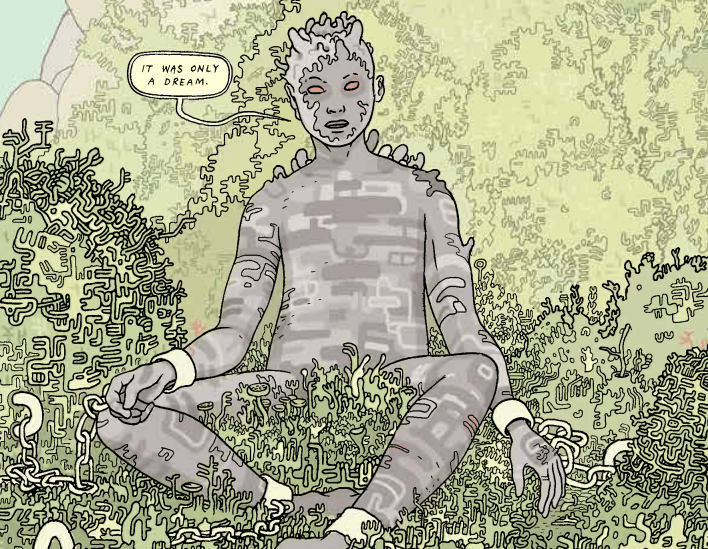
A review of Anders Nilsen’s comic Tongues

screenshot-2018-08-31-at-4-30-04-pm

Check out my review (at The Comics Journal) of Anders Nilsen’s new comic Tongues. First paragraph:

There’s a lot going on in the first two issues of Anders Nilsen’s new graphic novel-in-progress Tongues. A black eagle plays chess with Prometheus before tearing out the chained god’s liver. A young American ambles aimlessly through a Central Asian desert, a teddy bear strapped to his back. Stealing away from his lover’s tower window, a youth morphs into a black swan and flies into the desert, where he consumes the tongue and throat of a murder victim sprawled in the sand. A little girl chats in Swahili about her assassination plans with a black chicken. (There are lots of black birds in Tongues). There’s also some literal monkey business. It’s all really beautiful stuff.

Read the full review at The Comics Journal.

screenshot-2018-08-31-at-4-34-20-pm

Math — Nicole Eisenman

ak14688_eis_math-1400-190x196x2130x1421_q85

Math, 2017 by Nicole Eisenman (b. 1965)