One night I sat alone on the great down, looking over the edge of it at a murky, sullen city. All day long with its smoke it had troubled the holy sky, and now it sat there roaring in the distance and glared at me with its furnaces and lighted factory windows. Suddenly I became aware that I was not the only enemy of that city, for I perceived the colossal form of the Hurricane walking over the down towards me, playing idly with the flowers as he passed, and near me he stopped and spake to the Earthquake, who had come up mole-like but vast out of a cleft in the earth.
‘Old friend,’ said the Hurricane, ‘rememberest when we wrecked the nations and drave the herds of the sea into new pasturage?’
‘Yes,’ said the Earthquake, drowsily; ‘Yes, yes.’
‘Old friend,’ said the Hurricane, ‘there are cities everywhere. Over thy head while thou didst sleep they have built them constantly. My four children the Winds suffocate with the fumes of them, the valleys are desolate of flowers, and the lovely forests are cut down since last we went abroad together.’
The Earthquake lay there, with his snout towards the city, blinking at the lights, while the tall Hurricane stood beside him pointing fiercely at it.
‘Come,’ said the Hurricane, ‘let us fare forth again and destroy them, that all the lovely forests may come back and the furry creeping things. Thou shalt whelm these cities utterly and drive the people forth, and I will smite them in the shelterless places and sweep their desecrations from the sea. Wilt thou come forth with me and do this thing for the glory of it? Wilt thou wreck the world again as we did, thou and I, or ever Man had come? Wilt thou come forth to this place at this hour tomorrow night?’
‘Yes,’ said the Earthquake, ‘Yes,’ and he crept to his cleft again, and head foremost waddled down into the abysses.
When the Hurricane strode away, I got up quietly and departed, but at that hour of the next night I came up cautiously to the same spot. There I found the huge grey form of the Hurricane alone, with his head bowed in his hands, weeping; for the Earthquake sleeps long and heavily in the abysses, and he would not wake.
Yesterday, Rolling Stone and other sources reported the death of musician Holger Czukay.
Czukay is probably most famous as the throbbing heart of Can, but he also recorded many solo albums and was a frequent collaborator with other artists across many genres.
It’s hard to find another run of albums as perfect as Can’s output in the early 1970s—Tago Mago, Ege Bamyasi, and Future Days are flawless in my book.
These albums have brought me good times and good grooves for decades now. I’ll always be especially thankful to Czukay for one particular moment in my life—I was 19, relaxing in a bathtub, blaring Monster Movie on my stereo—a particular bass frequency rumbled a bar of soap and sent it smoothly sliding into the water. The moment was somehow epiphanic for me, illustrating a relationship between time, space, and matter. And music.
Sunday, September 5th.–To-day I have done little or nothing except to roam along the shore of the island, and to sit under the piazza, talking with Mr. Laighton or some of his half-dozen guests; and about an hour before dinner I came up to my room, and took a brief nap. Since dinner I have been writing the foregoing journal. I observe that the Fanny Ellsler, our passenger and mail boat, has arrived from Portsmouth, and now lies in a little cove, moored to the rocky shore, with a flag flying at her main-mast. We have been watching her for some hours, but she stopped to fish, and then went to some other island, before putting in here. I must go and see what news she has brought.
“What did you fire at?” asked one of the Yankees just now of a boy who had been firing a gun. “Nothing,” said the boy. “Did you hit it?” rejoined the Yankee.
The farmer is of a much ruder and rougher mould than his brother,–heavier in frame and mind, and far less cultivated. It was on this account, probably, that he labored as a farmer, instead of setting up a shop. When it is warm, as yesterday, he takes off his coat, and, not minding whether or no his shirt-sleeves be soiled, goes in this guise to meals or wherever else,–not resuming his coat as long as he is more comfortable without it. His shoulders have a stoop, and altogether his air is that of a farmer in repose. His brother is handsome, and might have quite the aspect of a smart, comely young man, if well dressed.
This island is said to be haunted by a spectre called “Old Bab.” He was one of Captain Kidd’s men, and was slain for the protection of the treasure. Mr. Laighton said that, before he built his house, nothing would have induced the inhabitant of another island to come to this after nightfall. The ghost especially haunts the space between the hotel and the cove in front. There has, in times past, been great search for the treasure.
Mr. Thaxter tells me that the women on the island are very timid as to venturing on the sea,–more so than the women of the mainland,–and that they are easily frightened about their husbands. Very few accidents happen to the boats or men,–none, I think, since Mr. Thaxter has been here. They are not an enterprising set of people, never liking to make long voyages. Sometimes one of them will ship on a voyage to the West Indies, but generally only on coast-wise trips, or fishing or mackerel voyages. They have a very strong local attachment, and return to die. They are now generally temperate, formerly very much the contrary.
September 5th.–A large part of the guests took their departure after an early breakfast this morning, including Mr. Titcomb, Mr. Weiss, the two Yankees, and Mr. Thaxter,–who, however, went as skipper or supercargo, and will return with the boat. I have been fishing for cunners off the rocks, but with intolerably poor success. There is nothing so dispiriting as poor fishing, and I spend most of the time with my head on my hands, looking at the sea breaking against the rocks, shagged around the bases with seaweed. It is a sunny forenoon, with a cool breeze from the south-west. The mackerel craft are in the offing. Mr. Laighton says that the Spy (the boat which went to the mainland this morning) is now on her return with all her colors set; and he thinks that Pierce is on board, he having sent Mr. Thaxter to invite him to come in this boat.
Pierce arrived before dinner in the Spy, accompanied by Judge Upham and his brother and their wives, his own wife, Mr. Furness, and three young ladies. After dinner some of the gentlemen crossed over to Gosport, where we visited the old graveyard, in which were monuments to Rev. Mr. Tucke (died 1773, after forty years’ settlement) and to another and later minister of the island. They were of red freestone, lying horizontally on piles of the granite fragments, such as are scattered all about. There were other graves, marked by the rudest shapes of stones at head and foot. And so many stones protruded from the ground, that it was wonderful how space and depth enough was found between them to cover the dead. We went to the house of the town clerk of Gosport (a drunken fisherman, Joe Caswell by name), and there found the town records, commencing in 1732, in a beautiful style of penmanship. They. are imperfect, the township having been broken up, probably at the time of the Revolution. Caswell, being very drunk, immediately put in a petition to Pierce to build a sea-mole for the protection of the navigation of the island when he should be President. He was dressed in the ordinary fisherman’s style,–red-baize shirt, trousers tucked into large boots, which, as he had just come ashore, were wet with salt water.
He led us down to the shore of the island, towards the east, and showed us Betty Moody’s Hole. This Betty Moody was a woman of the island in old times. The Indians came off on a depredating excursion, and she fled from them with a child, and hid herself in this hole, which is formed by several great rocks being lodged so as to cover one of the fissures which are common along these shores. I crept into the hole, which is somewhat difficult of access, long, low, and narrow, and might well enough be a hiding-place. The child, or children, began to cry; and Betty, fearful of discovery, murdered them to save herself. Joe Caswell did not tell the latter part of the story, but Mr. Thaxter did.
Not far from the spot there is a point of rocks extending out farther into the ocean than the rest of the island. Some four or five years ago there was a young woman residing at Gosport in the capacity of school-teacher. She was of a romantic turn, and used to go and sit on this point of rock to view the waves. One day, when the wind was high, and the surf raging against the rocks, a great wave struck her, as she sat on the edge, and seemed to deprive her of sense; another wave, or the reflex of the same one, carried her off into the sea, and she was seen no more. This happened, I think, in 1846.
Passing a rock near the centre of the island, which rose from the soil about breast-high, and appeared to have been split asunder, with an incalculably aged and moss-grown fissure, the surfaces of which, however, precisely suited each other, Mr. Hatch mentioned that there was an idea among the people, with regard to rocks thus split, that they were rent asunder at the time of the Crucifixion. Judge Upham observed that this superstition was common in all parts of the country.
Mr. Hatch said that he was professionally consulted the other day, by a man who had been digging for buried treasure at Dover Point, up the Piscataqua River; and, while he and his companions were thus engaged, the owner of the land came upon them, and compelled Hatch’s client to give him a note for a sum of money. The object was to inquire whether this note was obligatory. Hatch says that there are a hundred people now resident in Portsmouth, who, at one time or another, have dug for treasure. The process is, in the first place, to find out the site of the treasure by the divining-rod. A circle is then described with the steel rod about the spot, and a man walks around within its verge, reading the Bible, to keep off the evil spirit while his companions dig. If a word is spoken, the whole business is a failure. Once, the person who told him the story reached the lid of the chest, so that the spades plainly scraped upon it, when one of the men spoke, and the chest immediately moved sideways into the earth. Another time, when he was reading the Bible within the circle, a creature like a white horse, but immoderately large, came from a distance towards the circle, looked at him, and then began to graze about the spot. He saw the motion of the jaws, but heard no sound of champing. His companions saw the gigantic horse precisely as he did, only to them it appeared bay instead of white.
The islanders stared with great curiosity at Pierce. One pretty young woman appeared inclined to engross him entirely to herself.
There is a bowling-alley on the island, at which some of the young fishermen were rolling.
Even if you don’t like Steely Dan, this 1999 documentary about the making of their 1977 album Aja is fantastic. (The first segment of the YouTube vid might be blocked in your country; watch via this link if so).
First off, the Aja documentary is fucking hilarious—Walter Becker and Donald Fagen come across as the smartest, most venomous guys in the room—a wicked mixture of witty and cruel—-and watching them discuss each track, and each part of each track is fascinating (especially when they pick apart failed guitar solos). The film also features a marvelous supporting cast, including braggart percussionist Bernard Purdie (of “The Purdie Shuffle” fame), and poor old Michael McDonald, who struggled to nail his background parts on “Peg.” What might be most fascinating though is seeing how Fagen and Becker pieced the instrumental tracks of Aja together, bringing in different session musicians—entirely different bands—from day to day. And if you’re still not convinced, here’s a sample (of a sample):
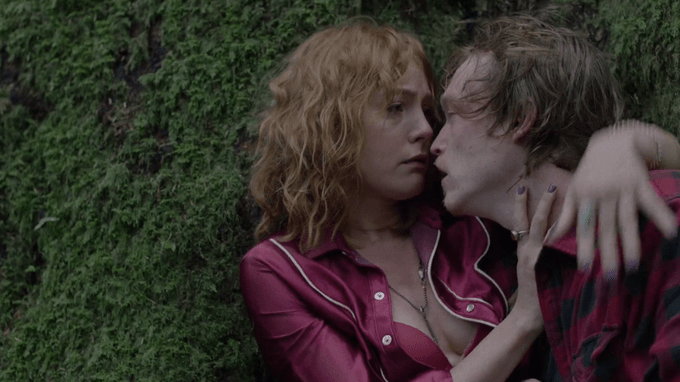
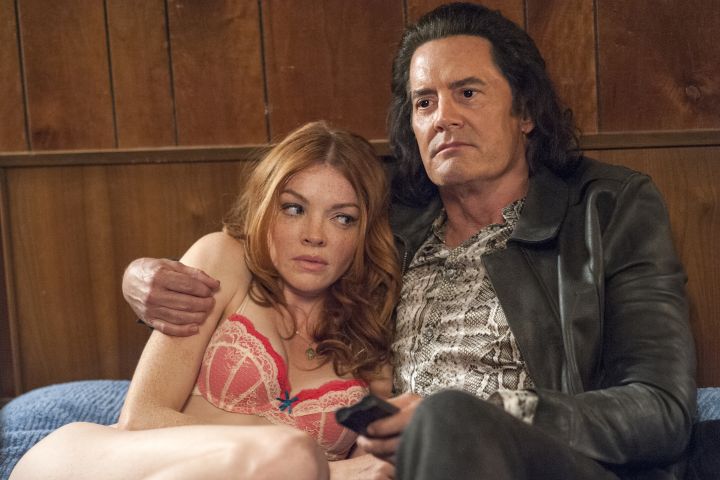
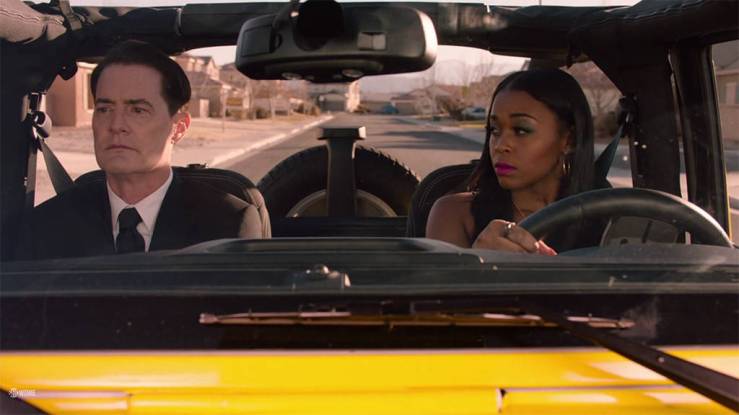
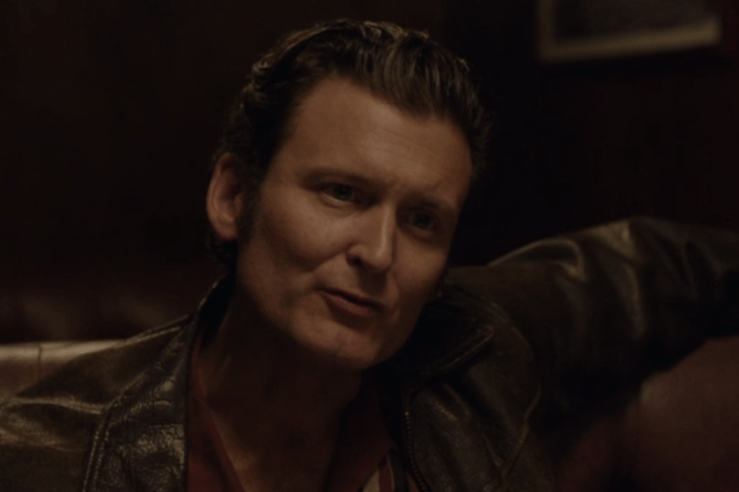
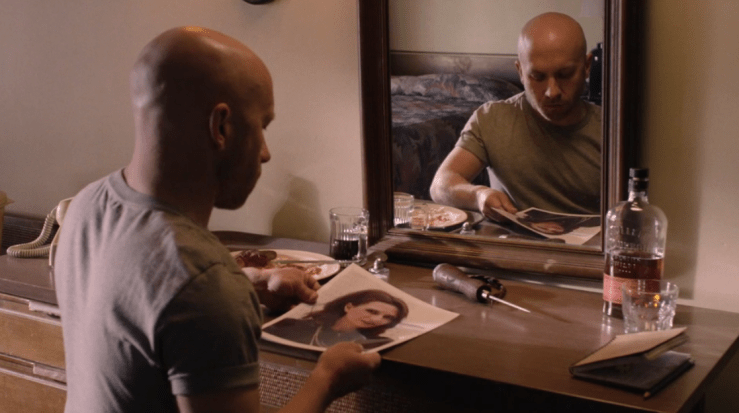
As David Lynch and Mark Frost’s excellent series Twin Peaks: The Return approaches its conclusion this weekend, I have set myself the deeply important task of ranking all (okay, not nearly all) of the new characters we’ve been introduced to this season. They’re ranked from worst to best. The rubric I’m using is my own damn aesthetic intuition.
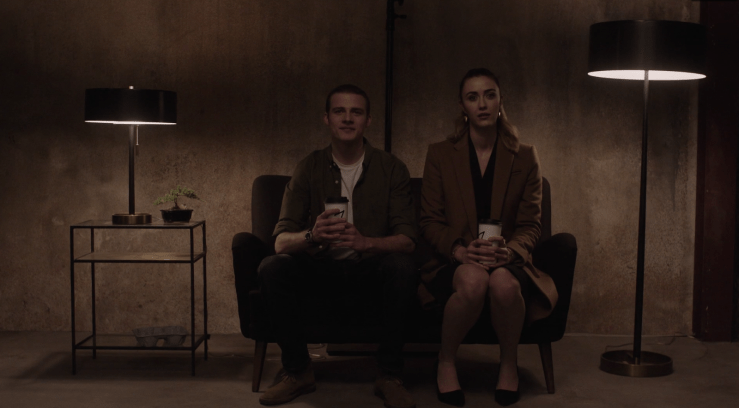
53. Steven Burnett
Damn. Steven is the worst. Just hated the guy. By the way, Gersten Hayward is not the worst, but obviously she can’t be on this list (even though she’s in that picture above) because she was in the original Twin Peaks, accompanying Leland Palmer on piano for “Come on Get Happy.”
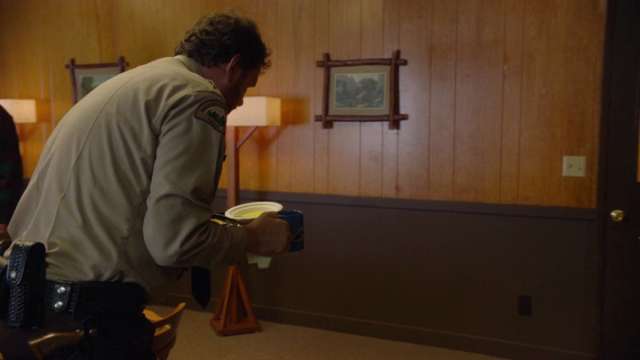
52. Deputy Chad Broxford
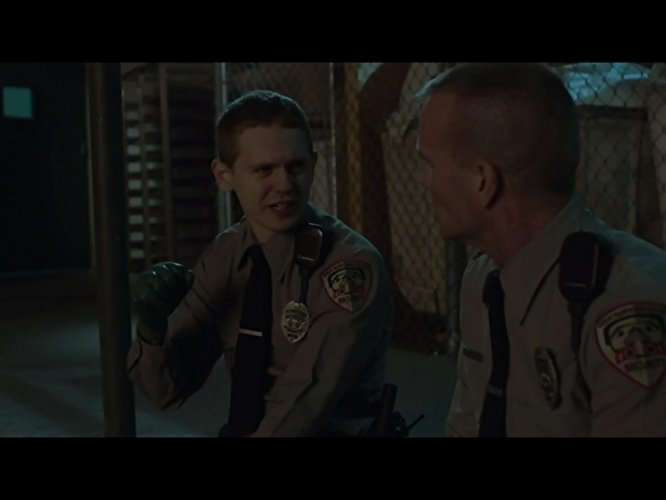
Deputy Chad is a total piece of shit. Watching him get booted from the conference room with his sad ass lunch–two TV dinners and some soup!–was a highlight though.
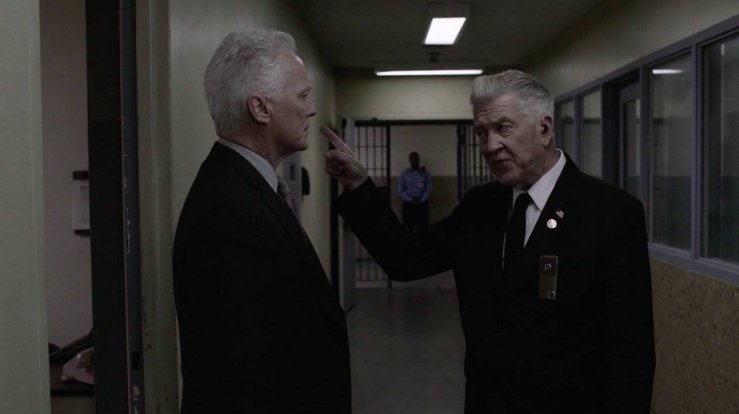
51. Warden Dwight Murphy
Warden Murphy tried to get slick with Dark Cooper, but, nope. I’m almost certain we will get the whole Mr. Strawberry story by the last ep…right?
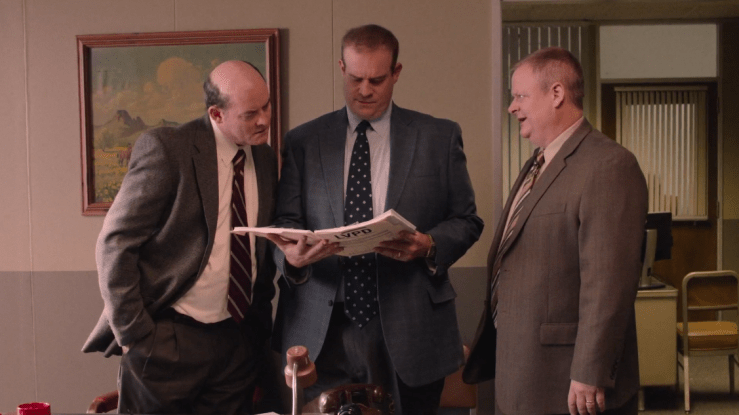
50-48. The Fusco Detectives
I loved the Las Vegas plot and I wanted to like these guys but they were so annoying. I mean, I guess that’s the joke, but the joke was vexing.
47. Freddie Sykes
Freddie Sykes telling that story to James is probably the most bored I got during The Return. However, he redeemed himself by punching those dudes who attacked James “James Has Always Been Cool” Hurley. I’m guessing his pugilist skills will come into play in the finale.
46. Darya
We hardly knew ya.
45. Jade
Jade was the first to be kind to Dougie, I realize, so I probably should put her higher on this list.
44-43. Sam and Tracey
Look, these two didn’t get much screen time, but the two-part opener is a classic, and their characters quickly showed that The Return was not going to traffic in nostalgic fan service but instead do something new—something somehow darker and weirder than the original series.
42. Mickey
Mickey is obviously a very minor character, his presence inarguably enhanced by sharing the screen with Harry Dean Stanton’s Carl Rodd. I liked the dude.
41. Ray Monroe
I think we were supposed to hate Ray and I hated Ray. Typing out his name I realize that maybe he’s named after Ray Wise, who played Leland (?).
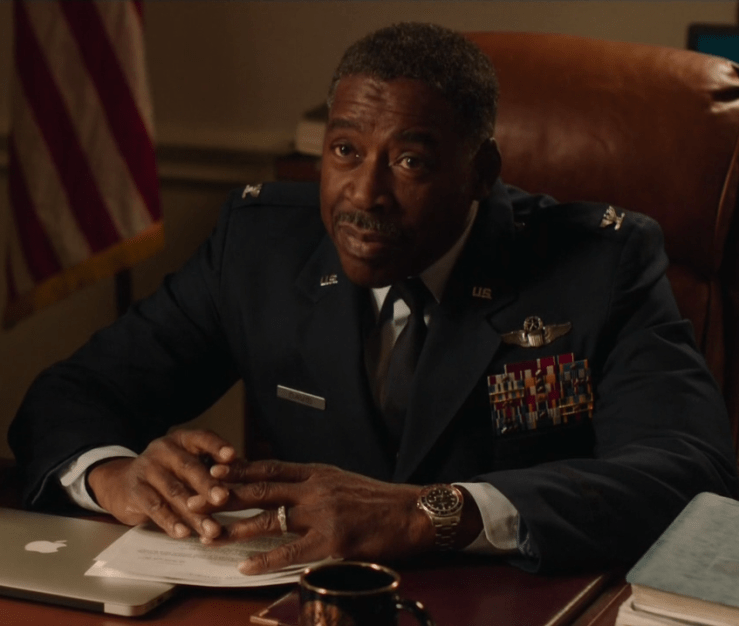
Look, I know—very minor character. But it’s great to see a Ghostbuster on Twin Peaks…and the name echoes the actor who played Major Briggs, one of my favorite Twin Peaks characters.
38. Miriam
I do so hope she survives.
37. Principal William Hastings
Not a particularly interesting character until his utter breakdown and eventual death. Loved seeing Shaggy bawl.
36. Hank
Like so many of the minor characters in Twin Peaks: The Return who show up for a brief monologuish-dialogue, Hank shows us a character drenched in his own paranoid concerns, ready to spin off into his own madness, or his own sitcom. Like, make that sitcom. I’d watch it.
35. Ike the Spike
Ike’s look when he realized that he’d bent his murder-spike was heartbreaking and hilarious.
34-33. The Evolution of the Arm and Philip Jeffries’ reincarnation.
Are these two a cheat? I’m not sure. I mean…I guess in a way they aren’t “new”…and in a way they aren’t really “characters…except they are and they are.
32. Gordon Cole’s date
I would watch this sitcom.
31. Becky Burnett
Becky at times seemed like an easy shorthand to show that not much has changed in the sweet dark little town of Twin Peaks. The “I Love How You Love Me” scene is one of the best in the series though.
30. Charlie
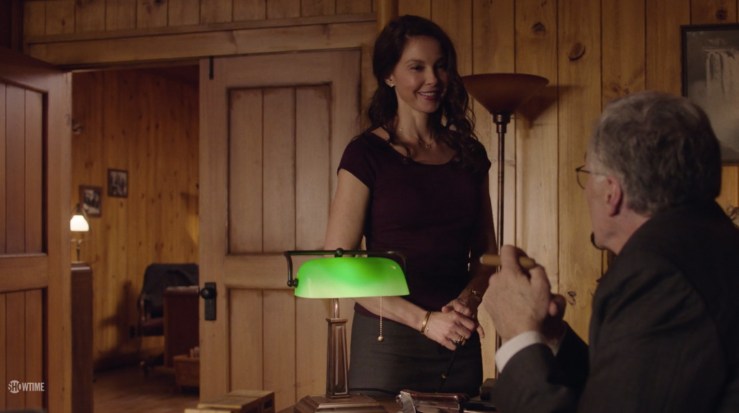
Is Charlie ranked so high on this list simply because his introduction also brings the return of Audrey?
29. Beverly Paige
I was really hoping that Lynch would do more with Beverly.
28. Sonny Jim
Sonny Jim rules.
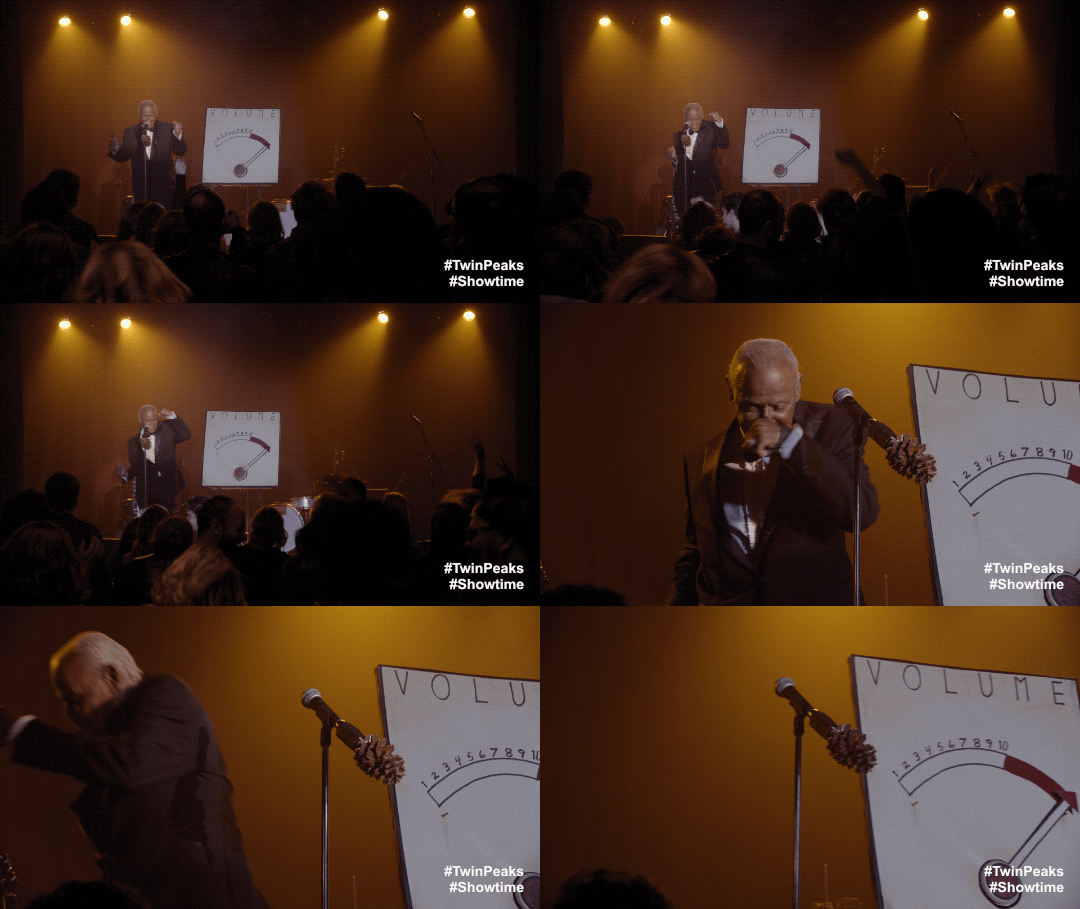
27. Wally Brando
So I accidentally watched episode 4 of Twin Peaks: The Return instead of episode 2 (like, I watched ep 1, then watched ep 4 the next night, thinking it was ep 2—I could probably write a whole essay on that). Anyway, Wally Brando’s monologue is the most ridiculous moment in a kinda ridiculous episode, an episode that contains maybe my favorite moment in The Return—Bobby Briggs breaking down when he sees Laura Palmer’s picture. Brando’s monologue, delivered to a Sheriff Truman who endures it with weary and forced goodwill, seems like a send-up of everything quirky in the original Twin Peaks run.
26-25. Wilson and Randall
Goddamnit, Wilson, get it together!
24+. The Farm Gang
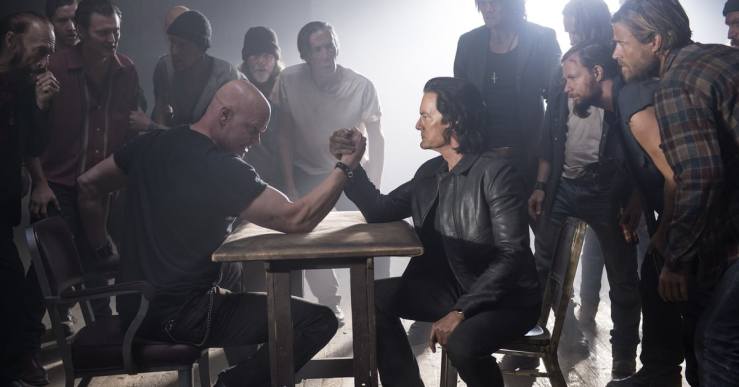
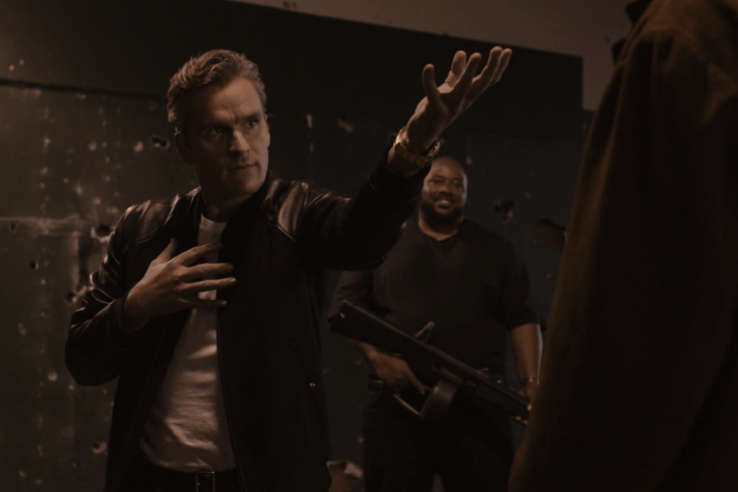
Dark Cooper arm wrestling Renzo is a great scene in a series larded with great scenes—a dark and violent satire on Hollywood machismo, but one that helps subtly propel one of the major plots of The Return: “The starting position is much more comfortable.” It’s the out-of-place-looking guy at the end who asks Dark Coop if he needs any money who really cracks me up.
23. Anthony Sinclair
Tom Sizemore’s Anthony Sinclair freaking out to the conga line is pretty great. The moment when Dougie gives him an accidental, dandruff-inspired back rub that leads to his break down is transcendent.
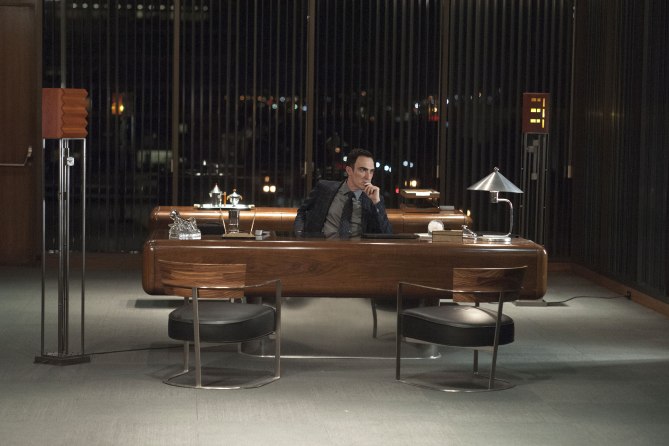
22. Duncan Todd
Patrick Fischler was great but underused as Duncan Todd. I liked to pretend that he was the same character who got so scared behind Winkie’s in Mulholland Drive.
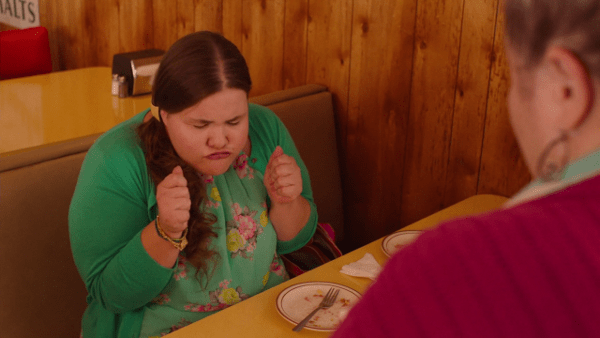
21. Constance Talbot
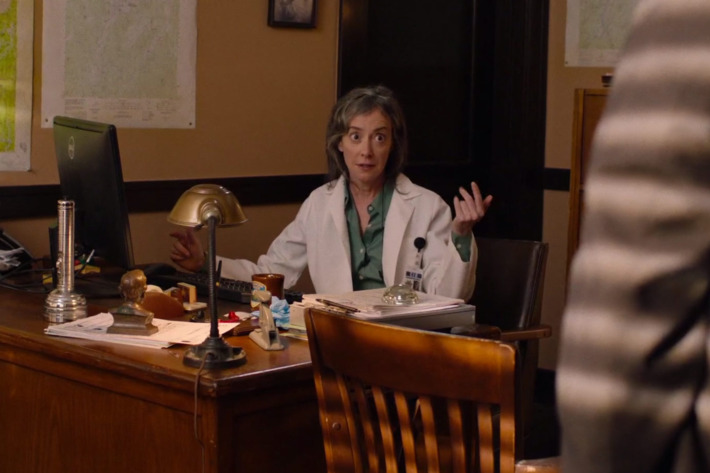
Jane Adams is a really underrated actor and every scene with Constance Talbot was a treat (especially her interactions with Albert).
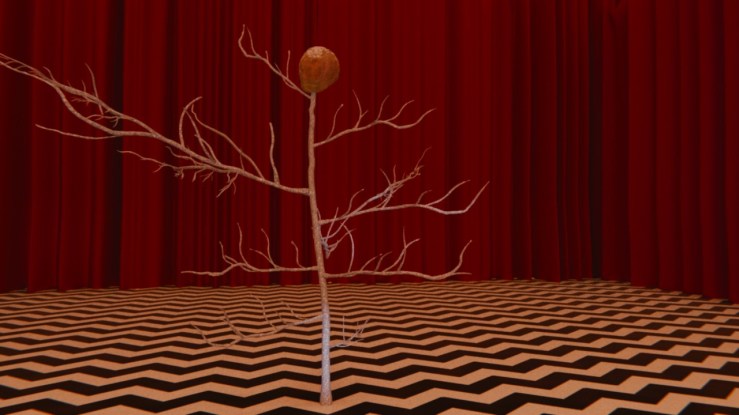
As a character, the Eyeless Woman is obviously a cipher, but her introduction in the third episode is one of the most arresting moments of the series.
18. The Experiment
Again, maybe a bit of a stretch of what a “character” might be—but my affinity for the characters I’ve liked best in The Return is very much bound in the aesthetics of their scenes—and I don’t know if I’ll ever see a television show as aesthetically compelling and confounding as the eighth episode of The Return. (And I watched it for the first and second times that I saw it on a fucking iPhone on an airplane).
17-16. Chantal and Hutch
These two wandered in from a Tarantino movie. Again, a spin-off sitcom, please.
15+. All the minor characters in those end scenes at The Roadhouse
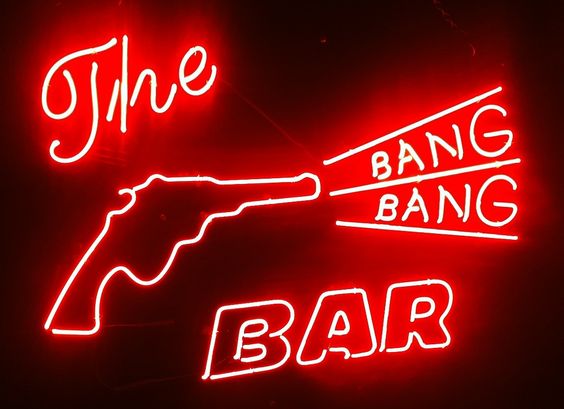
One of my favorite things about The Return is its rough pattern of ending up at The Roadhouse (or The Bang Bang Bar, if you like) to witness some tender grotesquerie.
14. MC
MC proudly presents THE Nine Inch Nails. MC proudly presents James “James Was Always Cool” Hurley. MC proudly presents “Audrey’s Dance.” And best of all…MC proudly dances to ZZ Top’s “Sharp Dressed Man” in one of the most sublimely silly sequences of the season.
13+. All the bands who played at The Roadhouse
The first performance of one of these bands in The Return, the Chromatics playing “Shadow,” provides a wonderfully cathartic rush from the dark tension that builds up in the two-part opener.
12. ….but especially Rebekah del Rio
My dream is to go to that place.
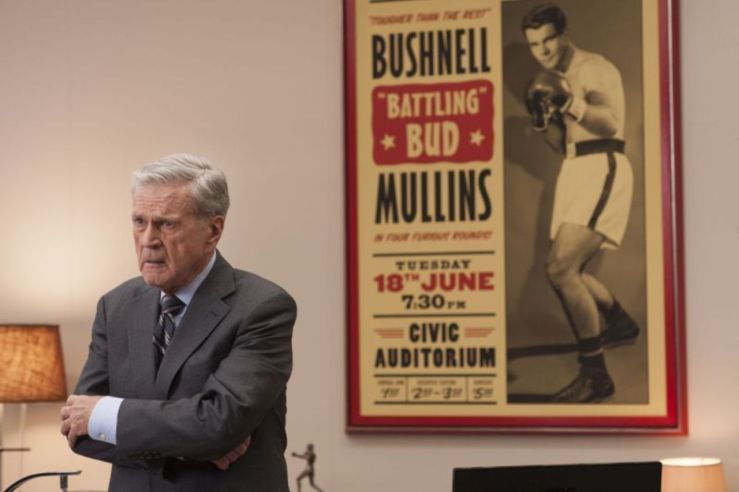
11. Bushnell Mullins
Bushnell Mullins ended up being one of the characters in The Return who I found genuinely moving. I hope we get to see him again.
10. Sheriff Frank Truman
Look. I know we’re all holding out for Harry Truman to show up somehow at the end. But Robert Forster is a ringer, and he’s done a great job this season. It’s also fun to pretend that he’s a doppelganger of his Mulholland Drive character.
9-8. The Mitchum Brothers
Like Bushnell, I ended up surprised by just how endearing these two turned out. Their devotion and loyalty to Dougie and his family (and Candie) seem absolutely genuine. And like Bushnell, I hope we’ll see them again.
7. Candie
God bless Candie.
6. Richard Horne
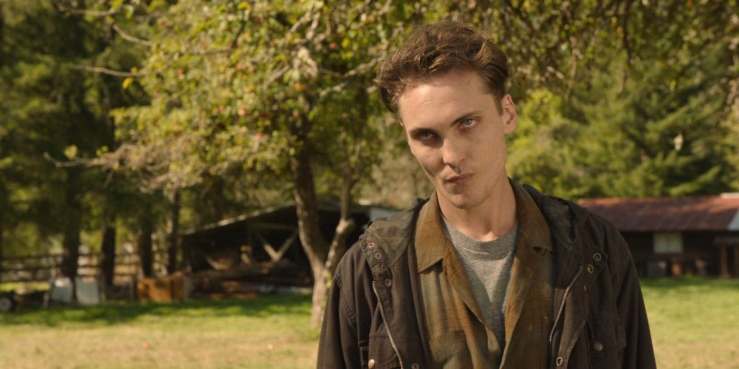
Richard Horne is the worst. Okay, I started this stupid list by declaring that Steven Burnett was the worst…but Richard is, like, awful. Menacing, horrific, a little bit goofy—Lynchian. You sort of want to save him a little, which you also know is a stupid mistake.
5. The Woodsman
“Gotta light?”
4. Janey-E Jones
Janie-E not being in the top three on my list is proof that this list is stupid. Naomi Watts is amazing in The Return. I hope (a version of Dougie) finds his way back to her and Sonny Jim, just as Agent Dale Cooper promised.
3. Dark Cooper
Dark Cooper, or Evil Cooper, or the doppelganger, or whatever you want to call him might not technically belong on a list of “new” Twin Peaks characters, because we know he was there at the very end of the final series. But c’mon. He can’t not be included. Dark Cooper was a cipher with depth, violent, but also radiating a strange sexiness as well as an ironic sense of humor. I’ll miss his black glowing energy.
2. Diane
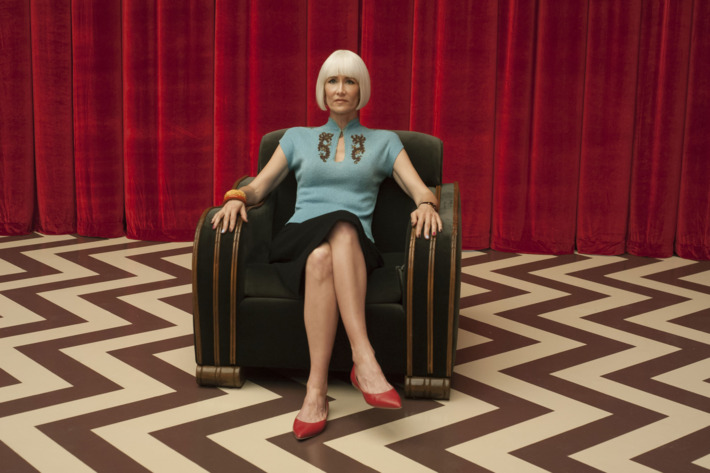
I didn’t read any of the press stuff for Twin Peaks—I didn’t know that Michael Ontkean wouldn’t be back as Sheriff Truman, for example, or that Robert Forster would be in as another Sheriff Truman—which made watching The Return even more of a thrill. Probably the biggest little casting thrill though was Laura Dern showing up as Diane. (I gasped). Laura Dern is one of my favorite actresses, and she only seems to get better from role to role. (I’m still surprised how many Lynch fans haven’t seen Inland Empire, a film in which she is absolutely amazing). It would be difficult for me to overstate how perfectly Dern’s Diane fits into the visual logic of The Return—I have pretty much avoided all coverage of the new series, so I don’t know if anyone’s written an essay on all of her costumes yet, but I’d love to read one eventually. My hope is that we’ll see some kind of resolution with Diane (even if it’s a bizarre and unsettling resolution) in the finale—is there a non-tulpa Diane out there? Please.
1. Dougie Jones
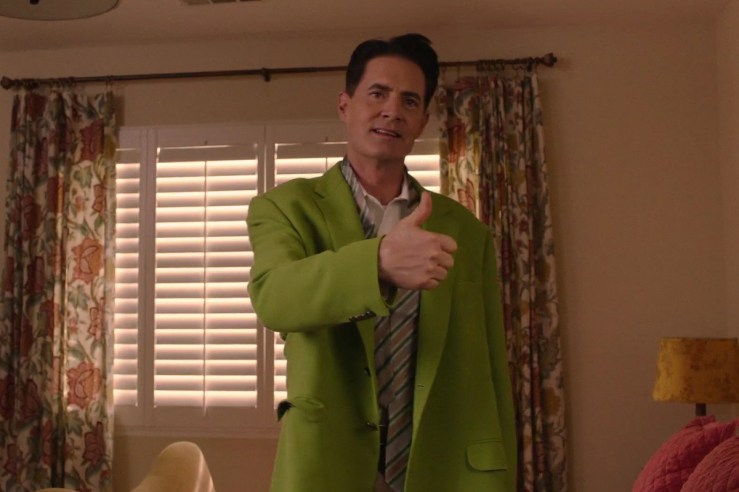
Agent Dale Cooper’s return in episode 16 is a supremely satisfying moment, but I’ll miss Dougie dearly. I have often used the word “Lynchian” to convey ideas like sinister, paranoid, dark, and weird—and I think the word fits. But a glowing optimism underwrites all that’s dark in the Lynchverse, and this light finds its avatar in Dougie, a kind of holy fool who’s protected and guided by the kindness of others. Thumbs up.
Raymond suddenly knew it was time to return to the bad restaurant and then his ache for visions would be satisfied. The bad restaurant would stay when only zombies prevailed. It served food for the dead, tired fishermen and humble vacationers worsened the instant they sat down and had the bad water. Thousands like it at state lines, watering holes in the great western deserts, far flung Idaho and Maine. Their owners say, “We just couldn’t help it, we were food people. We never said good food people.”
Raymond was in the pawnshop looking at a delightful saxophone and about to buy it when the feeling hit him. What he would see and be transformed by was right next door to his own cottage, not out in the fars, the wides, the bars or churches. He put the saxophone down and within seconds saw a shadow past the shop. It was a man hobbling and slurring of the few words he could manage, and Raymond was positive it was Mimi’s old ex, what was left of him after the suicide attempt in Vicksburg, rolling and pitching up Market and the pawns to find Raymond. He went out to the walk and saw nothing but a red car leaving. And he followed it in his own. Mimi it was in Miami singing with another band for a couple of weeks. He was alone. He knew this was right. He had not eaten for two days, for no good reason. The moment was pressing.
A zombie had just waited on him in the pawnshop, a man who stood there remarking on the history of this saxophone. In apparently good health, in decent clothes and well groomed, polite, but quite obviously dead and led by someone beyond. You could look at them and know they are spaces ahead into othernewss. Not at all adolescent either, that natural Teutonic drifting or the sullenness without content. They might still be people, but unlikely.
Everything about the zombie is ravaged except his obsessions, thought Raymond, following the red car. Dead to every other touch. They simply imitate when there is movement or sound. They imitate the conversations around them to seem human to one another. He had seen them in scores from the airports to the bandstands imitating one another, mimicking the next mimicker in no time, no space, no place, no history.
The bad restaurant even had bad-food loungers and loiterers, hard to shake when they got a good imitation of you going. The restaurant with its RESTAURANT sign. Its mimicking of the dining life, yet no edible food, bad water and a weak tea to go with that. Refill that beige for you, sir? Every dish served in contempt for what used to be human. Rations for an unannounced war.
From Barry Hannah’s 2001 novel Yonder Stands Your Orphan

















 Biblioklept