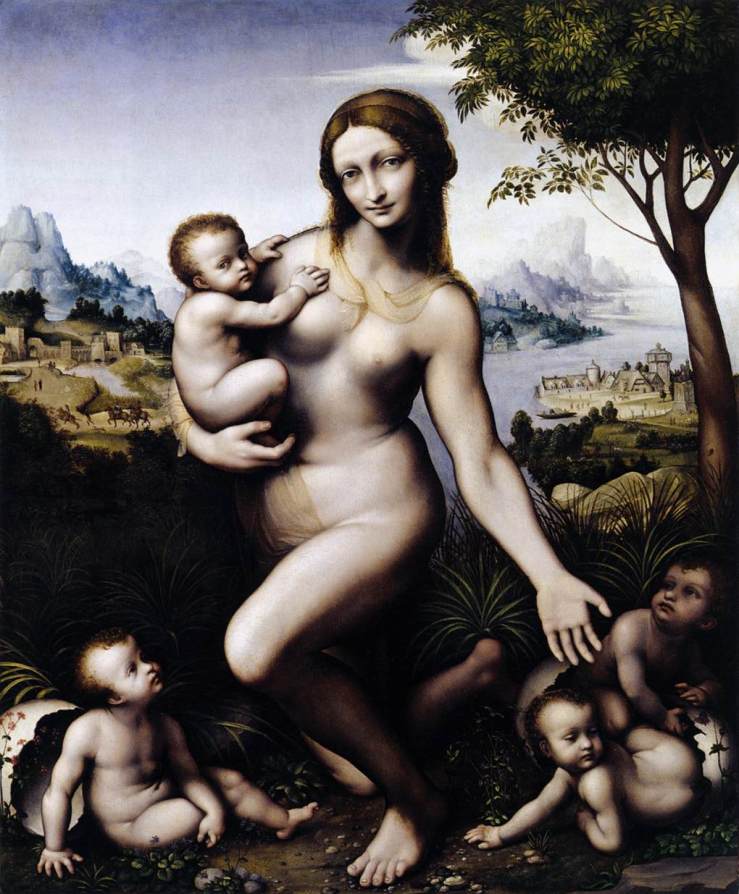
Leda and Her Children — Giampietrino

leda

I find it difficult to believe in Father Christmas (A.A. Milne)

“A Doubtful Character”

by

A.A. Milne


I find it difficult to believe in Father Christmas. If he is the jolly old gentleman he is always said to be, why doesn’t he behave as such? How is it that the presents go so often to the wrong people?

This is no personal complaint; I speak for the world. The rich people get the rich presents, and the poor people get the poor ones. That may not be the fault of Father Christmas; he may be under contract for a billion years to deliver all presents just as they are addressed; but how can he go on smiling? He must long to alter all that. There is Miss Priscilla A—— who gets five guineas worth of the best every year from Mr. Cyril B—— who hopes to be her heir. Mustn’t that make Father Christmas mad? Yet he goes down the chimney with it just the same. When his contract is over, and he has a free hand, he’ll arrange something about THAT, I’m sure. If he is the jolly old gentleman of the pictures his sense of humour must trouble him. He must be itching to have jokes with the parcels. “Only just this once,” he would plead. “Let me give Mrs. Brown the safety-razor, and Mr. Brown the night-dress case; I swear I won’t touch any of the others.” Of course that wouldn’t be a very subtle joke; but jolly old gentlemen with white beards aren’t very subtle in their humour. They lean to the broader effects—the practical joke and the pun. I can imagine Father Christmas making his annual pun on the word “reindeer,” and the eldest reindeer making a feeble attempt to smile. The younger ones wouldn’t so much as try. Yet he would make it so gaily that you would love him even if you couldn’t laugh. Continue reading “I find it difficult to believe in Father Christmas (A.A. Milne)”

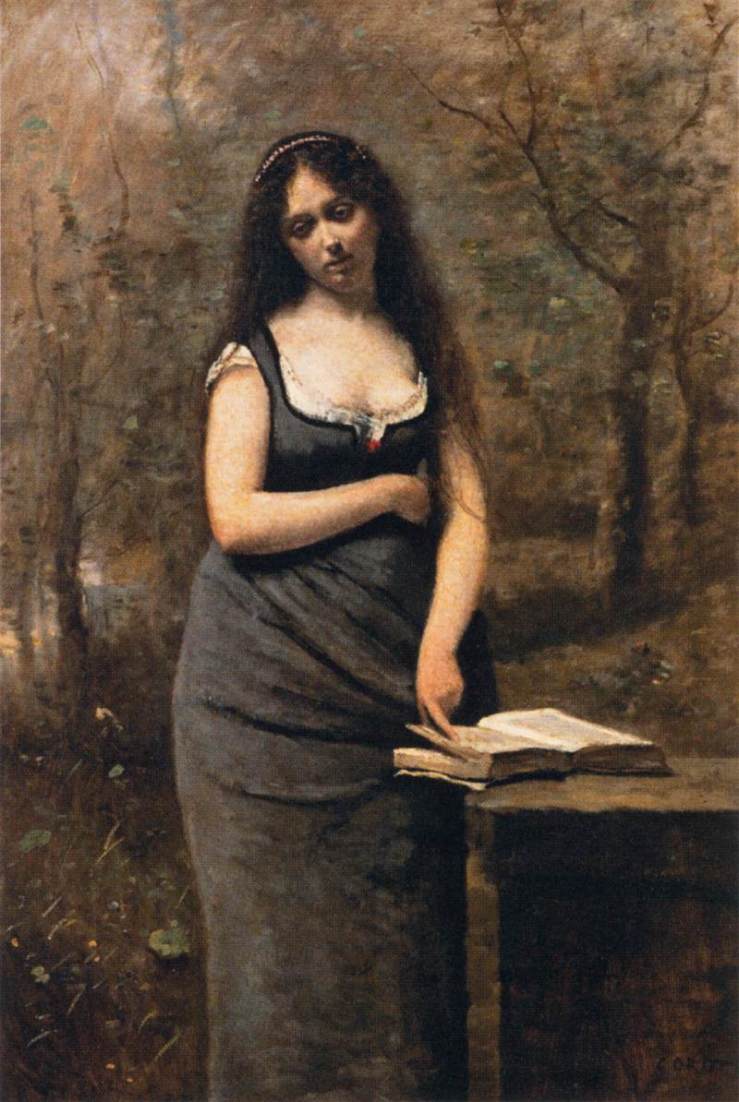
Valléda — Camille Corot

corot19

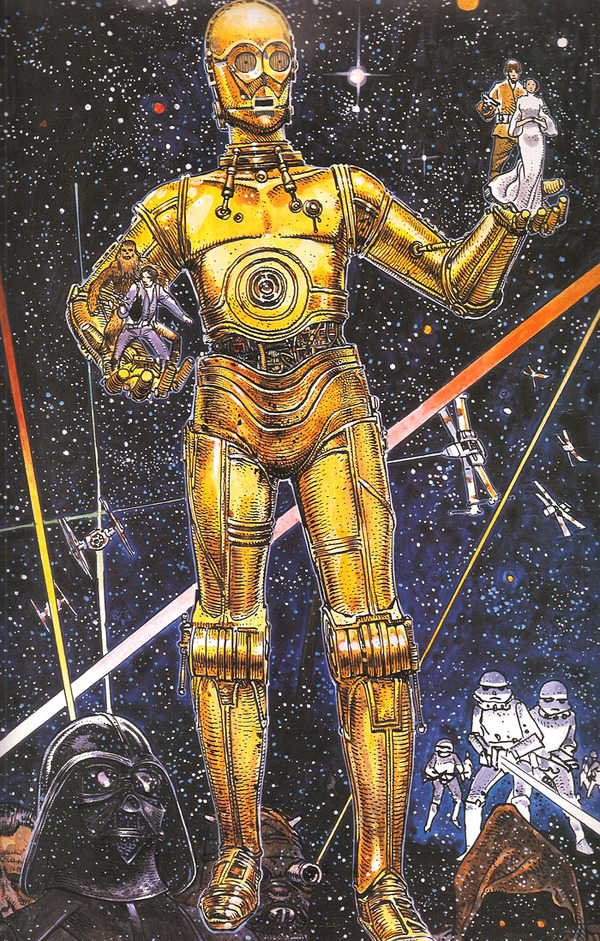
A Star Wars illustration by Moebius

(Via).

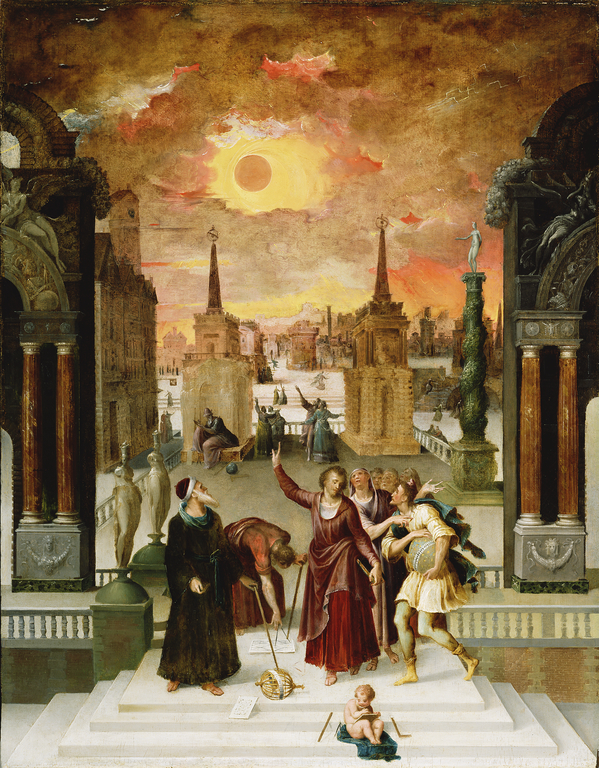
Dionysius the Areopagite Converting the Pagan Philosophers — Antoine Caron

00088001

On Christmas Eve the little pig is secretly killed (Frazer’s The Golden Bough)

 On Christmas Eve in some parts of the Esthonian island of Oesel they bake a long cake with the two ends turned up. It is called the Christmas Boar, and stands on the table till the morning of New Year’s Day, when it is distributed among the cattle. In other parts of the island the Christmas Boar is not a cake but a little pig born in March, which the housewife fattens secretly, often without the knowledge of the other members of the family. On Christmas Eve the little pig is secretly killed, then roasted in the oven, and set on the table standing on all fours, where it remains in this posture for several days. In other parts of the island, again, though the Christmas cake has neither the name nor the shape of a boar, it is kept till the New Year, when half of it is divided among all the members and all the quadrupeds of the family. The other half of the cake is kept till sowing-time comes round, when it is similarly distributed in the morning among human beings and beasts. In other parts of Esthonia, again, the Christmas Boar, as it is called, is baked of the first rye cut at harvest; it has a conical shape and a cross is impressed on it with a pig’s bone or a key, or three dints are made in it with a buckle or a piece of charcoal. It stands with a light beside it on the table all through the festal season. On New Year’s Day and Epiphany, before sunrise, a little of the cake is crumbled with salt and given to the cattle. The rest is kept till the day when the cattle are driven out to pasture for the first time in spring. It is then put in the herdsman’s bag, and at evening is divided among the cattle to guard them from magic and harm. In some places the Christmas Boar is partaken of by farm-servants and cattle at the time of the barley sowing, for the purpose of thereby producing a heavier crop.

From Sir James George Frazer’s The Golden Bough.

“All art constantly aspires towards the condition of cleanliness is next to godliness”

Forest of Paimpont — Rene Magritte

forest-of-paimpont-19631

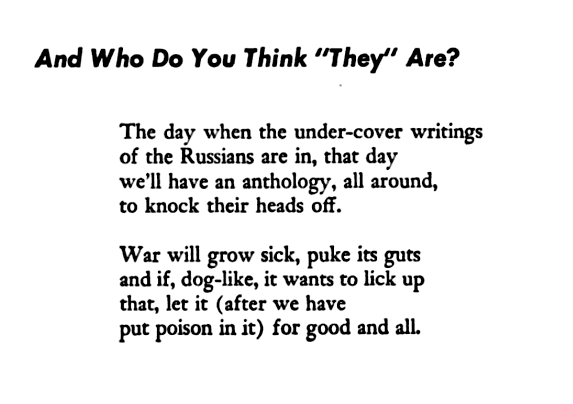
“And Who Do You Think ‘They’ Are?” — William Carlos Williams

wcw

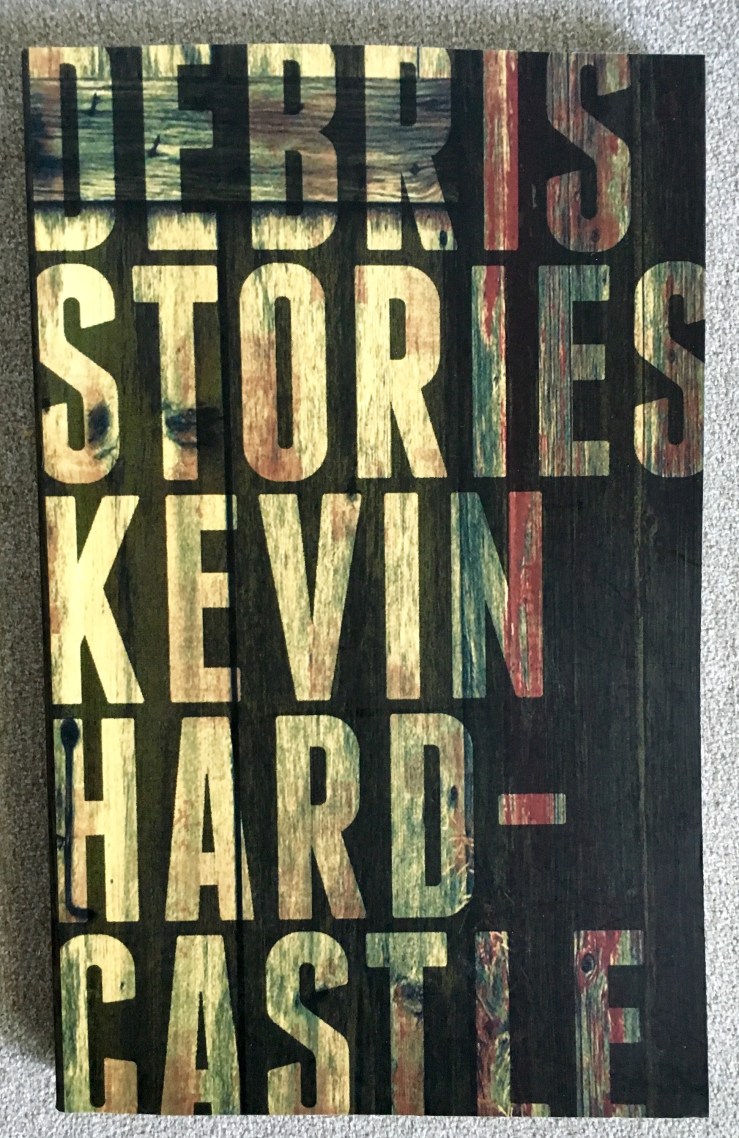
Debris Stories (Book acquired, 12.09.2015)

IMG_1014

Kevin Hardcastle’s collection Debris Stories is new this month from Biblioasis. Their blurb:

The eleven remarkable stories in Kevin Hardcastle’s debut Debris introduce an authentic new voice. Written in a lean and muscular style and brimming with both violence and compassion, these stories unflinchingly explore the lives of those—MMA fighters, the institutionalized, small-town criminals—who exist on the fringes of society, unveiling the blood and guts and beauty of life in our flyover regions

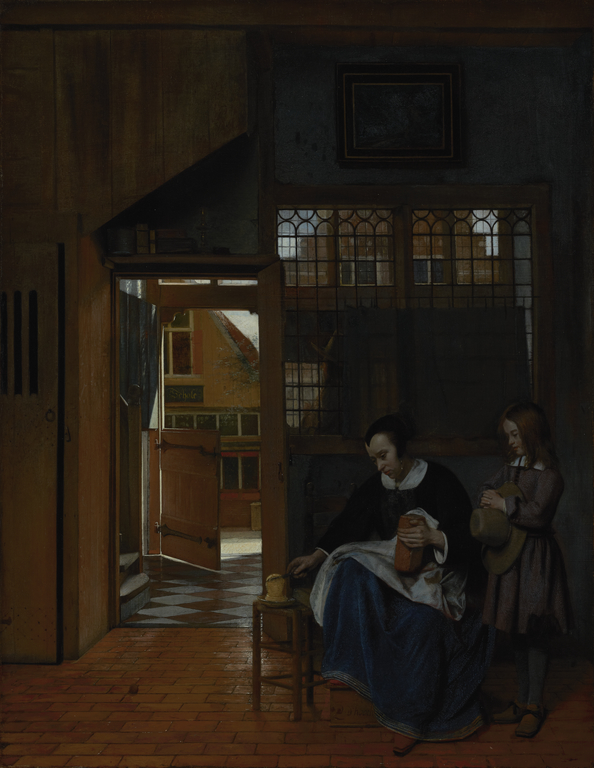
A Woman Preparing Bread and Butter for a Boy — Pieter de Hooch

00085201

Join us at the High-Rise

“‘The Haunted Man’ by Ch_r__s D_i_ck_n_s: A Christmas Story” — Bret Harte

“‘The Haunted Man’

by Ch_r__s D_i_ck_n_s

A Christmas Story”

by

Bret Harte


PART I

THE FIRST PHANTOM

Don’t tell me that it wasn’t a knocker. I had seen it often enough, and I ought to know. So ought the three-o’clock beer, in dirty high-lows, swinging himself over the railing, or executing a demoniacal jig upon the doorstep; so ought the butcher, although butchers as a general thing are scornful of such trifles; so ought the postman, to whom knockers of the most extravagant description were merely human weaknesses, that were to be pitied and used. And so ought for the matter of that, etc., etc., etc.

But then it was such a knocker. A wild, extravagant, and utterly incomprehensible knocker. A knocker so mysterious and suspicious that policeman X 37, first coming upon it, felt inclined to take it instantly in custody, but compromised with his professional instincts by sharply and sternly noting it with an eye that admitted of no nonsense, but confidently expected to detect its secret yet. An ugly knocker; a knocker with a hard human face, that was a type of the harder human face within. A human face that held between its teeth a brazen rod. So hereafter, in the mysterious future should be held, etc., etc. Continue reading ““‘The Haunted Man’ by Ch_r__s D_i_ck_n_s: A Christmas Story” — Bret Harte”

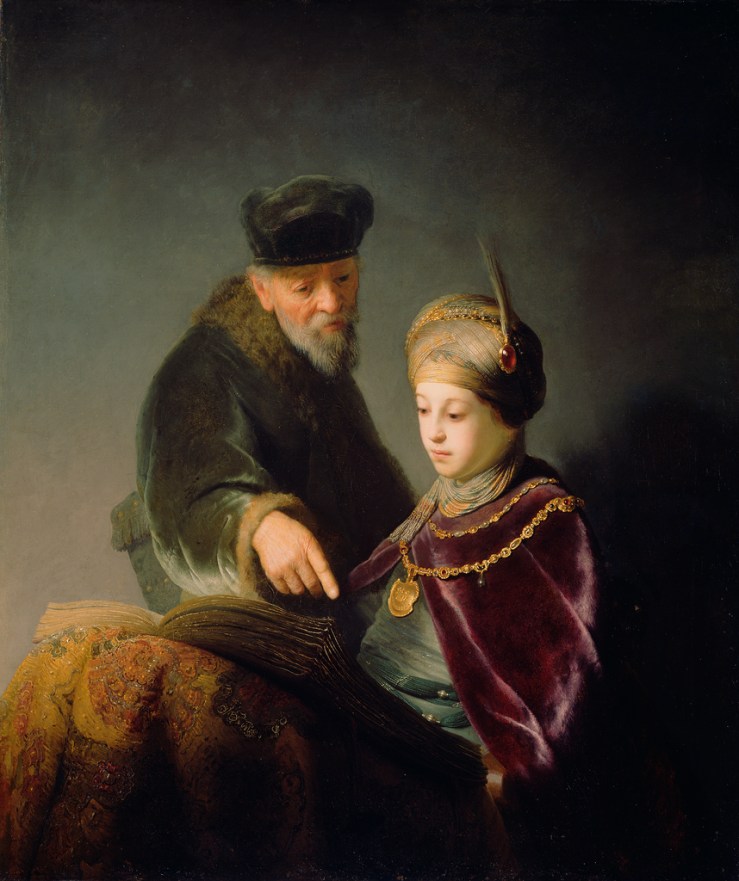
A Young Scholar and His Tutor — Rembrandt

00086201.jpg

The tyrant ties tongues in knots (William H. Gass)

The tyrant ties tongues in knots. Speech is so easy it takes more than snow to slow its course. The tyrant must frighten people from their freedom; beat the soles of their feet till they mince their step in time to his goose-wide stride. Stagger after me; the best is yet to be. The tyrant can make men line up as though they were made of tin or lead to tip over for this week’s war, because pain is a great big persuader, and their lead-headed patriotism is petty and made of hatred; because, after all, though a war may topple their obedient rows, the tyrant can, in any case, melt them down, these tin-lead men, mold them anew, and paint their britches pretty. He can encourage kids to tattle on their folks; he can set friend against friend, family against family; for the fear of punishment and the promise of reward do for men what they do for the donkey. Be fruitful, multiply, the tyrant says benignly. I must have a larger army.

From William H. Gass’s essay “What Freedom of Expression Means, Especially in Times Like These.” Collected in Life Sentences.

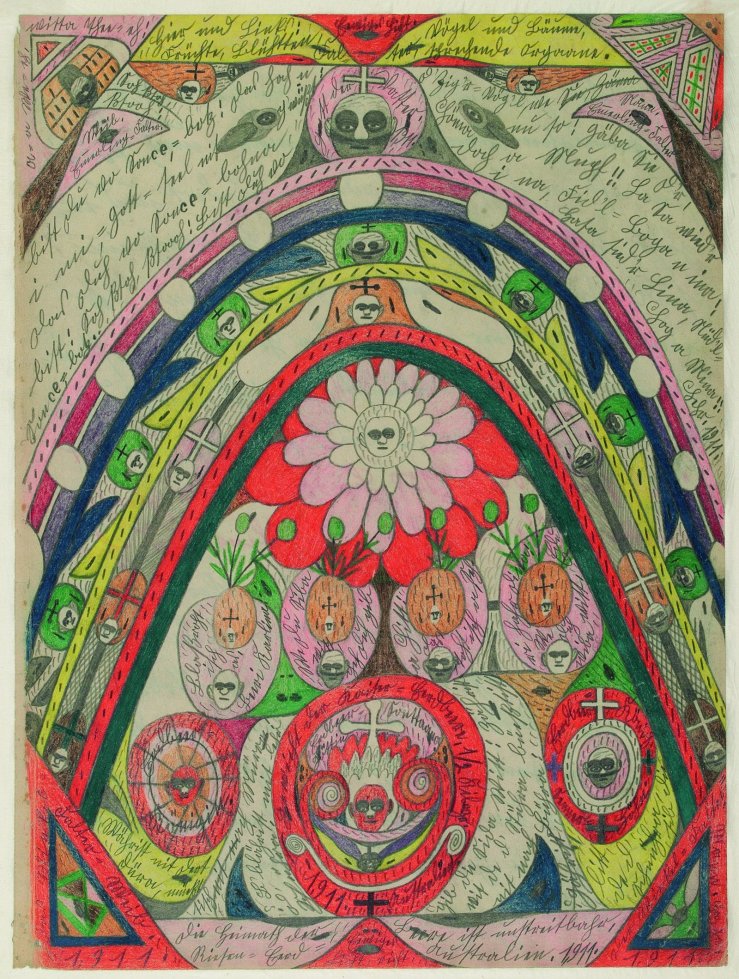
Australia is without Doubt the Habitat of the Giant Strawberry — Adolf Wölfli

big_A9243-54.jpg