“On a Notebook” by Hilaire Belloc
A dear friend of mine (John Abdullah Capricorn, to give him his full name) was commandeered by a publisher last year to write a book for £10. The work was far advanced when an editor offered him £15 and his expenses to visit the more desperate parts of the Sahara Desert, to which spots he at once proceeded upon a roving commission. Whether he will return or no is now doubtful, though in March we had the best hopes. With the month of May life becomes hard for Europeans south of the Atlas, and when my poor dear friend was last heard of he was chancing his popularity with a tribe of Touaregs about two hundred miles south of Touggourt.
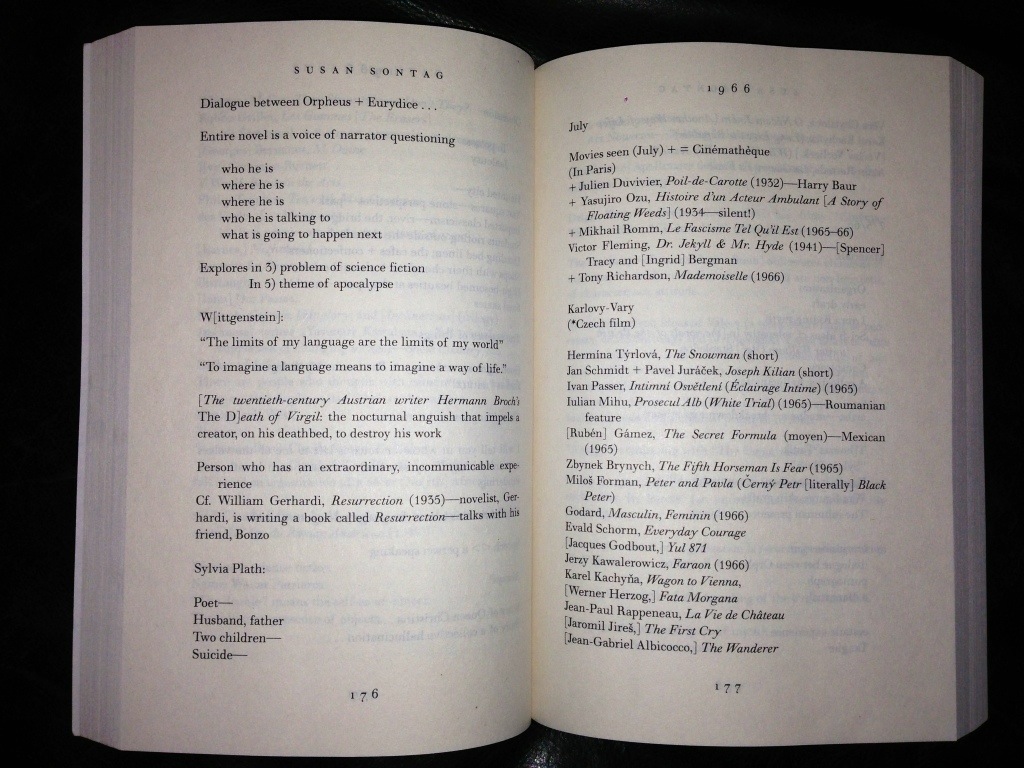
Under these circumstances I was asked to look through his notebook and see what could be done; and I confess to a pleased surprise…. It would have been a very entertaining book had it been published. It will be a very entertaining book if it is published.
Capricorn seems to have prepared a hotchpotch of information of human follies, of contrasts, and of blunt stupidities of which he intended to make a very entertaining series of pages. I have not his talent for bringing such things together, but it may amuse the reader if I merely put in their order one or two of the notes which most struck me.
I find first, cut out of a newspaper and pasted into the book (many of his notes are in this form), the following really jovial paragraph:
“Archdeacon Blunderbuss (Blunderbuss is not the real name; I suppress that lest Capricorn’s widow should lose her two or three pounds, in case the poor fellow has really been eaten). Archdeacon Blunderbuss was more distinguished as a scholar than as a Divine. He was a very poor preacher and never managed to identify himself with any party. Nevertheless, in 1895 the Prime Minister appointed him to a stall in Shoreham Cathedral as a recognition of his great learning and good work at Durham. Two years later the rectory of St. Vacuums becoming vacant and it being within the gift of Archdeacon Blunderbuss, he excited general amazement and much scandal by presenting himself to the living.”
There the paragraph ends. It came in an ordinary society paper. It bore no marks of ill-will. It came in the midst of a column of the usual silly adulation of everybody and everything; how it got there is of no importance. There it stood and the keen eye of Capricorn noted it and treasured it for years.
I will make no comment upon this paragraph. It may be read slowly or quickly, according to the taste of the reader; it is equally delicious either way.
The next excerpt I find in the notebook is as follows:
“More than 15,000,000 visits are paid annually to London pawnbrokers.
“Jupiter is 1387 times as big as the earth, but only 300 times as heavy.
“The world’s coal mines yield 400,000,000 tons of coal a year.
“The value of the pictures in the National Gallery is about £1,250,000.” Continue reading ““On a Notebook” — Hilaire Belloc” →






 Biblioklept