

Tag: Art
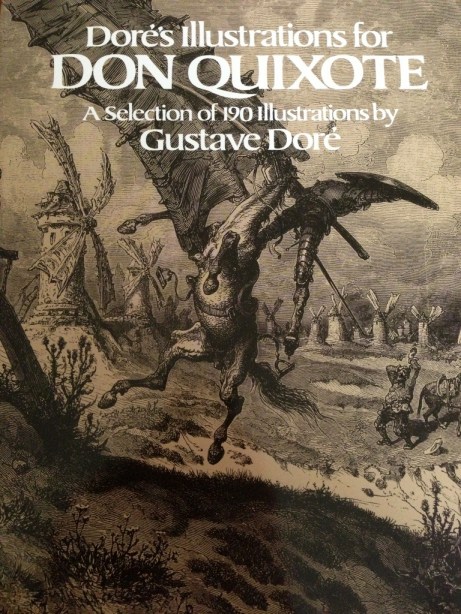
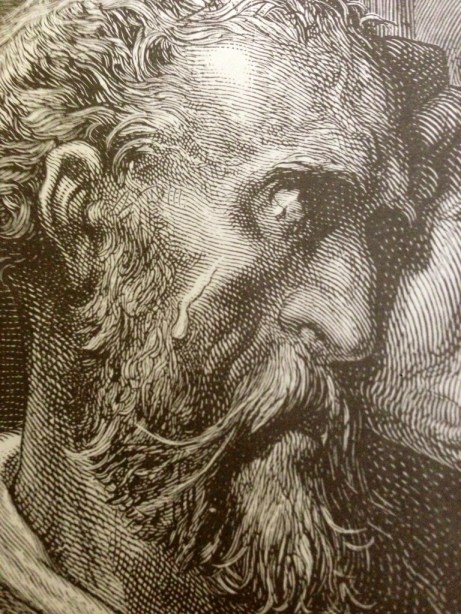
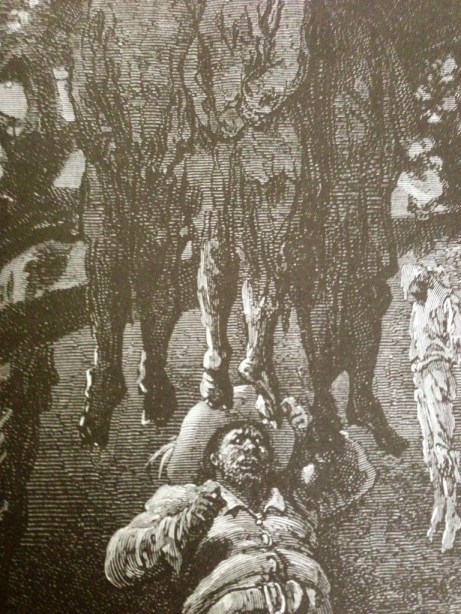
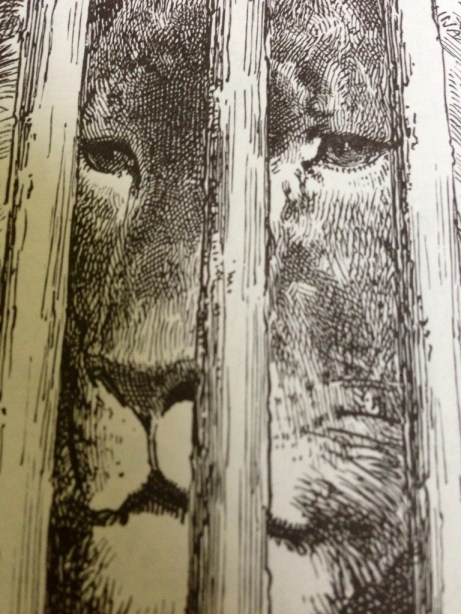
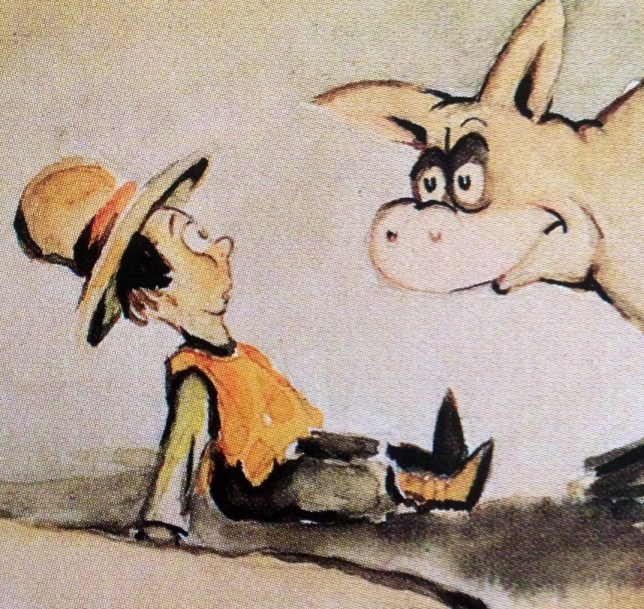
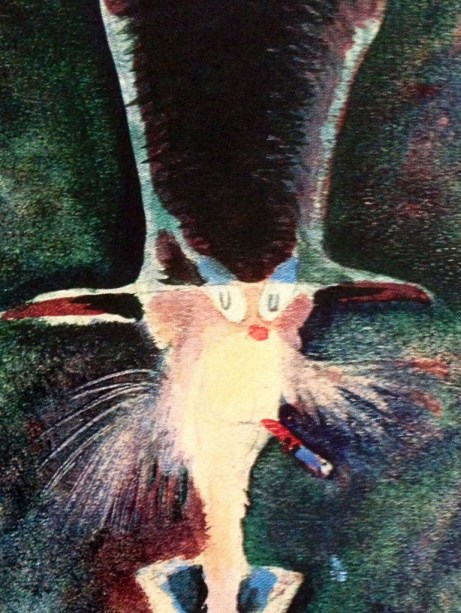
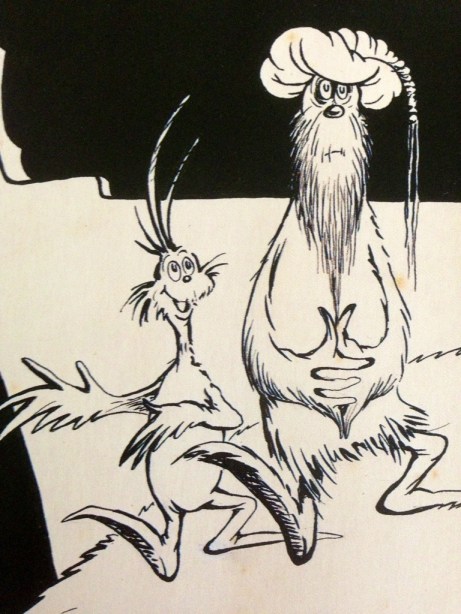
Gustave Doré / Dr. Seuss (Books Acquired, 4.16.2013)


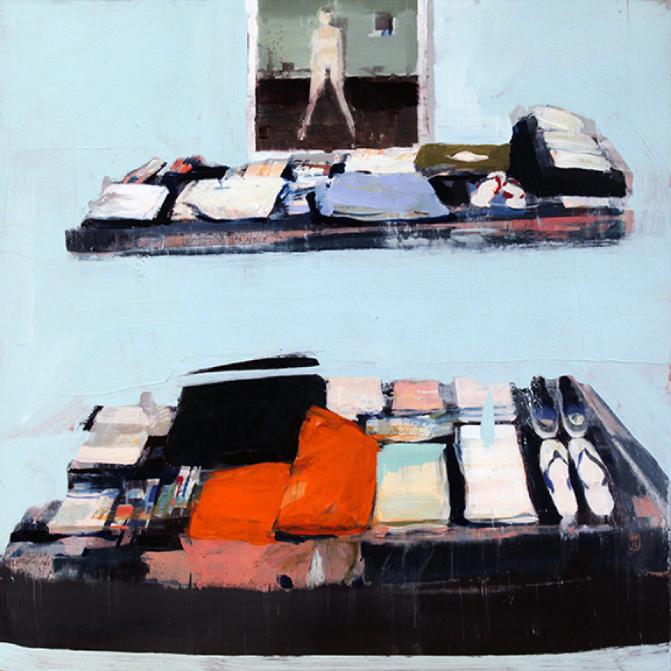
Issued Items — Alex Kanevsky
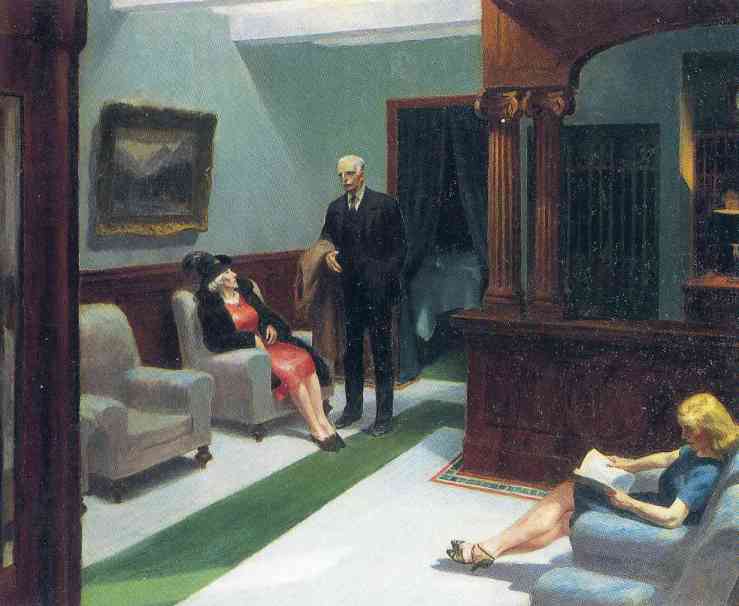
Hotel Lobby — Edward Hopper
The Mysterious Geographic Explorations of Jasper Morello
“One must refute the author and vindicate oneself” (Sigizmund Krzhizhanovsky)
And an invented person makes the greatest impression, naturally, on the seemingly not-invented, real person who, upon finding his reflection in a book, feels replaced and redoubled. This person cannot forgive his feeling of double insult: here I, a real, not-invented person, shall go to my grave and nothingness in ten or twenty years, whereas this fabricated, not-real “almost I” shall go on living and living as though it were the most natural thing in the world; more unforgivable still is the awareness that someone, some author, made you up like an arithmetic problem, what’s more he figured you out, arrived at an answer over which you struggled your entire life in vain, he divined your existence without ever having met you, he penned his way into your innermost thoughts, which you tried so hard to hide from yourself. One must refute the author and vindicate oneself. At once!
From Sigizmund Krzhizhanovsky’s short story “Someone Else’s Theme,” collected in NYRB’s Memories of the Future.
Weed Burner — Vincent van Gogh

Turin Spring — Giorgio de Chirico

Spiegel im Spiegel — Vincent Desiderio

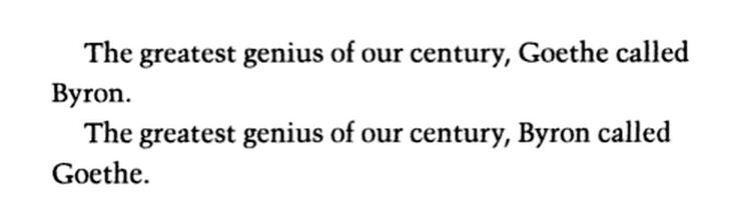
Mutual Appreciation Society (David Markson)
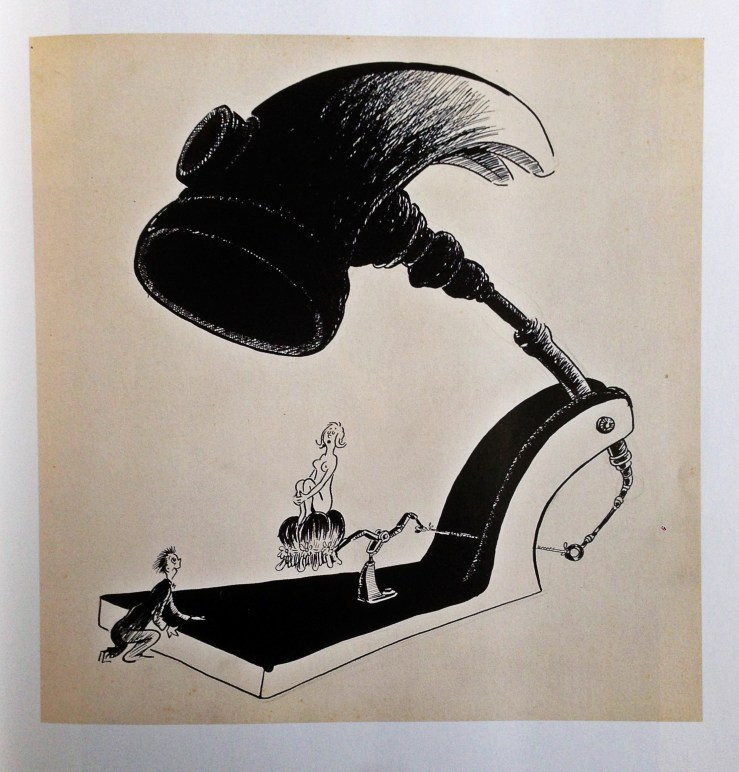
Untitled — Dr. Seuss
“Reflections for Gentlemen-jockeys” — Franz Kafka
“Reflections for Gentlemen-jockeys” by Franz Kafka
When you think it over, winning a race is nothing to sigh for. The fame of being hailed as the best rider in the country is too intoxicating a pleasure when the applause strikes up not to bring a reaction the morning after.
The envy of your opponents, cunning and fairly influential men, must trouble you in the narrow enclosure you now traverse after the flat racecourse, which soon lay empty before you save for some laggards of the previous round, small figures charging the horizon.
Many of your friends are rushing to gather their winnings and only cry ‘Hurrah!’ to you over their shoulders from distant pay boxes; your best friends laid no bet on your horse, since they feared that they would have to be angry with you if you lost, and now that your horse has come in first and they have won nothing, they turn away as you pass and prefer to look along the stands.
Your rivals behind you, firmly in the saddle, are trying to ignore the bad luck that has befallen them and the injustice they have somehow suffered; they are putting a brave new face on things, as if a different race were due to start, and this time a serious one after such child’s play.
For many ladies the victor cuts a ridiculous figure because he is swelling with importance and yet cannot cope with the never-ending handshaking, saluting, bowing, and waving, while the defeated keep their mouths shut and casually pat the necks of their whinnying horses.
And finally from the now overcast sky rain actually begins to fall.
Still Life with Skull, Candle and Book — Paul Cezanne

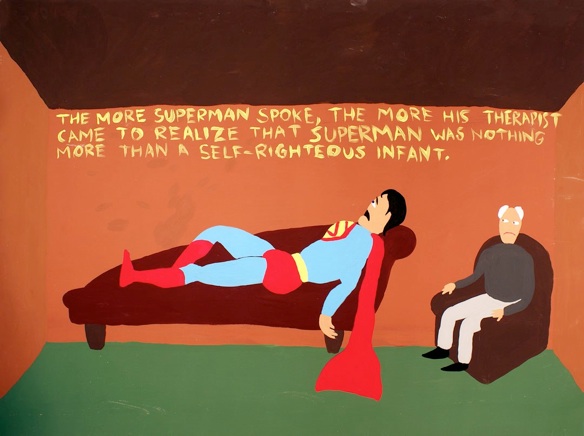
The More Superman Spoke — Jayson Musson
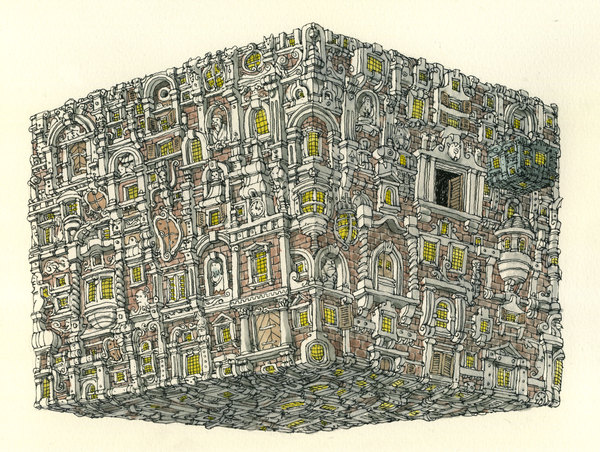
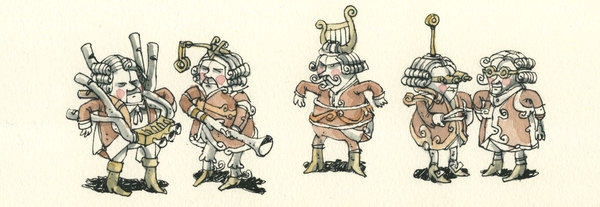
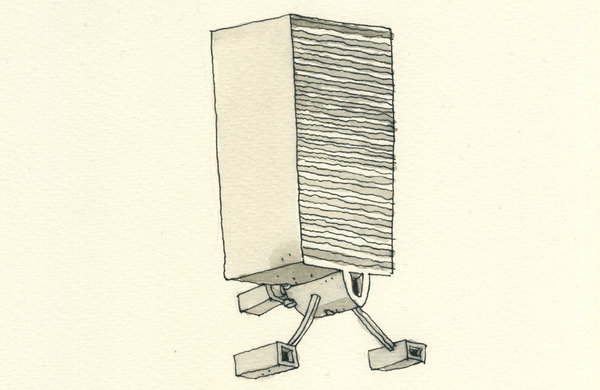
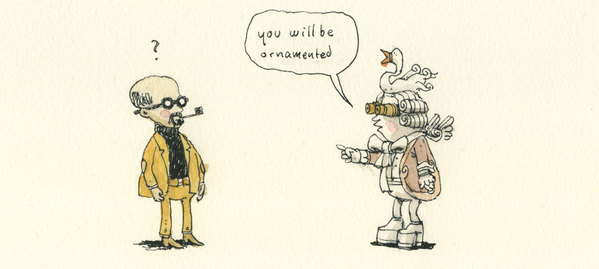
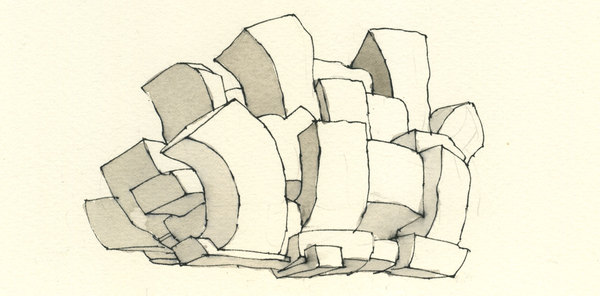
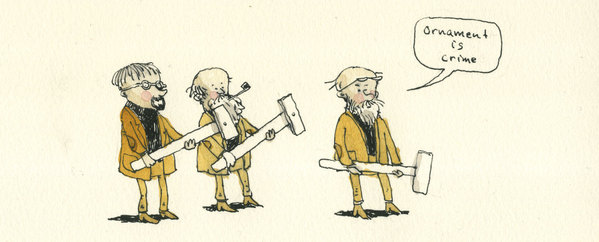
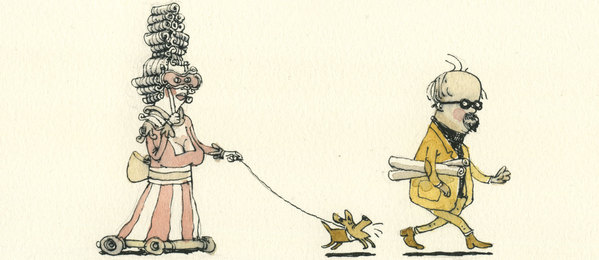
Rococo Borg vs The Association of Modernist Architects — Mattias Adolfsson
I’m just an animal looking for a home
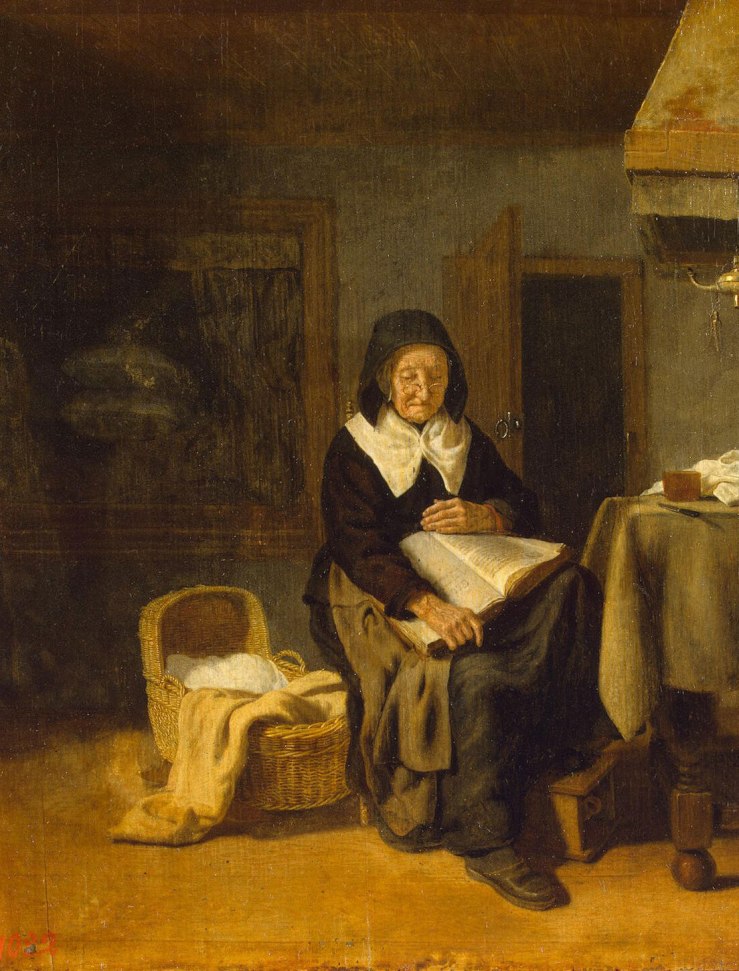
Old Woman Reading — Pieter van den Bos
 Biblioklept