Books Acquired, 1.25.2012 (Malcolm Lowry, Paul Auster, and William Gaddis)

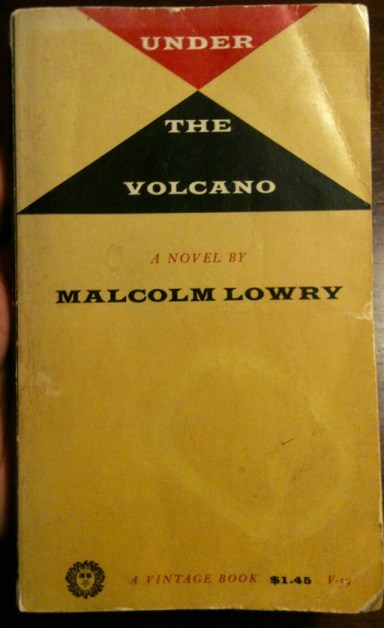
I go to the bookstore once a week, whether I need books or not, which I really don’t. This week, I picked up a book I’ve already read, Lowry’s late-modernist classic Under the Volcano, simply because I hate the cover of the version I have (a bland movie tie-in). Anyway, I’ve been prowling for a version that includes an introduction by William Vollmann, but I saw this midcentury paperback with a nice minimal vibe and had to snap it up (also, it was a dollar, and “I’d buy that for a dollar!”):

20120126-181349.jpg

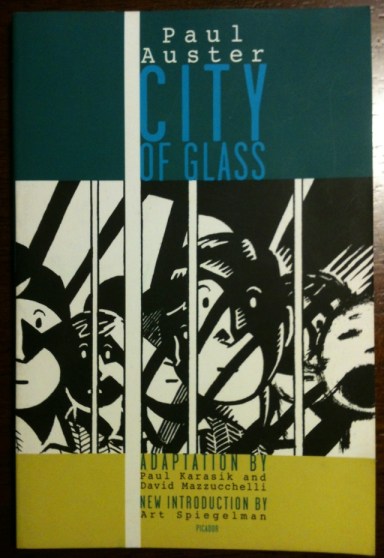
I’m not a huge Paul Auster fan, but I do like artist David Mazzucchelli’s work (especially his novel Asterios Polyp), so when I saw a crisp used copy of the graphic novelization of City of Glass (with an intro by Art Spiegelman), I had to snap it up:

20120126-181414.jpg

A splash page of a stark empty room which I’m sure is meaningful in some way:

20120126-181426.jpg

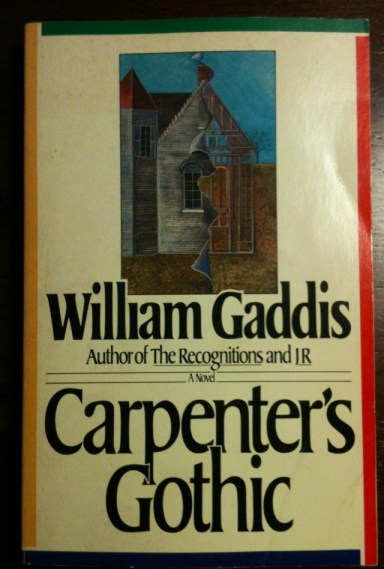
Also, couldn’t help pick up a used copy of Gaddis’s late novel Carpenter’s Gothic, even though I know there’s no way I’ll get to it anytime soon.

20120126-181435.jpg

Book Acquired, 1.23.2012 — New Lapham’s Quarterly

20120125-161536.jpg

I was a relatively consistent subscriber to Harper’s magazine from 1997 to 2006, with brief flirtations after that year. Anyway, at some point my subscriptions to Harper’s, The Believer, McSweeney’s, etc. became too much. Just didn’t have time to read them all. I’m down to one subscription a year. Last year it was The Paris Review—and I very much enjoyed it. This year: Lapham’s Quarterly. The quarterly is right up my alley—short selections from (seemingly) 100s of authors. The back:

20120125-161543.jpg

The magazine also features plenty of art selections, as well as tables, graphs, and other editorial content—but on the whole, Lapham’s Quarterly reminds me of my favorite aspect of Harper’s, the “Readings” selections.

20120125-161551.jpg

Books Acquired, 1.17.2012—Or, Here’s What’s New from Picador This Month

20120121-100054.jpg

The kind people at Picador sent me a box of books, including a memoir (Margaux Fragoso’s Tiger, Tiger), a few novels (The Lover’s Dictionary by David Levithan; Ralph Sassone’s The Intimates; Alan Glynn’s noir thriller Bloodland; Dieter Schlesak’s The Druggist of Auschwitz, which purports to be a “documentary novel”; and Zoë Heller’s first novel, Everything You Know), and a work of political science (Ari Berman’s Herding Donkeys).

A box of books is a bit overwhelming, but I make it a point to spend some time with every book that comes into Biblioklept World Headquarters. Here’s some thoughts on these.

I actually ended up reading almost all of The Lover’s Dictionary, despite it having the word “lover” in the title, which, jeez. When my wife picked it up, she said something like, “How can they call this a novel?” — fair question, because the book is structured like a dictionary. In point of illustration:

20120121-100117.jpg

I’ve got a bigger post on Levithan’s book coming up, one that tries to situate it in the context of other non-novelly novels—but in short it is a novel, a very contemporary one that tells the oldest story in the proverbial book (boy meets girl) in an elliptical way that suits our post-information age. Like I said more to come, but for now: The Lover’s Dictionary is funny, occasionally cruel, too-often saccharine, awfully real, sometimes deeply flawed, but consistently engaging (sorry for all the adverbs).

I imagine Margaux Fragoso’s memoir Tiger, Tiger will capture the fascination of a large audience, but half an hour of the book was almost more than I could bear. Not because Fragoso can’t write—far from it, in fact—but her subject matter, which is to say her stolen childhood, is rendered too raw,   too real for me; there’s nothing pulpy or lurid about Fragoso’s work, nor is there the aesthetic sheen of Lolita to gloss any of the ugly, sordid details.  Kathryn Harrison ponders the question of Tiger, Tiger’s audience in her favorable review at The New York Times:

So who — other than voyeurs looking for a sustained close-up of a pedophile in action — will want to read this book? To bear witness to a numbingly long series of violations of a child by a man who has honed his wickedness for decades is not more pleasant than it sounds. As a society we energetically oppose sexual abuse; as individuals most of us shy away from investigating a relationship characterized by creepy kisses and inappropriate fondling. Worse, we defend cowardice by calling it discretion — minding our own business. Maybe a book like “Tiger, Tiger” can help us be a little braver. Certainly, it took courage to write.

20120121-100131.jpg

Ralph Sassone’s The Intimates: sex scenes (straight and gay); lots of notations about parents; lots of characters.

Dieter Schlesak’s The Druggist of Auschwitz: This “documentary novel” blends actual testimony from the Frankfurt Auschwitz Trial, interviews with camp guards and prisoners, and fictional narrative to tell the true story of Dr. Victor Capesius, an SS officer who worked with Mengele. The book is less gimmicky than it sounds in this description, and if its documentary elements are blunter and less ambiguous than W.G. Sebald’s historical fragments, I suppose that’s what the subject matter merits.

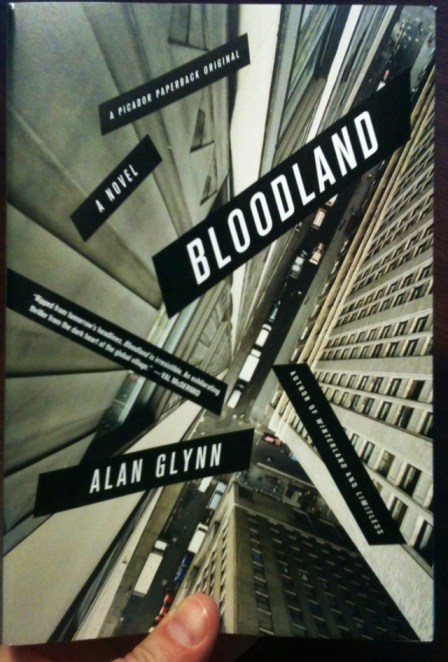
Alan Glynn’s new novel Bloodland (a Picador paperback original) is a noirish thriller set against the backdrop of political and corporate intrigue. Glynn writes with terse immediacy, telegraphing the plot in short punchy sentences that recall James Ellroy (without the finnicky slang). The book reads almost like a movie script, vivid and concrete. It’s a fast-paced page turner with a smart plot, just the sort of thing one wants from a thriller.

20120121-103504.jpg

Herding Donkeys by Ari Berman: Honestly not my thing, but if you want to read about the DNC from the time of Howard Dean to the rise of Barrack Obama, this is probably a book for you.

Zoë Heller’s Everything You Know: This is new in paperback again after over a decade. The story focuses on a cantankerous, unlikable son-of-a-bitch named Willy Muller. Things aren’t going well for him: he’s just suffered a heart attack, his daughter’s committed suicide, and the public still believes he murdered his wife. No wonder he hates humanity. Heller is probably most famous for her novel Notes on a Scandal, which was adapted into an excellent film in 2006.

Biblioklept’s picks: The Lover’s Dictionary; Tiger, Tiger; Bloodland.

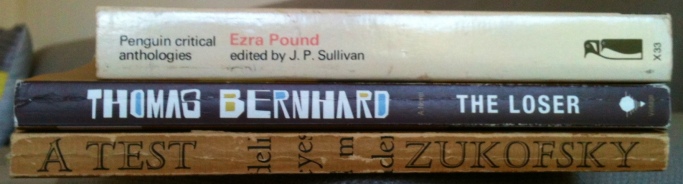
Books Acquired, 1.13.2012 (Ezra Pound, Thomas Bernhard, Louis Zukofsky)

20120115-163012.jpg

Picked up these three last Friday.

20120115-163023.jpg

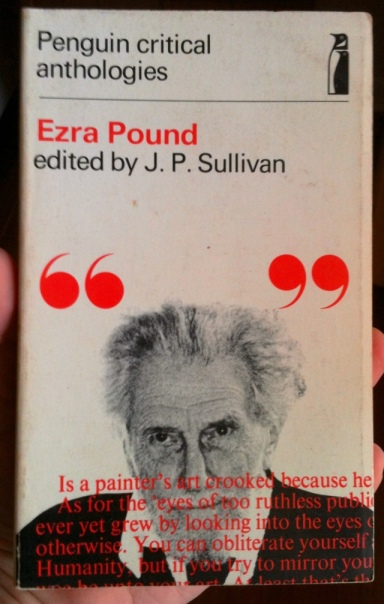
This is a collection of letters to and from Ezra Pound, as well as criticism, introductions, etc. I like the cover, which is a bit too busy.

20120115-163044.jpg

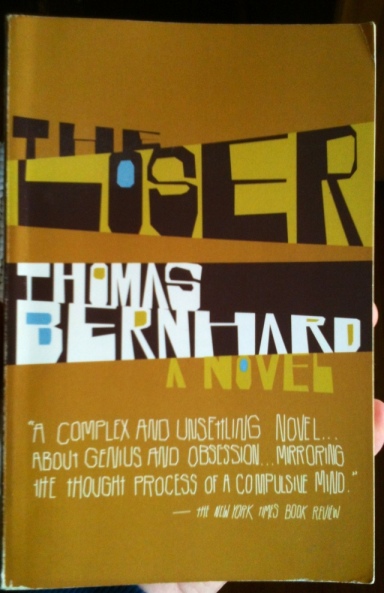
I picked up Thomas Bernhard’s Correction last year on reader recommendation (recommendation: read Bernhard). Saw The Loser in the shop used, so I picked it up. Any recommendation on which one to start with?

20120115-163114.jpg

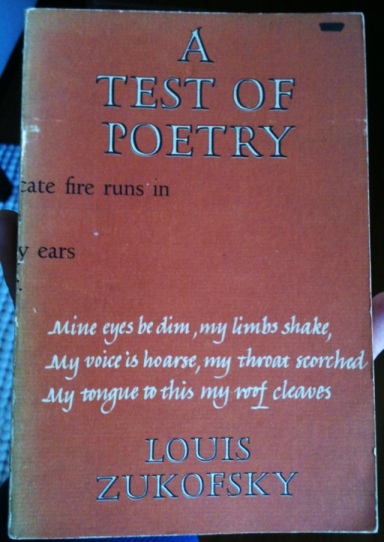
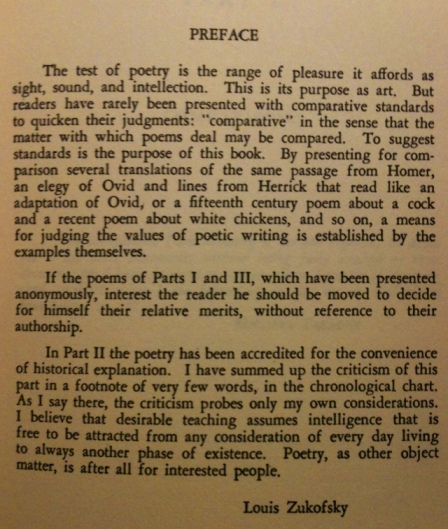
A midcentury paperback of Louis Zukofsky’s A Test of Poetry. This is a strange book. I’d better let Zukofsky explain it:

20120116-175731.jpg

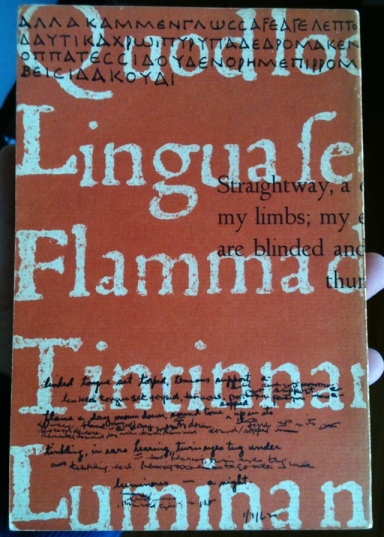
The back cover is lovely as well:

20120115-163132.jpg

Books I Didn’t Read in 2011 (And Books I Will Try to Read in 2012)

Okay. So obviously a list of the books I didn’t read in 2011 would be, y’know, long.

This post is about the books I set out to read, tried to read, wanted to read, abandoned, neglected, acquired and thought looked interesting, etc. It’s also about what I want to—what I plan to—read in 2012.

20111228-115819.jpg

A reasonable starting place: I wrote a post in early January of this year detailing the books I would try to read in 2011. I actually read most of the books I named in that post. But:

I failed to read past page 366 of Adam Levin’s incredibly long novel The Instructions, although I think I was a bit too harsh in my semi-review. Chalk it up to exhaustion.

I failed to even begin to try to read William Gaddis’s incredibly long novel JR. (But I swear to read it one year. Not next year, but maybe the year after?).

I failed to read past the first chapter of Katherine Dunn’s Geek Love.

I read most of the Tintin collections I picked up last year, but I didn’t get to volumes 5 or 6.
20111228-115848.jpg

Moving beyond that early post, books that I recall abandoning (although I’m sure there must be more):

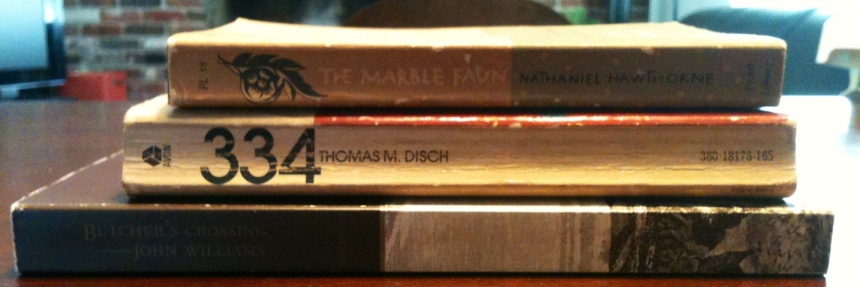
I abandoned Nathaniel Hawthorne’s Italian romance The Marble Faun after about 30 pages.

I abandoned 334 by Thomas Disch after about 50 pages. Somehow simultaneously dense and loose, it struck me as intensely imagined and sloppily composed.

I abandoned John Williams’s Butcher’s Crossing after the first chapter; it was a great opening chapter, but I thought it was going to be, I don’t know, more like Blood Meridian.

I also abandoned Chad Harbach’s big book The Art of Fielding (after 100 pages) because it was lame (notice it’s not pictured above because I traded in that sucker), but I had a nice dialog with some readers who responded to a post I wrote about abandoning it, so that was a plus.
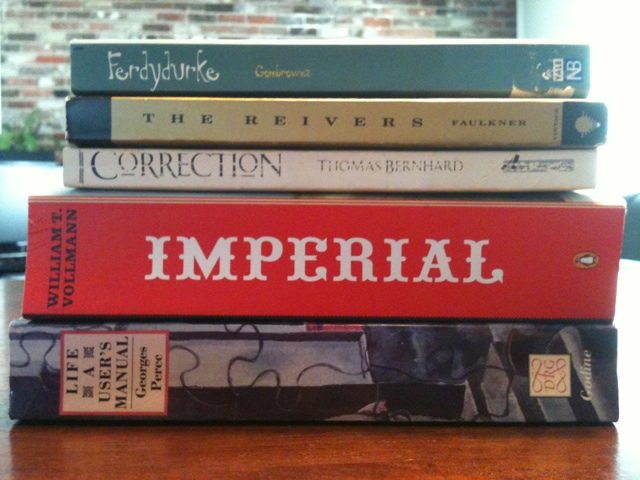
20111228-115828.jpg

Books I bought in 2011 that I aim to read in 2012:

Correction by Thomas Bernhard. Bernhard was a repeated suggestion from readers in the aforementioned Harbach post/rant, and he was apparently a huge influence on W.G. Sebald, so, yes, looking forward to this.

The Reivers by William Faulkner. I read A Light in August this year and reread most of Go Down, Moses. My plan is to read one Faulkner a year for the next ten years.

Ferdydurke by Witold Gambrowicz. I struggled to make it through Gombrowicz’s bizarre jaunt Trans-Atlantyk, but once the novel taught me how to read it, I was enchanted by its strange humor and frenetic syntax. Over some beer and wine, I had a conversation about Ferdydurke with my father-in-law’s priest who is Polish. His pronunciation of Ferdydurke should win an award for charm.

I will read Georges Perec’s big book Life: A User’s Manual.

I have already promised to read William Vollmann’s Imperial.

There are many, many more, of course (too many, really).
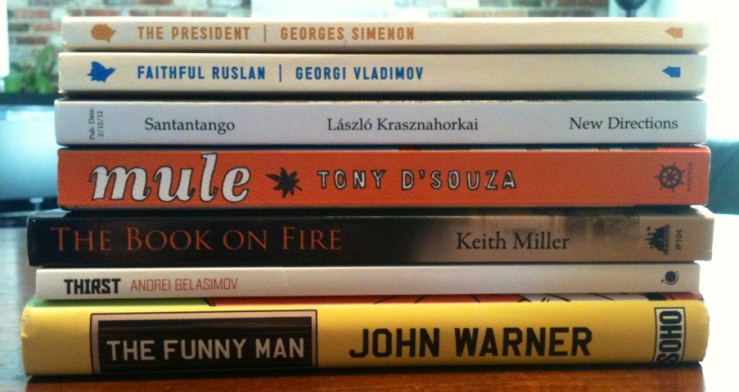
20111228-115835.jpg

Books people sent me to read and review that look really cool that I will be reading and reviewing at some point in the very near future:

Satantango by László Krasznahorkai: I will read this and review this in the very near future.

The Funny Man by John Warner: Comedy, drugs, celebrity culture.

The Book on Fire by Keith Miller: This one is about a biblioklept. It’s been at the top of my stack for a few months now, but I keep letting myself get distracted.

Thirst by Andrei Gelasimov: Apparently this novella about a maimed alcoholic war vet is funny. (I hate the cover).

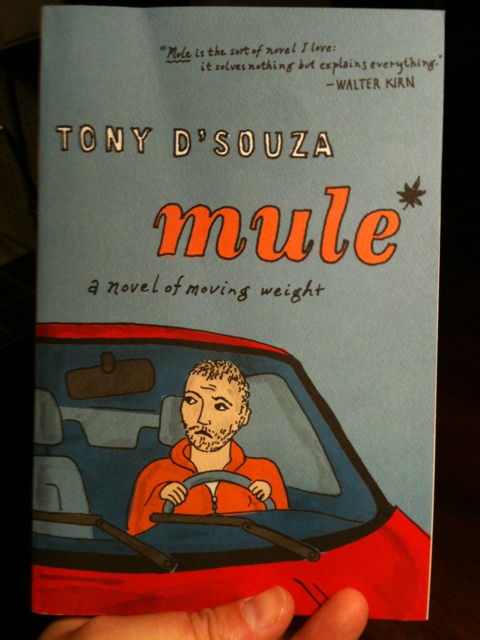
Mule by Tony D’Souza: Middle class man sells marijuana cross country. (I love the cover).

Various titles from Melville House’s Neversink line: I’ve got a few in the stack.

Also: I got a Kindle Fire for Christmas. I actually stayed up really late last night reading free public domain books from Hawthorne, Melville, Whitman, and Dickinson; I’ll read a contemporary novel on it this year—Neal Stephenson’s Snow Crash, perhaps? Suggestions welcome!—and try to review both novel and the process of reading the novel on a warm glowing machine.

And: I’m sure there are a ton of novels that will come out in 2012 that I’ll want to read; I’m already primed for Dogma, Lars Iyer’s sequel to Spurious.

So: What are you guys looking forward to reading in 2012? What did you fail to read in 2011?

Books Acquired, 12.25.2011 (Walton Ford; Hayao Miyazaki)

20111226-144256.jpg

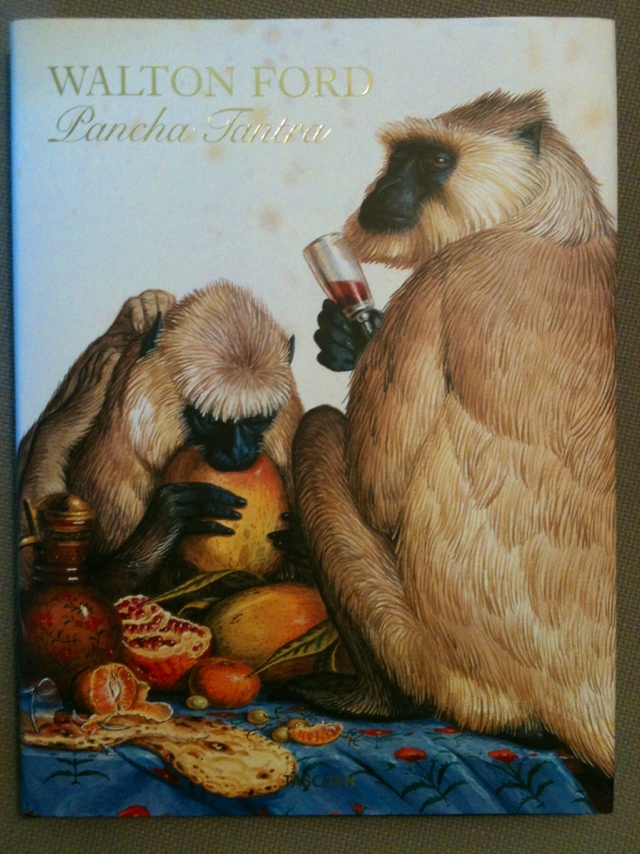
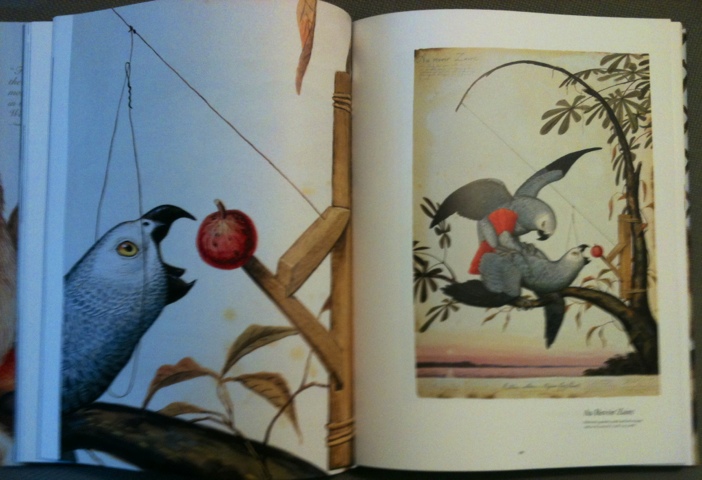
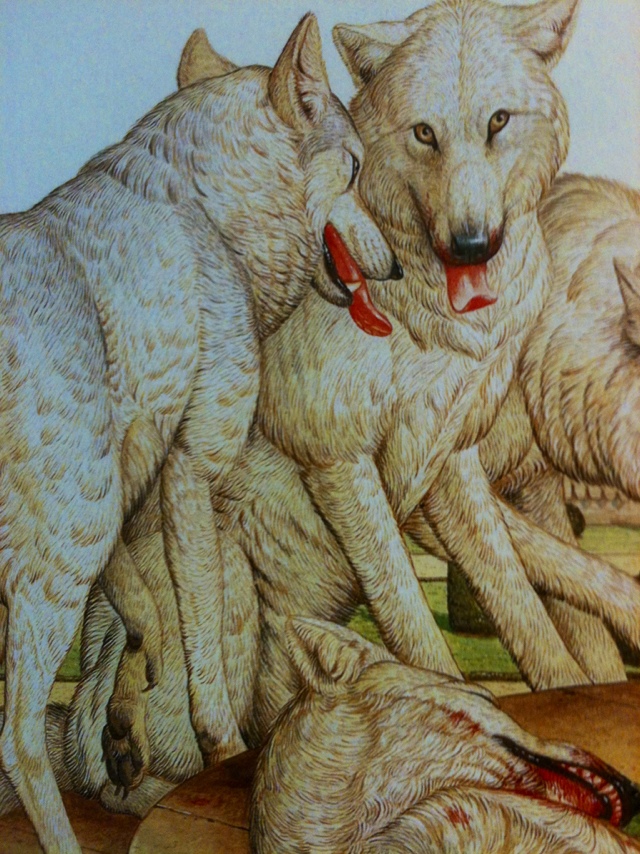
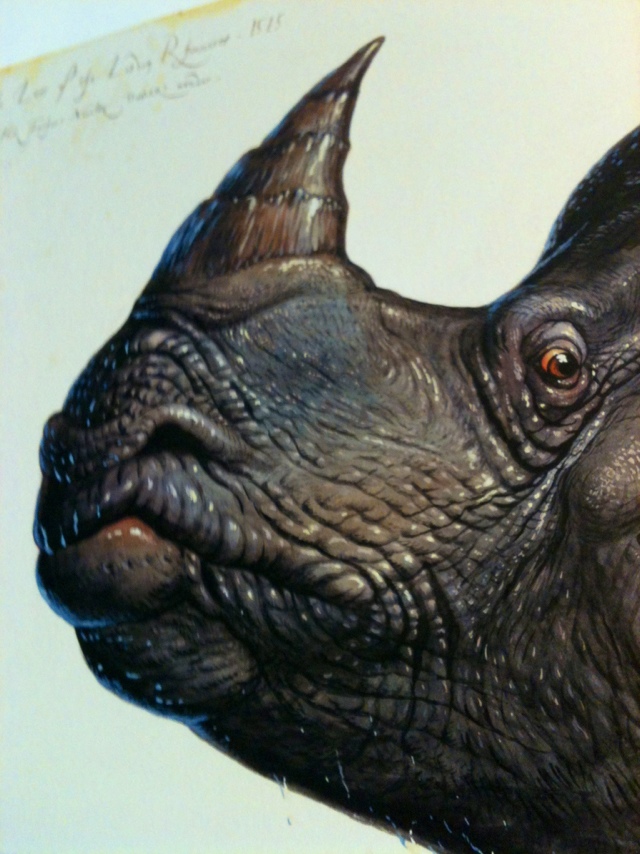
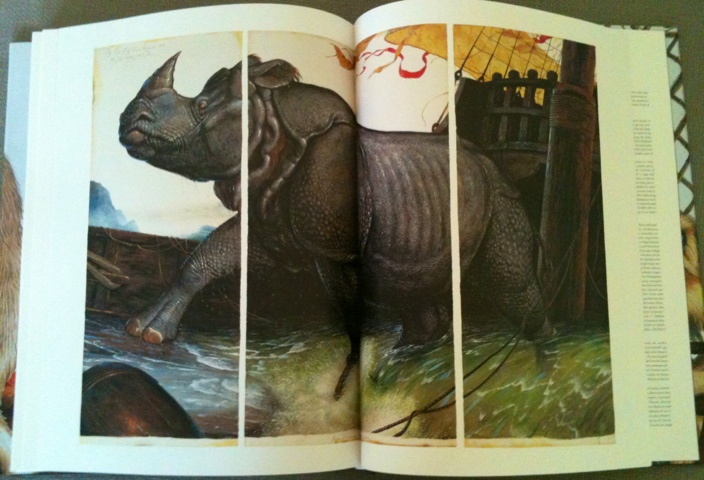
I finally got a copy of Walton Ford’s Pancha Tantra, a bestiary depicting the savage Darwinian competition between all biological species, including humans, whose encroachment upon animal habitats is examined in this book. Ford also explores themes of colonialism in his strange, naturalist paintings. My loving wife gave me this book. I took some clumsy photos with my iPhone which in no way do justice to this big, beautiful book; forgiveness please.

20111226-144302.jpg

20111226-144309.jpg

20111226-144317.jpg

20111226-144325.jpg

20111226-144333.jpg

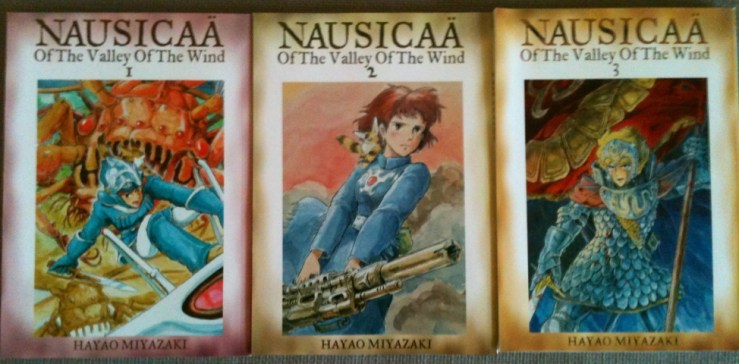
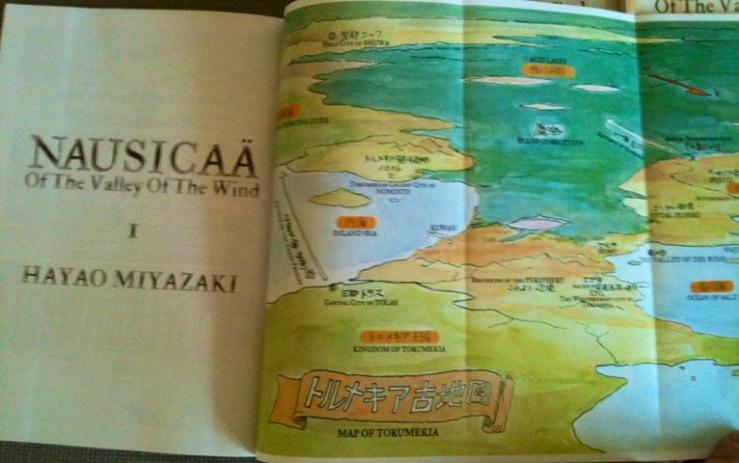
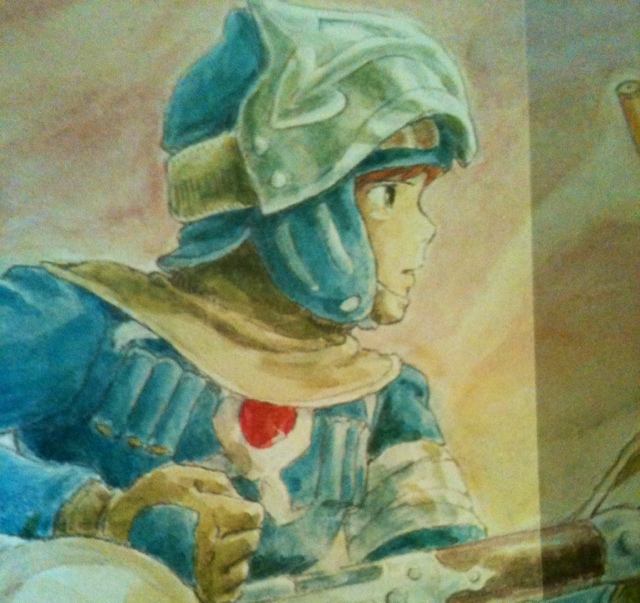
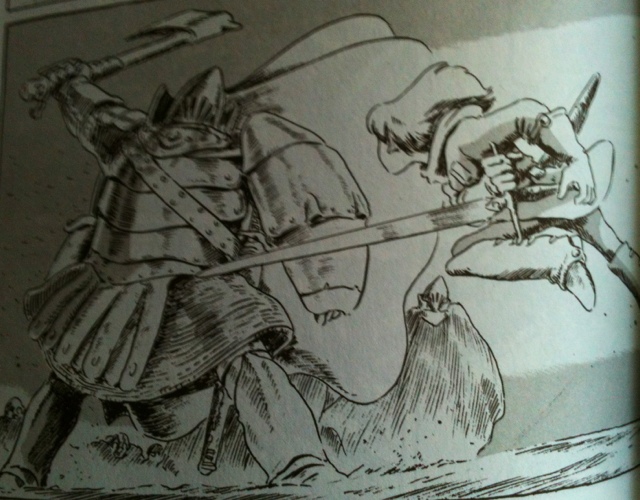
My wife also gave me Hayao Miyazaki’s graphic novel Nausicaa of The Valley of the Wind. The film based on this manga plays in our house about once a week, on heavy rotation with Miyazaki’s other films, which my four year old daughter is addicted to.

20111226-144343.jpg

20111226-144357.jpg

20111226-144406.jpg

20111226-144645.jpg

Books Acquired, 12.21.2011

20111222-130625.jpgNormally I try to comment on the review copies that come into Biblioklept World Headquarters, but sept d’un coup is too much. I promise to say something about these down the line though.

Books Acquired, Some Time Last Week (12.14.2011, Perhaps)

20111221-125306.jpg

Bobbi Lurie’s Grief Suite, a slim collection of poems that seem to be mostly about death and loss. Love the woodcut cover, which Ms. Lurie made herself. I read most of Grief Suite last week and found it moving if bewildering. I’m not sure how to review a book of poetry. I have no idea.

20111221-125952.jpg

The Book of Khalid by Ameen Rihani is part of Melville House’s Neversink line; it’ll get a Spring release. I read a bit the other night. Strange and romantic.

20111221-130019.jpg

Joe Dunthorne’s Wild Abandon is set on a crumbling Welsh commune. Dunthorne’s Submarine was adapted into a film last year by Richard Ayoade. I didn’t see the film. Anyway, I usually thumb through the first few pages of every review copy that shows up and try to shuffle the book into a certain stack; I wound up reading way more of Wild Abandon than I had initially expected. The first 50 pages are good—flawed but good—and it seems like a smart, funny novel that will appeal to readers who like smart, funny novels.

Sorry that my descriptions today were so lame (lamer than usual). I’m tired.

Books Acquired, 11.19.2011

20111119-112614.jpg

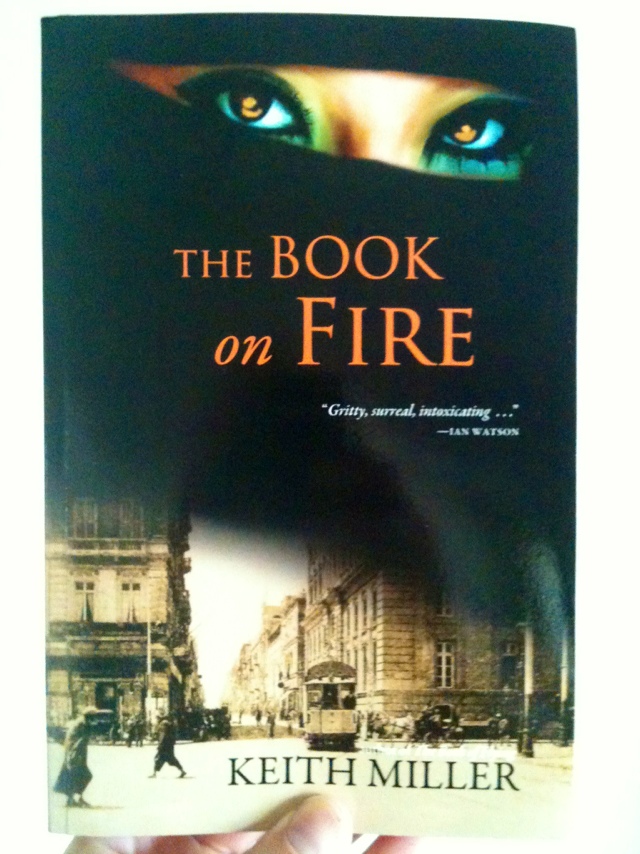
Keith Miller’s novel The Book on Fire features a biblioklept as its protagonist/narrator—so that obviously piqued my interest. The setting also seems cool, so this will find its way close to the top of the review stack. Here’s a description from Miller’s site

Balthazar, book thief and bon vivant, arrives in Alexandria to steal from the famous library. But from the moment he steps off the boat, a veiled figure shadows him. Zeinab, literary prostitute and avenging ghost, will be his chaperone through the city of books. With her help, he succeeds in penetrating the underground library. But once inside, instead of ransacking it, he becomes obsessed with the youngest librarian, Shireen, who was born in the library and is herself more than half book. Their love story forms the heart of the novel. Balthazar schemes to get Shireen out of the library. But Zeinab has plans of her own . . .

20111119-112627.jpg

Andrei Gelasimov’s Thirst is new in English translation next week from, uh, Amazon’s new imprint, Amazon Crossing. Here’s their description—

Masterfully translated from its original Russian by award-winning translator Marian Schwartz, Thirst tells the story of 20-year-old Chechen war veteran, Kostya. Maimed beyond recognition by a tank explosion, Kostya spends weeks on end locked inside his apartment, his sole companion the vodka bottles spilling from the refrigerator. But soon Kostya’s comfortable, if dysfunctional, cocoon is torn open when he receives a visit from his army buddies who are mobilized to locate a missing comrade. It is through this search for his missing friend that Kostya is able to find himself.

Thirst is a nice slim novella, and I enjoyed its opening pages, but I’ve got to grip about the cover. I get that the book deals with alcoholism, but ripping off Absolut Vodka’s iconic design is lame. I get that it’s supposed to be ironic or whatever, but I just really hate it. Anyway, I also hate the cover for David Markson’s Wittgenstein’s Mistress, so it’s silly to gripe about covers. Someone should make up an adage.

(Just a Really Great Grab of) Books Acquired, 11.18.2011

20111118-155019.jpg

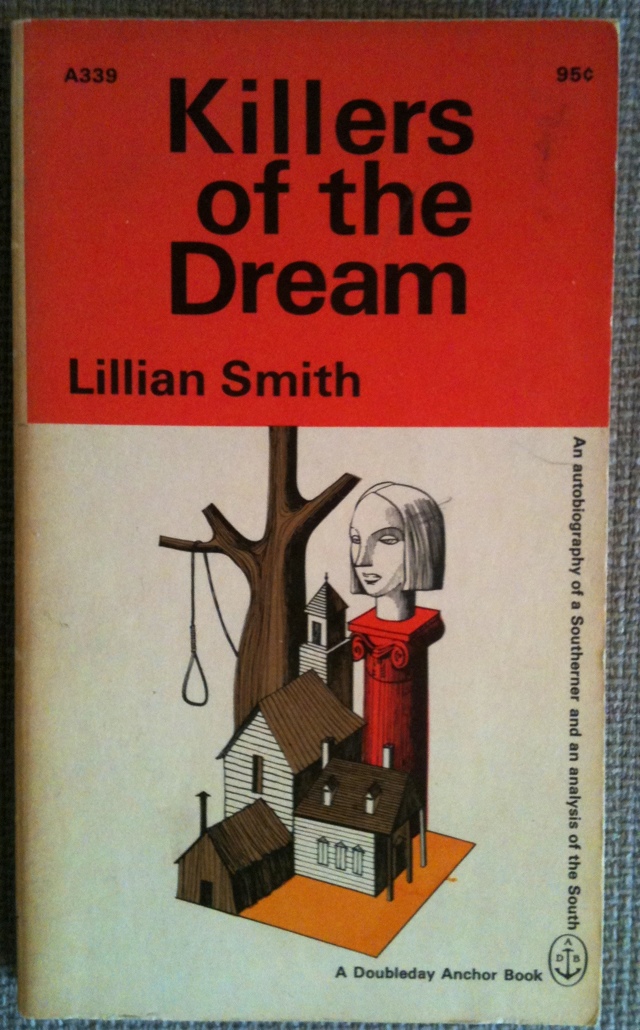
See, this is why I go to my favorite local bookshop at least once once. (It doesn’t hurt that it’s like a mile from my house). I read Lillian Smith’s memoir Killers of the Dream back in grad school, but I checked my copy out from the school library (being like, a poor grad student and whatnot, and Biblioklept not being established enough to rack up, uh, free books). Anyway, this is one of the best covers I think I’ve ever seen; Doubleday seems to be taking a cue from Penguin here. The design is simple, elegant, and appropriately horrific. Anyway, I picked up Smith’s book because I had wanted to use a few passages from it for a particular class I was teaching, but I when I looked for it I realized I didn’t it own it. So. Anyway. If you haven’t read Killers, I highly recommend it: “groundbreaking” would be an understatement here. Smith plumbs the strange hypocrisies of Jim Crow South; more straightforward than Faulkner but equally affecting.

20111118-155032.jpg

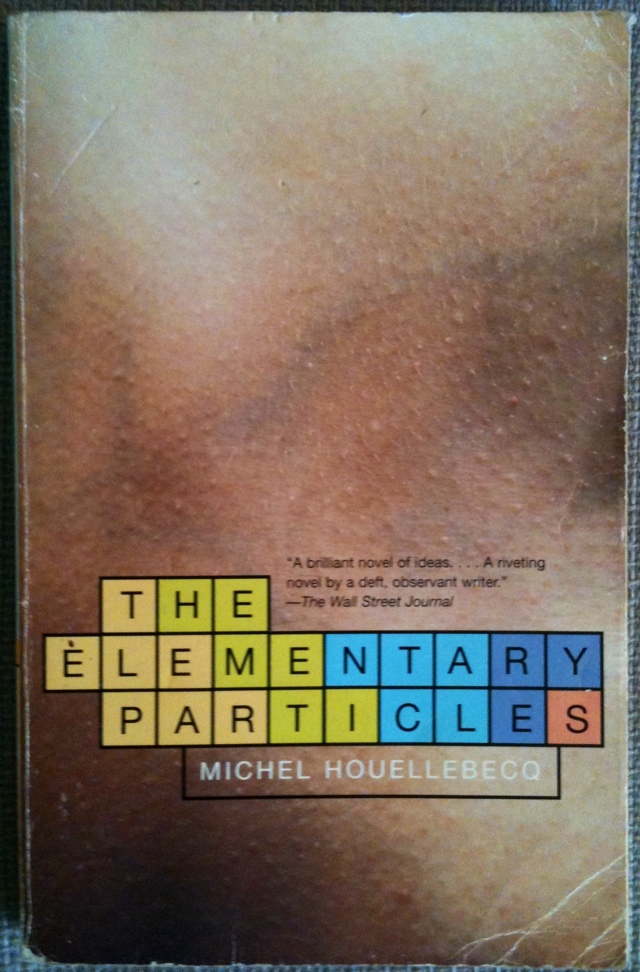
I have a little list I keep in my wallet. It’s ragged and rumpled, and some names are cribbed there in a meandering webby calligraphy that would prove to any team of forensic writing analysts that I cannot write by hand. Anyway, Michel Houllebecq (or, if we’re being honest, a bizarre corruption of that last name) has been on that list for a while—so I was happy to snap this one up. The cover is Ballardian, or maybe, more accurately, Cronenebergian (Cronenbergesque?). More forthcoming.

20111118-155042.jpg

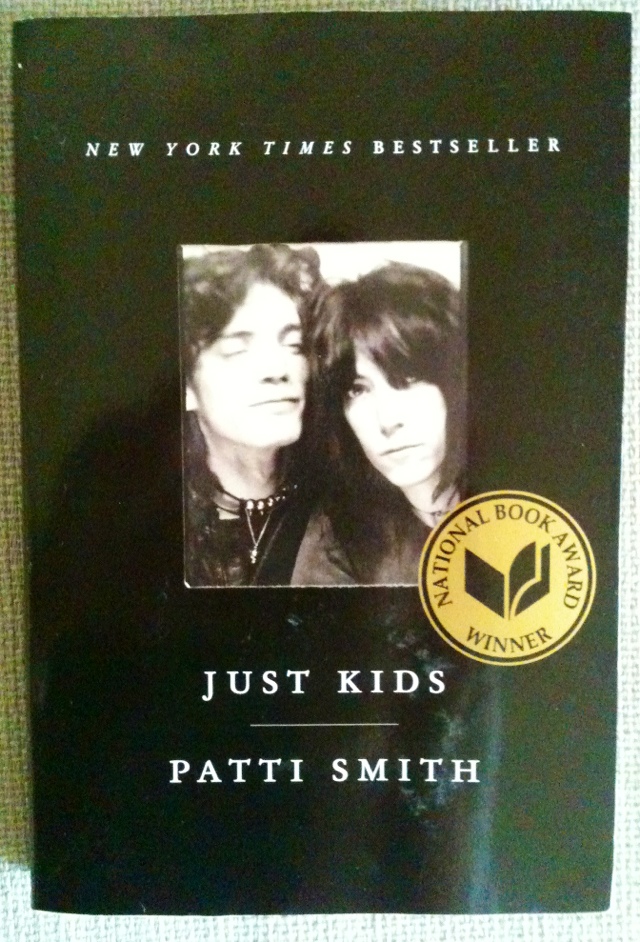
Just Kids: Patti Smith: Robert Mapplethorpe: I was looking under Biographies for Lillian Smith: found this: c’mon, you know this won the Nat’l BA: (or the sticker should tip you): will check out the fuss: extraneous colon: :

Books Acquired, 11.08.2011

20111108-190207.jpg

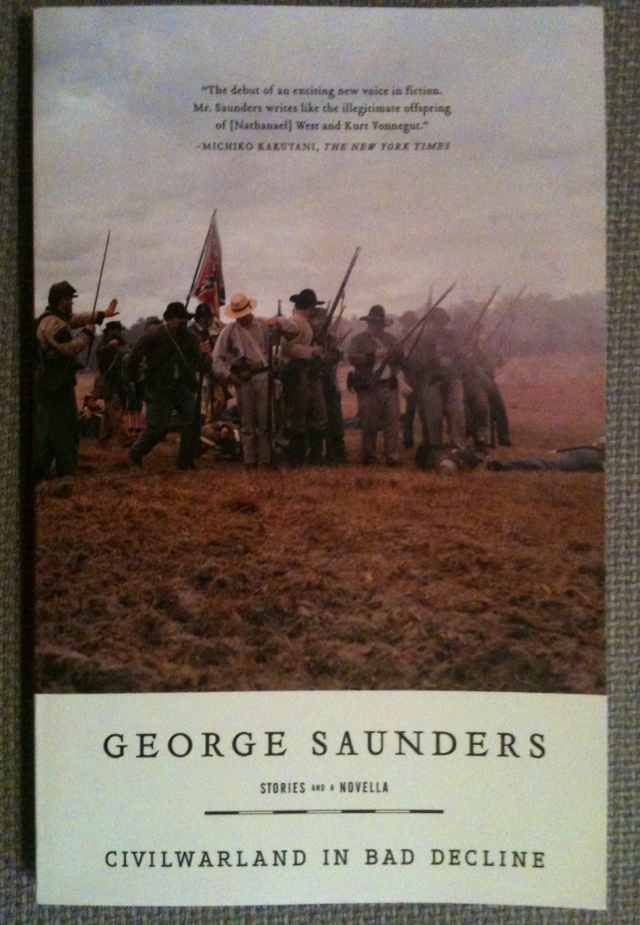
Swung by my favorite local bookstore this afternoon (and, for regular readers who wonder why I seem to do this so often, I might point out that said bookstore is like, 7/10ths of a mile from my house). I picked up George Saunders’s CivilWarLand in Bad Decline after numerous reader suggestions and more or less enjoying his later collection, Pastoralia (review this week?).

20111108-190214.jpg

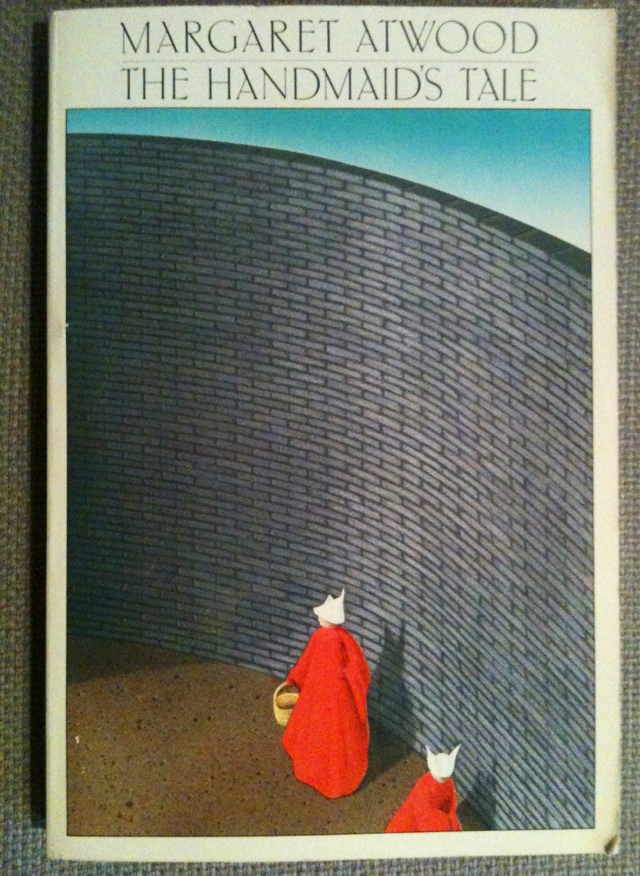
I don’t think the lousy iPhone pic conveys how aesthetically pleasing this tpb version of Margaret Atwood’s novel The Handmaiden’s Tale is. It’s an oversized version, really. I used to own the book but a student permanently “borrowed” it (yes, a guy who posts under the scaredynym “Biblioklept” shouldn’t complain about book theft, but still . . .), and anyway, the version I owned was a cheap mass market paperback copy that I got my mom to buy for me at an airport years ago in Australia, so of course it had no special sentimental value, right?

Books Acquired, 11.02.2011

20111106-152604.jpg

I teach a night class on Wednesdays, and although I enjoy it, I also teach morning sections on Wednesdays, so I’m exhausted when I get home over twelve hours later that night. Anyway, I was thrilled to find a nice little packet from Shocken/Pantheon when I came home last Wednesday—a memoir, a graphic novel, and a book that blends and comments on both.

Meir Shalev’s My Russian Grandmother and Her American Vacuum Cleaner is new in translation from Schocken. Their description—

From the author of the acclaimed novel A Pigeon and a Boy comes a charming tale of family ties, over-the-top housekeeping, and the sport of storytelling in Nahalal, the village of Meir Shalev’s birth. Here we meet Shalev’s amazing Grandma Tonia, who arrived in Palestine by boat from Russia in 1923 and lived in a constant state of battle with what she viewed as the family’s biggest enemy in their new land: dirt.

Grandma Tonia was never seen without a cleaning rag over her shoulder. She received visitors outdoors. She allowed only the most privileged guests to enter her spotless house. Hilarious and touching, Grandma Tonia and her regulations come richly to life in a narrative that circles around the arrival into the family’s dusty agricultural midst of the big, shiny American sweeper sent as a gift by Great-uncle Yeshayahu (he who had shockingly emigrated to the sinful capitalist heaven of Los Angeles!). America, to little Meir and to his forebears, was a land of hedonism and enchanting progress; of tempting luxuries, dangerous music, and degenerate gum-chewing; and of women with painted fingernails. The sweeper, a stealth weapon from Grandpa Aharon’s American brother meant to beguile the hardworking socialist household with a bit of American ease, was symbolic of the conflicts and visions of the family in every respect.

The fate of Tonia’s “svieeperrr”—hidden away for decades in a spotless closed-off bathroom after its initial use—is a family mystery that Shalev determines to solve. The result, in this cheerful translation by Evan Fallenberg, is pure delight, as Shalev brings to life the obsessive but loving Tonia, the pioneers who gave his childhood its spirit of wonder, and the grit and humor of people building ever-new lives.

20111106-152615.jpg

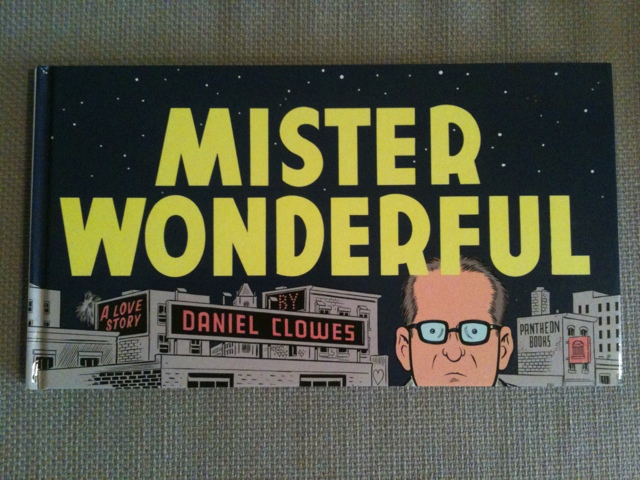
I read Daniel Clowes’s Mister Wonderful that Wednesday night. It was a treat—a wonderful balance of sweetness and acidity. I’m sometimes frightened by how closely I identify with Clowes’s protagonists. Full review next week.

20111106-152627.jpg

I can’t believe that Art Spiegelman’s MetaMaus hasn’t been remarked upon more—perhaps folks are still digesting it, like me, I guess. I consumed the first 50 pages immediately after finishing Mr. Wonderful, staying up way too late (all of this, accompanied by some mediocre red zin led to a mini-hangover and a generally poor performance teaching classes the next morn). Anyway, MetaMaus is far more engaging than any description of it might suggest. It combines Spiegelman’s cartoons with interviews and other media to detail the process behind creating the original Maus books (or, book singular I suppose is more appropriate). Fascinating stuff, covering memory and art and representation and mice &c. I’ll probably review it in bits and pieces—it seems like too much to process. It also comes with a DVD which I haven’t taken the time to look at yet—-

20111106-152636.jpg


Books Acquired, 10.20.2011

20111020-190929.jpg

A good lookin’ pair this eve. First up, Tony D’Souza’s novel Mule, which looks rather promising (the cover and premise alone earn it an advanced spot in the stack). From K. Reed Petty’s review at Electric Literature—

Mule is Scarface for readers of The New Yorker: It plots all the emotional points on a man’s rise and downfall, while explaining everything you need to know to avoid getting caught while driving $50,000 worth of marijuana from California to Tennessee.

D’Souza’s book is the most satisfying in answering the details that cable skims over. Our hero, James, is an out-of-work freelance journalist with a new family and no safety net. When he gets an opportunity to make some quick cash, he researches the business of driving drugs like a long-form journalist: How do you convince a bank teller to hand over your $7,000 savings account in hundreds? What are your rights if a cop pulls you over in Texas versus Nevada? And, as James asks of a buyer he meets on his first run: “How much does an ounce weigh?”

20111020-190939.jpg

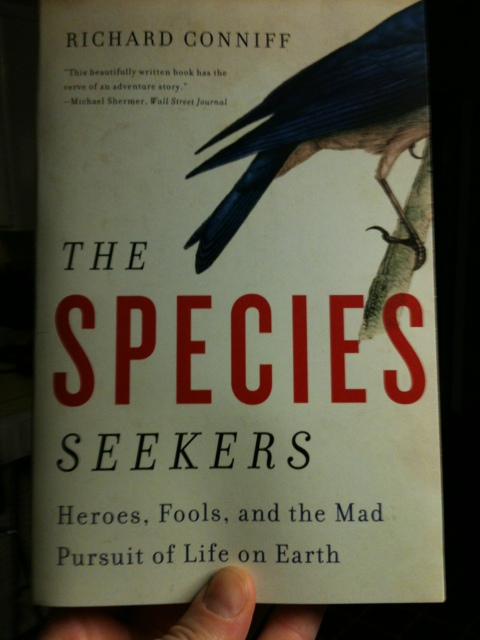
The Species Seekers by Richard Conniff also seems really cool. The book explores the strange intersections of science and adventure. Press release—

Conniff takes us back in time—before the words “scientist” or “biologist” even existed—to when a popular fever for the natural world swept through humanity. Beginning in the mid-eighteenth century, amateur naturalists made it their mission to go to the most perilous corners of the planet and bring back astonishing new species. Linnaeus, Darwin, and Wallace dominate most histories of the great age of discovery.  But they owed their success to this network of enthusiasts, who worked mainly for the pleasure of adding “to the power and grace and beauty of the Infinite.”  Among them:  A grave-robbing anatomist who became the model for Dr. Jekyll and Mr. Hyde, a Catholic missionary who held off bandits at gunpoint, and a British ornithologist who lost his left arm by jamming it down the throat of a charging leopard—but happily lived on to play a good game of tennis.

Discovering new species wasn’t a rarefied pastime; it was a pandemic, a social disease that struck every corner of society, claiming such notables as Thomas Jefferson, who laid out mastodon bones on the floor of the White House, and Mark Twain, who set out to become an Amazonian explorer, but went bust in New Orleans and had to make do with the river at hand.

Amid its tales of adventure and intrigue, The Species Seekers offers unmatched insight into one of the great revolutions in the history of human thought. At the start, God was in heaven, Man was the center of the universe, and everyone accepted that the Earth had been born yesterday for our benefit. But we weren’t sure where vegetable ended and animal began. We didn’t know what species were, or that they could be joined by common origin. We had no way to identify the causes of the pestilential diseases that made death a constant companion.

All that suddenly changed, as the species seekers introduced us to the pantheon of life on Earth—and our place within it.

(Some Very Handsome) Books Acquired, 10.18.2011 (Melville House Debuts The Neversink Library)

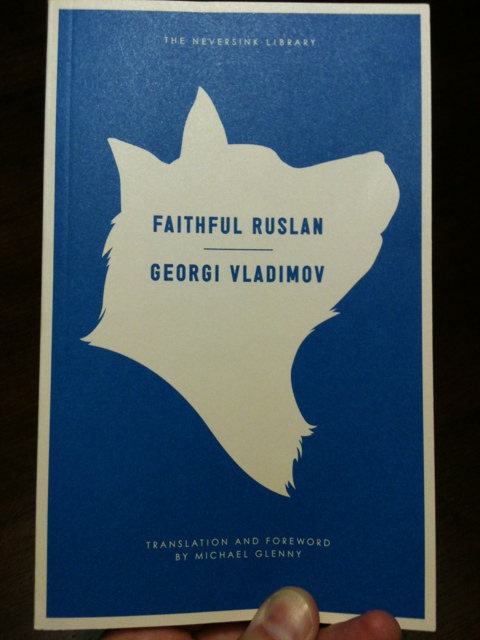
The good people at Melville House, debut The Neversink Library this week, a line of international titles that have been overlooked, neglected, and under-appreciated, many languishing out of print for years. I was pleased as punch to get three from the fall line up (another Neversink title coming out this Fall is a new edition of Karel Capek’s War with the Newts, covered by Biblioklept affiliate Noquar just a few weeks ago). Pics of the titles below—you can see how handsome and unified the design is here.

20111018-170431.jpg

Georgi Vladimov’s Faithful Ruslan

Set in a remote Siberian depot immediately following the demolition of one of the gulag’s notorious camps and the emancipation of its prisoners, Faithful Ruslan is an embittered cri de oeur from a writer whose circumstances obliged him to resist the violence of arbitrary power. “Every writer who writes anything in this country is made to feel he has committed a crime,” Georgi Vladimov said. Dissident, he said, is a word that “they force on you.” His mother, a victim of Stalin’s anti-Semitic policy, had been interred for two years in one of the camps from which Vladimov derived the wrenching detail of Faithful Ruslan. The novel circulated in samizdat for more than a decade, often attributed to Solzhenitsyn, before its publication in the West led to Vladimov’s harassment and exile.

A starving stray, tortured and abandoned by the godlike “Master” whom he has unconditionally loved, Ruslan and his cadre of fellow guard dogs dutifully wait for the arrival of new prisoners—but the unexpected arrival of a work party provokes a climactic bloodletting. Fashioned from the perceptions of an uncomprehending animal, Vladimov’s insistently ironic indictment of the gulag spirals to encompass all of Man’s inexplicable cruelty.

20111018-170446.jpgThe President by Georges Simenon—

At 82, the former premier lives in alert and suspicious retirement— self exile—on the Normandy coast, writing his anxiously anticipated memoirs and receiving visits from statesman and biographers. In his library is the self-condemning, handwritten confession of the premier’s former attaché, Chalamont, hidden between the pages of a sumptuously produced work of privately printed pornography—a confession that the premier himself had dictated and forced Chalamont to sign. Now the long-thwarted Chalamont has been summoned to form a new coalition in the wake of the government’s collapse. The premier alone possesses the secret of Chalamont’s guilt, of his true character—and has publicly vowed: “He’ll never be Premier as long as I’m alive . . . Nor when I’m dead, either.”

Inspired by French Premier Georges Clemenceau, The President is a masterpiece of psychological suspense and a probing account of the decline of power.

20111018-170456.jpg

I think this is the one I’ll dip into first: The Autobiography of a Super-Tramp by W.H. Davies—

An untutored Welsh tramp who became a popular poet acclaimed by the conservative Georgians and the vanguard Ezra Pound alike, W. H. Davies surprised his contemporaries with the unlikeliest portrait of the artist as a young man ever written.

After a delinquent childhood Davies renounced home and apprenticeship and at twenty-two sailed to America—the first of more than a dozen Atlantic crossings, often made by cattle boat. From 1893 to 1899 he was schooled by the hard men of the road, disdaining regular work and subsisting by begging. Crossing Canada to join the “Klondyke” gold rush, Davies fell while hopping a train. His foot was crushed and his leg amputated. “All the wildness had been taken out of me,” Davies wrote, “and my adventures after this were not of my own seeking.”

Praised by Osbert Sitwell for his “primitive splendour and directness,” Davies evokes the beauty and frontier violence of turn-of-the-century America in prose that George Bernard Shaw commended to “literary experts for its style alone.” The insurgent wanderlust that found an American voice in Jack London and Jack Kerouac is expressed here in a raucous true adventure story by the man Shaw called “the incorrigible Supertramp who wrote this amazing book.”

(Some Very Beautiful) Books Acquired, 9.17.2011

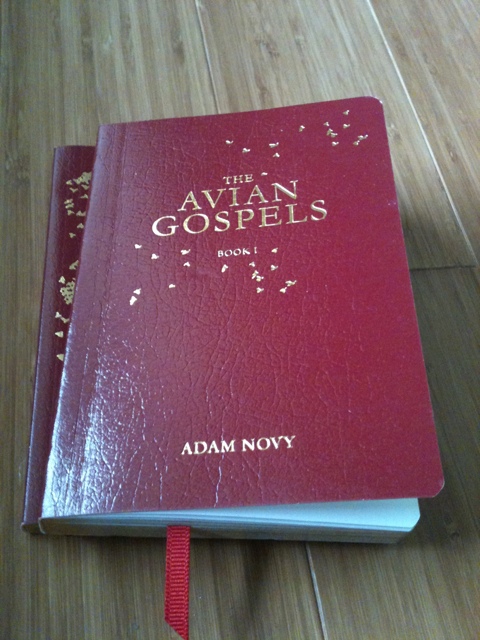
20110920-120114.jpg 20110920-120126.jpg 20110920-120138.jpg

Adam Novy’s début novel The Avian Gospels arrived at Biblioklept World Headquarters this Saturday. I was at a football game all day (drinking beer and then watching my alma mater’s team vanquish men in orange), so I didn’t get to dip into these gorgeous, strange books until the next day, at which point my four-year old daughter took possession of the second volume (declaring it beautiful) and pretended to read it on the couch with me.

I’ve read the first 80 or so pages since then; so far, The Avian Gospels is about a boy named Morgan and his father, both of whom have the power to control birds. This is a handy skill, as the strange, burnt world of Novy’s novel is afflicted by swarms and swarms of birds, creatures that the Gypsies claim to be the souls of all the dead who have died in the city’s endless warring with Hungary. Ruthless Judge Giggs, the tyrannical ruler of the city, wants to enlist the talents of Morgan and his father. The book is surreal, dystopian and perhaps post-apocalyptic, but also very funny and at times even heartwarming in its tender treatment of parent-child relationships. Full review forthcoming.

Books Acquired, 9.15.2011

20110916-111429.jpg

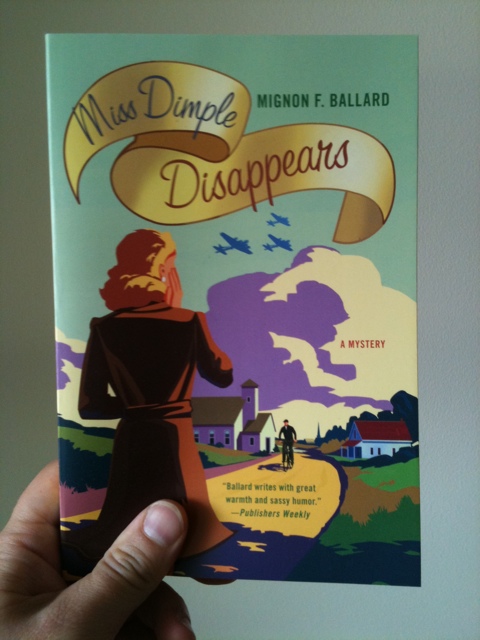
The kind people at Minotaur (St. Martin’s) sent Biblioklept a hefty little stack of new titles in several of the genres the press specializes in. (The box arrived yesterday but I didn’t have the time to put this post together until today). The first is a mystery, Mignon F. Ballard’s Miss Dimple Disappears

It is 1942, and most of the men in the town of Elderberry, Georgia, have gone to war. One frosty morning just before Thanksgiving, young schoolmistress Charlie Carr and her fellow teachers are startled to find that the school custodian, Wilson “Christmas” Malone, has neglected to stoke the furnace or empty the wastebaskets—and then is found dead in a broom closet, the apparent victim of a heart attack. But when Miss Dimple Kilpatrick, who is as dependable as gravity and has taught Elderberry first graders—including Charlie—for nearly forty years, disappears the following day, town residents are shaken down to their worn, rationed shoes. Knowing that Miss Dimple would never willingly abandon her students, Charlie and her friend Annie begin sleuthing—and uncover danger surprisingly close to home.

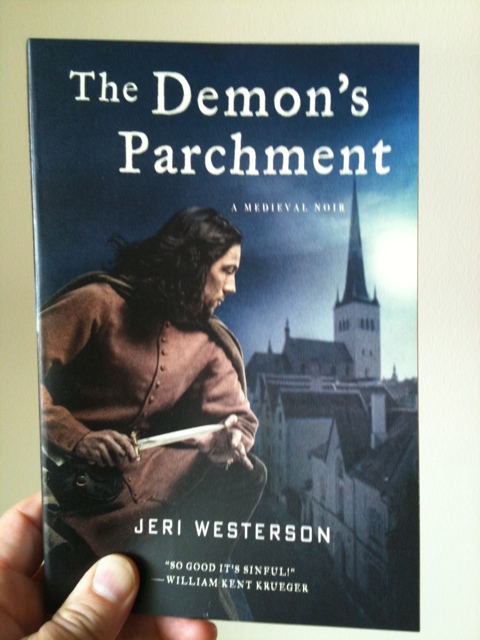
20110916-111440.jpgOkay, I’m not crazy about the cover for Jeri Westerson’s medieval noir The Demon’s Parchment, I dipped into it this morning (the genre seemed intriguing) and the writing is sharp and precise. Publisher’s description—

In fourteenth century London, Crispin Guest is a disgraced knight convicted of treason and stripped of his land, title and his honor. He has become known as the “Tracker”—a man who can find anything, can solve any puzzle and, with the help of his apprentice, Jack Tucker, an orphaned street urchin with a thief ’s touch—will do so for a price. But this time, even Crispin is wary of taking on his most recent client. Jacob of Provencal is a Jewish physician at the King’s court, even though all Jews were expelled from England nearly a century before. Jacob wants Crispin to find stolen parchments that might be behind the recent, ongoing, gruesome murders of young boys, parchments that someone might have used to bring forth a demon which now stalks the streets and alleys of London.

20110916-111451.jpg

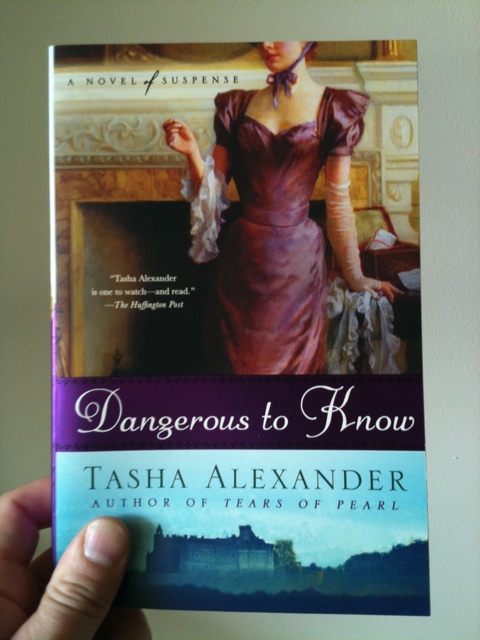
Tasha Alexander’s Dangerous to Know looks to be somewhere between a bodice-ripper and a body ripper. Not really my thing, but I’m sure the book will find an audience interested in historical fiction that mixes romance and suspense. The title band reminds me of a candy wrapper. Publisher’s description—

Set in the lush countryside of Normandy, France, this new novel of suspense featuring Lady Emily Hargreaves is filled with intrigue, romance, mysterious deaths, and madness.

Returning from her honeymoon with Colin Hargreaves and a near brush with death in Constantinople, Lady Emily convalesces at her mother-in-law’s beautiful estate in Normandy. But the calm she so desperately seeks is shattered when, out riding a horse, she comes upon the body of a young woman who has been brutally murdered. The girl’s wounds are identical to those inflicted on the victims of Jack the Ripper, who has wreaked havoc across the channel in London. Emily feels a connection to the young woman and is determined to bring the killer to justice.

       Pursuing a trail of clues and victims to the beautiful medieval city of Rouen and a crumbling château in the country, Emily begins to worry about her own sanity: She hears the cries of a little girl she cannot find and discovers blue ribbons left in the child’s wake. As Emily is forced to match wits with a brilliant and manipulative killer, only her courage, keen instincts, and formidable will to win can help her escape becoming his next victim.

20110916-111500.jpg

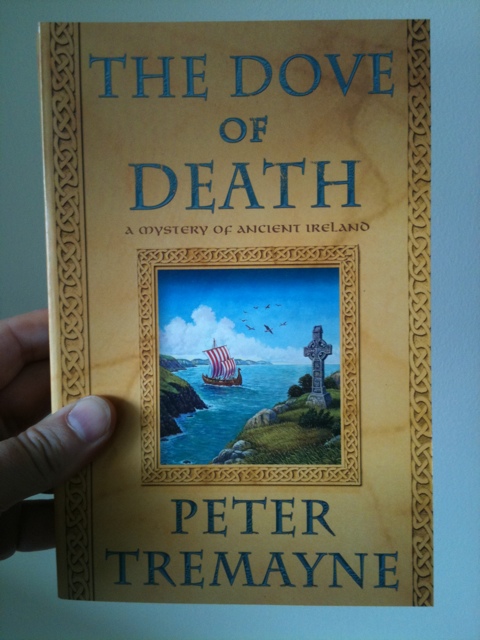
Peter Tremayne’s The Dove of Death  (“A Mystery of Ancient Ireland”) was the title in these four that I found most intriguing. Again, I dipped into it this morning, and Tremayne’s prose is tight, precise, and propelled by dialogue—just what you might look for in a page-turner. Description—

In A.D. 670, an Irish merchant ship is attacked by a pirate vessel off the southern coast of the Breton peninsula. Merchad, the ship’s captain, and Bressal, a prince from the Irish kingdom of Muman, are killed in cold blood after they have surrendered. Among the other passengers who manage to escape the slaughter are Fidelma of Cashel and her faithful companion, Brother Eadulf.Once safely ashore, Fidelma—sister to the King of Muman and an advocate of the Brehon law courts—is determined to bring the killers to justice, not only because her training demands it but also because one of the victims was her cousin. The only clue to the killer’s identity is the symbol of the dove on the attacking ship’s sails, a clue that leads her on a dangerous quest to confront the man known as The Dove of Death.

Books Acquired, 9.08.11

20110908-034509.jpg

20110908-034521.jpg

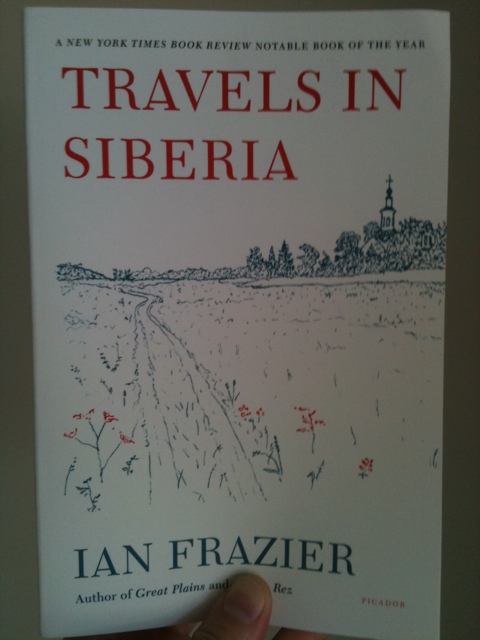
Big stack of reader copies on the homestead’s porch this afternoon, including two works of nonfiction from Picador, new in trade paperback. I’ve been itching to read Ed Vulliamy’s Amexica for a while, perhaps one of the weird aftereffects of 2666 . . . anyway, it should be a nice, visceral antidote to all the middling novels that pile up in the fall. Ian Frazier’s no slouch either, and Travels in Siberia looks pretty cool as well. A few weeks ago, Picador sent me a copy of Jason Elliot’s An Unexpected Light: Travels in Afghanistan, which also got great reviews in hardback last summer—I think I’ll make it my fall reading mission to read more nonfiction (particularly travel writing, which I’ve always loved), and these three books seem like a great way to go.

20110908-034540.jpg

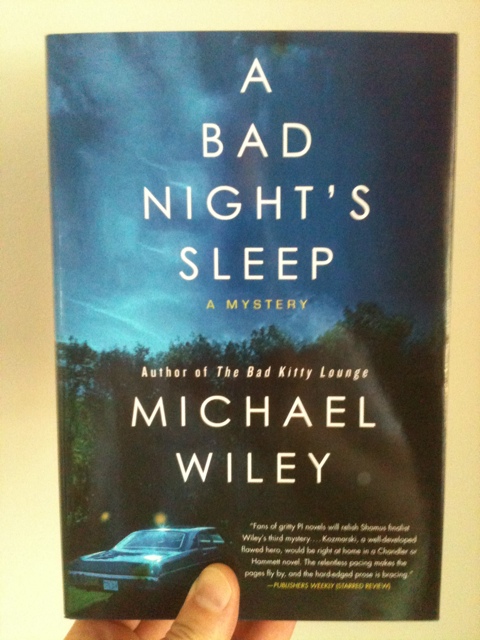
A Bad Night’s Sleep is the latest from crime writer Michael Wiley (I interviewed Wiley about his last book, The Bad Kitty Lounge, back in May of 2010, and he mentioned this book was underway, although he also talked about something called Wordsworth with a Glock, which, hey, I’d still love to see).

20110908-034550.jpg

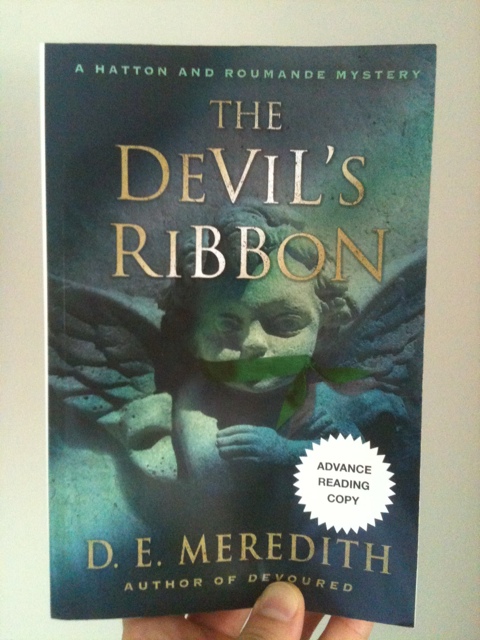
Wiley’s novel is new from Minotaur, who are also putting out a crime novel called The Devil’s Ribbon by D.E. Meredith.