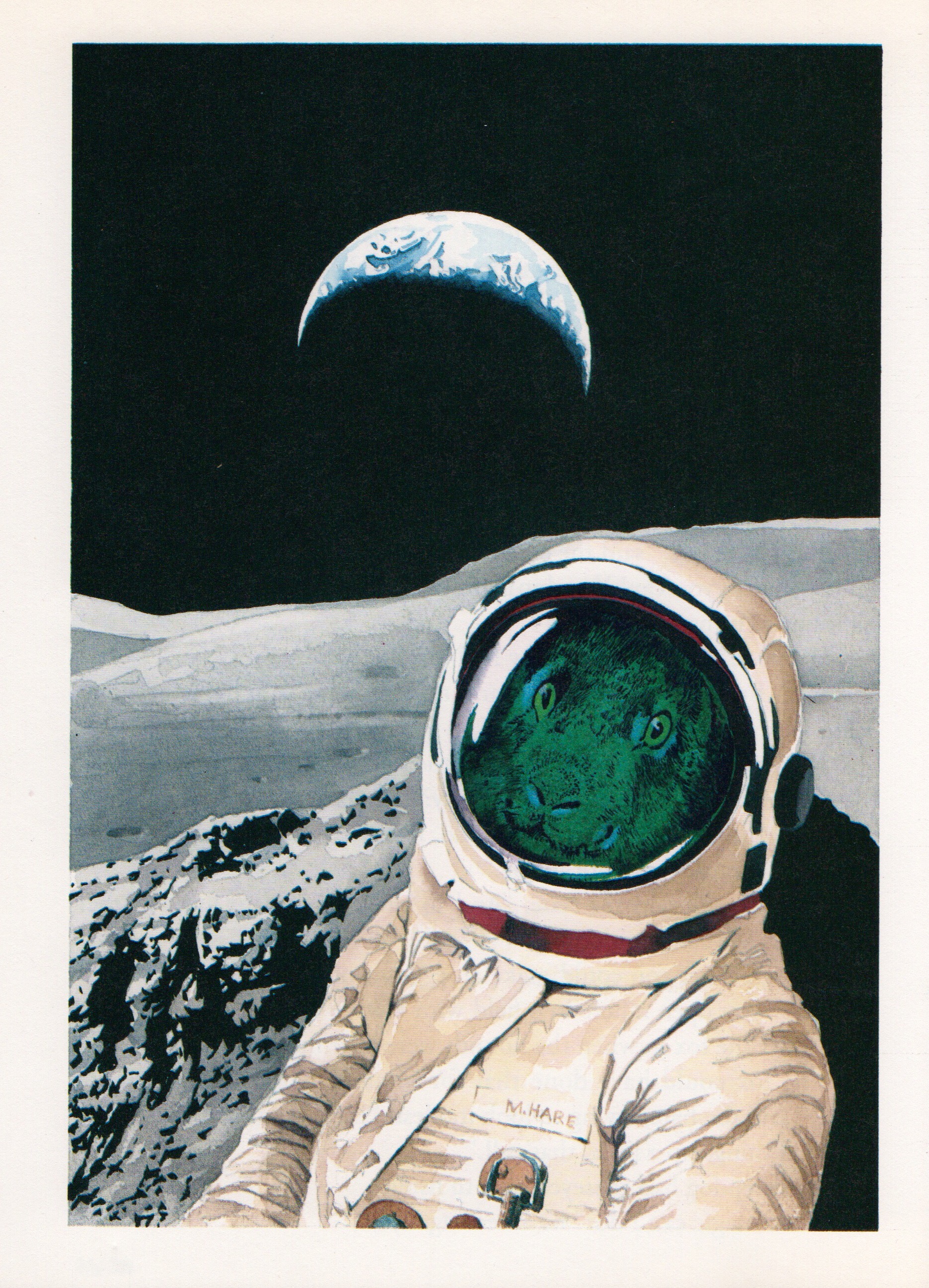
Barry Moser’s illustration for Lynne Reid Banks’s “The Hare in His Magic.” From The Magic Hare, Avon, 1994.

Barry Moser’s illustration for Lynne Reid Banks’s “The Hare in His Magic.” From The Magic Hare, Avon, 1994.
Since I have grown older I have often gone back and tried to analyze the change that came into my life after that fateful day in school. There did come a radical change, and, young as I was, I felt fully conscious of it, though I did not fully comprehend it. Like my first spanking, it is one of the few incidents in my life that I can remember clearly. In the life of everyone there is a limited number of unhappy experiences which are not written upon the memory, but stamped there with a die; and in long years after, they can be called up in detail, and every emotion that was stirred by them can be lived through anew; these are the tragedies of life. We may grow to include some of them among the trivial incidents of childhood—a broken toy, a promise made to us which was not kept, a harsh, heart-piercing word—but these, too, as well as the bitter experiences and disappointments of mature years, are the tragedies of life.
And so I have often lived through that hour, that day, that week, in which was wrought the miracle of my transition from one world into another; for I did indeed pass into another world. From that time I looked out through other eyes, my thoughts were colored, my words dictated, my actions limited by one dominating, all-pervading idea which constantly increased in force and weight until I finally realized in it a great, tangible fact.
And this is the dwarfing, warping, distorting influence which operates upon each and every colored man in the United States. He is forced to take his outlook on all things, not from the viewpoint of a citizen, or a man, or even a human being, but from the viewpoint of a colored man. It is wonderful to me that the race has progressed so broadly as it has, since most of its thought and all of its activity must run through the narrow neck of this one funnel.
And it is this, too, which makes the colored people of this country, in reality, a mystery to the whites. It is a difficult thing for a white man to learn what a colored man really thinks; because, generally, with the latter an additional and different light must be brought to bear on what he thinks; and his thoughts are often influenced by considerations so delicate and subtle that it would be impossible for him to confess or explain them to one of the opposite race. This gives to every colored man, in proportion to his intellectuality, a sort of dual personality; there is one phase of him which is disclosed only in the freemasonry of his own race. I have often watched with interest and sometimes with amazement even ignorant colored men under cover of broad grins and minstrel antics maintain this dualism in the presence of white men.
I believe it to be a fact that the colored people of this country know and understand the white people better than the white people know and understand them.
From Ch. 2 of James Weldon Johnson’s novel The Autobiography of an Ex-Colored Man. First published anonymously in 1912, and later reissued in 1927 under Johnson’s (now famous) name, Autobiography is an under-read classic, a fascinating and complex condensation of racism, colorism, and class in early twentieth-century America. Johnson was born on this day in 1871 in Jacksonville, Florida.
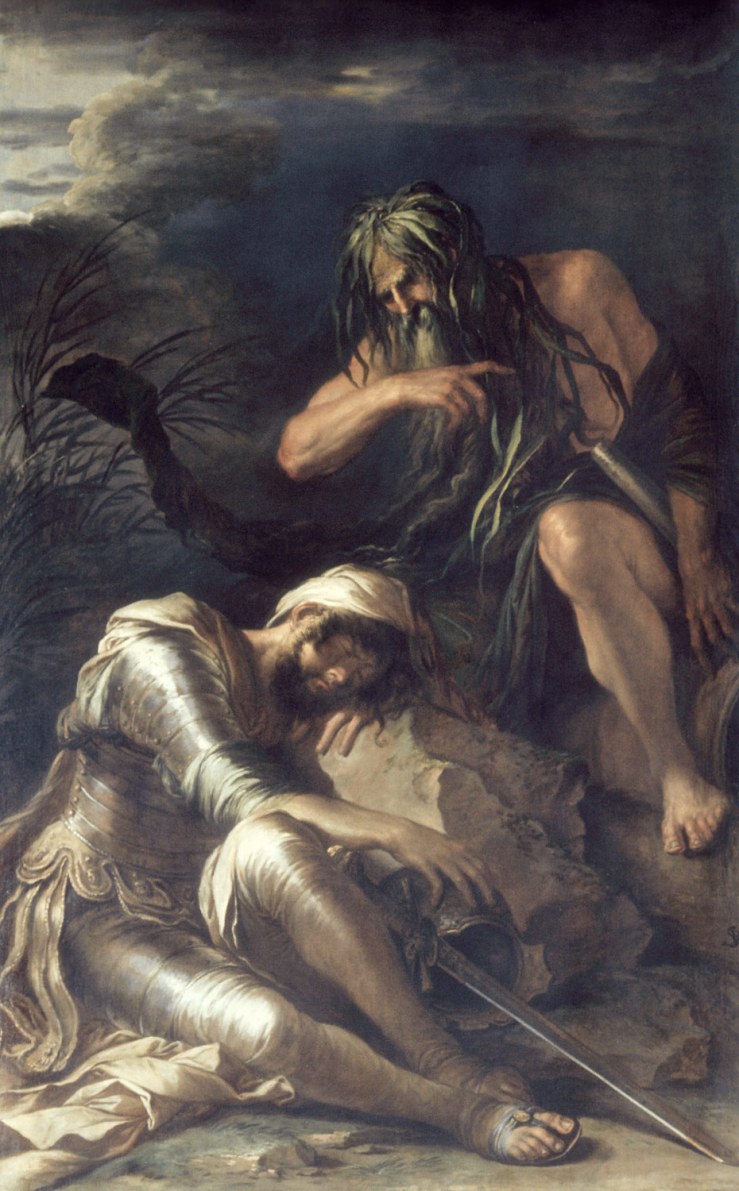

What did Leopold actually do on June 16th, 1904?

Selections from one-star Amazon reviews of Ulysses
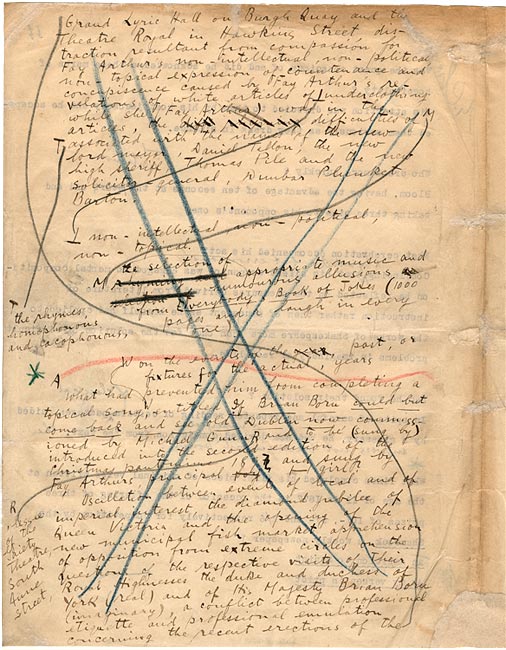
A list of Irish heroes (from “The Cyclops” episode of Ulysses)

Another page of Joyce’s notes, plus links to more

William Faulkner’s Joyce anxiety
Biblioklept’s lousy review (the review is lousy, not the book) of Dubliners
Joyce’s entry on the 1901 Irish Census

Biblioklept’s review (not so lousy, the review) of a superior full-cast audio recording of Ulysses
James Joyce explains why Odysseus is the most “complete man’ in literature

Leopold’s Bloom’s recipe for burnt kidney breakfast
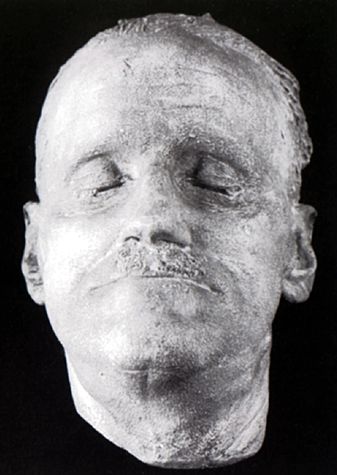
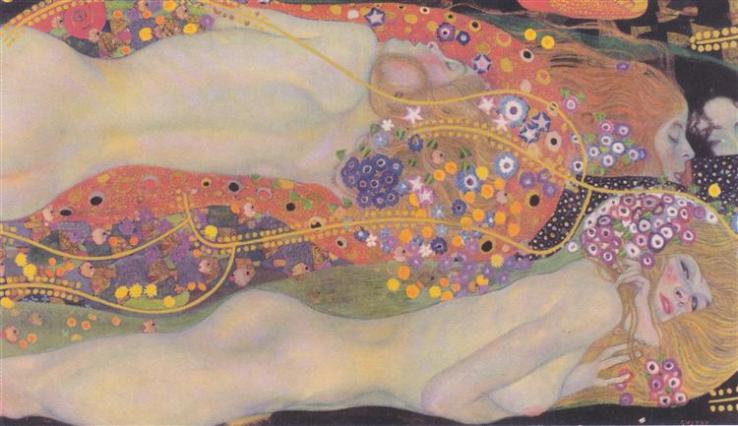

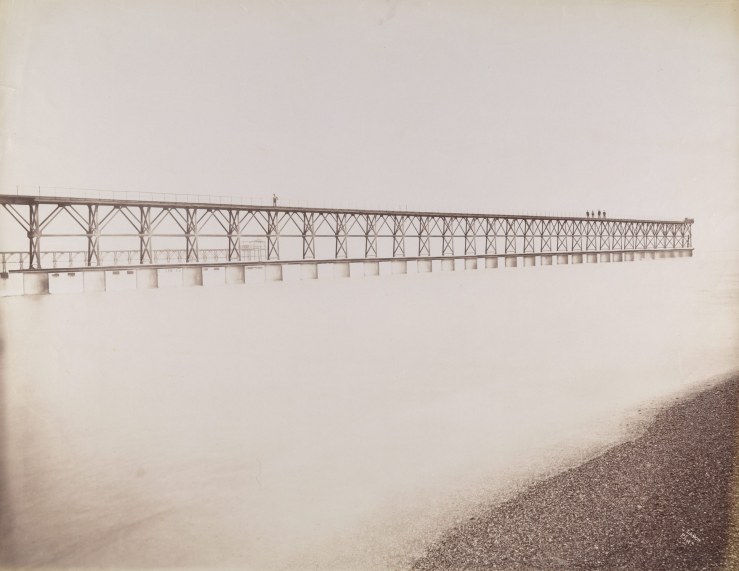
June 15th.–The red light which the sunsets at this season diffuse; there being showery afternoons, but the sun setting bright amid clouds, and diffusing its radiance over those that are scattered in masses all over the sky. It gives a rich tinge to all objects, even to those of sombre hues, yet without changing the hues. The complexions of people are exceedingly enriched by it; they look warm, and kindled with a mild fire. The whole scenery and personages acquire, methinks, a passionate character. A love-scene should be laid on such an evening. The trees and the grass have now the brightest possible green, there having been so many showers alternating with such powerful sunshine. There are roses and tulips and honeysuckles, with their sweet perfume; in short, the splendor of a more gorgeous climate than ours might be brought into the picture.
The situation of a man in the midst of a crowd, yet as completely in the power of another, life and all, as if they two were in the deepest solitude.
Nathaniel Hawthorne’s journal entry for June 15, 1838. From Passages from the American Note-Books.
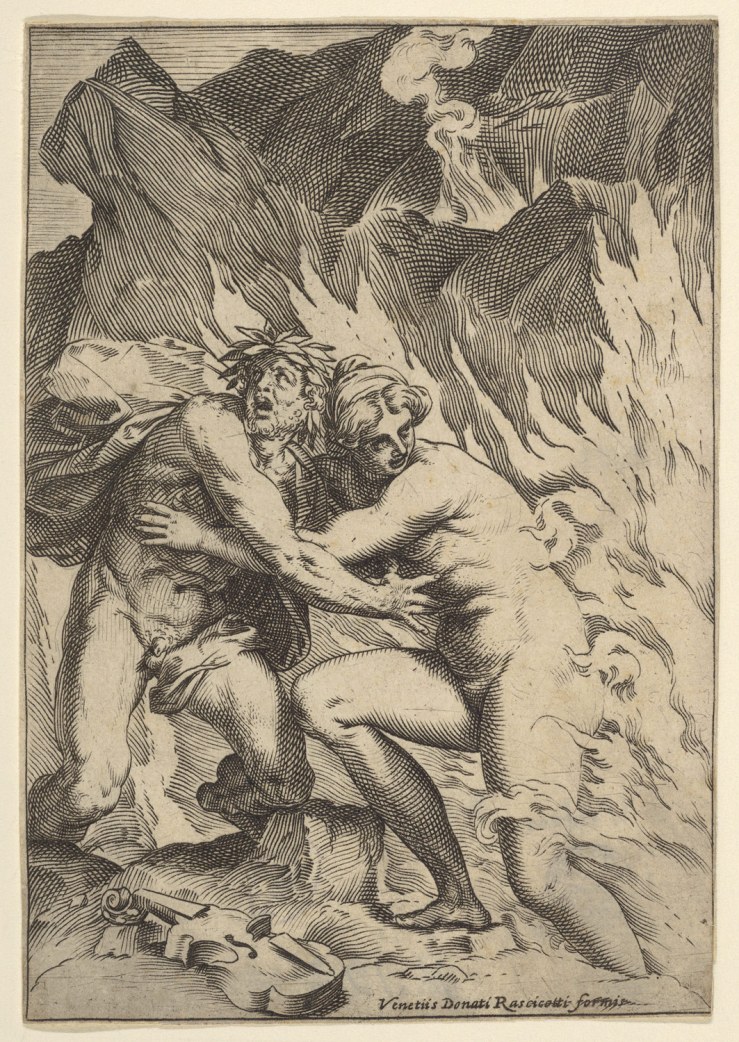
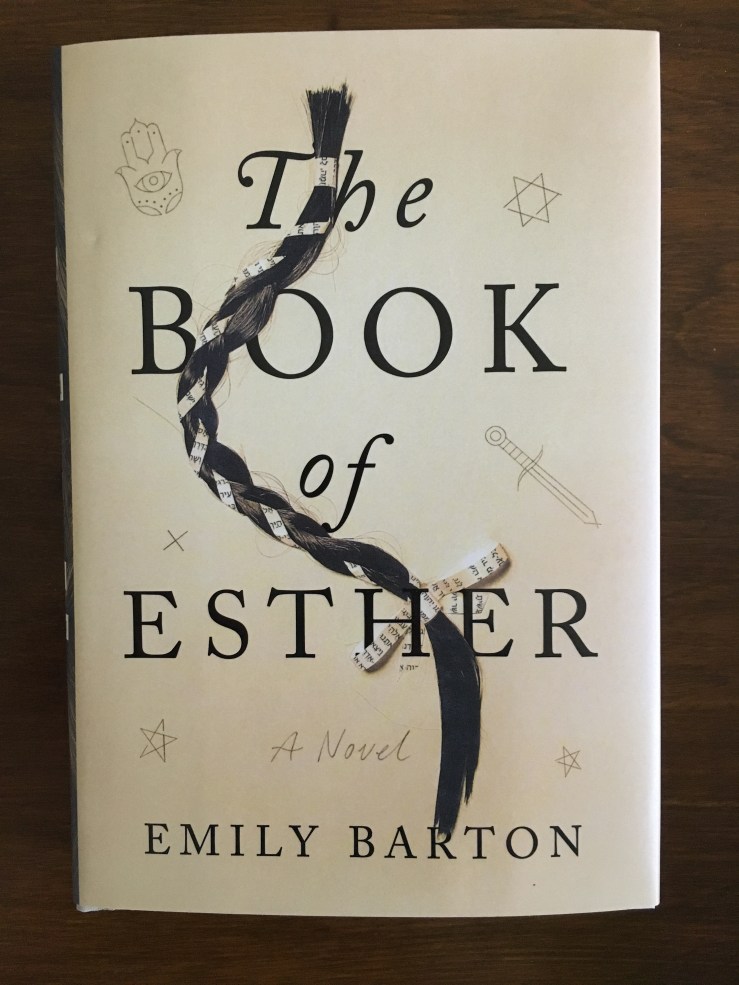
Emily Barton’s The Book of Esther is new from Crown (Penguin-Random House). Their blurb:
Eastern Europe, August 1942. The Khazar kaganate, an isolated nation of Turkic warrior Jews, lies between the Pontus Euxinus (the Black Sea) and the Khazar Sea (the Caspian). It also happens to lie between a belligerent nation to the west that the Khazars call Germania—and a city the rest of the world calls Stalingrad.
After witnessing the first foray of Germani warplanes into sovereign Khazar territory, Esther bat Josephus, daughter of Khazaria’s chief policy adviser, knows she must fight for her country. Germania is gaining ground and if they are successful, the Khazar kaganate will be wiped out. Only Esther sees the ominous implications of Germania’s disregard for Jewish lives. But as a woman she is prohibited from joining the war effort. Her one chance is to set out on her mechanical horse, Seleme, accompanied by Itakh, her adopted brother, to seek a fabled village of kabbalists. They may hold the key to her destiny: their rumored ability to change her into a man so that she may convince her entire nation to join in the fight for its very existence against an enemy like none Khazaria has faced before.
THE BOOK OF ESTHER is a genre-bending novel by a writer who invents worlds “out of Calvino or Borges” (The New Yorker). Reminiscent of Michael Chabon’s The Yiddish Policemen’s Union and Philip Roth’s The Plot Against America, readers will delight in this tour de force novel which blends rich steampunk fantasy, powerful feminism, and Jewish mysticism into a singular piece of fiction.
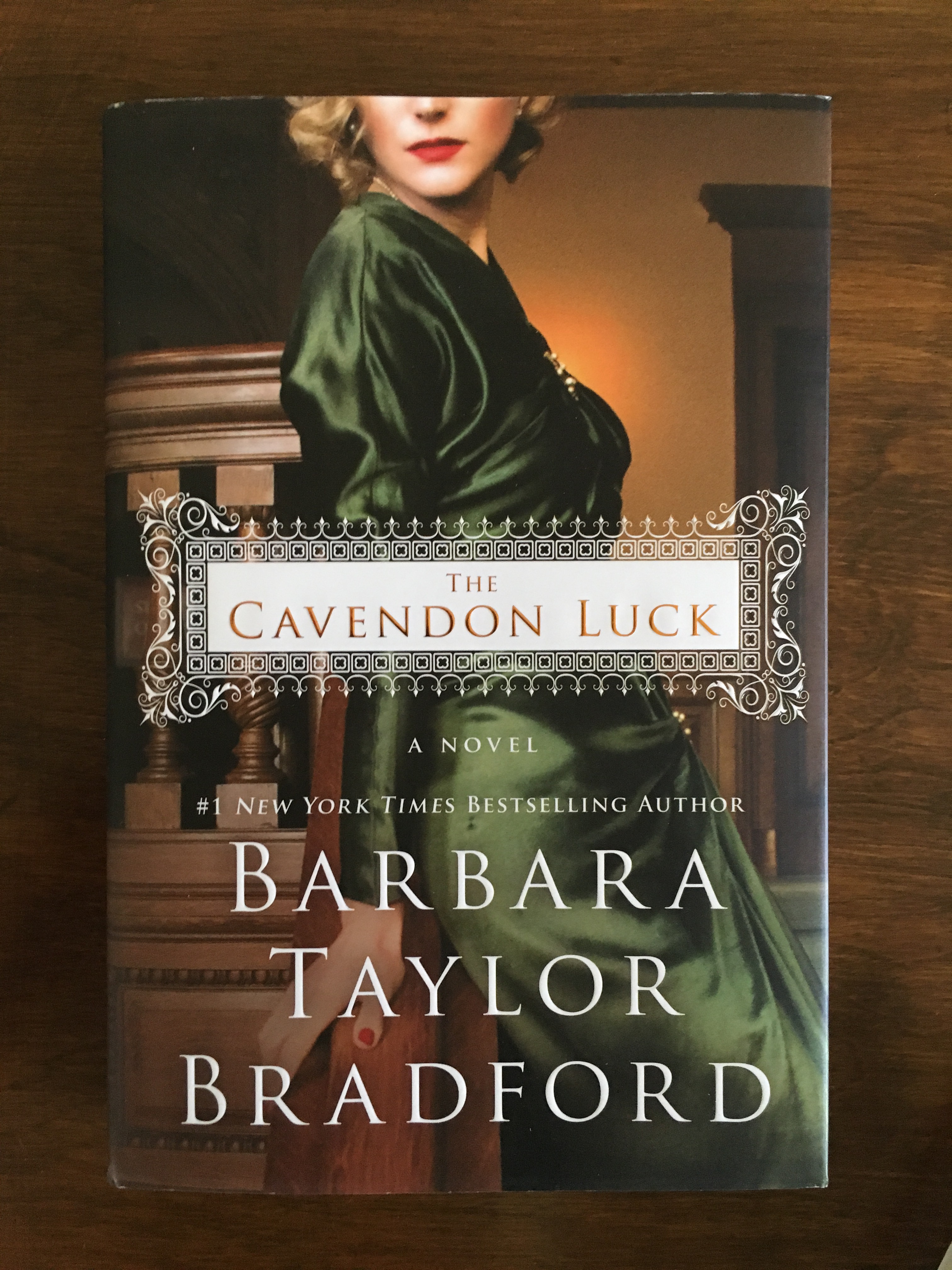
Barbara Taylor Bradford’s novel The Cavendon Luck is new from St. Martin’s. Their blurb:
It is 1938 in England, and Miles and Cecily Ingham have lead the family in bringing the Cavendon estate back from the brink of disaster. But now, with the arrival of World War II, Cavendon Hall will face its biggest challenge yet. It is a challenge that will push the Inghams and Swanns to protect each other and the villagers, and reveal their true capacity for survival and rebirth.
Told with Bradford’s deft, evocative prose and featuring a beloved cast of characters, The Cavendon Luck is a story of intrigue, romance, sorrow, and joy that readers won’t soon forget.
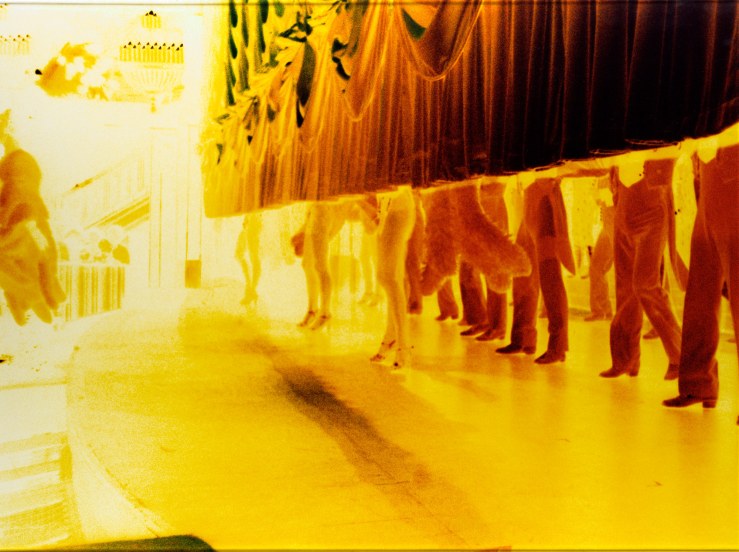
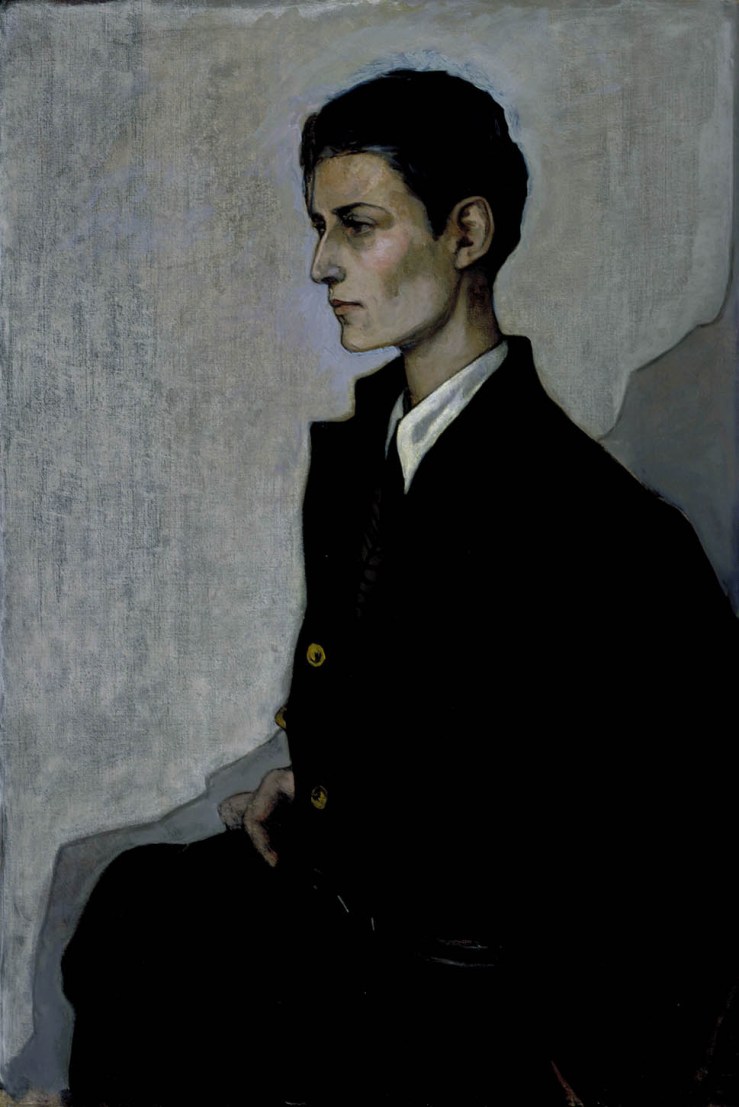
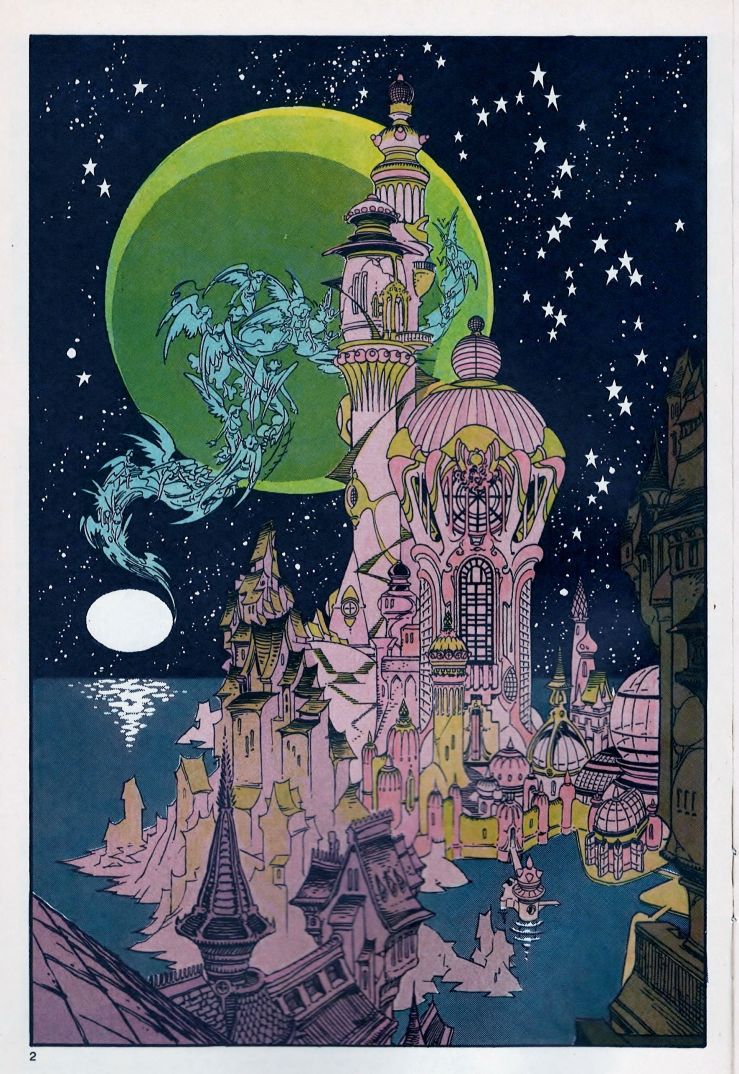
From P. Craig Russell’s “La Sonnambula and the City of Sleep: A Fragment of a Dream.” Published in Night Music #2 (Eclipse Comics). Via Comics A-Go-Go!, where you can find full scans of the story.

Watercolor illustration for the cover of the Hartford Courant’s Sunday Magazine edition, Dec. 19, 1993.


