
Category: Books
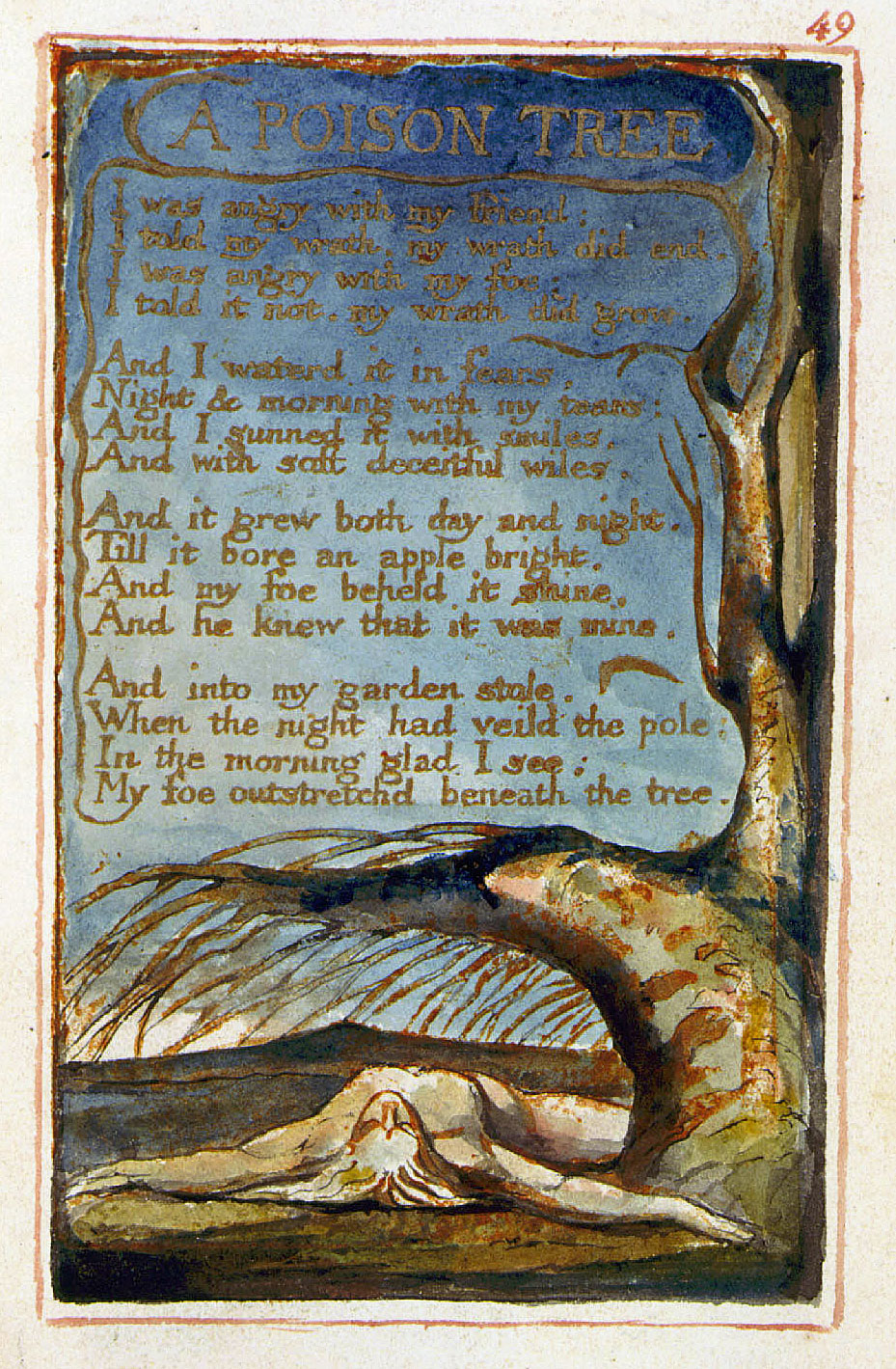
“Like They Say” — Robert Creeley

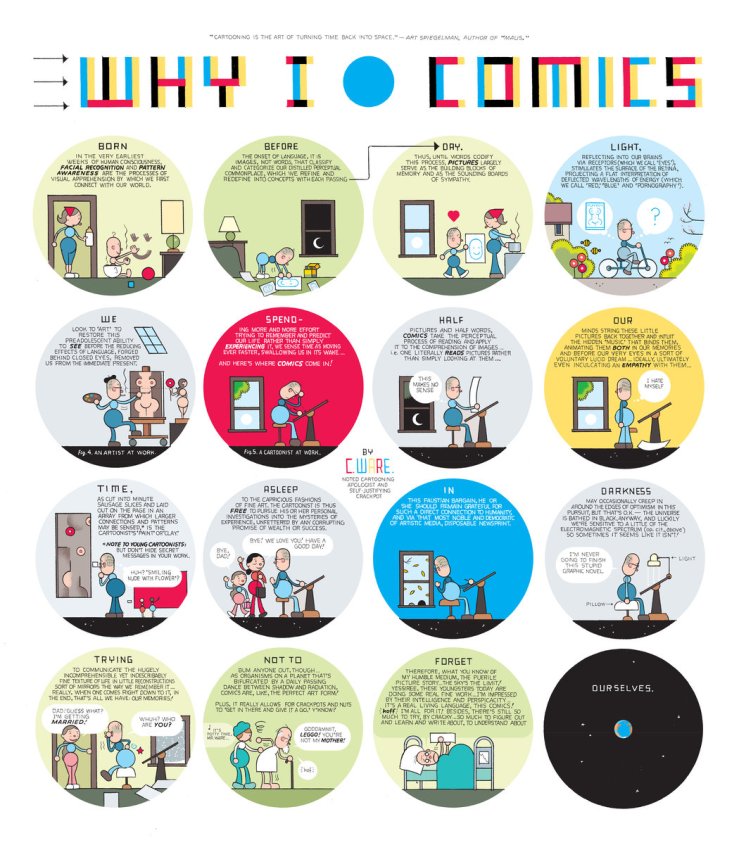
Why I Love Comics — Chris Ware
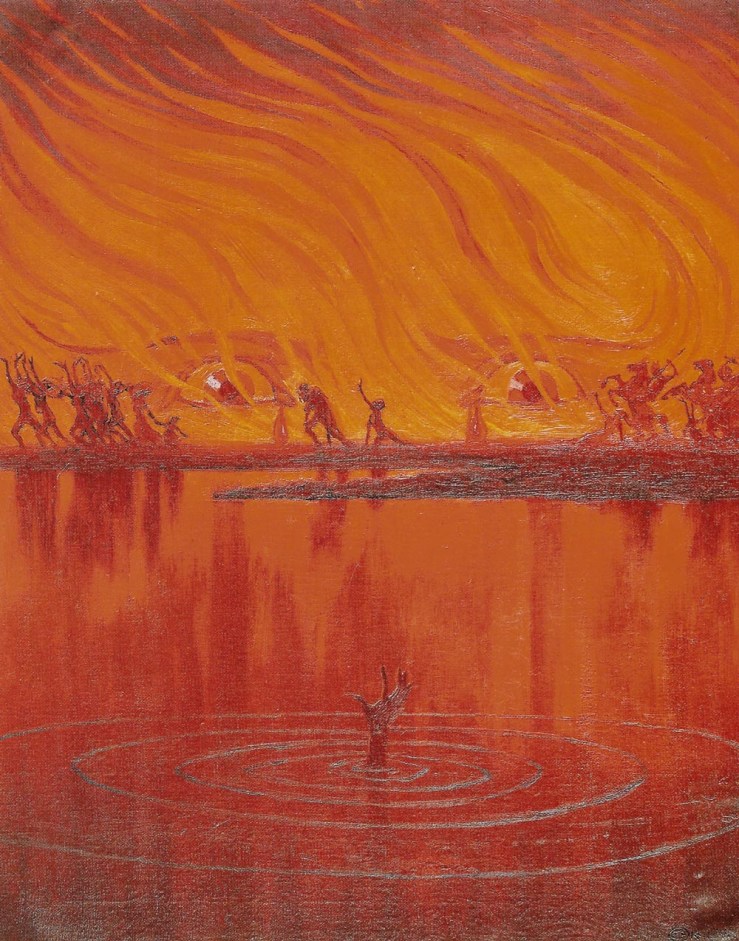
In Smoke of Fire — Edward Okun
The Flight of Madeline and Porphyro during the Drunkenness Attending the Revelry — William Holman Hunt

“An Upheaval,” a short story by Anton Chekhov
“An Upheaval”
by
Anton Chekhov
English translation by Constance Garnett
MASHENKA PAVLETSKY, a young girl who had only just finished her studies at a boarding school, returning from a walk to the house of the Kushkins, with whom she was living as a governess, found the household in a terrible turmoil. Mihailo, the porter who opened the door to her, was excited and red as a crab.
Loud voices were heard from upstairs.
“Madame Kushkin is in a fit, most likely, or else she has quarrelled with her husband,” thought Mashenka.
In the hall and in the corridor she met maid-servants. One of them was crying. Then Mashenka saw, running out of her room, the master of the house himself, Nikolay Sergeitch, a little man with a flabby face and a bald head, though he was not old. He was red in the face and twitching all over. He passed the governess without noticing her, and throwing up his arms, exclaimed:
“Oh, how horrible it is! How tactless! How stupid! How barbarous! Abominable!”
Continue reading ““An Upheaval,” a short story by Anton Chekhov”
Holiday film recommendations from John Waters
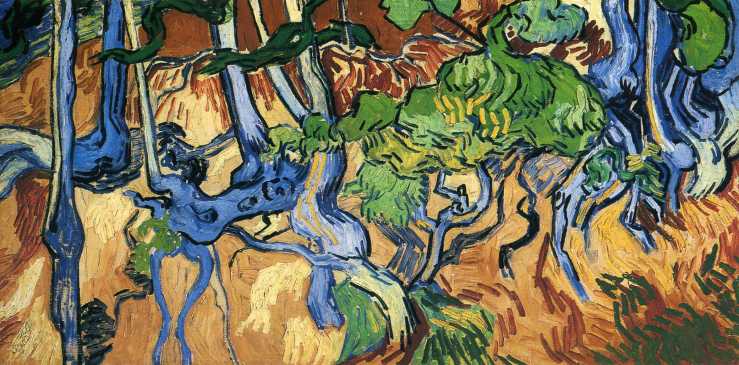
Tree Roots — Vincent van Gogh
Getting Ready for a Game — Carl Larsson
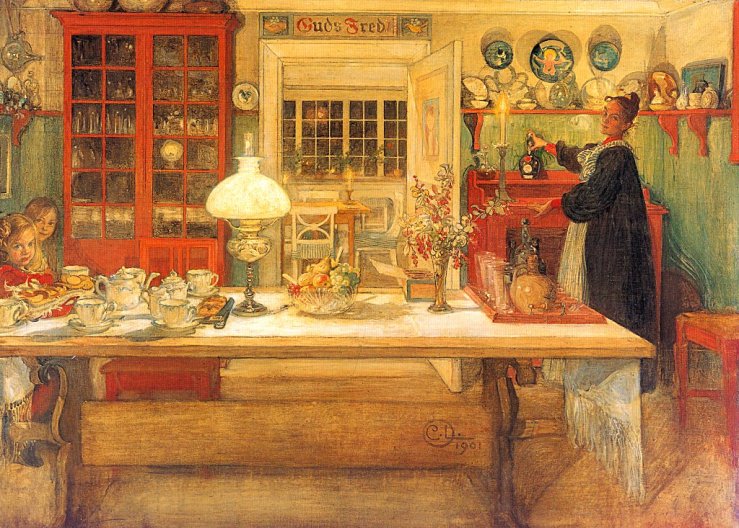
Happy Thanksgiving! Here’s a bunch of literary recipes and a Bosch painting

Enjoy Thanksgiving with this menu of literary recipes:
F. Scott Fitzgerald’s Turkey Twelve Ways
Zora Neale Hurston’s Mulatto Rice
James Joyce’s Burnt Kidney Breakfast
Herman Melville’s Whale Steaks
Ernest Hemingway’s Absinthe Cocktail, Death in the Afternoon
Vladimir Nabokov’s Eggs à la Nabocoque
Thomas Pynchon’s Banana Breakfast
Robert Crumb’s Macaroni Casserole
Truman Capote’s Caviar-Smothered Baked Potatoes with 80-Proof Russian Vodka
Emily Dickinson’s Cocoanut Cake
Thomas Jefferson’s Vanilla Ice Cream
Christmas Bonus: George Orwell’s Recipes for Plum Cake and Christmas Pudding
“The Night Before Thanksgiving” — Sarah Orne Jewett
“The Night Before Thanksgiving”
by
Sarah Orne Jewett
I.
There was a sad heart in the low-storied, dark little house that stood humbly by the roadside under some tall elms. Small as her house was, old Mrs. Robb found it too large for herself alone; she only needed the kitchen and a tiny bedroom that led out of it, and there still remained the best room and a bedroom, with the low garret overhead.
There had been a time, after she was left alone, when Mrs. Robb could help those who were poorer than herself. She was strong enough not only to do a woman’s work inside her house, but almost a man’s work outside in her piece of garden ground. At last sickness and age had come hand in hand, those two relentless enemies of the poor, and together they had wasted her strength and substance. She had always been looked up to by her neighbors as being independent, but now she was left, lame-footed and lame-handed, with a debt to carry and her bare land, and the house ill-provisioned to stand the siege of time.
For a while she managed to get on, but at last it began to be whispered about that there was no use for any one so proud; it was easier for the whole town to care for her than for a few neighbors, and Mrs. Robb had better go to the poorhouse before winter, and be done with it. At this terrible suggestion her brave heart seemed to stand still. The people whom she cared for most happened to be poor, and she could no longer go into their households to make herself of use. The very elms overhead seemed to say, “Oh, no!” as they groaned in the late autumn winds, and there was something appealing even to the strange passer-by in the look of the little gray house, with Mrs. Robb’s pale, worried face at the window. Continue reading ““The Night Before Thanksgiving” — Sarah Orne Jewett”
Turkey and Bones and Eating and We Liked It — A Play by Gertrude Stein
Turkey and Bones and Eating and We Liked It
A Play
by
Gertrude Stein
He was very restless. He does not like to stand while he picks flowers. He does not smell flowers. He has a reasonable liking for herbs. He likes their smell. He is not able to see storms. He can see anything running. He has been able to be praised.
SCENE I.
Polybe and seats.
Straw seats which are so well made that they resemble stools. They are all of straw and thick. They are made with two handles.
Genevieve and cotton.
I do not like cotton drawers. I prefer wool or linen. I admit that linen is damp. Wool is warm. I believe I prefer wool.
Minorca and dogs.
I like a dog which is easily understood as I have never had the habit of going out except on Sunday. Now I go out every day.
Anthony and coal.
I believe that coal is better than wood. If coal is good it burns longer. In any case it is very difficult to get here.
Felix and a letter.
I do not wish to reply to a telegram, not because I find it difficult to explain in it that I wished to see you. I did wish to see you.
It gives me great pleasure to meet you. I am feeling well today and I see that you are enjoying the mild weather. It will continue so. I hope you will be pleased. I will present myself to you in saying that I am certain that you are deriving pleasure from your winter. I am certainly eager.
William.
He is too difficult. I mean he is too difficult. I don’t believe you understand me yet. He is too difficult. Continue reading “Turkey and Bones and Eating and We Liked It — A Play by Gertrude Stein”
The Drinkers (After Daumier) — Vincent van Gogh

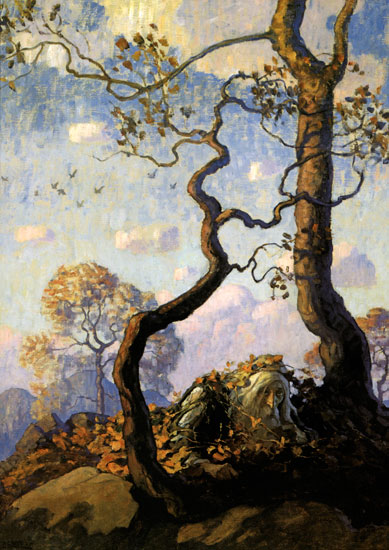
Rip Van Winkle — N.C. Wyeth
Blade Runner film poster by Krzysztof Domaradzki

Entries under “F” from Captain Grose’s Dictionary of the Vulgar Tongue (1811)
The following definitions are from the “F” section of Captain Grose’s Dictionary of the Vulgar Tongue (1811).
FACE-MAKING. Begetting children. To face it out; to persist in a falsity. No face but his own: a saying of one who has no money in his pocket or no court cards in his hand.
FACER. A bumper, a glass filled so full as to leave no room for the lip. Also a violent blow on the face.
FADGE. It won’t fadge; it won’t do. A farthing.
TO FAG. To beat. Fag the bloss; beat the wench; Cant.
A fag also means a boy of an inferior form or class, who
acts as a servant to one of a superior, who is said to fag him,
he is my fag; whence, perhaps, fagged out, for jaded or tired.
To stand a good fag; not to be soon tired.
FAGGER. A little boy put in at a window to rob the house.
FAGGOT. A man hired at a muster to appear as a soldier. To faggot in the canting sense, means to bind: an allusion to the faggots made up by the woodmen, which are all bound. Faggot the culls; bind the men.
FAITHFUL. One of the faithful; a taylor who gives long credit. His faith has made him unwhole; i.e. trusting too much, broke him. Continue reading “Entries under “F” from Captain Grose’s Dictionary of the Vulgar Tongue (1811)”
Riff on recent reading
I can’t seem to muster language lately, to make the words do what I want them to do.
I’ve read a number of excellent (or really good) books in the past few months and haven’t been able to write more than the first few sentences of an ostensible “review” before giving up…mostly because those first few sentences usually resemble the kind of boring moaning dithering whining I’m doing now.
There were the two red books by Anne Carson: Autobiography of Red and Red Doc>. BLCKDGRD sent them to me back in September and I wolfed them down. Autobiography is the superior volume (which is saying something because Red Doc> is grand stuff too). What is it? What is Autobiography of Red? A novel? A poem? A history? An essay? Shall I get bogged down in description? No? Instead, let me be clear:
What I want to think/feel when I read is, How is this possible? How is this allowed?
–which is what I thought/felt reading Autobiography of Red.
From Autobiography of Red:
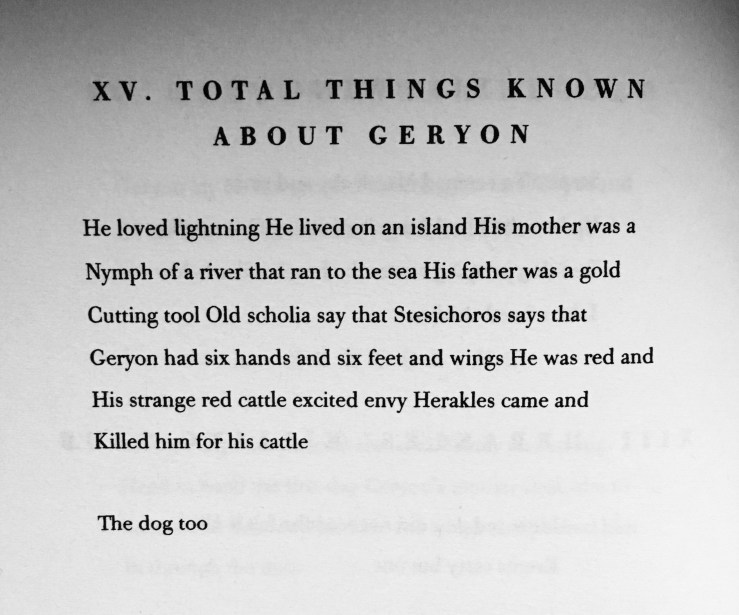
What else, what else?
Okay, so after the Carson I did manage a review Kazuo Ishiguro’s fantasy novel The Buried Giant—why did a review come out so much easier than anything on Carson, or, say, The Free-Lance Pall Bearers by Ishmael Reed (which I read after the Ishiguro)? Ishiguro’s book was familiar territory, fairly easy to describe—the Carson novel-poems and Reed’s picaresque performance are wholly different animals than the conventional novel.
The Free-Lance Pall Bearers by Ishmael Reed is, I hate to say, dazzling. I know what a lazy term that is, but the novella is just that—it dazzles. It zips. It zings and zounds and skips and scatters, and just when you think you have a handle on its allegorical outlines, it sticks out its tongue and jeers at you. The Free-Lance Pall Bearers is a mirthful and merciless satire on the USA written in a howling vernacular and set in an outhouse. It’s abject, picaresque, volatile, hysterical (in several of the senses of that word). I will relieve myself from summarizing the plot and instead offer this image of its perfect epigraphs:

Okay and so then I read Joanna Walsh’s collection Vertigo. The stories here hum together, evoking consciousness—consciousness’s anxieties, desires, its imaginative consolations. It deserves a full proper review (or just take my word and buy it from The Dorothy Project), but in the meantime, a wonderful passage from “Half the World Over”:
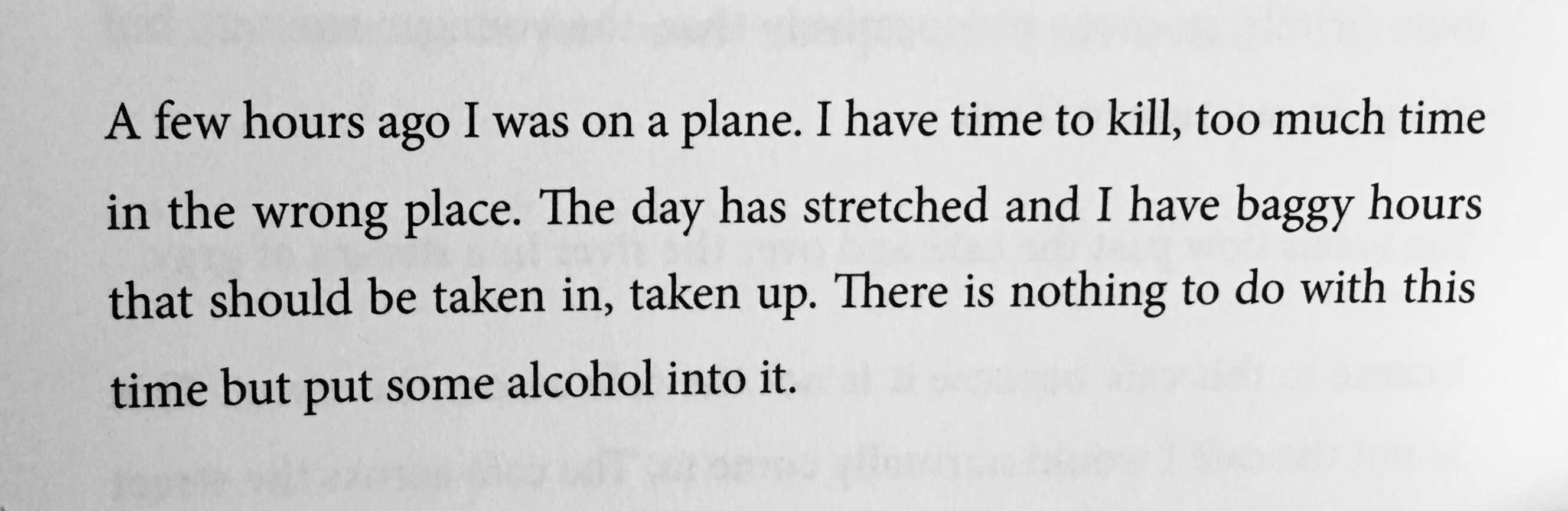
I also read two more by Le Guin: Rocannon’s World (I hope to have an exchange on it with the novelist Adam Novy posted some time in the not-too-distant future), The Dispossessed, which I’ve read three times.
Also: Paul Kirchner’s The Bus 2, which, again, full review in the not-so-far-off-future. But until then, a sample:

 Biblioklept