
Antikvariatet (The Second-hand Book Store), 2014, by Pauliina Pietilä (b. 1982)

Antikvariatet (The Second-hand Book Store), 2014, by Pauliina Pietilä (b. 1982)
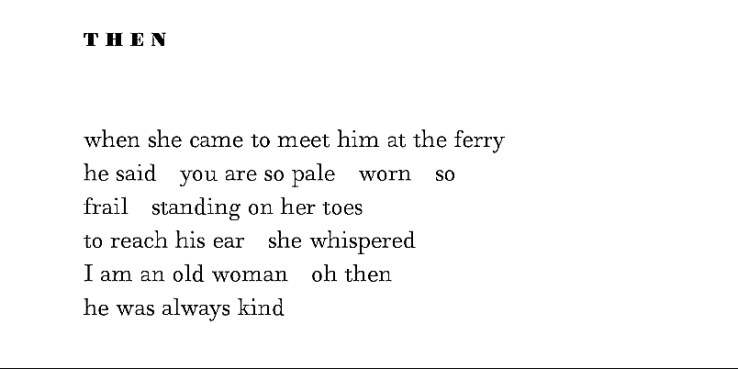

Oil on a Wet Road, 1963 by Ithell Colquhoun (1906-1988)
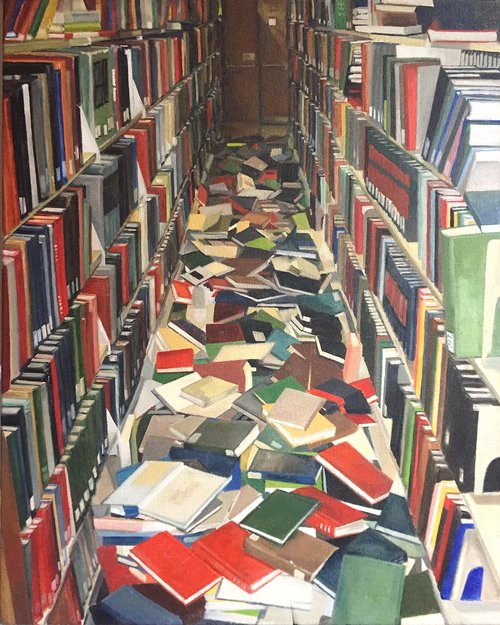
Day at the Library, 2018 by Shannon Cartier Lucy (b. 1977)

After the Pool, 2021 by Zoey Frank (b. 1987)
; ‘ . . , , , , , , , , , . — — , , . ; – , , , . — — , — — — — – — — — — — — – — — – — — . , , — — . — — — — ? ; . , , , , . , , , , , ; , , , — — — — , – , – . , . , , ; . , , — — — — , , . . . — — — — , , , , . , , — — — — ; . , , , . . , , , , , , , , , , , , , . , , , , – , , , ; , , , , . , , , , , — — , , , , , , , , ” ” — — , , . — — — — . — — ? — — . , , . , , , , — — , , . — — , , , — — , , , , – . , . . . , – . . ; , . – , . , , . , , , , . , . , . , , , , . , , . — — , , , , , , — — — — . , . , , . . . . , , , . , ; , , , . . , , , . , . . , , . , , , , — — . , , . ; , , , . , , , ! . . ; , , ; , ; , ; , , , ; – ; — — , , . , , . , , . , , , , , , , , . — — ; — — . , , , . . ( ) — — , , , – — — , – , , , . , , . , , . , , , — — , , . . , , ; , , . ; ; ; ; ; , , . . ” , ” , ” . , , , . , , . , , , . , , , — — . , , , , . ” , , , , . , , , — — – — — , , , — — , , , , . , , , — — – — — — — , , . ” , ” , , ” ( ) . ” , ( ) , , , . ; . . , , , ; , . . , , . , ; , ( ) ; — — , , . , ; . , , , . , , , , . . , , , . . . , . , , , , — — ( ) . , , . , . , , , , . , , , , . , , , , . . , ; , . , . , , , , . . , , , ( ) , . . , , , , , , , . , ” , ” , , : — — . , , — — — — . ‘ — — ! . . , , , ; ( — — — — ) ; , , , . . ‘ – ; , ( ! ) , . . , , , , , , . . , , ‘ ; ( , , , ! ) , , – . . , – ; , , , , — — . , ‘ ( * ) , . , , . , , , , , . , . , , ( ) . , , — — , , — — , , . — — — — , , ( ) , . , , , — — . , . — — , , — — , , . ” ” ; ” ” ; ” ” ; ” ” ; ” ” , ‘ , ; ” ” ; ” ” . ” , ” ; , , . , , — — — — . , , , , , ( ) , . , , , . ( ) , , – . , , , , . , . , . ( , , ) , , ; , , . , , , – , , , , , , , . , , , , . , , . , , . ; , , , , , . , , — — . , , , , . , , , , , . , , . . . , , . , , — — . ; , , . , , , . , , , , , . — — . , , . , , , . — — . . , , — — , , , , . . ; , , . , , , , — — , — — , , , . , , ( ) , , . , . . , , , , . , , — — , , — — . — — , . ” ? ” , — — ” ? — — , ! . ” , , , . . , , , . ; ; ( ) – , . — — , . , , . ” — — ! ” , , , , , . ” , , — — . ; — — . . , : — — . ” ” ” ; ‘ ; , , . , , ; , ( ) . , , , , , . – , , , . , , : ” , , , , , , , , , , , , , , ; , , , , – . ” , , ; ( ) — — , , , , , , ( ) . , , ; , , , , , , , . : ” , , ; , , , , , ; — — , ; , . , , , , , , , . ” , — — , , ( ) , , , — — ‘ . , , , , , , , . ; , , , , . , , ; , . — — , . , , — — . , , : ” , , , , , , ; , , . ” , — — , , — — , , , , , . , ; . . , . , , ; ; , , , . , . ” ? — — , , . — — — — — — , , , — — — — , , ! — — — — ! ! ? . — — , — — — — ! — — – — — — — ! ! — — ‘ , – , ! — — , , , , ! ! ? ? ? ? ? ! ” — — , , — — ” ! ! ” , , , . — — . , . — — , , , – , , . , , . . , ; . , , – – , , . , — — — — — — — — — — ” . ” * , . , , . — — ” , ” . .
Poe’s “The Fall of the House of Usher,” but just the punctuation.

I am rereading Donald Barthelme’s Sixty Stories, starting with the sixtieth story and working my way to the first and writing about it.
Previous entries:
In this post, stories 6-1, the beginning/end.
6. “The Balloon” (Unspeakable Practices, Unnatural Acts, 1968)
I’ve read “The Balloon” more than any other Barthelme story. I’ve read it at least three times a year, every year, for the past ten years, in the context of an American Literature after 1865 course I teach every Fall-Spring-Summer. It’s widely-anthologized. It’s over-anthologized. It’s probably most folks only exposure to Barthelme, which I think is strange—I think it’s a particularly challenging Barthelme story, even though it’s the Barthelme story I’ve read more than any other Barthelme story.
My students are often exasperated by the story, which seems to lack any traditional plot or character—but I think that’s kind of the point. “The Balloon” is about the creation of “The Balloon.” It’s a story about a story, as much as Barthelme would have protested the notion. This interpretation is not particularly radical. Just earlier this month, the writer Donald Antrim did a reading of “The Balloon” for The New Yorker’s fiction podcast. After the reading, fiction editor Deborah Treisman engages (or tries to engage) Antrim in a discussion of the meaning of the balloon. Antrim insists on rebuking the balloon’s metaphoricity, repeatedly claiming it’s a “real” balloon. Treisman points out that it’s just a story.

In his Barthelme biography Hiding Man, Tracy Daugherty spends several pages explaining allusions to Édouard Manet’s 1862 lithograph Le Ballon and the scandal that erupted when Manet showed his painting Olympia in 1865. Daugherty writes,
As many readers have observed, Don’s story considers public responses to art. But besides this general theme, he had in mind a specific set of reactions, in a crucial time.
In invoking Manet’s balloon and the Olympia scandal, Don encoded in his story an early chapter of the art that nourished him throughout his career; an art inseparable from social change, resistant to strict ordering, and opposed to the narrowing of perceptions required by commodification.
Daugherty’s analysis encapsulates what I take to be the signal passage of “The Balloon,” which passage you can read here.

5. “Will You Tell Me?” (Come Back, Dr. Caligari, 1964)
One of Barthelme’s more formally challenging stories, “Will You Tell Me?” begins strange (“Hubert gave Charles and Irene a nice baby for Christmas”) and gets even stranger. It’s a subtle satire on soap operas and convoluted prize (“The French countryside (the countryside of France) was covered with golden grass”) shot through anarchic glee:
In the cellar Paul continued making his bombs, by cellarlight. The bombs were made from tall Schlitz cans and a plastic substance which Paul refused to identify. The bombs were sold to other boys Paul’s age to throw at their fathers.
Note the ever-present oedipal theme in Barthelme’s work.
4. “For I’m the Boy” (Come Back, Dr. Caligari, 1964)
Like most of Barthelme’s stories, “For I’m the Boy” is a rewarding re-read. Among the stories in Sixty Stories culled from Come Back, Dr. Caligari, “For I’m the Boy” has a somewhat straightforward plot: A man named Bloomsbury has divorced his wife. He takes his two friends Whittle and Huber with her to the airport to see her off so that there will be no “weeping.” They then drive home, stopping for a bottle of brandy on the way. Whittle and Huber demand details of the divorce from Bloomsbury:
It would be interesting as well as instructive Whittle said casually, to know for instance at what point the situation of living together became untenable, whether she wept when you told her, whether you wept when she told you, whether you were the instigator or she was the instigator, whether there were physical fights involving bodily blows or merely objects thrown on your part and on her part, if there were mental cruelties, cruelties of what order and on whose part, whether she had a lover or did not have a lover, whether you did or did not, whether you kept the television or she kept the television, the disposition of the balance of the furnishings including tableware, linens, light bulbs, beds and baskets, who got the baby if there was a baby, what food remains in the pantry at this time, what happened to the medicine bottles including Mercurochrome, rubbing alcohol, aspirin, celery tonic, milk of magnesia, No-Doze and Nembutal, was it a fun divorce or not a fun divorce, whether she paid the lawyers or you paid the lawyers, what the judge said if there was a judge, whether you asked her for a “date” after the granting of the decree or did not ask, whether she was touched or not touched by this gesture if there was such a gesture, whether the date if there was such a date was a fun thing or not a fun thing – in short we’d like to get the feel of the event he said.
“Give us the feeling,” they insist, but Bloomsbury refuses. At the end of the story Whittle and Huber literally beat it out of him with a brandy bottle and tire iron. The feeling emerges in the form of tears and blood.
In Hiding Man, Daugherty makes a strong argument that “For I’m the Boy” serves as an early aesthetic statement from Barthelme: art is “our most refined public expression of what is private, unreachable, unsayable…it fails–words cannot do the trick–but it is the best we have…art’s value lies in the fact that it offers forms for our experiences.”

3. “Me and Miss Mandible” (Come Back, Dr. Caligari, 1964)
“Me and Miss Mandible” is an excellent and absurd story told by an adult man who is “officially a child.” Here is the story’s opening:
Miss Mandible wants to make love to me but she hesitates because I am officially a child; I am, according to the records, according to the gradebook on her desk, according to the card index in the principal’s office, eleven years old. There is a misconception here, one that I haven’t quite managed to get cleared up yet. I am in fact thirty-five, I’ve been in the Army, I am six feet one, I have hair in the appropriate places, my voice is a baritone, I know very well what to do with Miss Mandible if she ever makes up her mind.
Our narrator handles the mix-up (if it could be called a mix-up) with bemused aplomb. Unlike the hero of Barthelme’s 1976 story “The Sergeant,” who similarly awakes to find himself affixed with the wrong identity, the narrator of “Mandible” seems to find opportunity in his predicament. There’s nothing especially sinister here; the situation is Kafkaesque, but the tone isn’t. The narrator gets to see the American educational system through the eyes of an experienced adult: “Everything is promised my classmates and I, most of all the future. We accept the outrageous assurances without blinking.”
As the story develops, the narrator comes to understand that these promises are perhaps undeliverable:
We read signs as promises. Miss Mandible understands by my great height, by my resonant vowels, that I will one day carry her off to bed. Sue Ann interprets these same signs to mean that I am unique among her male acquaintances, therefore most desirable, therefore her special property as is every thing that is Most Desirable. If neither of these propositions work out then life has broken faith with them.
I myself, in my former existence, read the company motto (“Here to Help in Time of Need”) as a description of the duty of the adjuster, drastically mislocating the company’s deepest concerns. I believed that because I had obtained a wife who was made up of wife-signs (beauty, charm, softness, perfume, cookery) I had found love. Brenda, reading the same signs that have now misled Miss Mandible and Sue Ann Brownly, felt she had been promised that she would never be bored again. All of us, Miss Mandible, Sue Ann, myself, Brenda, Mr. Goodykind, still believe that the American flag betokens a kind of general righteousness.
But I say, looking about me in this incubator of future citizens, that signs are signs, and that some of them are lies. This is the great discovery of my time here.
2. “A Shower of Gold” (Come Back, Dr. Caligari, 1964)
In “A Shower of Gold,” we find Peterson, “a minor artist” with a bad liver, mulling over whether or not to sell out by appearing on the television show Who Am I? He’s tormented by a series of absurd “punishments” for even considering selling out, including having the President of the United States show up and destroy one of his pieces of art. Finally though, broke and beerless, he condescends to the appearance. The tale ends with an epiphanic monologue:
I was wrong, Peterson thought, the world is absurd. The absurdity is punishing me for not believing in it. I affirm the absurdity. On the other hand, absurdity is itself absurd. Before the emcee could ask the first question, Peterson began to talk. “Yesterday,” Peterson said to the television audience, “in the typewriter in front of the Olivetti showroom on Fifth Avenue, I found a recipe for Ten Ingredient Soup that included a stone from a toad’s head. And while I stood there marveling a nice old lady pasted on the elbow of my best Haspel suit a little blue sticker reading THIS INDIVIDUAL IS A PART OF THE COMMUNIST CONSPIRACY FOR GLOBAL DOMINATION OF THE ENTIRE GLOBE. Coming home I passed a sign that said in ten-foot letters COWARD SHOES and heard a man singing “Golden earrings” in a horrible voice, and last night i dreamed there was a shoot- out at our house on Meat Street and my mother shoved me in a closet to get me out of the line of fire.” The emcee waved at the floor manager to turn Peterson off, but Peterson kept talking. “In this kind of world,” Peterson said, “absurd if you will, possibilities nevertheless proliferate and escalate all around us and there are opportunities for beginning again. I am a minor artist and my dealer won’t even display my work if he can help it but minor is as minor does and lightning may strike even yet. Don’t be reconciled. Turn off your television sets,” Peterson said, “cash in your life insurance, indulge in a mindless optimism. Visit girls at dusk. Play the guitar. How can you be alienated without first having been connected? Think back and remember how it was.” A man on the floor in front of Peterson was waving a piece of cardboard on which something threatening was written but Peterson ignored him and concentrated on the camera with the little red light. The little red light jumped from camera to camera in an attempt to throw him off balance but Peterson was too smart for it and followed wherever it went. “My mother was a royal virgin,” Peterson said, “and my father a shower of gold. My childhood was pastoral and energetic and rich in experiences which developed my character. As a young man I was noble in reason, infinite in faculty, in form express and admirable, and in apprehension…” Peterson went on and on and although he was, in a sense, lying, in a sense he was not.
Peterson takes up the mantle Perseus, an ironic hero for an absurd world.
1. “Margins” (Come Back, Dr. Caligari, 1964)
“Margins” is one of only two stories collected in Sixty Stories to directly address race relations in the United States (the other one is “The Sandman”). Interestingly, the “first” story of Sixty Stories is close to pure dialogue, the form that that Barthelme would land on almost exclusively in his latter years. The dialogue here is between Edward, a white man, and Carl, a black man. Edward is critiquing the margins and handwriting of a sandwich board Carl is wearing. This is the text of the sandwich board:
I Was Put In Jail in Selby County Alabama For Five Years For Stealing A Dollar and A Half Which I Did Not Do. While I Was In Jail My Brother Was Killed & My Mother Ran Away When I Was Little. In Jail I Began Preaching & I Preach to People Wherever I Can Bearing the Witness of Eschatological Love. I Have Filled Out Papers for Jobs But Nobody Will Give Me a Job Because I Have Been In Jail & The Whole Scene Is Very Dreary, Pepsi Cola. I Need Your Offerings to Get Food. Patent Applied For & Deliver Us From Evil.
Edward’s microaggressions swell to macroaggressions: “You look kind of crummy,” he tells Carl, and then asks, “Do you think I’m a pretty color…Are you envious?” When Carl replies, “No,” Edward pauses before offering a baffled, “but I’m what.” Carl tries to shift the conversation to something of substance: “Let’s talk about values or something.” Carl recommends a few books to Edward: Italo Svevo’s As a Man Grows Older and John Hawkes’s The Cannibal and The Beetleleg. But Edward isn’t interested in making connections. He demands to know Carl’s “inner reality.” But like Bloomsbury in “For I’m the Boy,” Carl keeps that inner reality for himself: “‘It’s mine,’ Carl said quietly.”
The aggression mounts: Edward accuses Carl of having lied on his sign about stealing a dollar and a half. Carl protests, but does admit to being a biblioklept:
“Mostly in drugstores, ” Carl said. “I find them good because mostly they’re long and narrow and the clerks tend to stay near the prescription counters at the back of the store, whereas the books are usually in those little revolving racks near the front of the store. It’s normally pretty easy to slip a couple in your overcoat pocket, if you’re wearing an overcoat ”
“But…”
“Yes, ” Carl said, “I know what you’re thinking. If I’ll steal books I’ll steal other things. But stealing books is metaphysically different from stealing like money. Villon has something pretty good to say on the subject I believe.
At the end of the story, Carl asks Edward to put on his sign for a minute so Carl can use a nearby restroom. “Boy, they’re kind of heavy aren’t they?” Edward declares, to which Carl replies, “They cut you a bit.” Barthelme notes Carl delivers the line with “a malicious smile.”
“Margins” might seem oblique on a first read, but rereading it there’s a lack of subtlety to Barthelme’s approach–the trading of the sign is a bit heavy handed. But the final strange image saves the story: “When Carl returned the two men slapped each other sharply in the face with the back of the hand-that beautiful part of the hand where the knuckles grow.”
Summary thoughts: Everything here is pretty strong. “Margins” and “Shower of Gold” have an energy that might make up for some zany misteps and heavyhanded symbolism, and “Will You Tell Me?” is a difficult but rewarding read. “Me and Miss Mandible” is Essential Barthelme (as is “The Balloon,” of course). Rereading “Mandible” simply confirmed its excellence. In contrast, I’ll admit that I didn’t remember “For I’m the Boy” at all, but found it to be surprisingly strong and unexpectedly moving for something that didn’t stick with me when I first read Sixty Stories.
Going forward (in reverse): At some point early in this reverse reread I thought, Hey, maybe I’ll do the same thing with Forty Stories, but now, no, no, no. Maybe next year, maybe never. I will have one final post though. I’ll read David Gates’s introduction to my Penguin Classics edition of Sixty Stories and offer my own edits: Thirty Stories, Fifteen Stories, and Ten Stories.
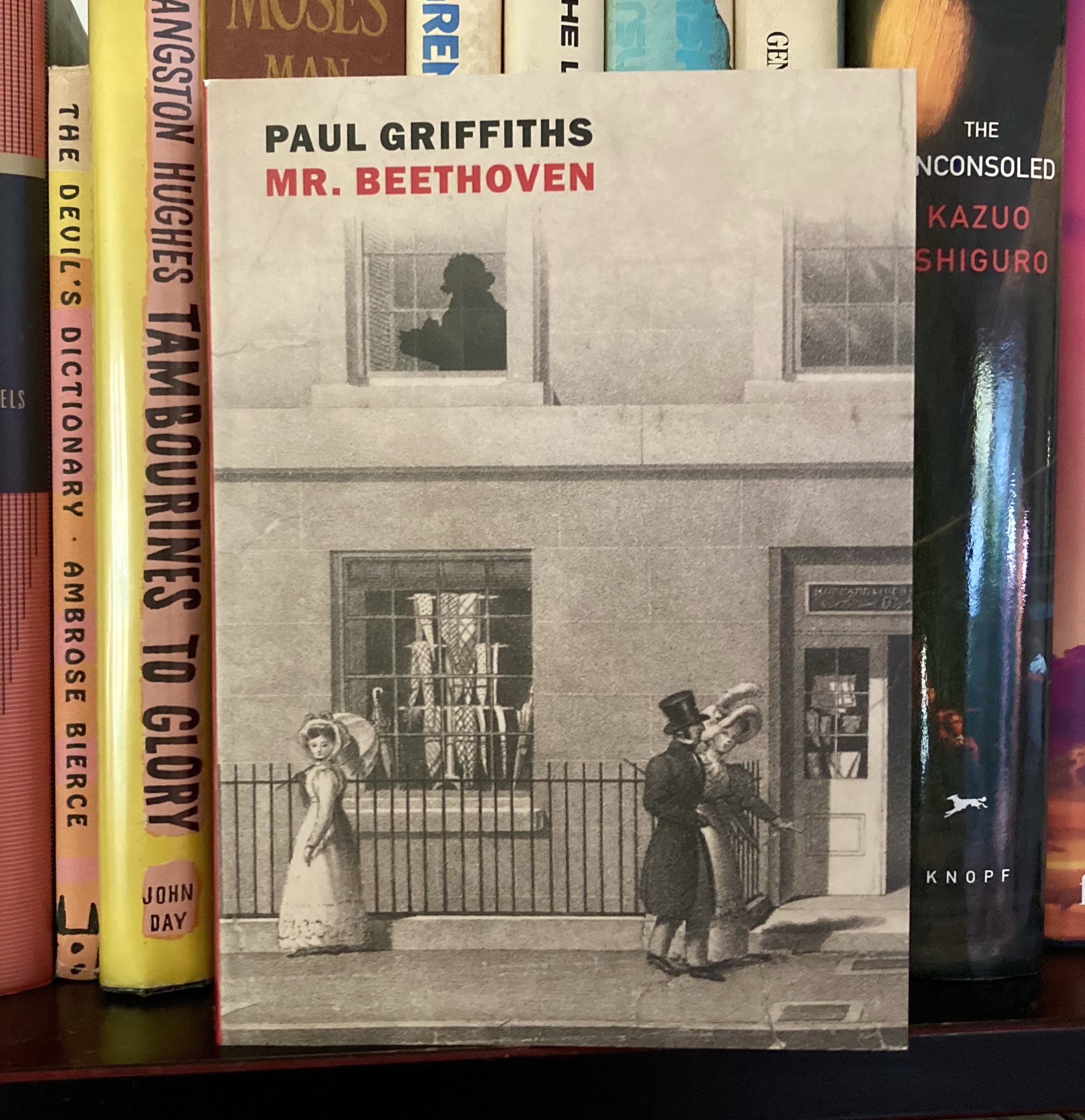
Paul Griffiths’ novel Mr. Beethoven is new this week from NYRB. Their blurb—
It is a matter of historical record that in 1823 the Handel and Haydn Society of Boston (active to this day) sought to commission Beethoven to write an oratorio. The premise of Paul Griffiths’s ingenious novel is that Beethoven accepted the commission and traveled to the United States to oversee its first performance. Griffiths grants the composer a few extra years of life and, starting with his voyage across the Atlantic and entry into Boston Harbor, chronicles his adventures and misadventures in a new world in which, great man though he is, he finds himself a new man. Relying entirely on historically attested possibilities to develop the plot, Griffiths shows Beethoven learning a form of sign language, struggling to rein in the uncertain inspiration of Reverend Ballou (his designated librettist), and finding a kindred spirit in the widowed Mrs. Hill, all the while keeping his hosts guessing as to whether he will come through with his promised composition. (And just what, the reader also wonders, will this new piece by Beethoven turn out to be?) The book that emerges is an improvisation, as virtuosic as it is delicate, on a historical theme.

Sam Adams has a nice conversation with director Todd Haynes about The Velvet Underground, Haynes’ marvelous documentary about the band.
I saw the film this weekend and it’s one of the best musical documentaries I’ve seen in ages. The film is really about the art scene in New York City in the 1960s, and as such, Haynes employs a number of aesthetic conceits, all of which vibrate on just the right side of pretentiousness. There are lots and lots of clips from Warhol’s films and screen tests combined with archival footage (John Cage on teevee, for example), and old interviews interspersed with new interviews with John Cale, Moe Tucker, and a host of other musicians, artists, actors, and folks who bore witness to that whole scene. The film is its own thing—it transcends being “about” the band—indeed, that’s the best thing about The Velvet Underground: it lets you see and hear the band you discovered when you were thirteen or fifteen or thirty with fresh ears and fresh eyes. To this end, it’s possible that the film might turn off folks completely unfamiliar with the band and its influence. Haynes addresses this in his interview with Adams:
I mean, there are some people for whom this will be frustrating and not what they expect from a documentary. They kind of want that tidier oral history. If you’re interested, there’s all kinds of more stuff to find and discover for yourself. But I wanted it to be mostly that experience where the image and the music were leading you, and then it was a visceral journey through the film.
A visceral journey it is.
A highlight for me in the film is a series of late appearances by Jonathan Richman. Adams enjoyed that too:
[Adams]: As someone who’s been listening to him for a long time, the interview with Jonathan Richman is a real highlight of the movie. It makes me hope there’s a Blu-ray someday so you can just release the whole thing as an extra.
[Haynes]: Oh, it’s so fucking great. The whole thing is just, it’s a complete piece. I was crying by the end of it.
Was it your idea for him to have the guitar, or did he just bring it with him?
No, he just brought it. And I mean, come on. It was just so generous and so insightful. And he served the purposes of saying things that I had sort of decided I would not include in this movie: fans, other musicians, critics. It was just going to be about people who were there. That was the criteria. Well, he was there, in spades, and I didn’t realize to what degree.
That picture of him as a teenager with the band, I’d never seen that before.
Fucking crazy. But he could also then speak so informatively as a musician and as a critic and as a fan.
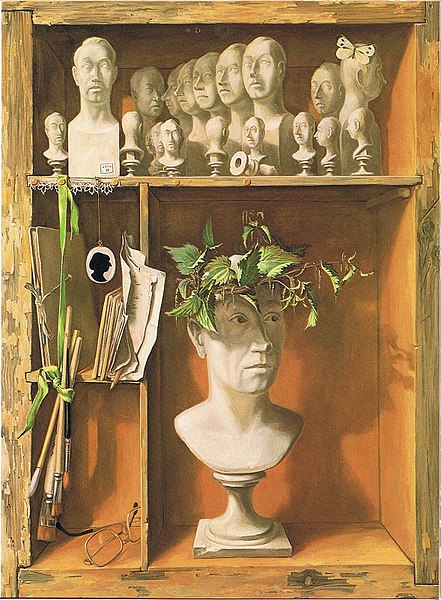
Box Picture with Plaster Busts, 1985 by Wolfgang Lenz (b. 1925)
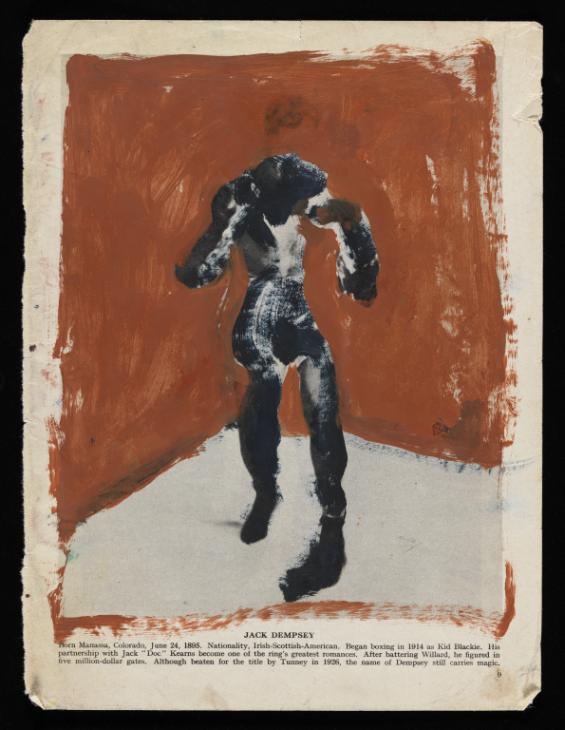
Untitled (Extract from unidentified boxing magazine with photograph of Jack Dempsey and Gene Tunney), 1950 by Francis Bacon (1909-1992)
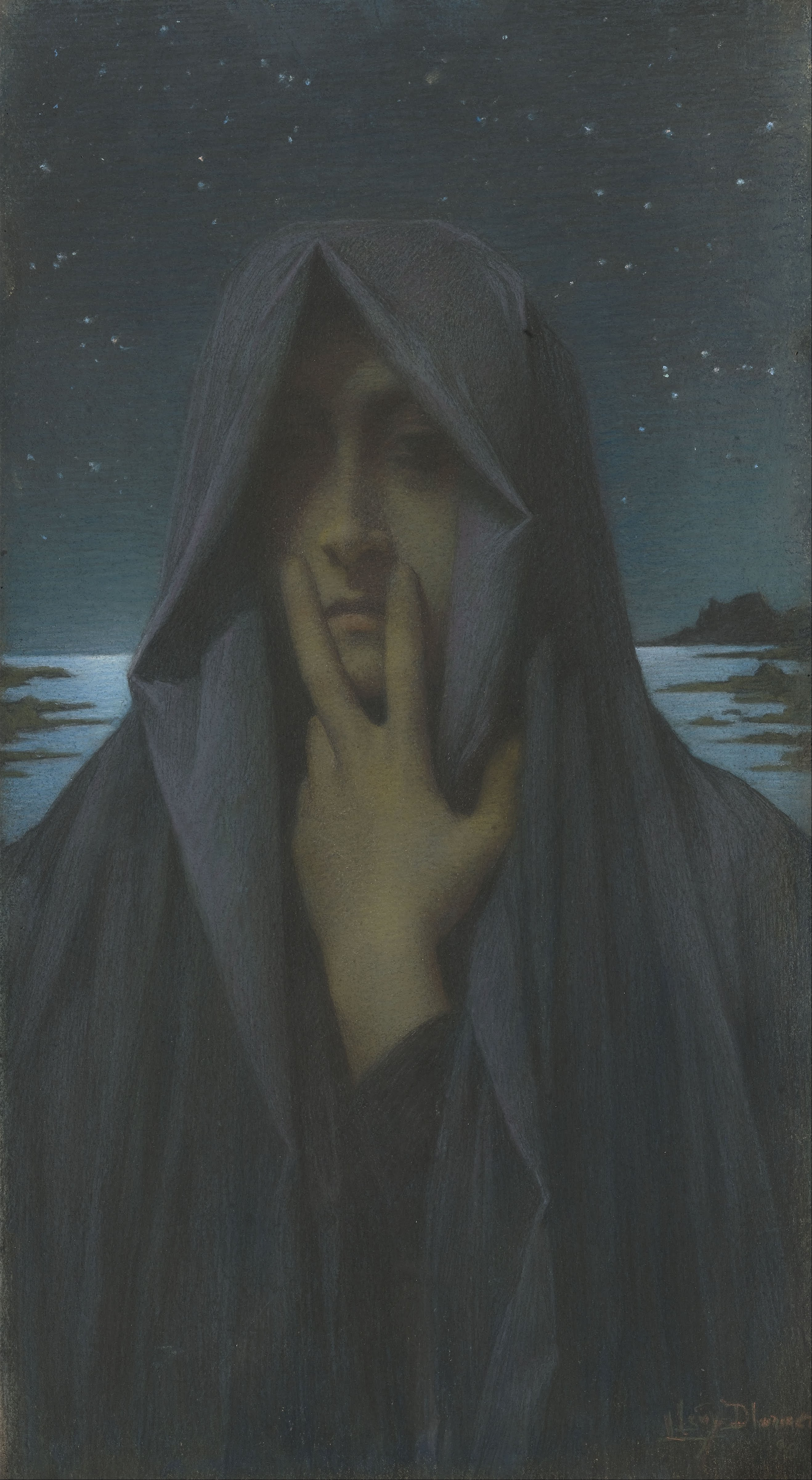
The Silence, 1895 by Lucien Lévy-Dhurmer (1865–1953)
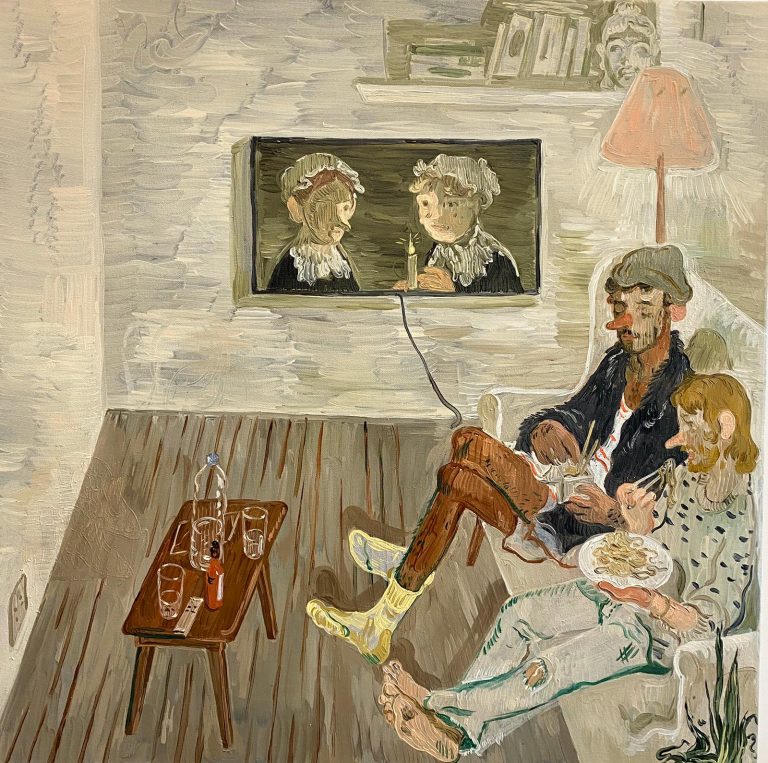
Takeout, 2020 by Salman Toor (b. 1983)
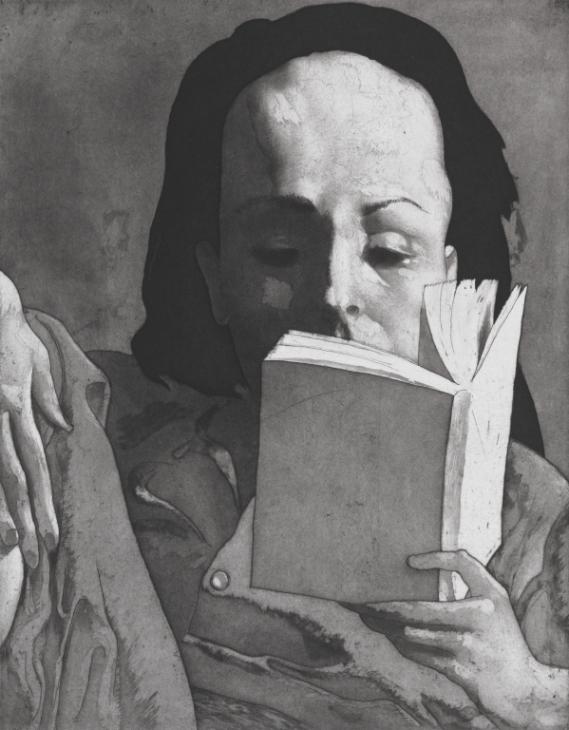
Milestones, 2006 by John Currin (b. 1962)
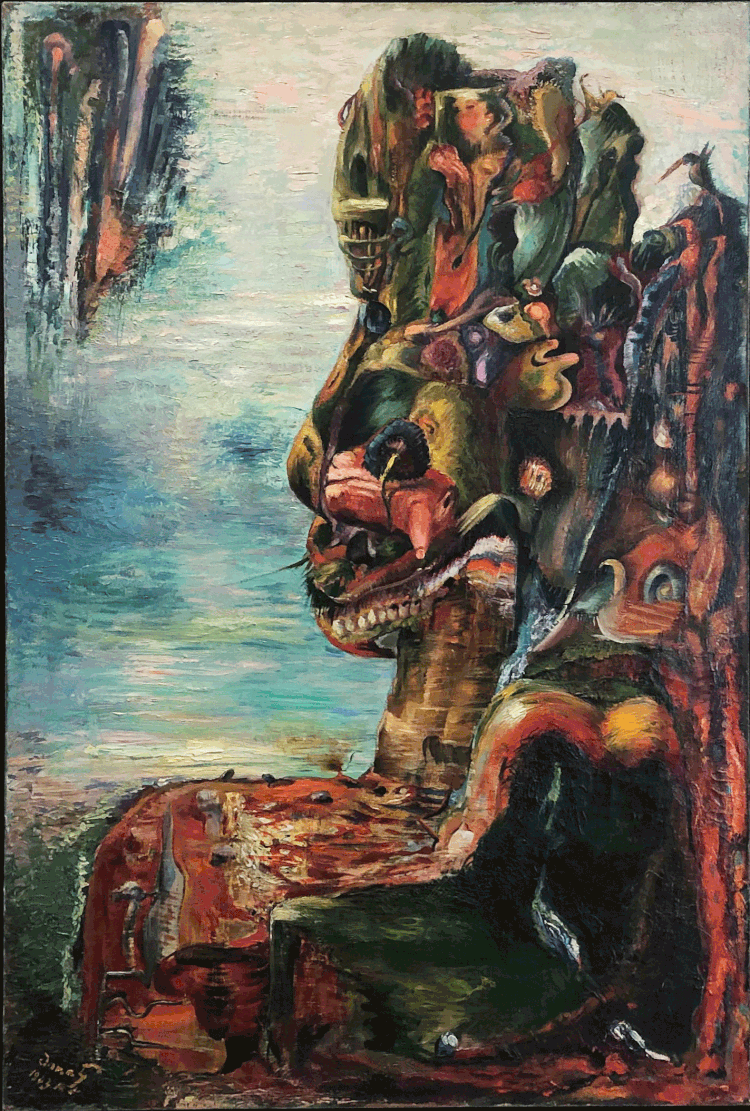
Arcimboldo, 1945 by Enrico Donati (1909-2008)
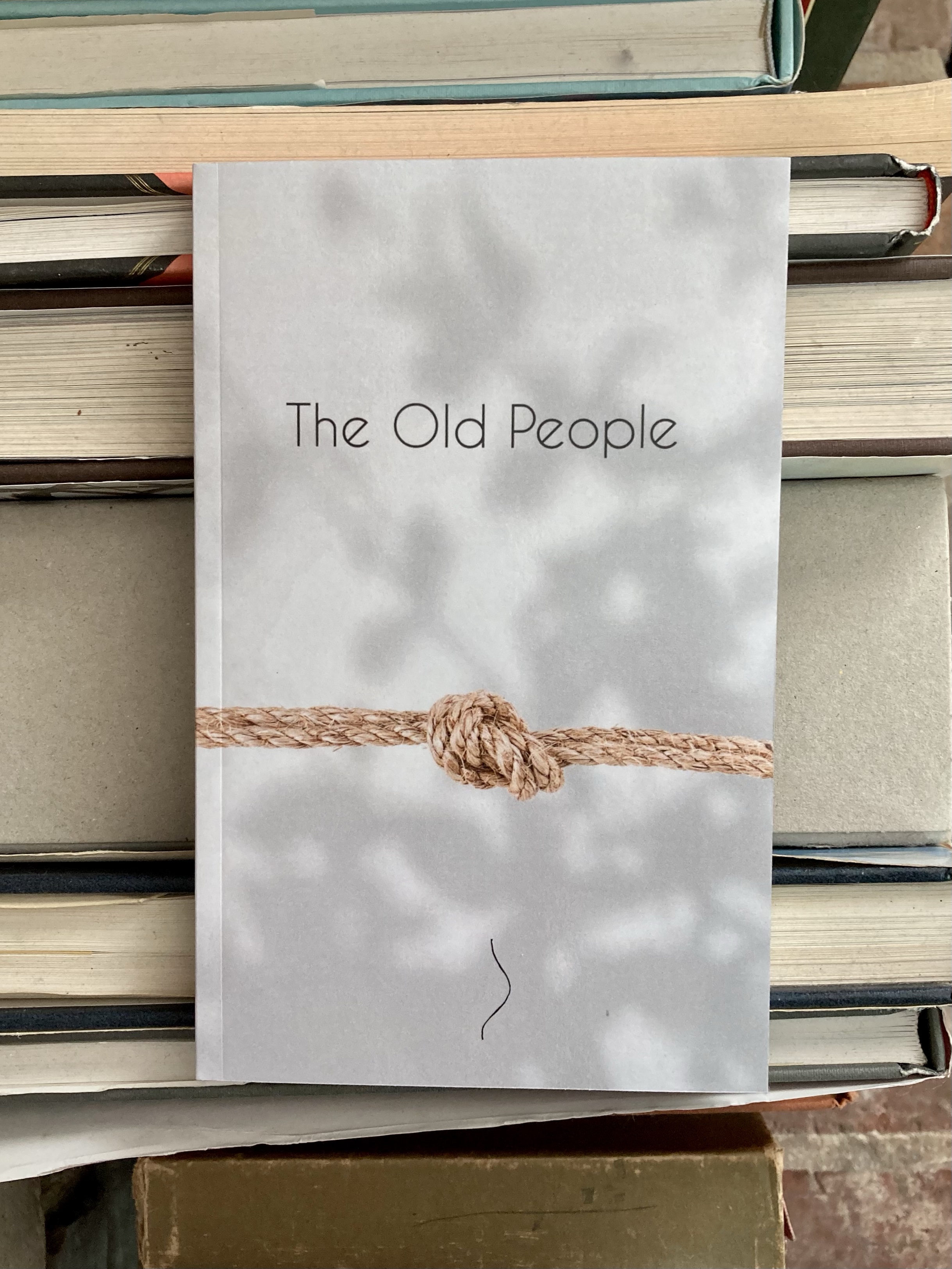
The Old People is a 2014 novel by A.J. Perry. The Old People gets a new life thanks to Carrying Woman Originals, an imprint of Cow Eye Press, which also published Perry’s novel Cow Country a few years ago. As you can see in the photo above, Perry’s name is not on the cover. There’s no blurb on the back. Perry’s name shows up on the editions page and then on a second title page that faces the edition page (but not on the first title page).
I was under metaphorical water in September when The Old People arrived, having decided to recommit to doing a good job at my job, by which I mean trying to provide much more feedback and coaching and general mental attendance to my students than I think I was giving in the last (covid-drenched) semesters, all the while worrying about the utter idiocy of Florida Fall 2021’s Death Campaign. Anyway, I stacked it in a growing stack of other TBR copies and retreated into Barthelme’s stories I’d already read a few times when I made the time to read for pleasure.
I moved the stack around today, dropping The Old People to the floor. I picked it up, decided to read the opening pages, and then kept reading. It’s really good! I mean, it’s a really strange thing. It’s a book about tying a knot, which I guess is a metaphor, but it’s really focused on that metaphor’s concrete component. Pages and pages of digging holes and tying knots. I’m not sure exactly what The Old People reminds me of, but it taps into the intersection of myth and anthropology, all without being precious or pretentious (so far, anyway). I hunted down a blurb on Cow Eye’s site:
Since the beginnings of darkest silence the people of a mythical island have spent their days tying the ancient knot that binds them to their past. To tie this knot they must dig a hole; to dig a hole they first must have fire; and to make a fire that is hot enough for hole digging, the knot that they have been tying must finally be tied. From silence to mud to rope to knot to wood to words to fire, the Old People will work to tie their knot under the cool shade of the island’s original knotmaking.
 Biblioklept
