“The New Colossus”
Tribes. They’re a powerful curse laid on you when you get born (From Coover’s Huck Out West)
“Palling around with injuns, Huck, is right down dangersome. You can’t trust ’em. Remember what happened to them poor emigrants we met when we first come out here. You’ll get your throat slit before you know it. And it ain’t right. There’s a war on.”“We made the war, not them,” I says, recollecting what Dan Harper said. “We been bullying in and taking away everything they s’posed was their’n. They’re only just defending theirselves.”
“Well, from where they set, Huck, they got a point. But we ain’t them. We got to stick with our own tribe, even if they ARE all lunatics. If we don’t, we’ll end up crazier’n any of them. You remember that poor preacher up in Minnysota? Even if he was maybe right, his rebel notions was turning him plumb loco, and in the end they probably got him lynched by his own congregation. These lands is become our lands, that’s the story now, and it’s only got just one ending. There ain’t nothing them hoss-tiles can do about it, nor not you nuther.”
“Tribes,” I says. “They’re a powerful curse laid on you when you get born. They ruin you, but you can’t get away from them. They’re a nightmare a body’s got to live with in the daytime.”
Dialogue between Huckleberry Finn and Tom Sawyer from Robert Coover’s 2017 novel Huck Out West.
Akira — Tomer Hanuka
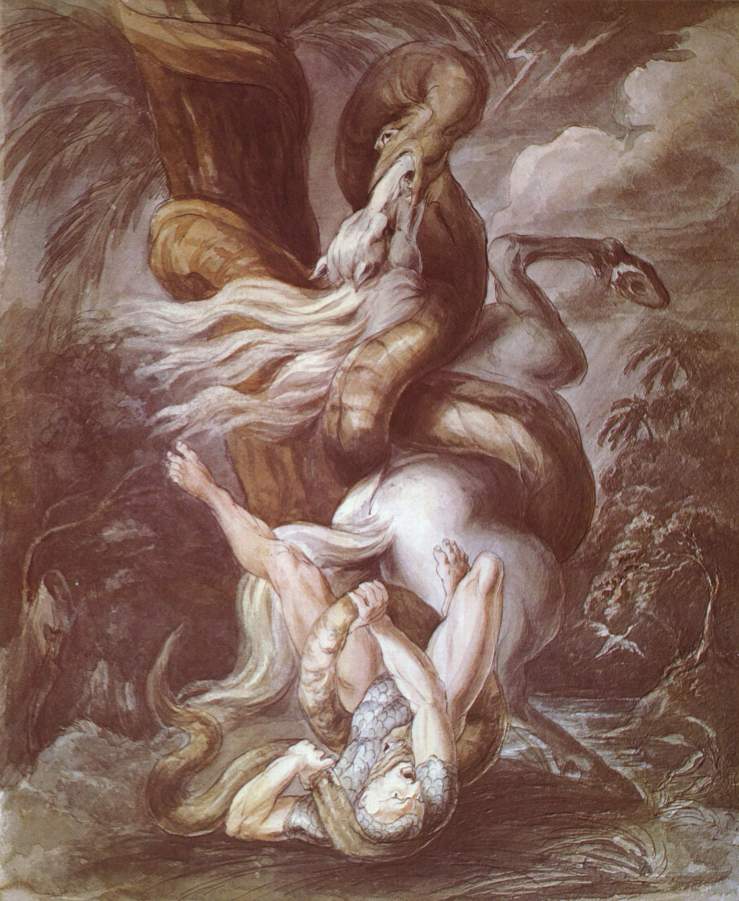
Horseman Attacked by a Giant Snake — Henry Fuseli

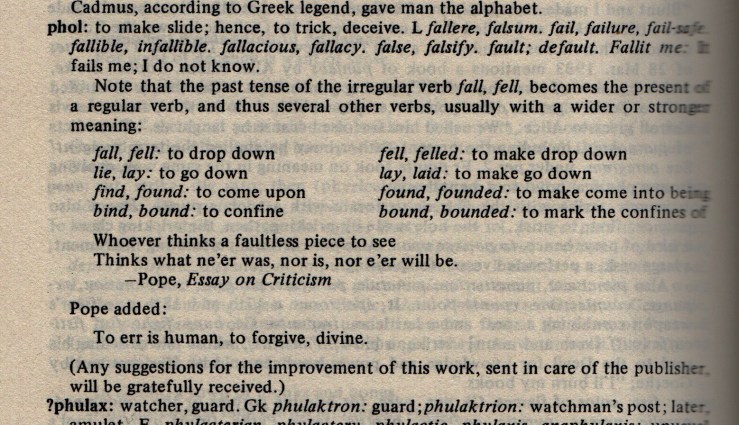
phol: to make slide; hence, to trick, to deceive

From Joseph T. Shipley’s The Origin of English Words: A Discursive Dictionary of Indo-European Roots.
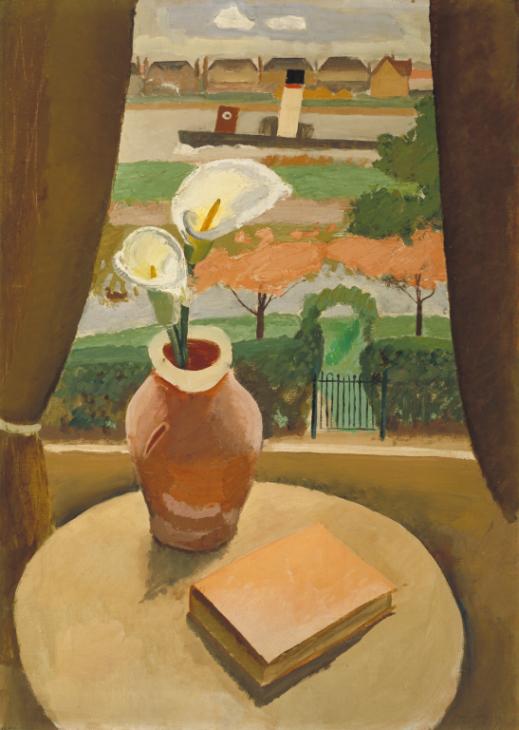
The Window, Chiswick — Mary Potter

Wittgenstein at the Cinema Admires Betty Grable — Eduardo Paolozzi
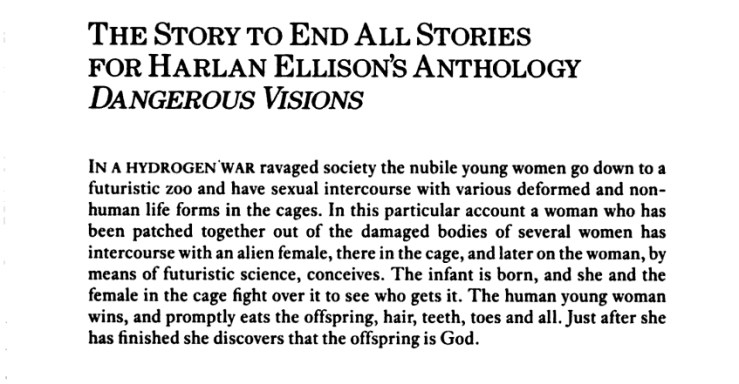
“The Story to End All Stories” — Philip K. Dick

Girl at the Window — Balthus

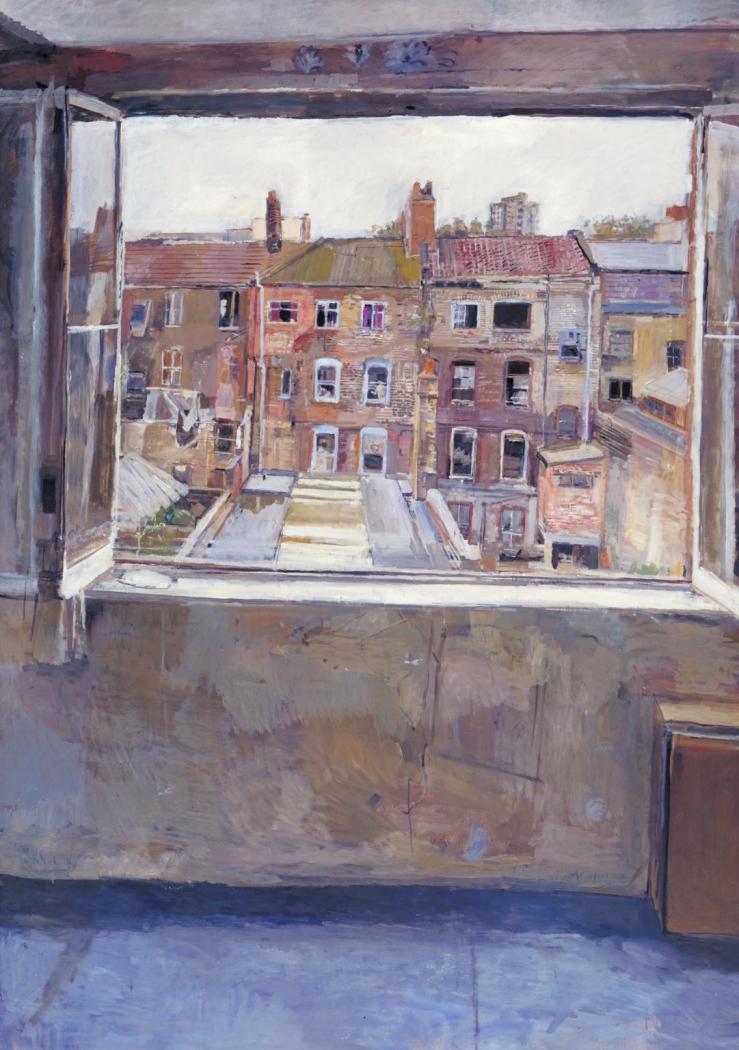
Open Window, Spitalfields — Anthony Eyton

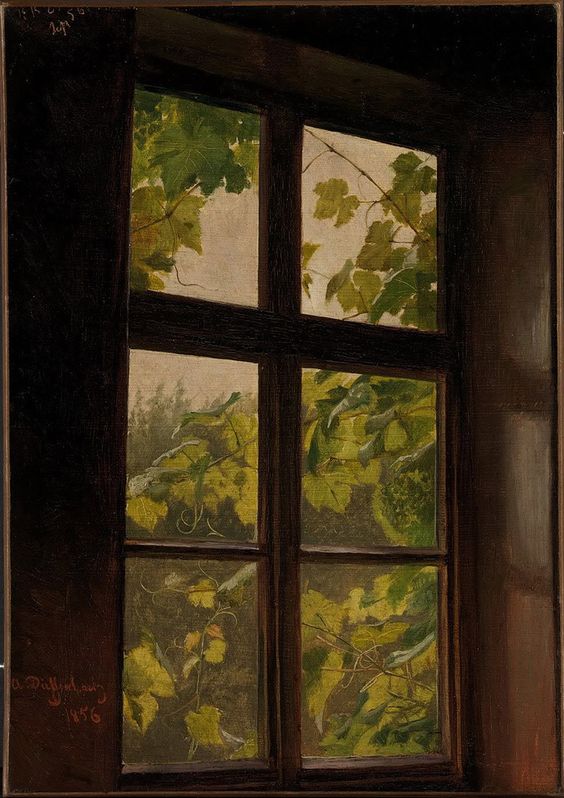
Window — Anton Dieffenbach

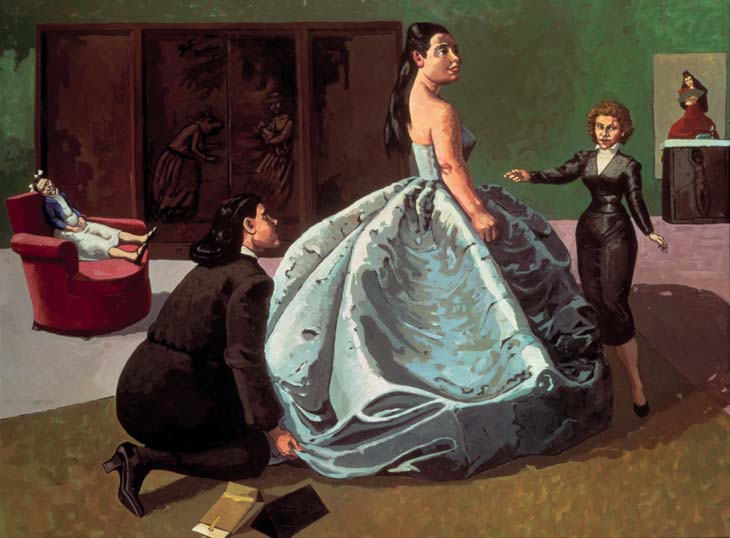
The Fitting — Paula Rego

“Spoon” (Live & Long) — Can
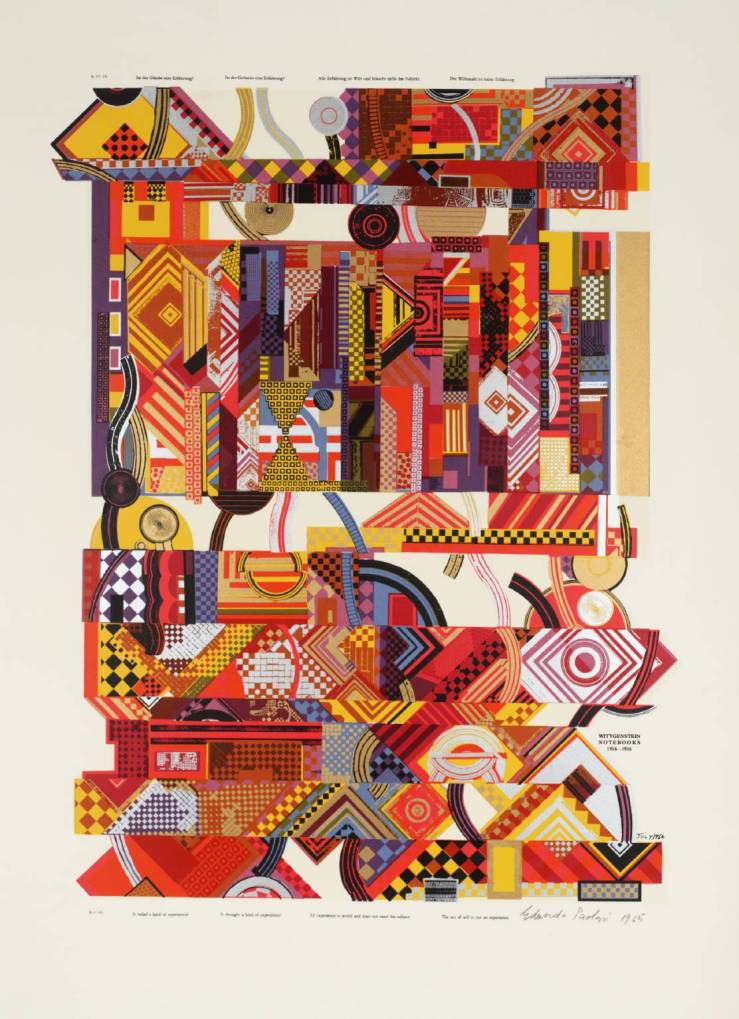
Experience — Eduardo Paolozzi

Sunday Comics
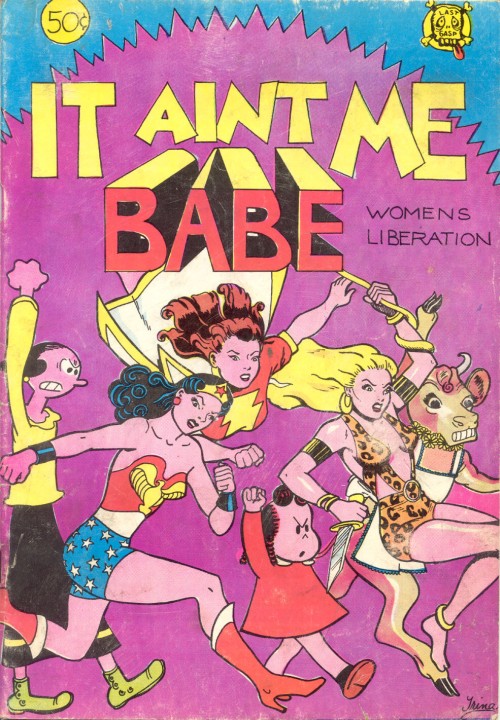
It Ain’t Me Babe, Last Gasp, July 1970. Cover by Trina Robbins.
From Silvers’s essay:
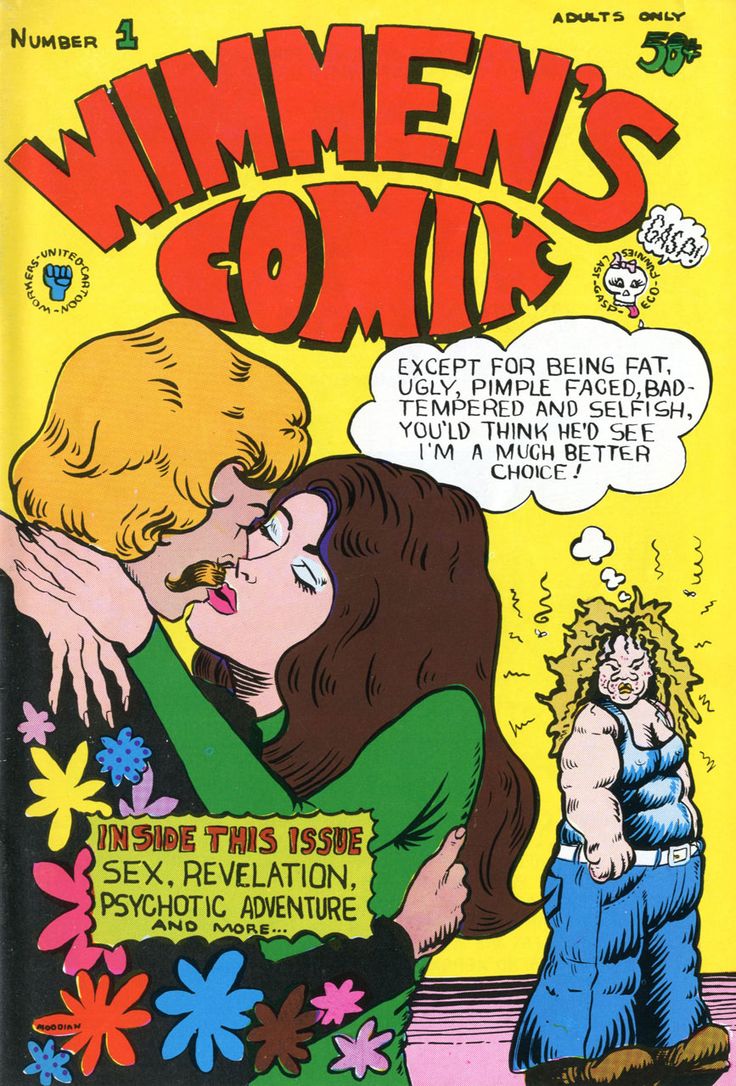
With Wimmen’s Comix, there were no cliques, no unspoken rules: Each issue had a loose theme (Outlaws, The Occult, Disastrous Relationships — even a 3-D edition.) In each issue, roughly half the book was reserved for any woman who wanted in; the collective solicited contributions on the back page. And every month the editors would meet at someone’s house to sift through the submissions.

Wimmen’s Comix #1, Last Gasp, November 1972. Cover by Patricia Moodian.
Learn lots more at The Comics Journal’s “An Oral History of Wimmen’s Comix.“

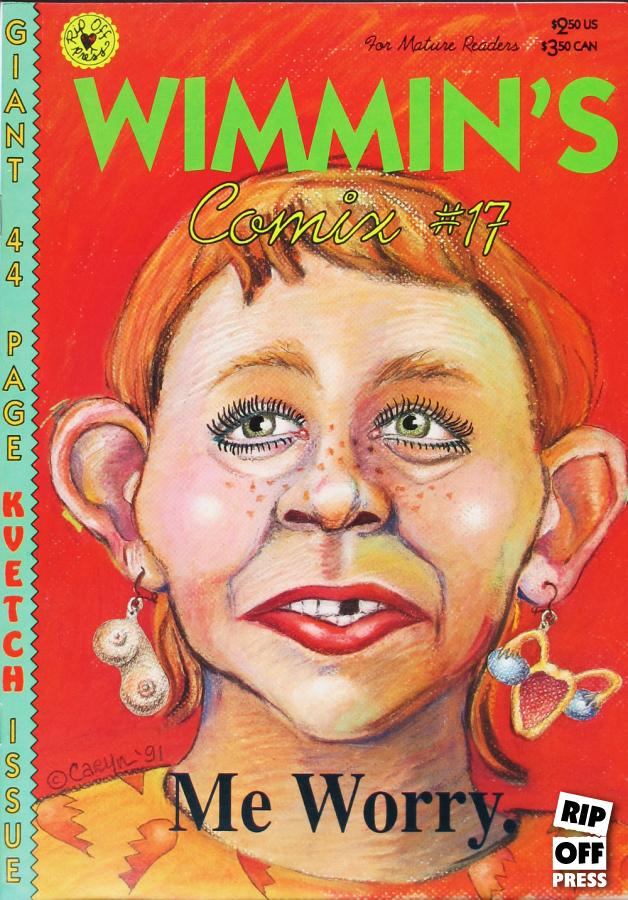
Wimmin’s Comix #17, Rip Off Press, 1992. Cover by Caryn Leschen.
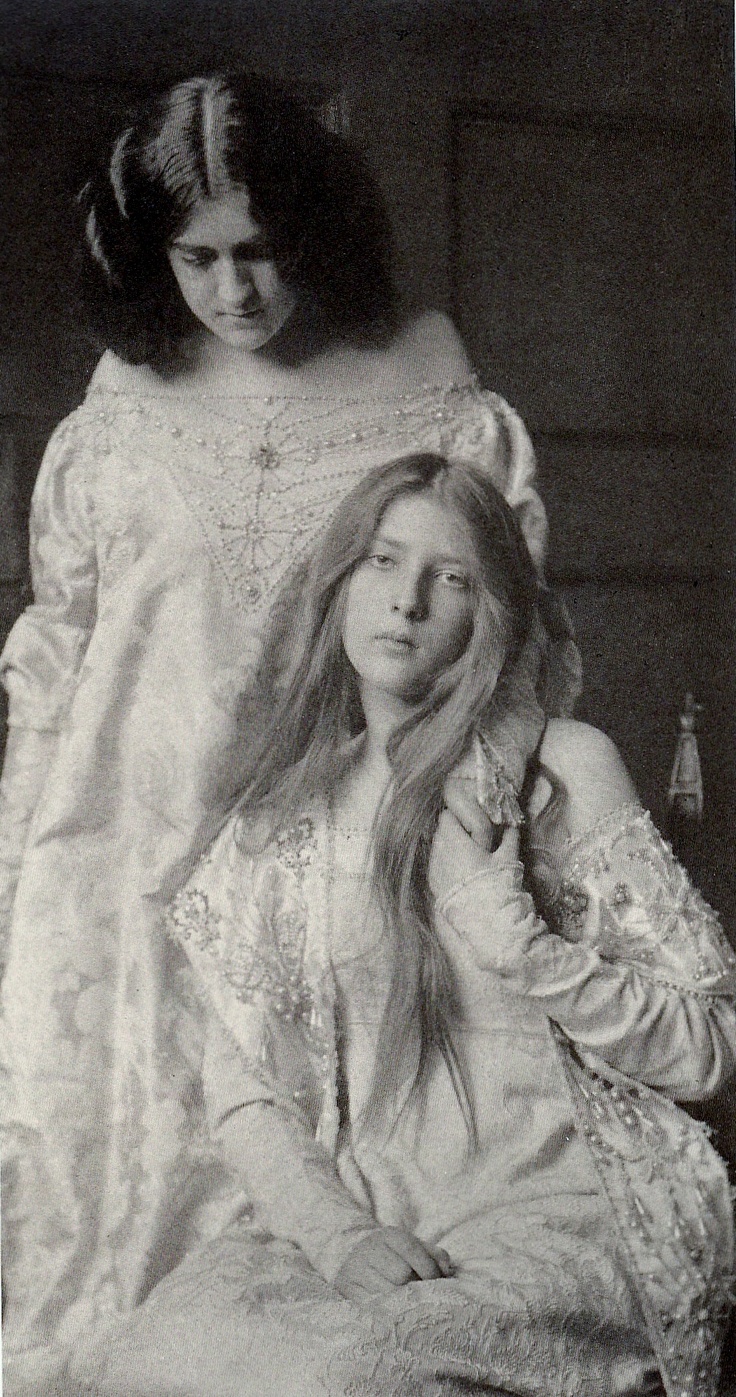
Sisters — Eva Watson-Schütze

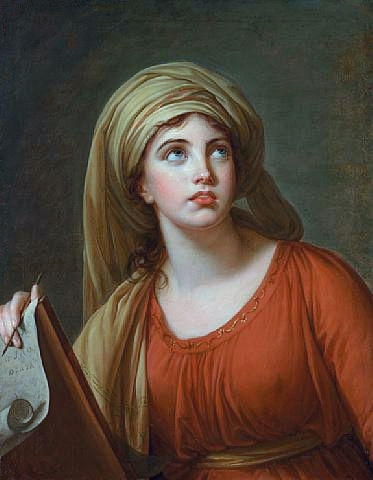
Lady Hamilton as the Persian Sibyl — Louise Elisabeth Vigee Le Brun