Endicott, Pyncheon, and others, in scarlet robes, bands, etc. (Nathaniel Hawthorne’s journal entry for August 22nd, 1838)

In the cabinet of the Essex Historical Society, old portraits.–Governor Leverett; a dark mustachioed face, the figure two thirds length, clothed in a sort of frock-coat, buttoned, and a broad sword-belt girded round the waist, and fastened with a large steel buckle; the hilt of the sword steel,–altogether very striking. Sir William Pepperell, in English regimentals, coat, waistcoat, and breeches, all of red broad-cloth, richly gold-embroidered; he holds a general’s truncheon in his right hand, and extends the left towards the batteries erected against Louisbourg, in the country near which he is standing. Endicott, Pyncheon, and others, in scarlet robes, bands, etc. Half a dozen or more family portraits of the Olivers, some in plain dresses, brown, crimson, or claret; others with gorgeous gold-embroidered waistcoats, descending almost to the knees, so as to form the most conspicuous article of dress. Ladies, with lace ruffles, the painting of which, in one of the pictures, cost five guineas. Peter Oliver, who was crazy, used to fight with these family pictures in the old Mansion House; and the face and breast of one lady bear cuts and stabs inflicted by him. Miniatures in oil, with the paint peeling off, of stern, old, yellow faces. Oliver Cromwell, apparently an old picture, half length, or one third, in an oval frame, probably painted for some New England partisan. Some pictures that had been partly obliterated by scrubbing with sand. The dresses, embroidery, laces of the Oliver family are generally better done than the faces. Governor Leverett’s gloves,–the glove part of coarse leather, but round the wrist a deep, three or four inch border of spangles and silver embroidery. Old drinking-glasses, with tall stalks. A black glass bottle, stamped with the name of Philip English, with a broad bottom. The baby-linen, etc., of Governor Bradford of Plymouth County. Old manuscript sermons, some written in short-hand, others in a hand that seems learnt from print.

From Nathaniel Hawthorne’s journal entry for August 22nd, 1837. From Passages from the American Note-Books. In addition to this description, the full journal entry contains a description of a walk, a note on Hawthorne’s ancestors, and no fewer than ten story ideas. The Pyncheons (of whom Thomas Pynchon descended) star in Hawthorne’s underread classic, The House of Seven Gables.

Woman with Ice Cream Sundae — Dieter Asmus

52_rgb_16bit 001

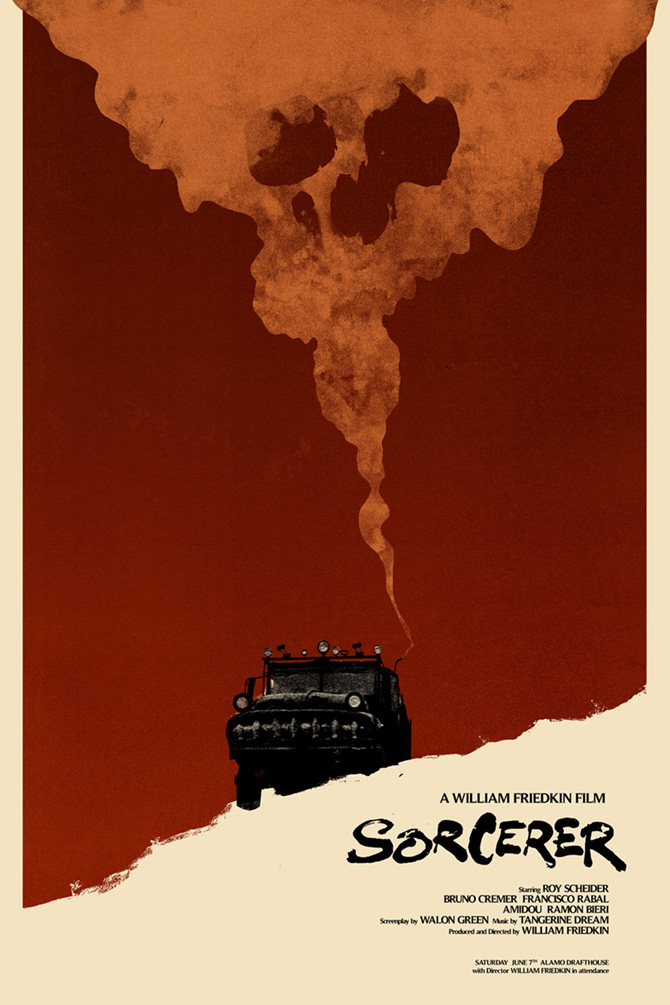
Sorcerer film poster by Jay Shaw

I need to write a proper riff on William Friedkin’s astounding 1977 film Sorcerer—I’m pretty sure I didn’t see a better film this summer—nor have I seen anything that zapped me with that How the hell haven’t I seen this yet? feeling since Michael Mann’s Thief. But as the summer ebbs and a new year of a full teaching load approaches, I’m not sure if I’ve got a spare three hours to watch Sorcerer a third time any time soon (the third viewing was perfect, by the bye). It’s great though. It’s about four dudes, exiles, trying to move nitroglycerin in two old trucks across a mountain in an unnamed South American country.

I had scratched out some notes on the first viewing though, which I won’t bother to cobble together here in anything other than a silly list, which I hope to mine later in Something Bigger on Sorcerer:

  1. Metaphors of postglobal cooperation in the cause of self-interest.
  2. Multilingual, but postlingual: Film as language. Sorcerer as its own language.
  3. Post-WWII; somehow hasn’t absorbed the Vietnam War.
  4. Like Herzog, here is a depiction of nature that conveys the sublime while stripping from it the romance, leaving only the horror and awe.
  5. Comments on its own engineering, its own technological processes (like Herzog’s Fitzcarraldo).
  6. But also, its focus on engineering points backwards (The Bridge on the River Kwai) and forwards (uh, the Fast/Furious franchise? —but not fast here; no: slow).
  7. (Clearly the double feature of Fitzcarraldo).
  8. Postglobalism — terror, crime, religion, economics, class, “high” art, — all the shit that’s  dealt with in the first 30 min — is subsumed into nature vs techne — a kind of nihilsm against nature pointing at the current century.
  9. IT’S ALL ABOUT ENGINEERING!
  10. Unself-concious postmodernism, before postmodernism is properly “postmodernism”: That Friedkin is perhaps working in Modernist idioms (all the noir touches, the irony, the hallucinations, the cuts, etc.), but produces something we might describe as “postmodern.”
  11. That end — tragic, ironic, pathetic, bathetic—and a loop! (sort of)—Friedkin’s film ironizes the Romantic touches, the Bogart shadows.
  12. (Watch it again).

(Not really) Three Books (2666 Books)

img_3356img_3357img_3360

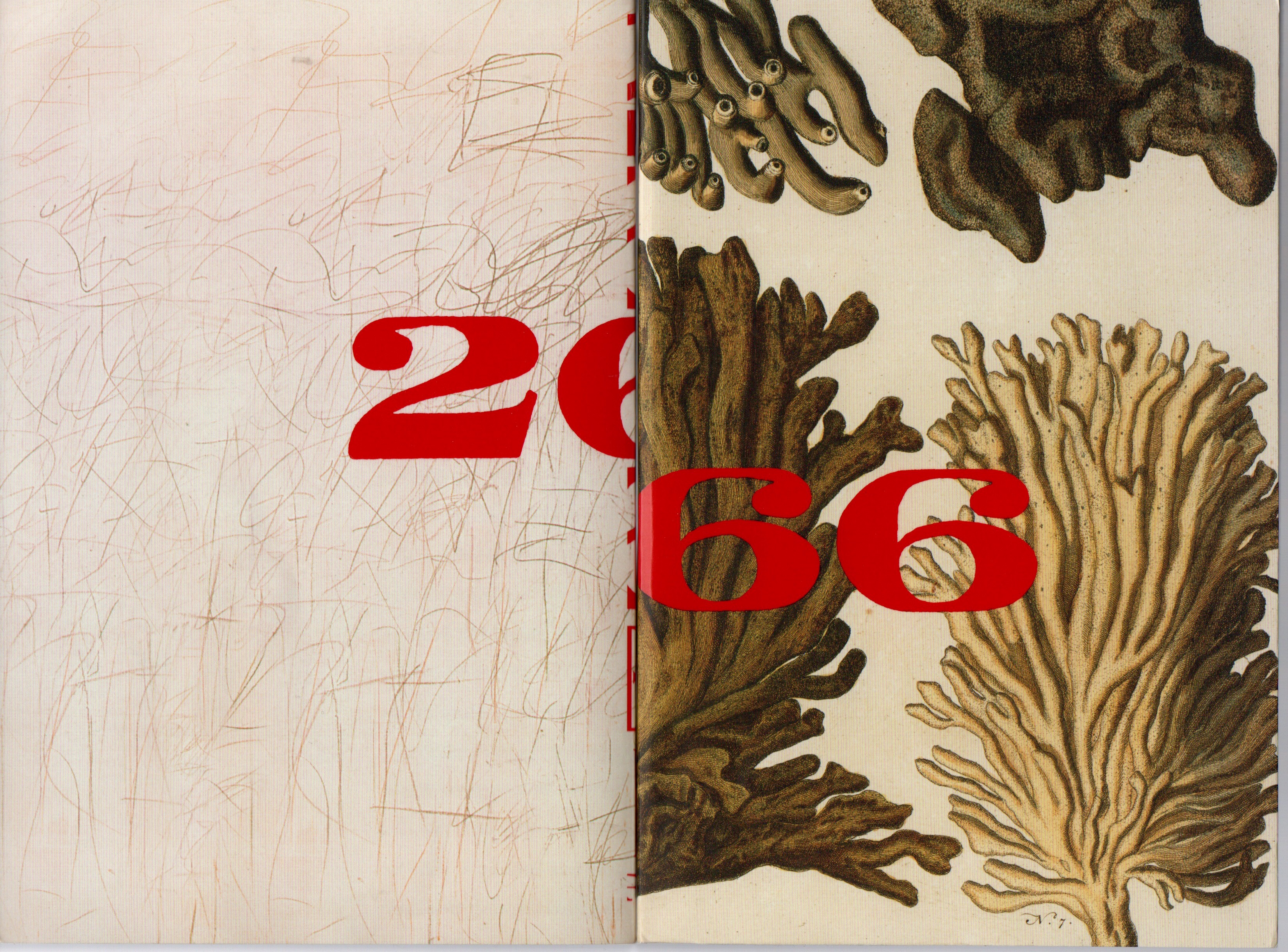
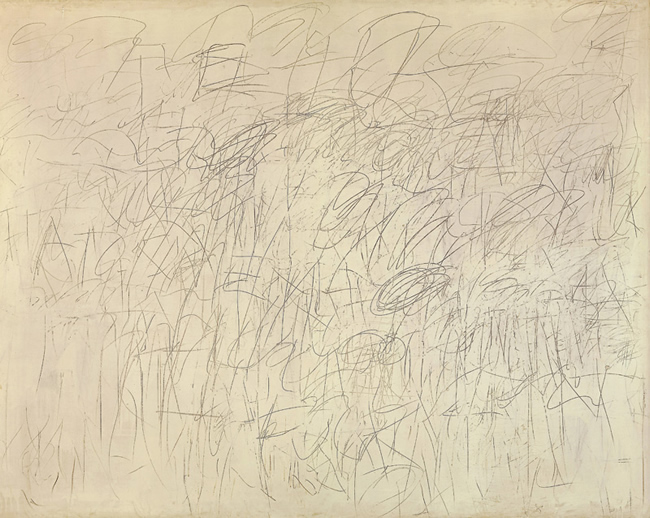
2666 by Roberto Bolaño. English translation by Natasha Wimmer. First edition three-volume slip case edition from FS&G. Design by Charlotte Strick.  The image on volume one is a detail from Gustave Moreau’s Jupiter and Semele; on volume two, Academy by Cy Twombly; on three, a detail of a page on sea sponges from Albert Seba’s Cabinet of Curiousities. I’ve posted the images below for reference.

As I come near the end of this year-long Three Books thing, I find that I can’t not include Roberto Bolaño’s novel 2666, which is probably my favorite novel of the last twenty years. I initially resisted including it in one of these Three Books posts simply because it is, sort of, one book—and this particular edition is in a more readable three-volume set. But it’s also, maybe, five books—five “parts” anyway, which work together intertextually to tell a grand epic of love murder terror war reading writing etc. Too big to pin down in this puny post. I seem to be always reading the thing, or always wanting to read it. In any case, I’m almost positive it’s the book I’ve written the most review for on this site. A lazy edit from the Biblioklept “Reviews” page:

True Detective, Bolaño’s 2666, Werewolves, Etc

Wherein I Suggest Dracula Is a Character in Roberto Bolaño’s Novel 2666

Intertexuality and Structure in Roberto Bolaño’s 2666

Roberto Bolaño’s Powers of Horror

Bolaño’s Werewolves

Roberto Bolaño’s 2666 Revisited

2666 – Roberto Bolaño

(The intertextuality is probably the least bad of those reviews, maybe).

Normally I just scan the covers for these Three Books posts, but when I unshelved and unslipcased 2666, I found that it was more…fun? natural? (those aren’t the right words)…it seemed better to put the books next to each other. Intertextuality by osmosis.

I have a vivid memory of buying this book at Green Apple Books in San Francisco in December of 2008 and then starting it on the plane ride home and then just sort of, I don’t know, consuming it, sucking it down like candy poison wine (these are bad metaphors). I’ve read it in full a few times since and it’s like an infection, it’s under my skin. I want to read it again, of course.

gustave_moreau_004
Jupiter and Semele, Gustave Moreau
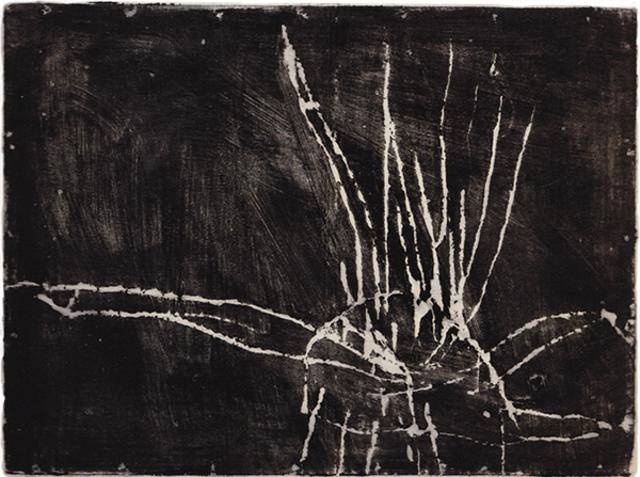
academy
Academy, Cy Twombly
il_fullxfull-788732940_58ga
Sea Sponges, Albertus Seba

Soft Machine live in Paris, 1970

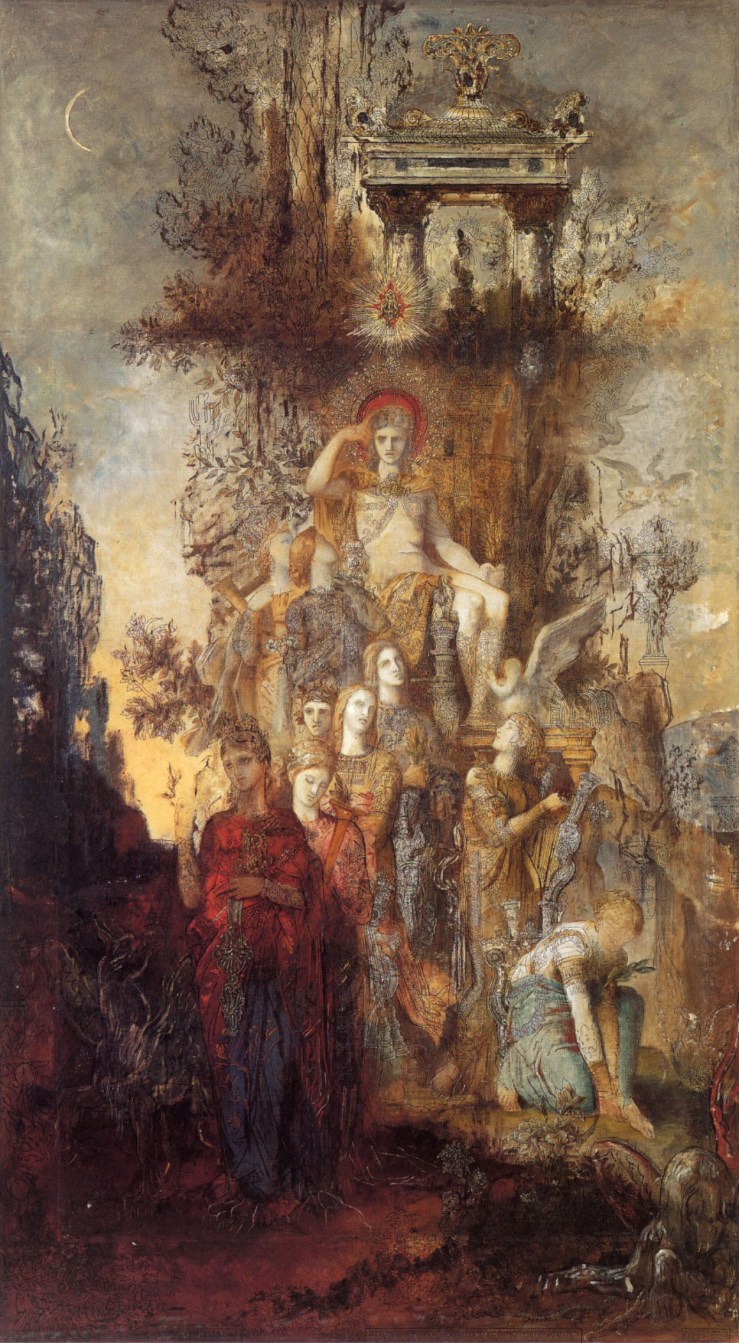
The Muses Leaving Their Father Apollo to Go out and Light the World — Gustave Moreau

the-muses-leaving-their-father-apollo-to-go-out-and-light-the-world-1868

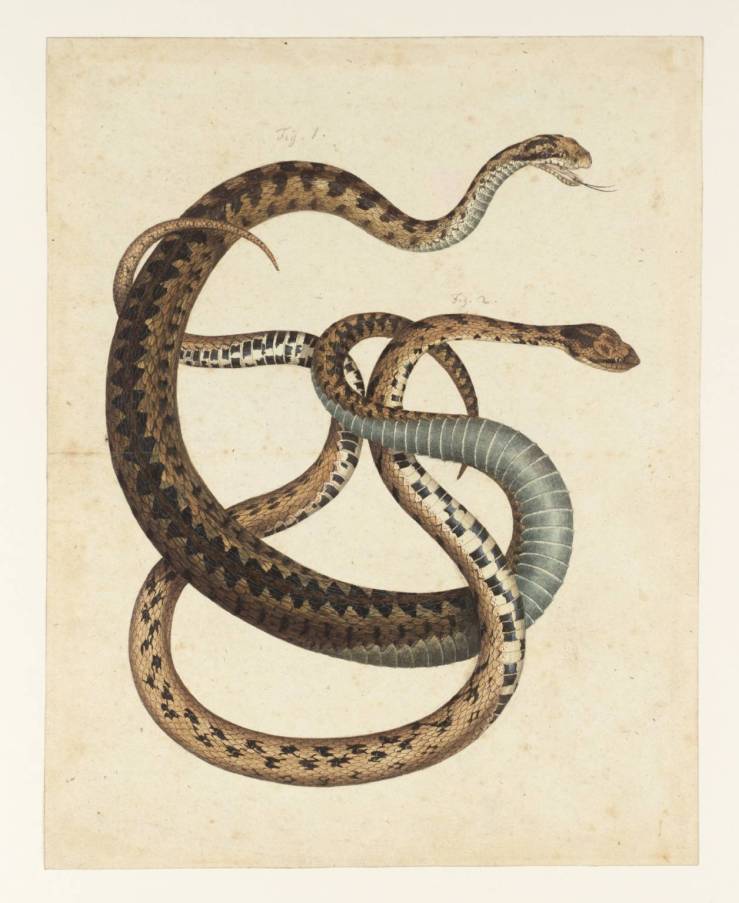
Two Snakes — Albertus Seba

Two Snakes null by Albertus Seba null

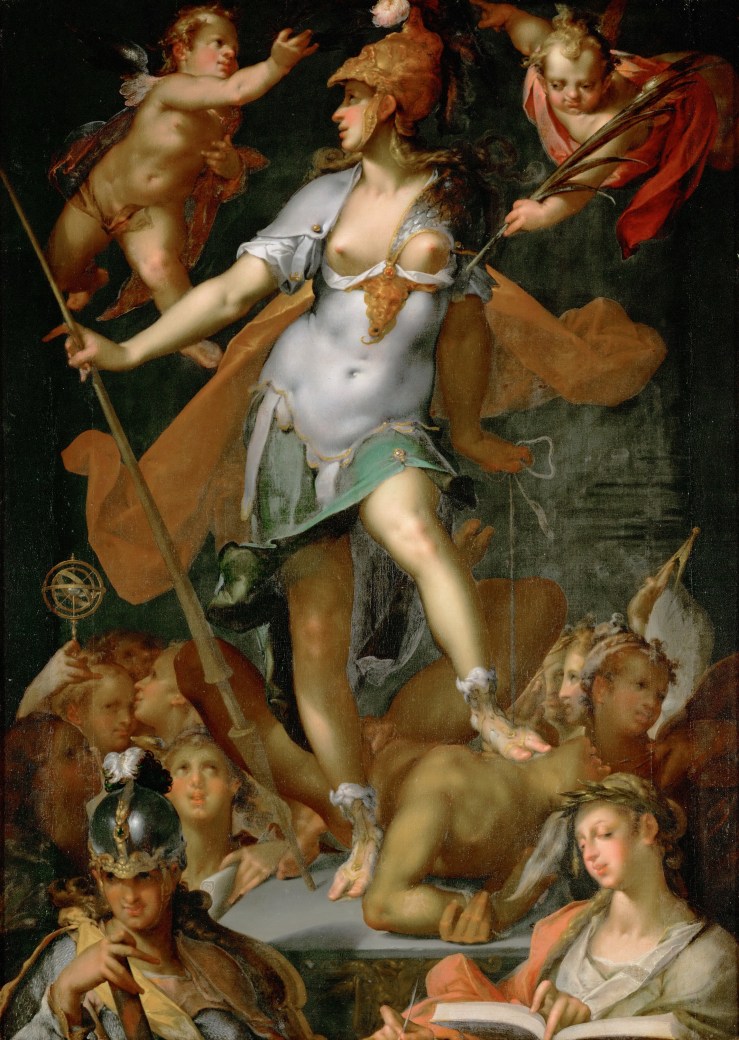
Minerva Triumphs over Ignorance — Bartholomeus Spranger

bartholomc3a4us_spranger_017

Haunted House — Thomas Moran

haunted-house-1858

Trailer for Terrence Malick’s first documentary, Voyage of Time: Life’s Journey

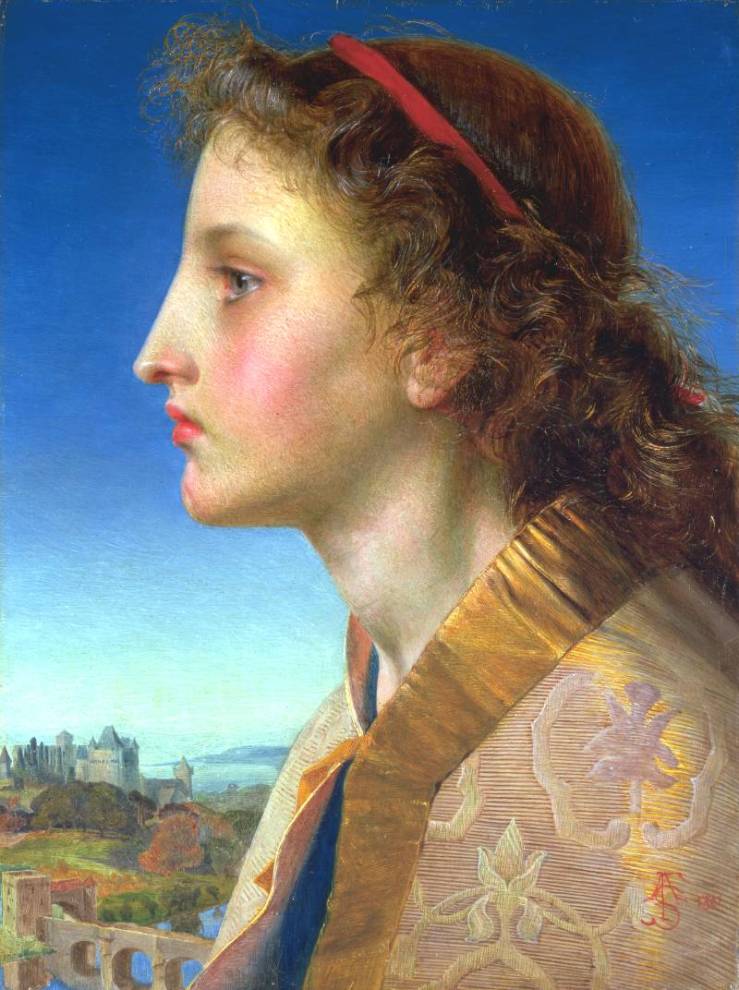
Oriana — Frederick Sandys

Oriana 1861 by Frederick Sandys 1829-1904

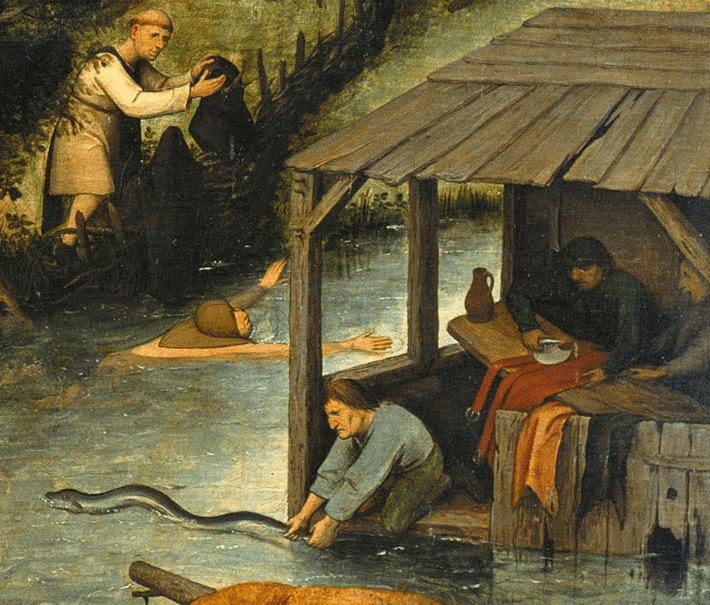
Netherlandish Proverbs (detail) — Pieter Bruegel the Elder

Screenshot 2016-06-26 at 12.19.41 PM

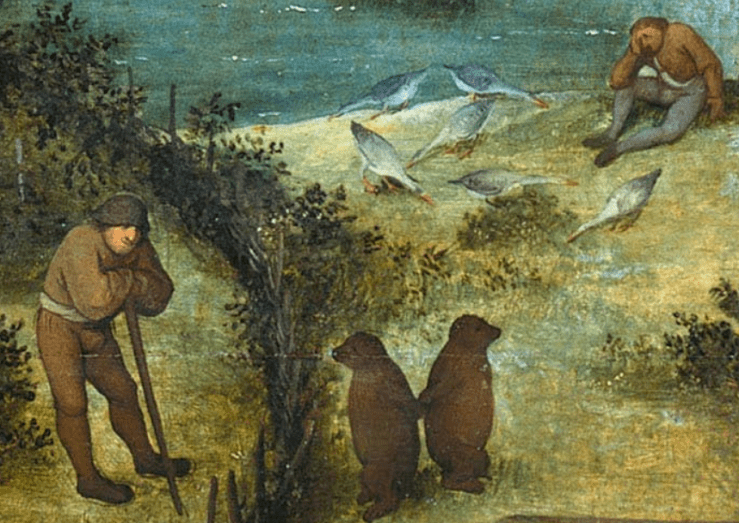
Netherlandish Proverbs (detail) — Pieter Bruegel the Elder

Screenshot 2016-06-26 at 12.16.56 PM

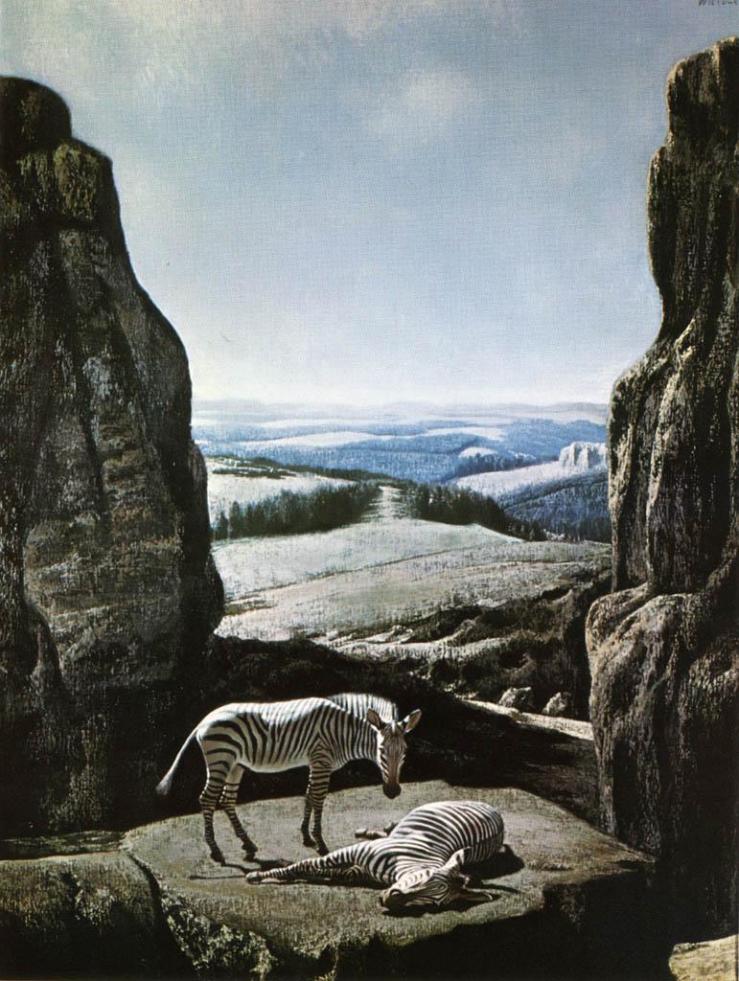
Sleeping Zebra — Carel Willink

213565

William Faulkner’s short story “Carcassonne”

“Carcassonne”

by

William Faulkner


And me on a buckskin pony with eyes like blue electricity and a mane like tangled fire, galloping up the hill and right off into the high heaven of the world. His skeleton lay still. Perhaps it was thinking about this.

Anyway, after a time it groaned. But it said nothing, which is certainly not like you he thought you are not like yourself, but I can’t say that a little quiet is not pleasant

He lay beneath an unrolled strip of tarred roofing made of paper. All of him that is, save that part which suffered neither insects nor temperature and which galloped unflagging on the destinationless pony, up a piled silver hill of cumulae where no hoof echoed nor left print, toward the blue precipice never gained. This part was neither flesh nor unflesh and he tingled a little pleasantly with its lackful contemplation as he lay beneath the tarred paper bedclothing.

So were the mechanics of sleeping, of denning up for the night, simplified. Each morning the entire bed rolled back into a spool and stood erect in the corner. It was like those glasses, reading glasses which old ladies used to wear, attached to a cord that rolls onto a spindle in a neat case of unmarked gold; a spindle, a case, attached to the deep bosom of the mother of sleep. He lay still, savoring this. Beneath him Rincon followed.

Beyond its fatal, secret, nightly pursuits, where upon the rich and inert darkness of the streets lighted windows and doors lay like oily strokes of broad and overladen brushes. From the docks a ship’s siren unsourced itself. For a moment it was sound, then it compassed silence, atmosphere, bringing upon the eardrums a vacuum in which nothing, not even silence, was. Then it ceased, ebbed; the silence breathed again with a clashing of palm fronds like sand hissing across a sheet of metal.

Still his skeleton lay motionless. Perhaps it was thinking about this and he thought of his tarred paper bed as a pair of spectacles through which he nightly perused the fabric of dreams: Across the twin transparencies of the spectacles the horse still gallops with its tangled welter of tossing flames. Forward and back against the taut roundness of its belly its legs swing, rhythmically reaching and over-reaching, each spurning over-reach punctuated by a flicking limberness of shod hooves. He can see the saddlegirth and the soles of the rider’s feet in the stirrups. The girth cuts the horse in two just back of the withers, yet it still gallops with rhythmic and unflagging fury and without progression, and he thinks of that riderless Norman steed which galloped against the Saracen Emir, who, so keen of eye, so delicate and strong the wrist which swung the blade, severed the galloping beast at a single blow, the several halves thundering on in the sacred dust where him of Bouillon and Tancred too clashed in sullen retreat; thundering on through the assembled foes of our meek Lord, wrapped still in the fury and the pride of the charge, not knowing that it was dead. Continue reading “William Faulkner’s short story “Carcassonne””