A Mason & Dixon Christmastide (Thomas Pynchon)

They discharge the Hands and leave off for the Winter. At Christmastide, the Tavern down the Road from Harlands’ opens its doors, and soon ev’ryone has come inside. Candles beam ev’rywhere. The Surveyors, knowing this year they’ll soon again be heading off in different Directions into America, stand nodding at each other across a Punch-bowl as big as a Bathing-Tub. The Punch is a secret Receipt of the Landlord, including but not limited to peach brandy, locally distill’d Whiskey, and milk. A raft of long Icicles broken from the Eaves floats upon the pale contents of the great rustick Monteith. Everyone’s been exchanging gifts. Somewhere in the coming and going one of the Children is learning to play a metal whistle. Best gowns rustle along the board walls. Adults hold Babies aloft, exclaiming, “The little Sausage!” and pretending to eat them. There are popp’d Corn, green Tomato Mince Pies, pickl’d Oysters, Chestnut Soup, and Kidney Pudding. Mason gives Dixon a Hat, with a metallick Aqua Feather, which Dixon is wearing. Dixon gives Mason a Claret Jug of silver, crafted in Philadelphia. There are Conestoga Cigars for Mr. Harland and a Length of contraband Osnabrigs for Mrs. H. The Children get Sweets from a Philadelphia English-shop, both adults being drawn into prolong’d Negotiations with their Juniors, as to who shall have which of. Mrs. Harland comes over to embrace both Surveyors at once. “Thanks for simmering down this Year. I know it ain’t easy.”
“What a year, Lass,” sighs Dixon.
“Poh. Like eating a Bun,” declares Mason.”

The last paragraphs of Ch. 52 of Thomas Pynchon’s novel Mason & Dixon.
Three Books

img_1191

Homesick: New & Selected Stories by Lucia Berlin. Lovely Black Sparrow trade edition, 1990; design by Barbara Martin. An amazing book, a revelation to me. I picked it up looking for the posthumous collection A Manual for Cleaning Women (that track is collected here) based on, well, the hype. But the hype was more than right, and I feel simultaneously abashed that I didn’t know Berlin before and grateful to know her writing now.

img_1190

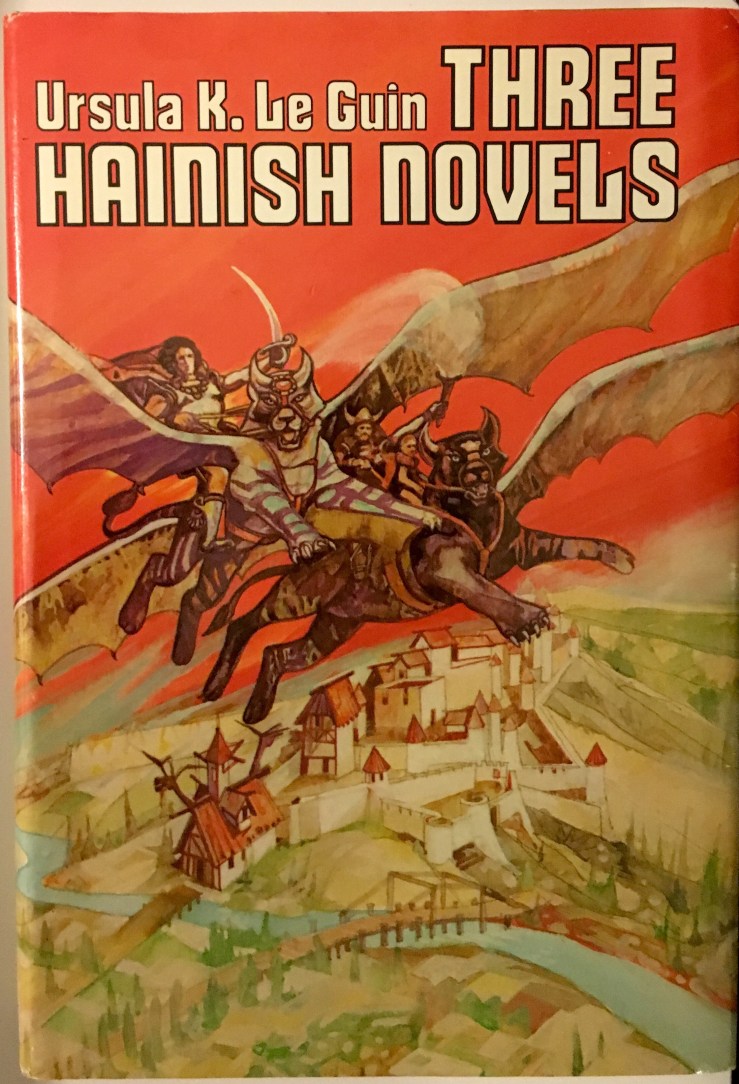
Three Hainish Novels by Ursula K. Le Guin. An omnibus collecting Rocannon’s WorldPlanet of Exile, and City of Illusions. 1967 hardcover by Nelson Doubleday. Jacket design by John Lisco; cover illustration by Jack Woolhiser. I finished City of Illusions this weekend—probably the most accomplished of her earliest (non-)trilogy, synthesizing high adventure into a philosophical exploration of truth and lie. A reread of The Left Hand of Darkness is next.img_1187

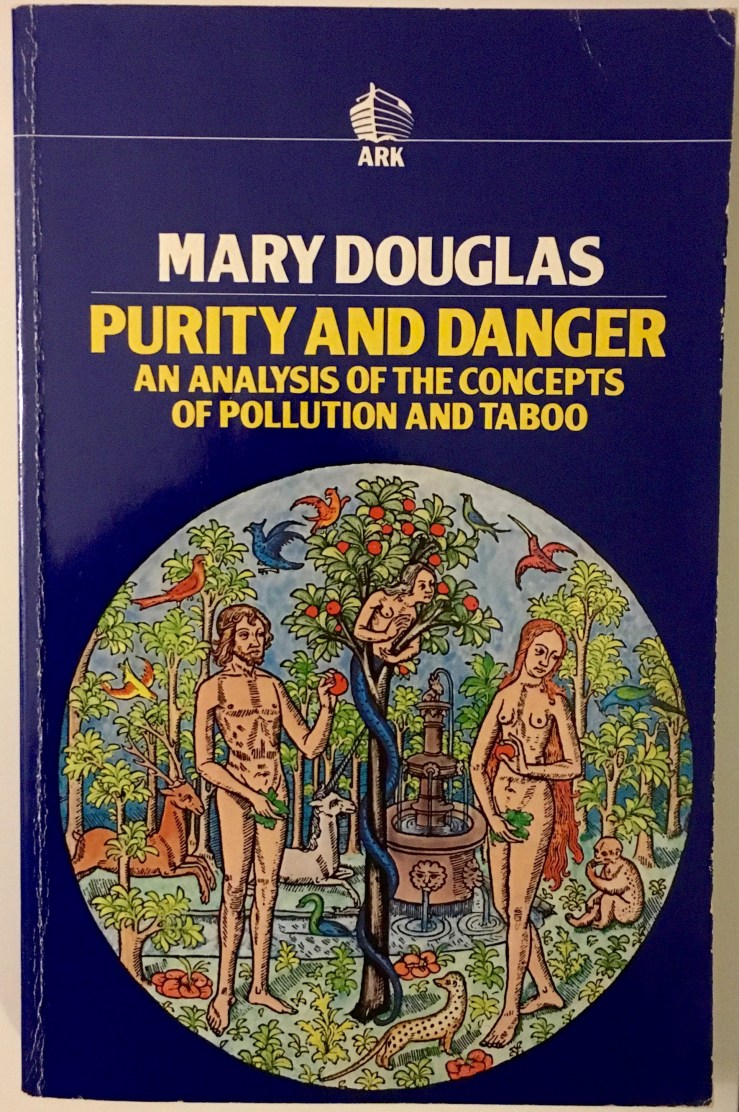
Purity and Danger by Mary Douglas. 1988 trade paperback by ARK. No designer or cover artist credited. I dug this out at some point in my big Le Guin read/re-read, and it’s been hanging around since. Can’t remember why.

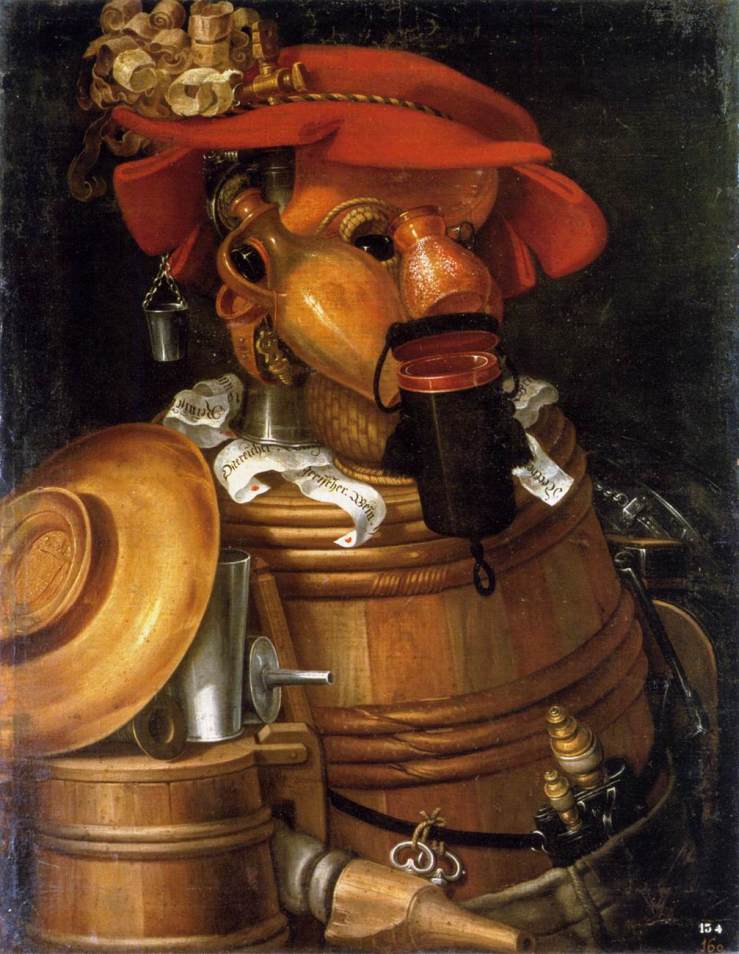
The Waiter — Giuseppe Arcimboldo

4waiter

William S. Burroughs and his friends

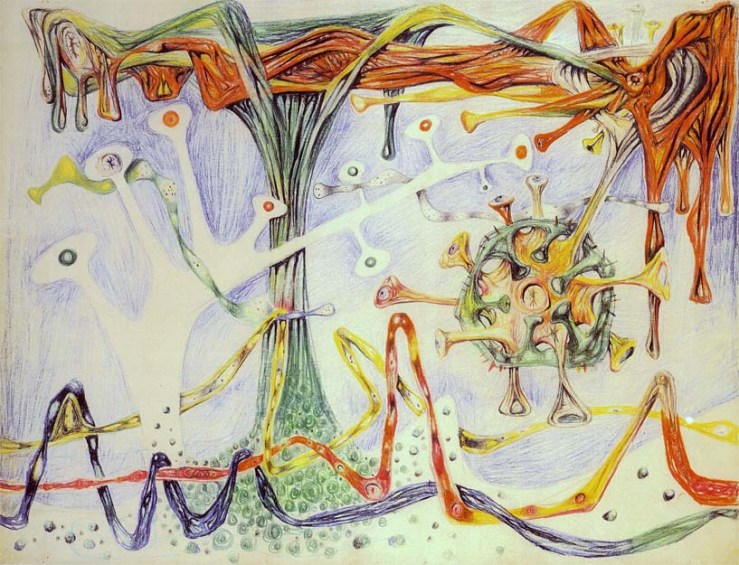
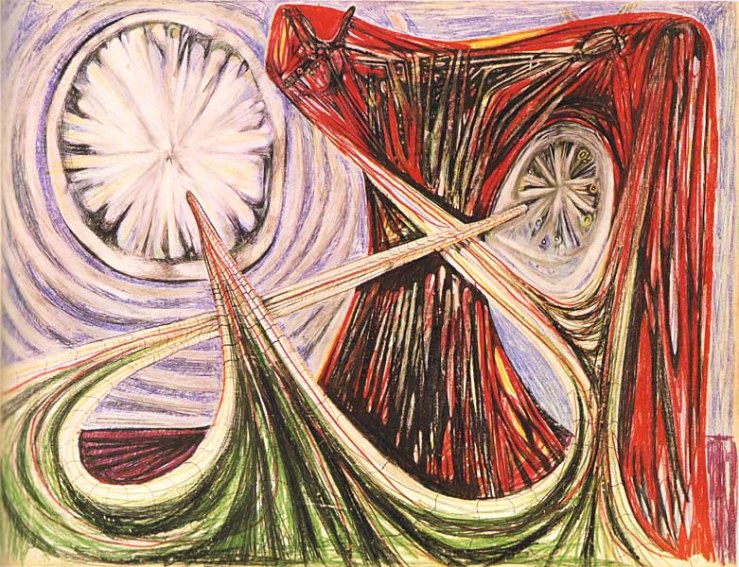
Morphology — Roberto Matta

morphology-1937

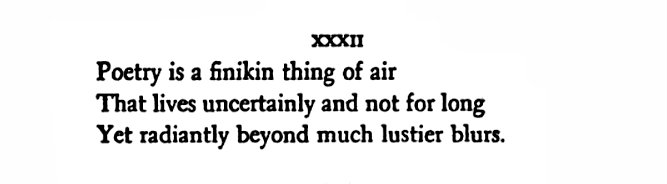
Finikin thing of air (Wallace Stevens)

finikin

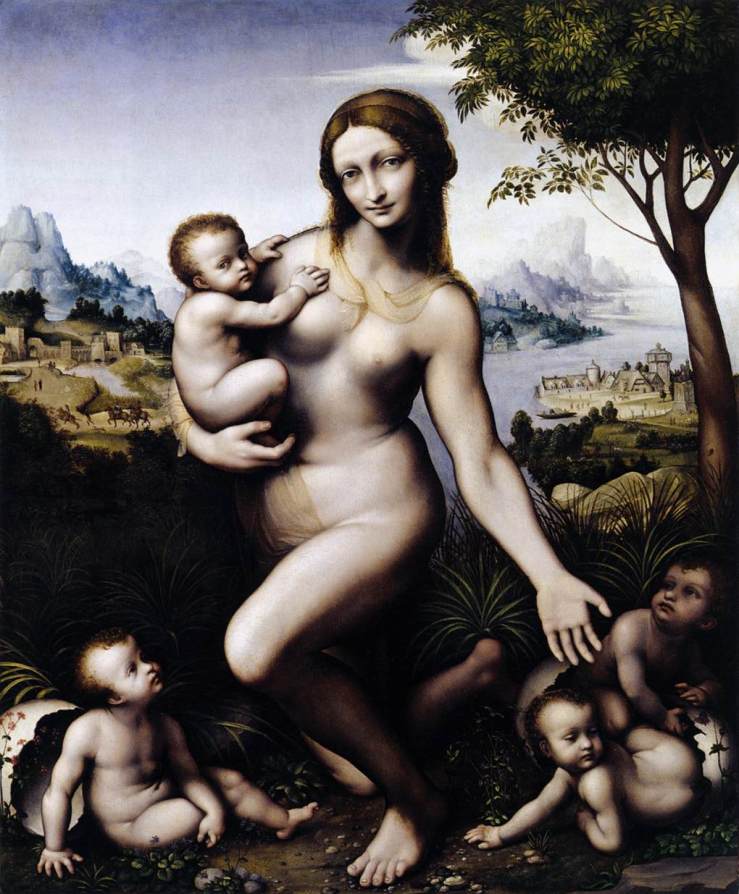
Leda and Her Children — Giampietrino

leda

I find it difficult to believe in Father Christmas (A.A. Milne)

“A Doubtful Character”

by

A.A. Milne


I find it difficult to believe in Father Christmas. If he is the jolly old gentleman he is always said to be, why doesn’t he behave as such? How is it that the presents go so often to the wrong people?

This is no personal complaint; I speak for the world. The rich people get the rich presents, and the poor people get the poor ones. That may not be the fault of Father Christmas; he may be under contract for a billion years to deliver all presents just as they are addressed; but how can he go on smiling? He must long to alter all that. There is Miss Priscilla A—— who gets five guineas worth of the best every year from Mr. Cyril B—— who hopes to be her heir. Mustn’t that make Father Christmas mad? Yet he goes down the chimney with it just the same. When his contract is over, and he has a free hand, he’ll arrange something about THAT, I’m sure. If he is the jolly old gentleman of the pictures his sense of humour must trouble him. He must be itching to have jokes with the parcels. “Only just this once,” he would plead. “Let me give Mrs. Brown the safety-razor, and Mr. Brown the night-dress case; I swear I won’t touch any of the others.” Of course that wouldn’t be a very subtle joke; but jolly old gentlemen with white beards aren’t very subtle in their humour. They lean to the broader effects—the practical joke and the pun. I can imagine Father Christmas making his annual pun on the word “reindeer,” and the eldest reindeer making a feeble attempt to smile. The younger ones wouldn’t so much as try. Yet he would make it so gaily that you would love him even if you couldn’t laugh. Continue reading “I find it difficult to believe in Father Christmas (A.A. Milne)”

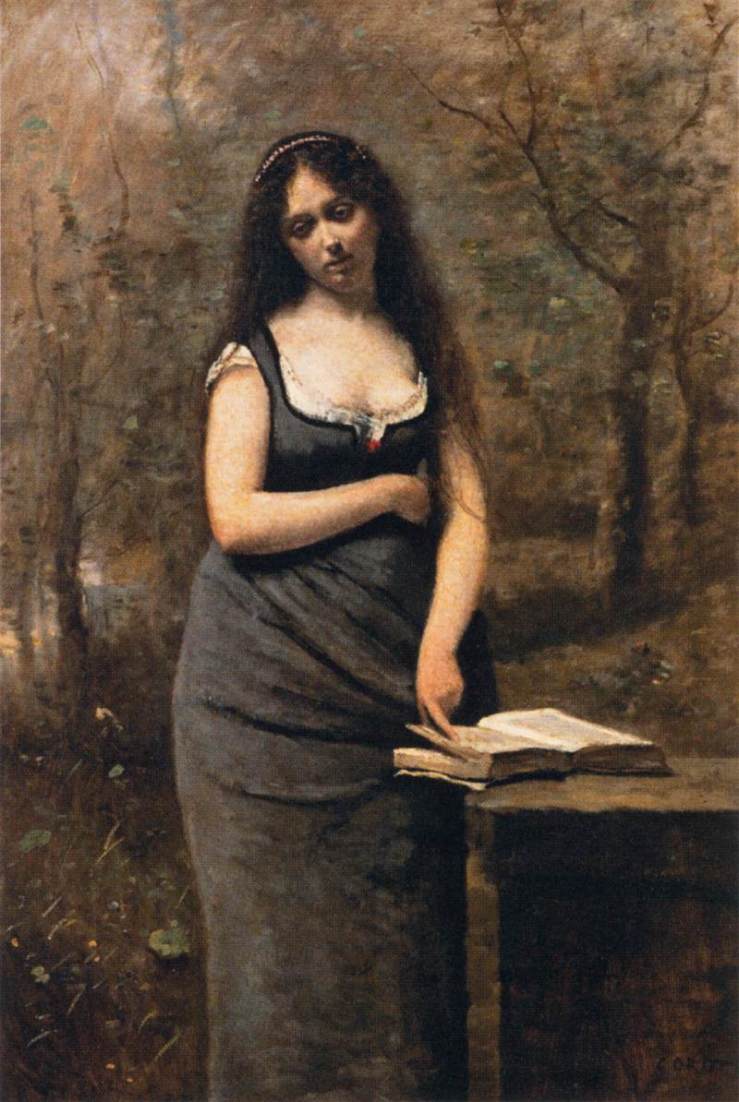
Valléda — Camille Corot

corot19

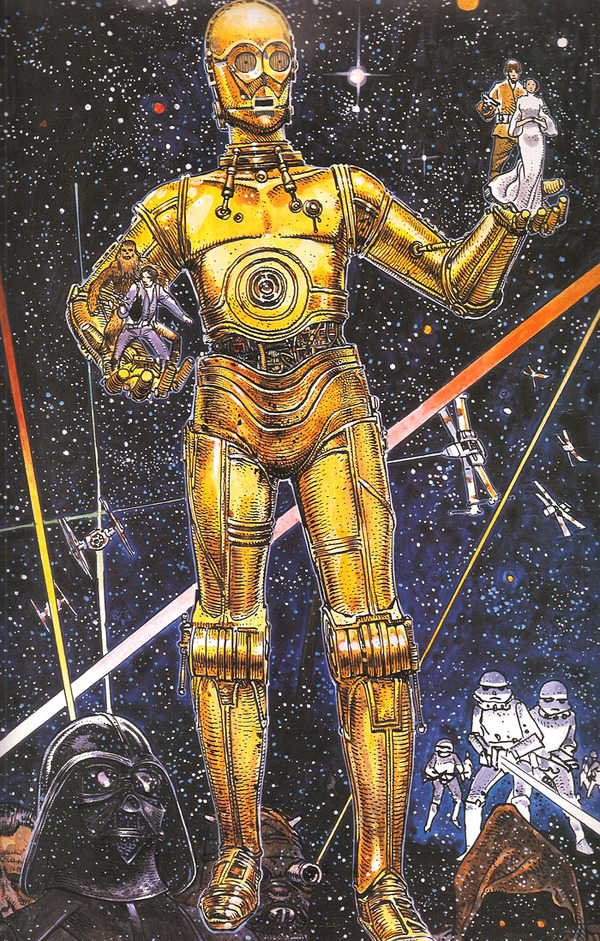
A Star Wars illustration by Moebius

(Via).

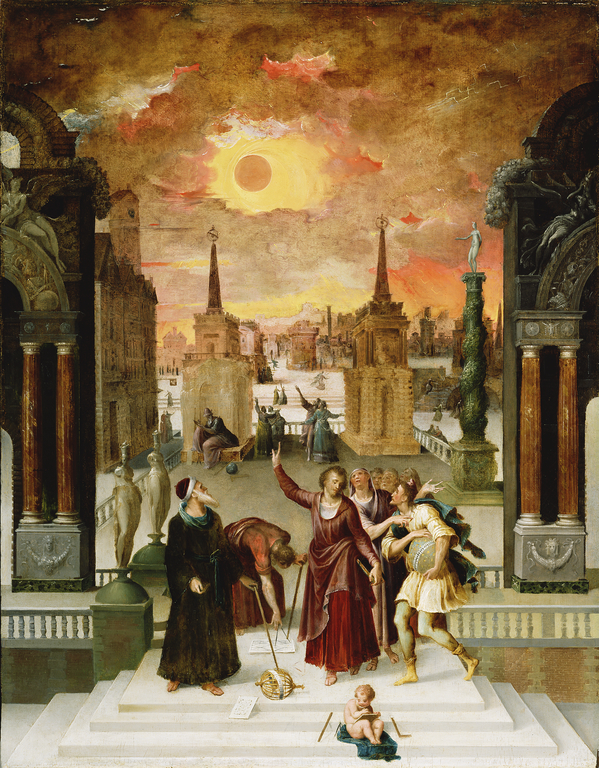
Dionysius the Areopagite Converting the Pagan Philosophers — Antoine Caron

00088001

On Christmas Eve the little pig is secretly killed (Frazer’s The Golden Bough)

 On Christmas Eve in some parts of the Esthonian island of Oesel they bake a long cake with the two ends turned up. It is called the Christmas Boar, and stands on the table till the morning of New Year’s Day, when it is distributed among the cattle. In other parts of the island the Christmas Boar is not a cake but a little pig born in March, which the housewife fattens secretly, often without the knowledge of the other members of the family. On Christmas Eve the little pig is secretly killed, then roasted in the oven, and set on the table standing on all fours, where it remains in this posture for several days. In other parts of the island, again, though the Christmas cake has neither the name nor the shape of a boar, it is kept till the New Year, when half of it is divided among all the members and all the quadrupeds of the family. The other half of the cake is kept till sowing-time comes round, when it is similarly distributed in the morning among human beings and beasts. In other parts of Esthonia, again, the Christmas Boar, as it is called, is baked of the first rye cut at harvest; it has a conical shape and a cross is impressed on it with a pig’s bone or a key, or three dints are made in it with a buckle or a piece of charcoal. It stands with a light beside it on the table all through the festal season. On New Year’s Day and Epiphany, before sunrise, a little of the cake is crumbled with salt and given to the cattle. The rest is kept till the day when the cattle are driven out to pasture for the first time in spring. It is then put in the herdsman’s bag, and at evening is divided among the cattle to guard them from magic and harm. In some places the Christmas Boar is partaken of by farm-servants and cattle at the time of the barley sowing, for the purpose of thereby producing a heavier crop.

From Sir James George Frazer’s The Golden Bough.

“All art constantly aspires towards the condition of cleanliness is next to godliness”

Forest of Paimpont — Rene Magritte

forest-of-paimpont-19631

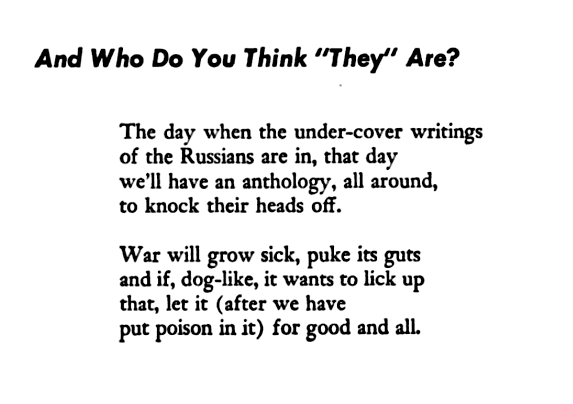
“And Who Do You Think ‘They’ Are?” — William Carlos Williams

wcw