Debris Stories (Book acquired, 12.09.2015)

IMG_1014

Kevin Hardcastle’s collection Debris Stories is new this month from Biblioasis. Their blurb:

The eleven remarkable stories in Kevin Hardcastle’s debut Debris introduce an authentic new voice. Written in a lean and muscular style and brimming with both violence and compassion, these stories unflinchingly explore the lives of those—MMA fighters, the institutionalized, small-town criminals—who exist on the fringes of society, unveiling the blood and guts and beauty of life in our flyover regions

A Woman Preparing Bread and Butter for a Boy — Pieter de Hooch

00085201

Join us at the High-Rise

“‘The Haunted Man’ by Ch_r__s D_i_ck_n_s: A Christmas Story” — Bret Harte

“‘The Haunted Man’

by Ch_r__s D_i_ck_n_s

A Christmas Story”

by

Bret Harte


PART I

THE FIRST PHANTOM

Don’t tell me that it wasn’t a knocker. I had seen it often enough, and I ought to know. So ought the three-o’clock beer, in dirty high-lows, swinging himself over the railing, or executing a demoniacal jig upon the doorstep; so ought the butcher, although butchers as a general thing are scornful of such trifles; so ought the postman, to whom knockers of the most extravagant description were merely human weaknesses, that were to be pitied and used. And so ought for the matter of that, etc., etc., etc.

But then it was such a knocker. A wild, extravagant, and utterly incomprehensible knocker. A knocker so mysterious and suspicious that policeman X 37, first coming upon it, felt inclined to take it instantly in custody, but compromised with his professional instincts by sharply and sternly noting it with an eye that admitted of no nonsense, but confidently expected to detect its secret yet. An ugly knocker; a knocker with a hard human face, that was a type of the harder human face within. A human face that held between its teeth a brazen rod. So hereafter, in the mysterious future should be held, etc., etc. Continue reading ““‘The Haunted Man’ by Ch_r__s D_i_ck_n_s: A Christmas Story” — Bret Harte”

A Young Scholar and His Tutor — Rembrandt

00086201.jpg

The tyrant ties tongues in knots (William H. Gass)

The tyrant ties tongues in knots. Speech is so easy it takes more than snow to slow its course. The tyrant must frighten people from their freedom; beat the soles of their feet till they mince their step in time to his goose-wide stride. Stagger after me; the best is yet to be. The tyrant can make men line up as though they were made of tin or lead to tip over for this week’s war, because pain is a great big persuader, and their lead-headed patriotism is petty and made of hatred; because, after all, though a war may topple their obedient rows, the tyrant can, in any case, melt them down, these tin-lead men, mold them anew, and paint their britches pretty. He can encourage kids to tattle on their folks; he can set friend against friend, family against family; for the fear of punishment and the promise of reward do for men what they do for the donkey. Be fruitful, multiply, the tyrant says benignly. I must have a larger army.

From William H. Gass’s essay “What Freedom of Expression Means, Especially in Times Like These.” Collected in Life Sentences.

Australia is without Doubt the Habitat of the Giant Strawberry — Adolf Wölfli

big_A9243-54.jpg

Three Books

IMG_1041

Masquerade and Other Stories by Robert Walser. English translation by Susan Bernofsky. 1990 trade paperback published by The Johns Hopkins UP. Cover design and lettering by Ann Walston. The illustration is a detail from Adolf Wölfli’s 1917 Arnica Flower. This was the first Walser I read.IMG_1042 IMG_1043

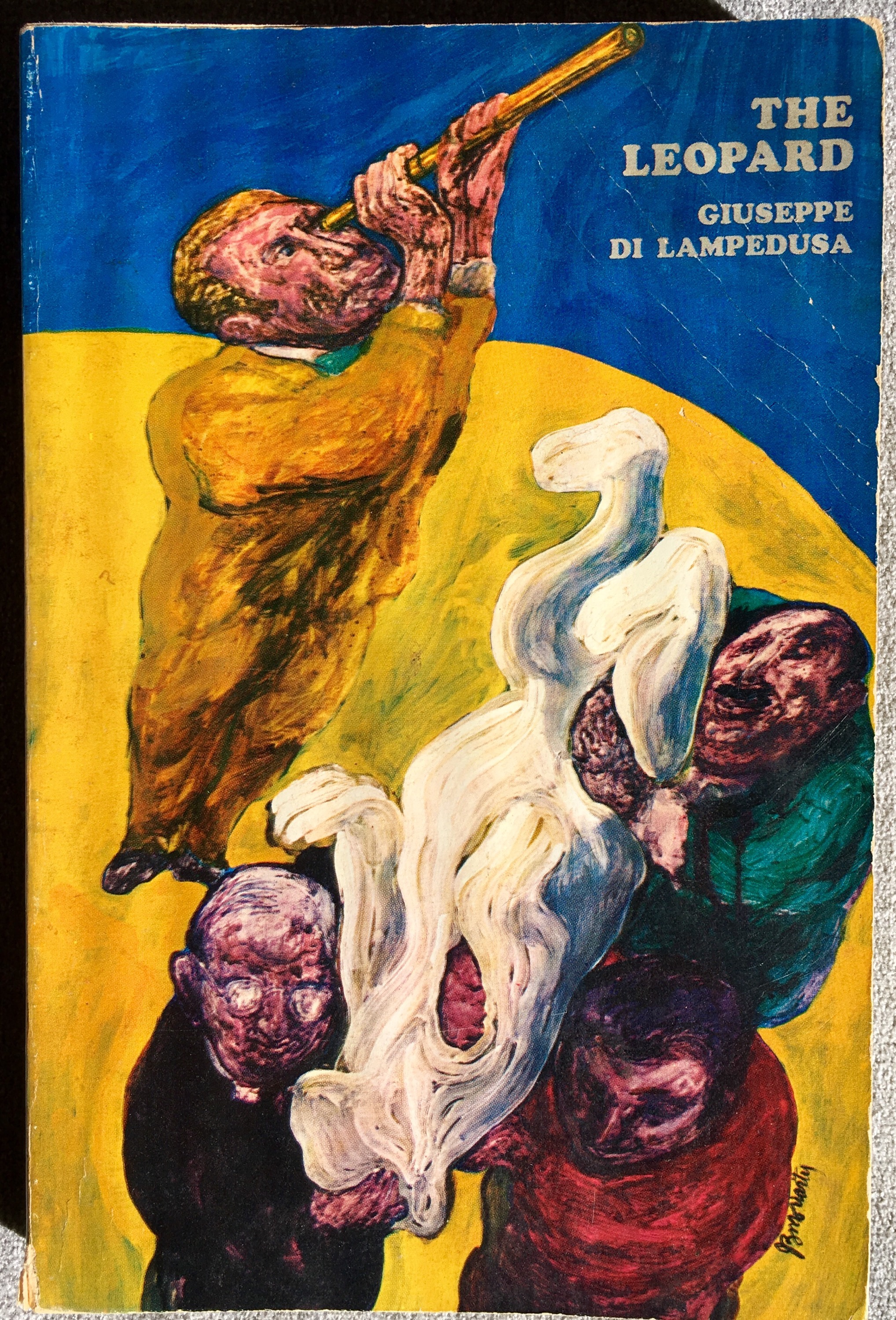
The Leopard by Giuseppe di Lampedusa. English translation by Archibald Colqhoun. A 1966 trade paperback from Time Life Books. Cover design by Jerome Moriarty. I’m not sure why, but I just love the design of this book—I love that there’s no blurb on the back too.IMG_1017

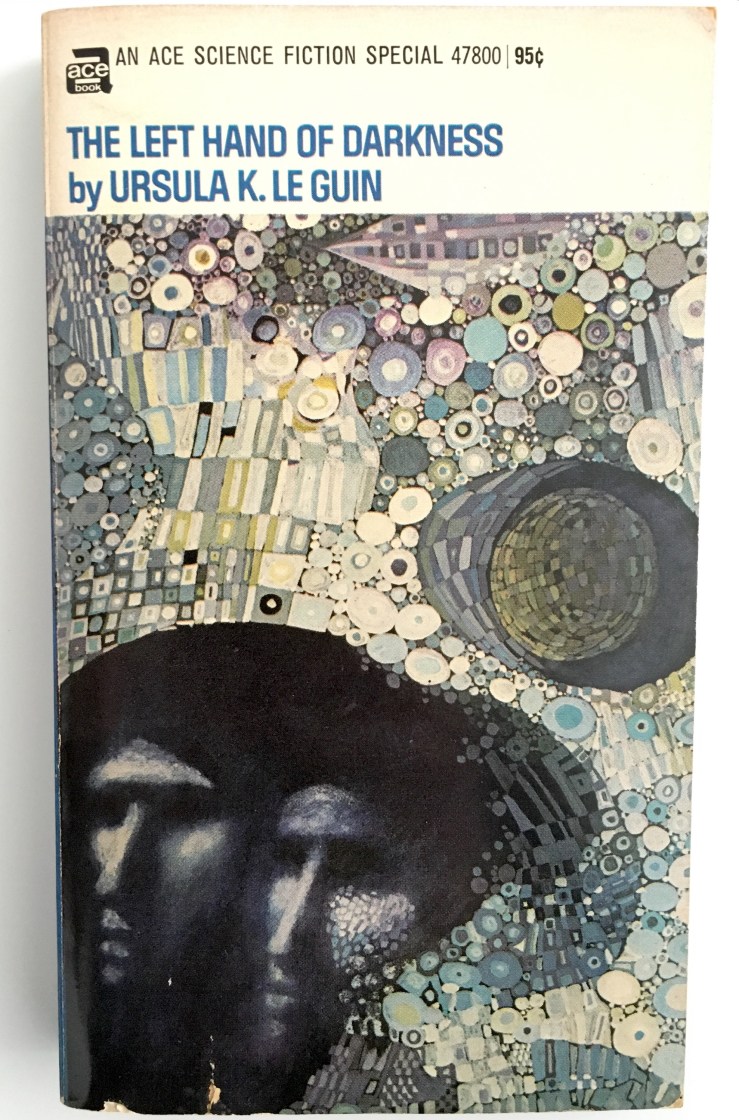
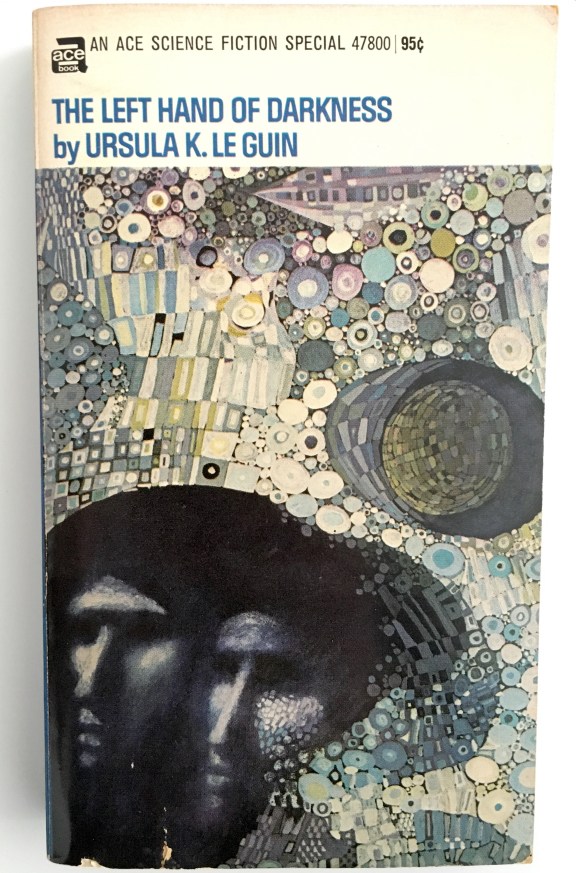
The Left Hand of Darkness by Ursula K. Le Guin. First printing of an Ace Books mass market paperback. No designer is credited, but the cover art, reminiscent of Gustav Klimt, is by Leo and Diane Dillon.

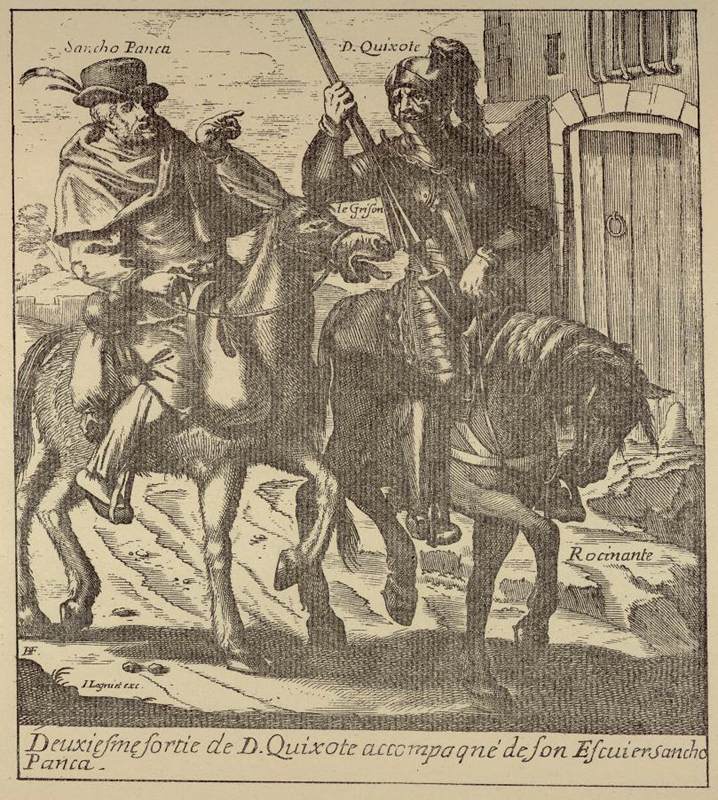
Don Quixote and Sancho Panza — Jacques Lagniet

donquixo

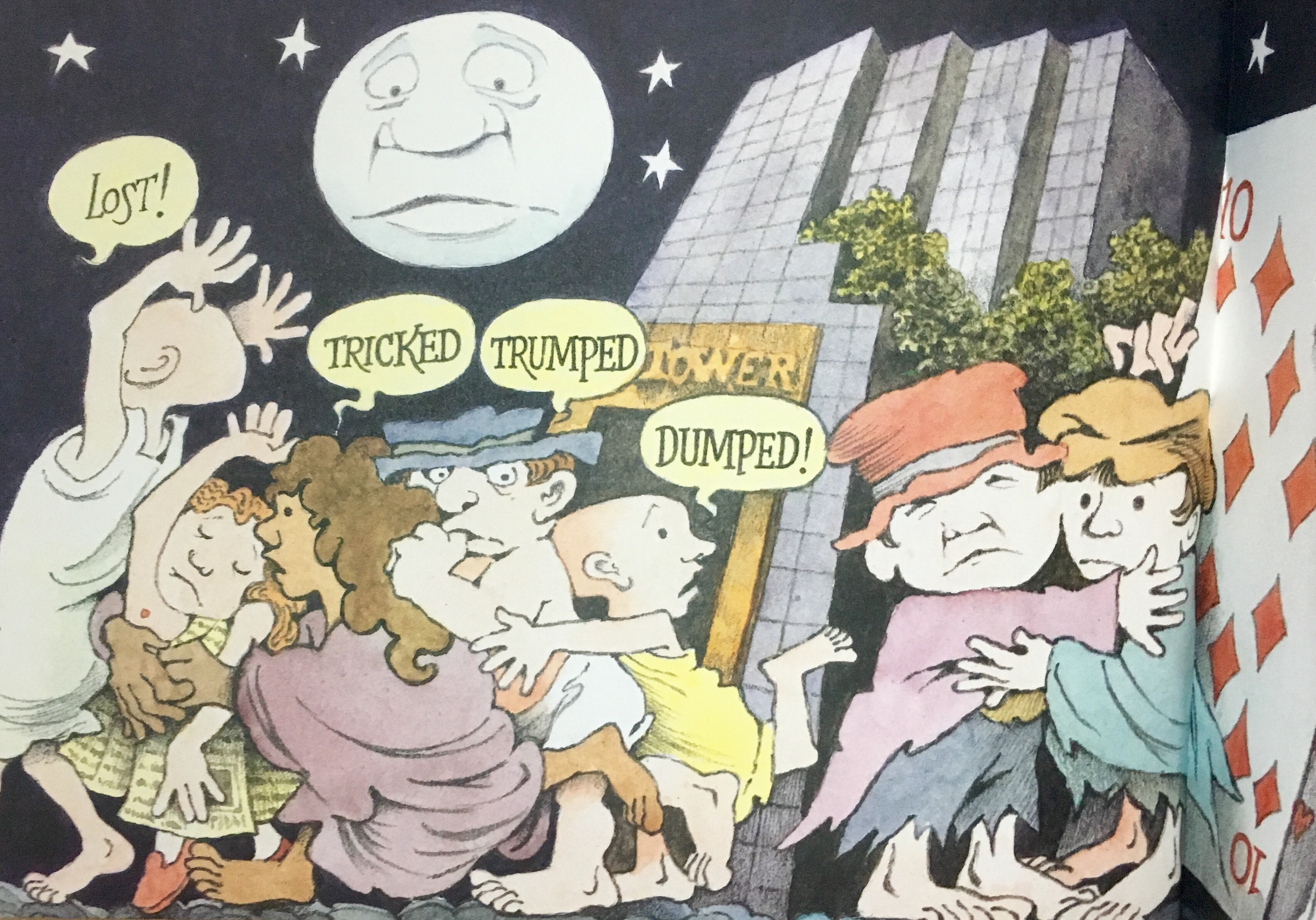
Lost! Tricked / Trumped / Dumped! (Maurice Sendak)

IMG_1038

From Maurice Sendak’s We Are All Down in the Dumps with Jack and Guy, which seems to me a more important book than ever.

A Hare in the Forest — Hans Hoffmann

14042501.jpg

Entries under “G” from Captain Grose’s Dictionary of the Vulgar Tongue (1811)

The following definitions are from the “G” section of Captain Grose’s Dictionary of the Vulgar Tongue (1811).

GAB, or GOB. The mouth. Gift of the gab; a facility of speech, nimble tongued eloquence. To blow the gab; to confess, or peach.

GAB, or GOB, STRING. A bridle.

GABBY. A foolish fellow.

GAD-SO. An exclamation said to be derived from the
Italian word cazzo.

GAFF. A fair. The drop coves maced the joskins at the
gaff; the ring-droppers cheated the countryman at the fair.

TO GAFF. To game by tossing up halfpence.

GAG. An instrument used chiefly by housebreakers and thieves, for propping open the mouth of a person robbed, thereby to prevent his calling out for assistance.

GAGE. A quart pot, or a pint; also a pipe. CANT.

GAGE, or FOGUS. A pipe of tobacco.

GAGGERS. High and Low. Cheats, who by sham pretences, and wonderful stories of their sufferings, impose on the credulity of well meaning people. See RUM GAGGER.

GALIMAUFREY. A hodgepodge made up of the remnants
and scraps of the larder.

GALL. His gall is not yet broken; a saying used in prisons
of a man just brought in, who appears dejected.

GALLEY. Building the galley; a game formerly used at sea, in order to put a trick upon a landsman, or fresh-water sailor. It being agreed to play at that game, one sailor personates the builder, and another the merchant or contractor: the builder first begins by laying the keel, which consists of a number of men laid all along on their backs, one after another, that is, head to foot; he next puts in the ribs or knees, by making a number of men sit feet to feet, at right angles to, and on each side of, the keel: he now fixing on the person intended to be the object of the joke, observes he is a fierce-looking fellow, and fit for the lion; he accordingly places him at the head, his arms being held or locked in by the two persons next to him, representing the ribs. After several other dispositions, the builder delivers over the galley to the contractor as complete: but he, among other faults and objections, observes the lion is not gilt, on which the builder or one of his assistants, runs to the head, and dipping a mop in the excrement, thrusts it into the face of the lion.

GALLEY FOIST. A city barge, used formerly on the lord
mayor’s day, when he was sworn in at Westminster.

GALLIED. Hurried, vexed, over-fatigued, perhaps like a
galley slave.

GALLIGASKINS. Breeches. Continue reading “Entries under “G” from Captain Grose’s Dictionary of the Vulgar Tongue (1811)”

Lucia Berlin/Ursula K. Le Guin (Books acquired, 12.11.2015)

IMG_1016

Went to the bookstore this afternoon to pick up the much-acclaimed collection of stories by Lucia Berlin, A Manual for Cleaning Women (typing out the title, I suddenly hear its ambiguities). My trusty local used bookshop didn’t have a copy, but they did have Homesick, and I love Black Sparrow editions, so hey, cool.

IMG_1017

I’ve been tearing through Ursula K. Le Guin’s Hainish novels lately after picking up Rocannon’s World at sorta-random. I’m in the middle of City of Illusion right now, having finished (a third read of) The Dispossessed (fantastic), The Word for World Is Forest (a bit too on-the-nose critique of the Vietnam War; also, James Cameron should send Le Guin some Avatar bucks), and Planet of Exile, which was great. (And oh: George R.R. Martin should send Le Guin some Game of Thrones bucks for that one: Planet of Exile has barbarian invaders from the north, seasons that last for decades, a constant fear that “winter is coming,” and its own white walkers (snow ghouls)).

So well and anyway: I already have a copy of The Left Hand of Darkness, which is the next title in the sequence in which I’m reading the Hainish books. My pilfered copy isfrom years back, and I’ve read it a few times—but I just couldn’t pass up this first edition copy with its lovely Klimtesque cover art by Leo and Diane Dillon.

The Flagellants — Pieter van Laer

flagella

One of the better autobiographical notes I’ve ever read

1563_001

One of the better autobiographical notes I’ve read. This comes from The Norton Anthology of American Literature, Vol. E (8th ed.); my copy of Yellow Back Radio Broke-Down unfortunately doesn’t actually include this note.

The Destruction of the Temple — Samuel Colman

T01980_10.jpg