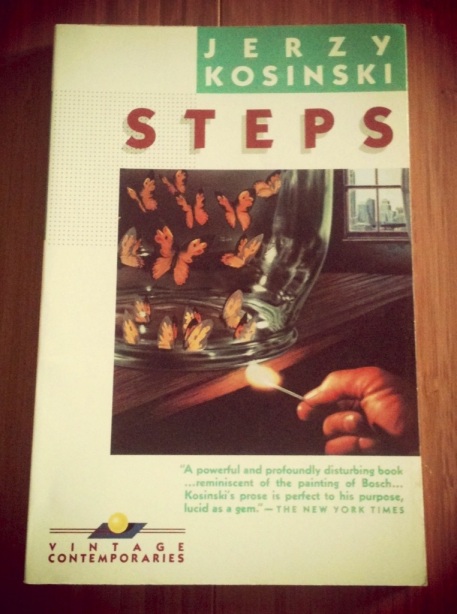
One of the many small vignettes that comprise Jerzy Kosinski’s 1968 book Steps begins with the narrator going to a zoo to see an octopus that is slowly killing itself by consuming its own tentacles. The piece ends with the same narrator discovering that a woman he’s picked up off the street is actually a man. In between, he experiences sexual frustration with a rich married woman. The piece is less than three pages long.
There’s force and vitality and horror in Steps, all compressed into lucid, compact little scenes. In terms of plot, some scenes connect to others, while most don’t. The book is unified by its themes of repression and alienation, its economy of rhythm, and, most especially, the consistent tone of its narrator. In the end, it doesn’t matter if it’s the same man relating all of these strange experiences because the way he relates them links them and enlarges them. At a remove, Steps is probably about a Polish man’s difficulties under the harsh Soviet regime at home played against his experiences as a new immigrant to the United States and its bizarre codes of capitalism. But this summary is pale against the sinister light of Kosinski’s prose. Consider the vignette at the top of the review, which begins with an autophagous octopus and ends with a transvestite. In the world of Steps, these are not wacky or even grotesque details, trotted out for ironic bemusement; no, they’re grim bits of sadness and horror. At the outset of another vignette, a man is pinned down while his girlfriend is gang-raped. In time he begins to resent her, and then to treat her as an object–literally–forcing other objects upon her. The vignette ends at a drunken party with the girlfriend carried away by a half dozen party guests who will likely ravage her. The narrator simply leaves. Another scene illuminates the mind of an architect who designed concentration camps. “Rats have to be removed,” one speaker says to another. “Rats aren’t murdered–we get rid of them; or, to use a better word, they are eliminated; this act of elimination is empty of all meaning. There’s no ritual in it, no symbolism. That’s why in the concentration camps my friend designed, the victim never remained individuals; they became as identical as rats. They existed only to be killed.” In another vignette, a man discovers a woman locked in a metal cage inside a barn. He alerts the authorities, but only after a sinister thought — “It occurred to me that we were alone in the barn and that she was totally defenseless. . . . I thought there was something very tempting in this situation, where one could become completely oneself with another human being.” But the woman in the cage is insane; she can’t acknowledge the absolute identification that the narrator desires. These scenes of violence, control, power, and alienation repeat throughout Steps, all underpinned by the narrator’s extreme wish to connect and communicate with another. Even when he’s asphyxiating butterflies or throwing bottles at an old man, he wishes for some attainment of beauty, some conjunction of human understanding–even if its coded in fear and pain.
In his New York Times review of Steps, Hugh Kenner rightly compared it to Céline and Kafka. It’s not just the isolation and anxiety, but also the concrete prose, the lucidity of narrative, the cohesion of what should be utterly surreal into grim reality. And there’s the humor too–shocking at times, usually mean, proof of humanity, but also at the expense of humanity. David Foster Wallace also compared Steps to Kafka in his semi-famous write-up for Salon, “Five direly underappreciated U.S. novels > 1960.” Here’s Wallace: “Steps gets called a novel but it is really a collection of unbelievably creepy little allegorical tableaux done in a terse elegant voice that’s like nothing else anywhere ever. Only Kafka’s fragments get anywhere close to where Kosinski goes in this book, which is better than everything else he ever did combined.” Where Kosinski goes in this book, of course, is not for everyone. There’s no obvious moral or aesthetic instruction here; no conventional plot; no character arcs to behold–not even character names, for that matter. Even the rewards of Steps are likely to be couched in what we generally regard as negative language: the book is disturbing, upsetting, shocking. But isn’t that why we read? To be moved, to have our patterns disrupted–fried even? Steps goes to places that many will not wish to venture, but that’s their loss. Very highly recommended.

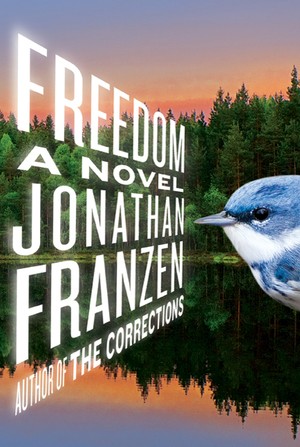 So, Jonathan Franzen’s Freedom is out today. The follow-up to 2001’s The Corrections was already in a second printing before its release today, pretty much pointing to the book being “the literary event” of 2010 (whatever that means). I haven’t read Freedom yet so I don’t have an opinion about it–but it’s hard to not have an opinion about the opinions about Freedom, at least if you follow literary-type news. The
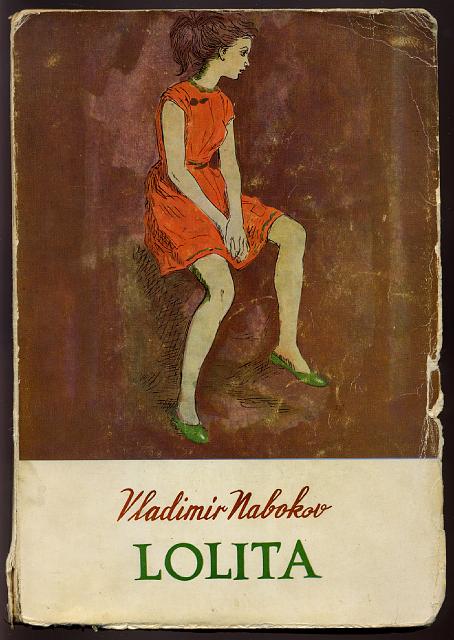
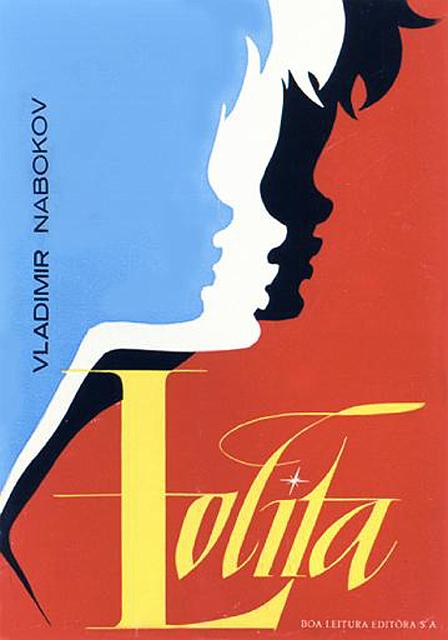 1962, Brazil.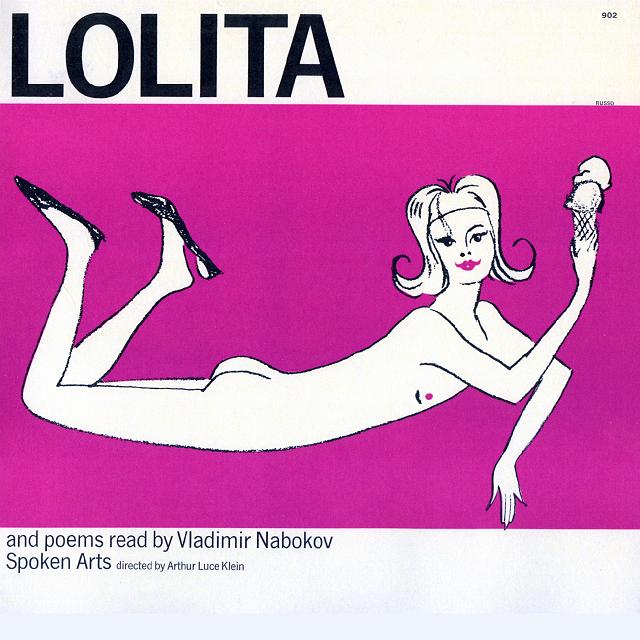

 The Vanishing of Katharina Linden, Helen Grant’s debut novel, negotiates the razor’s edge between childhood’s rich fantasy world and the grim reality of adult life. When young girls start disappearing in her small German village, eleven year old protagonist Pia sets out to investigate, armed with her powers of imagination–an imagination fueled by the Grimmish tales spun by her elderly friend Herr Schiller for the pleasure of Pia and her only friend, StinkStefan. Like poor Stefan, Pia is ostracized by the town after her grandmother spontaneously combusts on Christmas. She takes to playing detective, but as she investigates the girls’ disappearances, the illusions of her fantasy life cannot protect her. As the story builds to its sinister climax, it reminds us that most of the folktales we grew up with are far darker than we tend to remember.