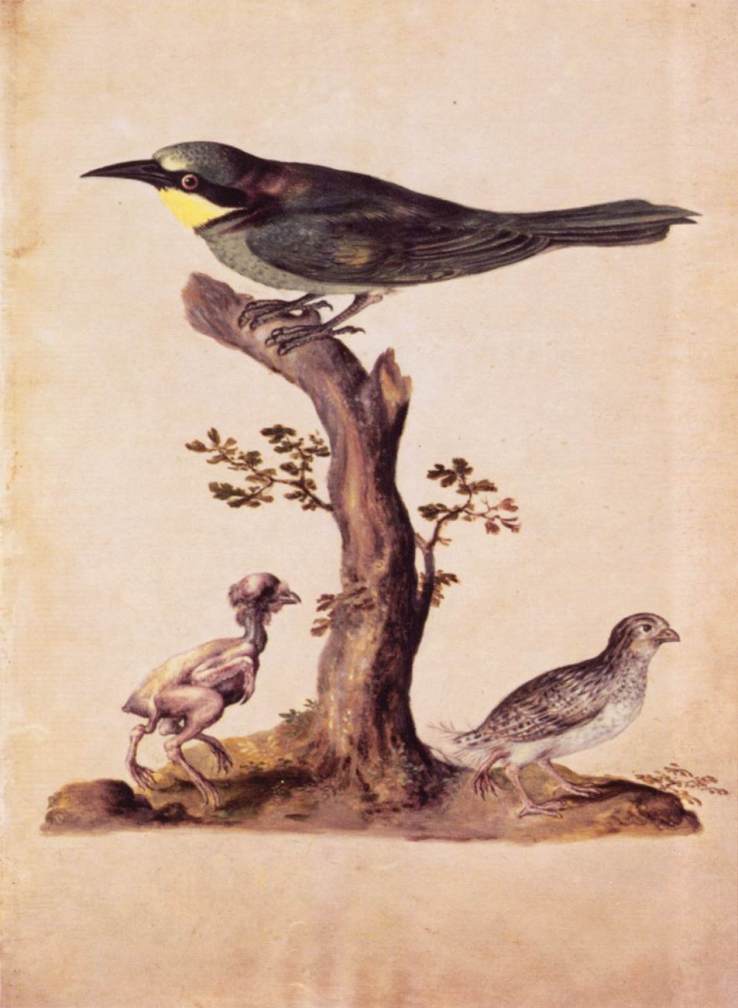
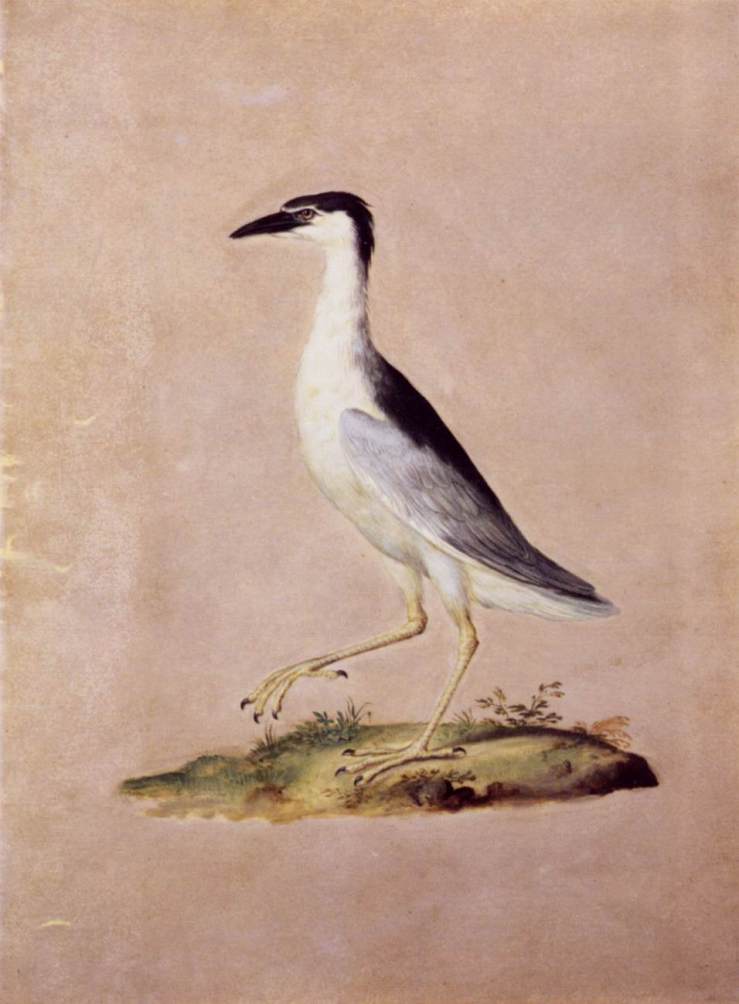
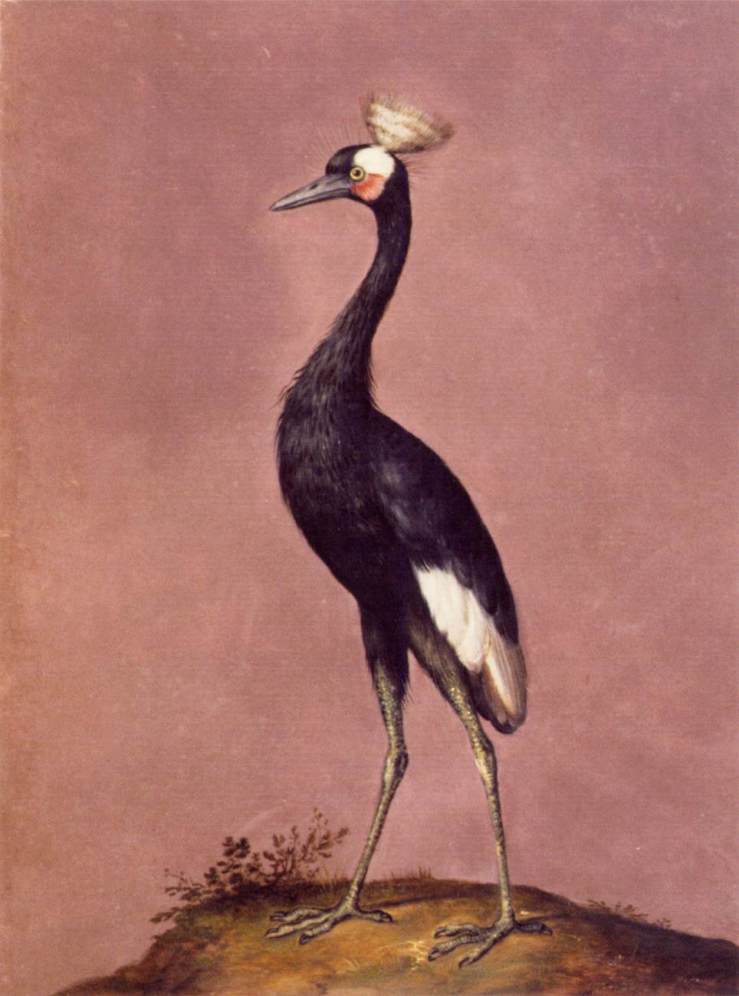
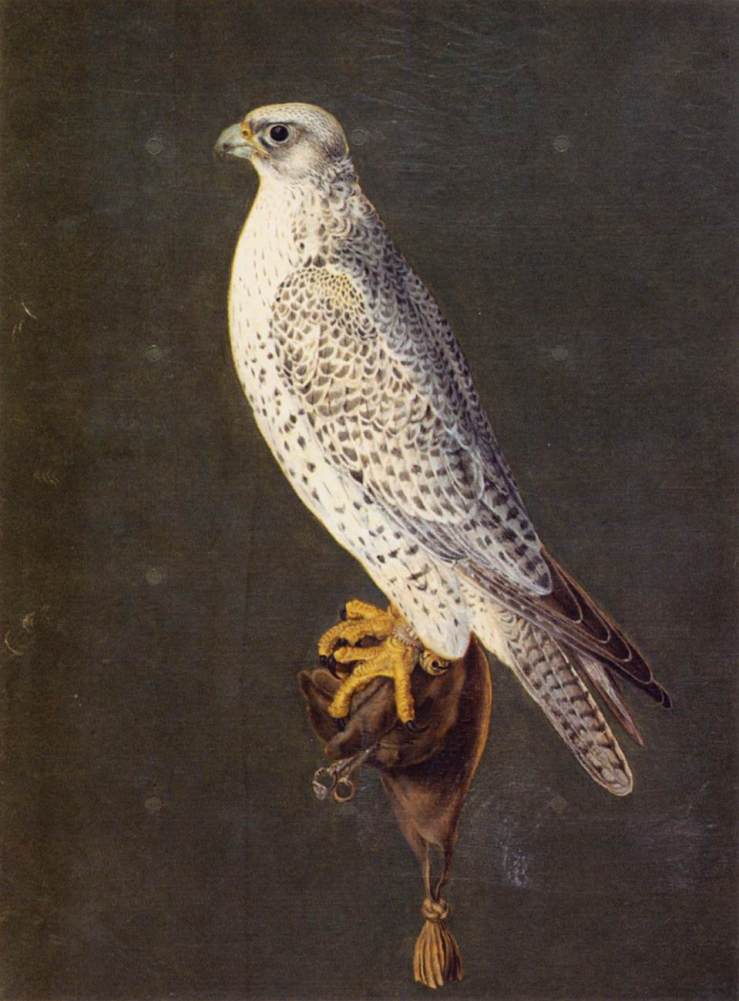
The King Drinks — Jacob Jordaens

beankin

Distress Call — Kit Williams

distress-call-1979

There are a number of difficulties with dirty words, the first of which is that there aren’t nearly enough of them (William H. Gass)

There are a number of difficulties with dirty words, the first of which is that there aren’t nearly enough of them; the second is that the people who use them are normally numskulls and prudes; the third is that in general they’re not at all sexy, and the main reason for this is that no one loves them enough. Contrary to those romantic myths which glorify the speech of mountain men and working people, Irish elves and Phoenician sailors, the words which in our language are worst off are the ones which the worst-off use. Poverty and isolation produce impoverished and isolated minds, small vocabularies, a real but fickle passion for slang, most of which is like the stuff which Woolworths sells for ashtrays, words swung at random, wildly, as though one were clubbing rats, or words misused in an honest but hopeless attempt to make do, like attacking tins with toothpicks; there is a dominance of cliché and verbal stereotype, an abundance of expletives and stammer words: you know, man, like wow! neat, fabulous, far-out, sensaysh. I am firmly of the opinion that people who can’t speak have nothing to say. It’s one more thing we do to the poor, the deprived: cut out their tongues . . . allow them a language as lousy as their lives.

Thin in content, few in number, constantly abused: what chance do the unspeakables have? Change is resisted fiercely, additions are denied. I have introduced ‘squeer,’ ‘crott,’ ‘kotswinkling,’ and ‘papdapper,’ with no success. Sometimes obvious substitutes, like ‘socksucker,’ catch on, but not for long. What we need, of course, is a language which will allow us to distinguish the normal or routine fuck from the glorious, the rare, or the lousy one—a fack from a fick, a fick from a fock—but we have more names for parts of horses than we have for kinds of kisses, and our earthy words are all . . . well . . . ‘dirty.’ It says something dirty about us, no doubt, because in a society which had a mind for the body and other similarly vital things, there would be a word for coming down, or going up, words for nibbles on the bias, earlobe loving, and every variety of tongue track. After all, how many kinds of birds do we distinguish?

We have a name for the Second Coming but none for a second coming. In fact our entire vocabulary for states of consciousness is critically impoverished.

From William H. Gass’s On Being Blue.
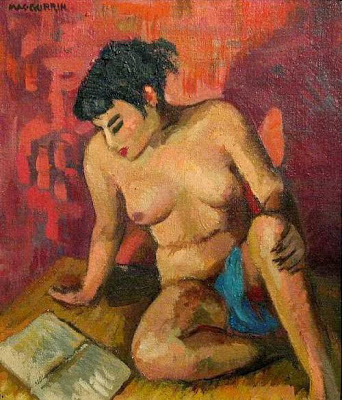
Amanda Reading — Buckley MacGurrin

macgurrin-buckley-amanda-reading

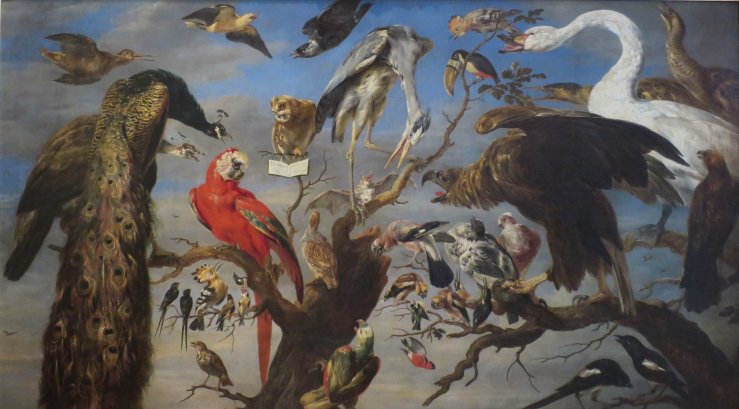
Concert of Birds — Frans Snyders

frans_snyders_-_concert_of_birds_-_wga21527

Spelling (Glen Baxter)

tumblr_o04n2sl5wz1r5zbdgo1_500

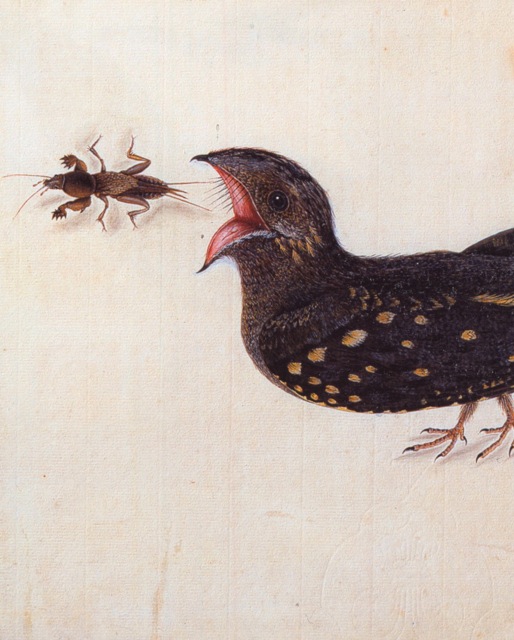
Nightjar and Mole Cricket (Detail) — Mark Catesby

catesby4

The Silver Age — Lucas Cranach the Elder

the-silver-age

“1 = 1,” new fiction from Anne Carson

She visits others. Before they’re up, dawn, she walks to the lake, listening to Bach, the first clavichord exercise, which she plans to have played at her funeral someday, has had this plan since she first heard the music and, thinking of it, she weeps lightly. The lake is whipped by wind and tides (big lake) doing what tides do, she never knows in or out. There is a man standing on shore and a big dog swimming back to him with stick in mouth. This repeats. The dog does not tire. She peels a swim cap onto her head, goggles, enters the water, which is cold but not shocking. Swims. High waves in one direction. The dog is gone. Now she is alone. There is a pressure to swim well and to use this water correctly. People think swimming is carefree and effortless. A bath! In fact, it is full of anxieties. Every water has its own rules and offering. Misuse is hard to explain. Perhaps involved is that commonplace struggle to know beauty, to know beauty exactly, to put oneself right in its path, to be in the perfect place to hear the nightingale sing, see the groom kiss the bride, clock the comet. Every water has a right place to be, but that place is in motion. You have to keep finding it, keep having it find you. Your movement sinks into and out of it with each stroke. You can fail it with each stroke. What does that mean, fail it.

Read the rest of Anne Carson’s short story “1 = 1” at The New Yorker.

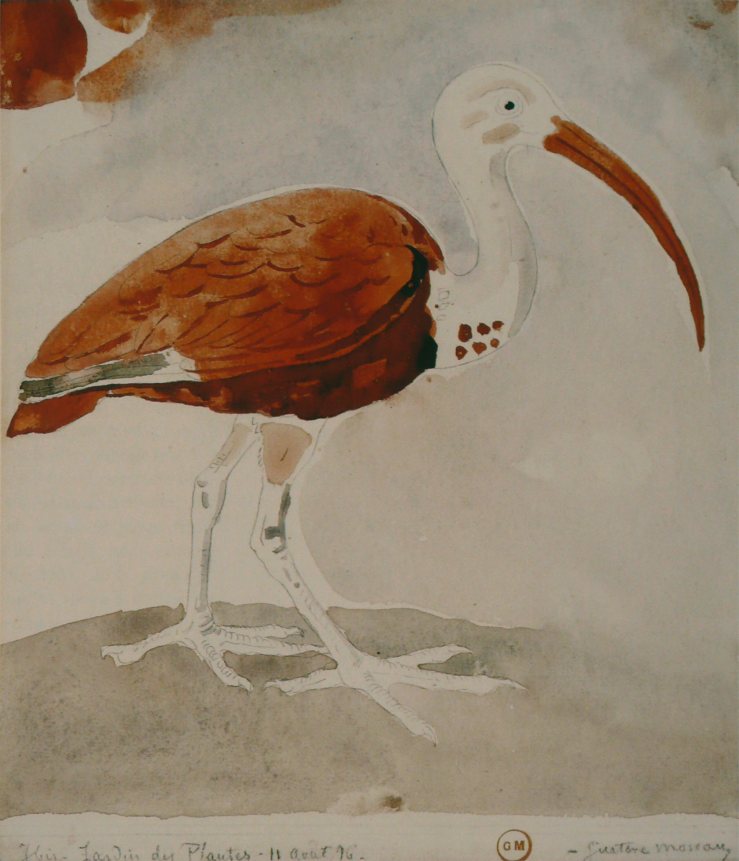
Ibis — Gustave Moreau

ibis-1876

Soft as it began— (Langston Hughes)

Screenshot 2016-01-03 at 8

Building the Devil’s Bridge — Karl Blechen

05devil

Three Books

img_1271

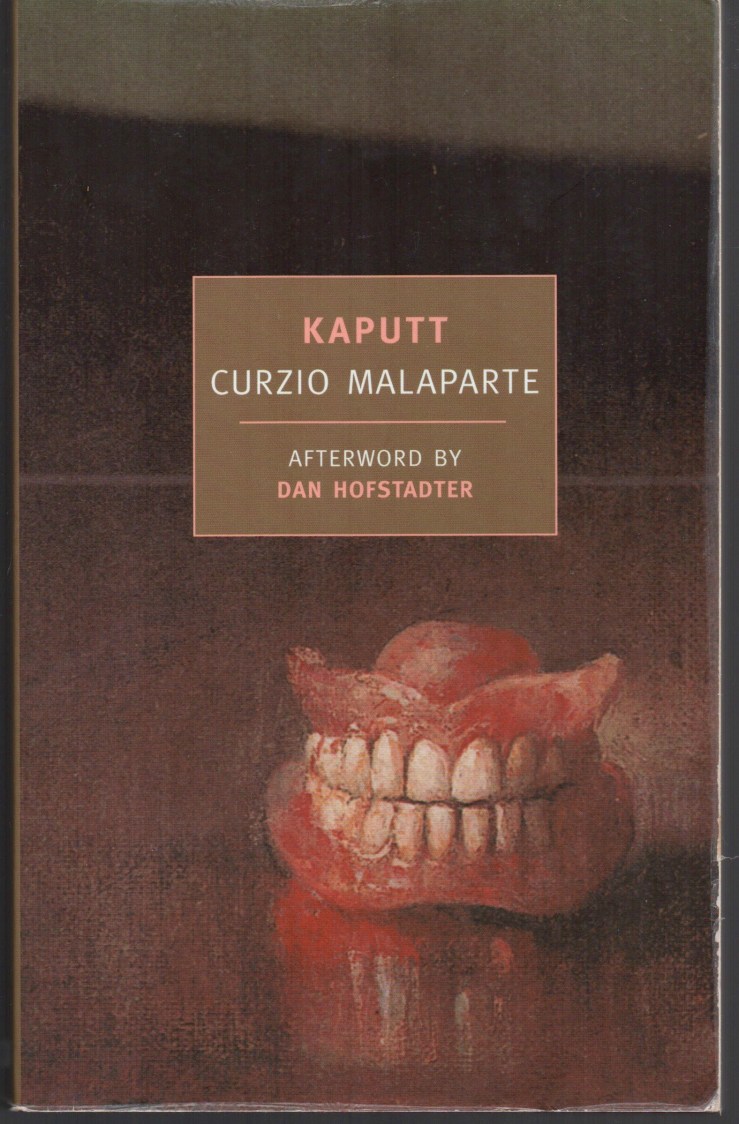
Kaputt by Curzio Malaparte. English translation by Cesare Foligno. 2005 trade paperback by NYRB. Cover painting is Odd Nerdrum’s The Dentures; cover design by Katy Homans. Bought this a while ago and have been meaning to take a serious crack at it for some time now.
img_1273

1982 Janine by Alasdair Gray. 1985 trade paperback by Penguin. No designer credited, but I’d bet money Gray did the cover illustration himself. Picked this up after loving the hell out of Lanark, but I keep getting pulled away from it: another one to try in 2016.img_1272

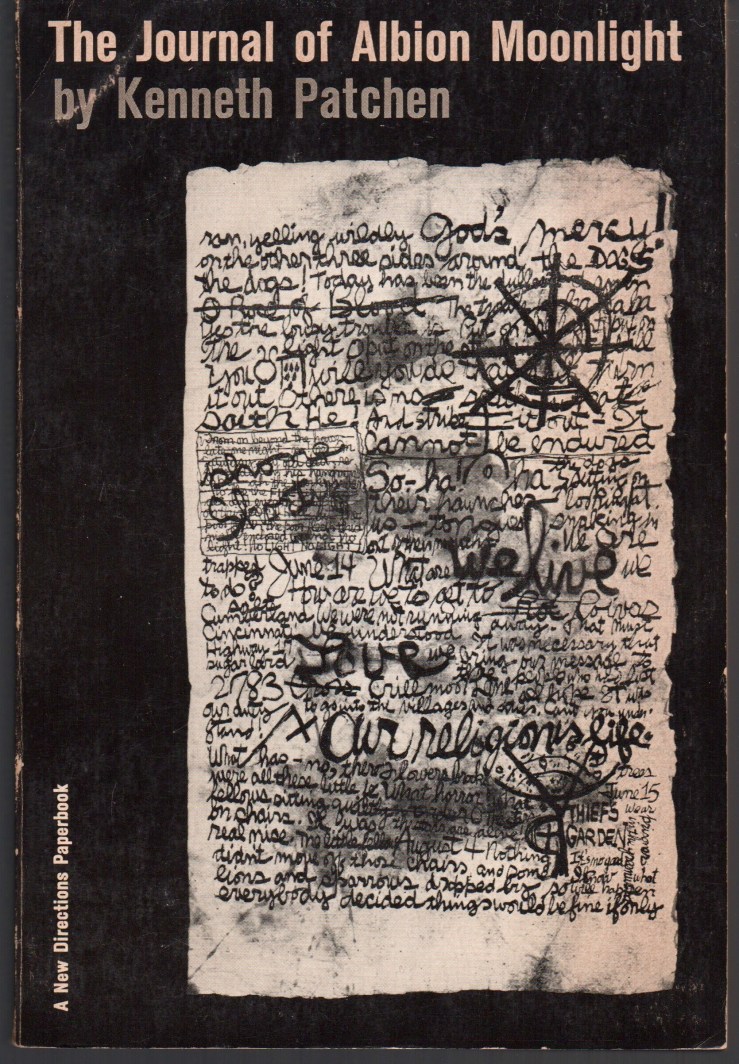
The Journal of Albion Moonlight by Kenneth Patchen. Trade paperback by New Directions (no year given, but “Fifth Printing” noted). Cover art is a photo of Patchen’s manuscript for the volume; no photographer or designer is credited. Shelved next to the Gray; will attempt again this year.

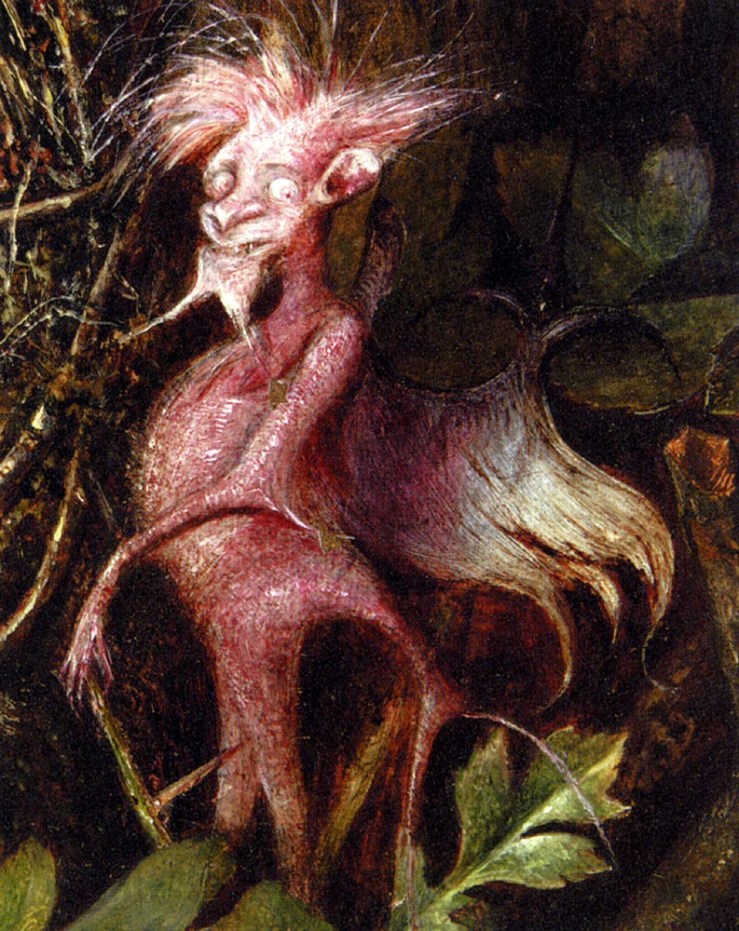
Fairies in a Bird’s Nest (Detail) — John Anster Fitzgerald

fairies_in_a_birds_nest_(detail_4)-large

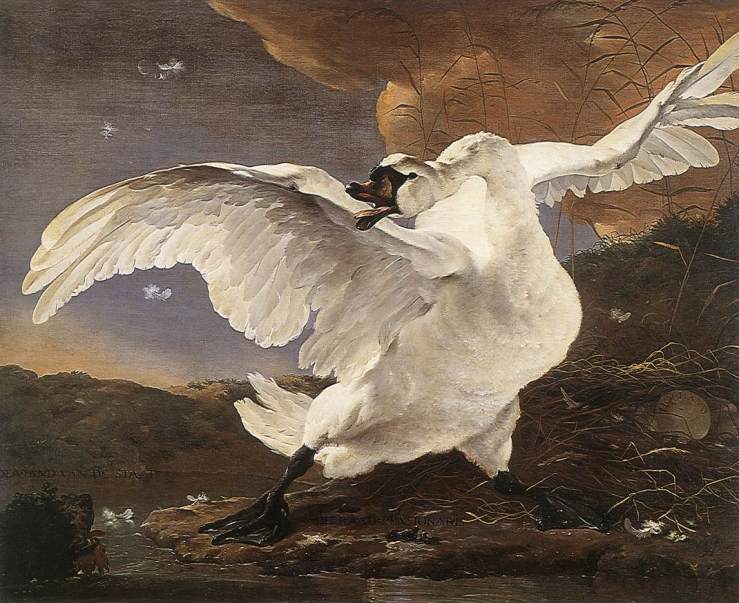
The Threatened Swan — Jan Asselyn

thr_swan

Read Donald Barthelme’s story “Shower of Gold”

Because he needed the money Peterson answered an ad that said “We’ll pay you to be on TV if your opinions are strong enough or your personal experiences have a flavor of unusual.” He called the number and was told to come to Room 1551 in the Graybar Building on Lexington. This he did and after spending twenty minutes with a Miss Arbor who asked him if he had ever been in analysis was okeyed for a program called Who Am I? “What do you have strong opinions about?” Miss Arbor asked. “Art,” Peterson said, “life, money.” “For instance?” “I believe,” Peterson said, “that the learning ability of mice can be lowered or increased by regulating the amount of serotonin in the brain. I believe that schizophrenics have a high incidence of unusual fingerprints, including lines that make almost complete circles. I believe that the dreamer watches his dream in sleep, by moving his eyes.” “That’s very interesting!” Miss Arbor cried. “It’s all in the World Almanac,” Peterson replied.

“I see you’re a sculptor,” Miss Arbor said, “that’s wonderful.” “What is the nature of the program?” Peterson asked. “I’ve never seen it.” “Let me answer your question with another question,” Miss Arbor said. “Mr. Peterson, are you absurd?” Her enormous lips were smeared with a glowing white cream. “I beg your pardon?” “I mean,” Miss Arbor said earnestly, do you encounter your existence as gratuitous? Do you feel de trop? Is there nausea?” “I have enlarged liver,” Peterson offered. “That’s excellent!” Miss Arbor exclaimed. “That’s a very good beginning. Who Am I? tries, Mr. Peterson, to discover what people really are. People today, we feel, are hidden away inside themselves, alienated, desperate, living in anguish, despair and bad faith. Why have we been thrown here, and abandoned? That’s the question we try to answer, Mr. Peterson. Man stands alone in a featureless, anonymous landscape, in fear and trembling and sickness unto death. God is dead. Nothingness everywhere. Dread. Estrangement. Finitude. Who Am I? approaches these problems in a root radical way.” “On television?” “We’re interested in basics, Mr. Peterson. We don’t play around.” “I see,” Peterson said, wondering about the amount of the fee. “What I wanted to know now, Mr. Peterson, is this: are you interested in absurdity?” “Miss Arbor,” he said, “to tell you the truth, I don’t know. I’m not sure I believe in it.” “Oh, Mr. Peterson!” Miss Arbor said, shocked. “Don’t say that! You’ll be …” “Punished?” Peterson suggested. “You may not be interested in absurdity,” she said, “but absurdity is interested in you.” “I have a lot of problems, if that helps,” Peterson said. “Existence is problematic for you,” Miss Arbor said, relieved. “The fee is two hundred dollars.”

Read the rest of Donald Barthelme’s short story “Shower of Gold.”

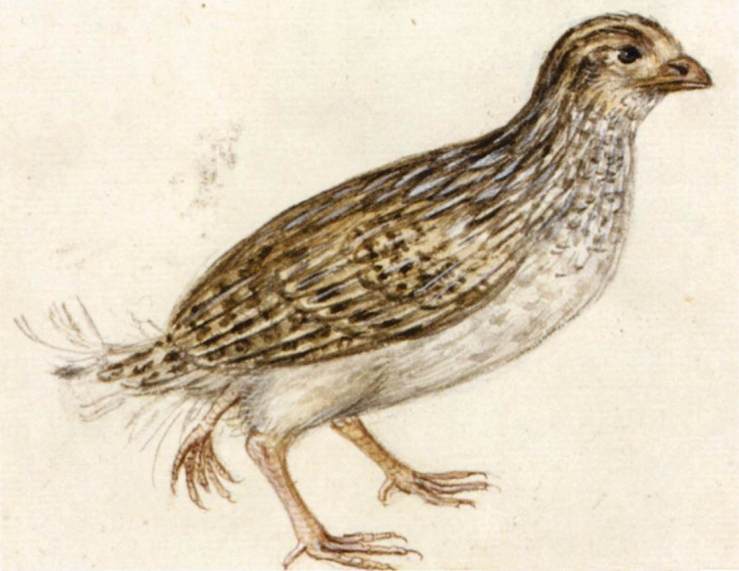
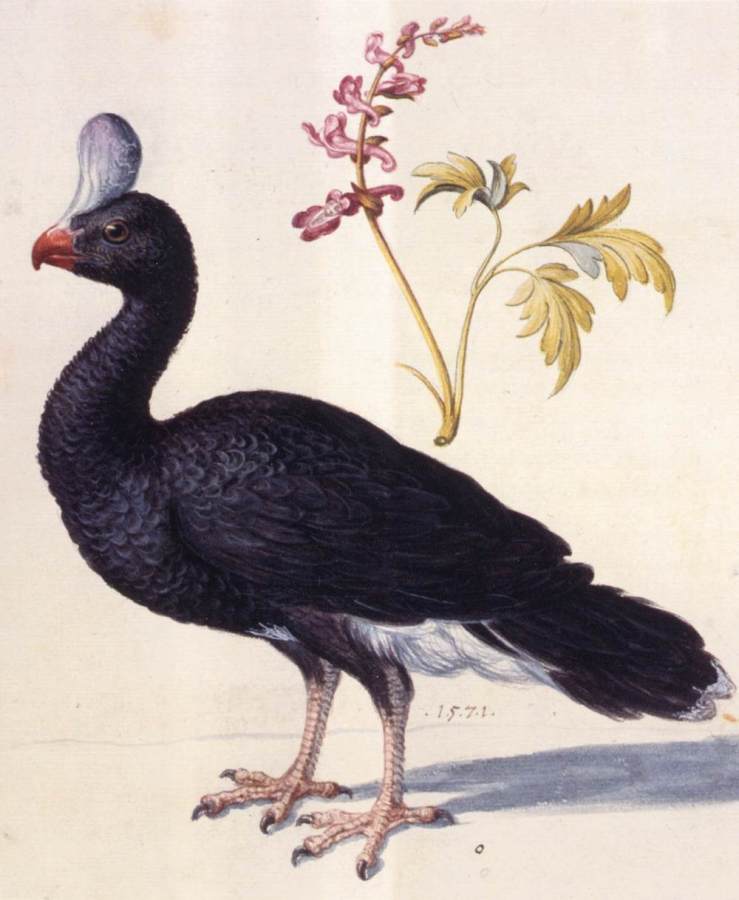
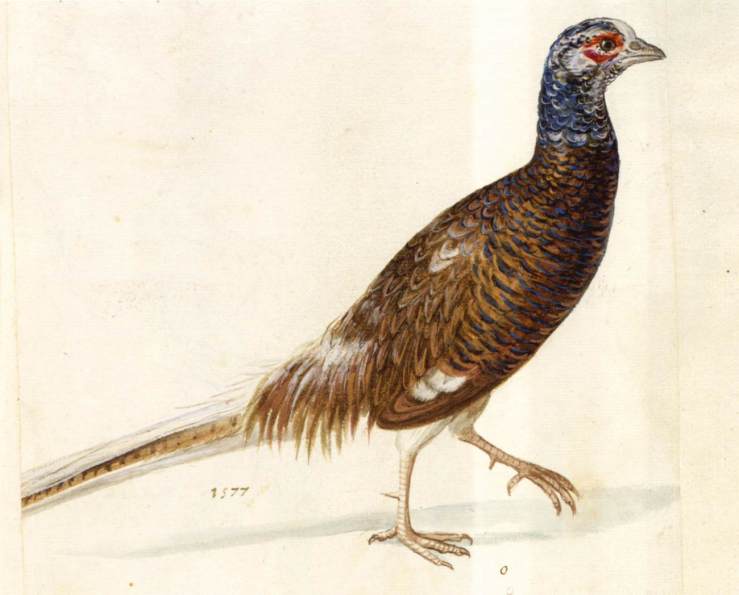
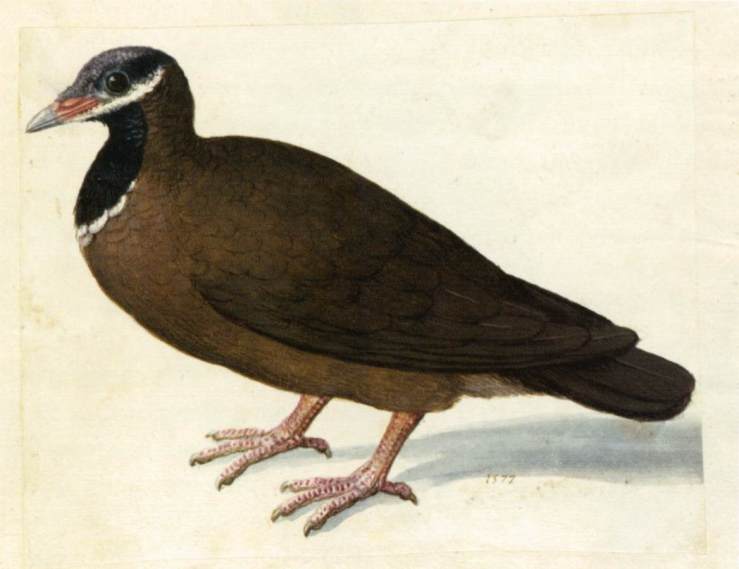
Birds — Giuseppe Arcimboldo

fdca98765

042_039a321