Continuously I receive it but do not accept it | Kafka’s diary, 18 Dec. 1910

18 December. If it were not absolutely certain that the reason why I permit letters (even those that may be foreseen to have insignificant contents, like this present one) to lie unopened for a time is only weakness and cowardice, which hesitate as much to open a letter as they would hesitate to open the door of a room in which someone, already impatient, perhaps, is waiting for me, then one could explain this allowing of letters to lie even better as thoroughness. That is to say, assuming that I am a thorough person, then I must attempt to protract everything pertaining to the letter to the greatest possible extent. I must open it slowly, read it, slowly and often, consider it for a long time, prepare a clean copy after many drafts, and finally delay even the posting. All this lies within my power, only the sudden receipt of the letter cannot be avoided. Well, I slow even that down in an artificial manner, I do not open it for a long time, it lies on the table before me, it continuously offers itself to me, continuously I receive it but do not accept it.

From Franz Kafka’s diary entry of 18 Dec. 1910. Translated by Joseph Kresh. (I feel the same way about email.)

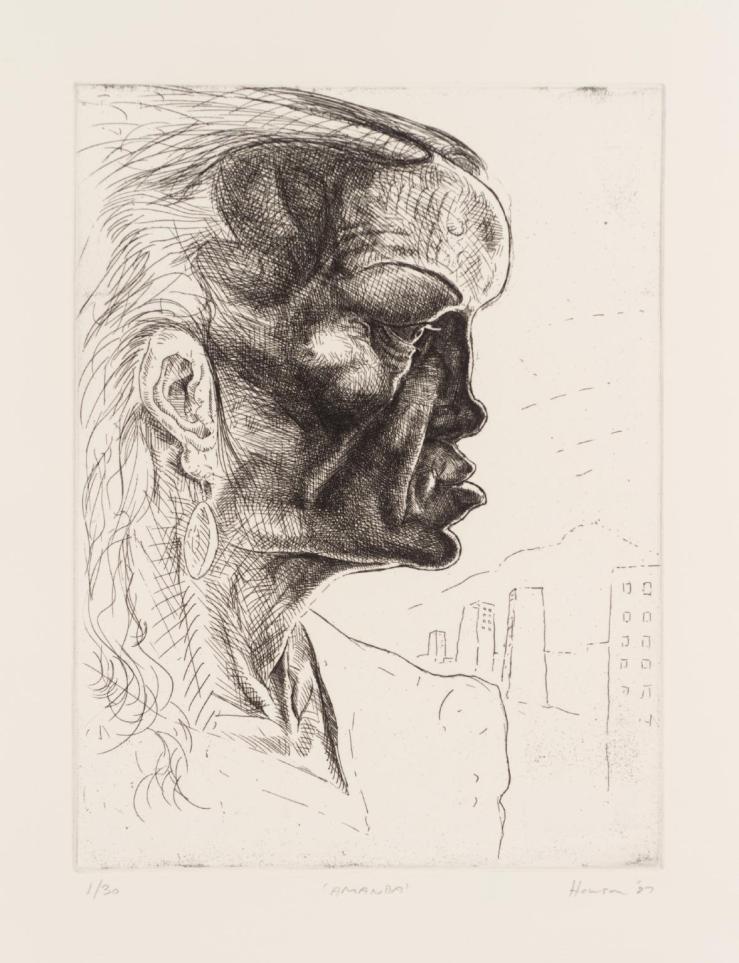
Amanda — Peter Howson

Amanda, 1987 by Peter Howson (b. 1958)

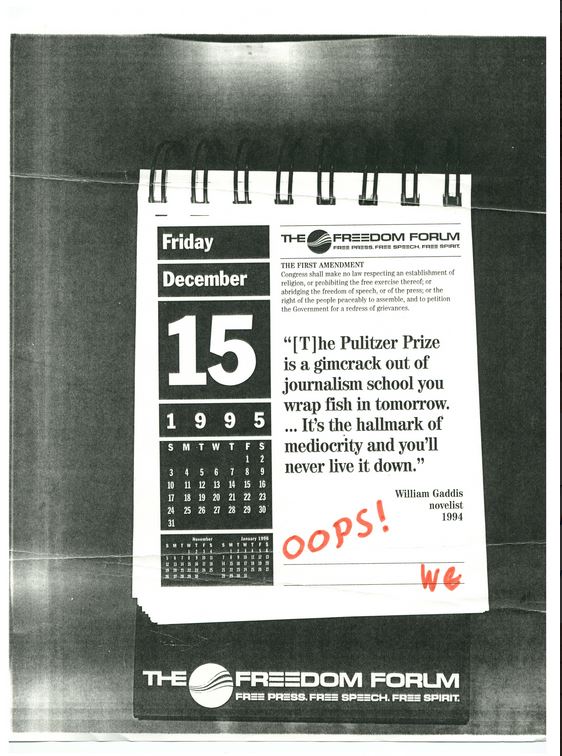
OOPS! (William Gaddis)

wg

Another little nugget from Washington University’s Modern Literature collection. Their description:

The Freedom Forum calendar showing a quote concerning the Pulitzer Prize by William Gaddis on December 15, 1995. Includes autograph commentary by Gaddis.

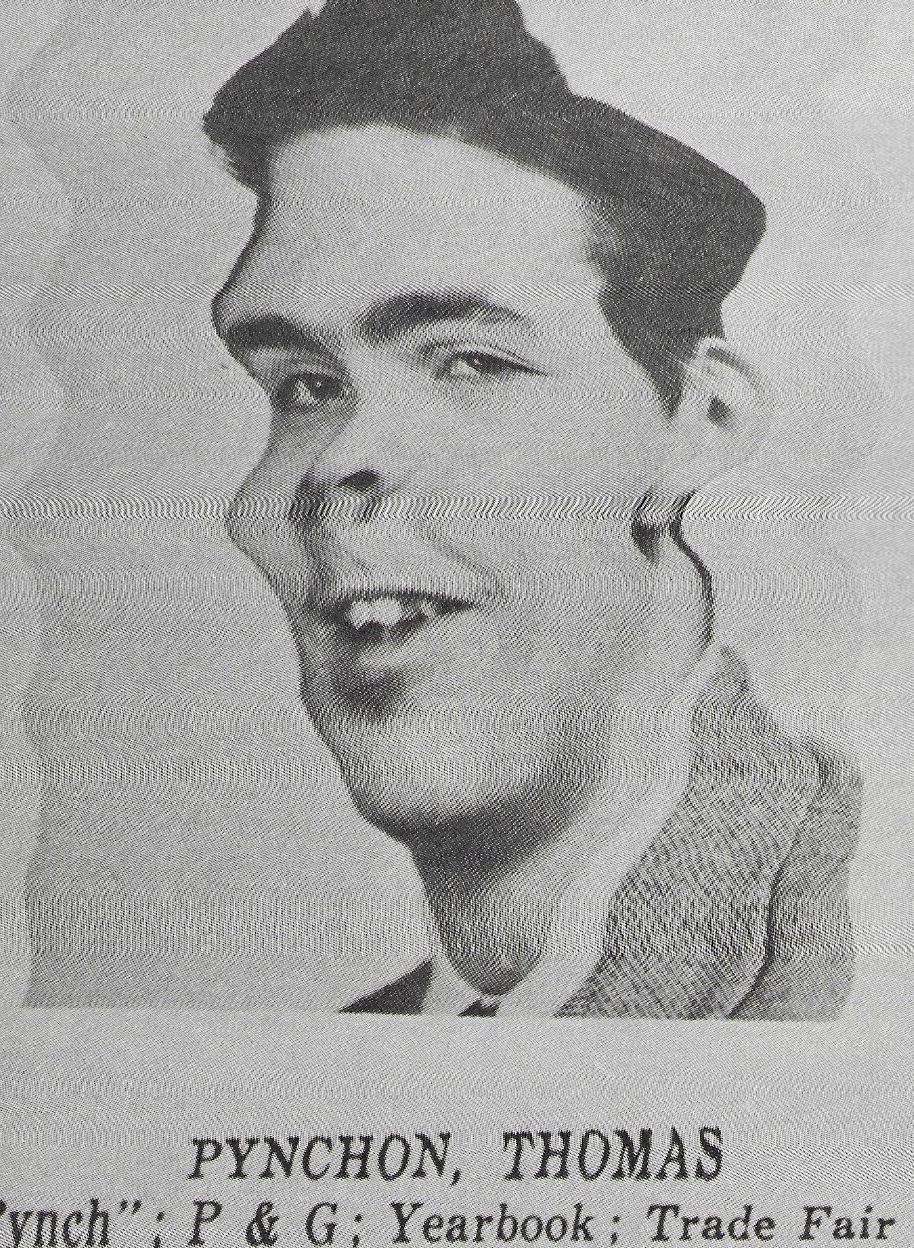
Thomas Pynchon sells his archive

At The New York Times, Jennifer Schuessler reports that Thomas Pynchon has sold his archive to Huntington Library, Art Museum and Botanical Gardens in San Marino, California.

The article notes that the “archive includes 48 boxes — 70 linear feet, in archivist-speak — of material dating from the late 1950s to the 2020s” and includes :typescripts and drafts of all his published books”  to date as well as “copious research notes on the many, many subjects (World War II rocketry, postal history, 18th-century surveying) touched on in his encyclopedic novels.” And while the documents include letters related to publishing, it includes “no private letters or other personal material” — and no photographs of Pynchon.

The article also claims that Pynchon’s son Jackson “is described as having ‘compiled and represented the archive.'” (The passive voice there is a bit cryptic, but I guess cryptic is Pynchonian, so.)

The article offers a number of quotes from Sandra Brooke, the director of Huntington Library, including the notion that “‘a really substantial portion of the archive’ would be available in Pynchon’s lifetime.”

I’d love to see that lifetime go on and on, and even offer up a new novel.

“Not His Best” — Joy Williams

“Not His Best”

by

Joy Williams

from 99 Stories of God


Franz Kafka once called his writing a form of prayer.

He also reprimanded the long-suffering Felice Bauer in a letter: “I did not say that writing ought to make everything clearer, but instead makes everything worse; what I said was that writing makes everything clearer and worse.”

He frequently fretted that he was not a human being and that what he bore on his body was not a human head. Once he dreamt that as he lay in bed, he began to jump out the open window continuously at quarter-hour intervals.

“Then trains came and one after another they ran over my body, outstretched on the tracks, deepening and widening the two cuts in my neck and legs.”

I didn’t give him that one, the Lord said.

NOT HIS BEST

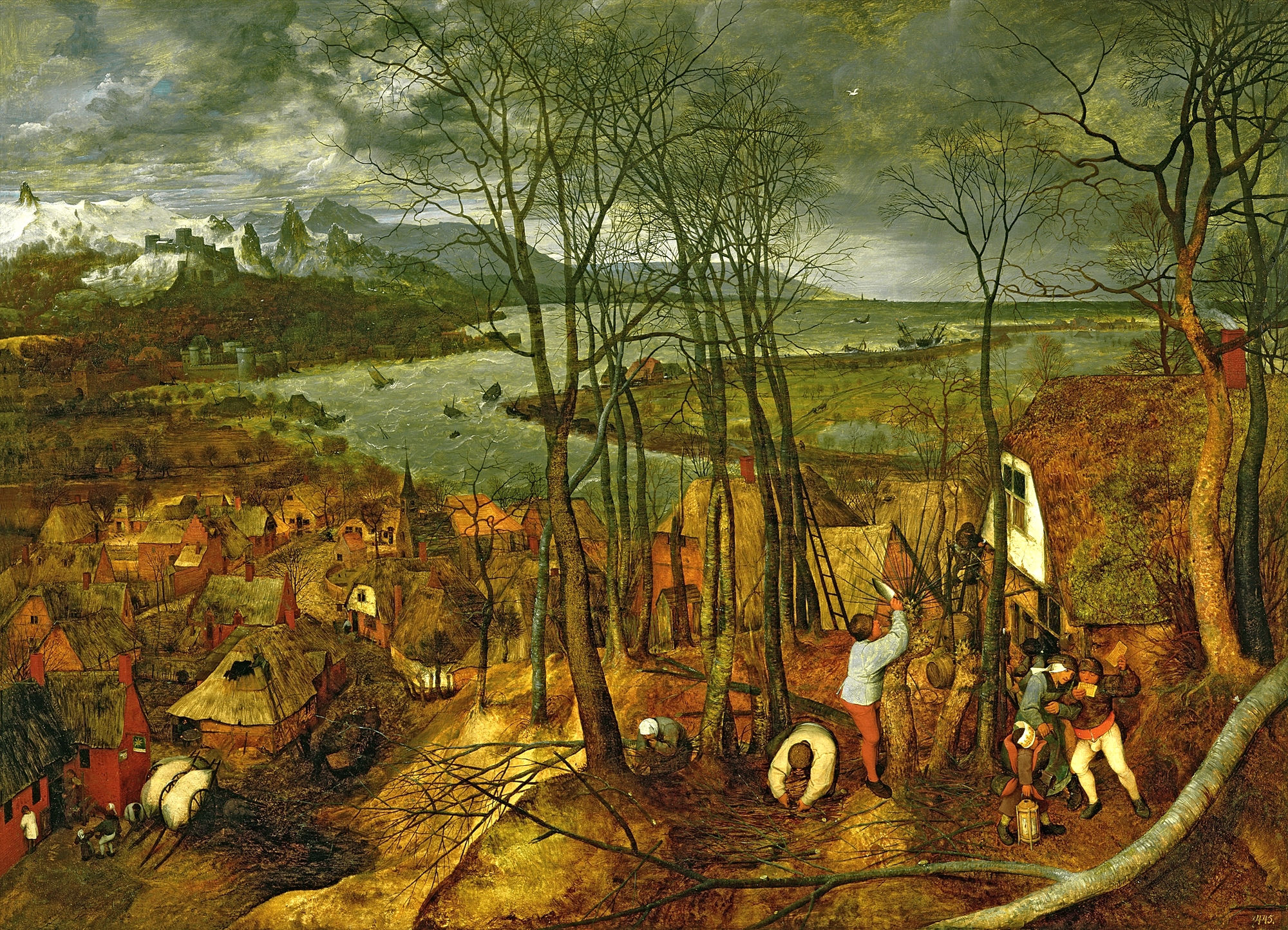
The Gloomy Day — Pieter Bruegel

The Gloomy Day, 1565, by Pieter Bruegel (c. 1525–1530–1569)

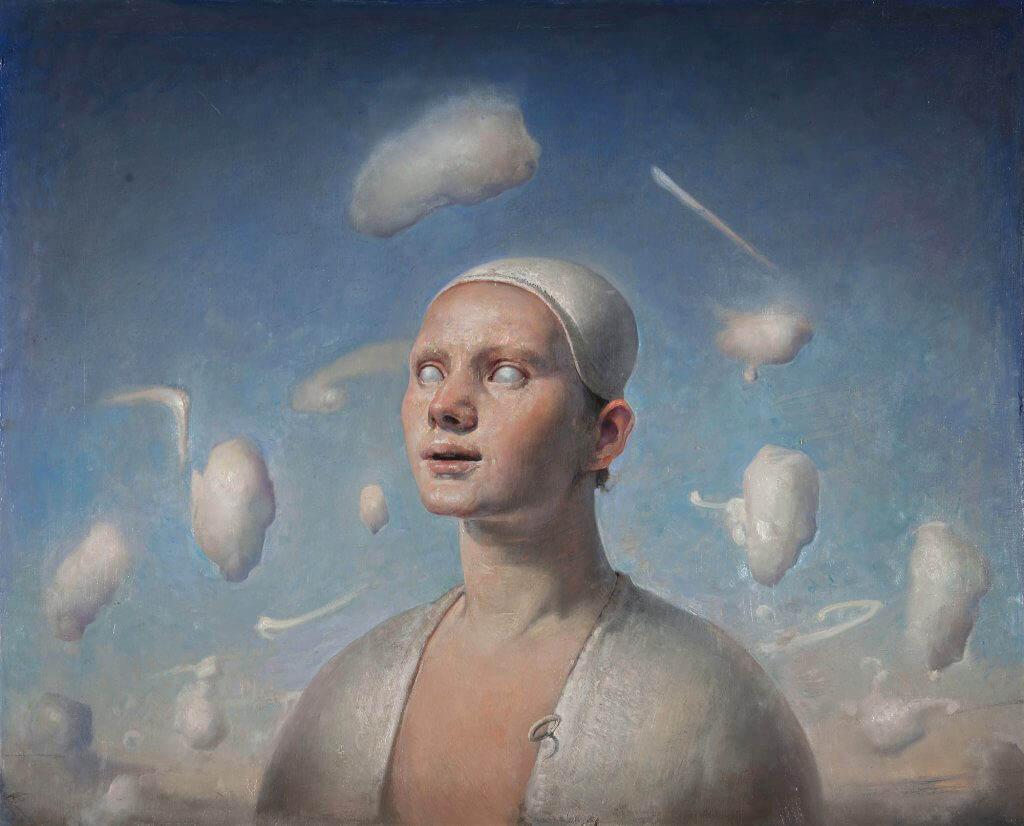
Isola — Odd Nerdrum

Isola by Odd Nerdrum (b. 1944)

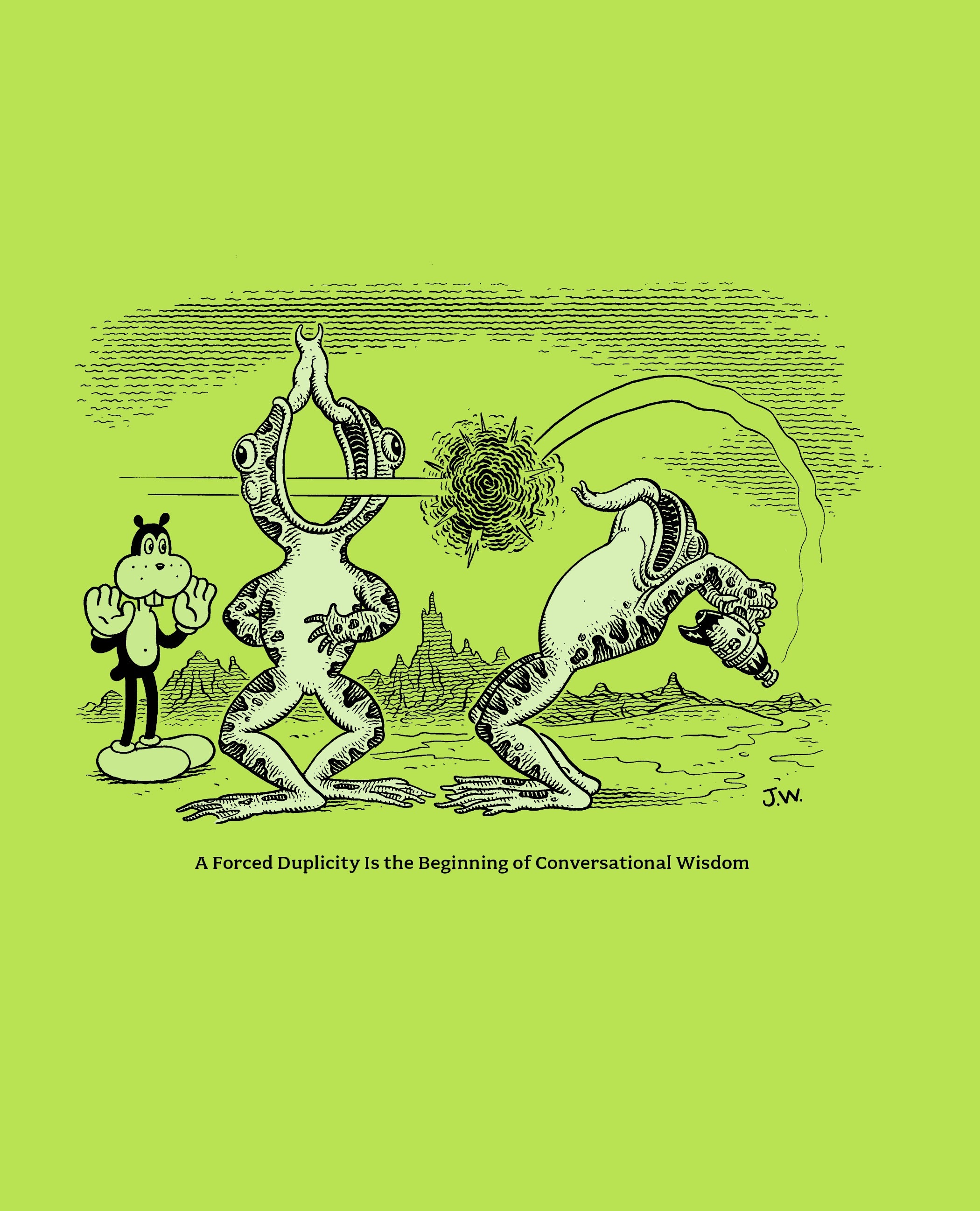
A Forced Duplicity Is the Beginning of Conventional Wisdom — Jim Woodring

A Forced Duplicity Is the Beginning of Conventional Wisdom, 2020 by Jim Woodring (b. 1952)

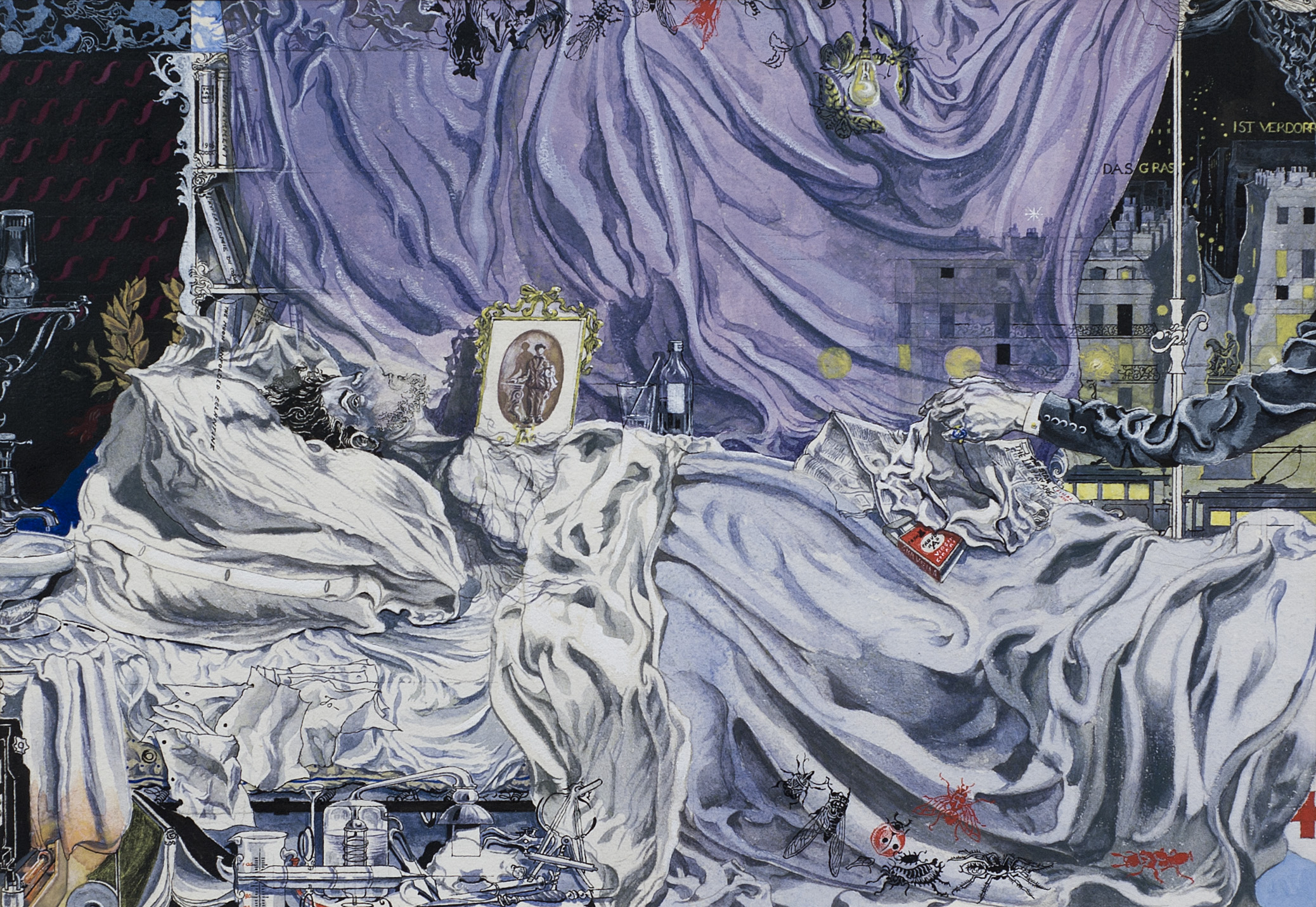
Death-Bed — Robin Ironside

Death-Bed, 1950 by Robin Ironside (1912-1965)

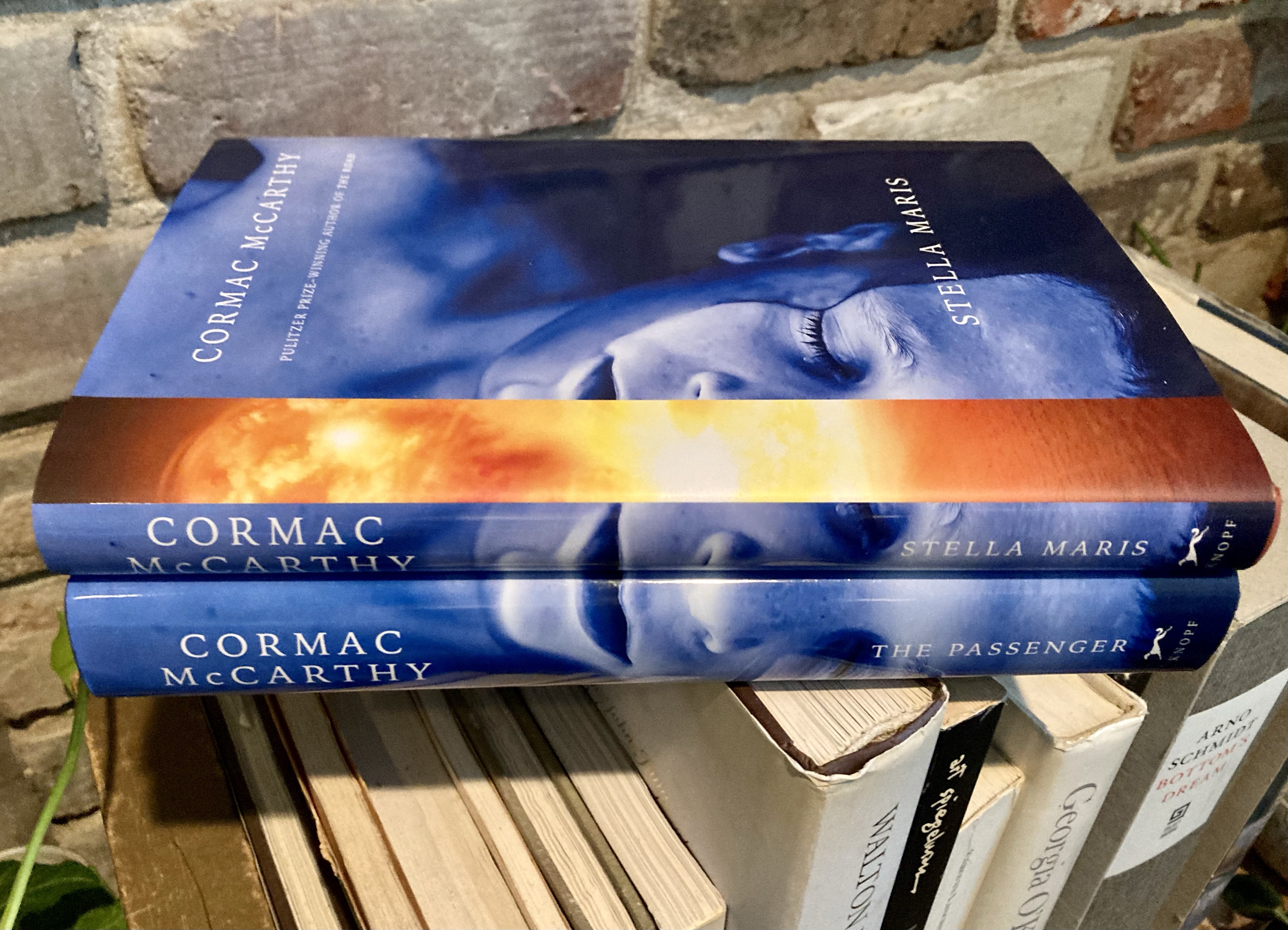
Cormac McCarthy’s Stella Maris (Book acquired, 6 Dec. 2022)

I picked up Cormac McCarthy’s latest (probably last) novel Stella Maris the other day.

I’ve avoided reviews of its predecessor novel The Passenger (okay, maybe not all reviews) and will continue to avoid reviews of both novels until I’ve finished Stella Maris.

It’s my belief that McCarthy intends for his audience to read the novels intertextually.

(This is an obvious statement to make—obvious to the point of stupidity.)

(I am stupid.)

What I maybe mean to maybe say is that I believe that, by separating his (last?) two novels into two separate physical texts, McCarthy intends for his audience to consider the novels as an intertextual response to his oeuvre proper.

(This belief is based mostly on my reading of The Passenger as an intertextual loose accounting of McCarthy’s oeuvre—although what I’ve written here so far suggests that (based on the repetition of the word belief) my reading of The Passenger is incomplete until I’ve read Stella Maris.)

(Which it is.)

(Incomplete.)

(No blurb this time.)

Connoisseur — David Hockney

Connoisseur, 1969 by David Hockney (b. 1937)

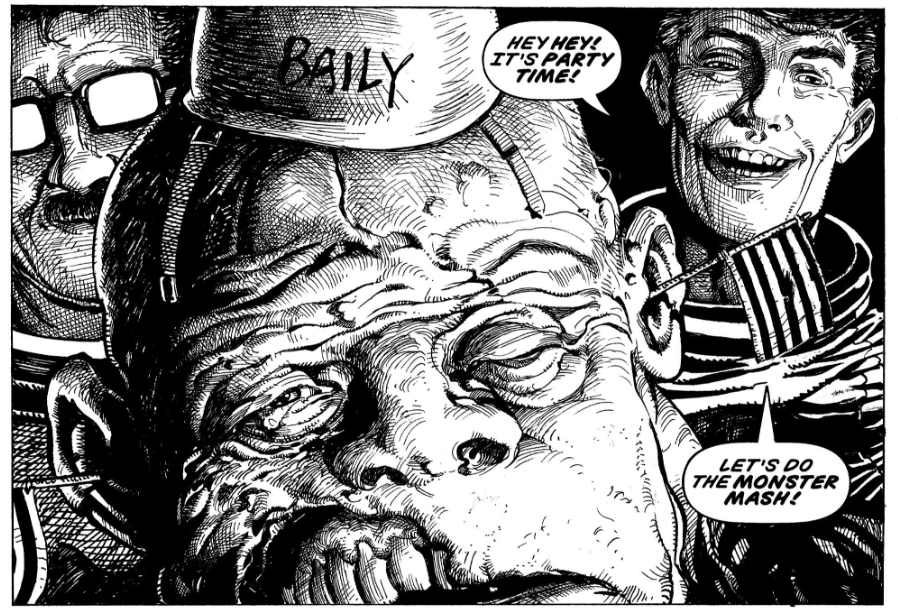
Monster Mash — Barry Windsor-Smith

A panel from Barry Windsor-Smith’s 2021 novel Monsters

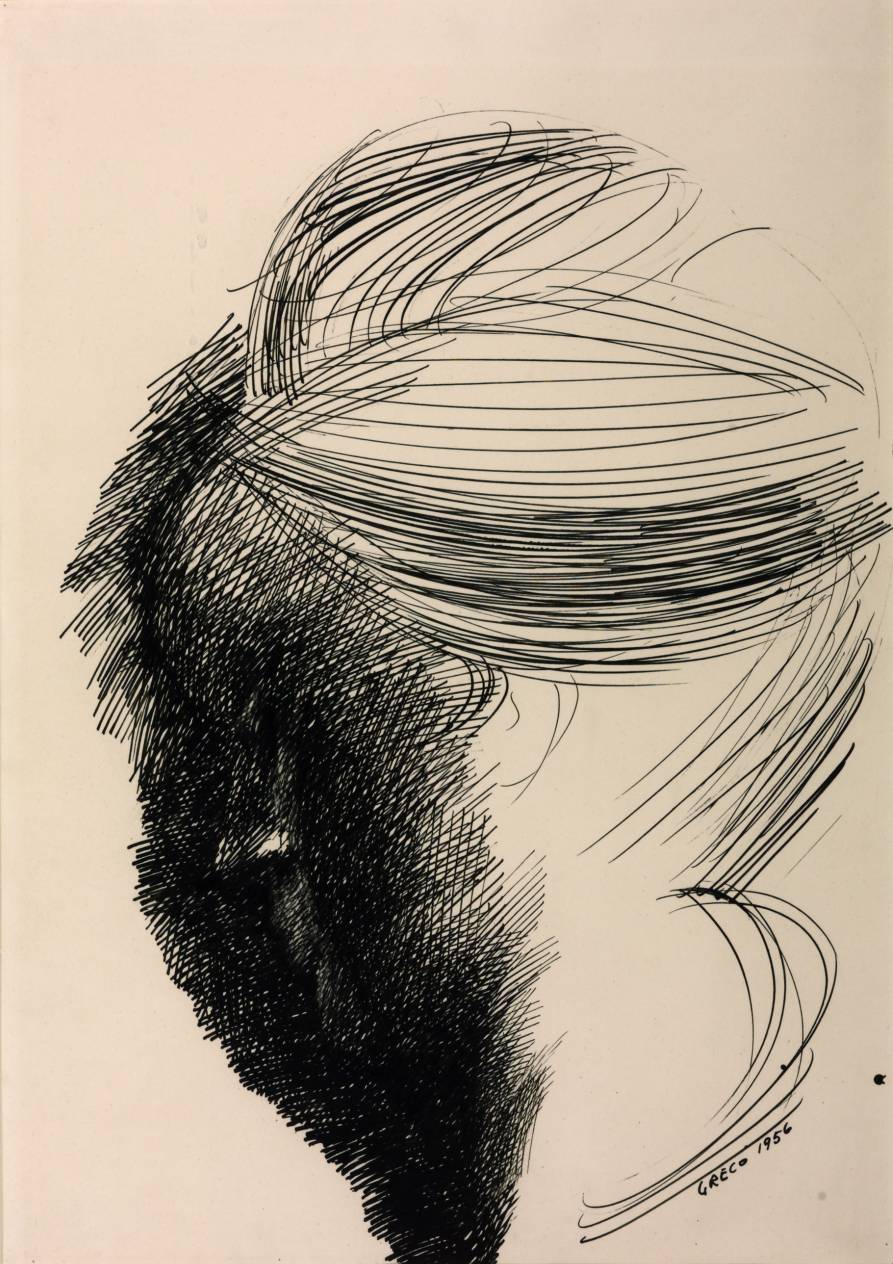
Untitled — Emilio Greco

Untitled, 1956 by Emilio Greco (1913–1995)

“Fans” — Barry Hannah

“Fans”

by

Barry Hannah


Wright’s father, a sportswriter and a hack and a shill for the university team, was sitting next to Milton, who was actually blind but nevertheless a rabid fan, and Loomis Orange, the dwarf who was one of the team’s managers. The bar was out of their brand of beer, and they were a little drunk, though they had come to that hard place together where there seemed nothing, absolutely nothing to say.

The waitress was young. Normally, they would have commented on her and gone on to pursue the topic of women, the perils of booze, or the like. But not now. Of course it was the morning of the big game in Oxford, Mississippi.

Someone opened the door of the bar, and you could see the bright wonderful football morning pouring in with the green trees, the Greek-front buildings, and the yelling frat boys. Wright’s father and Loomis Orange looked up and saw the morning. Loomis Orange smiled, as did Milton, hearing the shouts of the college men. The father did not smile. His son had come in the door, swaying and rolling, with one hand to his chest and his walking stick in the other.

Wright’s father turned to Loomis and said, “Loomis, you are an ugly distorted little toad.”

Loomis dropped his glass of beer.

“What?” the dwarf said.

“I said that you are ugly,” Wright said.

“How could you have said that?” Milton broke in.

Wright’s father said, “Aw, shut up, Milton. You’re just as ugly as he is.”

“What’ve I ever did to you?” cried Milton.

Wright’s father said, “Leave me alone! I’m a writer.”

“You ain’t any kind of writer. You an alcoholic. And your wife is ugly. She’s so skinny she almost ain’t even there!” shouted the dwarf.

People in the bar—seven or eight—looked over as the three men spread, preparing to fight. Wright hesitated at a far table, not comprehending.

His father was standing up.

“Don’t, don’t, don’t,” Wright said. He swayed over toward their table, hitting the floor with his stick, moving tables aside.

The waitress shouted over, “I’m calling the cops!”

Wright pleaded with her: “Don’t, don’t, don’t!”

“Now, please, sit down everybody!” somebody said.

They sat down. Wright’s father looked with hatred at Loomis. Milton was trembling. Wright made his way slowly over to them. The small bar crowd settled back to their drinks and conversation on the weather, the game, traffic, etc. Many of the people talked about J. Edward Toole, whom all of them called simply Jet. The name went with him. He was in the Ole Miss defensive secondary, a handsome figure who was everywhere on the field, the star of the team. Continue reading ““Fans” — Barry Hannah”

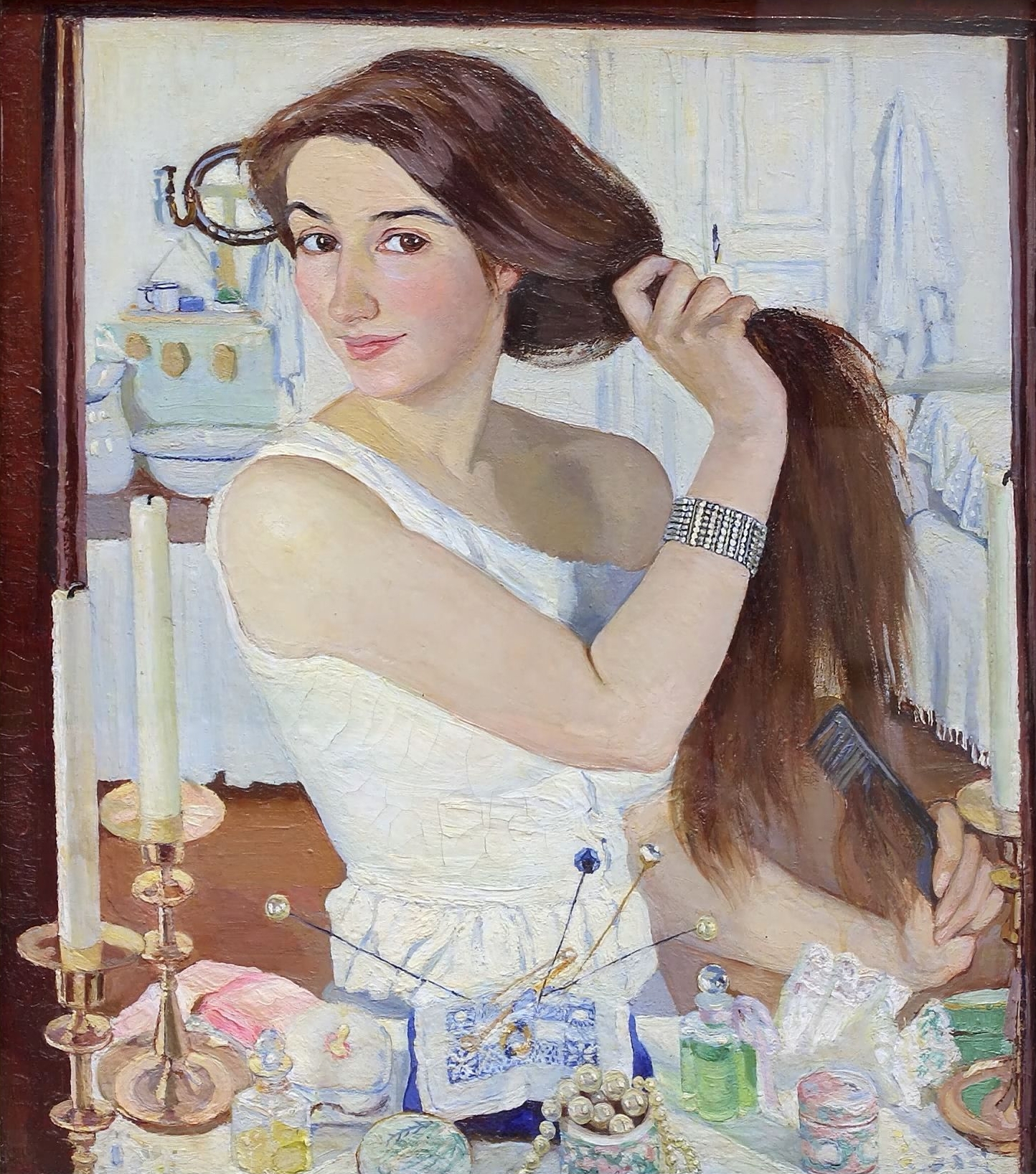
At the Dressing Table — Zinaida Serebriakova

At the Dressing Table, 1909 by Zinaida Serebriakova (1884-1967)

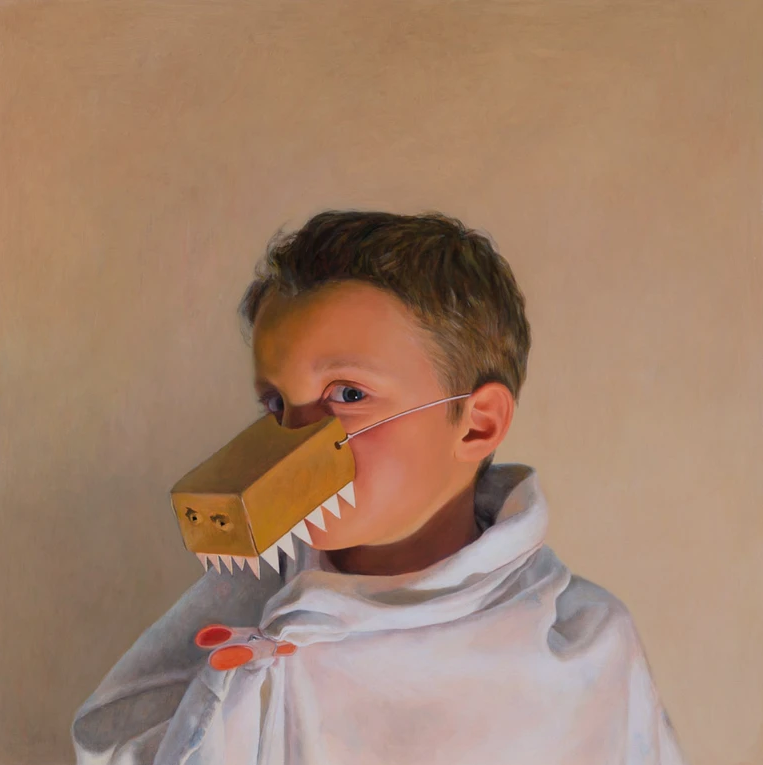
Croc Boy — Rebecca Hastings

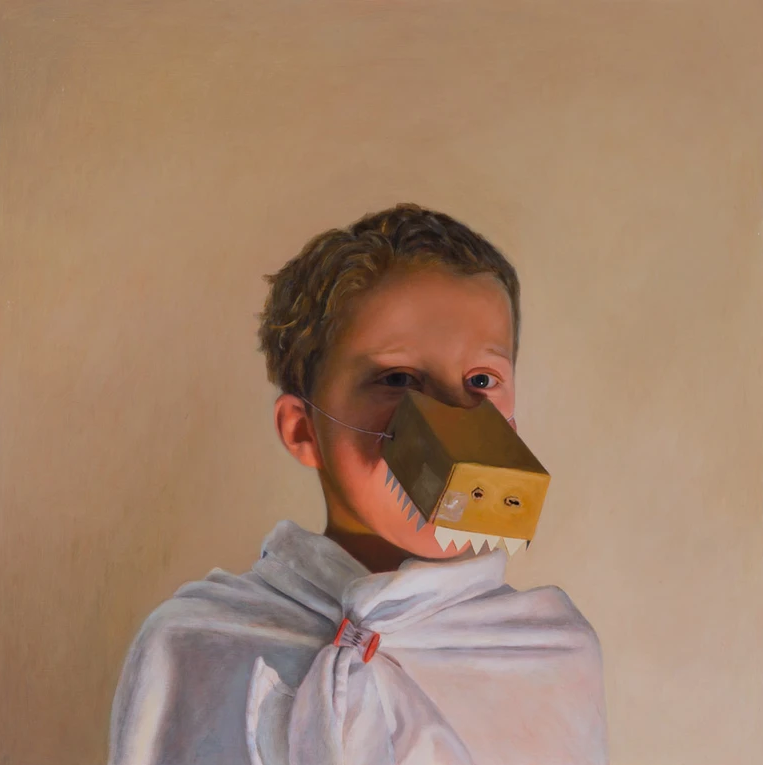
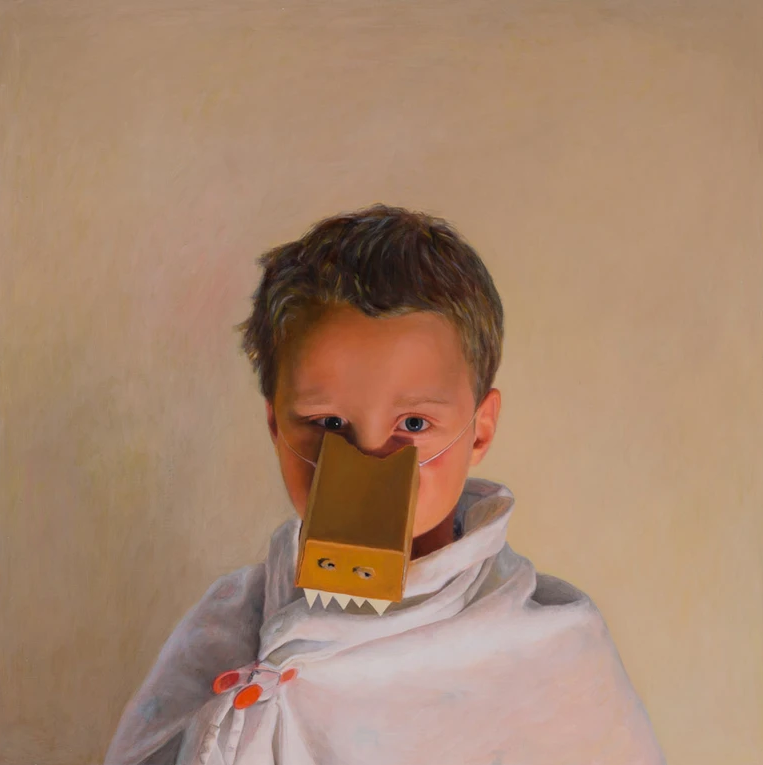
Croc Boy series, 2012 by Rebecca Hastings