“Edgy Pleasures” — William T. Vollmann

“Edgy Pleasures”

by

William T. Vollmann


The most significant characteristic of the lovely nineteenth-century Indian daggers I collect is their blunt edges. Their purpose, in short, is to symbolize the power and authority of weapons, much like an officer’s pistol or even a policeman’s uniform. They are talismanic, like a crucifix or a Platonic form. Evidently, beauty was an absolute requirement in their crafting, since any such dagger was metonymic with the official function of a maharaja, whose life had to symbolize perfection to the rest of society. What purpose now? The maharajas are impoverished, and even such distant cousins of these daggers as bayonets are frequently used. For acts of war, we have our bombs, flying machines, crawling machines, swimming machines; for acts of legislation, the truncheon and the gun; for acts of atrocity, again the gun. Thus, these daggers are doubly removed from sharpness. It is emblematic that the little store in Udaipur that sold them (lubricated well with coconut oil, wrapped in bundles of old newspaper) was equally forward in displaying jointed silverfish made up of many small pieces more complex than bones. This made the daggers seem even more beautifully useless, metonymic still of the maharaja but only the Maharaja of Astonishment—for instance, Sawai Madho Singh I, who was reputedly seven feet tall and four feet wide.

In Jaipur, I saw his maharani’s eighteen-pound dress. “That must have been heavy,” I said. The guide smiled. “The Indian women don’t feel the weight when it’s real gold,” he said. The real gold of these daggers is, of course, their craftsmanship. The longer I handle the smooth, yellow ivory of that camel’s head or peer into the checkered gape of that flower-inlaid tiger, the more I perceive this and the more fairylike the pieces become. I have seen the maharaja’s sun emblem: It was composed of muskets raying outward from sacredness. Surely these muskets were never fired. How blasphemous it would have been to wrench off a ray from the sun! I went to another palace, whose wooden gates were forty feet high. I saw the high window where the maharani used to welcome her husband with rose flowers. I passed through green-bordered receding arches like the leaves of artichokes. Now: the Hall of Glory. The ceiling was inlaid with silvered glass in tiny, complex pieces to shimmer a million reflected flames of a single candle. Skeletons dazzled me in the perforated marble screens. But the guide said, “Before, the maharaja had elephants. Now, not a single one!” No utility anywhere. Consider the so-called tiger knife, which is shaped like the letter A with two horizontals. The hand grips one of them: The legs of the A curve inward into parallels to enclose the wrist and lock it. The tiger comes; the point of the A stabs him; he falls dead. Functional, no doubt. But many of these tiger knives—old ones gilded, damascened, tawny-striped like tigers— are for sale. A good one goes for $3,000 (less, of course, if you bargain, cash in hand). A maharaja had placed it on consignment. The maharajas sell things incognito, I heard; the maharajas are ashamed. Sometimes, to decrease the likelihood that the knives will be recognized as theirs, they sell to distant provinces, even though there’s less money that way. This is how it must be. Recently, an art connoisseur came to buy Mogul miniatures. He asked a maharaja if anything was for sale. The maharaja said no, but if the man was serious, he knew another noble who might sell. It had to be understood, however, that the connoisseur would never meet him or learn his name. What is a tiger knife without its maharaja? And, indeed, the matter is worse, much worse, for in Udaipur I saw towers alone and incongruous upon the desert hills. Sentries used to watch there for tigers, but that was when there were still forests. The trees are all burned now. What use, then, a tiger knife? No matter whether any blade is sharp.


From a 1996 Esquire feature called “My Favorite Things.” The feature also included Charles M. Schulz, Francis Ford Coppola, David Lee Roth, Wayne Gretzky, Susan Sontag, John Travolta and many other folks on their favorite thing.

Rainer J. Hanshe’s Closing Melodies (Book acquired, 8 Aug. 2023)

Rainer J. Hanshe’s enormous, strange tome Closing Melodies is new from Contra Mundum. Their description:

As the 19th century comes to a close, Friedrich Nietzsche and Vincent van Gogh unknowingly traverse proximate geographical terrain, nearly circling one another like close but distant stars as the philosopher wanders between Nizza, Sils Maria, and Torino, and the painter wanders between Paris, Arles, and Saint-Rémy. In the midst of their philosophical and artistic pursuits, simultaneously, the Eiffel Tower, symbol of artistic progress and industrialization, begins to rise in Paris amidst clamors of protest and praise.

Through intertwining letters written to (& sometimes by) friends, family, and others, the philosopher and painter are brought into ever-greater proximity as we witness their daily personal and artistic struggles. Woven between and interrupting this panoply of voices are a series of intervals, short illuminating blasts, like a camera’s exploding flash powder, of artistic, scientific, political, and other events spanning 1888 to 1890, drawing Nietzsche and Van Gogh in and out of the wider expanses of history.

As construction of the Eiffel Tower comes to completion in Paris and Elisabeth Förster, the sister of the philosopher of the will to power, tries to found a utopic race colony in South America, the lives of Nietzsche and Van Gogh come to their terrible denouements. Her brother now a full-fledged zombie, the former queen of Nueva Germania seizes the reins of his living corpse and rides him into the future.

With no deus ex machina in sight, and none possible, WWI and the terrors and the beauties of the 20th century crack the horizon.

“Awareness is its own action” and other things Harry Dean Stanton learned

That doormat? That doormat? It was a gift. Got that years and years ago. “Welcome UFOs and crews.”

Churches. Catholics. Jews. Christians. Protestants. Mormons. Muslims. Scientologists. They’re all macrocosms of the ego. When man began to think he was a separate person with a separate soul, it created a violent situation.

Everyone wants an answer. I think it was Gertrude Stein who wrote, “There is no answer, there never was an answer, there’ll never be an answer. That’s the answer.” It’s a hard sell, but that’s the ultimate truth.

For Ride in the WhirlwindJack came to me and said, “Harry I’ve got this part for you. His name is Blind Dick Reilly and he’s the head of the gang. He’s got a patch over one eye and a derby hat.” Then he says, “But I don’t want you to do anything. Let the wardrobe play the character.” Which meant, just play yourself. That became my whole approach.

Awareness is its own action.

We had a scene in One from the Heart. Francis Ford Coppola comes up to me and he says, “Harry Dean, why don’t you direct this scene?” Can you imagine that?

Ten seconds from now you don’t know what you’re gonna say or think. So who’s in charge?

I make my living asking questions, too. Acting, you ask questions.

There’s no answer to what made Paul Newman a great actor.

A friend is somebody who doesn’t lie. My friend Logan, great guy, said to me once, “Lie to me once, it’s strike one. Like to me twice, it’s strike three.”

Jack Nicholson could be president, easy.

Marilyn Monroe was used and tossed away. I told Madonna, “You’re not like that. Don’t be.”

I don’t know why I’ve never married. Again, I had nothing to do with it. I just evolved, you know.

No, I’m not curious about anything. I’m just letting it all happen.

There’s no answer to the state of Kentucky. Again, you’re looking for an answer and there is none.

I only eat so I can smoke and stay alive.

The Ten Commandments. What is that? That’s what they do in the army. Give you orders. “Thou shalt not kill?” And we immediately set on killing each other—in spades.

Most people as they get older don’t talk about it. But the sex drive lessens. You’re not driven by it.

I’d love to meet Gandhi. And Christ. I’m sure he’d be interesting. And a lot different than a lot of people would think.

The void, the concept of nothingness, is terrifying to most people on the planet. And I get anxiety attacks myself. I know the fear of that void. You have to learn to die before you die. You give up, surrender to the void, to nothingness.

Oh, yeah, Marlon and I talked about this stuff all the time. On the phone once, he said, “What do you think of me?” And I said, “I think you’re nothing.” And he goes, “Bahahaha!”

Is there an interesting way to go? Who gives a fuck? You’re already gone.

The only fear I have is how long consciousness is gonna hang on after my body goes. I just hope there’s nothing. Like there was before I was born.

Anybody else you’ve interviewed bring these things up?

Hang on, I gotta take this call. “Hey, brother. That’s great, man. Yeah, I’m being interviewed by this Esquire guy. We’re talking about nothing. I’ve got him well-steeped in nothing right now. He’s stopped asking questions.”

From a January 2009 feature on Harry Dean Stanton in Esquire. The interview is by Cal Fussman.

Sphinx II — Ludwig Schwarzer

Sphinx II, 1978 by Ludwig Schwarzer (1912 – 1989)

Steven Moore on William Gaddis and Russian Literature

Photograph of William Gaddis by William H. Gass

The good folks at indie publisher Sublunary have shared on their site the text of Gaddis scholar Steven Moore’s essay “William Gaddis and Russian Literature.” The essay serves as the preface for a forthcoming Russian translation of Moore’s Gaddis study, William Gaddis: Expanded Edition.

From the essay:

By the age of twenty Gaddis had already read Dostoevsky’s Crime and Punishment—he later called it “the first ‘great’ novel I experienced”—and over the next decade he devoured much more Russian literature, as is evident from the letters he wrote while writing his first novel, The Recognitions. He tells his mother about reading Chekhov’s plays and Dostoevsky’s House of the Dead, praises Crime and Punishment and The Idiot to short-story writer Katherine Anne Porter, and informs an ex-girlfriend that he is re-reading Goncharov’s Oblomov, which he continued to praise all his life. When his first novel was published in 1955, many critics mistakenly assumed that it was influenced by James Joyce’s Ulysses; but an informed reader would have noticed the numerous references to books by Dostoevsky (Brothers Karamazov, Crime and Punishment, Demons, The Idiot) and Tolstoy (Kingdom of God, Power of Darkness, Redemption), and would have correctly concluded that Gaddis had adapted the 19th-century Russian novel for 20th-century Americans, one closer to The Idiot than to Ulysses.

Read the essay at Sublunary.

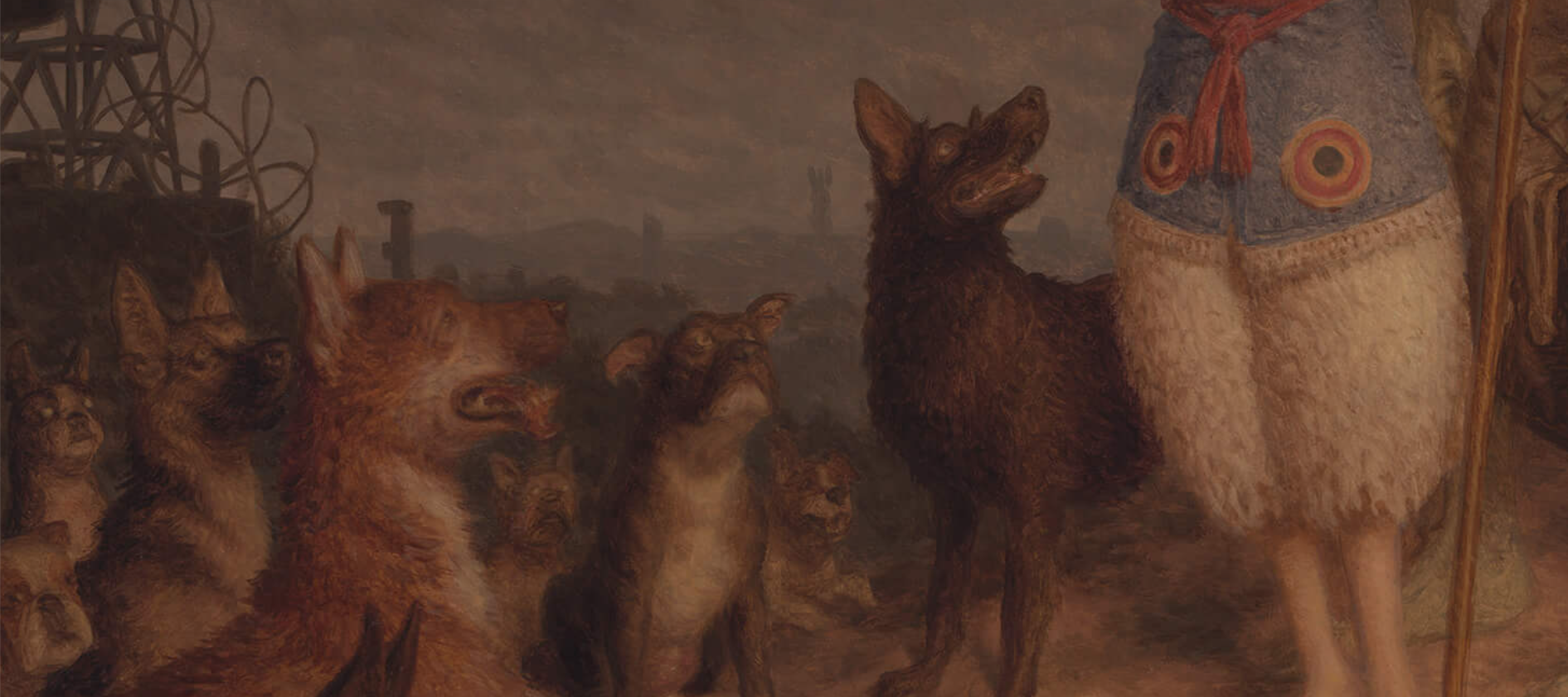
A Portent for All Good Dogs of Tulsa Who Want to Show Their Quality — Peter Ferguson

A Portent for All Good Dogs of Tulsa Who Want to Show Their Quality by Peter Ferguson (b. 1968)

On the Beach — Peter Busch

On the Beach, 2019 by Peter Busch (b. 1971)

“Making Do,” a very short tale by Italo Calvino

“Making Do”

by

Italo Calvino

translated by Tim Parks


There was a town where everything was forbidden.

Now, since the only thing that wasn’t forbidden was the game tip-cat, the town’s subjects used to assemble on meadows behind the town and spend the day there playing tip-cat.

And as the laws forbidding things had been introduced one at a time and always with good reason, no one found any cause for complaint or had any trouble getting used to them.

Years passed. One day the constables saw that there was no longer any reason why everything should be forbidden and they sent messengers to inform their subjects that they could do whatever they wanted.

The messengers went to those places where the subjects were wont to assemble.

‘Hear ye, hear ye,’ they announced, ‘nothing is forbidden any more.’

The people went on playing tip-cat.

‘Understand?’ the messengers insisted. ‘You are free to do what you want.’

‘Good,’ replied the subjects. ‘We’re playing tip-cat.’

The messengers busily reminded them of the many wonderful and useful occupations they had once engaged in and could now engage in once again. But the subjects wouldn’t listen and just went on playing, stroke after stroke, without even stopping for a breather.

Seeing that their efforts were in vain, the messengers went to tell the constables.

‘Easy,’ the constables said. ‘Let’s forbid the game of tip-cat.’

That was when the people rebelled and killed the lot of them.

Then without wasting time, they got back to playing tip-cat.

Conspirators — Aaron Gilbert

Conspirators, 2020 by Aaron Gilbert (b. 1979)

Riff on rereading Riddley Walker, Russell Hoban’s post-apocalyptic coming-of-age novel

  1. I first read Russell Hoban’s 1980 post-apocalyptic quasi-religious coming-of-age novel Riddley Walker in maybe 1996 or 1997, when I was sixteen or seventeen, or possibly eighteen.
  2. That was the right age to read Riddley Walker for the first time, although I think anyone of any age, for the most part, could read Riddley Walker, if they want.
  3. This is not a review of Riddley Walker, but here is a nice summary from Benjamin DeMott’s 1981 NYT’s review:
  4. Set in a remote future and composed in an English nobody ever spoke or wrote, this short, swiftly paced tale juxtaposes preliterate fable and Beckettian wit, Boschian monstrosities and a hero with Huck Finn’s heart and charm, lighting by El Greco and jokes by Punch and Judy. It is a wrenchingly vivid report on the texture of life after Doomsday.

  5. The setting is near what was known – until 1997, when cataclysms wiped us out – as Canterbury, England. It is about 2,000 years after that disaster. The mostly dim lights of human life who survive are slaves to the obsessions of their invisible rulers. From generation to generation, they labor ceaselessly, under close surveillance, to disinter by hand the past that lies buried beneath tons of muck – mangled machines, mysteriously preserved bits of flesh, indecipherable fragments of writing. The rulers dream of uncovering the secret of secrets – the key to the power that enabled the giants of yesteryear to create a world in which boats sailed in the air and pictures moved on the wind.

  6. If the plot of Riddley Walker seems a trickle familiar it of course is. It’s been warmed up and reserved many times (and wholesale ripped off in the third Mad Max Max film). (It’s good eating.)
  7. But the novel still feels fresh (and grimy!) because of Hoban’s electrifying prose. Young Riddley’s narration is odd and alienating, even if, in, say, 2023, the novel’s premise seems worn.
  8. Back in the halcyon nineteennineties, when the world seemed generally less apocalpytic, a very good friend of mine loaned me his copy of Riddley Walker.
  9. I never gave it back.
  10. (Somehow, he still gives me books.)
  11. I too lost the first copy of Riddley Walker that I read. I loaned it to a student who never returned it, or Dune, or The Left Hand of Darkness, or a bunch of other sci-fi novels, god keep his soul.
  12. Riddley Walker was one of the first novels I wrote about on this silly website, way back in 2006. It wasn’t a review, it was about book theft.
  13. I had no plan to reread Riddley Walker, but here’s what happened—
  14. —I had finished reading Ian Banks’s odd coming-of-age novel The Wasp Factory
  15. —and I had and have been listening to the audiobook of T.H. White’s Arthur saga, a return perhaps inspirited by—
  16. —reading Jim Dodge’s alchemical-grail-quest-coming-of-age novel Stone Junction
  17. —and really, there were a lot of coming-of-age novels I seemed to get into this year:
  18. Trey Ellis’s postmodern polyglossic satire Platitudes—
  19. —Kathy Acker’s Great Expectations and Blood and Guts in High School—
  20. Henri Bosco’s The River and the Child
  21. Bernardo Zanonni’s picaresque My Stupid Intentions—
  22. and Cormac McCarthy’s coming-of-age novel The Crossing
  23. And so well and anyway, I was reading a novel in bed, my eyes working overtime, they’re older now, lenses over them but still there’s never enough light. I was reading this novel, it doesn’t matter what novel, but there was this little weird urge, germinating from the reading of the novels I mentioned above, asking me to Go pick up Riddley Walker again and check in.
  24. So I went and found my copy of Riddley Walker.
  25. It was not, obviously, the copy that I stole from my good friend that was later stolen from me.
  26. I’m not sure when I picked up this particular copy of Riddley Walker, but I’m thinking it was around 2008 or 2009.
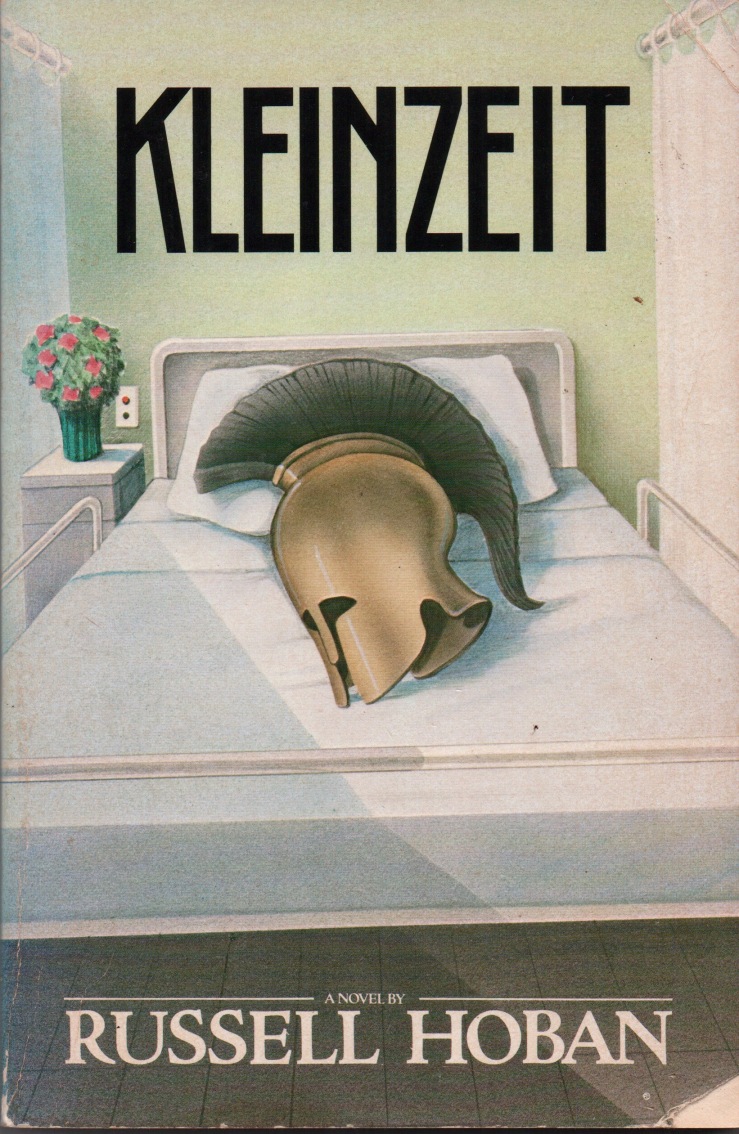
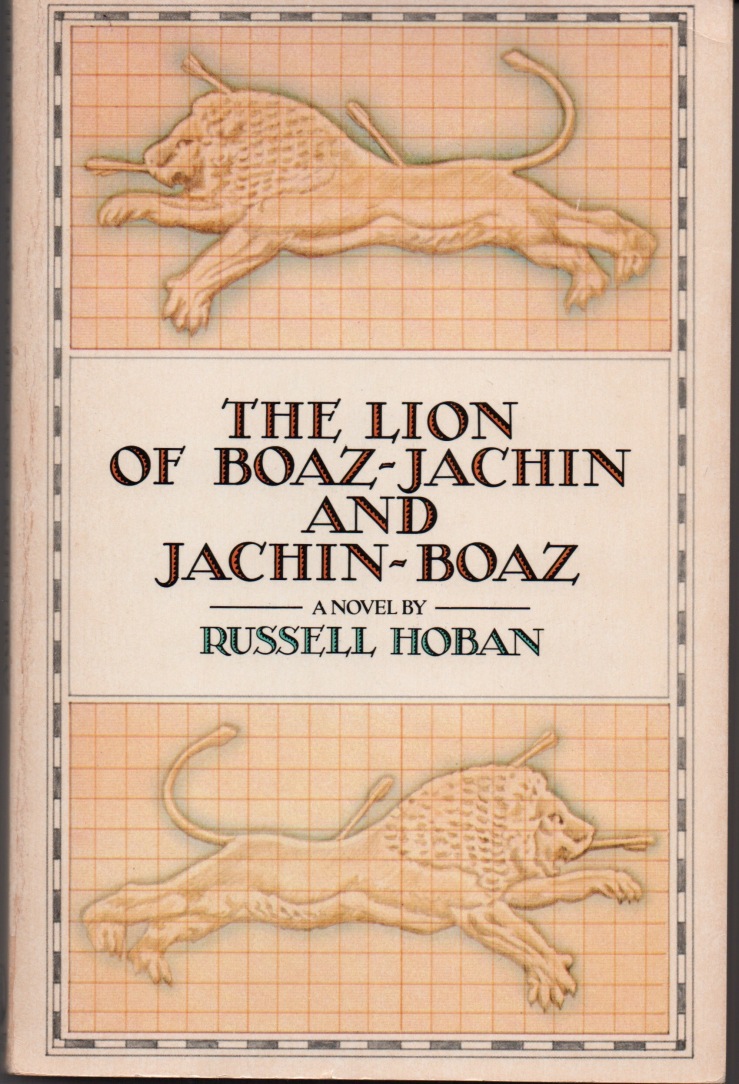
  27. I think that’s when I read the other Hoban novels that I’ve read: The Lion of Boaz-Jachin and Jachin-Boaz; Kleinzeit; Pilgermann.
  28. IMG_0010IMG_0012IMG_0013
  29. Of these three novels, Pilgermann is the best and most fucked up.
  30. (I like Kleinzeit, but it’s too indebted to Beckett.)
  31. Well so and anyway, I put down the novel I had been trying to read, and dug up Riddley Walker, put the thing under my poor old lensed eyes.
  32. Here are the first two paragraphs of Russell Hoban’s novel Riddley Walker:
  33. On my naming day when I come 12 I gone front spear and kilt a wyld boar he parbly ben the las wyld pig on the Bundel Downs any how there hadnt ben none for a long time befor him nor I aint looking to see none agen. He dint make the groun shake nor nothing like that when he come on to my spear he wernt all that big plus he lookit poorly. He done the reqwyrt he ternt and stood and clattert his teef and made his rush and there we wer then. Him on 1 end of the spear kicking his life out and me on the other end watching him dy. I said, ‘Your tern now my tern later.’ The other spears gone in then and he wer dead and the steam coming up off him in the rain and we all yelt, ‘Offert!’                                      The woal thing fealt jus that littl bit stupid. Us running that boar thru that las littl scrump of woodling with the forms all roun. Cows mooing sheap baaing cocks crowing and us foraging our las boar in a thin grey girzel on the day I come a man.

  34. I think this is probably the fifth time I’ve read Riddley Walker. I have a very distinct memory of using the novel as the basis for a project in a linguistics class in college. The project had something to do with graphemes and phonemes and was very harebrained, and I am lucky, as always, that the internet was an infant at the time. (I got a “B” on the project and recycled it my senior year in an English class, getting (earning?) an “A.”)
  35. The previous point is a way of protesting that, even as familiar as I was and perhaps am with Riddley Walker’s linguistic barrier, I still found rereading it physically exhausting.
  36. (I am older now, and all reading tires my body in ways I didn’t expect would be possible even five years ago.)
  37. I also find myself putting the book down to chase rabbits down internet holes that simply weren’t available to me the last times I read the book—
  38. —reading variations of the legend of St. Eustace or mapping Hoban’s Riddley Walker map to contemporary England—
  39. —or just getting hung up on particular phrases and images, letting them rattle around. (And now wishing I’d underlined them so as to share them here, which I didn’t, underline them that is.)
  40. Riddley himself is far more arrogant and decisive than I’d remembered; the angst here is more about a great becoming of a world to come than it is a becoming into the self of adulthood.
  41. (Whatever the fuck that last phrase means; sorry.)
  42. I find myself with new connections too—Aleksei German’s 2013 film adaptation of the Strugagtski’s novel Hard to Be a God comes readily to mind, as does Alfonso Cuarón’s 2006 film Children of Men.
  43. And David Mitchell’s novel Cloud Atlas, too (along with the Wachowskis’ film adaptation), which stole readily from Riddley Walker.
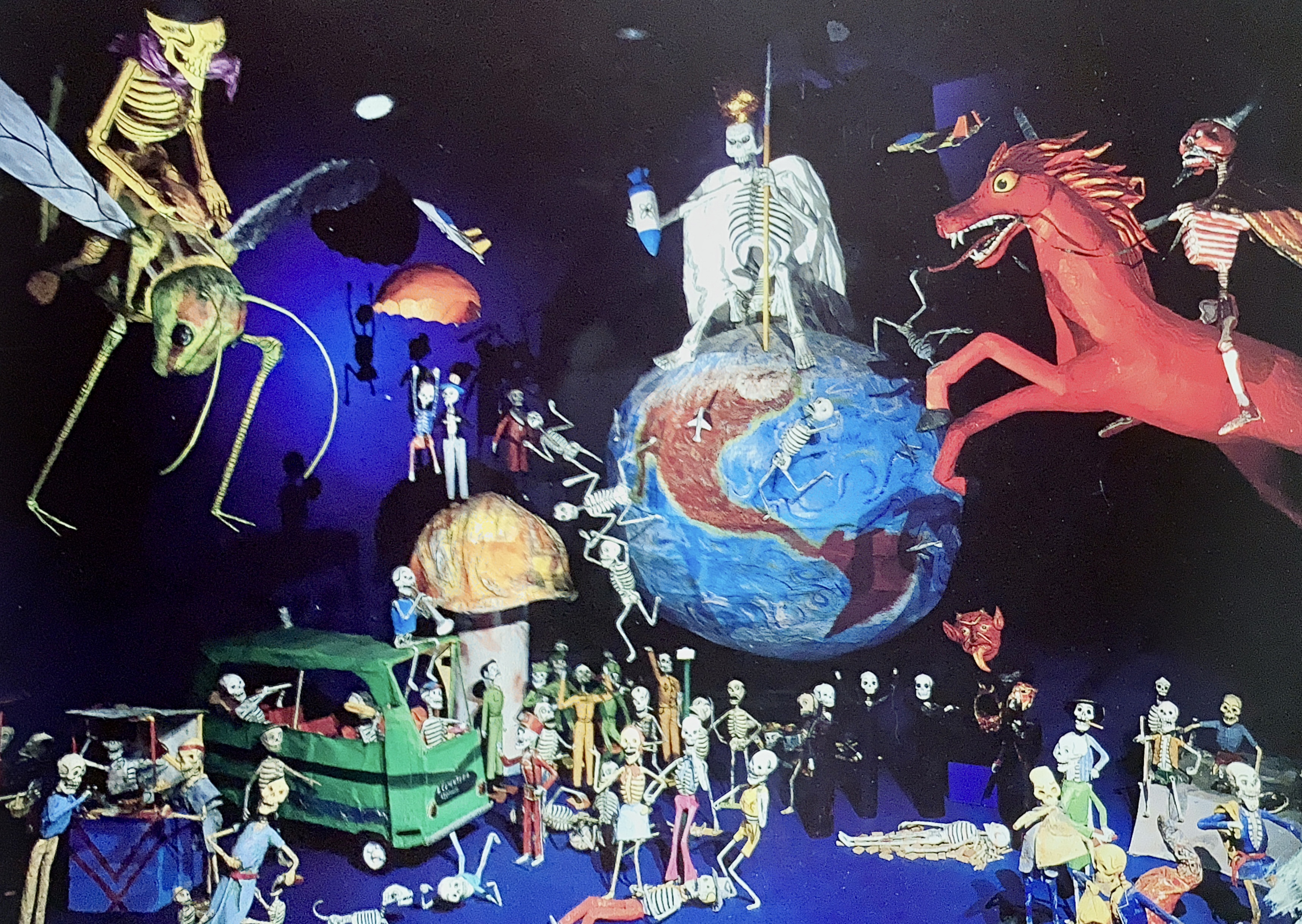
  44. The bookmark at the back of the copy of Riddley Walker I opened was a postcard from Mexico from Texas:
  45. The piece, according to the back of the postcard, is appropriately titled The Atomic Apocalypse—Will Death Die? The piece is a photograph of a painted papier mache menagerie, attirbuted to the Linares Family of Mexico City, 1989.
  46. Some old younger version of myself stuck it in the back of Riddley Walker as a joke.
  47. The postcard came from a man in Texas who won a contest to win a copy of the 25th-anniversary edition of Blood Meridian. 
  48. This man sent several postcards, and I scanned them and shared them on the site, but this particular postcard is not in that set of shared postcards.
  49. Why? Did the postcard not fit on the scanner? Was it sent later, as a polite Thank you? (I don’t think so; on the postcard’s b-side, the man who won the contest shared a quote from Blood Meridian describing the physical appearance of Judge Holden.)
  50. Let this postcard stand as aesthetic précis for Riddley Walker though, and let me be done. (I will find the other postcards over the years, or not.)

William Friedkin describes creating Sorcerer’s bridge-crossing sequence

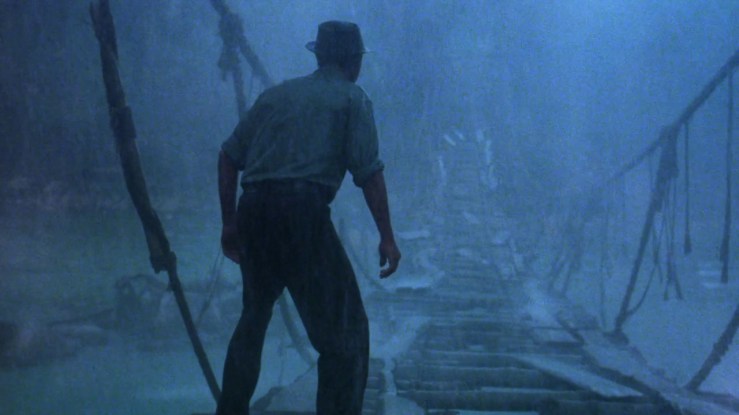
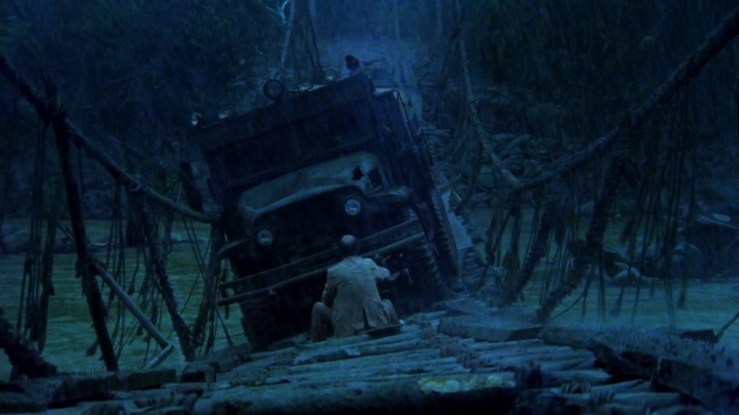
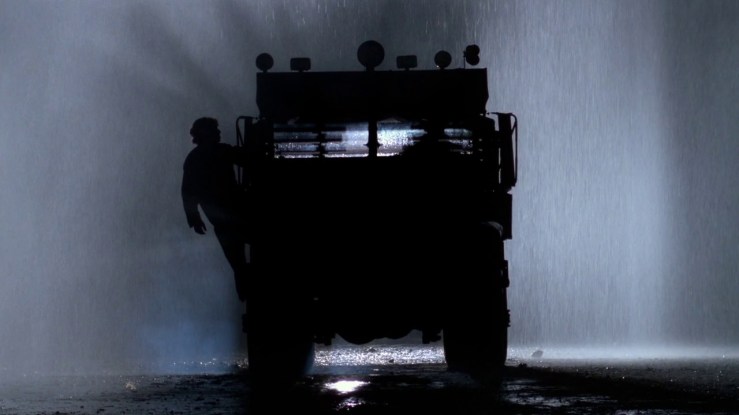
The most important scene in the film and the most difficult I’ve ever attempted is the bridge-crossing sequence, wherein the two trucks have to separately cross an old wooden suspension bridge that appears completely unstable. The bridge was anchored by crossbeams at each end, and the ropes suspending it were frayed, the wooden planks rotted and in some places absent. The crossing takes place over a rushing river during a blinding rainstorm. John Box designed the bridge so that it was controlled by a concealed hydraulic system with metallic supports. Each truck, as it crossed, was attached invisibly to the bridge so that it would sway but not capsize. That was the theory. Built at a cost of a million dollars, the bridge took three months to complete and was totally realistic, but it was a mad enterprise and definitely life-threatening.

We found the perfect river over which to build it, with a strong current and a depth of twelve feet. The river was more than two hundred feet wide, so that dictated the length of the bridge. Thick forest flanked it at each end.

As the weeks unfolded, there was little rainfall, and the river was diminishing. How could this be? Local experts and army engineers assured us that the river had never gone down. But slowly, agonizingly, it was doing just that. From twelve feet, the water level dropped down to ten, then eight, then five. By the time the bridge was finished, there was a little over a foot of water; and then the river dried up entirely! We had constructed a bridge over nothing. This was becoming a cursed project. With costs escalating and so many on the crew lost to illness and burnout, the sensible thing to do was to come up with a simpler sequence. That was the advice of all the executives, but I had become like Fitzcarraldo, the man who built an opera house in the Brazilian jungle. When I saw the finished bridge, I believed that if I could film the scene as I conceived it, it would be one of the greatest in film history. My obsession was out of control, and if I hadn’t been so successful over the past few years, I would have been ordered to stop. The two studios bet on me against their better judgment, because they thought I still had the mojo; maybe I was so in tune with audience tastes that costs wouldn’t matter. No one in his right mind would have continued on this course, but no one was in his right mind. I had the confidence, the energy, and the drive of an Olympic downhill skier, and those who stayed with me—the camera crew, the grips, electric, props, John Box, Roy Walker, my assistant director, Newt Arnold, and Bud Smith—all shared my passion. So we dispatched scouts to Mexico, to the Papaloapan River outside the town of Tuxtepec, where we had been told there were rushing waters in similar terrain that had never dropped in level, “the memory of man runneth not to the contrary.” John Box went to Mexico and came back with photos that matched our Dominican location perfectly. We dismantled the bridge and left the Dominican Republic with only two scenes left to shoot. We had to shut down while holding on to our four principal actors and key crew.

We flew to Vera Cruz, a shadowy seaport on Mexico’s Gulf Coast, which would be our base for three days, while John organized the precise location to rebuild the bridge. I discovered a small hotel in Plaza de las Armas, the main square. The tree-lined square was filled with mariachi bands and old men playing dominoes, smoking cigars, and drinking locally grown coffee. We filmed a prologue for Paco Rabal’s character Nilo, who kills a man execution-style in a room at the hotel overlooking the peaceful plaza below.

Our next stop was Tuxtepec in Oaxaca Province, one hundred miles to the south and east of Vera Cruz. From here we pushed farther south into the jungle surrounding the Papaloapan, to what had been an ancient Aztec village, with a small peasant population. The weather was humid, and thick, lush vegetation surrounded the fifteen-foot-deep branch of the swiftly rushing river. The bridge was already designed and built, so now it was a matter of reassembling and anchoring it. The shutdown of production lasted a month while we regrouped, at great expense to management. When we arrived at the Aztec village, I noticed what appeared to be a mass exodus of the local population. One of the authorities told me it was because of word of my arrival. They were a deeply religious people, and the man who made The Exorcist was coming to their village: bad karma. But a few of the locals and people from surrounding villages stayed and worked with us to put up the bridge.

I know this is hard to believe, but again the river level began to drop, at the rate of six inches or more a day. We had been told it rained often in this area, but we weren’t told that rain occurred only in the summer season. It was now the fall. I could see where this was going, but there was no turning back.

I became friendly with the local laborers. I used to share cervezas with them after a day’s work. One evening a man named Luis, who helped to organize the local crew, knocked on the door of my cabin. We all stayed in small wooden cabins in the jungle, the size of prison cells, with only an army cot, a chair, and a single hanging lightbulb. Luis asked if he might have a word with me. I was exhausted, but he was a good man who worked hard with a pick and shovel all day. I invited him in, and he handed me a beer and had one himself. We sat down and exchanged small talk for a few minutes; then he reached into his shirt pocket and pulled out what looked like an identity card but was on closer examination a badge. His look turned serious and sad. “Si, Señor Bill, I am Federales.” He was a federal agent assigned to work undercover on our set. “I have to inform you of an unfortunate situation,” he said. “There are members of your crew who are using drugs. This is a serious problem in my country.”

Was this a shakedown? “In a normal situation,” he continued, “I would be obliged to arrest them, and they would go to prison. Because I like you, I will not arrest them.” I was shocked; I wasn’t aware of who was using, or what. I thanked him and promised to make sure this activity stopped. “But they have to leave the country. Tomorrow,” he added. “Tomorrow?” “Sí.”

He gave me a dozen names, handwritten on a scrap of paper. They included members of the grip crew, some of the stuntmen, and the makeup artist. I told him this would seriously damage my ability to finish the film. “I am sorry,” he said quietly. “I’m sure you don’t want them to go to prison, and it is within my authority to arrest or send you all home, even those who are not using drugs. This is the best I can do; these people have to leave Mexico tomorrow.”

And so they did. It took two weeks to replace key people who had been with the film from the beginning, while the river continued to decline to a height of just under three feet, then became a stagnant pool. I called a meeting of the crew and explained the situation without inquiring who else was using. It was clear that anyone using would be caught and arrested. There were no more “unfortunate situations,” and thankfully the actors weren’t at risk, or we’d have been forced to shut the picture down.

We were able to divert sections of the river to our location using large pipes and pumping equipment, and I decided to shoot the scene in rain, manmade rain, so we brought in half a dozen large sprinklers that drew water from upriver. The sky was cloudy from morning until noon, then bright sun appeared and we had to shut down and go to our cabins until five o’clock, when the clouds rolled in again and we could resume shooting in matching light. The scene runs twelve minutes, roughly 10 percent of the final cut, but it took months to complete and cost more than $3 million, most of it not budgeted. The only thing that could save me was a hit picture. I had no doubt it would be. The performances were terrific, and the action scenes were original and believable.

Though the bridge scene was carefully prepared, the trucks would occasionally fall to one side. No one was hurt or injured, and none of the actors took the fall, only the stuntmen, who were heavily padded with flotation gear. I ran three cameras at different angles, but with the split shooting days it seemed as though we’d never be able to complete the scene. By the time it was over, a month later, I was exhausted and stressed but relieved, proud of the film but anxious to get home.

From William Friedkin’s memoir The Friedkin Connection.

Susie Boyt’s Loved and Missed (Book acquired, 5 Aug. 2023)

Loved and Missed is the seventh novel by British author Susie Boyt, but the first to be published here in the States. Publisher NYRB’s blurb:

Ruth is a woman who believes in and despairs of the curative power of love. Her daughter, Eleanor, who is addicted to drugs, has just had a baby, Lily. Ruth adjusts herself in ways large and small to give to Eleanor what she thinks she may need—nourishment, distance, affection—but all her gifts fall short. After someone dies of an overdoes in Eleanor’s apartment, Ruth hands her daughter an envelope of cash and takes Lily home with her, and Lily, as she grows, proves a compensation for all of Ruth’s past defeats and disappointment. Love without fear is a new feeling for her, almost unrecognizable. Will it last?

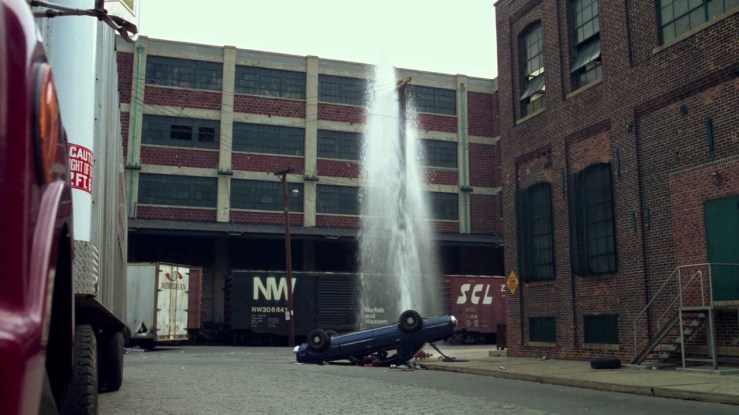
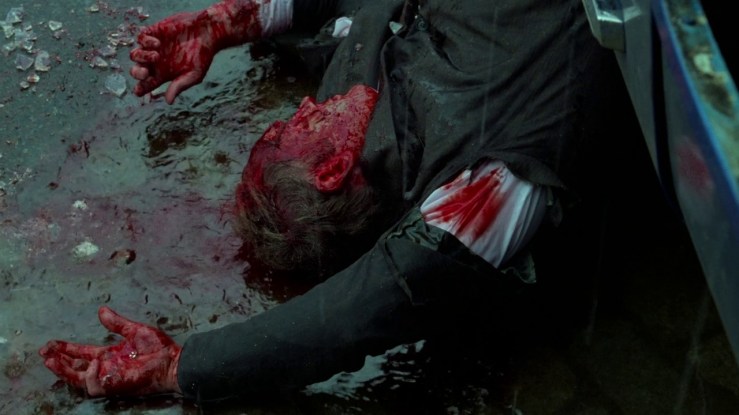
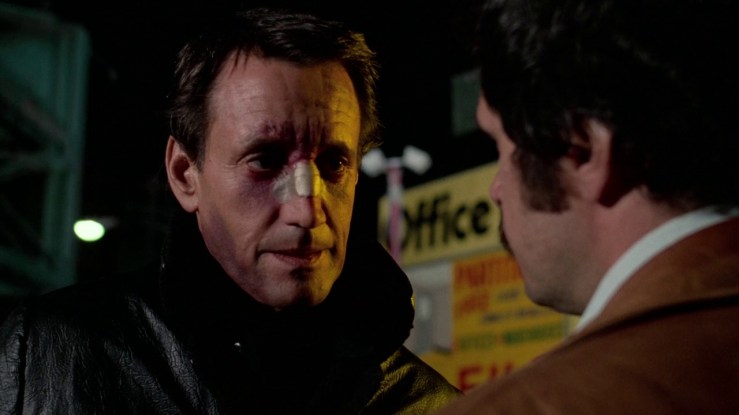
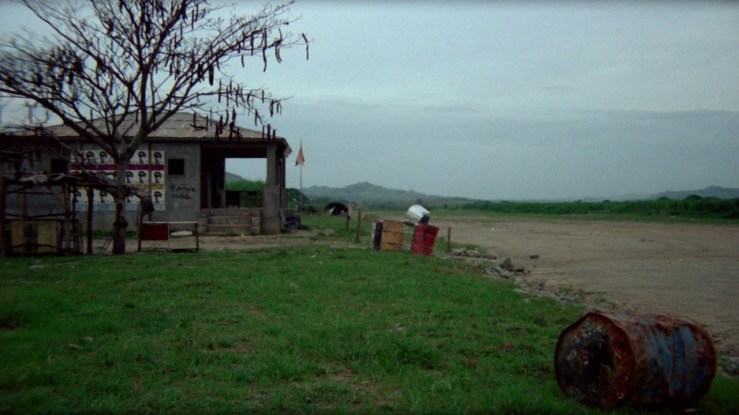
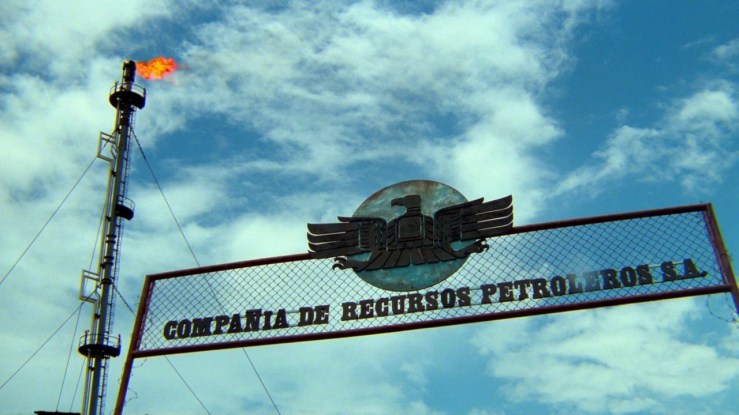
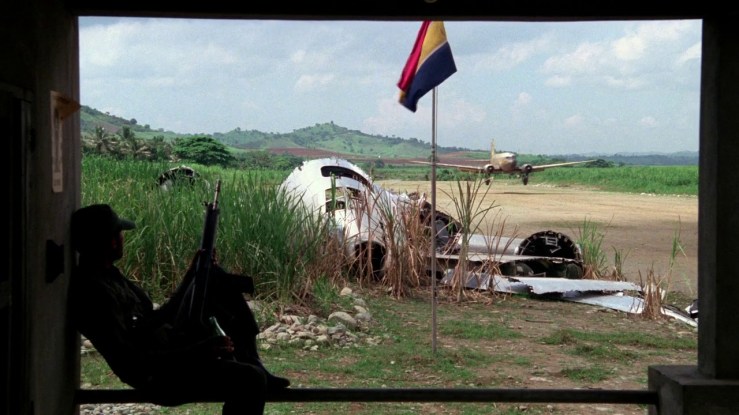
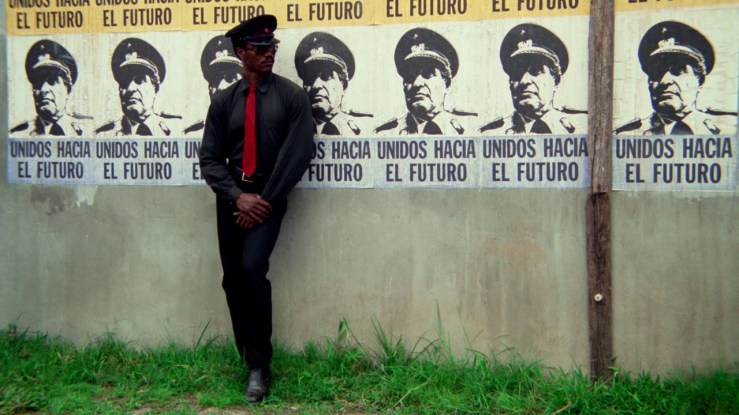
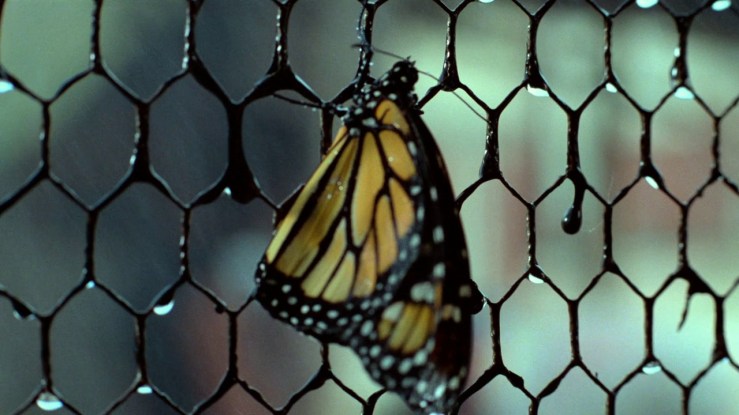
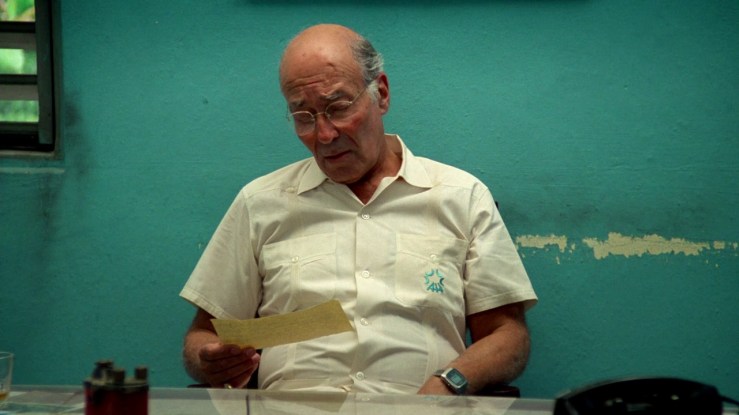
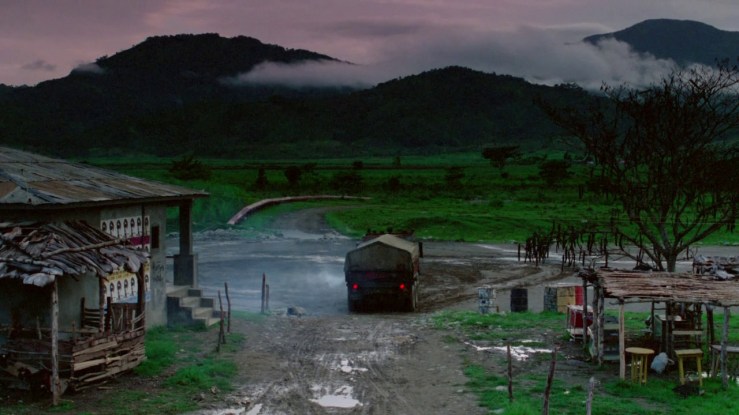
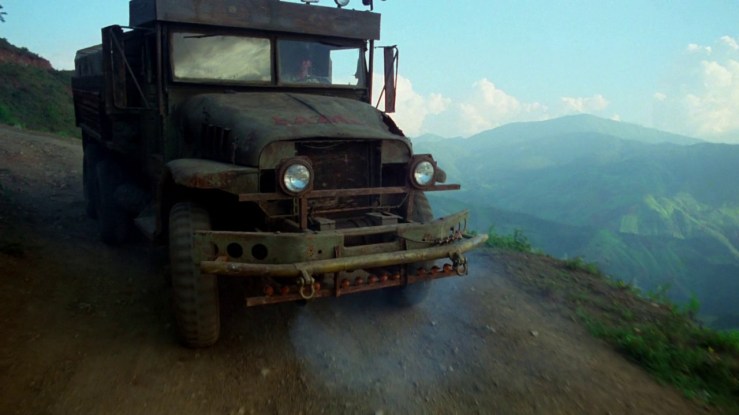
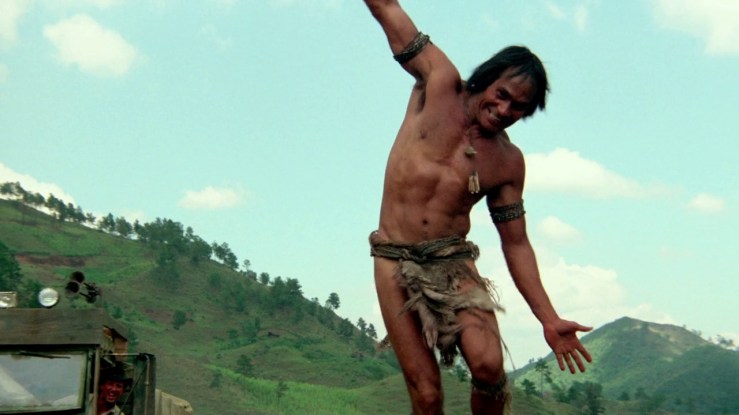
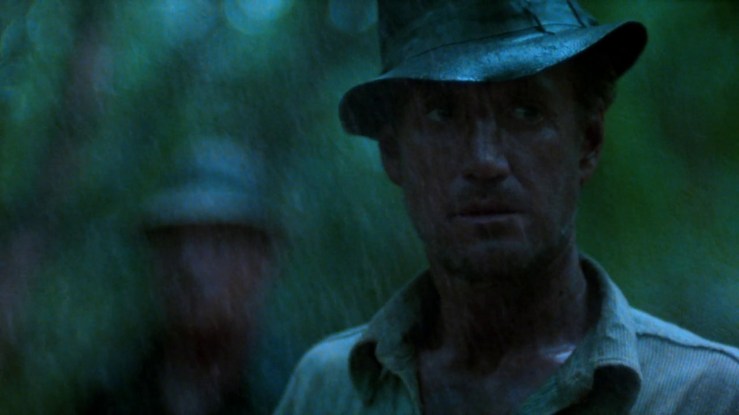
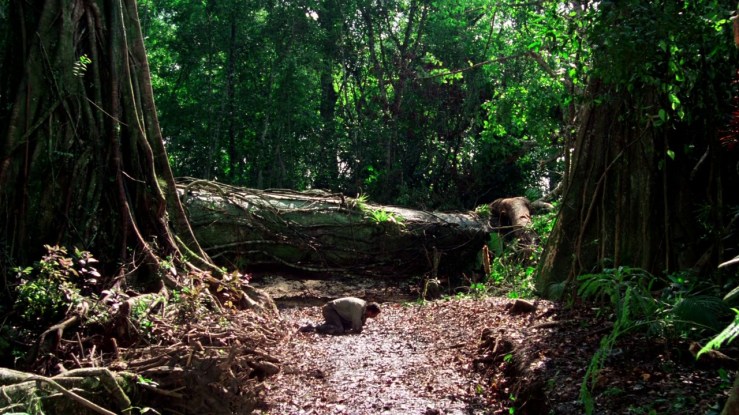
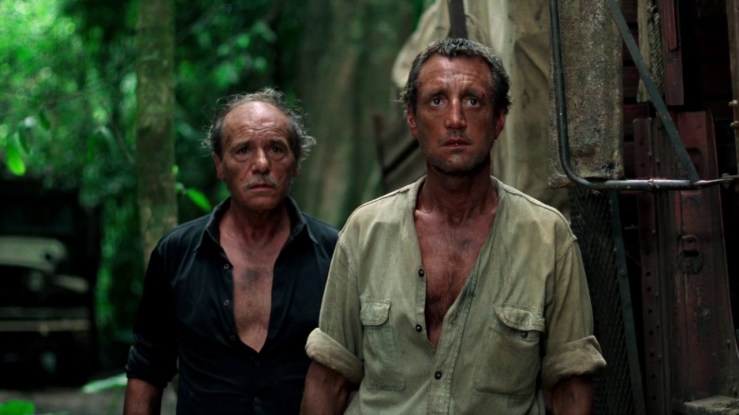
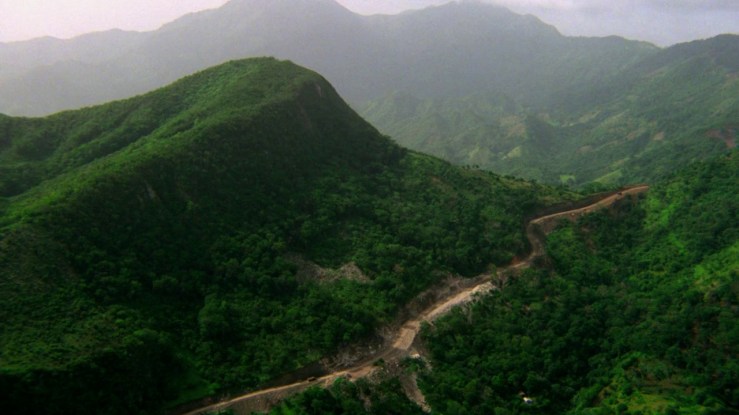
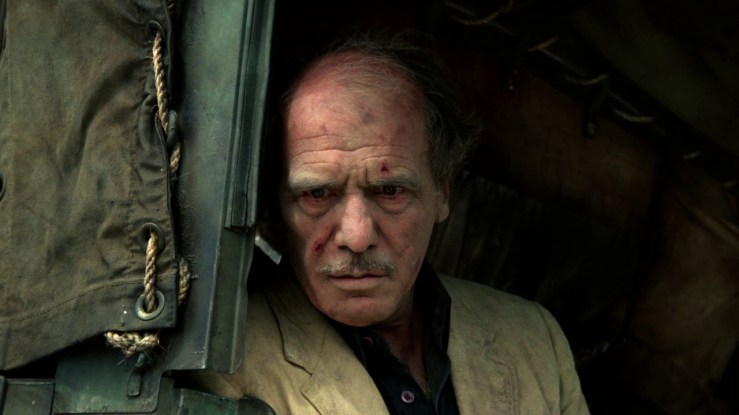
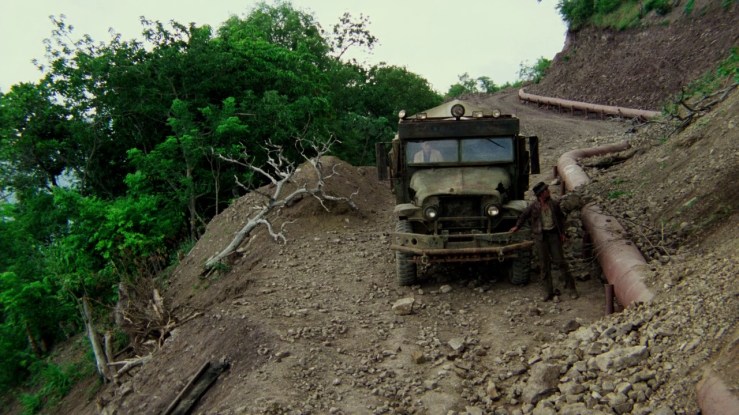
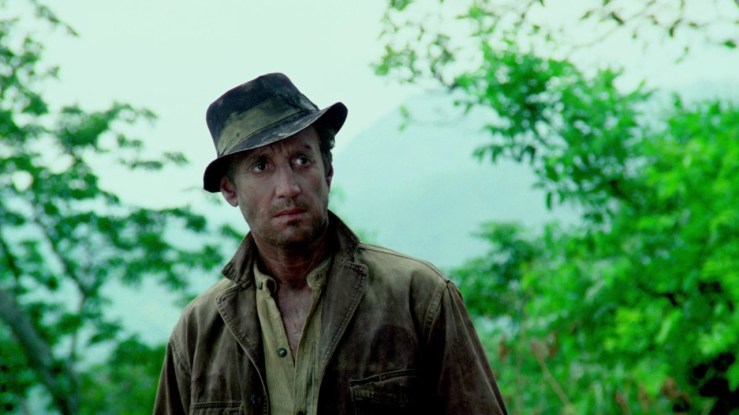
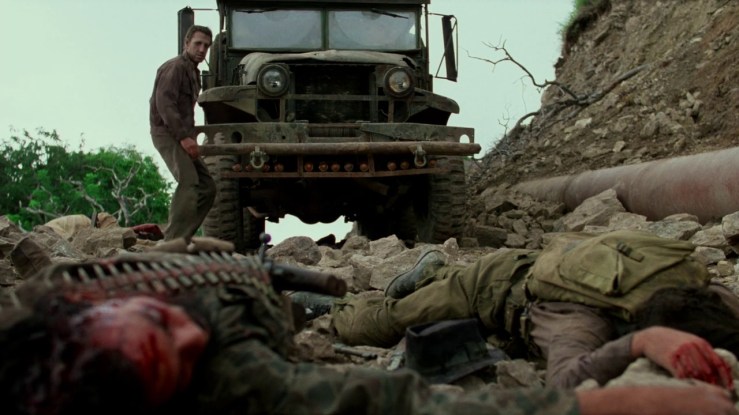
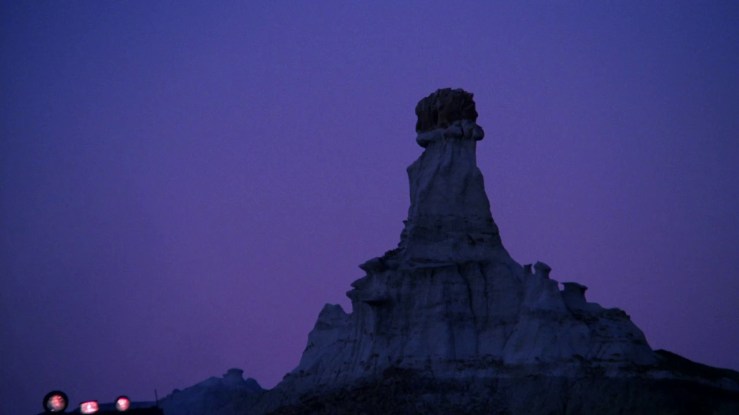
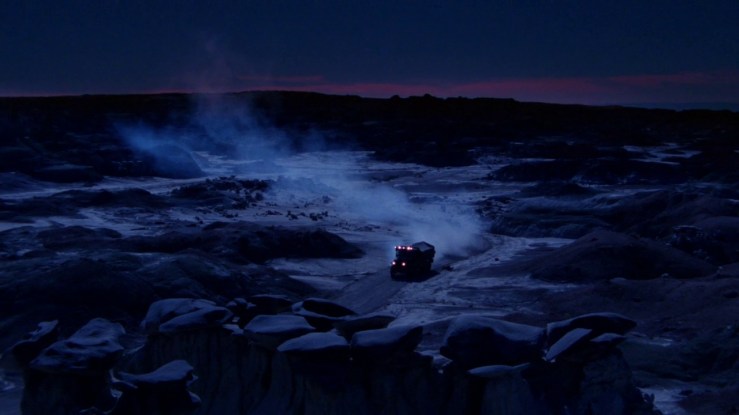
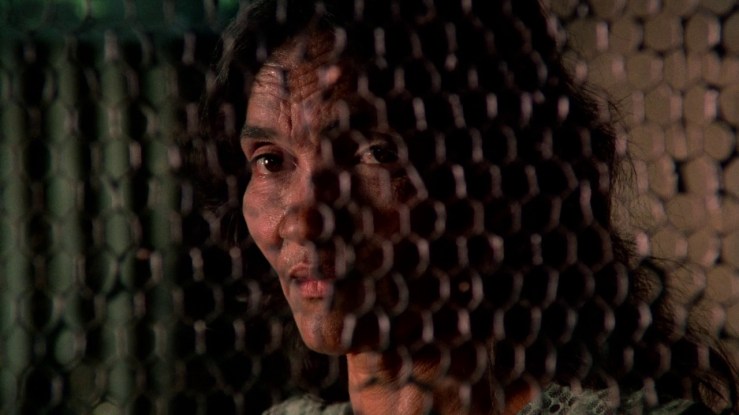
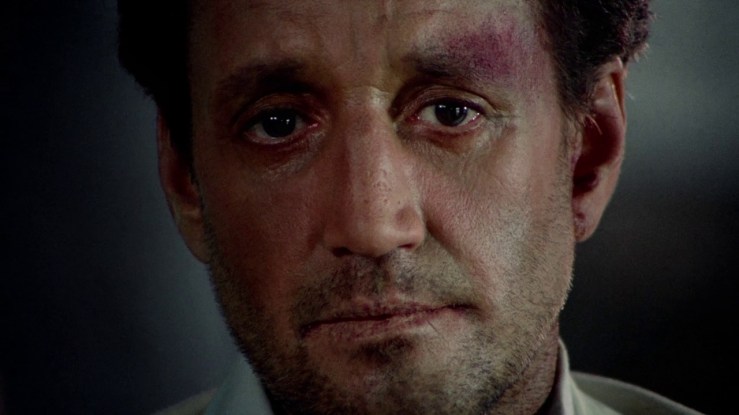
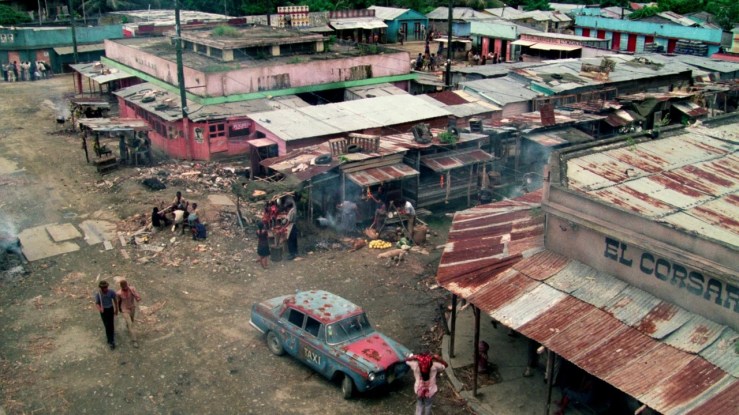
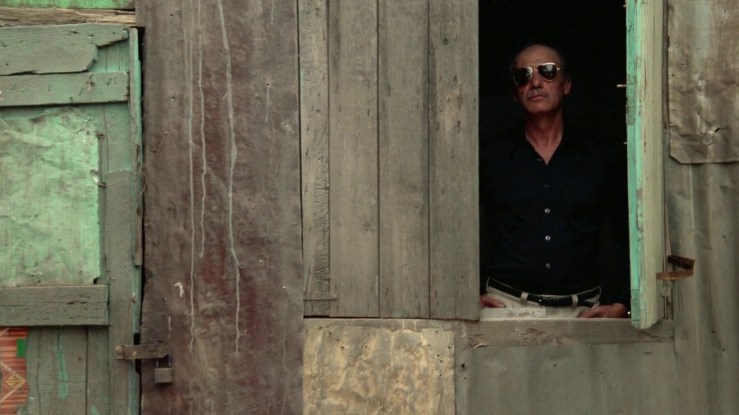
48 frames from William Friedkin’s Sorcerer

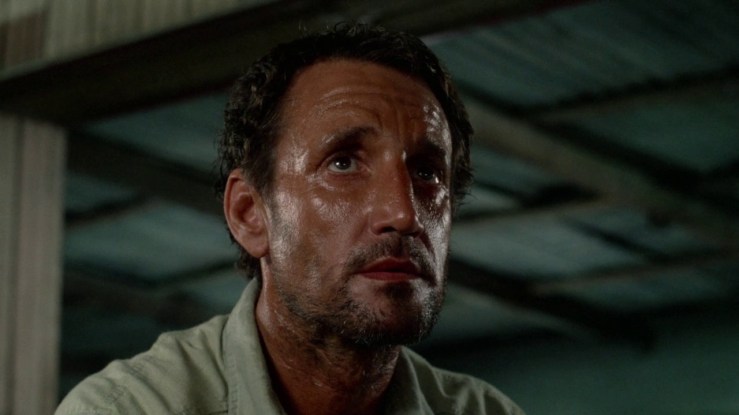
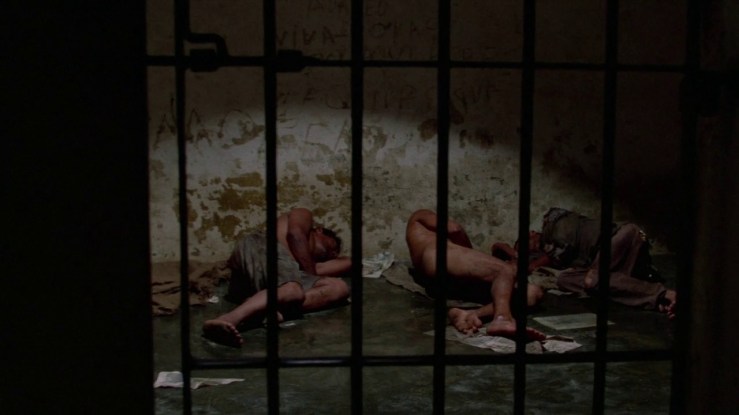
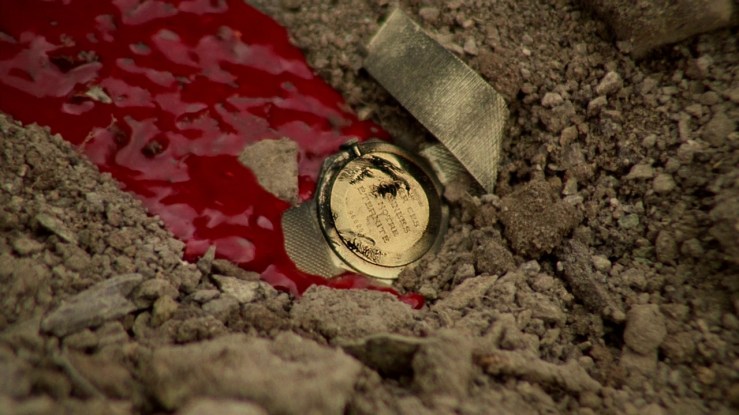
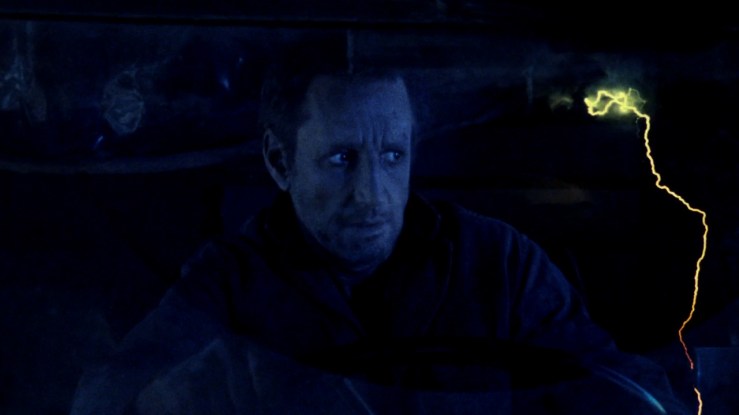
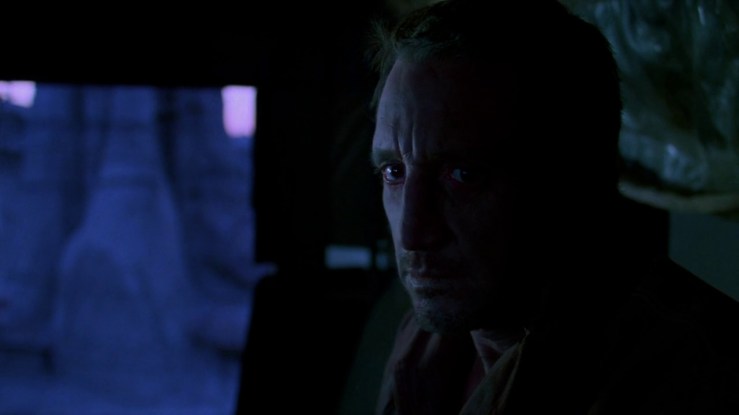
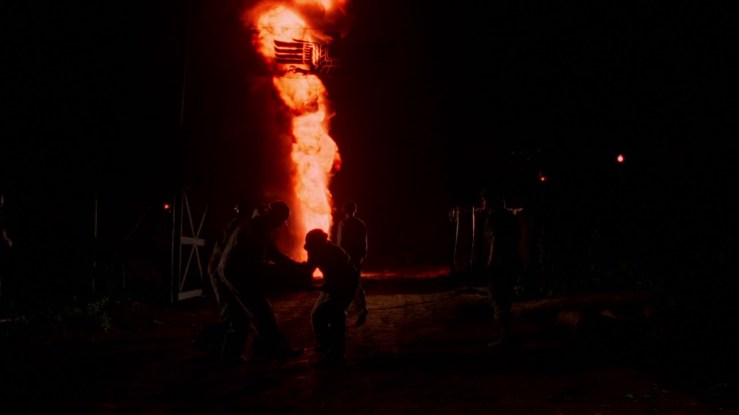
From Sorcerer, 1977. Directed by William Friedkin. Cinematography by Dick Bush & John M. Stephens. Stills via Film Grab.

RIP William Friedkin, 1935-2023.

“Counterman” — Paul Violi

“Counterman”
by
Paul Violi

What’ll it be?
Roast beef on rye, with tomato and mayo.
Whaddaya want on it?
A swipe of mayo.
Pepper but no salt.
You got it. Roast beef on rye.
You want lettuce on that?
No. Just tomato and mayo.
Tomato and mayo. You got it.
…Salt and pepper?
No salt, just a little pepper.
You got it. No salt.
You want tomato.
Yes. Tomato. No lettuce.
No lettuce. You got it.
…No salt, right?
Right. No salt.
You got it. Pickle?
No, no pickle. Just tomato and mayo.
And pepper.
Pepper.
Yes, a little pepper.
Right. A little pepper.
No pickle.
Right. No pickle.
You got it.
Next!
Roast beef on whole wheat, please,
With lettuce, mayonnaise and a center slice
Of beefsteak tomato.
The lettuce splayed, if you will,
In a Beaux Arts derivative of classical acanthus,
And the roast beef, thinly sliced, folded
In a multi-foil arrangement
That eschews Bragdonian pretensions
Or any idea of divine geometric projection
For that matter, but simply provides
A setting for the tomato
To form a medallion with a dab
Of mayonnaise as a fleuron.
And—as eclectic as this may sound—
If the mayonnaise can also be applied
Along the crust in a Vitruvian scroll
And as a festoon below the medallion,
That would be swell.
You mean like in the Cathedral St. Pierre in Geneva?
Yes, but the swag more like the one below the rosette
At the Royal Palace in Amsterdam.
You got it.
Next!

All art constantly aspires to the condition of music all art constantly aspires to the condition of music

Gosfield Street Murder — James Boswell

Gosfield Street Murder, 1942 by James Boswell (1906-1971)

“Slow Grounder,” a short story by Hob Broun

“Slow Grounder”

by

Hob Broun

from

Cardinal Numbers

img_9613


Up or down, in motion or asleep and half asleep, Speed has the same musical questions that slosh in his head. How could you play twelve years in the majors and end up like this? Did you go stupid on purpose? Where is the curly wife birdfeeding you popcorn tinged with lipstick? And the little girls begging to stand on your big feet to be danced in circles? The Barca-lounger? The riding mower? The tropical aquarium? Going, going, all long gone.

So now Speed has transistor radios in his place, on sills and ledges, hanging by wrist straps from bedpost and cabinet knob, on top of the fridge and the toilet tank. They have silver aerials that always point up. They have leather casings that snap over the top like overalls; or go naked in turquoise Jap plastic. Below, their countable speaker dots and on top a grid of numbers make super dominoes. Very advanced. Dominoes from Outer Space.

But even playing all together so Lurtsema downstairs spears his ceiling with a mop handle, they can’t drown out Speed’s musical questions. What happened to the four-bedroom house with skylight and sundeck? To the Chrysler New Yorker with gray velour upholstery Kimmie called mouseskin, chanting it at her sister and bouncing?

Back in Dakota, when he was still Russell and a boy, there’d been Gramp in his chair. Gramp clicking his plates on the stem of a cold pipe. Gramp in full expectation, bird gun across his knees, and sooner or later the door would suck open on a winter-crazed redskin come to take, and let him reach for one potato or lump of coal, Gramp would blast him back across the frozen porch.

You were supposed to be on guard, block the plate. But Speed had his chest protector on backwards, or something. Now he’s getting the razz. The hotfoot and the horselaugh. “This bum,” and he can see his picture coming down in delis and barbershops. Bumhood like something he could pass over wire so the guys duck out when he calls. “Going south for the tarpon, Speed. Keep in touch.” Even his roomie four years with the Sox saying, “I’m kind of extended now, Speed. Maybe you could put it in a letter,” then hanging up before he can get the address. And what had him extended was a thing called Bob’s Bag-O-Salad, three of them opened around Philadelphia there, the shaved lettuce and carrots, so on, in a special plastic bag you could eat out of, then throw away, and the dressing faucets, your choice of ten. People were flocking to the greens, trying to ward off cancer.

Back in Dakota one year when he was visiting for Christmas, the wind had come down off the Canadian plains to swirl snow and dirt into what they called a “snirt” storm. It clattered against the house. Mom said, “Hardly recognize you in those clothes.” Pop said, warily lifting his present, “Is it something to eat?” Pop had been three years at the Colorado School of Mines. As a cook. It was still snirting the next day and the day after that. “That dog can’t but hardly see,” Pop said. Perry Como sang about mistletoe and Mom sniffled. Speed went to the cellar. He put his hands in the bin of seed potatoes. Things can live in the dark, he thought, and didn’t feel any better.

Speed gets out his fourteen gum cards, still shiny. Twelve full seasons, plus the one in front when they sent him down to Asheville for seasoning, and the one in back when they said you’re not in our plans for this year. But we could let you be a batting coach in the Bean Dip League. He remembers the Fargo girl who sent pictures of herself on a horse, or in her band uniform. “Carry me up there and hit the big one.” And the one night he puts her in his pocket Fuentes throws a no-hitter. Sandi, with a heart over the i. He thinks about pictures as a residue of time. “Adams led the club last year in RBIs.”
Back in tenth grade in Dakota, geometry had calmed him down. Nothing he knew was so pure as those angles and arcs. Not even the hiss of a fastball inside the four points of a diamond. He made figures with compass and ruler and colored them in. Numbers might be a trick, but he could understand the laws of shape.
It’s almost dark outside, so Speed turns some radios on. The sound is tight, a pressure leak, but Speed hears his questions the same. And what they want is the clacking logic of one domino tipping the next one as it falls and the next and the next and the next. But all he can remember is what the things were, not why or where they went. From the couch to the John to the bed is the only geometry left. The lines don’t really meet, okay.
Noticing the buzzer, he can tell its been going some time behind his radios. Getting up, he feels light, light as paper, when the door sucks open on a man with silver eyes, skin with a rubbery shine, and where the ears ought to be, holes in a circle like the mouthpart of a telephone.

He says, “Bless my stars.”

Speed says come on in, but the shape of the doorframe seems to make him nervous. He tries to smile and it’s like something he had to learn in a hurry.

Nodding to the radios: “You’re a listener.”

Speed shrugs a little. Those eyes are really terrible.

“So you’re ready to go, then?”

Speed doesn’t say, “I don’t care if I never come back.” He sings it.

“Really very nice there.” The man gestures vaguely, impatiently. “All the lines meet. It’s very forgiving.”

Speed really wants him to come in now, but the man says he needs to run a couple or errands first.

“My vehicle’s parked on the roof. Wait here.”

Okay. In the kitchen Speed empties a can of Hormel chili into a pan. Hearing the traffic report is nice. He breaks two eggs into the pot, stirs. It doesn’t require a look to know there are bits of shell in there. But so why take them out?