


I took a bunch of pictures at the Metropolitan Museum of Art yesterday.
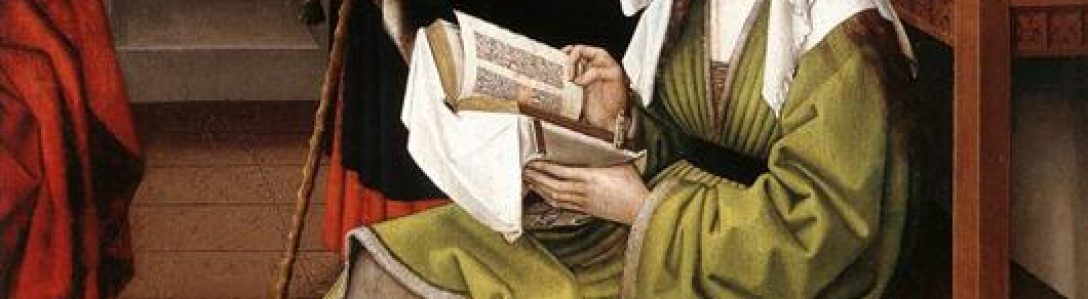
I took a bunch of pictures at the Metropolitan Museum of Art yesterday.


I picked up Antoine Volodine’s Writers today.
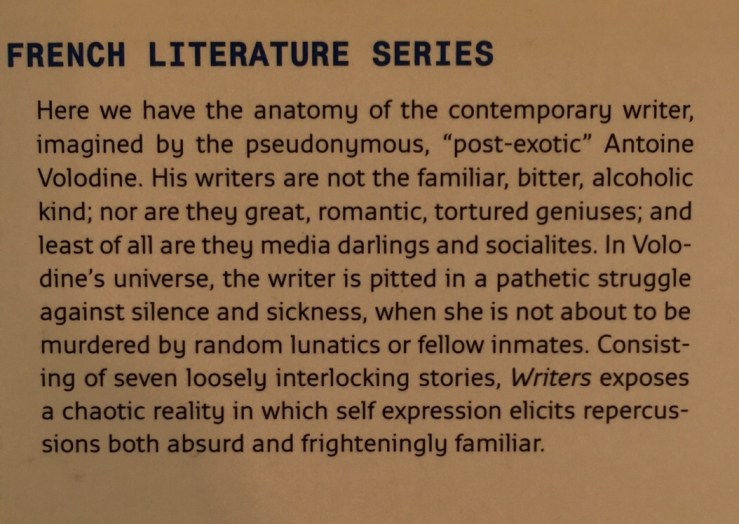
I also looked at some pictures, including these–

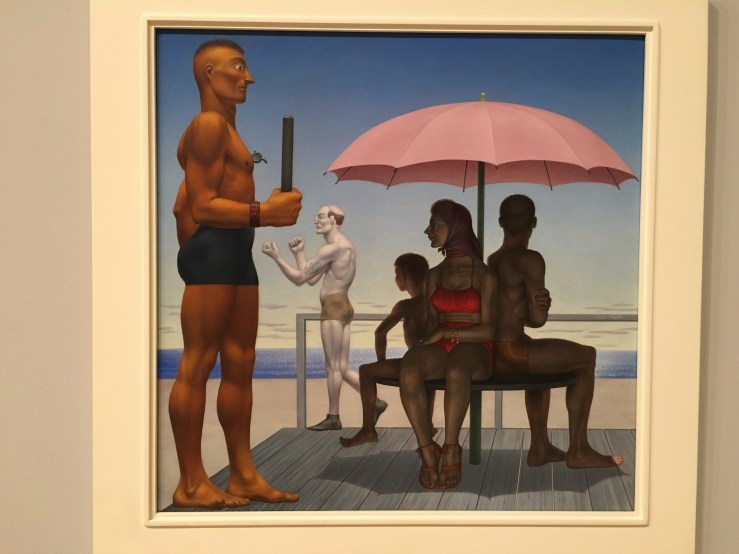
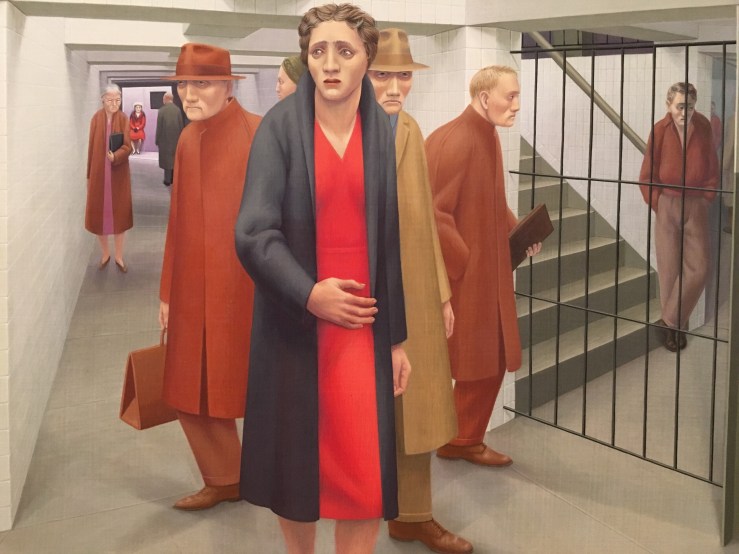
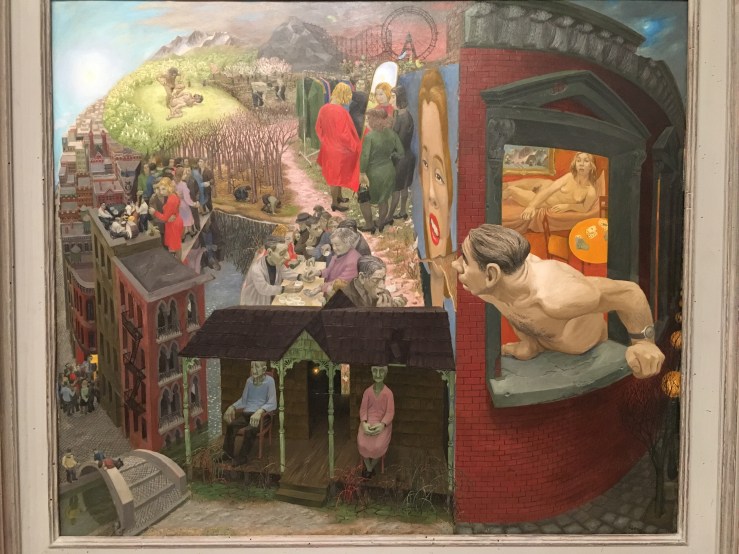
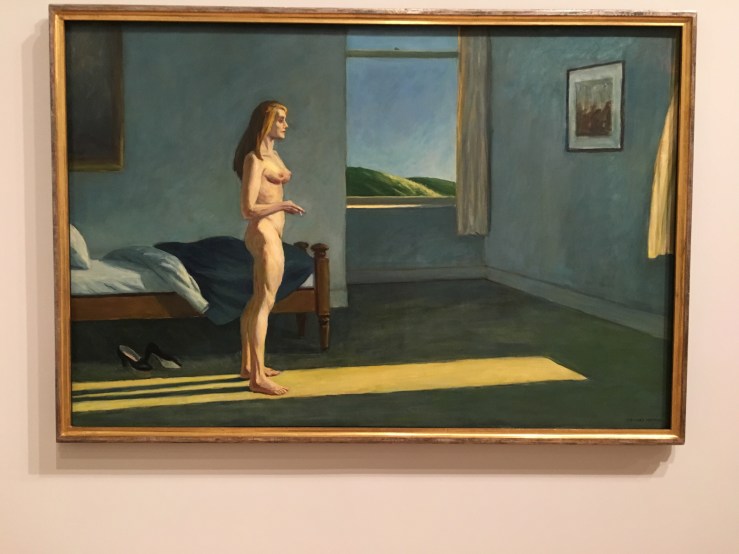
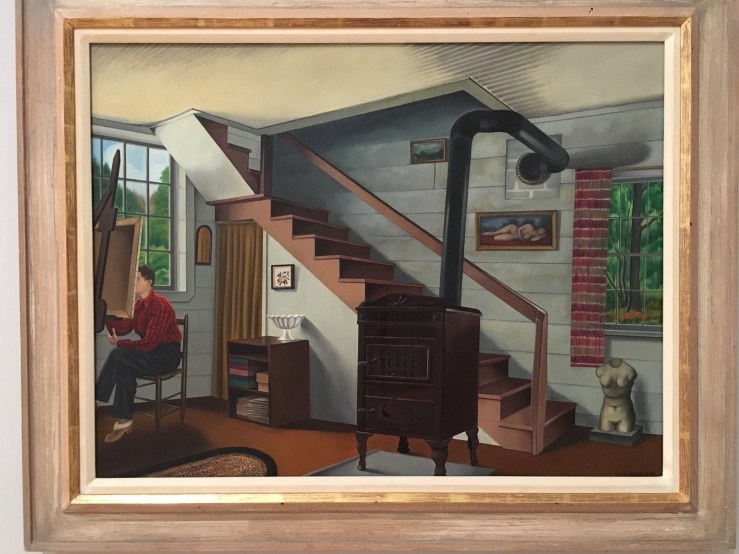
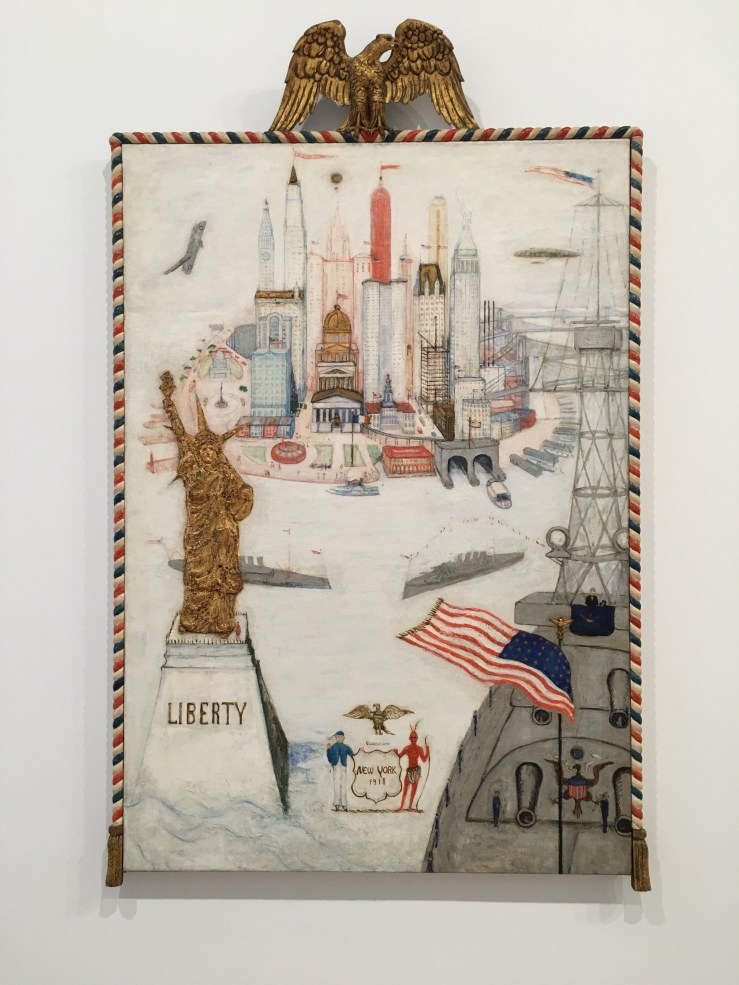

Los bailarines y los bebedores (Dancers and Drinkers), 1978 by Benjamin Cañas (1933-1987)


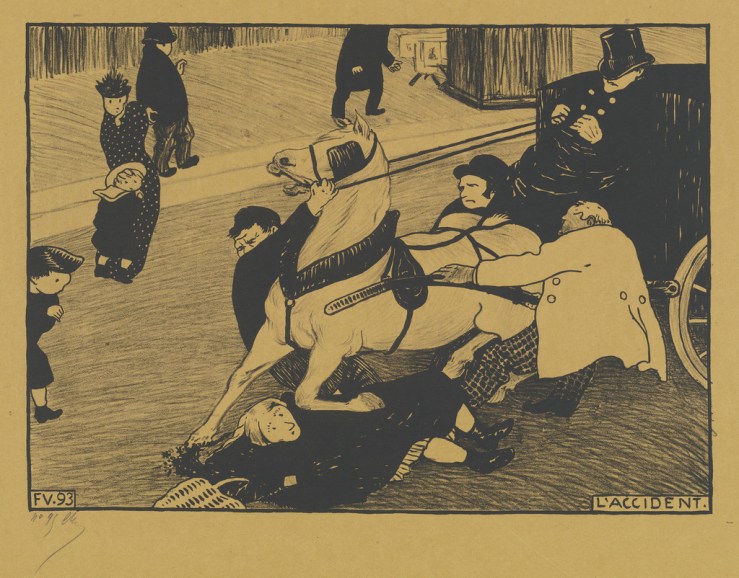
The Accident, 1893 by Félix Vallotton (1865-1925)
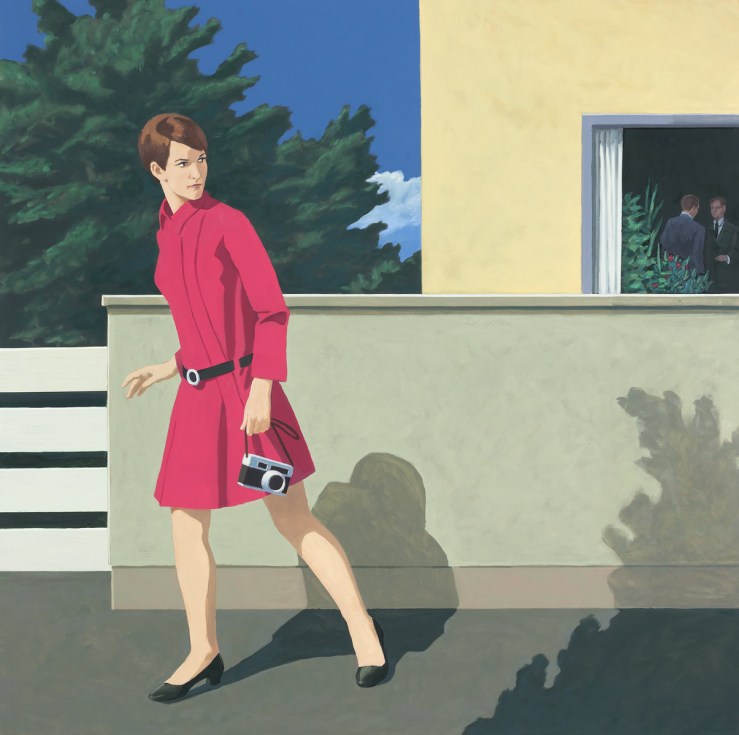
The Photographer, 2016 by Christian Brandl
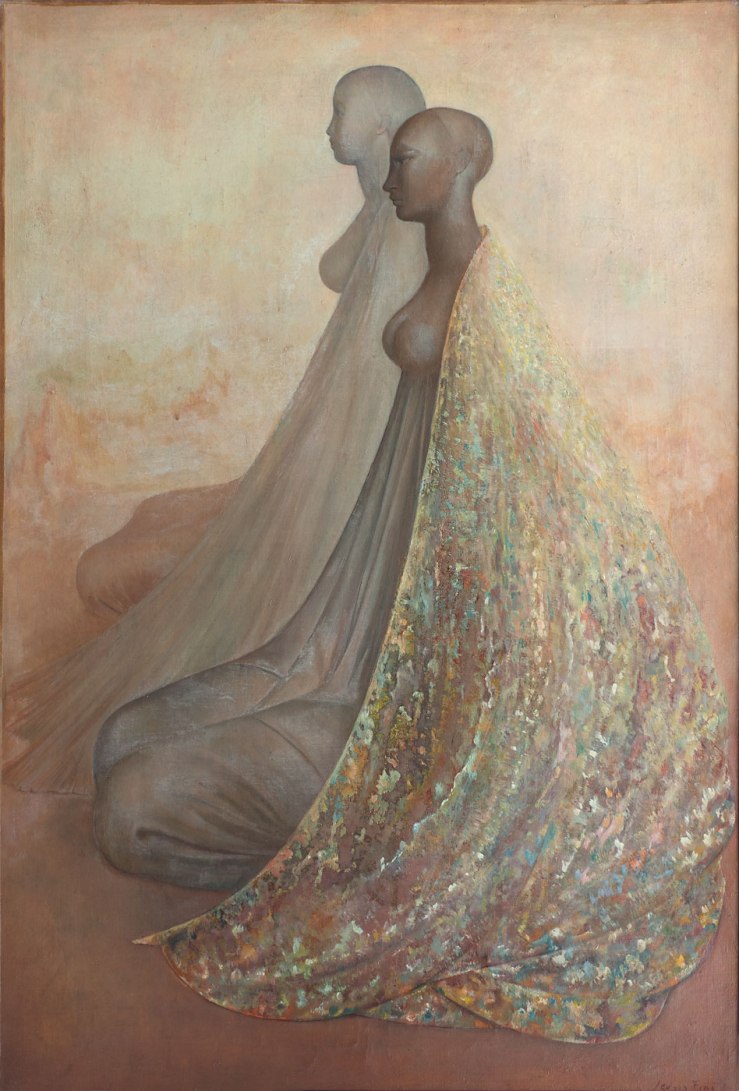
Doubles, 1955 by Leonor Fini (1908-1996)
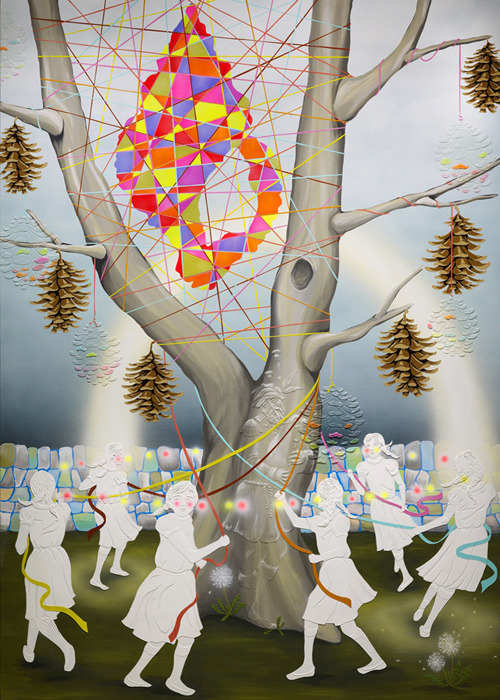
Maypole, 2010 by Wendell Gladstone (b. 1972)
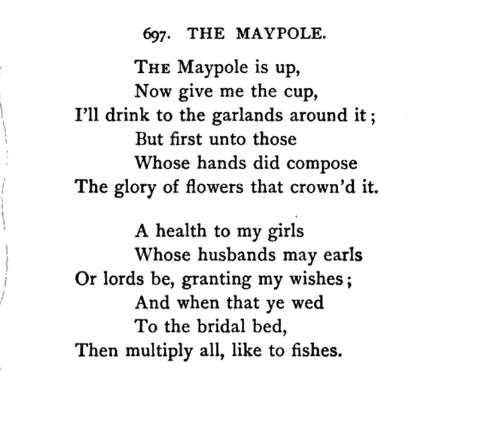
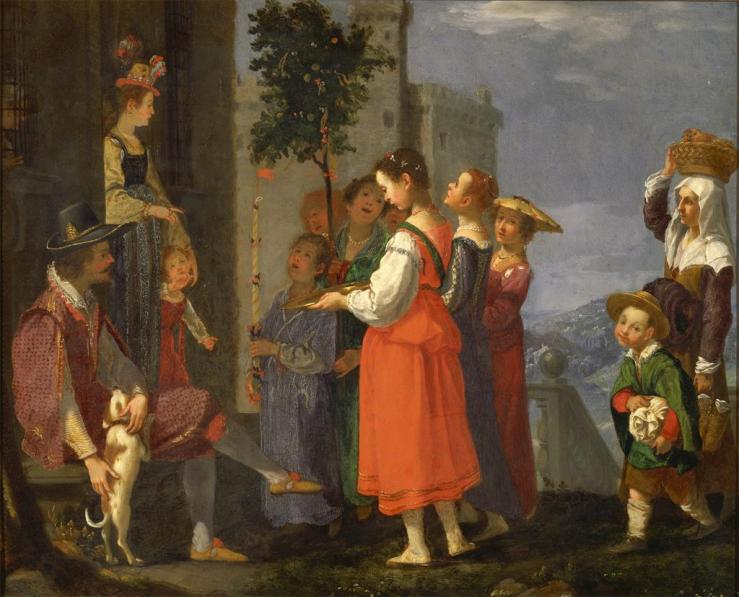
May Day, c. 1620 by Jacopo Vignali (1592–1664)


I first heard of Hob Broun a few years ago from the literary critic David Winters, who is a fan of Broun’s work. I’ve had Broun on a list of writers I mean to read for a long time now (an actual physical list, by the way, which I keep in my wallet). However, I’ve yet to come across one of his books in a bookstore. Anyway so well—
The inaugural issue of the new literary magazine Egress has a feature on Broun, which reignited my interest in him. I’ve been emailing the editors of Egress, David Winters and Andrew Latimer, for an interview about Egress (which will post sometime in the next day or two), and David basically talked me into breaking down and buying the book online (I got it for five bucks). A snippet of our upcoming interview:
Biblioklept: I know David has been enthusiastic about Hob Broun’s writing for a few years. Broun is sort of a “writer’s writer’s writer,” if that makes sense. The first issue of Egress features a section titled “Remembering Hob Broun: 1950-1987”; in addition to remembrances from the novelist Sam Lipsyte and Kevin McMahon, who befriended Broun when they attended Reed College together in the late sixties, you include a full color selection from one of Broun’s journals. Can you describe some of the journal for readers, and talk a bit about how the Broun section came together? For readers unfamiliar with Broun, what’s the appeal?
David Winters: Broun is a ‘writer’s (writer’s) writer’ only in that he isn’t well-known–his work isn’t at all opaque or aloof. He published three books in his lifetime, the novels Odditorium (1983) and Inner Tube (1985), and the superb short story collection Cardinal Numbers (1988). While writing Inner Tube, Broun underwent emergency surgery to remove a spinal tumour. He was left paralysed from the neck down. Remarkably, he finished the novel–and wrote the stories in Cardinal Numbers–using a kind of writing-machine: an oral catheter (or ‘sip-and-puff device’) connected to a customised word processor, triggered by his breath whenever a letter flashed on the screen. This aspect of Broun’s life lends itself to mythologization: what better image of writerly dedication? At the same time, it risks obscuring what really matters: the work itself. I was delighted, then, when Kevin McMahon got in touch. Kevin’s essay only glances at Broun’s illness, giving us, instead, a vivid portrait of the man behind the myth. Best of all, Kevin sent us Broun’s personal journal. It’s an extraordinary artefact–a scrapbook of doctored magazine clippings and miniature, fragmentary narratives–unmistakably Brounian in its pulpy, screwball surreality. Broun’s journal is continuous with his fiction (Cardinal Numbers contains the manifesto-like statement, ‘modus operandi: montage, collage, bricolage’), but, unlike his fiction, it wasn’t created for public consumption. Not unlike the art of, say, Ray Johnson or Joseph Cornell, it gives us a glimpse of a private world, a game played for inscrutable reasons—what Don DeLillo calls “the pure game of making up”. Our celebration of Broun ends with a wonderful essay by Sam Lipsyte–a writer Andrew and I both revere–who captures his essence far better than either of us ever could.
Biblioklept: Which of Broun’s three books do you think is the best starting place for folks interested in his work after reading about him in Egress?
DW: Cardinal Numbers, without a doubt. Open Road recently reissued all three titles as e-books, but I’d recommend picking up the old Knopf hardbacks, which can be had for as little as a dollar. Another Broun novel–a previously unpublished manuscript–might be out in a year or two.
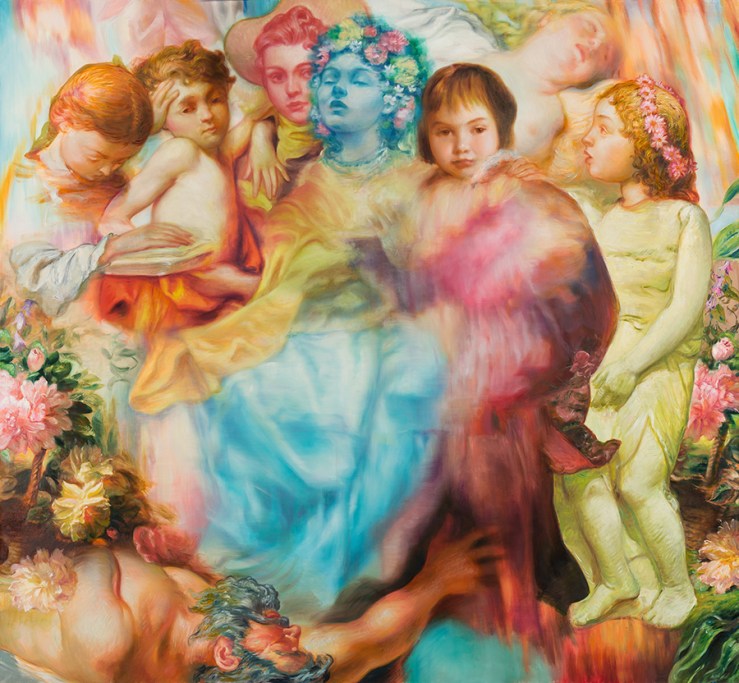
Petunia Parade, 2016 by Jamie Adams (b. 1961)
Between the first Sunday of September 2015 and the first Sunday of September 2016 I ran a series of posts—every Sunday that year—I called “Three Books.” I would scan the covers of the books, and I generally tried to find books with interesting design elements to them; I would also try to find a thread between the books (but not always). The posts allowed me to write about the design and aesthetics of covers, as well as other elements of the books (y’know, like, what was actually between the covers). The posts also gave me a regular goal on a Sunday. After a year, I moved on to another series of Sunday posts I called Sunday Comics; before the Three Books thing, I posted pics of my bookshelves on Sundays and wrote about that; and before that, I posted images of death masks on Sundays. A themed post of some kind every Sunday seemed to give this accursed blog a sense of direction, however false. I don’t remember how or why I quit posting Sunday comics, but searching the tag shows me I stopped at the end of June in 2017. This whole paragraph seems like a long and rambling preamble to saying something like, Maybe I should do these Blog about posts on Sundays? Huh? What do you think?
But the title said “Three Books”…so—Three Books, chosen somewhat at random:

Captain Maximus by Barry Hannah. First edition hardback by Knopf, 1985. Cover design by Fred Marcellino.
Great cover, right? Fred Marcellino popped up a few times in the Three Books series.
Last summer I visited Alias East Books East in Los Angeles, where, along with sometime-Biblioklept contributor Ryan Chang, I fondly fondled a signed first edition of Barry Hannah’s novel Ray. I couldn’t bring myself to pay sixty dollars for it, but one night, after a few drinks, broke down and bid on eBay for a signed Hannah—Captain Maximus. I wound up paying six dollars more than what Knopf wanted to charge folks for an unsigned edition back in ’85. This particular copy clearly has never been read. I ended up picking up the Penguin Contemporary Classics paperback version of Captain Maximus (for three dollars of used bookstore credit) and reading that instead. The signed Hannah’s spine is still pristine, and I realize that I am something awful.
The book is purple.

The Heart of a Dog by Mikhail Bulgakov. English translation by Michael Kenny. First edition hardback, Harcourt, Brace, & World, 1968. Design by Applebaum & Curtis Inc.
The last fifty pages or so are warped from water damage, but I couldn’t pass up this oh-so-purple, oh-so-sixties Bulgakov. I ended up liking it a lot more than I liked The Master and Margarita.
The book is purple-pink.

The World within the Word by William H. Gass. Trade paperback by Basic Books. Cover design by Rick Pracher.
Just a wonderful collection of essays. His essay on Stein is required reading, and “Carrots, Noses, Snow, Rose, Roses” is perfect metafiction posing as criticism. Lovely stuff.
The book is pink.

Devil Stealing Pictures by David Mellon

