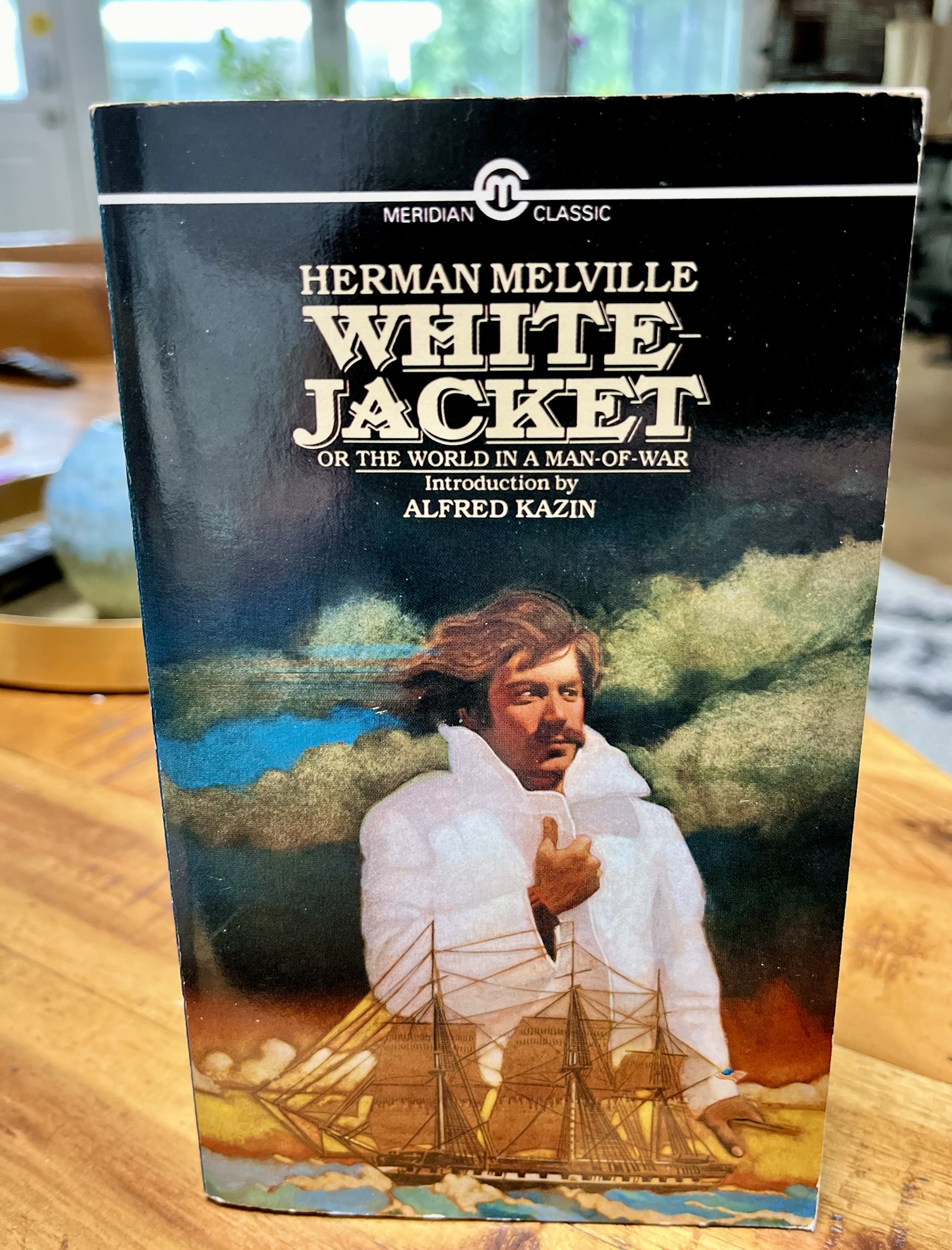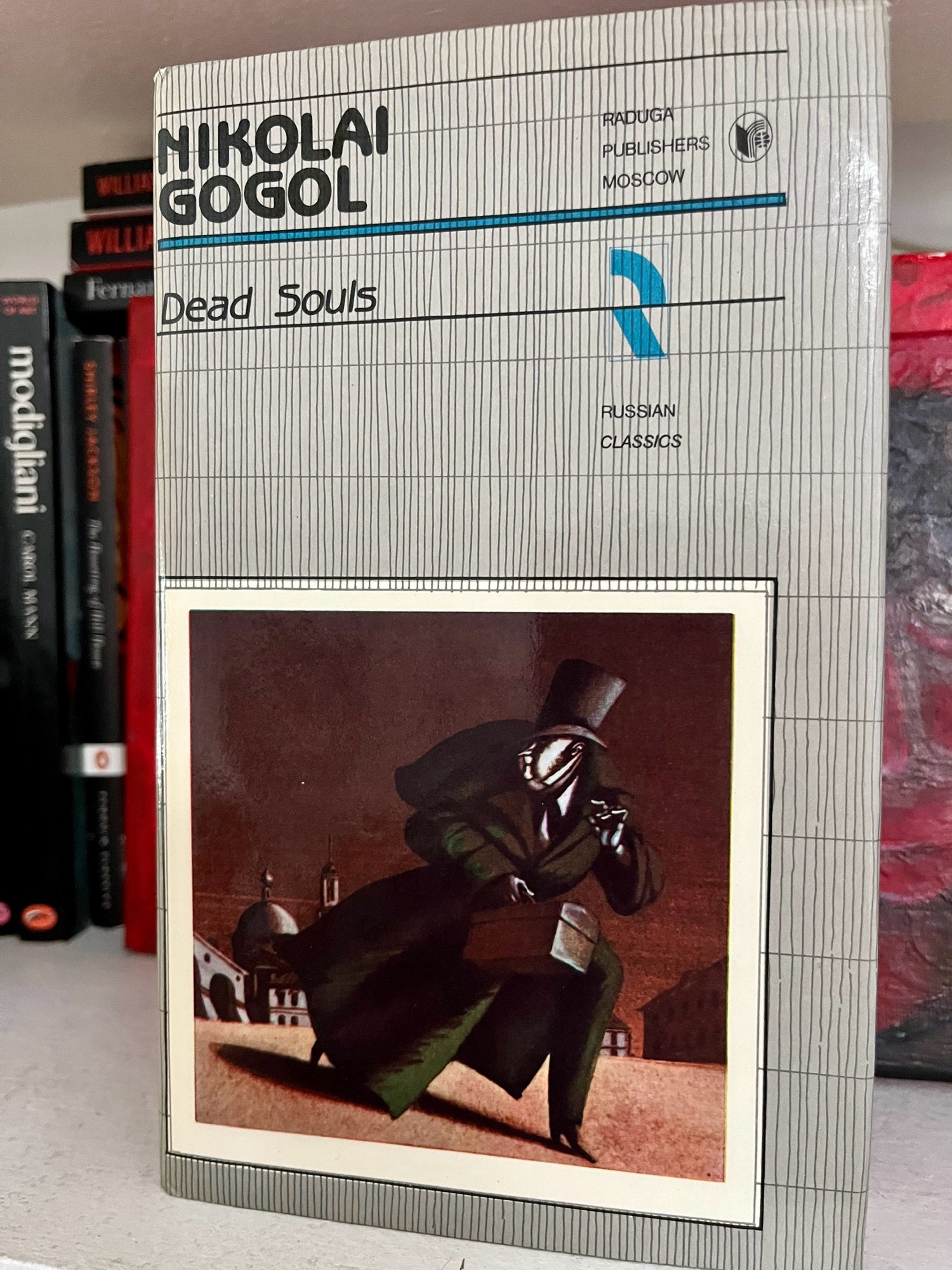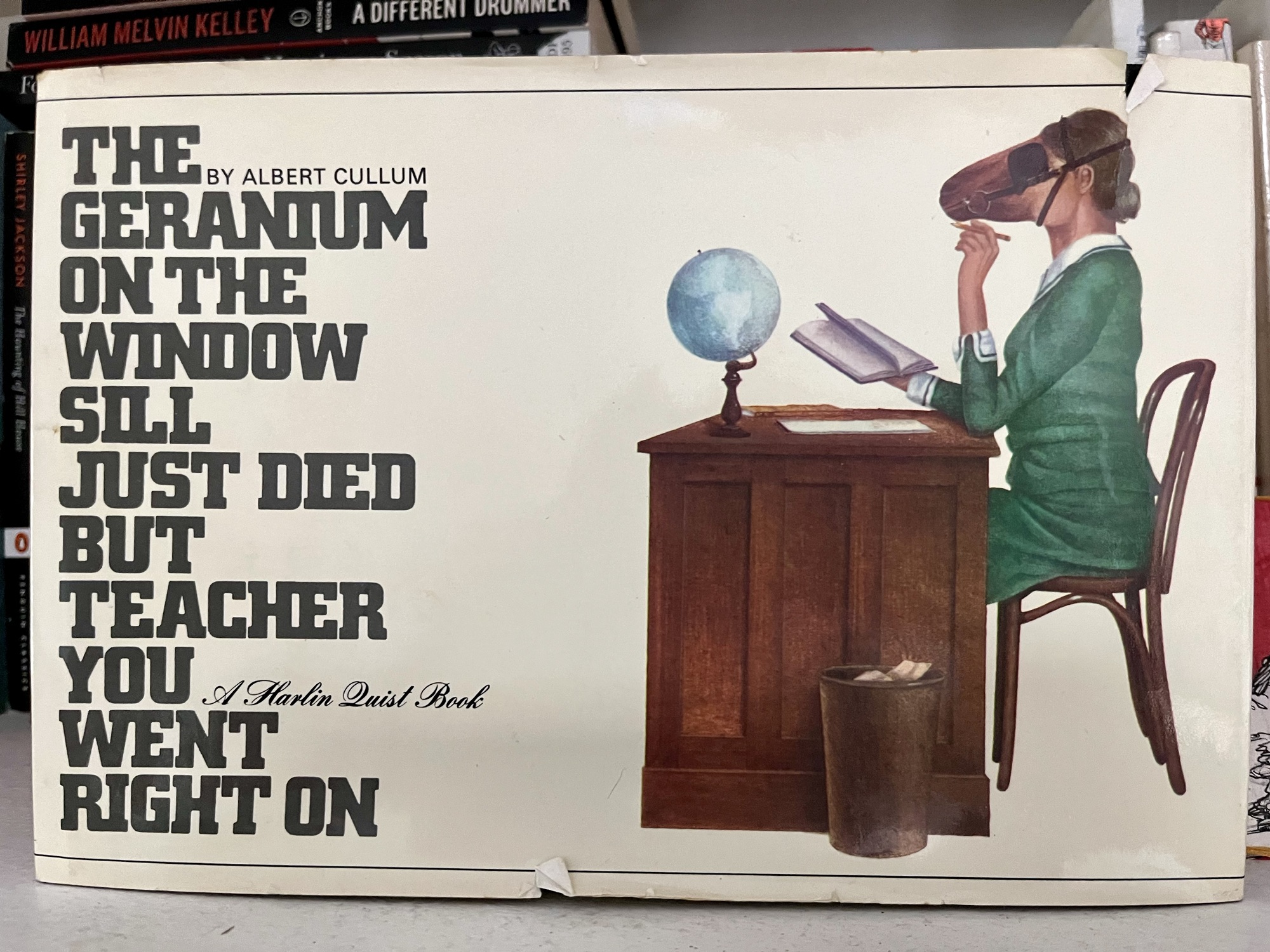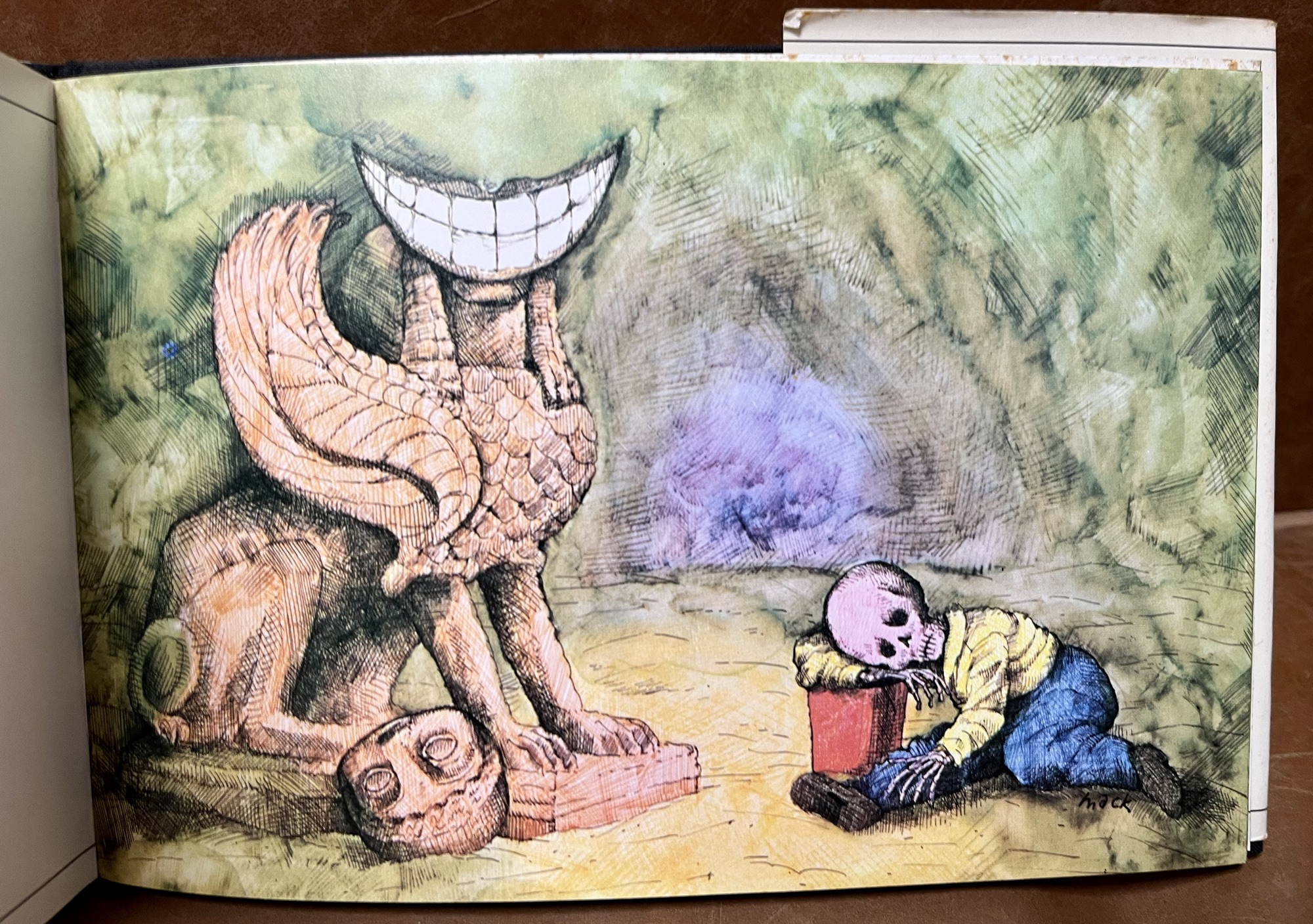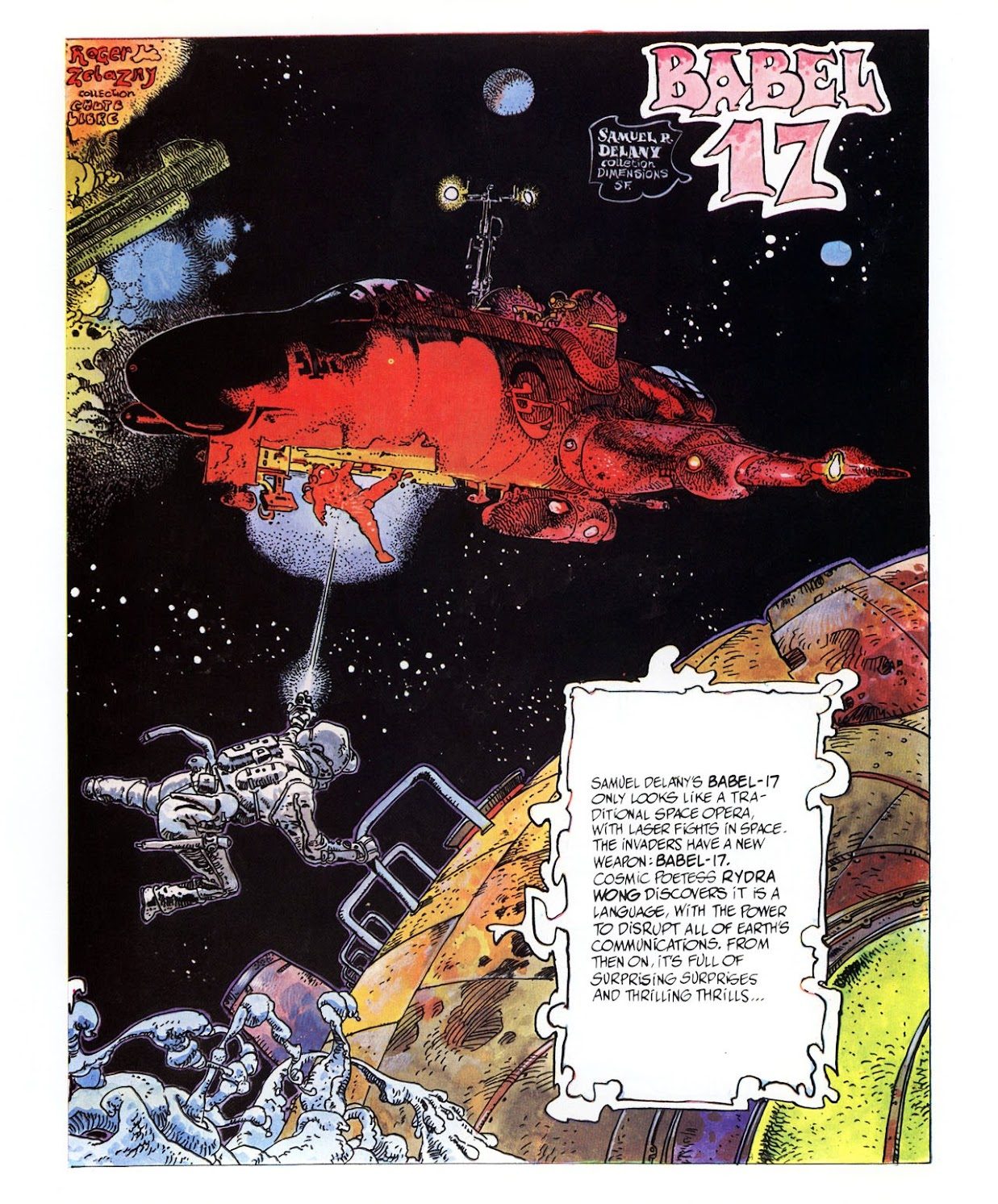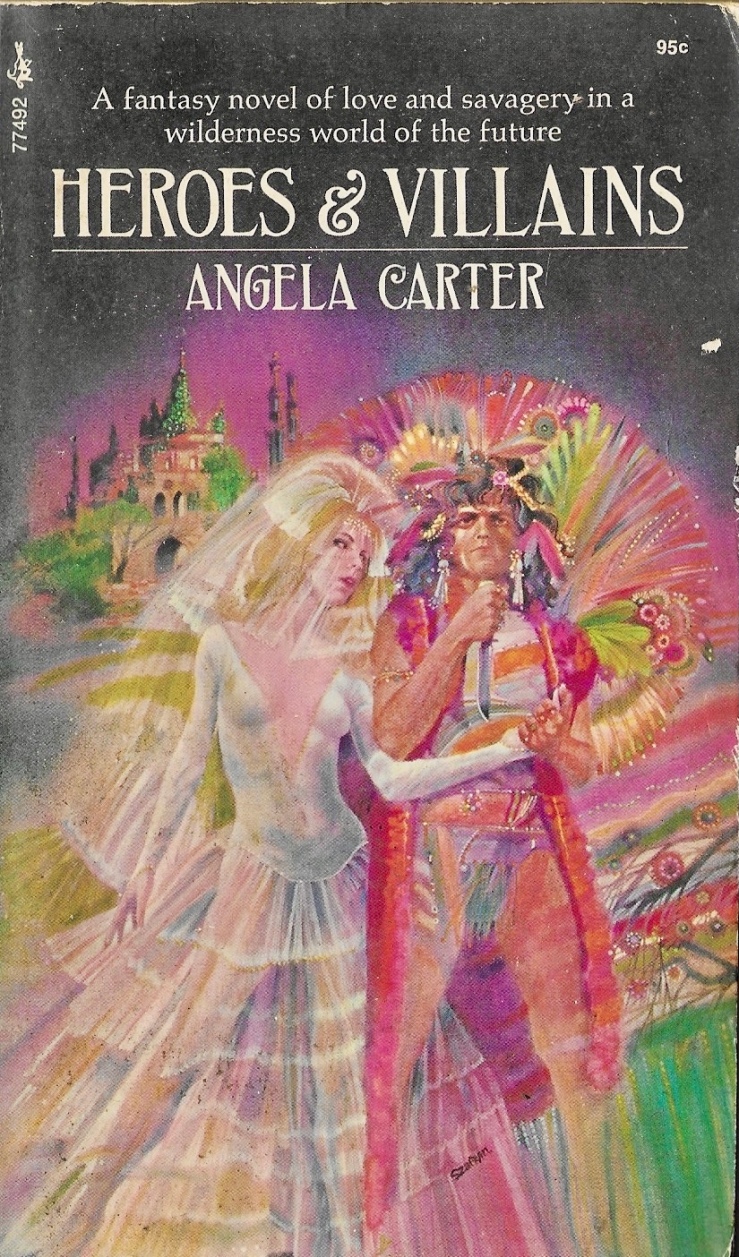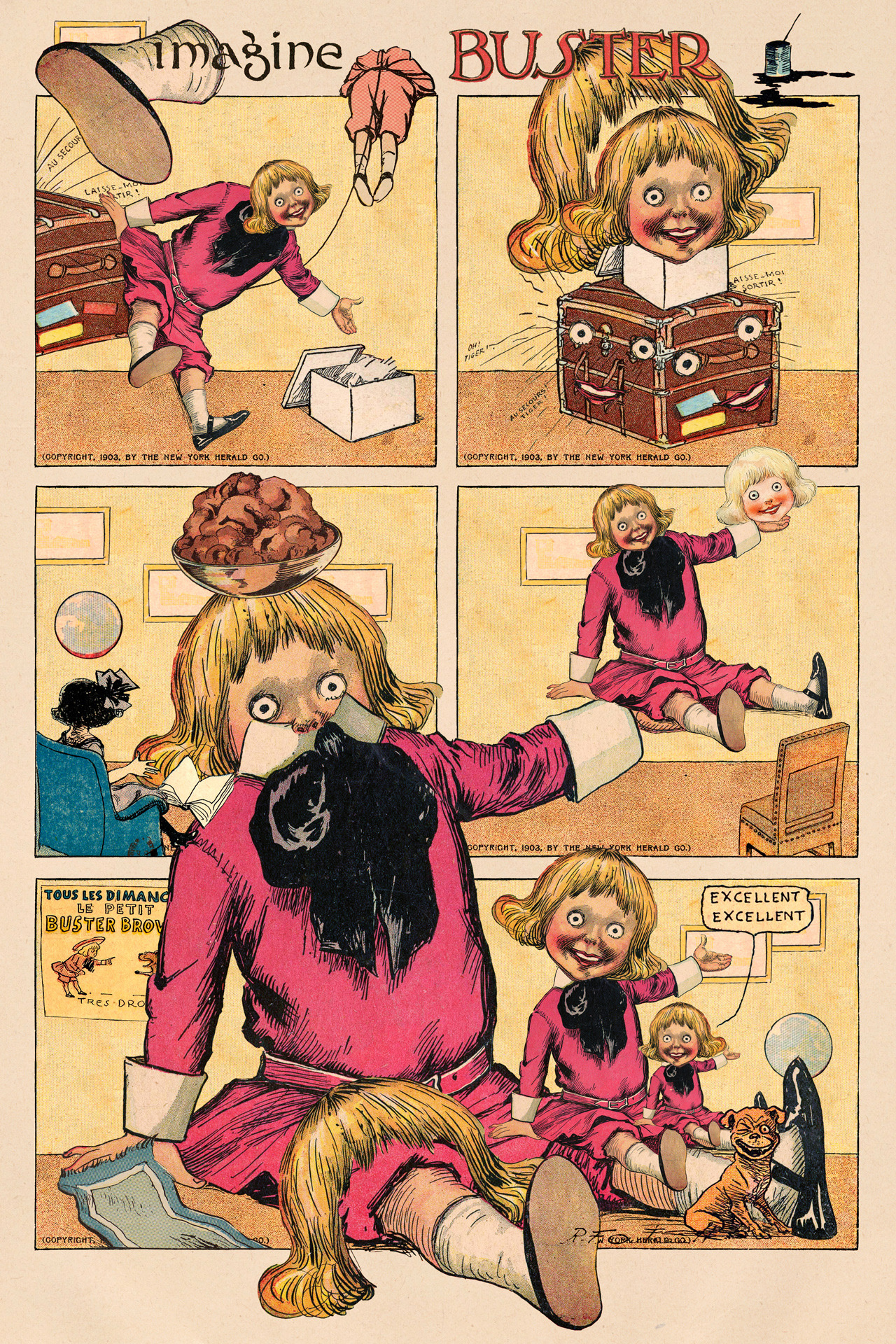
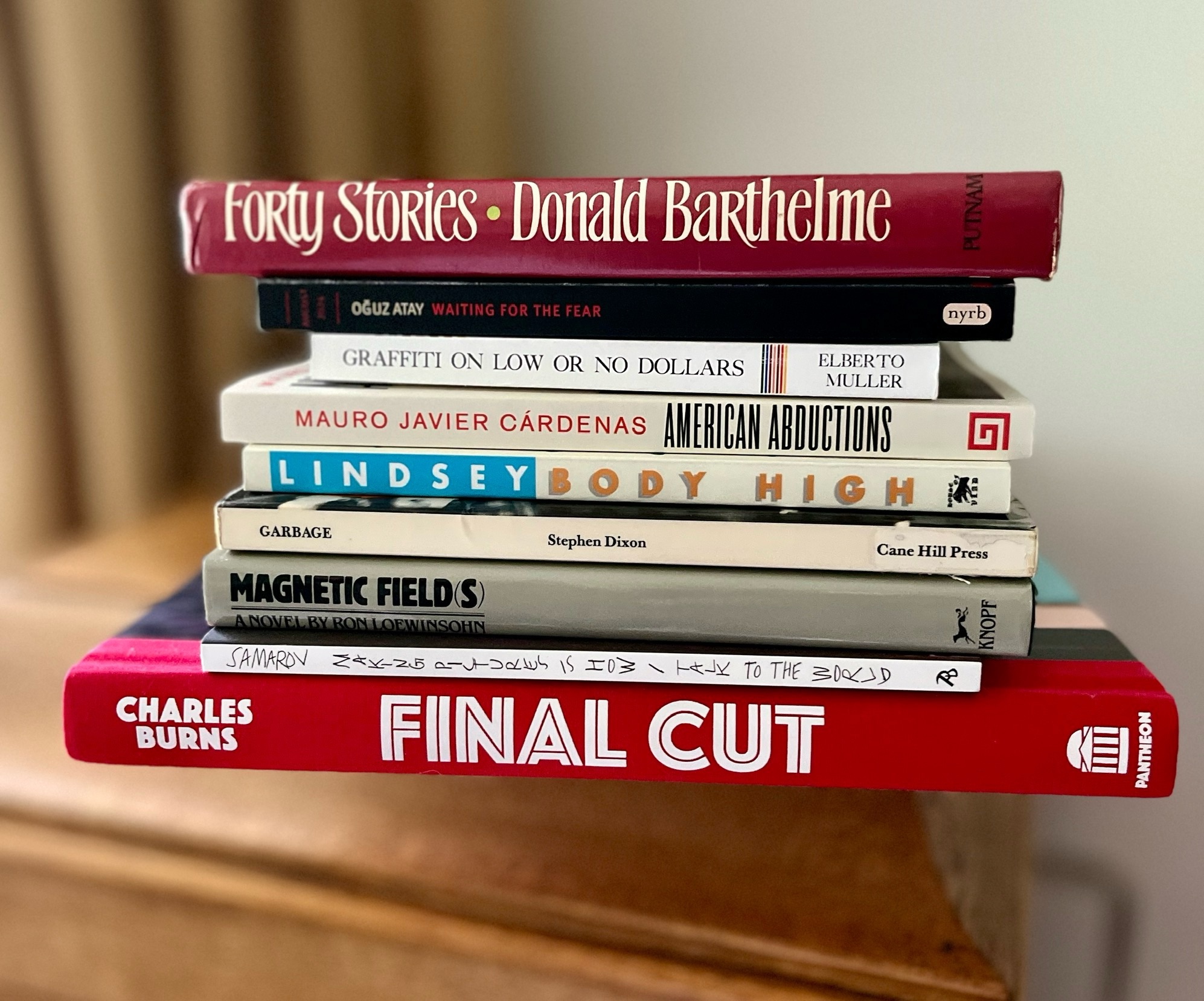
Charles Burns’s Final Cut (Book acquired, 23 July 2024)

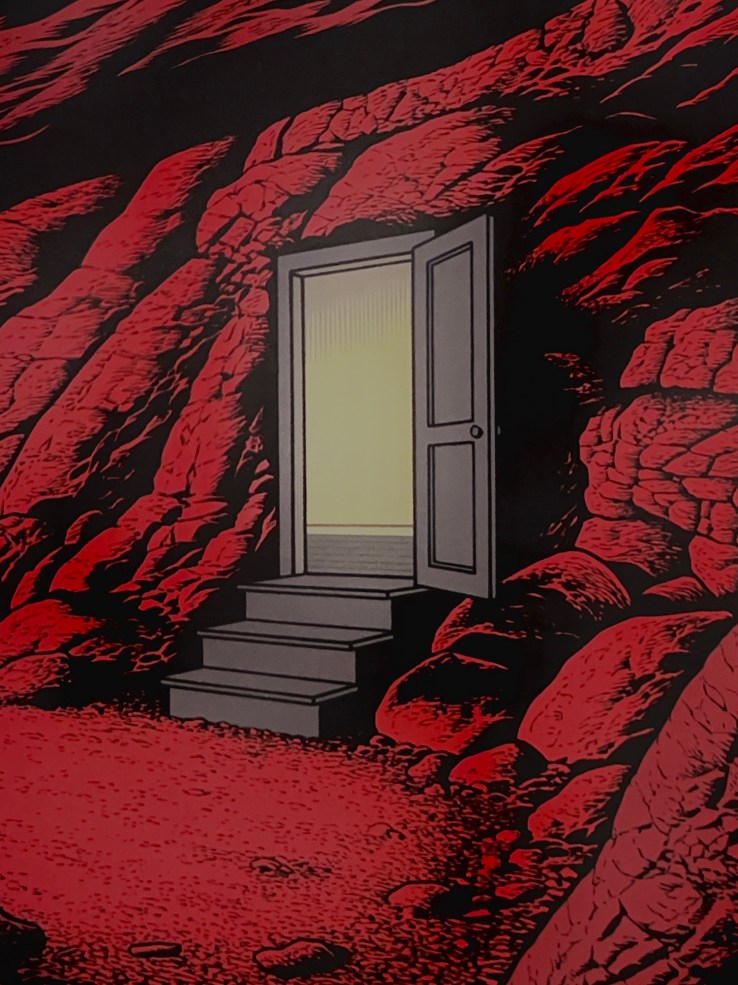
I’m excited about this one. Charles Burns’s novel Final Cut is out in late September. I’ll have a review around that time. For now, here’s publisher Pantheon’s blurb:

Riff on July 2024 reading, etc.

I experienced the middle weeks of July 2024 as simultaneously rapid and static. Doldrums should never be so frenetic. If this decade were a novel I would’ve put it down several chapters back. I try not to obsess over things I cannot control. I try to get away from screens. I try to go outside, but the feels like heat index here in north Florida goes over a hundred and five every day. (At least it’s raining again and nothing is on fire.) So I try to read more (and actually write more).

This July I read some great stuff.

I finished Katherine Dunn’s first novel Attic a couple of days ago. The book is seriously fucked up—like William Burroughs-Kathy Acker fucked up—an abject rant from a woman in prison in the mode of Ginsberg’s Howl. The narrator seems to be an autofictional version of Dunn herself, which is perhaps why Eric Rosenblum, in his 2022 New Yorker review described it as “largely a realist work in which Dunn emphasizes the trauma of her protagonist’s childhood.” Rosenblum uses the term realism two other times to describe Attic and refers to it at one point as a work of magical realism. If Attic is realism then so is Blood and Guts in High School. I need to read her second and third novels (Truck, 1971 and the posthumous Toad) and then go back and reread Geek Love, which I remember as being Gothic and gross but also whimsical. (I don’t sniff any whimsy in Attic.)

There are eight stories in Oğuz Atay’s story collection Waiting for the Fear (in translation by Ralph Hubbell); I’ve read the first five this summer, including the long title story, which is especially good, as is the opener “Man in a White Overcoat.” Atay’s heroes (I use the term loosely) find their antecedents in Kafka’s weirdos. Or Paul Bowles. Or Jane Bowles. I should have a proper review up near the end of October when NYRB publishes Waiting for the Fear.

I had picked up Mauro Javier Cárdenas’s third novel American Abductions earlier this summer and finally started it a few nights ago after finishing Attic. Each chapter is a run-on sentence that has made me want to keep reading and reading, running on with it. The novel is, at least so far, both challenging and entertaining; it is not difficult, exactly, but rather engrossing. Sometimes I’ll find myself a bit lost in the layered consciousnesses, layers (layerings) of speech in Cárdenas’s sentences—especially when I find myself startled by an image or a joke or idea—and then I’ll wade backwards again and pick up the rhythm and keep going. The plot? I’ll steal from the Dalkey Archive’s blurb: “American Abductions opens in a near-future United States whose omnipresence of data-harvesting and algorithms has enabled the mass incarceration and deportation of Latin Americans—regardless of citizenship.” But that’s not really the plot; I mean, this isn’t a third-person dystopian world-building YA thing. The novel, at least its first half, is about a family, daughters Ada and Eva and their father Antonio, a novelist who was abducted by the titular abductors (the Pale Americans!). It’s also about writing, how we construct memory in a surveillance state, and, I suppose, love.

I reviewed Jean-Baptiste Del Amo’s latest novel The Son of Man (in translation by Frank Wynne) in the middle of July, although I think I probably read it in late June. In my review I suggested that The Son of Man “is ultimately a novel about the atavistic transmission of violence from generation to generation.” I also highly recommended it.

I went on a big Antoine Volodine binge a couple of years ago which stalled out before I got to (what I believe is) his longest novel in English translation, Radiant Terminus. I finally started into it a few weeks ago (in translation by Jeffrey Zuckerman), and I think it might be Volodine’s best work. In my longish review, I declared Radiant Terminus “an astounding novel, a work that will haunt any reader willing to tune into its strange vibrations and haunted frequencies. Very highly recommended.” I think it’s a perfect starting place for anyone interested in Volodine’s so-called post-exotic project.

Denis Johnson’s The Stars at Noon was one of two novels I revisited via audiobook this month (the other is Portis’s Gringos, which we’ll get to in a moment). I honestly didn’t remember much about The Stars at Noon other than its premise and the fact that its narrator was an alcoholic journalist-cum-prostitute in Nicaragua. It hadn’t made the same impression on me as other Johnson novels had when I went through a big Johnson jag in the late nineties and early 2000s, and I think that assessment was correct—it’s simply not as strong as AngelsFiskadoro, or Jesus’ Son. As an audiobook though I enjoyed it, especially in Will Patton’s reading. (His narration of Johnson’s perfect novella Train Dreams is the perfect audiobook.) I guess the audiobook came out in conjunction with Claire Denis’ 2022 adaptation of the film, which I still haven’t seen.

The collection of Remedios Varo’s writings On Homo rodans and Other Writings is another book I read earlier in the summer but didn’t write about until July. I was fortunate enough to get a long interview with the translator, Margaret Carson, and I think the result is one of the better things Biblioklept has published this year.

I picked up Dinah Brooke’s “lost” novel Lord Jim at Home in late June, and then read it in something of a sweat over a few days. In my review, I wrote that

Lord Jim at Home is squalid and startling and nastily horrific. It is abject, lurid, violent, and dark. It is also sad, absurd, mythic, often very funny, and somehow very, very real for all its strangeness. The novels I would most liken Lord Jim at Home to, at least in terms of the aesthetic and emotional experience of reading it, are Ann Quin’s BergAnna Kavan’s Ice, Mervyn Peake’s Gormenghast novels, Virginia Woolf’s Mrs. Dalloway, and James Joyce’s Portrait (as well as bits of Ulysses).

Gringos is the other book I “reread” via audiobook this July. Charles Portis wrote five novels and all of them are perfect—but I think Gringos might be my favorite. David Aaron Baker’s reading of the novel is excellent. He conveys the dry humor of narrator Jimmy Burns as well as the cynical sweet pathos at the core of Portis’s last novel. Highly recommended.

So well I guess July is over; the kids will be back in school again soon, and so will I. The air here will remain swamp thick, humidity that starts cooking you the minute you venture out of the desiccating AC that licensed growth on this weird peninsula. It might let up by November. Maybe because I’ve spent my entire adult career as a teacher I have always thought of August as the end of the year, not December. And some years I feel melancholy at this end, this pivot away from freer hours. But writing this on the last day of July, I think I want a return to routine, to something I can think of as a return to normalcy, the kind of normalcy that makes me appreciate the weird fucked up oddball novels that I do so love to hang out inside of.

Mass-market Monday | Philip K. Dick’s A Maze of Death

A Maze of Death, Philip K. Dick. Dawn Books, first Daw printing (1983). Cover art by Bob Pepper. 191 pages.

In my review of Philip K. Dick’s 1970 novel, I wrote that A Maze of Death is

…a mishmash of metaphysical mumbo jumbo, filtered through touches of space opera and good old fashioned haunted housery. A Maze of Death is a messy space horror that threatens to leave its readers unsatisfied right up until the final moments wherein it rings its sad coda, a reverberation that nullifies all its previous twists and turns in a soothing wash of emptiness. Not the best starting place for PKD, but I’m very glad I read it.

On top of stolen books behind the Life Magazine picture of Bertrand Russell like a baby eagle | From Katherine Dunn’s first novel Attic

In the five-and-dime can’t see over the counters with her—see
the red thimble—plastic knobby—just fits—put it on and tap things with it—lips and teeth and wish I had two to click against each other—wander out with her—why where did you get that you little thief march right back in there and give it to the man and apologize—penny thimble—I didn’t even notice I’d taken it—big noise and hits—the shame…

Drugstore book racks—need a book a day at least—three thin ones—too far to the library—heavy—always overdue—little ladies in pale green uniforms inventory hair spray—perfume—Kotex while I’m putting books in my purse—in my armpits—Agatha Christie—Nero Wolfe—James Bond—candy bars in pockets—have to lay off M & Ms—they rattle too much—an extra eyebrow pencil up my sweater sleeve and buy a deodorant—go out to the car and drop the stuff—back into the supermarket for cookies and cigarettes and chocolate-covered cherries—buy milk and then tool back home to turn the heat up and sit with the rain outside—with my feet up reading trash—eating trash—drinking milk straight from the carton only pouring it into a glass when I want to dunk cookies in it…

Girls League Cake Sale—high school cakes by girls in coordinated sweaters and skirts—ribbons holding their hair—dozens of pairs of shoes—their proud bras and girdles mocking my brother’s cast-off tee shirts in the locker room—they study typing with old Birdsing and wear ribbons in their hair—bake cakes for the cake sale from scratch with boiled frosting that slump in the middle and cave on the side—patch it up with frosting and candy drops—hide them on mother’s best cake plates behind screens in the cafeteria—I ducking class as usual—hiding stink bombs behind the encyclopedias in the library—sneaking through the halls with my five-button Levi’s swishing between my legs a cake under each arm—stacking them carefully in my locker on top of stolen books behind the Life Magazine picture of Bertrand Russell like a baby eagle his fierce fuzzy face on the scrawny neck—hide for the rest of the afternoon in the conference rooms in the library listening to Jake in his chemistry room gas mask searching for the stink bombs and cursing—thinking of him fumbling with the pear-assed librarian from the grade school—all the time rehearsing my lines for if I’m caught—when the final bell rings parading down to the boys’ locker room with a dozen cakes on a book cart to wait for the wrestling team to finish weighing in and come out famished after a month of making weight…

From Katherine Dunn’s first novel Attic. 

Mass-market Monday | Harry Crews’ A Feast of Snakes

A Feast of Snakes, Harry Crews. Ballantine Books, first edition, first printing (1978). No cover artist credited. 165 pages.

While the cover designer and artist aren’t credited, there is a signature on the back which I believe is “Gentile.” If anyone has a guess as to the artist’s full name I’d be happy to hear it.

From the novel: not quite a recipe for snakes:

When they got to his purple double-wide, Joe Lon skinned snakes in a frenzy. He picked up the snakes by the tails as he dipped them out of the metal drums and swung them around and around his head and then popped them like a cowwhip, which caused their heads to explode. Then he nailed them up on a board in the pen and skinned them out with a pair of wire pliers. Elfie was standing in the door of the trailer behind them with a baby on her hip. Full of beer and fascinated with what Joe Lon could feel—or thought he could—the weight of her gaze on his back while he popped and skinned the snakes. He finally turned and looked at her, pulling his lips back from his teeth in a smile that only shamed him.

He called across the yard to her. “Thought we’d cook up some snake and stuff, darlin, have ourselves a feast.”

Her face brightened in the door and she said: “Course we can, Joe Lon, honey.”

Elfie brought him a pan and Joe Lon cut the snakes into half-inch steaks. Duffy turned to Elfie and said: “My name is Duffy Deeter and this is something fine. Want to tell me how you cook up snakes?”

Elfie smiled, trying not to show her teeth. “It’s lots of ways. Way I do mostly is I soak’m in vinegar about ten minutes, drain’m off good, and sprinkle me a little Looseanner redhot on’m, roll’m in flour, and fry’m is the way I mostly do.”

“Proposal” — Denis Johnson

“Proposal”

by

Denis Johnson


The early inhabitants of this continent
passed through a valley of ice two miles deep
to get here, passed from creature to creature
eating them, throwing away the small bones
and fornicating under nameless stars
in a waste so cold that diseases couldn’t
live in it. Three hundred million
animals they slaughtered in the space of two centuries,
moving from the Bering isthmus to the core
of squalid Amazonian voodoo, one
murder at a time; and although in the modern hour
the churches’ mouths are smeared with us
and all manner of pleading goes up from our hearts,
I don’t think they thought the dark and terrible
swallowing gullet could be prayed to.
I don’t think they found the smell of baking
amid friends in a warm kitchen anything to be revered.
I think some of them had to chew the food
for the old ones after they’d lost all their teeth,
and that their expressions
were like those we see on the faces
of the victims of traffic accidents today.
I think they threw their spears with a sense of utter loss,
as if they, their weapons, and the enormous animals
they pursued were all going to disappear.
As we can see, they were right. And they were us.
That’s what makes it hard for me now to choose one thing
over all the others; and yet surrounded by the aroma
of this Mexican baking and flowery incense
with the kitchen as yellow as the middle
of the sun, telling your usually smart-mouthed
urchin child about the early inhabitants
of this continent who are dead, I figure
I’ll marry myself to you and take my chances,
stepping onto the rock
which is a whale, the ship which is about to set sail
and sink
in the danger that carries us like a mother.

Katherine Dunn’s Attic (Book acquired, 18 July 2024)

Picked up a copy of Katherine Dunn’s 1970 debut novel Attic this afternoon. From Eric Rosenblum’s 2022 survey of Dunn’s work in The New Yorker:

At Reed, Dunn began work on “Attic,” her first novel, a fictionalization of a stint in a Kansas City jailhouse when she was eighteen and was arrested for trying to cash a fraudulent check.

In “Attic,” Dunn introduced an early version of the sinister magic realism she would later make famous in “Geek Love.” The book’s narrator, K. Dunn, describes a carrousel [sic] in which, to gain entry, young boys have to shoot arrows into their mothers’ vaginas and young girls have to throw hoops over their father’s erections. “If they don’t make it in four tries they can’t ride the merry-go-round so the Mommies spread their legs wider and wider and the Daddies sweat to rub up a good one.” But the book is largely a realist work in which Dunn emphasizes the trauma of her protagonist’s childhood. “Attic” is filled with potent flashbacks about K. Dunn’s mother shaming her, like this one: “. . . she looked at me very closely there and said you’ve been playing with yourself again haven’t you . . . and she said show me show me how you do it and I just lay there and she got angry and she said if a bitch dog did that they’d have to kill her . . . and I couldn’t help it I started to cry . . .” K. Dunn experiences some liberation in prison, where no one cares if she masturbates, but is thrust back into shame after she agrees to pleasure a male benefactor who helps get her out. Some of the book’s best parts read like a neurotic’s guide to prison life, in which Dunn uses what she learned from Thoreau to describe the vagaries of sharing a toilet with a cellmate. “I could piss over her piss but I can’t piss over her shit, much less shit over it and have them mix. It would be terrible if mine came out lighter or darker than hers—you could tell whose they were. Even worse if they were the same.”

Untitled (Do You See Stars, Fascist Superman?) — Raymond Pettibon

Untitled (Do You See Stars, Fascist Superman?), 2015 by Raymond Pettibon (b. 1957)

Mass-market Monday | Ursula K. Le Guin’s The Left Hand of Darkness

The Left Hand of Darkness, Ursula K. Le Guin. Ace Books, first edition (1969). Cover art by Leo & Diane Dillon. 286 pages.

I read all of Le Guin’s Hainish novels eight years ago, and wrote this about The Left Hand of Darkness:

—The Left Hand of Darkness is amazing. Perfect in its strange imperfections and crammed with fables and myths and misunderstandings, it is the apotheosis of Le Guin’s synthesis of adventure with philosophy. Darkness is about shadows and weight. About pulling weight—literally, figuratively. It’s also the story of an ice planet. (A stranger comes to the ice planet!). It’s a political thriller. It’s a sexual thriller. But the impression that lingers strongest: The Left Hand of Darkness is one of the better literary evocations of friendship (its precarious awful strange wonderful tenuous strength) that I’ve ever read.

The Pleasures of Dagobert — Leonora Carrington

The Pleasures of Dagobert, 1945 by Leonora Carrington (1917–2011)

Posted in Art

The Pleasures of Dagobert (Detail) — Leonora Carrington

The Pleasures of Dagobert (detail), 1945 by Leonora Carrington (1917–2011)

RIP Michael Zulli

RIP Michael Zulli, 1952-2024

Comics artist Michael Zulli passed away this week at the age of 71. While Zulli was likely most known for his work on Neil Gaiman’s The Sandman comic (as well as an unpublished comic where Swamp Thing meets Jesus Christ), it was his work on The Puma Blues that really sank into my spirit as a kid.

I came to The Puma Blues in the very early nineties via the proselytizing of Dave Sim in Cerebus comics; I managed to a hold of a handful of back issues from very late in the comic’s run. I of course had no idea what was going on, but that didn’t matter. Working from Stephen Murray’s enigmatic script, Zulli crafted a post-apocalyptic dreamscape, an evocation in black and white. His wild animals always seemed more detailed, more pure, more real than the humans who walked through the world he’d conjured in black and white.

I quit regularly visiting comic shops by the mid-nineties, but if I ever happened to be adjacent to one I’d pop in to look for back issues of The Puma Blues (and a handful of other indie titles). It wasn’t until a decade or so later that (with the extralegal help of the internet) I was able to read the entire series. Great stuff—baffling, evocative, Zulli and Murray’s series ran on its own aesthetic logic.

In a 2016 interview at The Comics Journal to mark the publication of a complete volume of The Puma Blues, Zulli spoke on the work as an act of ecological witnessing:

The nature drawings in Puma especially, but so much of the detail in the book feels like an act of witness.

It is. It’s an idea that we’re surrounded in what scientists call the ecosphere, for lack of a better word. It’s this incredibly beautiful and sophisticated system and somehow we think we’re separate from it? I don’t think so. We are not superior to it, we are a part of it and we should take care of it because in doing so we take care of ourselves as a species, too. If not for nature and the earth’s own sake, do it at least for your sake and your children’s sake. That’s all we have got. One day somebody could stop your electricity. What are you going to do? You’re completely unprepared to think about life without your support systems. I don’t mean to be excessively grim. I see a lot of hope. I cling tenaciously to it, but at the same time, Puma is sort of a shot across the bow to wake the fuck up. Take a real good look around you and see what’s really there. Participate in it. Because like it or not you are part of it.

Read “The Priest,” a very early short story by William Faulkner

“The Priest”

by

William Faulkner


His novitiate was almost completed. Tomorrow he would be confirmed, tomorrow he would achieve that complete mystical union with the Lord, which he had so passionately desired. In his studious youth he had been led to expect it daily; he had hoped to attain it through confession, through talk with those who seemed to have it; through living a purging and a self denial until the earthly fires which troubled him had burned themselves out with time. He passionately desired a surcease and an easing of the appetites and hunger of his blood and flesh, which he had been taught to believe were
harmful: he expected something like sleep, a condition to which he would attain in which those voices in his blood would be stilled. Or rather, chastened. Not to trouble him more, at least: an exalted plane wherein the voices would be lost, sounding fainter and fainter, soon to be but a meaningless echo among the canyons and majestic heights of the glory of God.

But he had not gotten it. After talk with a father in his seminary he could return to his dormitory in a spiritual ecstasy, an emotional state in which his body was but the signboard bearing a flaming message to shake the world. His doubts were then allayed; he had neither doubt nor thought. The end of life was clear: to suffer, to use his blood and bone and flesh as a means for attaining eternal glory—a thing magnificent and astounding, forgetting that history and not the age made Savonarolas and Thomas a Beckets. To be of the chosen despite the hungers and gnawings of flesh, to attain a spiritual union with Infinite, to die—how could physical pleasure toward which his blood cried, be compared with this?

But, once with his fellow candidates, how soon was this forgotten! Their points of view, their callousness, were enigma to him. How could one be of the world and not of the world at the same time? And the dreadful doubt that perhaps he was missing something, that perhaps after all life was only what one could make of his short three score and ten of time, might be true. Who knows? who could know? There was Cardinal Bembo living in Italy in an age like silver, like an imperishable flower, creating a cult of love beyond the flesh, purged of all torturings of flesh. And was not this but an excuse, a palliation for this terrible fearing and doubting? was not the life of that long dead, passionate man such a one as his own: a fabric of fear and doubt and a passionate grasping after something beautiful and fine? Even something beautiful and fine meant to him a Virgin not calm with sorrow and fixed like a watchful benediction in the western sky; but a creature young and slender and helpless and (somehow) hurt, who had been taken by life and toyed with and tortured—a little ivory creature reft of her first born and raising her arms vainly upon a dying evening. In other words, a woman, with all of woman’s passionate grasping for today, for the hour itself; knowing that tomorrow may never come and that today alone signifies, because today alone is hers. They have taken a child and made of her a symbol of man’s old sorrows, he thought; and I too am a child reft of his childhood. Continue reading “Read “The Priest,” a very early short story by William Faulkner”

The Pleasures of Dagobert (Detail) — Leonora Carrington

The Pleasures of Dagobert (detail), 1945 by Leonora Carrington (1917–2011)

Mass-market Monday | American Short Stories since 1945

American Short Stories since 1945, edited by John Hollander. Perennial Classics, first edition, 1968. Cover design by Emanuel Schongut. 525 pages.

I think it was the title and the spine that first intrigued me when I pulled American Short Stories since 1945 from the shelf of a used book store: What would the selections be? How many years does the collection span? If Emanuel Schongut’s exquisite cover didn’t sell me on the book (which it did, all two dollars of it!), then the track list on the back certainly would have. And not so much for the authors I’d already read–Gass, Pynchon, Barthelme, O’Connor, Baldwin, and so on—but for the ones I hadn’t heard of, or at least didn’t think I’d heard of. Paul Goodman? Gilbert Rogin? Jeremy Larner? George P. Elliott? The poet who compiled the collection, John Hollander, writes in his introduction that it “aims to show the major shapes taken by shorter fiction in America since the end of World War II.” It’s the sort of book I wish I’d found when I was much, much younger, the kind of mixtape that would have sent me a lot of strange, wonderful directions.

The Pleasures of Dagobert (Detail) — Leonora Carrington

The Pleasures of Dagobert (detail), 1945 by Leonora Carrington (1917–2011)

Posted in Art

Selections from One-Star Amazon Reviews of J.G. Ballard’s Crash

[Editorial note: The following citations come from one-star Amazon reviews J.G. Ballard’s novel Crash. I’ve preserved the reviewers’ original punctuation and spelling. More one-star Amazon reviews.].


Honestly.

massive car wrecks

I like Ballard’s work

nearly killing his wife

I can’t wrap my brain around the idea

I don’t consider myself to be socially conservative, but

Also won’t the police be keeping track of the guy’s driving record?

I find it gross that wounds from these car wrecks would turn women on

talked extensively of the steering column, instrument panel, and bonnet

Contrary to this book’s classification as a social technological fiction,

having sex with any women he can find

and lots of masturbating

messed up fetish

hard to believe

crashing it

unrealistic

gratuitous

assigned reading

required for a college course

hated every twisted minute of it

I wish I could scrub it from my brain

one must debate the author’s motives

“Heavy Groin,” “Scarred Mouth” and “Semen” 

an obsession which could only be satisfied by having sex in car

the perverse inner workings of the author, J.G. Ballard’s, mind

automobiles, sex, and death

perverse and sick fantasies

fuel his obsession

so disturbing

Poppycock.

lewd, dark, introvert

driven by his own libido

mind is completely altered

His sexual relations were not sincere

scars and disfigurements

truly fails on all levels

conniving ways

obsessing

obsessive

minions

mangled leftovers

mere marionettes

perverse sexuality

increasingly disturbing

perverse way of thinking

hardly worth a sexual climax

It was written in 1973 and seems to take place in 1973

Just some perverts lobbing semen around car wrecks.

a radical depiction of society’s addiction to technology

It is hard for me to make a connection between cars and sex.

sexual obsession of the body stamped by the technology of the car

What’s the commentary, car wrecks are bad?

savage appetite for car crashes and victims

riddled with atrocious sexual fantasies

hard to follow and digest

void of any substance

surprisingly disgusting

spreading his semen

collision course

Elizabeth Taylor

scars and fantasies

former sports car

invalid car

braces

acid trip

scars and divots

the average reader

It elicits the response it is written to do so.

Read it for class, but would never read again.

Anyone reading this for its erotic content will be as disappointed

I understand books are written to prompt a question, to get somebody thinking. But

on a list of some guy’s “best science fiction” on the internet

I have read a number of Ballard’s works

one of the worst books I have ever read

fantasy story (not sexual fantasy)

How is it science fiction?

rancid mayonaise

dry, mechanical

Car fetish porn.

I don’t get it.

not art

not prose

junk