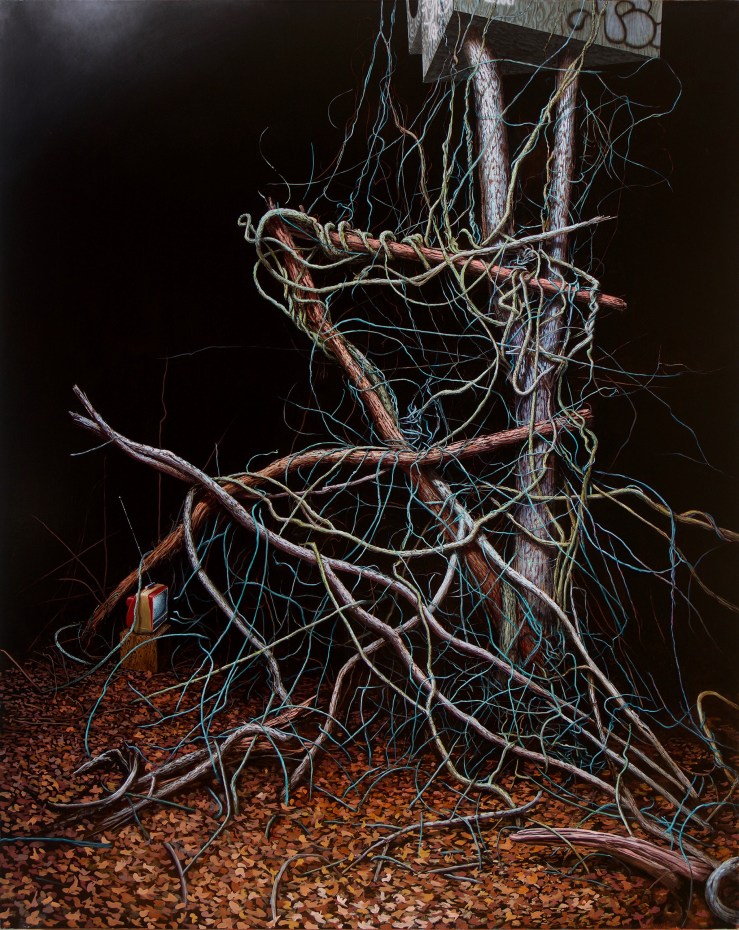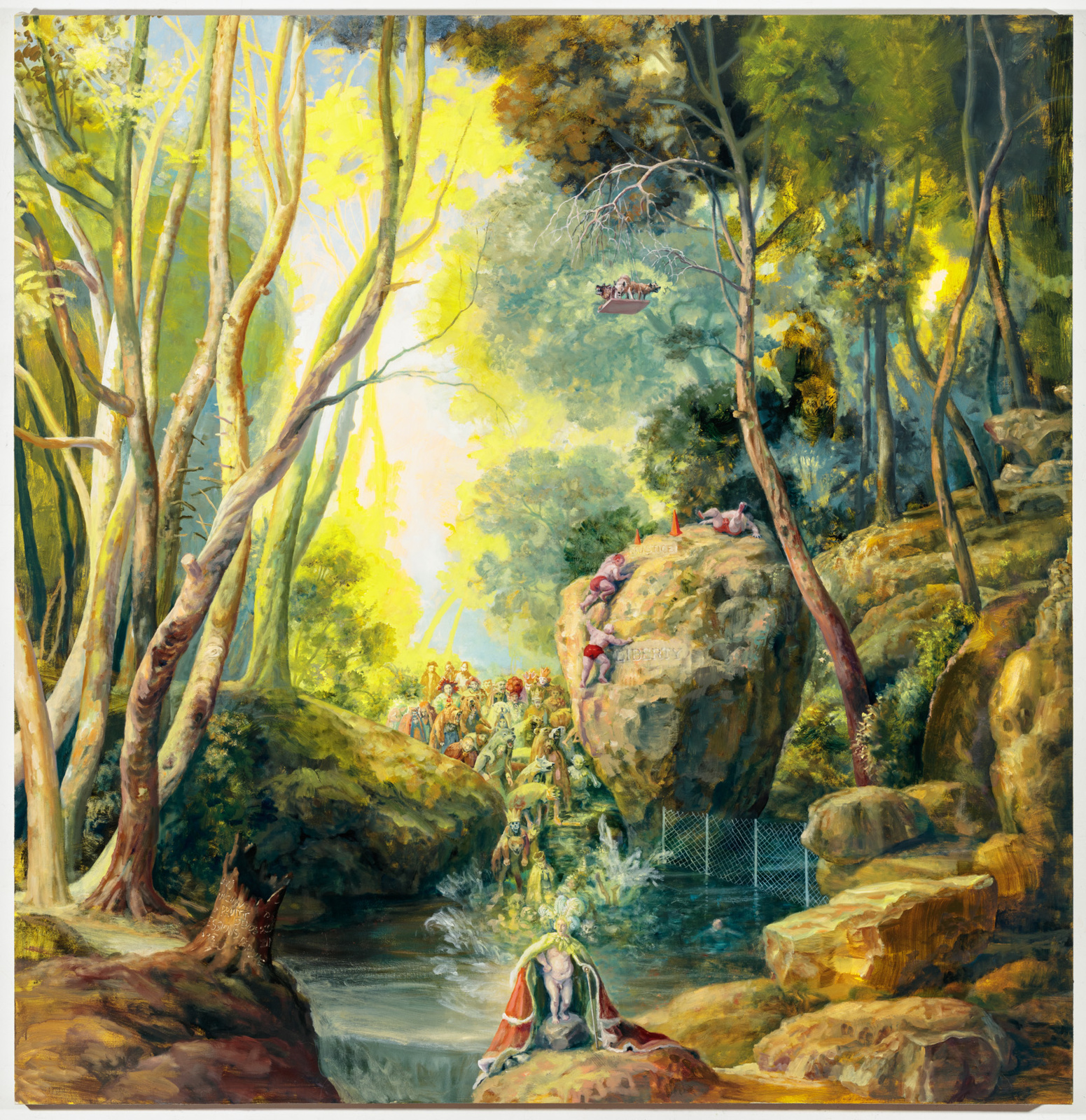
Robota I — Susanne Kühn

gross_2pages_robota-i-2018-1

Robota I, 2018 by Susanne Kühn (b. 1969)

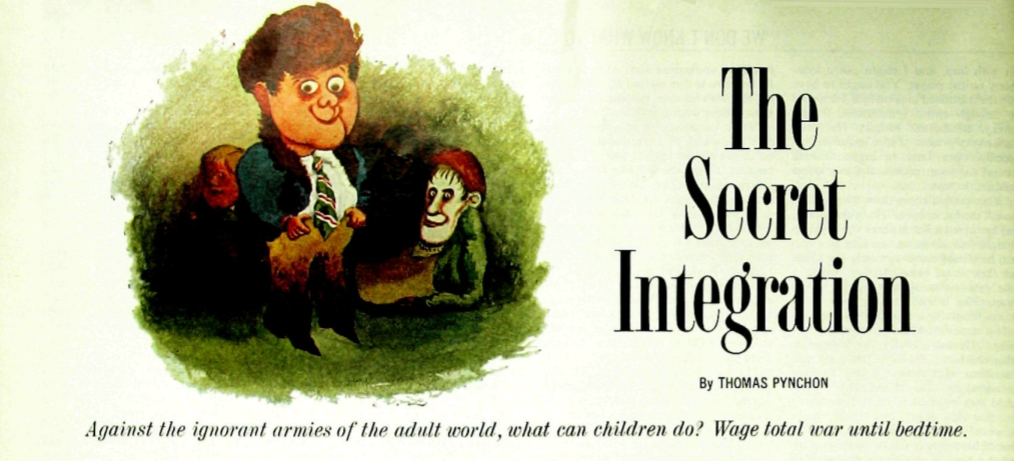
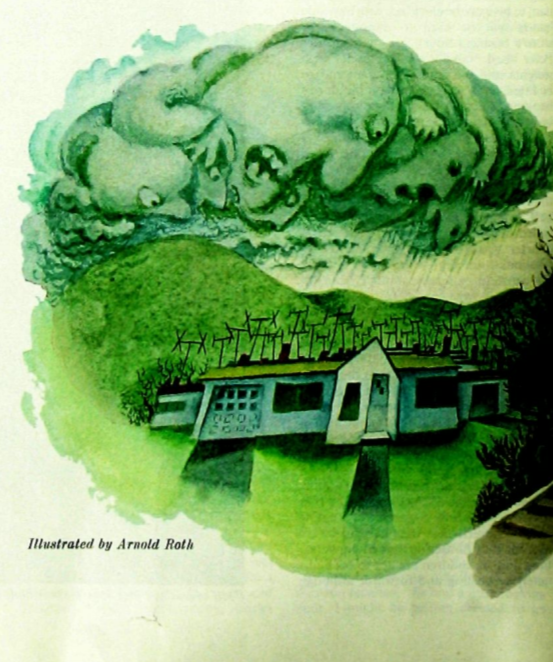
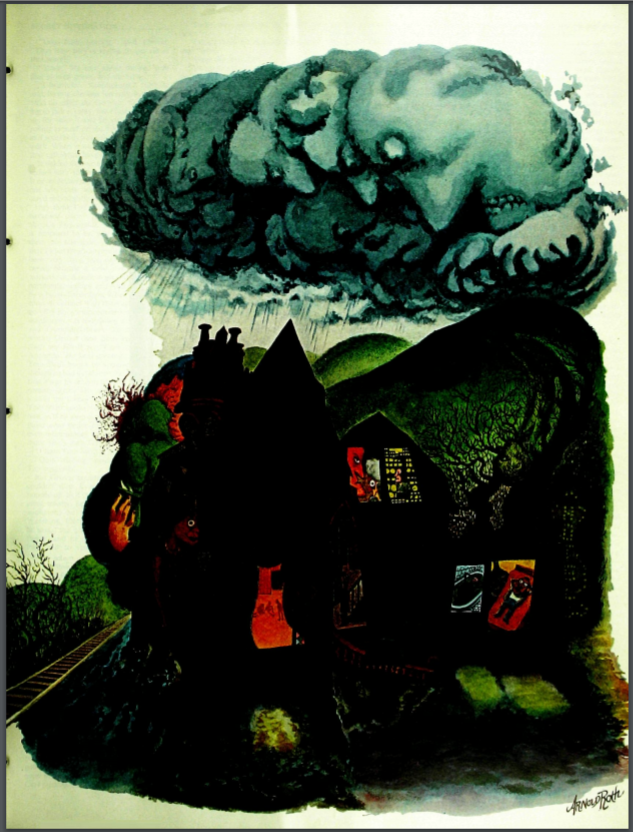
Arnold Roth’s original illustrations for Thomas Pynchon’s 1964 short story “The Secret Integration” (and a link to the full text of the story)

ar 2

Thomas Pynchon’s short story “The Secret Integration” was first published in a December issue of The Saturday Evening Post, and later published again as part of Pynchon’s first and only short story collection, Slow Learner.

In a 2018 article published at The Yale Review, Terry Reilly suggested that by publishing “The Secret Integration” in The Saturday Evening Post,

…Pynchon uses the form of an apparently simple, entertaining adolescent boys’ story to engage and then to manipulate the Post readers; to invoke various features of the publication history of The Saturday Evening Post while simultaneously calling attention to the magazine’s limited scope and conservative bias concerning issues of civil rights and racial integration in 1964.

ar 3

Pynchon’s story was accompanied by three illustrations by the cartoonist Arnold Roth, including a header, a small illustration, and this full page illustration below:

ar

The first page of the story:

“The Secret Integration”

by

Thomas Pynchon


OUTSIDE it was raining, the first rain of October, end of haying season and of the fall’s brilliance, purity of light, a certain soundness to weather that had brought New Yorkers flooding up through the Berkshires not too many weekends ago to see the trees changing in that sun. Today, by contrast, it was Saturday and raining, a lousy combination. Inside at the moment was Tim Santora, waiting for ten o’clock and wondering how he was going to get out past his mother. Grover wanted to see him at ten this morning, so he had to go. He sat curled in an old washing machine that lay on its side in a back room of the house; he listened to rain going down a drainpipe and looked at a wart that was on his finger. The wart had been there for two weeks and wasn’t going to go away. The other day his mother had taken him over to Doctor Slothrop, who painted some red stuff on it, turned out the lights and said, “Now, when I switch on my magic purple lamp, watch what happens to the wart.” It wasn’t a very magic-looking lamp, but when the doctor turned it on, the wart glowed a bright green. “Ah, good,” said Doctor Slothrop. “Green. That means the wart will go away, Tim. It hasn’t got a chance.” But as they were going out, the doctor said to Tim’s mother, in a lowered voice Tim had learned how to listen in on, “Suggestion therapy works about half the time. If this doesn’t clear up now spontaneously, bring him back and we’ll try liquid nitrogen.” Soon as he got home, Tim ran over to ask Grover what “suggestion therapy” meant. He found him down in the cellar, working on another invention. Continue reading “Arnold Roth’s original illustrations for Thomas Pynchon’s 1964 short story “The Secret Integration” (and a link to the full text of the story)”

Tasting the First Oyster — George Frederic Watts

Watts, George Frederic, 1817-1904; Tasting the First Oyster

Tasting the First Oyster, c. 1883 — George Frederic Watts (1817–1904)

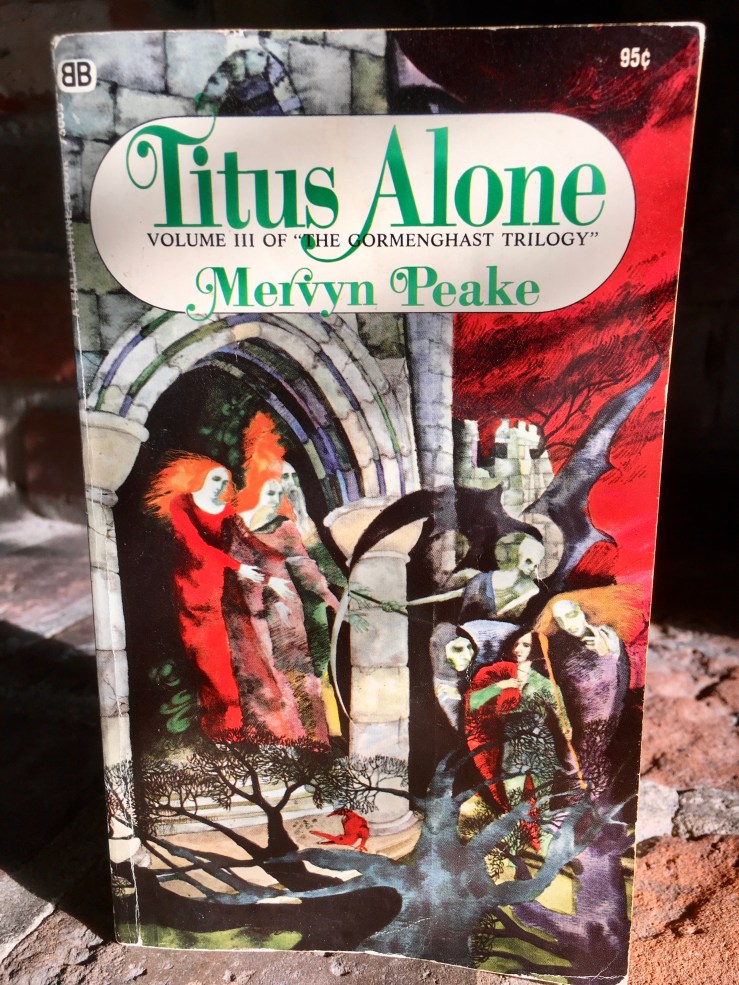
Titus Alone (Book acquired, 29 Feb. 2020)

img_5041

Not a dozen pages into Mervyn Peake’s 1959 novel Titus Alone something very strange happens: A man shows up in a car. The narrator simply uses the word “car,” and our hero Titus seems to accept the technological marvel in stride, using the word himself a bit later.

The strangeness of the car, a thing wholly banal in our own contemporary world, derives from its technological dissonance compared to the previous two Titus novels, Titus Groan (1946) and Gormenghast (1950).

These first two novels of the so-called “Gormenghast Trilogy” take place primarily in a strange, isolated castle called Gormenghast, and the limited terrain around it. The world of Gormenghast and environs seems medieval, stagnant, insular, but also wonderfully baroque, a world that centers on byzantine rituals that have been practiced and observed for at least seventy-seven generations. No one living knows what the rituals mean or from whence they derive; indeed, the rituals seem to be their own telos.

Tinged with fantastic and strange imagery, these first two novels are not fantasy per se, at least not in the traditional sense. They owe more to Charles Dickens’ novels than to the Nordic and Germanic myths that underwrite so much of Tolkien. The books are also wonderfully grotesque, full of weird mutants in varying stages of decay, imagery reflected in Peake’s illustrations for his books (which recall Leonardo’s caricatures). Peake’s prose style is singular as well: his syntax is thick, his vocabulary Faulknerian. Peake essentially creates an original idiom through which Gormenghast can exist. The world is so insular that it creates and sustains itself, both aesthetically and verbally.

img_5039

Young Titus Groan is stifled by all of this insularity and apparently-meaningless ritual, however, and he escapes it at the end of Gormenghast. Somehow he arrives into a new world—the narrative logic is dreamy, perhaps because Titus arrives in this new world asleep in a boat, a positively mythic image. And then he’s picked up by the motorist Muzzlehatch, who feeds him and lets him rest and recover. Titus then witnesses a terrible battle between a camel and a mule, members of Muzzlehatch’s strange menagerie. After he leaves—he’s always leaving, always more or less alone, a word that repeats throughout Titus Alone—after Titus leaves Muzzlehatch, he arrives in a technologically-advanced city of glass and steel. He escapes flying surveillance drones and soon drops into a party (quite literally), where he meets Juno, a beautiful woman twice his age who will later take him as a lover. I should stop summarizing. Titus Alone is episodic, picaresque even, with one damn thing happening after another. The chapters are short and propulsive — most are no more than the front and back of a pageIt’s just one damn thing happening after another, and happening with an energy and rapidity that seems the opposite of the methodical rhythm of the first two books. It reminds me of Voltaire’s Candide and Calvino’s The Baron in the Trees, both punchy picaresques, but also Carroll’s Through the Looking Glass or even Walter Murch’s 1985 film Return to Oz.

I passed a little over the half way mark of Titus Alone this afternoon. The book somehow has taken an even more surreal turn, as Titus enters the Under-River, a labyrinthine Hadean space under the city populated by outcasts and refugees. Peake’s overview of these underdwellers is cinematic and at times startling; he seems to point to a much larger universe, but one that Titus (and the reader) will never fully glimpse. And yet Titus Alone takes its hero (and the reader) into the new, into a world that must be rich and severe and stocked with lore—only Peake keeps us isolated from knowing. We are on the outside of knowing, alone.

The Immigrant — Walid Ebeid

3628567-nuzxnmcg-7

The Immigrant by Walid Ebeid (b. 1970)

The Owl Is Fake — John Jacobsmeyer 

594956

The Owl Is Fake2019 by John Jacobsmeyer (b. 1964)

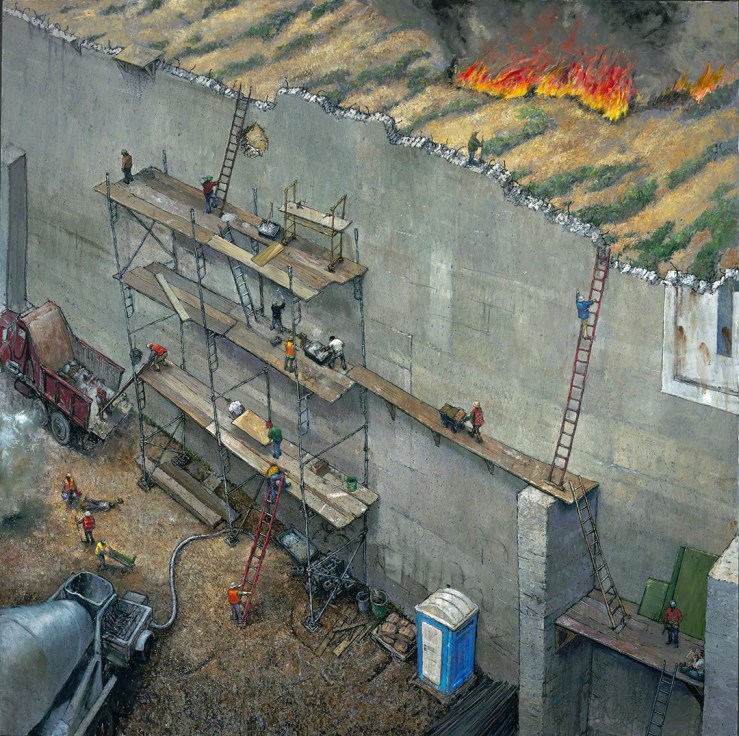
Mending Wall — Chester Arnold

normalized

Mending Wall, 2018 by Chester Arnold (b. 1952)

This Must Be the Place — Audun Grimstad

image-asset-1

This Must Be the Place, 2015 by Audun Grimstad (b. 1985)

Reification #49 — Dario Maglionico

image1415

Reification #49, 2018 by Dario Maglionico (b. 1986)

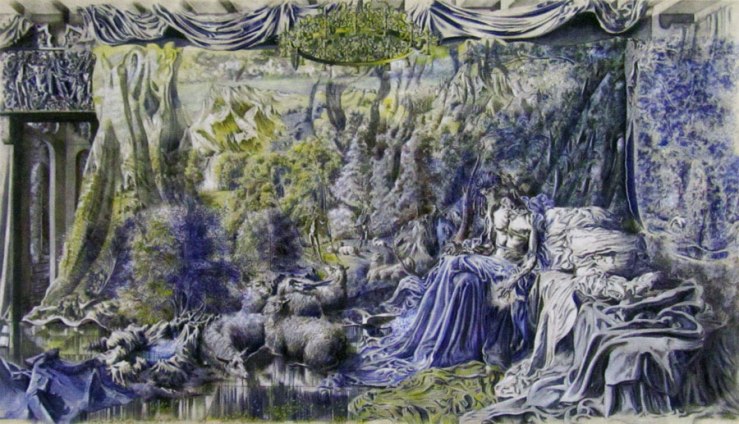
The Tapestry — Robin Ironside

03_lg

The Tapestry, c. 1944 by Robin Ironside (1912-1965)

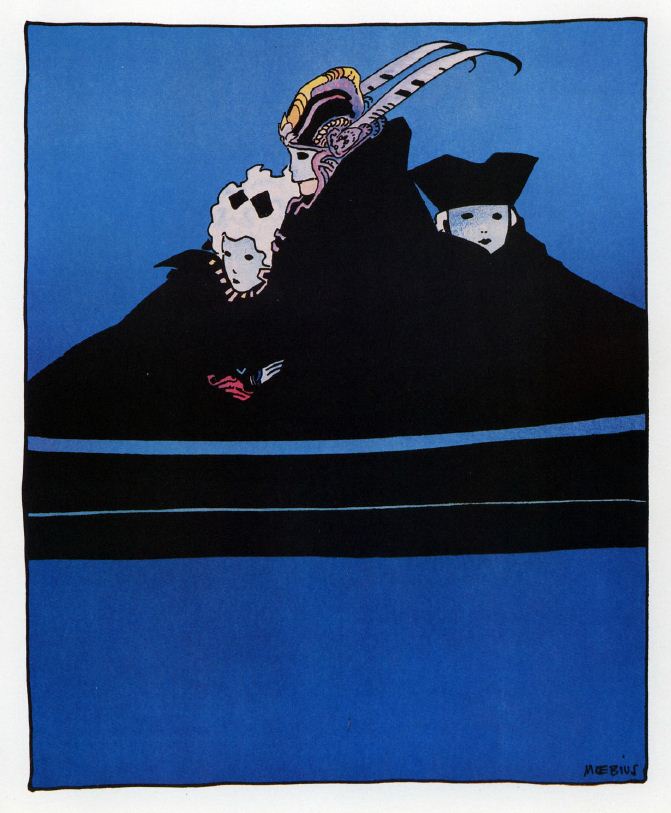
Venetian Carnival — Moebius

venetian moebius

Venetian Carnival by Moebius (Jean Giraud, 1938-2012)

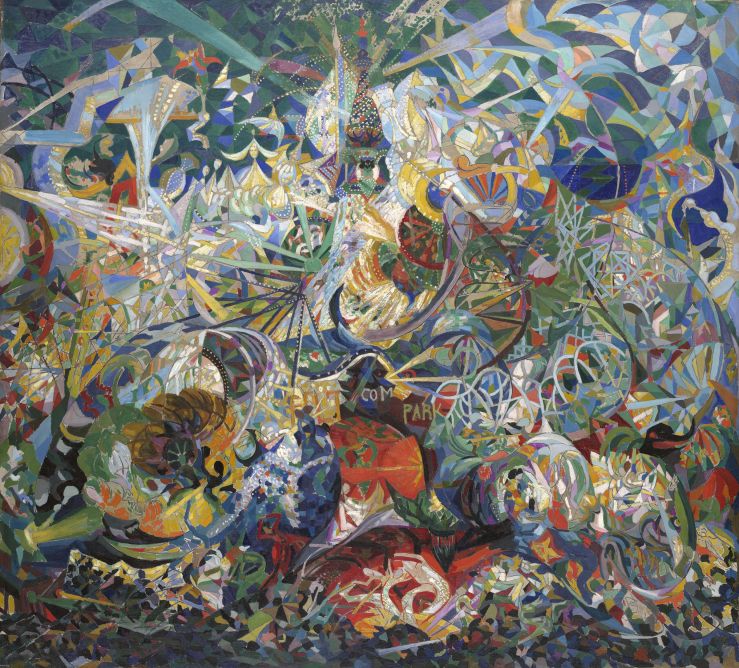
Battle of Lights, Coney Island, Mardi Gras — Joseph Stella

a459db121a3c3d9671c23e26e28d1d73

Battle of Lights, Coney Island, Mardi Gras, 1914 by Joseph Stella (1877–1946)

Self-Portrait as Fat King — Julie Heffernan

a823d58c4ffb78ba-jh-6274-web

Self-Portrait as Fat King, 2017 by Julie Heffernan (b. 1956)

Posted in Art

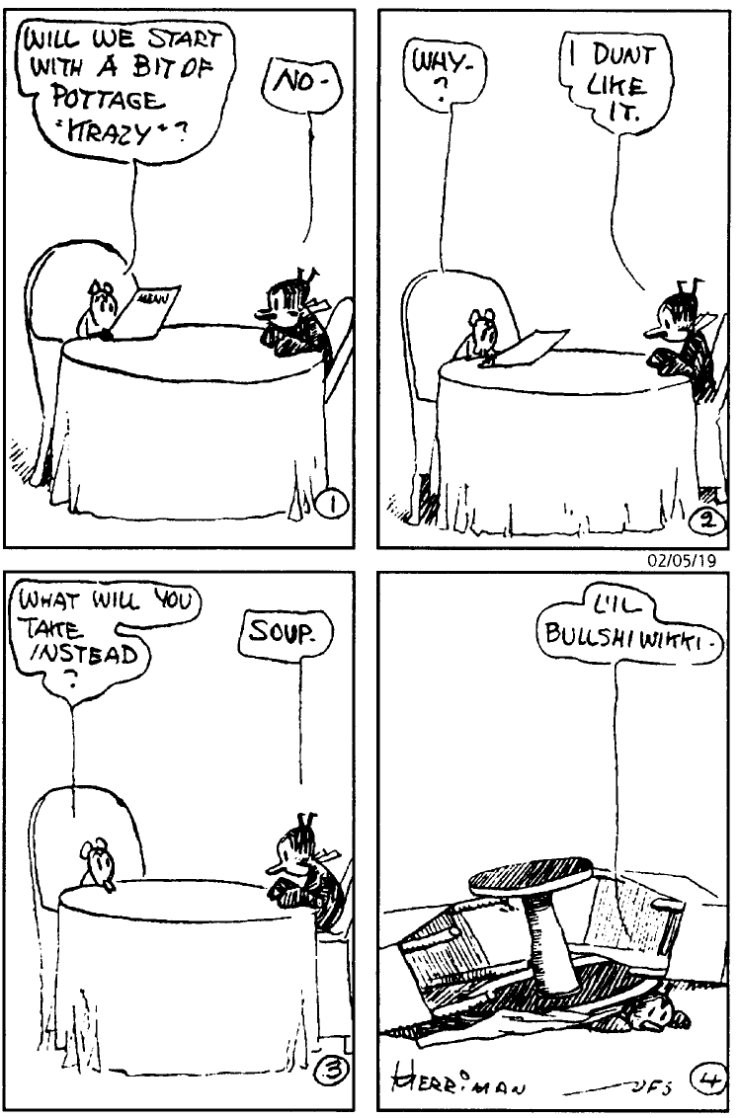
L’il Bullshiwikki (George Herriman’s Krazy Kat)

krazy-kat-19190205-s

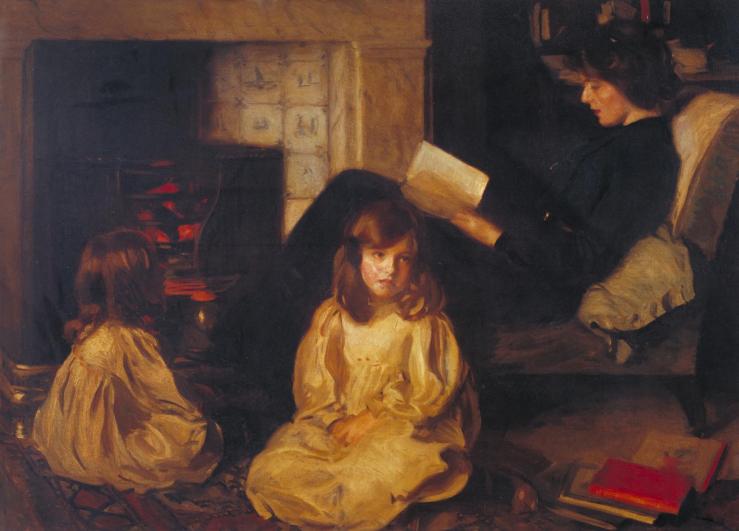
The Fairy Tale — Harrington Mann

The Fairy Tale 1902 by Harrington Mann 1864-1937

The Fairy Tale, 1902 by Harrington Mann (1864–1937)

Endless Energy for Limitless Living — Rockwell Kent

635931193246669925-laf-rockwell-kent-05-copy

Endless Energy for Limitless Living, 1946 by Rockwell Kent (1882-1971)

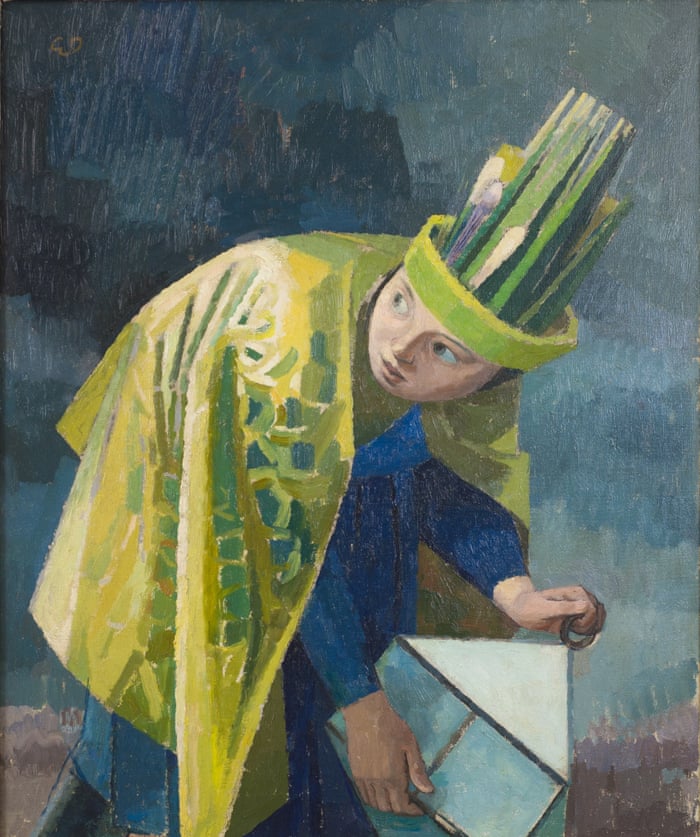
February — Evelyn Dunbar

aefa208a-417a-4e77-bce6-b3329ab85b96-1707x2040-1

February, 1938 by Evelyn Dunbar (1906-1960)