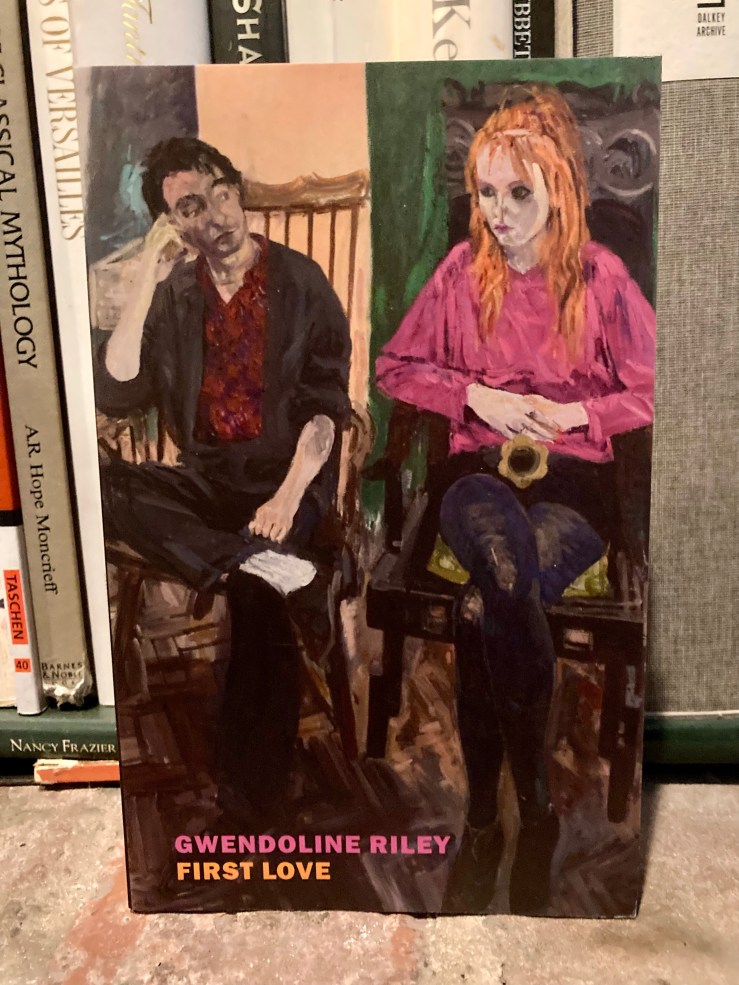
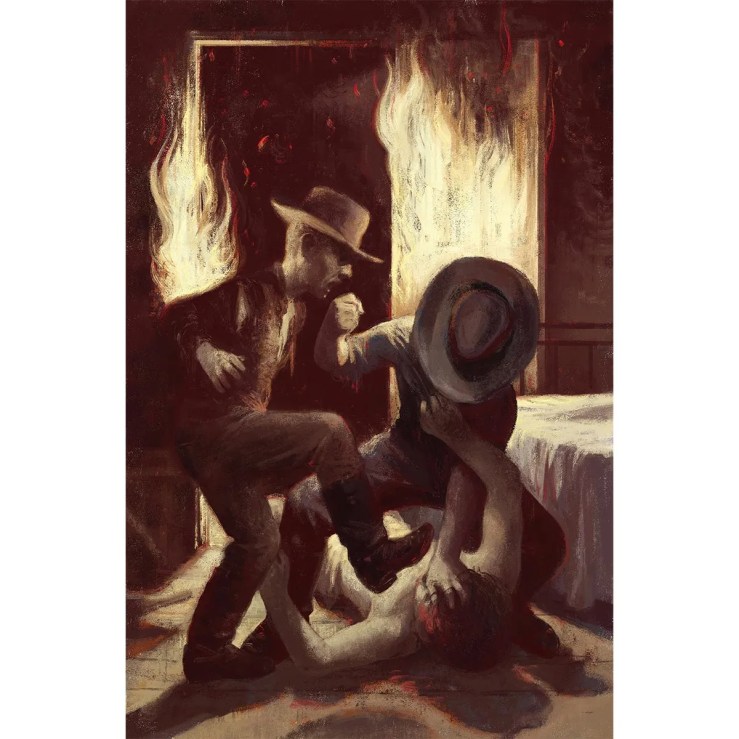
On Gwendoline Riley’s First Love, a spare, precise study of passive-aggressive cruelty, abjection, and sublimated dreams

I forced myself through the last half of Gwendoline Riley’s 2017 novel First Love wondering if I actually liked her latest novel My Phantoms, a book I read just a few weeks ago.

(What do I mean to capture in the puny verb like?)

The material of First Love will be familiar to anyone who’s read My Phantoms, and I kept mentally underlining the similarities: first-person narrator, woman, living in London, a city she is culturally alienated from; bad parents–abusive asshole dad, narcissistic dippy mum. Vegetarian cooking.

Like My Phantoms, First Love is a slim, spare, precise study of passive-aggressive cruelty, sublimated dreams, and lowered expectations. Pervading the novel is a general sense that one would prefer not to get stuck in a corner with any of these characters at a party, let alone end up living with one.

The thrust of First Love (one wouldn’t call it a plot, which isn’t a negative criticism) is something like this: Neve, a thirty-three-year-old writer (who makes some money teaching) is married to a man named Edwyn, who is a generation older from her, and suffering a heart condition. His heart condition has left him close to death at least once, but it also doubles as a symbol for his trashed spirit: Edwyn’s heart condition is that Edwyn has the heart of an asshole.

Edwyn belittles and abuses Neve, condescends her feminism, and generally bullies her. Most of the abuse is verbal, but sometimes it is physical. The abuse is always awful though—an abuse of spirit, of love.

Riley announces the themes of this awful “love” by the novel’s fourth paragraph:

We don’t talk much in the evenings, but we’re very affectionate. When we cuddle on the landing, and later in the kitchen, I make little noises—little comfort noises—at the back of my throat, as does he. When we cuddle in bed at night, he says, ‘I love you so much!’ or ‘You’re such a lovely little person!’ There are pet names, too. I’m ‘little smelly puss’ before a bath, and ‘little cleany puss’ in my towel on the landing after one; in my dungarees I’m ‘you little Herbert!’ and when I first wake up and breathe on him I’m his ‘little compost heap’ or ‘little cabbage.’ Edwyn kisses me repeatingly, and with great emphasis, in the morning.

There have been other names, of course.

‘Just so you know,’ he told me last year, ‘I have no plans to spend my life with a shrew. Just so you know that. A fishwife shrew with a face like a fucking arsehole that’s had…green acid shoved up it.’

‘You can always just get out if you find me so contemptible,’ he went on, feet apart, fists clenched, glaring at me over on the settee. ‘You have to get behind the project, Neve, or get out.’

What’s the project? you might wonder, as does Neve—well, it’s not “winding up” Edwyn and “feel like shit all the time!’”

Does Edwyn actually feel abused by Neve’s behavior?

Riley certainly gives the man plenty of opportunities to vocalize his self-pitying and abusive rants. The central totem Edwyn hangs his anger on is an episode in which Neve drank alcohol excessively and vomited (apparently) all over the couple’s apartment. Riley does not depict the episode because Neve, natch, cannot recall it. The bits we get from it involve Edwyn’s violence, his anger. An ugly and true recollection of the sweaty abject reality of a hangover.

Much of First Love is mired in abjection—sweat and grime and piss and shit. Early in the book Neve and Edwyn exchange reminiscences of their young mothers on the toilet, Neve’s suffering IBS, Edwyn terrified of “The thundering waterfall of her first piss” in the early morning. “Terrifying. I thought bodies were terrifying.”

The abject reality of bodies and filth repulses Edwyn, and he buries his repulsion into a store of misogynistic tropes and curses that explode with more ugly frequency as First Love progresses. “You live in shit, so we all have to live in shit, is that right?” he demands of Neve, who he repeatedly accuses of slovenliness, filth. For Edwyn, Neve’s apparent uncleanliness is also related to her Northernness, underscoring the novel’s themes of class and place. Neve herself capitulates, reminiscing:

But was anybody clean back then? When I think of my friends’ houses, they weren’t any less filled with shit. Here were cold, cluttered bedrooms, greased sheets. The kitchens were a horror show: ceilings bejewelled with pus-coloured animal fat, washing-up sitting in water which was spangled like phlegm. Our neighbour’s house, where we went after school, was an airlocked chamber smelling of bins that hadn’t been put out. There was a long skid mark, I remember, on one of the towels in their bathroom. It was there for three years.

So—I did grow up in shit. It was no slander.

Shit, filth, stupidity, dishonesty. (Mother looking up slyly from a crying jag.)

I did use to be sick a lot. No slander, though Edwyn didn’t know it.

Edwyn doesn’t know fucking anything. I was relieved in the novel’s final moments, where the narrative disappeared him.

But now and so I go back to the beginning of this riff and see the opening clause, I forced: I did force myself to finish First Love, poison cup. And, that second sentence up at the top: Did I like the novelNo. Reading it hurt. Riley offers up raw reality, ugly, abject, mean. The novel is well-written, which I don’t mean pejoratively: no seams show, and thematic resonance carries from minute details: dialogue, concrete imagery, minor moments that coalesce into an abject portrait of sick “love,” messy and cruel. I am so happy that I’m now outside of the thing.

It makes me a participant in the universe | Barry Hannah on Cormac McCarthy’s prose

Interviewer: You mention the influence of Faulkner. Who are some of the writers around at the moment who you admire and who influence you?

Hannah: Cormac McCarthy. It’s not just the language, although I can’t imagine loving his books without the special language. He’s one of the few writers who has a vision. Relentless. It’s very rough—almost fascistic, as nature is. Darwinian. But he gives such reverence to nature itself. I think that is why he seems atavistic; he likes the fact that there was a time when boulders, trees, mosses with lichens—all their individual names participated right next to man. And even though there are horrible things that happen in his books, he’s quite sure that we have disconnected ourselves from the good stuff. He can make a gorgeous, almost epic, page out of a man riding a horse through a half decent meadow somewhere in Mexico. Actually, it kind of makes me excited in a positive way—does not depress me as it does others—because it makes me a participant in the universe. You are no longer just a dead man, floating. You’re right there with the stars, smoke, the peace, and the beauty—as well as the violence. It makes you a player.

From a 1996 interview with Barry Hannah. Published in a 2011 issue of Mississippi Review.

Selections from One-Star Amazon Reviews of Cormac McCarthy’s The Passenger

[Editorial note: The following citations come from one-star Amazon reviews of Cormac McCarthy’s novel The Passenger. I think The Passenger is a brilliant, messy, baggy synthesis of much of the philosophical and aesthetic themes of McCarthy’s previous work; I loved it.

I’ve preserved the reviewers’ own styles of punctuation and spelling. More one-star Amazon reviews.]


jumble

I’m too old

Horrible sci fi

another gut-punch.

literary tricksterisms

this one is different in so many ways

the airplane is never mentioned again

a cluster mess of absolutely nothing

Virtue signaling

who is missing

Zero.

Zilch.

Nada.

rambling

confusing

nonsensical

300 pages of mostly sci-fi

nothing like his previous writings

This author has written several really good novels

The only mention of salvage diving to find a plane was in the beginning of the book.

nothing about it makes one happy to be reading it

Introspection with no development

mediocrity

absurdity

Incest

A plot with … no plot.

I literally threw it in the garbage

portions in italics about some person with flipper hands in some alter reality

Tedious chapters where a character we never meet argues with her imaginary friends.

the editor and McCarthy were both under the influence of something!

he has decided to eliminate quotation marks

these questions are never answered

disjointed

irregular

senseless

I am a fan of McCarthy

The only passenger is the reader

reads like two people on an acid trip

If you are an average reader then you will find this book difficult to read

Why is the plane in the river

lack of punctuation

time line confusing

no stars

ten zeros

lost and confused

made me feel stupid

one of Americas great writers

A lot of physics talk by men with questionable morals.

a sunken private jet in the Gulf of Mexico is the MacGuffin in this book

I’ve read two other Cormac McCarthy works: The Road, and No Country For Old Men. I enjoyed them both, although they were nothing special.

If this book had been submitted for publication by an unknown author it never would have been published

gassy dialogue about cars, tools, diving, drinking, the Deep State, hopeless forbidden love, and loss

I get the distinct impression that the publicists never read more than the beginning of the book.

Will I read the sequel? Probably, just to see if this novel can be redeemed.

not the action adventure novel that the jacket cover advertises

I was continuing out of spite.

life is too short

What story?


Moby Dick — Christophe Chabouté

Illustration for Moby-Dick, 2014 by Christophe Chabouté (b. 1967)

“Geniuses were not fun, but Mr. Gaddis was fun” | Joy Williams reads a tribute to William Gaddis

Nation and ghost of nation passing in a soft chorale across that mineral waste to darkness bearing lost to all history and all remembrance like a grail the sum of their secular and transitory and violent lives | From Cormac McCarthy’s novel All the Pretty Horses

In the evening he saddled his horse and rode out west from the house. The wind was much abated and it was very cold and the sun sat blood red and elliptic under the reefs of bloodred cloud before him. He rode where he would always choose to ride, out where the western fork of the old Comanche road coming down out of the Kiowa country to the north passed through the westernmost section of the ranch and you could see the faint trace of it bearing south over the low prairie that lay between the north and middle forks of the Concho River. At the hour he’d always choose when the shadows were long and the ancient road was shaped before him in the rose and canted light like a dream of the past where the painted ponies and the riders of that lost nation came down out of the north with their faces chalked and their long hair plaited and each armed for war which was their life and the women and children and women with children at their breasts all of them pledged in blood and redeemable in blood only. When the wind was in the north you could hear them, the horses and the breath of the horses and the horses’ hooves that were shod in rawhide and the rattle of lances and the constant drag of the travois poles in the sand like the passing of some enormous serpent and the young boys naked on wild horses jaunty as circus riders and hazing wild horses before them and the dogs trotting with their tongues aloll and foot-slaves following half naked and sorely burdened and above all the low chant of their traveling song which the riders sang as they rode, nation and ghost of nation passing in a soft chorale across that mineral waste to darkness bearing lost to all history and all remembrance like a grail the sum of their secular and transitory and violent lives.

From Cormac McCarthy’s novel All the Pretty Horses

—which I picked up again the other day to find a passage in connection to The Passenger and started rereading. The swelling rhythm of this passage would have knocked my socks off had I been wearing socks.

What else? | Last scattered thoughts on Cormac McCarthy’s novel The Passenger

What else?

The Passenger, Cormac McCarthy

Versions of the phrase What else repeat throughout The Passenger, sometimes at the beginning of a sentence but more often than not as a two-word statement or question. It’s a verbal tic not unlike the plentiful instances of They rode on to be found in Blood Meridian, and like that phrase, it serves as a linguistic placeholder that both moves the action of the novel and also advances one of its central philosophical themes.

What else? here is plaintive, existential, but also human, relatable.


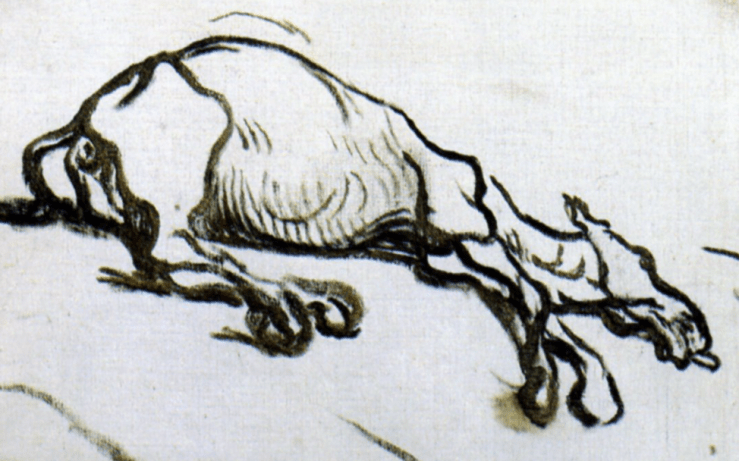
The novel Blood Meridian (1985) establishes Cormac McCarthy as unchallenged king of literary mule carnage. No fewer than fifty-nine specific mules die in the book, plus dozens more that are alluded to in groups and bunches. Mules are shot, roasted, drowned, knifed, and slain by thirst; but the largest number, 50 out of a conducta of 122 mules carrying quicksilver for mining, plummet from a single cliff during an ambush, performing an almost choreographic display of motion and color, “the animals dropping silently as martyrs, turning sedately in the empty air and exploding on the rocks below in startling bursts of blood and silver as the flasks broke open and the mercury loomed wobbling in the air in great sheets and lobes and small trembling satellites. . . . Half a hundred mules had been ridden off the escarpment.”

The Dead Mule Rides Again,” Jerry Leath Mills


A small mule danced in a flowered field. He stopped to watch it. It rose on its hind legs like a satyr and sawed its head about. It whinnied and hauled at its rope and kicked and it stopped and stood splayfooted and stared at Western and then went hopping and howling. It had browsed through a nest of wasps but Western didnt know how to help it and he went on.

The Passenger, Cormac McCarthy

This minor scene in the last pages of The Passenger seems like another previously-rare self-referential move on McCarthy’s part. Our “unchallenged king of literary mule carnage” sets up what appears, at first, a bucolic, even corny image—a mule dancing in a field of flowers. The pastoral, frolicking image comes undone under scrutiny—the mule is not at play but under duress. But the duress is not the result of a moral malice. It’s simply natural. Western cannot assuage the mule’s pain, he can only observe it, which he does so with a stoic measure of sympathy.

Detail from Don Quixote, Sancho Panza and the Dead Mule, Honore Daumier, 1867

He said that the souls of horses mirror the souls of men more closely than men suppose and that horses also love war. Men say they only learn this but he said that no creature can learn that which his heart has no shape to hold.

All the Pretty Horses, Cormac McCarthy


The other dream was this. There was a riderless horse standing at a gate at dawn. Some other country, some other time. The news that the horse brings is a day’s ride old, no more. The horse’s dreams were once of mares and grass and water. The sun. But those dreams are no more. His is a world of blood and slaughter and the screams of men and animals all of which he has little understanding of. The horse stands at the gate with his head bowed while the day breaks. He wears a cloak of knitted steel dark with blood and he stands with one forefoot tilted upon the stones. No one comes. The news does not arrive.

The Passenger, Cormac McCarthy

The above passage was probably the saddest moment in The Passenger for me. The speaker is the ghost of Long John Sheddan, present in the consciousness of Bobby Western. It is the horse’s dream inside of Sheddan’s dream (inside of Western’s dream (McCarthy’s dream)) that I find so sad—an Edenic vision flooded with the reality of blood and violence, by the mechanics of war. The horse stalks the stones of the earth, awaiting a revelation that does not come to pass. No one comes. The news does not arrive.


I always thought when I got older that God would sort of come into my life in some way. He didn’t. I don’t blame him. If I was him I’d have the same opinion about me that he does.

No Country for Old Men, Cormac McCarthy


I waited to hear from God and I never did.

The Passenger, Cormac McCarthy


Like most writers committed to pessimism, McCarthy is never very far from theodicy. Relentless pain, relentlessly displayed, has a way of provoking metaphysical complaint. . . .

But [in Blood Meridian] McCarthy stifles the question of theodicy before it can really speak. His myth of eternal violence—his vision of men “invested with a purpose whose origins were antecedent to them”—asserts, in effect, that rebellion is pointless because this is how it will always be. Instead of suffering, there is represented violence; instead of struggle, death; instead of lament, blood.

Red Planet”, James Wood

Critic James Wood was unkind in his estimation of Blood Meridian. He demanded a theodicy from McCarthy—never McCarthy’s intention—and then failed to attend to any evidence in the novel that would indicate the possibility of resistance to unrepentant Darwinian malice, to an illiterate taste for mindless violence.


I don’t know if Wood has written on the latest, not last, but close-to-last, novel from McCarthy. The only review I’ve read was a short tweet from a contemporary Irish writer whose latest novel I very-much admired. He did not think The Passenger was good. I believe he wrote that it was, in fact, very bad. I really loved The Passenger, and when I finally get this last little riff out of my system, I might even read some reviews.


In the dawn there is a man progressing over the plain by means of holes which he is making in the ground. He uses an implement with two handles and he chucks it into the hole and he enkindles the stone in the hole with his steel hole by hole striking the fire out of the rock which God has put there. On the plain behind him are the wanderers in search of bones and those who do not search and they move haltingly in the light like mechanisms whose movements are monitored with escapement and pallet so that they appear restrained by a prudence or reflectiveness which has no inner reality and they cross in their progress one by one that track of holes that runs to the rim of the visible ground and which seems less the pursuit of some continuance than the verification of a principle, a validation of a sequence and causality as if each round and perfect hole owed its existence to the one before it there on that prairie upon which are the bones and the gatherers of bones and those who do not gather. He strikes fire in the hole and draws out his steel. Then they all move on again.

Blood Meridian, Cormac McCarthy


In the end, she had said, there will be nothing that cannot be simulated. And this will be the final abridgment of privilege. This is the world to come. Not some other. The only alternate is the surprise in those antic shapes burned into the concrete.

The Passenger, Cormac McCarthy

The final moments of The Passenger, particularly Alicia Western’s words (via Bobby’s memory) seem to echo the gnostic dream that is the epilogue of Blood Meridian. Her apocalyptic final line (again, via Bobby’s consciousness) evokes the consequences of the atomic bomb, a new original sin of creation: “My father’s latterday petroglyphs and the people upon the road naked and howling.”

Alicia chooses to erase herself from the world, while Bobby stays in it, lives. The final moments of The Passenger point to a sliver of metaphysical hope:

He knew on the day of his death he would see her face and he could hope to carry that beauty with him into the darkness with him, the last pagan on earth, singing softly on his pallet in an unknown tongue.


You have to carry the fire.

The Road, Cormac McCarthy.


White Meridian | More scattered thoughts on Cormac McCarthy’s novel The Passenger

He’d bought a small ruled notebook at the stationer’s in Ibiza. Cheap pulp paper that would soon yellow and crumble. He took it out and wrote in it with his pencil. Vor mir keine Zeit, nach mir wird keine Sein.

The Passenger, Cormac McCarthy

In the second paragraph of the last chapter of Cormac McCarthy’s new novel The Passenger, protagonist Bobby Western, now living on a Spanish island near Ibiza, writes in German a sentence in a cheap notebook. The sentence translates to something like, Before me there will be no time, after me there will be none.


Vor mir war keine Zeit, nach mir wird keine seyn,
Mit mir gebiert sie sich, mit mir geht sie auch ein.

Sexcenta Monodisticha Sapientum, III, II, Daniel von Czepko (1655)

Western’s line appears to be cribbed from an epigram by the early seventeenth-century German poet, Daniel von Czepko. Czepko’s epigram translates to something like, Before me there was no time, after me there will be none / With me she gives birth, with me she dies.


I deny, in a high number of instances, the existence of succession. I deny, in a high number of instances, contemporaneity as well.

“A New Refutation of Time,” Jorge Luis Borges, translated by James E. Irby

Did McCarthy find Czepko’s in Borges’ essay “A New Translation in Time,” where I found it when I first searched the German phrase?


All language is of a successive nature: it does not lend itself to reasoning on eternal, intemporal matters.

“A New Refutation of Time,” Jorge Luis Borges, translated by James E. Irby


I feel like I’ve jumped into the deep end here too quickly for this riff, what with the seventeenth-century German poet and the wonky Borges essay that feels like a gimmicky (and perhaps ironic) championing of idealism in service towards forging an aesthetics of time. Let me put in a simpler substitution for Western’s (McCarthy’s (Borges’ (Czepko’s))) epigram, a favorite line from another life-and-deather with oceanic motifs:

Perhaps an individual must consider his own death to be the final phenomenon of nature.

“The Open Boat,” Stephen Crane


Start again: This is a scattered mess. I finished The Passenger yesterday, punched in the face by the final chapter, where McCarthy condenses characters and tropes and symbols and allegories into a slim 19 pages that points to both infinity and death. The Passenger is possibly McCarthy’s baggiest novel, messier than Suttree, and eschewing even a glimmer of the precision of Blood Meridian. Like No Country for Old MenThe Passenger is bound in genre fiction tropes—crime novels, detective novels, 1970s paranoia novels, Westerns, and so on. Like No Country, The Passenger purposefully derails reader expectations for what the genre plot should do. The refusal to go forward with the initial promised plot (Who is the missing passenger, escaped or removed from the sunken plane?) reinforces the tense ambiguity in the core of McCarthy’s worldview. The apparent abandoning of a tight plot might alienate some readers, but I suspect most fans of the trajectory of McCarthy’s work would have been disappointed if he’d stuck to a story that Makes Sense and Follows a Clear Trajectory and Ultimately Resolves. I would have been furious if the end of The Passenger gave up some kind of easy answer.


For only Gossamer, my Gown –
My Tippet – only Tulle –
“Because I could not stop for Death” (poem 479), Emily Dickinson

In her white gown carrying the barnlantern out through the trees. Holding the hem of her gown, her slender form candled in the sheeting. The shadows of the trees, then just the dark. The cold in the stone amphitheatre and the slow turning of the stars overhead.

The Passenger, Cormac McCarthy


Last time I wrote about The Passenger, I wrote about its dominant incest motif. I suggested that the dummy Crandall was the dreamchild of incestuous Western union. I had not yet gotten to the episode where Bobby, on the lam in Idaho, dreams of an incestuous stillborn child, one with only the rudiments of a brain. Bobby queries the dream doctor of his dreamchild: “Does it have a soul?” Bobby’s True Love, his sister Alicia, is the barest slip of a ghost in the final chapter of The Passenger (in contrast to the ghost of Long John Sheddan, who gets a full last dialogue with Bobby), but she shows up again here—theatrical, ghostly, an echo of the speaker of Emily Dickinson’s “Because I could not stop for Death.” I hope we get more from Alicia Western in Stella Maris.


His father. Who had created out of the absolute dust of the earth an evil sun by whose light men saw like some hideous adumbration of their own ends through cloth and flesh the bones in one another’s bodies.

The Passenger, Cormac McCarthy


Père Western, coauthor of the atom bomb (“evil sun”/evil son, evil Adam) is a background wraith in The Passneger (although more present than Ma Western—but I’m sure the lack of mothers in McCarthy’s oeuvre has been commented on at length, perhaps in academic papers. Dude doesn’t include mothers, and mother figures, if they appear, are tangential, marginalized). Wait, where was I? Père Western, haunting the background of The Passenger, takes a bit more of the stage (just a bit) in the final chapter of The Passenger. His Big Crime seems to soak diver Bobby, even if Bobby can’t directly address it.


It was a lone tree burning on the desert. A herladic tree that the passing storm had left afire. The solitary pilgrim drawn up before it had traveled far to be here and he knelt in the hot sand and held his numbed hands out while all about in that circle attended companies of lesser auxiliaries routed forth into the inordinate day, small owls that crouched silently and stood from foot to foot and tarantulas and solpugas and vinegarroons and the vicious mygale spiders and beaded lizards with mouths black as a chowdog’s, deadly to man, and the little desert basilisks that jet blood from their eyes and the small sandvipers like seemly gods, silent and the same, in Jedda, in Babylon. A constellation of ignited eyes that edged the ring of light all bound in a precarious truce before the torch whose brightness had set back the stars in their sockets.

Blood Meridian, Cormac McCarthy


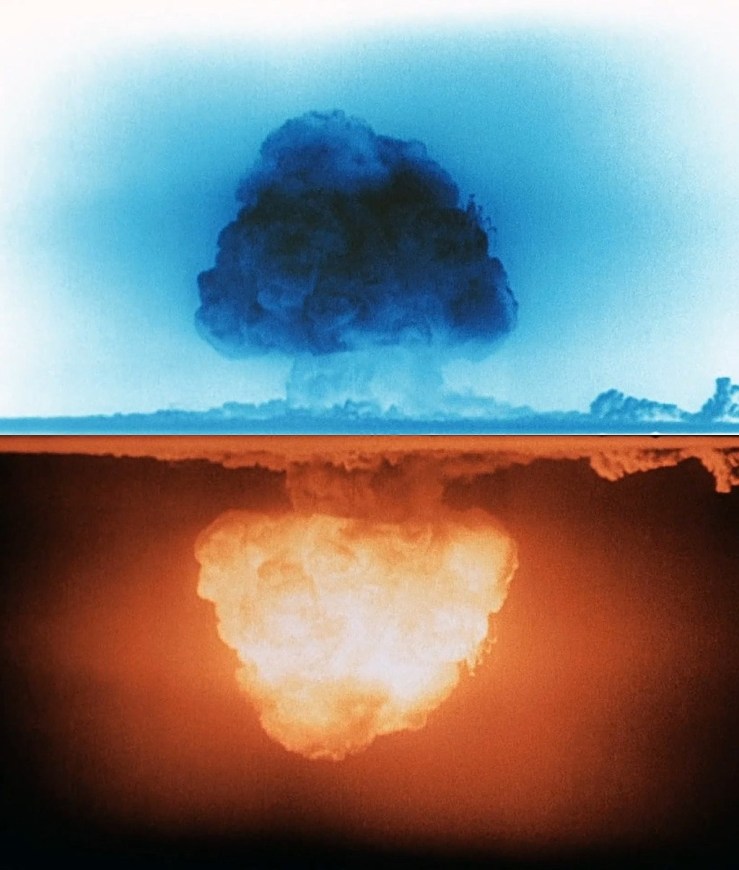
His father spoke little to them of Trinity. Mostly he’d read it in the literature. Lying face down in the bunker. Their voices low in the darkness. Two. One. Zero. Then the sudden whited meridian. Out there the rocks dissolving into a slag that pooled over the melting sands of the desert. Small creatures crouched aghast in the sudden and unholy day and then were no more. What appeared to be some vast violetcolored creature rising up out of the earth where it had thought to sleep its deathless sleep and wait its hour of hours.

The Passenger, Cormac McCarthy.


More than a decade ago, I suggested on this site that the moral core of McCarthy’s best novel Blood Meridian is a sequence wherein a host of creatures coalesce into a “constellation of ignited eyes…in a precarious truce” to observe a burning tree in the desert. Witness and attendant, his own eyes presumably ignited, is the kid, the hero of Blood Meridian. The sequence rebukes the pronouncements of Judge Holden, satanic anchor of that novel, pointing towards coexistence and peace.

The whited meridian sequence in The Passenger, evoking the first ever detonation of a nuclear weapon, reverses McCarthy’s previous passage—blanches it, makes a ghost of it, turns its blood white. Whites it.


(I have a few more thoughts scribbled on a cheap yellow legal pad but the hour grows late and a big storm looms—so, more thoughts to come (including a kind of peace with mules?)


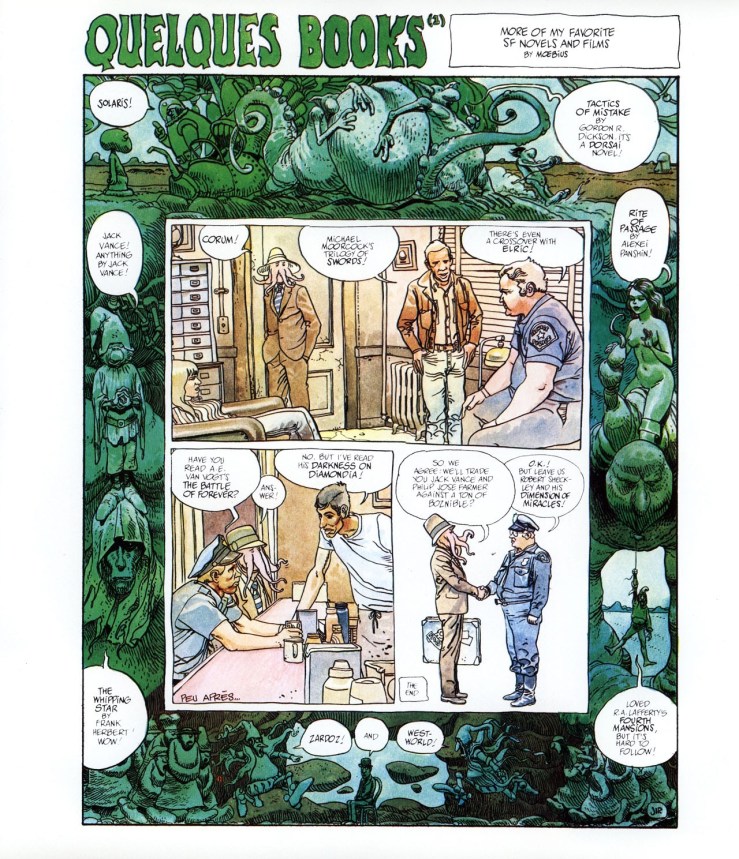
Quelques Books: More of My Favorite SF Novels and Films — Moebius

Illustration for Frankenstein — Bernie Wrightson

Illustration for Frankenstein by Bernie Wrightson (1948-2017)

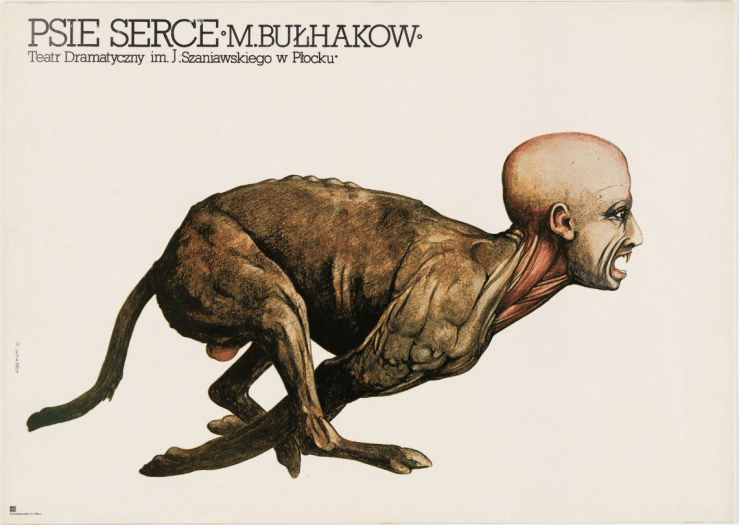
Heart of a Dog — Andrzej Pagowski

Poster for a theatrical production of Heart of a Dog, 1982 by Andrzej Pagowski (b. 1953)

Aw, kick him, honey | Gérard DuBois illustration for Blood Meridian

Illustration for Cormac McCarthy’s novel Blood Meridian by Gérard DuBois. From the Folio Society edition of Blood Meridian.

Mary Shelley’s Frankenstein, but just the punctuation.

; , . . . , . . , . , — — . . ; , . ; , , , . ? , , . , . ; . , , ; , . — — , , — — ; , , . , . ? ; , . , . , , , , . , , , , ; , , , . , ; , — — . . . , ‘ . , . , , , ‘ . , , , . , ; . , . , . . , , . . – ; , , , ; , , , . – , . , , ; . , , ? ; . , ! ; , . , : , , . . ; , , , – . , , — — ; , . – . . ; , , – . ; ? , , ? , , , , . , , . , , . , , . , . . . . , . , , — — . , ! . , ; , , . ; . , : , ; , . , ; . ; . , , . , , , , . ! , . – : , ‘ . ; , . – , . , ; ( ) ; , . , ; , , . , , . , , ; : , , . , , , . : , . , . , , . , , , : ; , , . , . , , . , , ; – , . ; , , , , , , . , , . , ; , – , ‘ . , ; , , , . ” ! ” . ; : , , , , . , , , . ; . ; , ; . : , . . , , . , ” ” ; , , ” ” ? ; . , , , . , . — — – ; — — : — — , , , , , . . , , ? , . : . . , . , . . . , . , , — — . , , . ; , , , . , , : , ; , , . ; , , , , . . , , ; . , . , , , . , , . . ? , : . ? ? . . ! . . . . , . , — — . , , . ( ) , , , – . , . , . ‘ , , , , . , , , . , , , : , , , . , . . , , ; , , . , , , , . , ; , . , , , . . , , , , , . , , , , , . ; , . , , , . , , ” , . ” , , . ” , ” , ” ? ” , . , , . , . ! , , . , . . ; , . , , . , . , , . ; . , , . : , ; , , , , , . ; , . , , ; , . , , , ? ; , ” . ” ” ? ” ” . ” ” ; , , , . ” ‘ ; , , . , , , — — ” , , , ; . ” ” ; . ” ” ; . ” ? , ; , ; . . , ; , . , . . , , . , , . , ; . , . , , ; , , . , . , — — . . . , ? , ; ; , , . , , . , , , . , . , . , ; ; , , , , , . ‘ ; . , ‘ . ; ; , , — — . ; — — , : — — ” ! ? ? , — — , ! ” , , ; , . , ; , . . : . — — ; , . ” , ” ; ” , , , , — — — — . , , , , . , , . — — , . ” , , . , . , . , , , . : , ; , , , , . ? , . , , , ; . , . ; – ; , ; , – . . — — . , ” , , . , , ; . , ; , . ; , , , ; , . . , , ; , – : — — . ” ; . , , , . . ” , ” , ” , ; . , . , ” , ; ” , , ; : , . ” , . . , , , , . , . : , , , ! , , – ; ; , . ; , — — ! . ; . ; . , . ; , . , . , , , , , . , , , . , , , , . , . . , . ; . , , , . , . ; , ‘ . , , ; , ; , , . ; , . ; . ; ; . . ; ; ; , . ; ‘ , , . , ; , , . . , . ‘ , . – , . , , , , , , . . , , , . , , . ; , , . . , , , . . , . ‘ , ‘ , . , — — , , , , . , , , , – , , . . , . , , . . , , ; , , — — , , — — . , , – , . , , , , . , , , . . . – , ; , . , , , . , , , , – , . , , . , . , . : . , . , — — , . . , , . , . , , – . , , — — , . . . . ; , . , , ‘ — — — — . . , , . , , — — ” — — – . ” , , , , , , — — , , . , . . , — — , . . ; . . , . ; , , , . ; — — ; ; ; , , — — . , . . , , , , . , , , . , , , . , . , . , , ; . . . , , , . . , . , , , , . . . , . , , . , ; , , , . , , , . ; , , , , , . , , . , , , ; , . – . ; , , , . : , , . — — ? — — , — — , , . , , . , , , , : , , , , ; , , , , . ; , , , . , : . . ; , , . ; , , . , , ” ! ! , ; . ” , , , , , , , ; , , , , . , . ; . , , . ; . . , . . , ‘ , . , . . , . , , ; , , . , . , . , . ; , , , . , ‘ , ‘ . , ‘ ; . ; , , ! . , ; , , . , , , , , , . , – . ; . , , . , , ; , , . , . , . . . , , , , . , , , ; . . . , , ; ; – , . , , , . , . , — — , . , . , . ; . , . . , . ; , , . ; , , — — , , . ; , . , . , , ; , . , — — , — — , . ; , . – . : — — ” , ” , ” . . , , . ! ; , , ? ; , . ” ; . ; ; . , , , — — , , , , . ; , . ? , ? , ; , , . , ; , , . , , . . , , , . , . ; , , . , . , . . , . . . . , ; . – , . . ; , , . . . , ” ! ” ; , : ‘ , — — , , , . , . , , , . , , , . ; . , , ; ” ; ” . ; , . . , , , , . , , , . , . . , , . , . — — , , ‘ — — . , . , . . ; , , . : ” , ” , ” ? ” . ” , ” . , ” . . ! , , , , ? , , . , . ” , , , ; , , . , – , . , , ; , . . , ; , , . , , . , . , , , . , . , ; , , : . . . , , . , . . , . , , . , , , . . . , ; , . , ; . , , . , . , , : — — ” , ” , ” , . ; , . , , , . , . : , . ; , , . ” ‘ — — , . , ; : , , , . , , — — , , : , , , . . ; , . , ‘ , . , ‘ . , . , . . ; , . – . , , . . , ” . , , , , . , , . ” , ; , ; , , ( ) . . ” , ” . , ” ; , . : ; . . , , , . ” , ; , . ; . : . . , , , . , , . , , ; . , , , , . . . ; , . , . ; , , . , . , . , , ? . – . , , , , , . . , ; . , , ; , , , , , , , . , , , , . , , , . , , ? , ; , . , . , , . , . : ; . . , . ; , , , . , – . . ; ; . , , , , — — , , , , , . , . , . , . , ; , , . . , , . , , . . , , : , . , , , , . , , , ; : , . , , . , , , , , . , . , , , , , . , ; . ; . ; , : , , . . . , , , ; , , . , , . , , . , , . ; . . , , , ( ) . , . , . , , ; . ; , , , – . , , ? , ; , , , ; . , , , . – ; , , . , , , , : – . – ; , , , . , , . ; , : . , . ; : ” , , . . ” ‘ ; , , . , , , , . , ; . , . . , , , , . ; , ; ; ; . ; . , . , , ; — — — — . ; . , , , . , ; , – . ; : , ; . . , . , , . ; , , , – , ; , . ” – , , ; , , . . . . ” , ? , . ! — — ! ; , ; ; , , . . , . . ; , , . , , , . ; , . : , , . , , . , ; , ; , ; , – . ; , , : , , , — — . ; , , . , , . , ; , , , . ; , , , . ! . . ; ; , . . , ; , . , ; ; , ! , , , , , . , , , , . , , . , , , . , , . ; , : — — ” , , , , , , ; . ” [ ] , . , ; . , : ; , , , , , . ” , ” , ” ! ! ” ; , , . , ; , , . , , , . , . ” , ” , ” – ; , , , : — — ‘ , . ‘ , . ” ” ; , , . ” ” , , . , . — — , , ” , , , ” ; ; . ” ” ; , , : , , , . ” ; , , . , . , , , , . ; . , , , . . ; . , ; . : ; – . ; , , . , ; . ; , . ; , , . ; , ; , , , . ” , ” , ” , ‘ , ? . ! ? ” ” , ” , , ; ” . — — , ! ! ” ; , . ! ? , , . ; , , . , . . , ‘ , , , . ; , , , , . ; . , . : ; , . , , , . , , . ; . ; , . ” , ” , ” , . , , , . ? ; . ” ” , , ; , , ? ” . ! ? ? ” , ” , , ” , ; . , . ” ” , ? , , . ” ” , , : , . ” . . : — — ” , ” , , . — — ; , , . , . ; ! , , . : . . ” — — . , , . ‘ , , — — ; . ! , . , ; , . ; . ; — — , . , , . ” , , . , – , ; — — , . , , . , . ? ; , , . , , , . ; , , , , . , . ; , , . . ; , , . . , , ; , , , . ” , , ; , – , , — — – . , . ; : ; ; . , , . , , . ” , , . ; . ” , ; , , . ; . ; . , , . ! ; ; , . ‘ . . , . , , . , . ; . , ; , . ” , , . ; , , , . , , . , , . ” , , . , , . , , . , , . , , . , , . , ; , . ” , ; . , , — — — — . , , : . ! ; ; , , ! ” . ” , , — — . ” ” , ! ” , , ” , . ” , ; , . . . , , . , , , . , . , . ; . . . , , . ; , , , , , , . ? , . , , . , . , , , , , ; . , . , ; , , . . ; , , . . ” — — ! ” ; ” , . , . , ; . , , , ; , . — — , , ” , , ” . ; . , , . : ; . ” . , . ; . , . , , . , , , . , , , – , . , , , . , . , , . , , — — , . ! , ; , , , . ; . , , . , , ; , . , , , . : , . : , , , . – , ; ; , . ! , ! , ; , , , . , . . ; , . , , . , : , . : ; , , . , , . : , . , . . , : — — ” , ” ; , . , . , , , , , ? , , ? ; ? , ; , . ” ! — — , , , ! , ! ” ; . ” ( ) , , , , . , . ; , , . . , : , , , , , . ” , , . . , ; , , ; . , , : ‘ . ” , . . ; , , , , ‘ ! ! ‘ ” , . , . , . , . , ; ! ” , ; . , ; . ; , , ? ! , ! , , ! ” , ; , , , , . , , , . ” , ” . ” , , — — . ” , , . , . ” , ” , , ” ? , ? ” , . , . ” , , ” ; ” . ? ” ” : , , . ” , ; – . ” ! ” , ” , ! , ! ; ‘ ! , ! ! ; , . , . , . ; . ” ; , . , , , . . , ; , . . , . ! ; , , , . ; , , . , . : ; ; , ” , ” . , . , . , . . ” ! ! ? ; . , ? ” , , ; , . , ! , , , , ! , , . ; , . , . ! , , , . ; ; , . ; , , . , . . ; , , , . ; , , . , , , . , , ; , , ; , . , , . , . ; , . , , . ; , , ” , ! , ! ” , ; , : . , ; , , , , , . ? ( ) ? , ; , . , . . ! . . ; , , . , . . ; , . : ; ; . ; ? ! , ; ? , , , . ; . , , , , , . ; . , ‘ . , . . , , . , . , . , , . ? ? , . ‘ . , . , , . ! . , – . , ‘ , , . , ; , . ; . , : , . : ” , , ” . ” ! , . ; , , , ; – . — — ! ! ” , , ‘ ; . , ; , , . ; , . ” , ” , ” ; , . — — ” ” ! ! ? ? ; , – . ; ! ” ” , ” , , ” . ; , . , , , , , ? ” ” ! , , ? ; ; , , ? ” ” ; , ; , , , . – , . ” , , , . , , , , . , , , ; , , . , . , ; , ” ; . , , , . ” . , ; , , , , ” , ! . ” ” , , ” ; ” . ” ” , ; . ” ” , . – , , , . ” . , , . , , . ; . , , , , , ? . ; . , , . . ” , , ” , ” . . ! , ? . ; , , , . , . , ; , . ” ” , , ” , ” ; , . ” ” ! , , : . ” . ” , ” , ” . , , , , . ” . , ‘ , . , . . , – : , ; , . , : ; ! ; , , . . ; , , , , . , , ; , . , ; , . , , . ; , . ; , , . , . , – . ; , . ‘ ; , , , . , , . , ; , , , , , . . , . , , . ; , , , , , . ” , ” , ” . : ; , . ” , , , . , ‘ , , . , , , , , . ; ; , . , , . , . – , , . . ” , ” , ” , ; , . . , . ? ; , , , ? ” , . ; , , . ” , , ; , , , . , , , , , . ” , ” , ” , , , , . ; – , , . . , , . . , , , ; , ; ‘ , . , . , , , , . : , , ; . ” ‘ ; , , , . , . . ; . , ( ) , ? ; , , , . ; , , . . ; . ; , . ; , . . ; , – . , . ” , ” , ” , ; , , , . ” ; ? ? , ? , . ” , ” , ” ; , . . ” , ‘ . ” ! ” , ” ? , , ? , . ” . ; , . ” , ” , ” , ; , , : . ” , . – , ; , . ; , , . . ” , ! ” , ” ? ; , . ” ” , ? , ? ” . ” , , ” , ” , ? ; , , . , , ; , , , . ” ” ; . , ; . ! , ; , . , . , ; . ? ; . ” , , — — ” , , , , , . ! ! , ; , . ” ” , ! . ? , . . , . . ! — — , – , , , ! ! ! . ” . ” , ” ; ” . , . ; , , . , , ! ” – , . ! ? , , , . , , . . , , , ” , ; , , ? ” . ” , , ” ; ” ; , . ” ” . . ! ; , , , . ” . . , , – , . , ; ‘ , , , . ; , . ; . ” , ” , ” ; . ” , . , , – , ” , , , ; , , ; ! , , . ” . ‘ – . . , , . , . ! , . ! ‘ , — — – ! , ; ! , ! , , , , – ; — — , — — , — — — — ; , , ! , , , , , , . . , , , , . ; ; . , , . ; , , , ( ) , . , . , , – . : , – , , , , . , . ; ; — — , , . , , , . ” , , ” , ” ? ; ” ( ; ) ” , ? ; , , . ” , , ; , , , . , . . . ‘ , , . . , , , . , , ; , , , . , , — — , , — — , , , . , , , . , : ? , . . . ; , . , , . , . . , , , . , . , , , . , , . . ‘ . ; ; ; . , , . , , . ” , , ” , ” , . , , , , ; , ; , ‘ . . ; , . , , , ! ; . . , ; , . ! , , ? , , . , ; , . , . ” . , , , . , , , ” , . , ; . , , , . , . , . ? ! — — , , , , — — ? ” , ? , ; . , , , : . . , , — — . : , , . , , , , , , . . . : — — . . , – , . : , ; . . — — , , — — , , . , , . ; , , . , , , . , , , , . . , , , . ; . ; , . , , , . – . , , , – . , . — — , . , , , , , — — , , , , . . . , , , . : , ; , . . . , , , . ; ; ; – , , , , , , , , . . ; , . , , . ; , , . ; – , , , ; , — — , . ? – , . , , . , . ? , . – . , , . , . , , . , , . . , ; , , , . , , , ; , , , . , , . ; , , , , . ! ; . , , , ; , . ; . ; ‘ . , , ; , , ; : , , . ‘ ‘ ; ! . . . , . , , , . , . . , ; , . , . , , , . . , , ; — — ” , , , , , , . ” , , , . , ; , , , . : , ; . , ( ! ) . , , . ; , , . ; , . ” , ” , ” ? ? , ! , , ! , ! , , ! ” ” , ” . ” ; , , , ! , , , , . . ? , . , ; , , . ” ” ! ! . ! ; , , . ” ; , . , — — ” ! , . , ? , , , . , ; ; . . , , , . , , , , , , . , ; ; , . , . ; . , . ” ” ! . ; . , , . ” ” ? , ? , : ; : , ? , , ; – , ? . . ; , , , . , – . , , . ? . , . , , , , . , . : , , . . , , , . , . ; , , . , ! : ; , , , . ” ” , ” , ” , , ? , , ! ( ) ! . , . ! . ” ” , , ” , , ; ” . , . , . ; , ; . ; , , , . , , , – , . ” , : . , ; , , , . , . , . , , , . . , , . , : , , , . ; , , . . ” : . , , , , , ; , , . , , , . , ; , , , , . , , , ; . , , ; , . ; , , . ; , . , , . ; , . ” ; , – , , . , , ; . , , ; , , ; , . ” , . , . [ ] . , ; . , , , . ; . , , , ; , : , . ” , , . , . , , . , , , . , . , . ” , , , , . , , , . , ; , , , . , . ” , , , . , . , , ! , . ; , . , . , . ; , , , , , . , , . , ; , , , . ” , . , . , , . , , , ; ; , . , , , . , . ” , , ; . , , . , , . ; ; , , . , . , ; , . ” , ; , , . ; . , . , , . ; , , , , , . , , , . : ; ; . ‘ , , , , ; , , . , , , . ” ; , , , ; , ‘ , , . ! , , , . , , . ; , , . ; , , , , , , , . , , ; , , . , , . , , , , ; , . ” , , , , . ” , , , . , – . , ; , : , . ” , , ; , , . , , , , , , , . , , . ” , , . , , , – , . , , , , , , . , , – . , ; , : , . ; , , . , , , . , , . , . , , ; , , . ” , , . , . , , . , , , . ; , , , , , , . , , ! . , . , , , ; , , , . , , : , , , ; , . ” , . , , , , ; , . , , , . , , . , , . ” , , ; , , , . . ; , . . , : , ; . ; , , . ” ; , , , . , ; . , , , , ‘ : , . ” , , , , , . ” . ” , . . ; , . , , , , , . ” . , ; . ” . , . , , . . ; . ” . , . ; . , , , . ? ( ) ; , ; ; , , ‘ , . ? ? ; . ” : ; . , , , . , , , ; , . ” . , , ; , , , , , . ” . ; , , , , . ” , , , , . , , . , , , , . ” . . , , , . , . . ; , , . , , , ; , , , , . . , , . , ; , , . , . , ; , , . ” . : , ; , . ; , . , , , , . , . , , ; . . ; , , . , , . ” , , , . , . , , – , , – , , , . , , , , , . ; , , . ” ; , , , . , , , ; , ? , , , , : , , ; ; . ” — — , , : , ! , ; , . ! . ” , , , . ; – . , , , ; . , ; . ” , , , , . ; , . ” . , ; , : . , , – , , . , , , . , , ; , , , ; . ” , ; , . ( ! ) . , , , , , . , . , . , , , , . ” , . , ; , . – ; , , . ” . , , , . , . , ! , , , , , . ; , , , . ” . ” . , , , . ” ; , . , . , . ” , — — , — — ; ; , ‘ . , , . ” , . , . ; , , . , . , ; , , , . , ; , , ; , , . ” , , , ; , ; . ; , , , , , . , . , , . ; ‘ , , , . ” , , , , , . ; , . , . , – , ; , , . , , , , . , , ; , . , , , , . ” , . , , , ‘ , . ‘ , ; , , . , , . ” ; , , , , , , . , , , . ” , , . , , . , , , . ” , , . ; , . ” , , , ; , ; , ; , . ” , ; , , , . ” , , ; . ” ‘ ‘ . ‘ , , , . , , . , ; , , . ; ; — — — — ; , , . , . ” . , , , , , ? , , . ; , , , . , ; , , . ” . , . , ; , , . ” . – , . ; , , , , , ! ? ; , , . , , ; . , ; ; . , . , , , ? ” : , . , , , , ! ” ! , , . ; , — — . , ; , , , . , , . , , . , ! ” . ; ; , ; ; ; , , . ” ? , ; , , . . , . ? , . ” ; , , , , ( , , – , ) . ” . ” . , , . ” . , , , . ; . , , , , , , , , . ” . , , , , . . , . ; ; , , . ” ; , . , , , . , , ; , , . , . , , . ; , , , , , , . ” , , . ; . ” , , , , , . ; . ” ; , , ; . , , ; , , . ” , , ; , , . , , , . , , , . ; , , , , , . , , . ” ; , , , . , , . , , , , , . ” , , . ” , ; ; , . , ; . ” , , . ; , ; , . , . . ” , . , . , . , , , , . . , , ; , , , , . ” . ; , . ” , . , – , , , , , , , . ” , , , . ; , : , , . . ” , , , . ; , , . ” , ‘ , , , ; , , . , , . ” , . ; . , , , . , . , , , , , . ” , . ; , , , . , , . ; , , . ” . ” . . , , , . ” ; , . , , . ” , , , , , . , . , ; ‘ , ‘ ‘ ‘ , ‘ ‘ . ‘ ; , . ” . , , . ‘ , ‘ , , , – . , , , , . ; , . . , , , . ” , , . , , . , , ; , . ‘ ; ‘ . , ? ? ? ? ? ? , . ” ‘ ‘ , ‘ , . ‘ . ‘ ‘ : ; , . . , , , . , . ; . , . , , , , , . , , , , , . ; , , , . ” ‘ ‘ . , , . , . , , . , ; . , , ; , , : , , . ; , , , . ” . , . ; , . . ; . , , . . ; , ; , , . . ‘ ! ‘ . ‘ ! ? , , , ; , . , – , ; . ‘ ” ; , , , , . , , ? , , , . ; . , ‘ , . ” , , . ; . , . , ; , . . , ; , , , . ” , ; , , , , ; . ; , ; . ‘ . ? , , . ” . , , , . ; . , , ; , . . , ; , , . , ; : , . . . , , : ; . ” , . , , . ; , . , . , , ; , , , , – , , , . ” , , , , , , , , , . , , , . , , , ; , , . ” ; , , . . : ; , , , . ; , , . , , , . ” . ‘ ? ‘ — — ‘ . ‘ ” ; ‘ , ‘ : ‘ ; , . ‘ ” ‘ , ‘ ; ‘ ; , , , , , . ‘ ” ‘ , , ; . ‘ ” , . , ; — — ” ‘ , , ; — — ? ‘ ” ‘ ; , . , , . ‘ ” ‘ ? ‘ ” ‘ , . . ; , . , . ; , . ‘ ” ‘ . ; , – , . , , ; , . ‘ ” ‘ — — ; , , . ; , ; , , . ‘ ” ‘ ; , ? ‘ ” ‘ ; . ; , , ; , . ‘ ” ‘ ? ‘ ” ‘ . ‘ ” , , ‘ , . , , , . , ; . ‘ ” ‘ ! , . ; , , – . ‘ ” ‘ ! ; , . ; , : , , . ‘ ” ‘ , ? ; ; . ‘ ” ‘ ? ‘ ” . , , , , . , ; , . . ; , , , ‘ ! — — ! . ! ‘ ” ‘ ! ‘ , ‘ ? ‘ ” , , , . ? ; , , . , , : , , . , . , . , , , , . ” . ” , ! ? , , ? ; ; . , . ” , , ; , , . ; , – . ! ! , : . , , : , – , ; , , , , . ” ; , . ; ? : , , , , . ” ; , . , . ” , , ; , . . , . , , . ; , , , , . ” , ; . ; , ‘ . ; , , – , . ” , – . . , . , , . , . , ; . ” ; , , , ; , , . , , : , , , , . ” ‘ , ‘ , ‘ ‘ , ? , . ‘ ” ‘ , ‘ ; ‘ . , . . . , . ‘ ” . , , . . ” . , . , ; , , . , , , , , . , , , ; , , . , ; , , . ” , , : , , . , , , . , ; , , , , , , . , , , . ” , , . ” , , ? ; , , . . , ; ? , : . ; . ” ? – ; . , ; . , . , ! , . , . ” , . . , . , ; ; ; , , . , ! ! , . , . , ; . , ; . : ; , , , . ” , . , , , ; , , . , , . , ; , , . , . ” , , , , . , , , . , , , . , , . – ; , , , . ; , , , , . , , , . , ; , , , , . , , , . ” ! , , , , . , , . , . ; , . ” , . , ; . . — — , . ” , . ; , , . ” ; , , . ” , – , . , , . ” , , , . , , , , . , , , , . ” , , . , , : , , ‘ , ? ; . ‘ ” . ‘ , ‘ ; ‘ ! ! , — — — — , . ‘ ” ‘ , ; . ‘ ” ‘ ! . — — . — — . . ‘ ” ‘ ! — — ; . ‘ ” , ; , . ” , : , , ‘ , , ; ; , . ‘ ” , . ; . , . , , ; : ; , , . ” ? , , , . ” , , – , . ; : ; , . , , – . , ‘ , , — — : , ! ‘ ” ; . , , , ? , , . ; — — , : , . : ! , . , . , . ” ; , . , , . . , ; ; . , . . ” . , . , , . — — ” , . ; . ” , , , . ” , ” ; ” . , . , . ! ; , . ” ” , ” ; ” , , . . ? , , , ; , ? , – , , . , ? ; , , . ; . . : , ; – , , . : , , . ” ; ; — — ” . ; . , ; ‘ , ! . ; , ; , , . , , ; . , , . ! , ; ! ; ! ” . ; . , , ; , ? , — — ” , : . ; ; . , . ; , . , . , ; , . ” ” , ” , ” , . , , ? , , ; , . : , . ” ” ! , ? , , , , , , , . , ! , , , . ” . , ; , , , . ; , , . ” , ” , ” ; ? . ” ” ? : . , ; , , . ; . , , . ” , . , . : – , , . , – . , , — — ” , , , . ” ” , ” , ” , , , , . , : ; . ” , , , , . , . ; . , ; , . , , , . , – – , . , ; , : , . ; , , ” ! , , : , ; ; , , , . ” ; , , . ; , . — — ‘ , . , , . ; , . — — — — . ; , . ; . . , , ; . , . . , , ‘ ; , . : , , ; , , . , , , . . , , , . ; , , . , , , : — — ” , , , . , . ; , , . , . ” , — — ” , , , . ; , , , . , , . , , , . , ; , , . ” ” , . . , , . . ” ” , , . , , . , . , , . , – . ; , , . , , , . , , , . ” , . , . ! . , , ; , , ! , . , , . , , . : , ‘ , . , . – , . . , , . , . ( ) , . . ; , , , . , , , , , . ; , , . . , , , . ; , , . , . , , , ? , , , . ‘ . , — — ; , , , . ; , . , , . ; ? , , . . , ; , . . , , , : , , . — — , ‘ . , — — , . , , . , , . , ; . , . , , , . . , ! ; , , . , . ” , ” , ” ! , , ! ” , , , . — — , , , , . , , . , . , , . , , , . . , , , , . , , . , , . , , ; , , , , , . , , . , , , . , , , . , ? – , . ” , ” , ” ; , , , , ; , , – ; , , ; , : , , . ; , . ; , ; ; . , , , , . ” ! ! , . ” . ” . , – . . , , : — — — — — — ” : , , , , ; , , , , ‘ ” [ ] ? ? , , , , ; — — ? ? , ; , , , . ; , , . . ; ; , . ; , . , , . ; , , . , ; , , , . , . ‘ , . . ; . ; ; , , . , . , . ; , ; , . . – ; ; . ; , . . . , , , . . ; . , , , . , , . , . , , . , , . , , . ; , , , – . , . . , , , , , . , , . , , . ; , , , . . , . . . , . , , , , , , , . , . , . ; ; , , , , , , . ; , . . ; , , , , . ; ; , — — , , . , , . . , . , – , . , ; , , , . , , . , , ; , , . , , . , ; , . , , . . , , , . , . ; , . ” , ” ; ” . ” ‘ . ; , , , . , , , . . , ‘ . , . , . : , , ; , , . , . , , , . , . , , . ; . : . , , , , ‘ , . ‘ , , , . . , , . ‘ , , , . , ; . ” , ” , ” , . ; , : ; , , . ” ; , , . . ” , ” , ” , , : , , , , . ” , , . , , . , . , , . , , , , . , , , , . , . . , . , , . , , ; , , , . , , ; . ; , , , . – . ; . , . ; , , , . ; , , . ; . , , . , ; , . , . , , , ; . . , , . – , . , . , , , . . ; , ; , , , . , , . , , . , ; , , , . , ; ; , , . ; , ? ; , , . , , , , . , , ? ; : , , ; , , , . , ; , , , , . , . , ; , , ; , . , . , , . , , , . , , , ; , , . ; , . , ; , , . , , . , , , . , , . ; , ; , , , . ; , . , , , — — ” ; ? ? : ; , , . , . , , ; ? ” ” ! ; , . ” ” , , . ; , . , ; — — ! ” ” , . ; . , , , ? ! , . ” , . ” , ” , ” , , ? , . ! ; ! , . , ? ; — — , ! ; , , . ; , . , . , . ” ” , ; . , . ; . ” ” . ; , – . ” , , ” ! – , . ” ; , . , , . ; . , . , . , ? , . . — — ” – . ” . , . ; , — — , , — — , , , . , ; , . , ‘ , , – ; , . , , , . , , . , , . , , , . , , . ; , , ; – , , . , , , , , – , ; , , . ; . ; , , , . , , , , . , . , , , : ; , , . , , , . – , , , . , . ; ; , , , , ; , . . , , , ; , , , . ; , . , ; . ; , , . : , . , – . , , , , : , . ; , – . , , ; , , . , , , ; , . , . , . – , . , , , . , . . , , . , , . , , . , , : , . ” , ” , ” ! ” , , ; , . , , , , . ; , , , . : , , . , , , , , . , ! , . ; , , . , . , . , , . . , , , . , . ; , , . , ; : ” , ” , ” , ? ” ” , ” . ” ; , . ” ; . ” ? ” ; ” . ” ” , ” , ” ; . ” , . , , . ; . , ; – , , , ” , , . ‘ , . ” ” . ? ? ? ” ” , , . . ; . ” ; . ; : , . ; , , , . , . ; , , . . , , . , , : , , . ; , , , – – , , , ‘ , , . , ; , , , . , , . , , . ; , , , . , , ; , , , . , , , . , . ; , . ; , , ; , , . , . ‘ : , , , , , ; , , . , , , , , , , . ; . , ; , . ; , , , , . , , , , * * * . . , , , . . , , . ; , , . , . ? , . , , , . ; , , , ” , , ? ; : , , , — — — — ” , . . : , , ; , , . ; , , . , , . ; . ? , ? , : , ! , , , , ? ; , , , , , , , , . , , : , ; , , , , . . , , . , . ; , : — — ” , ? ” . , , ” ; , , . ” ” , ” , ” , , ! , ‘ ; , ; ; . ” , ; , . ; , . , ; : ; . , ; , . , ? ; . . ( ) ; . , ; , , . , , , ; , . , , , , . , . , , . , , . . ; , — — ” ; ? ” ” ; : . ” ” . , , ; , , . ” ” : , , . , ? ” ” . , , , ; , . , , , , . ” . , , . ; . — — ” , , . , , , . : . — — ; : . ” ” : , ? ” ” , ” . , ; ” , , . ” , , , , . , — — ” ! ! ; ‘ , ! ” . . , , — — ” , , , . ” ” ! ” , : ” ? , ! , ? ” ; , . , , . , , . , — — ” — — — — ? ” , , , ; . ” , ! ” , , . ” , . — — ” ; . ” ! , , ” ; ” , , . ” , . . , . , . , , . , . . ! ? , . , ! , , ; , , . , ; , . . ; , , – , . . , . , . , ; . , , . ; . ; , , , . , , , ; , , . . , — — ; . , , ; , , ; , , , : , ; . ; . , . , ; , , , , , . , : , — — . . ; . , , . – – , . . , , . ; . ; , , , , , , . , , ; , , . , , , . ; , . , ; . , , . ; . – ; ‘ , ; . , , , ; : ; : , , , , . . . , . , . ‘ ; , . . . , ! , , , . . , , . , , , , , ! , . , . ” ! , ” , ” . , , . , , , ; ; — — . , , — — . ” , , ; , , , , , , . , . ; . , , , . , , , . , . ; . , , ” , ? , . ” ” , ” ; ” , , . ; . , , ; , , . ” , , . , , . : , ; . – , , ; . , : — — ” , ” ; , . , ! . , ; , . ” , . , ; . ” ! ; ? , , . , , ; , , , , , . ” , , . , . , , , . , , ? , . , , , — — ? ” ; ; , , , , , , , . . , , , . , , , . , , , , , . , , , . ! , . , ; , . ” ; – , , , . ; , , . ” . ” , , — — . ” , — — ” ! ” , , . . , ; , , . , . ! ? , , , , , , , . , ; ! , . ! – , , ; , ‘ . . , ; , , . ; , , , . – , ; , , . , , ‘ , ‘ . . . ” , , ” , ” ; . ; , . , , ; , , , , . ; , , . , , . , . ” ‘ , . ; , . . , ; , , . . ; , ; , ; . , , , . ; , . , . , , . ! , . . , . . ” , , ? ” ” . , . ; , , . ” ” , . ; , , . , . , . ” . : , , , ; , ” – , ” . , ; , , , , , , , . ! , , , . , , ; , . , , . , , – . , , , , , . ; ; . , , , , . ‘ , . . , , , . , . , ; . , , , , , , . ; . , , ; . , , , . , ‘ ; , , . , , . . : , , , , , , , , , ; , , . : ” , . ! , , , . ” ” , , ” ; ” , , ; , . ; . , , , . , . ! ! ” . ; , . ; , , . , . , . , , ; , , . ; , , , . . ‘ ; , , , , , , , . , , . , ; , , , . . ; , . , ; ; , , , . ; , , ” , ? ? ” ” ! , , , ” ; ” , : , . ” , , , . , , . , ; . . , , , ; , . ; , . ! ! , ? , , , , . — — . , ? ! , . ; . , ; : , . , , , , , . ; , , , , . , ; , . ‘ , . , . , . ; , , . ; , . , , ; , , , , . . , ; , . , , . , , . , ; , , ; , . , , ; , . , , , , . — — , — — ; , , . . , , , ; ; , . , . , . , ; , . , , . , ; . , , . ; , . , , . . , ; . . , : . : ; . ? ; , . , , ; . ; , , . . ; . , ! , — — , , , , , . , , ! ; : , . ? ; , . , , ; , . , , . ; , , . , , , , , . , — — , . , . ; ; , , , ; ; . : — — ” , , ” , ” . ” ” , ” ; ” , , . , , , , . , . ” , , , ; ; , . , , , , . , ; , , , . , , ” , . , . ” . ; , . , , , ” ; . , ? , , , . ” ” ; , , . : , . ” , ; : — — ” , ” , ” ; , . , , ; , , . ” ” ; . ; , , . , , , . : ; , , . ” ; , , , . , , . , . ” , ” , ” ! ; . ” , . . . ; ; , , . ; , , , , , , . , , . , . , , , . ; , . ; , . , . ; , . , , , . , . , , ; ; . , , , . . , ; , . , , , ” , , , ; , , , , , . : , , , . , ; , , . ; . ” , ; , . . ; – , . , , , . ; – , , — — ” : ! , . ” ; . , , . ; . , , . ; , , , . ; , . , , . , , ; , , , . , . , , , , ? , , , ; , ; ; , , . , , , , , . , , , ; . , , , , , , . , , ; , . ; . , ; , , , . , , , . ! , , , . , , , . , . : , , ; , ‘ , . , , , . ! , , ! , , , , , , . . , , , , , . ” , ” ( ; ) ” , . ; , , . , , ; , . , ; ; . ” ! ; , , . , ; , , ! , , . , – . , ; . . : — — ” ! : , ; . ” ; ; , , , , . ! ! , . , . ; , , , , ‘ , . , . ; , , : , , ‘ , . , , , – . , . , , , ; , . , , , , , , – , ; , . , . ; , — — , , , . , , , , . , , , . – ; , . ; , . , , . , . , ; , , . , . , – , , , , , . , , – . ! ! , , ; , , , . : , ; , ‘ , , , . ; , – . ; , ‘ , , . , , , . ; , , . , . ; ; , , , . : , , , . ; ; , , . , . ; , , – . , , . . . , — — . ! , , ; , ? , , , ; , . , ? ; . , , ; , — — , . ; : . , . ; , , , , , , . , . , . , — — . , ; , ? , , ; , , , . , , . , , ; , , , . , ; , , , , . ! ; . ‘ : . ” , ? ” ; ” ? ? , ! , . ” : , ; . ” , ” , ” . ” , . , , , , , . ; , , ? , ! . , : , , , , , , . . . , . ; , , , . , ! , . ” , ” , ” . ; . , ; – . , , . , , . ; , , . , ; , . , , . , , . ; ! ! , , . ; , , , . ” ? ; . , ; , , , . , . ” , , ” , ” ; , , ? ; ? , , . , , , ; . , , , , , , , . , , ; , , , . ; . , – , . ; ; , . ” . , , , , . , , . , , ; . , . . , . , , ? , . , , . ! , – , , . , ; : , ! . ; . , , , , . : , ; , , , – , . ; , . . , , . , . , . : ; , , , . . , — — , , — — , . , . , , , , . , ; , , , , , , . , , , . . ; , . , , , ? ; , , , , , ; , . , — — ” ? ? ? ? ? , ; , , , ; , . , . ; , , . , , , , , , , ; , , , – . , ; , , . ! , . , . ; , , . . , , . ” , , ? , . ; , : , ; , , . , ; , . , ; , — — . ; , , . . ; , . ; . , . . ; . ; — — . , ; , , , . , , , . ; , , , , . , ; , . , , , – . , , , . ” , ” , ” . ” ” ? ” ” ! ; . , . ” ” , ; . , , . ; . ” , , ; , . ; . ; , . , . , . ; , . , ; , ; , , , — — ” ! ; , , , . , , , , ; . ; . , , , , – . ; . , . , , , . , : ; , , ; . , , . , . , ; , . ” , ; , , . , , ; . , . ” ; , , , . , . , ! , , . ? , . ” ; , , . , ; , , . , ? , ? . ; . , . . ? ; , . ; , ; . , . , . ! ! . ; . , – . ; , . , ; , . , , . , , . , . . , ; , , , . ” ! ” : ” ; ! , ! – ! ? , . ! , . ” ; , , , . ; , . , . – . : ” , ” , ” . , , , . ” ? ” ; ” ? — — , ” , , ” — — ! – . , . ? ; , , , . ” , , – . ; : . , , ; , , . , . ; , , , , . ! — — , . , , . . , . . ; ! ” ; , , , . ” ! ” , ” . ; , , , . ! , , , . ; . ” ” , — — , ” ; ” . – . . , , , . , , , ? , : , . , , . , , , . . . , , , , . , . ; . ; . ” , , . , , , . , . ; , . ? , ? , ? ? , ! , , , , , . . ” . ; , . , , ; . , . ; . ; , , . ” . . ‘ , ; . . – , ; , , , . . , , . ; , . , . , , ; . , , , , , ; . , , ? ” ! , . , ! , , . ; , ; , , , . , ; . ” , ” , , ” , . . , . ; . ; , . . ” – , , – . , . .


Mary Shelley’s Frankenstein, but just the punctuation.
RECENT HISTORY OF THE WORKERS OF THE WORLD | Don DeLillo

The day after that he experienced what at first he thought might be some variation of déjà vu. He’d finished lunch and stood at the door of a corner restaurant, able to see, at a severe angle, the lean elderly man who frequently appeared outside Federal Hall holding a hand-lettered political placard over his head for the benefit of those gathered on the steps. He, Lyle, was cleaning his fingernails, surreptitiously, using a toothpick he’d taken from a bowl near the cash register inside the restaurant. The paradox of material flowing backward toward itself. In this case there was no illusion involved. He had stood on this spot, not long ago, at this hour of the day, doing precisely what he was doing now, his eyes on the old man, whose body was aligned identically with the edge of a shadow on the façade of the building he faced, his sign held at the same angle, it seemed, the event converted into a dead replica by means of structural impregnation, the mineral replacement of earlier matter. Lyle decided to scatter the ingredients by heading directly toward the man instead of back to the Exchange, as he was certain he’d done the previous time. First he read the back of the sign, the part facing the street, recalling the general tenor. Then he sat on the steps, with roughly a dozen other people, and reached for his cigarettes. Burks was across the street, near the entrance to the Morgan Bank. People were drifting back to work. Lyle smoked a moment, then got up and approached the sign-holder. The strips of wood that steadied the edges of the sign extended six inches below it, giving the man a natural grip. Burks looked unhappy, arms folded across his chest.
“How long have you been doing this?” Lyle said. “Holding this sign?”

The man turned to see who was addressing him.

“Eighteen years.”

Sweat ran down his temples, trailing pale outlines on his flushed skin. He wore a suit but no tie. The life inside his eyes had dissolved. He’d made his own space, a world where people were carvings on rock. His right hand jerked briefly. He needed a haircut.

“Where, right here?”

“I moved to here.”

“Where were you before?”

“The White House.”

“You were in Washington.”

“They moved me out of there.”

“Who moved you out?”

“Haldeman and Ehrlichman.”

“They wouldn’t let you stand outside the gate.”

“The banks sent word.”

Lyle wasn’t sure why he’d paused here, talking to this man. Dimly he perceived a strategy. Perhaps he wanted to annoy Burks, who obviously was waiting to talk to him. Putting Burks off to converse with a theoretical enemy of the state pleased him. Another man moved into his line of sight, middle-aged and heavy, a drooping suit, incongruous pair of glasses—modish and overdesigned. Lyle turned, noting Burks had disappeared.

“Why do you hold the sign over your head?”

“People today.”

“They want to be dazzled.”

“There you are.”

Lyle wasn’t sure what to do next. Best wait for one of the others to move first. He took a step back in order to study the front of the man’s sign, which he’d never actually read until now.

RECENT HISTORY

OF THE WORKERS OF THE WORLD

CIRCA 1850–1920 Workers hands cut off on Congo rubber plantations, not meeting work quotas. Photos in vault Bank of England. Rise of capitalism.

THE INDUSTRIAL AGE Child labor, accidents, death. Cruelty = profits. Workers slums Glasgow, New York, London. Poverty, disease, separation of family. Strikes, boycotts, etc. = troops, police, injunctions. Bitter harvest of Ind. Revolution.

MAY 1886 Haymarket Riot, Chicago, protest police killings of workers, 10 dead, 50 injured, bomb blast, firing into crowd.

SEPT 1920 Wall St. blast, person or persons unknown, 40 dead, 300 injured, marks remain on wall of J. P. Morgan Bldg. Grim reminder.

FEB 1934 Artillery fire, Vienna, shelling of workers homes, 1,000 dead inc. 9 Socialist leaders by hanging/strangulation. Rise of Nazis. Eve of World War, etc.

There was more in smaller print fitted onto the bottom of the sign. The overweight man, wilted, handkerchief in hand, was standing five feet away. Lyle, stepping off the sidewalk, touched the old man, the sign-holder, as he walked behind him, putting a hand on the worn cloth that covered his shoulder, briefly, a gesture he didn’t understand. Then he accompanied the other man down to Bowling Green, where they sat on a bench near a woman feeding pigeons.

From Don DeLillo’s novel Players.

More evil than we’d imagined | From Don DeLillo’s novel Players

Our big problem in the past, as a nation, was that we didn’t give our government credit for being the totally entangling force that it was. They were even more evil than we’d imagined. More evil and much more interesting. Assassination, blackmail, torture, enormous improbable intrigues. All these convolutions and relationships. Assorted sexual episodes. Terribly, terribly interesting, all of it. Cameras, microphones, so forth. We thought they bombed villages, killed children, for the sake of technology, so it could shake itself out, and for certain abstractions. We didn’t give them credit for the rest of it. Behind every stark fact we encounter layers of ambiguity. This is all so alien to the liberal spirit. It’s a wonder they’re bearing up at all. This haze of conspiracies and multiple interpretations. So much for the great instructing vision of the federal government.

From Don DeLillo’s novel Players.

“The Movie” — Don DeLillo

“The Movie”

the overture for the novel Players

by Don DeLillo


Someone says: “Motels. I like motels. I wish I owned a chain, worldwide. I’d like to go from one to another to another. There’s something self-realizing about that.”

The lights inside the aircraft go dim. In the piano bar everyone is momentarily still. It’s as though they’re realizing for the first time how many systems of mechanical and electric components, what exact management of stresses, power units, consolidated thrust and energy it has taken to reduce their sensation of flight to this rudimentary tremble. Beyond the windows not a nuance of sunset remains. Four men, three women inhabit this particular frame of arrested motion. The only sound is drone. One second of darkness, all we’ve had thus far, has been enough to intensify the implied bond which, more than distance, speed or destination, makes each journey something of a mystery to be worked out by the combined talents of the travelers, all gradually aware of each other’s code of recognition. In the cabin just ahead, the meal is over, the movie is about to begin.

As light returns, the man seated at the piano begins to play a tune. Standing nearby is a woman, shy of thirty, light-haired and unhappy about flying. There’s a man to her left, holding the rim of his drinking glass against his lower lip. They’re clearly together, a couple, wearing each other.

The stewardess moves past with pillows and magazines, glancing into the cabin at the movie screen, credits super-imposed on a still image of a deserted golf course, early light. Near the entrance to the piano bar, about a dozen feet from the piano itself, are two chairs separated by an ashtray stand. Another obvious couple sits here, men in this case. Both look at the piano player, anticipating their own delight at whatever pointed comment his choice of tunes is meant to suggest.

The third woman sits near the rear of the compartment. She pops cashew nuts into her mouth and washes them down with ginger ale. She’s in her early forties, indifferently dressed. We know nothing else about her. Continue reading ““The Movie” — Don DeLillo”

A review of Hilary Mantel’s novel Beyond Black

In Hilary Mantel’s 2005 novel Beyond Black, a fat psychic named Alison endures the harrowing torment of a collective of ghosts she calls the Fiends, the spirits of cruel men from her childhood. When a young, aimless woman named Colette comes into Alison’s life and assumes managerial duties for her career, Alison’s bilious past comes to a head. Colette engineers more and better gigs for Alison (the death of Princess Diana causes a huge spike in business), who, despite her genuine psychic talents, must nonetheless run the kind of scam the “punters” in her audience crave. Colette and Alison soon move in together, buying a new house in a quiet, boring suburb outside of London; their prefab homestead is drawn in sharp contrast to the slums of Aldershot where Alison grew up–the novel’s second setting. As Beyond Black progresses, contemporary suburban Britain increasingly crumbles into Alison’s grim, greasy past in Aldershot. Alison’s chief tormentor is, ironically, her “spirit guide,” a mean little man named Morris, a one-time frequent customer for Alison’s prostitute mother. Alison, like many victims, has suppressed much of her grotesque childhood, but it’s hard to black out everything with psychic baggage like Morris weighing her down. In time, more and more of the Fiends reemerge, forcing Alison to confront her mother and the abuse they both suffered at the hands of those awful men. As the book lurches to its chilling climax, Alison asserts independence, casting out her metaphysical and psychological demons.

At its core, Beyond Black asks what it means to be haunted and how one might survive an abusive past intact. A slim specter of a character named Gloria floats through the book. The Fiends, whose vile antics are sometimes compared to a gypsy circus, have dismembered Gloria with the old saw trick. In Alison’s memory, pieces of Gloria are scattered around her childhood home, parceled out, fed to dogs, transported in boxes at midnight, hidden. Alison’s awful mother frequently alludes to Alison herself being “sawed up,” a metaphor that dances on the literal as we come to realize that the old drunk has pimped out her daughter repeatedly. Mantel’s novel investigates the return of the repressed, and although she gives us something like a happy ending, the book’s central thesis seems to be that pain cannot be abandoned or hidden, but only mitigated through direct confrontation.

The book’s humor does nothing to lighten its grim subject–if anything it exacerbates and confounds the darkness at the heart of Beyond Black. Mantel’s gift for dialogue fleshes out her characters (even the spectral ones), and while the book aims for a satirical tone at times, its characters are too richly drawn to be mere cutouts in a stage production. Mantel’s satire of contemporary English life is sharp and bleak; you laugh a little and then feel bad for laughing and a page later you’re horrified. It’s a successful book in that respect. It’s one real weakness is in the character of Colette, whose voice gives way to Alison’s past by the book’s end. This is actually no problem, as Colette’s narrative life is not nearly as interesting as Alison’s psychic traumas; Colette is, however, catalyst for the changes in Alison’s life. It would’ve been nice to see more resolution here, but I suppose Beyond Black hews closer to real life here, with all its messy loose ends.

I chose to read Beyond Black because I enjoyed Mantel’s recent Booker Prize winner Wolf Hall so much. The books have little in common other than being well-written and tightly paced, and I think that anyone who wanted more Mantel after an introduction via Wolf Hall would do right to pick up Beyond Black. Recommended.

[Ed. note—Biblioklept first published this review in 2010. RIP to Hilary Mantel, who died “suddenly but peacefully” yesterday at 70.]