
Zora Neale Hurston’s hand-drawn Christmas card (1926). From Fannie Hurst’s papers at the Harry Ransom center in Austin, TX. Via the Ransom Center’s Instagram account.

Zora Neale Hurston’s hand-drawn Christmas card (1926). From Fannie Hurst’s papers at the Harry Ransom center in Austin, TX. Via the Ransom Center’s Instagram account.

Incarnation, Birth, and Resurrection , 1973 by Wolfgang Grässe (1930-2008)
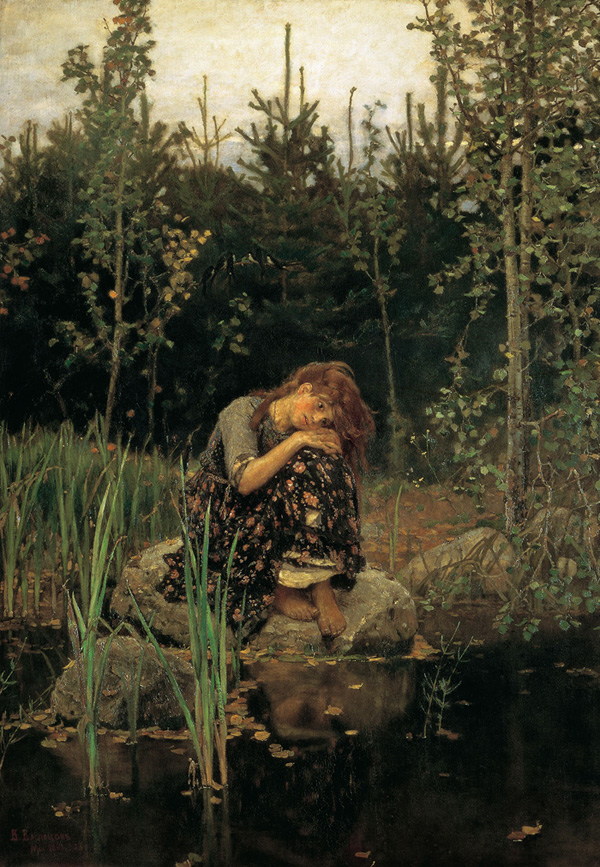
Alenushka, 1881 by Viktor Vasnetsov (1848-1926)
“The Ghost Ships: A Christmas Story”
by
Angela Carter
Therefore that whosoever shall be found observing any such day as Christmas or the like, either by forebearing of labor, feasting, or any other way upon any such account aforesaid, every person so offending shall pay for every offense five shillings as a fine to the county.
Statute enacted by the General Court of
Massachusetts, May 1659, repealed 1681
‘Twas the night before Christmas. Silent night, holy night. The snow lay deep and crisp and even. Etc. etc. etc.; let these familiar words conjure up the traditional anticipatory magic of Christmas Eve, and then — forget it.
Forget it. Even if the white moon above Boston Bay ensures that all is calm, all is bright, there will be no Christmas as such in the village on the shore that now lies locked in a precarious winter dream.
(Dream, that uncensorable state. They would forbid it if they could.)
At that time, for we are talking about a long time ago, about three and a quarter hundred years ago, the newcomers had no more than scribbled their signatures on the blank page of the continent that was, as it lay under the snow, no whiter nor more pure than their intentions.
They plan to write more largely; they plan to inscribe thereon the name of God.
And that was why, because of their awesome piety, tomorrow, on Christmas Day, they will wake, pray and go about their business as if it were any other day.
For them, all days are holy but none are holidays.
New England is the new leaf they have just turned over; Old England is the dirty linen their brethren at home have just — did they not recently win the English Civil War? — washed in public.
Back home, for the sake of spiritual integrity, their brothers and sisters have broken the graven images in the churches, banned the playhouses where men dress up as women, chopped down the village Maypoles because they welcome in the spring in altogether too orgiastic a fashion.
Nothing particularly radical about that, given the Puritans’ basic premises. Anyone can see at a glance that a Maypole, proudly erect upon the village green as the sap is rising, is a godless instrument. The very thought of Cotton Mather, with blossom in his hair, dancing round the Maypole makes the imagination reel. No. The greatest genius of the Puritans lay in their ability to sniff out a pagan survival in, say, the custom of decorating a house with holly for the festive season; they were the stuff of which social anthropologists would be made!
And their distaste for the icon of the lovely lady with her bonny babe — Mariolatry, graven images! — is less subtle than their disgust at the very idea of the festive season itself. It was the festivity of it that irked them.
Nevertheless, it assuredly is a gross and heathenish practice, to welcome the birth of Our
Saviour with feasting, drunkenness, and lewd displays of mumming and masquerading.
We want none of that filth in this new place.
No, thank you.
As midnight approached, the cattle in the byres lumbered down upon their knees in homage, according to the well-established custom of over sixteen hundred English winters when they had mimicked the kneeling cattle in the Bethlehem stable; then, remembering where they were in the nick of time, they hastily refrained from idolatry and hauled themselves upright.
Boston Bay, calm as milk, black as ink, smooth as silk. And suddenly, at just the hour when the night spins on its spindle and starts to unravel its own darkness, at what one could call, elsewhere, the witching hour —
I saw three ships come sailing in,
Christmas Day, Christmas Day,
I saw three ships come sailing in
On Christmas Day in the morning.
Three ships, silent as ghost ships; ghost ships of Christmas past.
And what was in those ships all three? Continue reading ““The Ghost Ships: A Christmas Story” by Angela Carter”

Black Spruce, 1994 by Jamie Wyeth (b. 1946)

Self-Portrait as Saint Catherine by Artemisia Gentileschi (1593-1653)
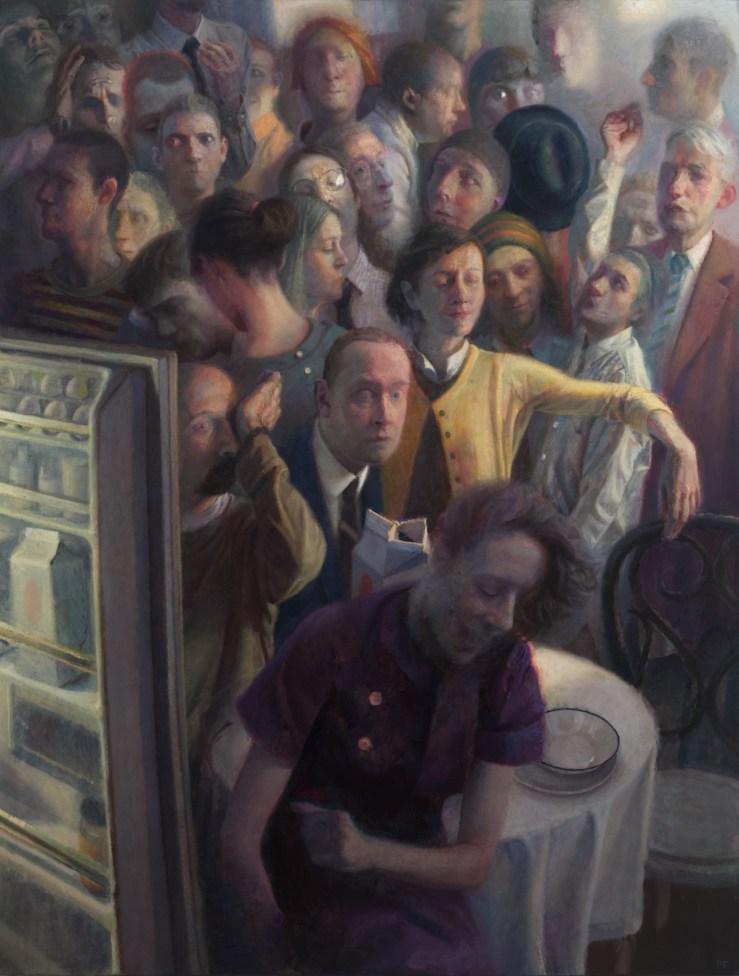
Late Visitors, 2017 by Paul Fenniak (b. 1965)

A Christmas card (1895) designed by Aubrey Beardsley (1872-1898)
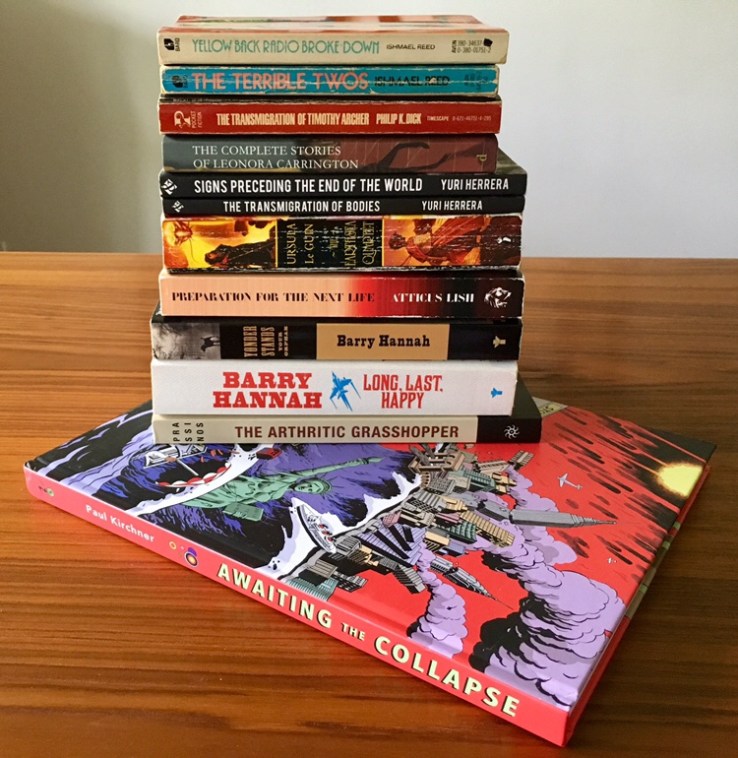
Hi! Did anyone else experience 2017 as an overlong, poorly-conceived, cartoonishly bad, poorly-written dystopian novel?
With that out of the way, a few notes on some of my favorite reading experiences this year—a year I abandoned more books than I stuck with, a year I wrote fewer reviews on this site than ever, a year that I failed to write in full on some of the books I loved best. So, from the top of the pic to the bottom:
I read Ishmael Reed’s Neo-HooDoo Western revenge satire, Yellow Back Radio Broke-Down, at the beginning of the year, and his Christmas/plutocracy satire, The Terrible Twos, near the middle. Even though the novels were published in 1969 and 1982 (respectively), they capture, pin down, and tickle and torture everything that’s wrong about our current zeitgeist. Reed’s awful prescience shows that we repeatedly fail to learn from the past.
I read, reread, or audited over half a dozen Philip K. Dick novels this year. The Transmigration of Timothy Archer is in the stack because the blog actually reviewed it—and it was maybe my favorite, along with VALIS and Ubik.
The Complete Stories of Leonora Carrington has been a replenishing gift all year—something to dip into between novels, between projects and papers, a kind of surrealist palate cleanser. I still have about a dozen unread tales to savor later.
Yuri Herrera’s Kingdom Cons is not in the pic above, because I read a digital review copy. I included Signs and Bodies as visual placeholders though; as I wrote in my review:
I can’t help but think of Kingdom Cons as the third part of a loose trilogy that also includes Herrera’s previous novellas Signs Preceding the End of the World and The Transmigration of Bodies. All three are published by And Other Stories and all three are translated by Lisa Dillman, who conjures magic in translating Herrera’s neologisms, slang, and mythical tone. Kingdom Cons extends the mythic-noir mode that Signs initiated and Bodies continued. Herrera is a writer with a voice and a viewpoint, an author whose archetypal approach shows the deep significance to contemporary life’s concrete contours.
Herrera’s novel is, come to think of it, one of only two contemporary novels on this list that was actually published this year—and even then it’s a work in translation.
Also not in the picture (because I loaned it to someone who never returned it!), and ed in 2017 is Robert Coover’s novel Huck Out West a critique of Manifest Destiny that’s as timely as ever.
Also not in the picture because I read it as a (samizdat) ebook: Thomas S. Klise’s 1974 cult novel The Last Western. Any indie press that brings The Last Western back into print will find plenty of readers and champions for the book.
And also not in the stack picture because it’s an audiobook is my favorite audiobook I audiobooked in 2017, Arkady and Boris Strugatsky’s Roadside Picnic, translated by Olena Bormashenko, and read by Robert Forster. I audited it during Hurricane Irma—and then again, after.
Continuing down the stack: I’ve been going back through Ursula K. Le Guin’s Earthsea novels via audiobook. Sort of like literary comfort food.
Atticus Lish’s 2014 novel Preparation for the Next Life was the best novel I read in 2017. I sort of semi-reviewed it as I was reading it, writing:
Lish’s prose is amazingly concrete. He renders New York City (and the other settings) with seemingly effortless thoroughness; the evocation of place is vivid and refined in its attention to detail, but reads raw somehow. There’s a flavor of prime Denis Johnson or Don DeLillo here, but these comparisons aren’t fair: Lish is original—the prose reads thoroughly real, real to and from the author. The novel…strikes me as one of the most authentic “post-9/11” novels I’ve read. There’s almost something sci-fi to Preparation—Lish shows us our world through alien eyes that suck in every detail. I wish I’d read it sooner.
I read a lot of Barry Hannah over the summer, sucking it up like bourbon or grits or eggs but mostly like bourbon. Long Last Happy rehashes some greatest hits, and is a great place for anyone interested—but it also led me to his last stuff, which ended up being darker, danker, richer than I would have imagined. So then I read his last novel, Yonder Stands Your Orphan, which, fuck…
Gisèle Prassinos’ posthumous collection surreal poem-stories The Arthritic Grasshopper was another weird revelation in 2017, a thing I didn’t know I didn’t know about. In my review, I wrote:
Prassinos’s anti-fables offer ways of reading a mind that doesn’t know what it knows, of singing along with the free faceless astonishing voice.
At the bottom of the stack is Paul Kirchner’s Awating the Collapse. Peer closely enough at that back cover and you’ll get the whole mood of this post.
Anyway, I hope you read some good books this year, and I hope your 2018 is merry and bright and etc.


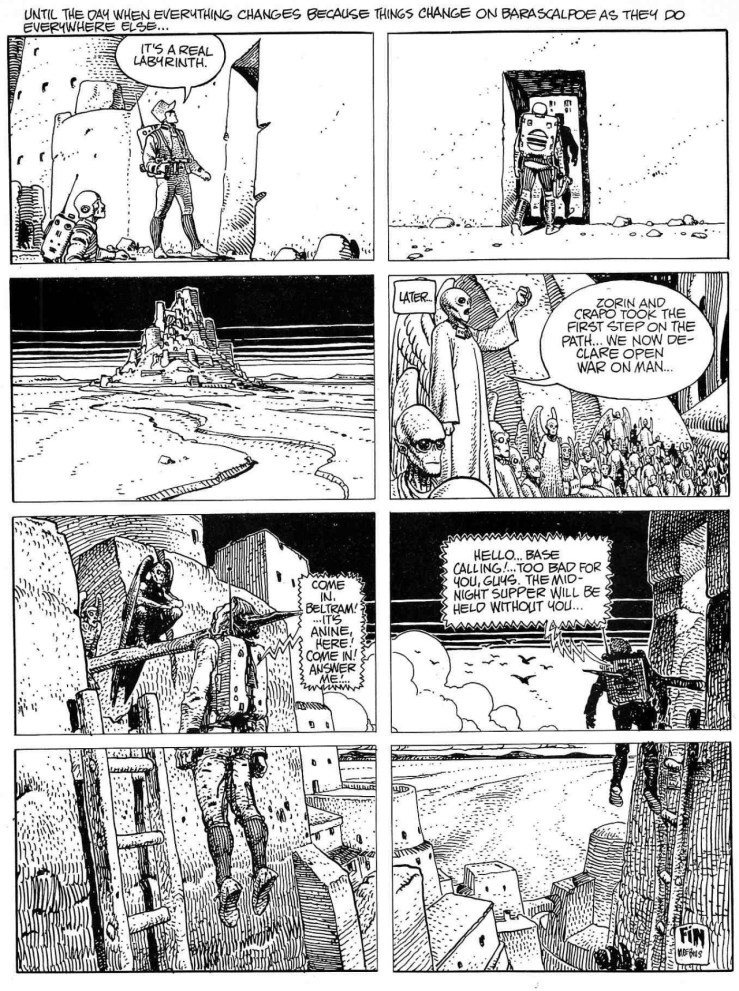
“A Tale of Christmas” by Moebius. Published in Heavy Metal, December 1979. Via the Bristol Board.

Untitled (Club Couple), 2014 by Kerry James Marshall (b. 1955)
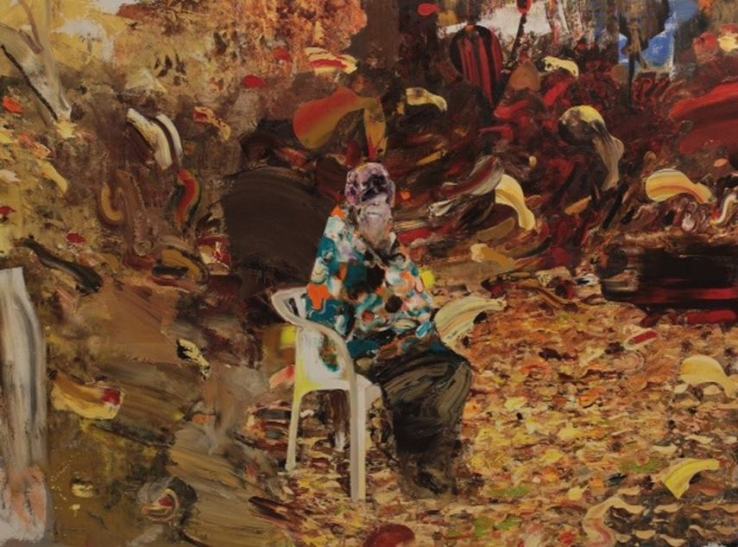
Charles Darwin at the age of 75, 2014 by Adrian Ghenie (b. 1977)



A Distinct Affection of a More Animal Kind, 2016 by Sanam Khatibi (b. 1979)

The Knives by Michaël Borremans (b. 1963)
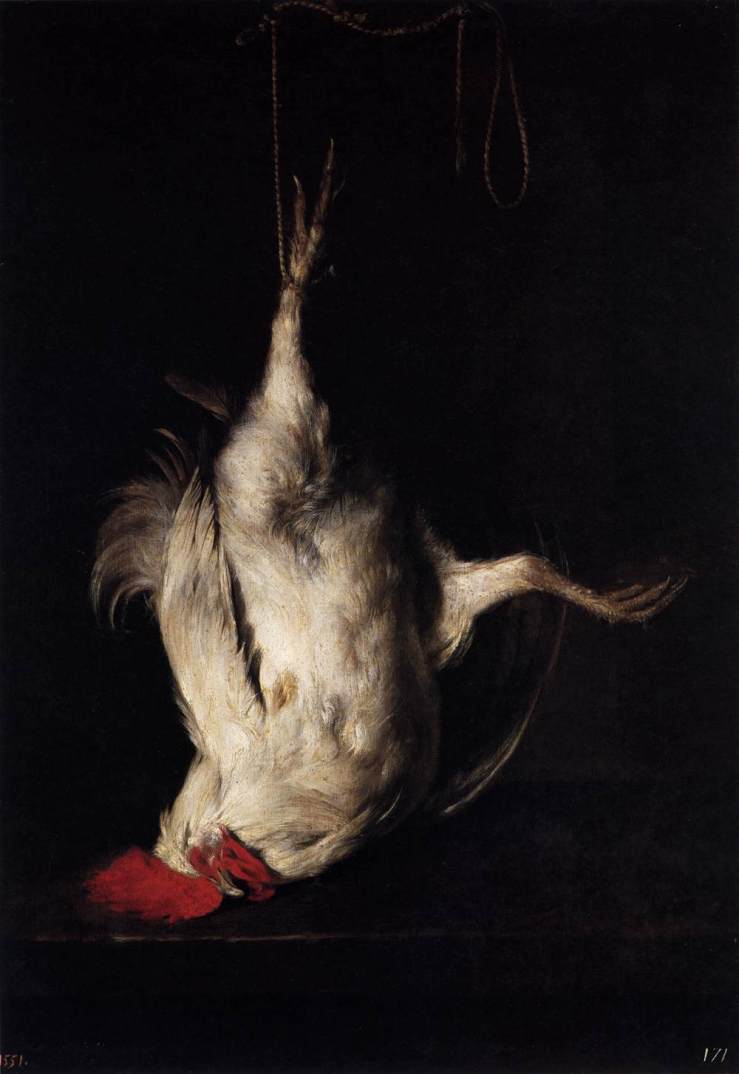
I read fewer books in 2017 than I have in years, and wrote a lot less on this blog than in the past. There are (uninteresting) reasons. There were lots of books and films that I wish I’d written about—maybe I’ll squeeze them into a post in the next week—but for now, mostly as a means of archiving and organizing (and a reminder to update the reviews page), these are the longer things I wrote on this blog this year (and, uh, some roosters):
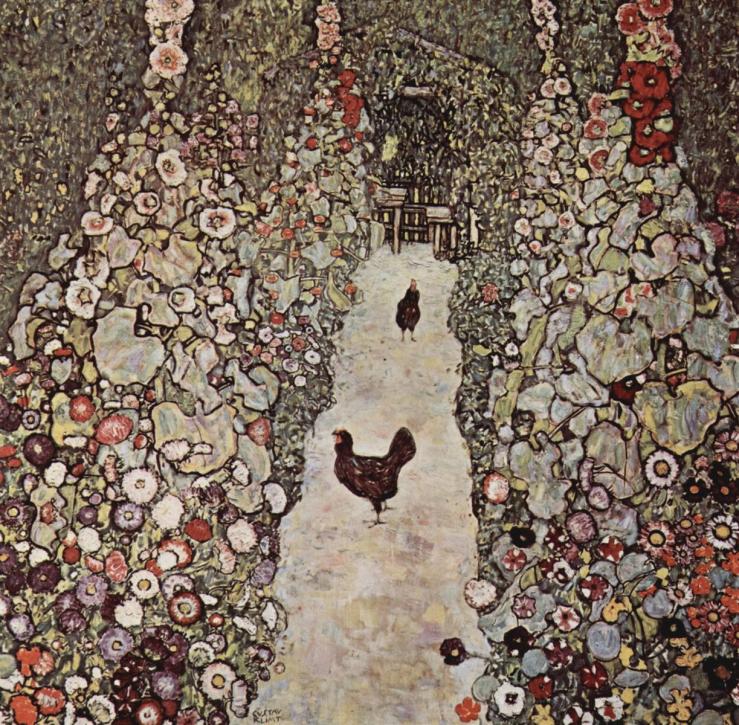
A review of Ishmael Reed’s Christmas satire, The Terrible Twos
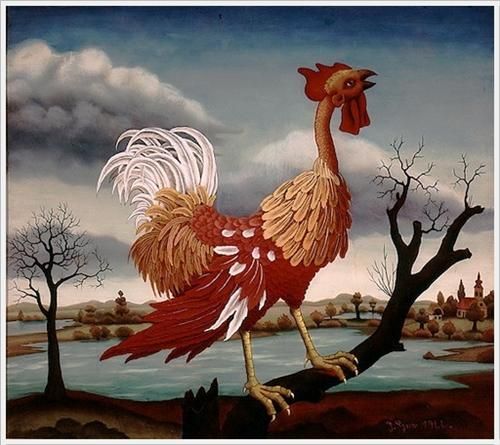
Not a review of Laurent Binet’s novel The Seventh Function of Language
Eddie Campbell’s canon of great graphic novels, 1977-2001
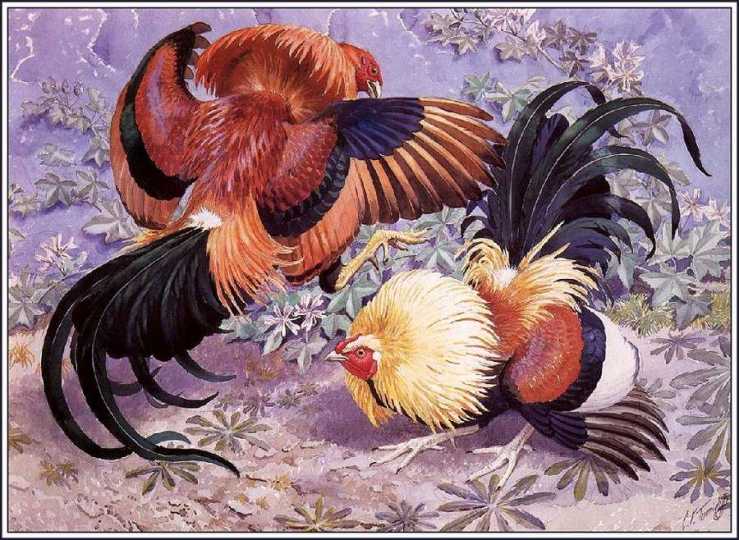
On Philip K. Dick’s novel A Maze of Death

A review of Gisèle Prassinos’s collection of surreal anti-fables, The Arthritic Grasshopper
A riff on rereading Carson McCullers’ novel The Heart Is a Lonely Hunter

Yuri Herrera’s Kingdom Cons condenses myth into vibrant narco noir
Not a review of Han Kang’s novel The Vegetarian

On Margaret Atwood’s The Handmaid’s Tale, a story about storytelling
A quick note on Mikhail Bulgakov’s novel The Heart of a Dog
Let me recommend Antonio di Benedetto’s overlooked novel Zama
Helen DeWitt’s novel Lightning Rods just wasn’t for me

A review of Yellow Back Radio Broke-Down, Ishmael Reed’s syncretic Neo-HooDoo revenge Western
A review of Robert Coover’s excellent new novel Huck Out West

Canoe by Aron Wiesenfeld (b. 1972)
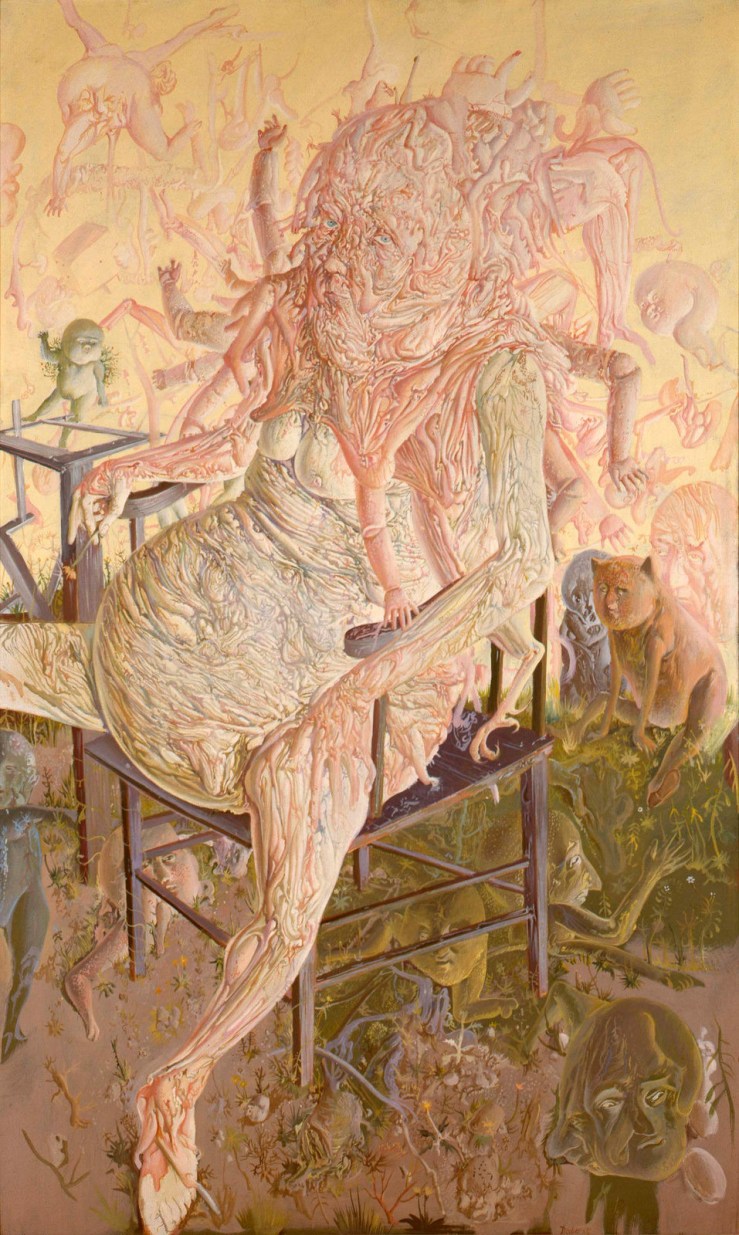


Untitled, 1969 by Dado (Miodrag Đurić, 1933-2010)
 Biblioklept