This is not a review of Shattering the Muses, a strange hybrid “novel” by Rainer J. Hanshe and Federico Gori

img_7508

Rainer J. Hanshe’s new book Shattering the Muses is comprised of citations, short histories, poems, complaints and lamentations, anecdotes, essays, etchings, manipulated photographs, photographs of old documents, ink and enamel drawings, coal and ash pictures, and other media. His co-conspirator on the project is Federico Gori who provides original art for Shattering the Muses. Here are two of nine depictions by Gori of muses that open (in a sense) the narrative:

img_7504

The books is ten inches tall, seven inches wide, and one inch thick. It contains 370 pages, many of them illustrated, several blank, and five that are completely black. There are at least four fonts (and more languages than that, although the book is primarily in English).

Have I lingered over form too long here? It’s difficult to describe the content of Shattering the Muses (which often foregrounds the “narrative’s” form).

Or maybe description isn’t so difficult—perhaps we can rely on the book to name its own central problem. The question that threads through Shattering the Muses is “Beware the Book?”

Let’s look at a few examples:

img_7505

Above, we read an account—with its own embedded quotation—of The First Emperor of Qin’s ordering, two hundred years or so before the birth of Christ, a grand burning of a great many books. The account ends with the question: “Beware the book?”

(Some historians remark that Quin Shi Huang caused to be buried alive 460 Confucian scholars).

On the opposing/facing page, a 1493 German woodcut depicts Jews being buried and burned alive, scapegoats for the Black Death plague. The woodcut provides an answer to the question: “Beware the book?”: No, beware the burners. The space between the two pages is a gap for the reader to crossPut the pieces together.

img_7507

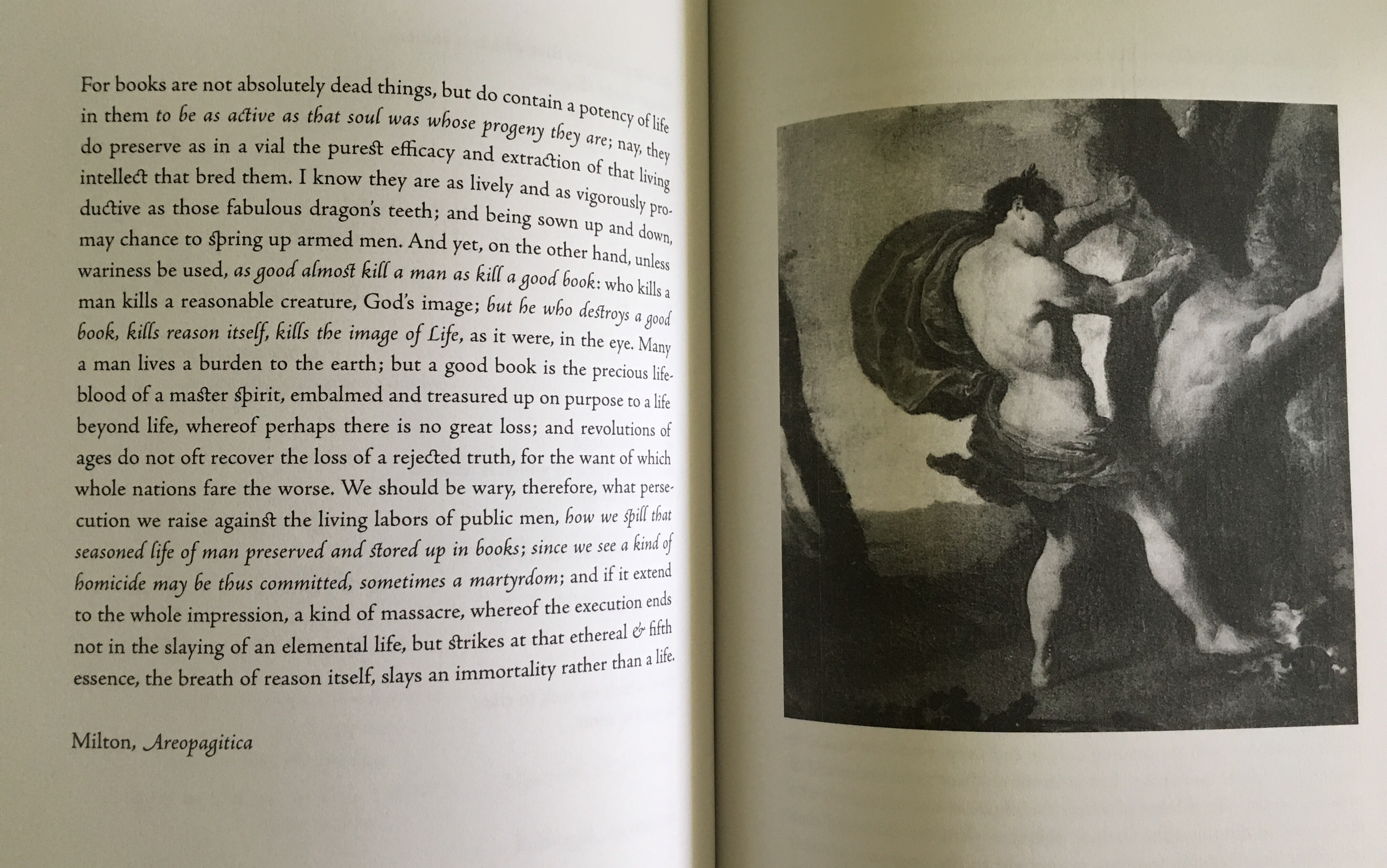
Indeed, it is the reader’s task (task is not quite the right word) to put the pieces of Shattering together. Take the pages above, for example. A passage from Areopagitica, Milton’s defense of free speech, contends that books are “not absolutely dead things,” but rather extractions of the soul’s intellect. He compares them to “those fabulous dragon’s teeth” that Cadmus scattered by Athena’s command. Milton warns that “he who destroys a good book kills reason itself, kills the image of Life.”

The next page reproduces Johan Liss’s painting Apollo and Marsyas (c. 1627). The satyr Marsyas found and mastered the first aulos, an double-reed wind instrument cast away by Athena. (She didn’t like the shape her invention brought to her virgin cheeks). Marsyas challenged Apollo to an aulos contest and lost, natch. (Apollo’s daughters the Muses were the judges). Marsyas was subsequently flayed alive, his hide nailed to a tree. Victim for art’s sake.

(The first page of Shattering the Muses is a quote from Ovid’s Fasti. The lines describe Athena discarding her aulos: “Art is not worth this to me,” she says, seeing her reflected face deformed in the river as she produces the “sublime” music).
img_7506

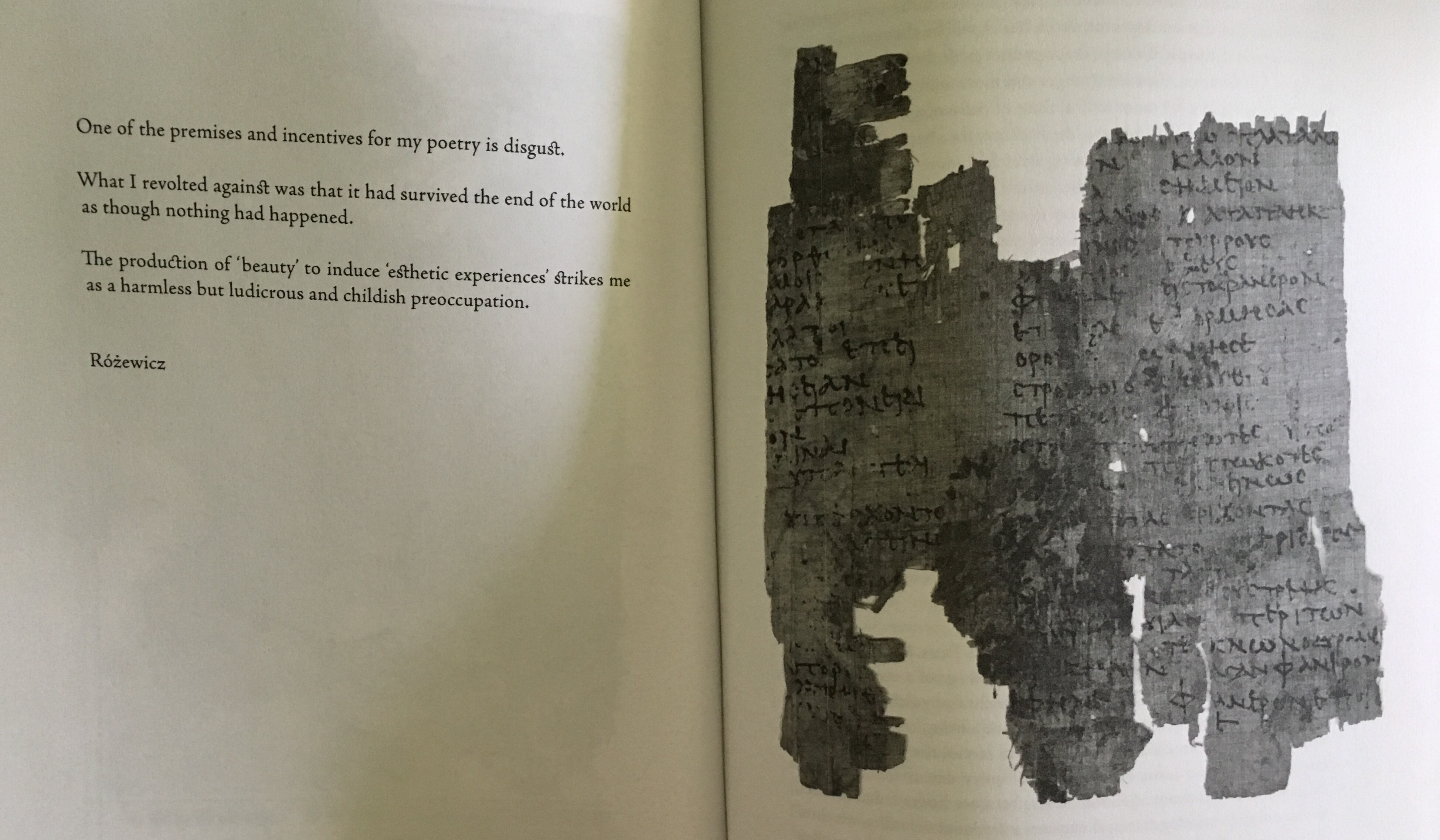
One more set of two pages, then. (It’s easier to show the book than to properly describe it in words. This is not a review). Above: Tadeusz Różewicz was a Polish poet who fought in the resistance movement against the Nazi occupation. He survived the war. His brother Janusz, also a poet, did not. He was executed by the Gestapo in 1944.

The facing page is a photograph of a scrap of one of the Oxyrhynchus Papyri  manuscripts (specifically, P.Oxy. 67.4633). This scrap contains commentary on Homer’s Iliad, but is mostly famous because someone used it to wipe their ass. (A literary critic?)

However, Shattering the Muses is not entirely composed of loosely arranged but discontinuous fragments. Several narratives strand through the book. The most straightforward of these is the story of Renato Naso, who is the closest thing to a main character we’ll find here. When we’re introduced to him, we’re told that he’s “unknowingly putting his life in suspension…living in an eternal between.” He’s a hero (?) ripe for “rupture, fracture, and shattering.” (Perhaps if we take Shattering the Muses as a “novel” we could imagine that the events within take place in Naso’s stretched consciousness—a more secure place for such horrors than, uh, historical reality). When we first meet him, he’s leaving New York for Berlin, forced to abandon most of his books and store them in his brother’s garage. His brother’s house and garage are flooded by Hurricane Sandy, but his library miraculously survives. And yet the historical accounts of book burnings (and human burnings) cataloged in Shattering the Music attest that no library is ever safe. As Milton suggests, libricide and homicide are intertwined.

Hence, other background “characters” emerge more prominently than others in Shattering the Muses: Hitler, Mussolini, the Gestapo. The specter of the Nazis and the Holocaust weigh heavily here, heavier than the (many) other libriciders documented. Against this evil Hanshe gives us a resistance—a wonderful chapter lingers on Samuel Beckett, who’s escaped Occupied Paris to hide in the small village of Roussillon. There, “separated from his library…literary freedom erupts” for Beckett. Absence is a generative power.

Other figures resist through art, even if they perish in the horror, like Hungarian poet Miklós Radnóti, murdered by the Nazis near Győr and tossed into a mass grave. In a poetic turn, Hanshe notes “it is a daring Marsyas that he becomes, risking his flesh doubly before a merciless & savage Apollo, for he will not cast his aulos to the turf of the riverbank.” Deft touches like these link this “novel’s” motifs of beauty and destruction, art and murder.

img_7509
One Day I’m Going to Grow Wings #2, 2016, Federico Gori

A narrative forms too from more oblique strategies—a plague of mutating billboards, for instance, or spiderwebs of poetry. Handbills, demands, stray bits of philosophy. But maybe I’m back where I started—go all the way back to the title here: This is not a review of Shattering the Muses. I can’t properly parse it, really. It’s overwhelming—linguistically, philosophically, typographically, aesthetically. Intellectually is a word to use here. Hell. It’s a lot to digest all at once. Let me admit that I’m more interested in picking at it slowly. Hanshe’s put a lot of material on the table. It’s a rich meal.

Who is Shattering the Muses for? I hope that I’ve shared enough snippets to give you a sense of what (might be) happening here. I enjoyed it, and enjoy it more in the sense of a text to return to. At the same time, this book is clearly Not For Everyone. Shattering the Muses is an encyclopedic poem, a Choose Your Own Adventure story of aesthetic horror and loss. It’s not likely to cohere for you quickly and neatly, but it’s a weird joy to think (and feel) through.

Last word goes to the Text:

Beware the Book?

Beware the Purifiers!

Beware Libricide.

Teasing the Donkey — JMW Turner

Teasing the Donkey 1827 by Joseph Mallord William Turner 1775-1851

Teasing the Donkey, 1827 by Joseph Mallord William Turner (1775–1851)

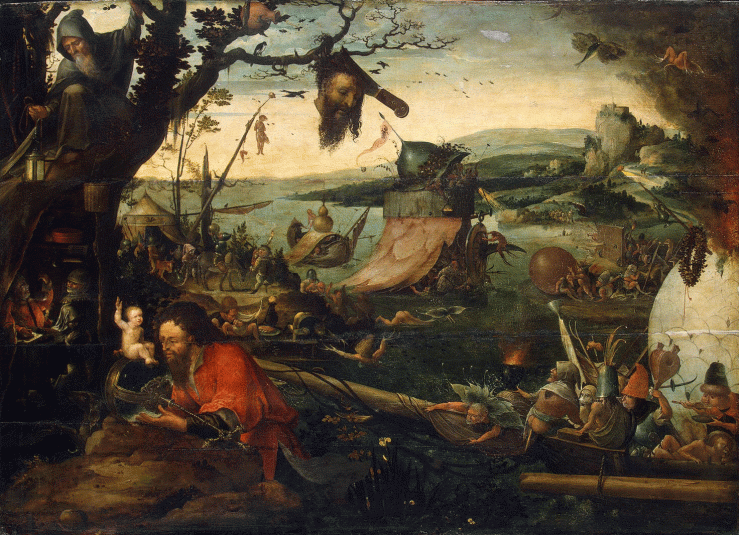
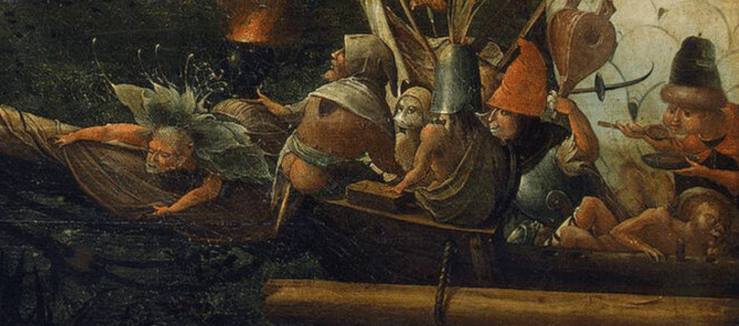
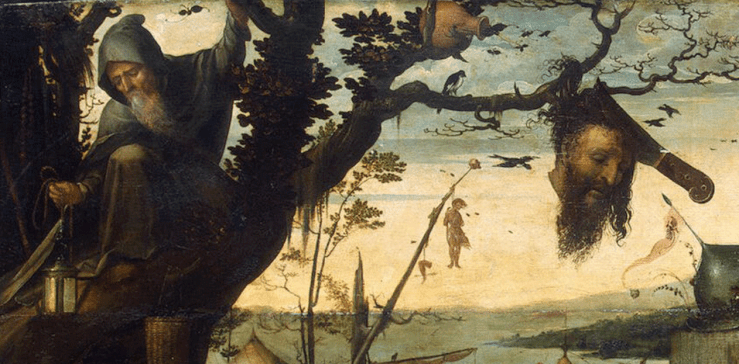
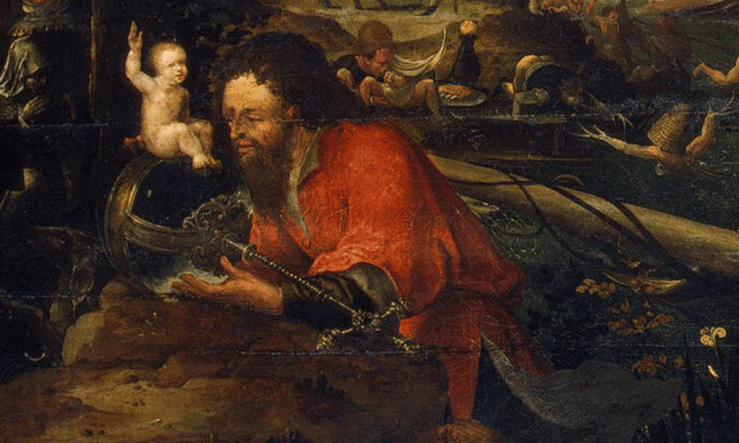
St. Christopher and the Christ Child — Jan Mandyn

Jan Mandijn--Landscape with the Legend of St Christopher

Screenshot 2017-07-10 at 6.07.16 PMScreenshot 2017-07-10 at 6.06.41 PMScreenshot 2017-07-10 at 6.06.19 PM

Screenshot 2017-07-10 at 6.08.33 PM

St. Christopher and the Christ Child, c. 1550 by Jan Mandyn (c. 1500-1559)

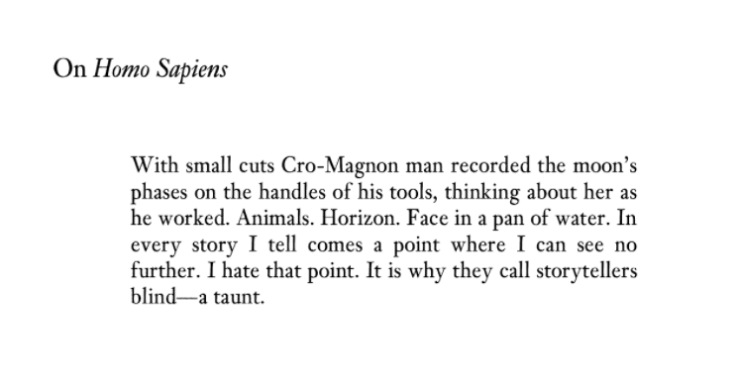
“On Homo Sapiens” — Anne Carson

Screenshot 2017-07-10 at 2.25.22 PM

Trompe l’oeil (Board Partition with Letter Rack and Music Book) — Cornelis Norbertus Gysbrechts

Trompe l’oeil (Board Partition with Letter Rack and Music Book), 1668 by Cornelis Norbertus Gysbrechts (c. 1630 – c. 1675)

The Major’s Vision (Twin Peaks)

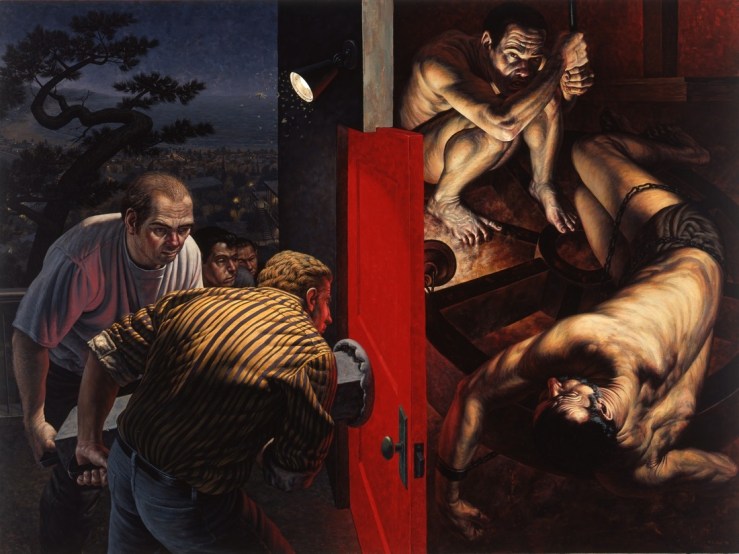
Red Door — F. Scott Hess

258704663

Red Door, 1994 by F. Scott Hess (b. 1955)

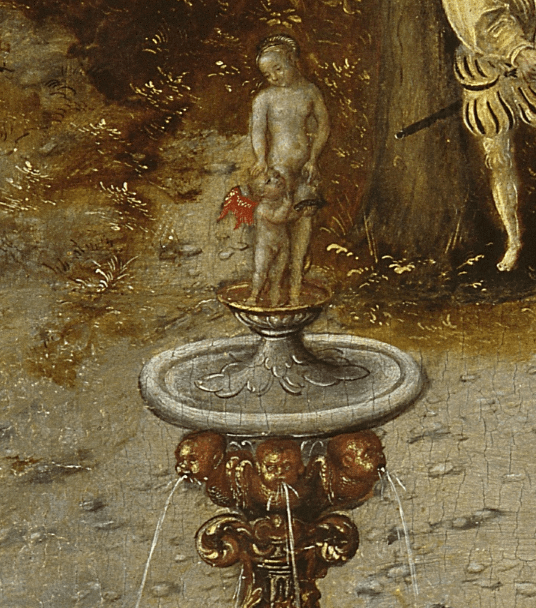
The Fountain of Youth (Detail) — Lucas Cranach the Elder

Screenshot 2017-06-20 at 2.47.47 PM

Detail from Der Jungbrunnen (The Fountain of Youth), 1546 by Lucas Cranach the Elder (c. 1472–1553)

Books acquired, 27 and 28 June 2017

A highlight of an unexpected trip to Los Angeles a few weeks ago was getting to meet “in real life” with some people I’ve gotten to know over the internet. I met up with Ryan Chang, who’s written a number of excellent reviews for Biblioklept, and Adam Novy, whose novel The Avian Gospels is one of the best contemporary novels of the last decade. The weirdest part about hanging out was that it wasn’t weird at all.

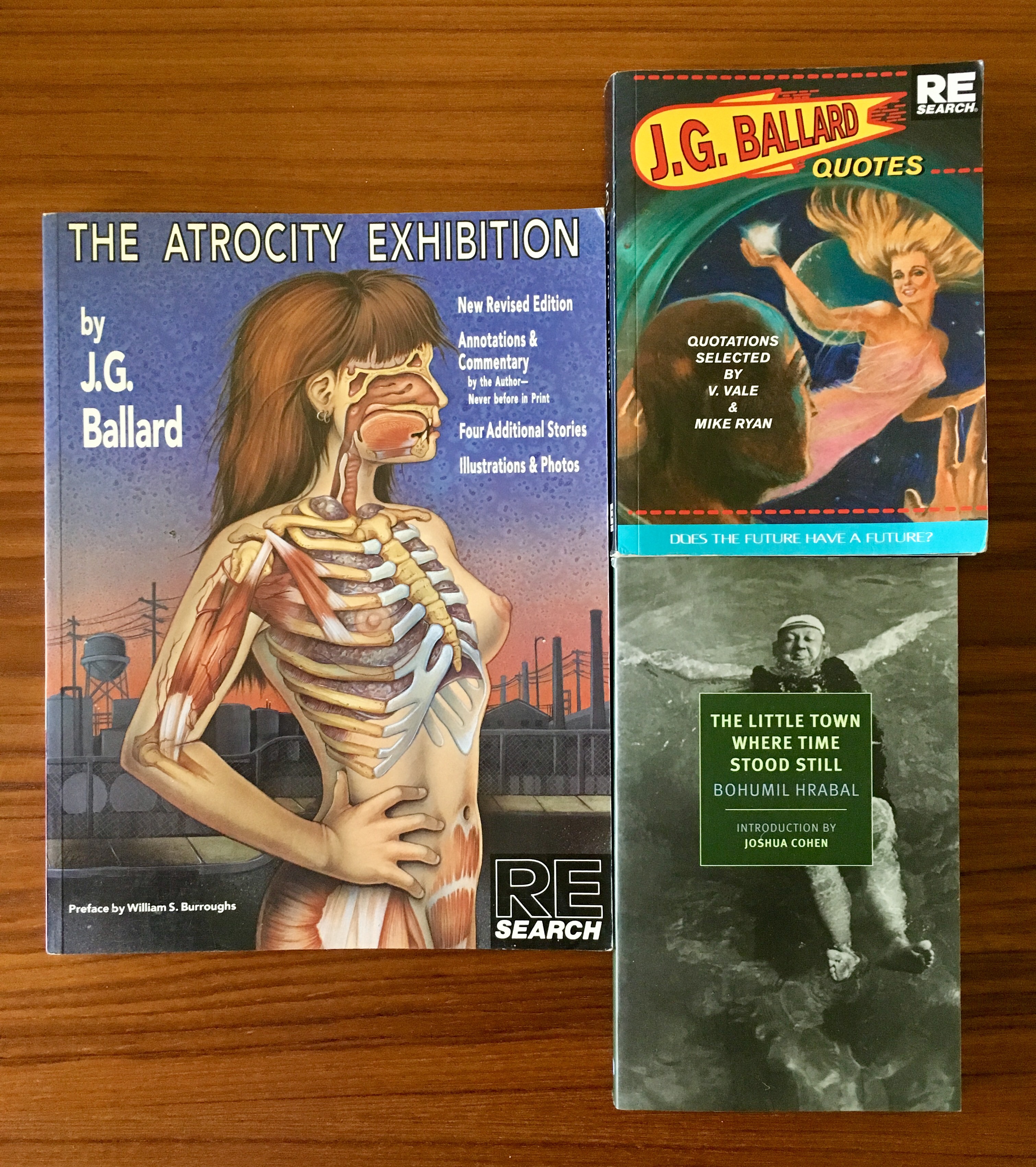
After lunch and coffee, Ryan and I visited Alias Books East, a small but well-stocked book shop in Atwater Village. Plenty of books on art and film, and lots of literature in translation. I asked Ryan to pick out something for me to buy, and he chose Bohumil Hrabal’s The Little Town Where Time Stood Still, a title that had grabbed his attention when we first entered the store. Here’s NYRB’s blurb for the Hrabal:

The Little Town Where Time Stood Still contains two linked narratives by the incomparable Bohumil Hrabal, whom Milan Kundera has described as “Czechoslovakia’s greatest writer.” “Cutting It Short” is set before World War II in a small country town, and it relates the scandalizing escapades of Maryška, the flamboyant wife of Francin, who manages the local brewery. Maryška drinks. She rides a bicycle, letting her long hair fly. She butchers pigs, frolics in blood, and leads on the local butcher. She’s a Madame Bovary without apologies driven to keep up with the new fast-paced mechanized modern world that is obliterating whatever sleepy pieties are left over from the defunct Austro-Hungarian Empire. “The Little Town Where Time Stood Still” is told by Maryška and Francin’s son and concerns the exploits of his Uncle Pepin, who holds his own against the occupying Nazis but succumbs to silence as the new post–World War II Communist order cements its colorless control over daily life. Together, Hrabal’s rousing and outrageous yarns stand as a hilarious and heartbreaking tribute to the always imperiled sweetness of lust, love, and life.

Ryan picked up a first edition hardback of an Edward St. Aubyn novel and something else I can’t remember. The clerk also let us check out some of the signed hardbacks behind the counter, and I somehow didn’t spend sixty bucks on a copy of Ray with Barry Hannah’s signature.

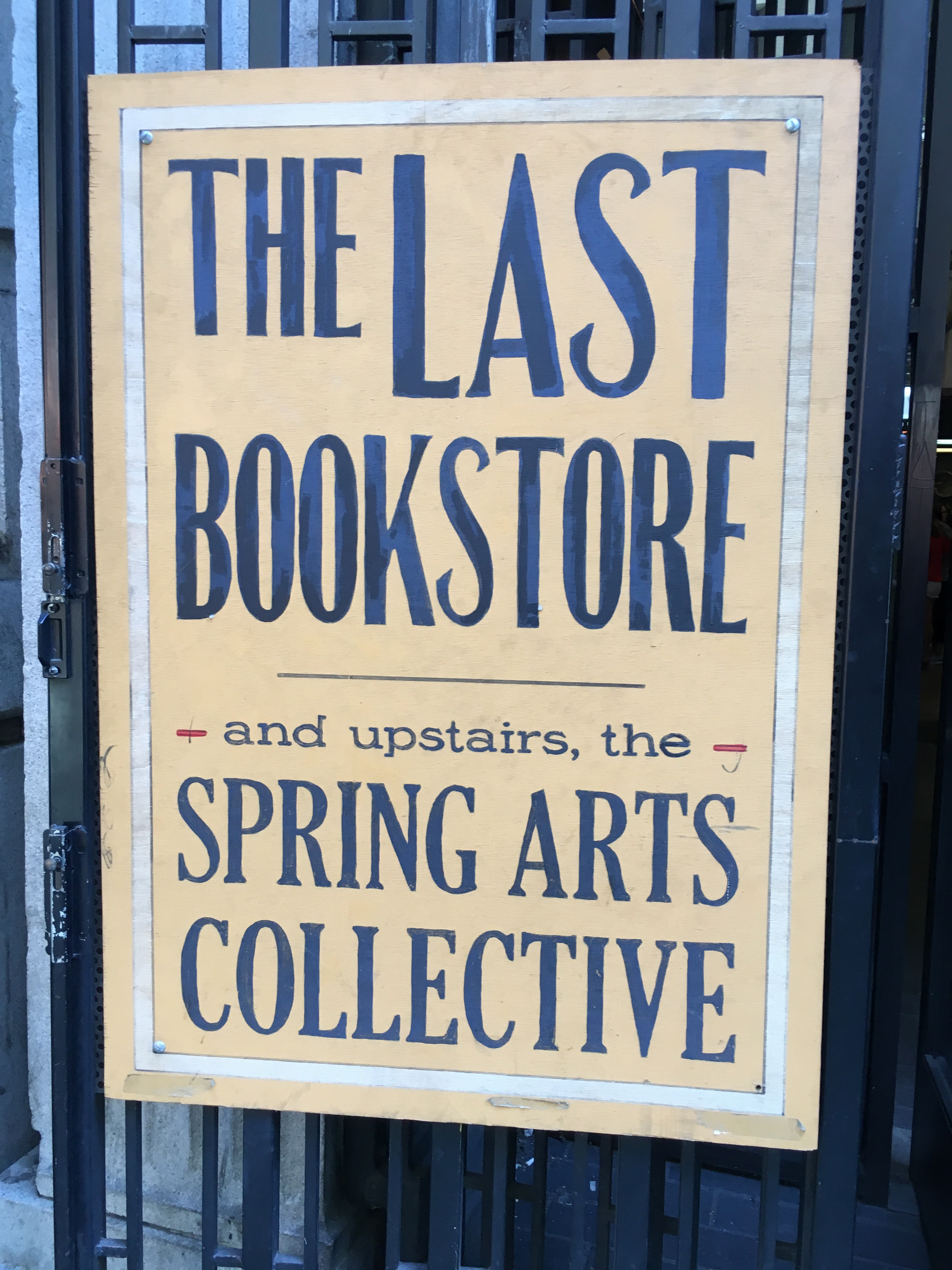
I spent most of the next day wandering around downtown Los Angeles. Everyone had told me to check out The Last Bookstore, and I wasn’t disappointed. I spent over an hour browsing the huge space, wishing I had more time to linger, especially in the upstairs labyrinth and the wonderful little annex of art books and monographs.

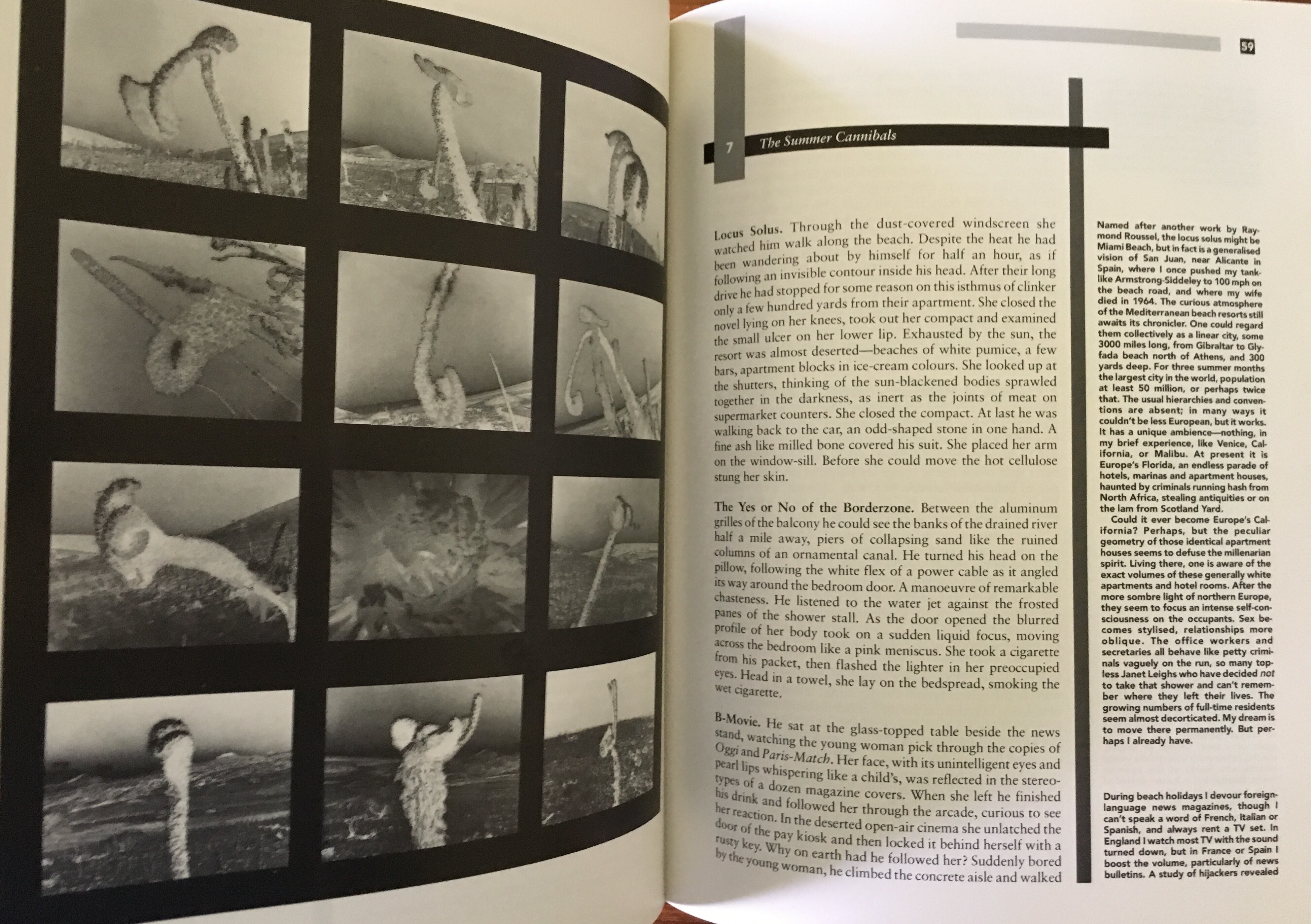
I ended up buying the first book I handled at The Lost Bookstore, RE/Search’s 1990 oversized and illustrated edition of J.G. Ballard’s The Atrocity Exhibition. This is one of the first Ballard books I read, actually—a good friend of mine collected RE/Search titles throughout the nineties and let me borrow them. (I always returned them).

Opener:

And a random two-pager:

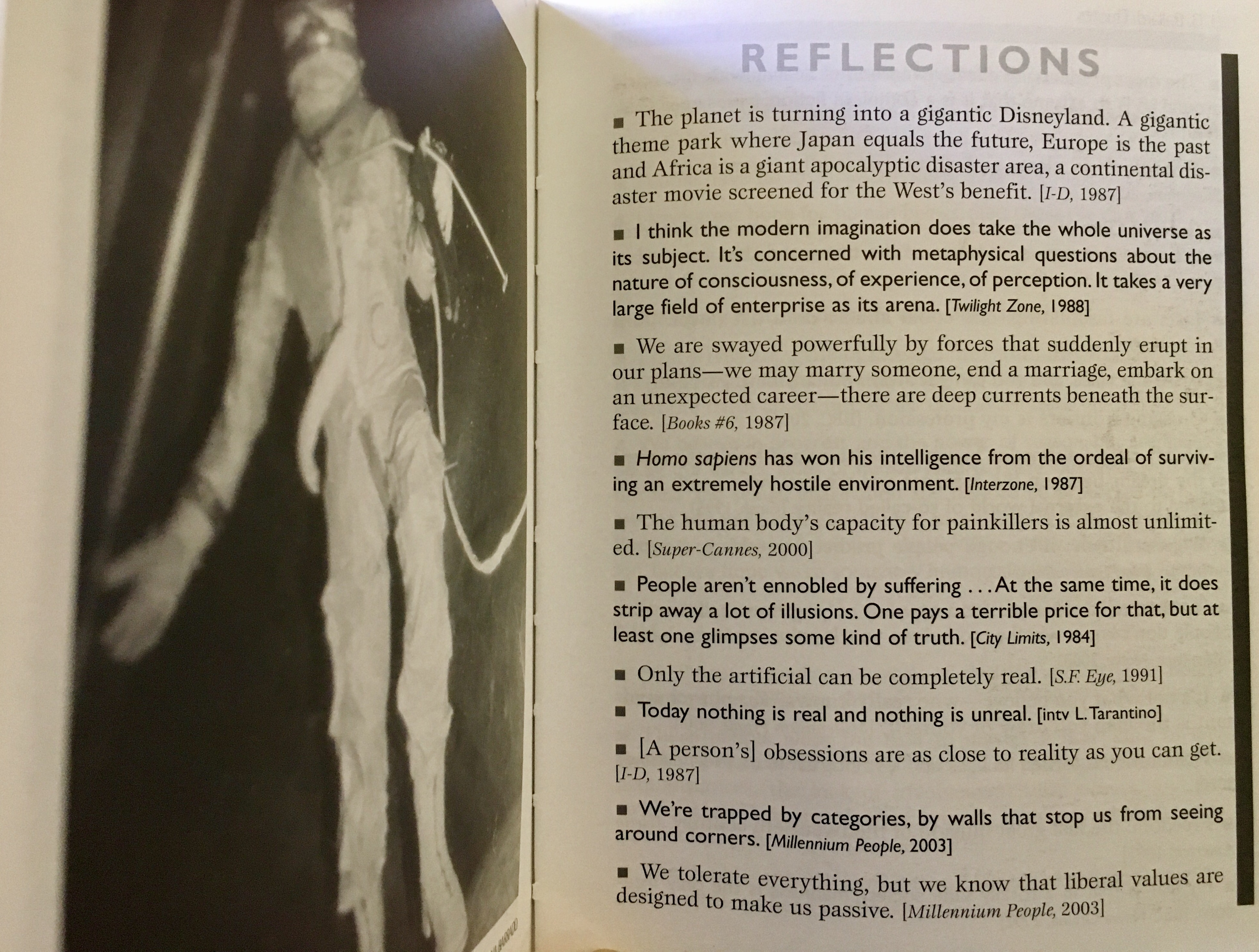
I also picked up another Ballard RE/Search title, a fat little book I’d never seen before named Quotes. Perfect airport reading. (And of course, being Ballard, there’s a whole section on airports). Random page:

I didn’t make it to the Iliad Bookshop in North Hollywood, but, hey, save something for next time, right?

The Fountain of Youth (Detail) — Lucas Cranach the Elder

Screenshot 2017-06-20 at 2.47.18 PM

Detail from Der Jungbrunnen (The Fountain of Youth), 1546 by Lucas Cranach the Elder (c. 1472–1553)

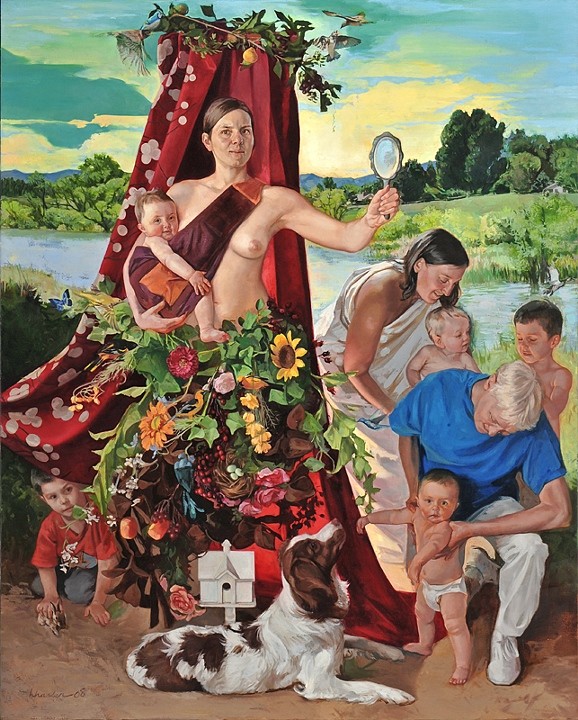
Idyllic Childhood — Haley Hasler

094d8f2ffc3db18f638dc999cdb99b8b

Idyllic Childhood, 2009 by Haley Hasler

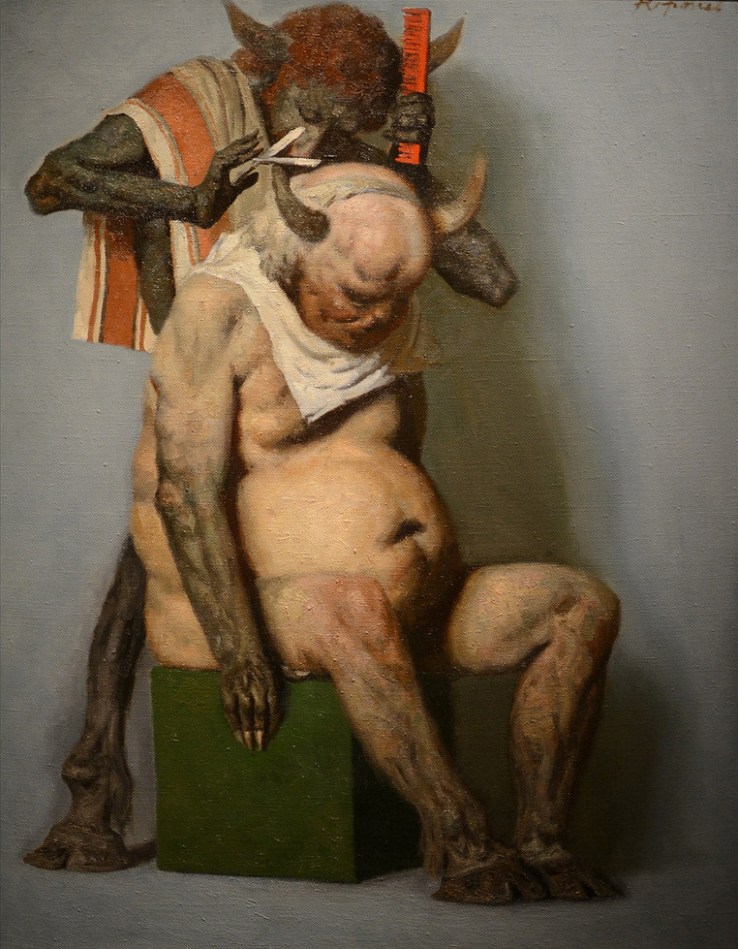
At the Hairdressers — Gely Korzhev

32140351620_bcf0082957_o

At the Hairdressers, by Gely Korzhev (1925-2012)

The Nobel laureate William Faulkner died in the hot July preceding the September riots (Barry Hannah)

tooThe Nobel laureate William Faulkner died in the hot July preceding the September riots. It was good he didn’t have to watch. He was a racial moderate, read nigger lover in these parts then, and left much of his estate to the United Negro College Fund. I mention him only to place this story on the map and call to memory, now I’m an old man, that not all of us were rot. I did understand much of Faulkner’s greatest books. Personally I disliked him as a snob who with no effort at all could have been kinder to the neighbors in the village we were then. He was passing strange and spiteful to many. You had to reckon with some conceit as birthright, which made him contemptuous of the very humble folk he was celebrated for taking to his heart on the page. You will often see pure words and a great wash of self-atonement, no people necessary to them.

From one of Barry Hannah’s last short stories, “Lastword, Deputy James.” Published posthumously in the collection Long, Last, Happy, the story (often evocative of Cormac McCarthy, at least to me), along with the others in the last section of the collection, reads like part of a perhaps-unfinished novel, one that answers seriously to Southern history in a way that Hannah’s earlier work obliquely evades.

William Faulkner died 6 July 1962. He dropped out of the University of Mississippi–Ole Miss—as a young man, just like my grandfather.

The Ole Miss riot of 1962, sometimes styled “the Battle of Oxford,” began the night of 30 September 1962. The riots–a battle really—were the result of racist segregationists’ opposition to the James Meredith’s enrollment in the university. Meredith, a black man, served in the U.S. Air Force from 1951-1960. He graduated from Ole Miss on 18 August 1963, earning a bachelor’s degree in political science.

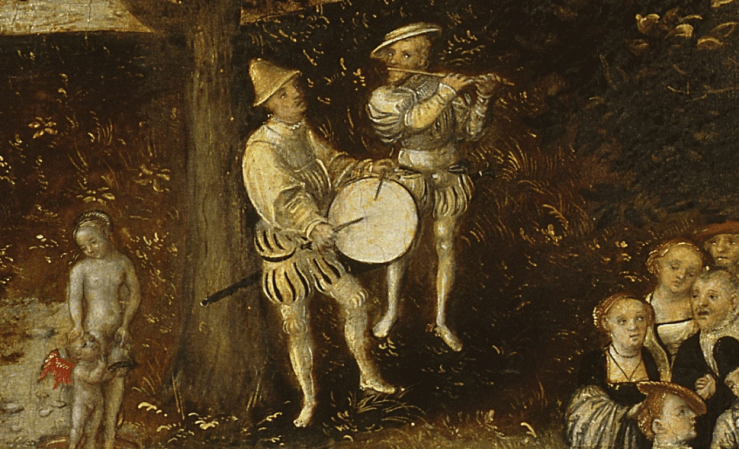
The Fountain of Youth (Detail) — Lucas Cranach the Elder

Screenshot 2017-06-20 at 2.46.58 PM

Detail from Der Jungbrunnen (The Fountain of Youth), 1546 by Lucas Cranach the Elder (c. 1472–1553)

The Apartment — Jacob Lawrence

3432439_orig

The Apartment, 1943 by Jacob Lawrence (1938-2000)

Some pictures I took at the Los Angeles County Museum of Art last week

The Virgin of the Annunciation and the Archangel Gabriel, 1465 by Andrea della Robbia (1435-1525)

Virgin Adoring the Christ Child with St. John the Baptist and Two Angels, c. 1500-1520 by Tomasso (c. 1500-1550)

Satan, c. 1836 by Jean-Jacques Feuchère (1807-1852)

img_7029-1

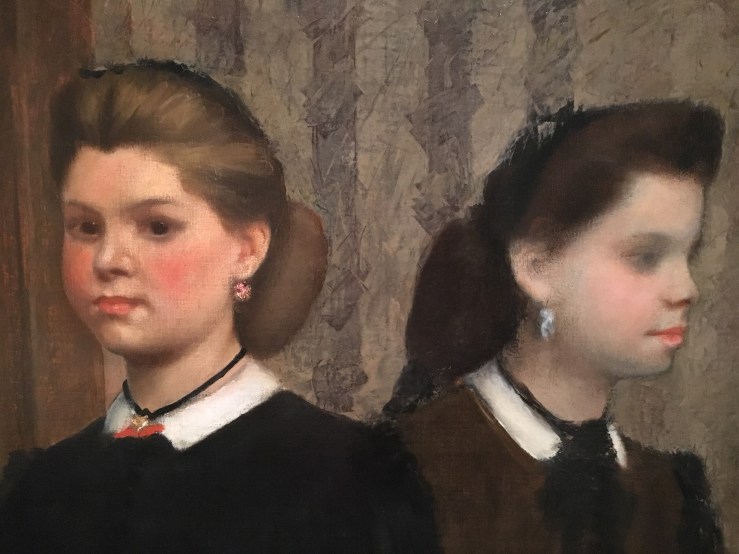
The Bellelli Sisters (detail), 1865-1866 by Edgar Degas (1834-1917)

The Dragon Slayer,  1913 by Franz von Stuck (1863-1913)

img_7023-1

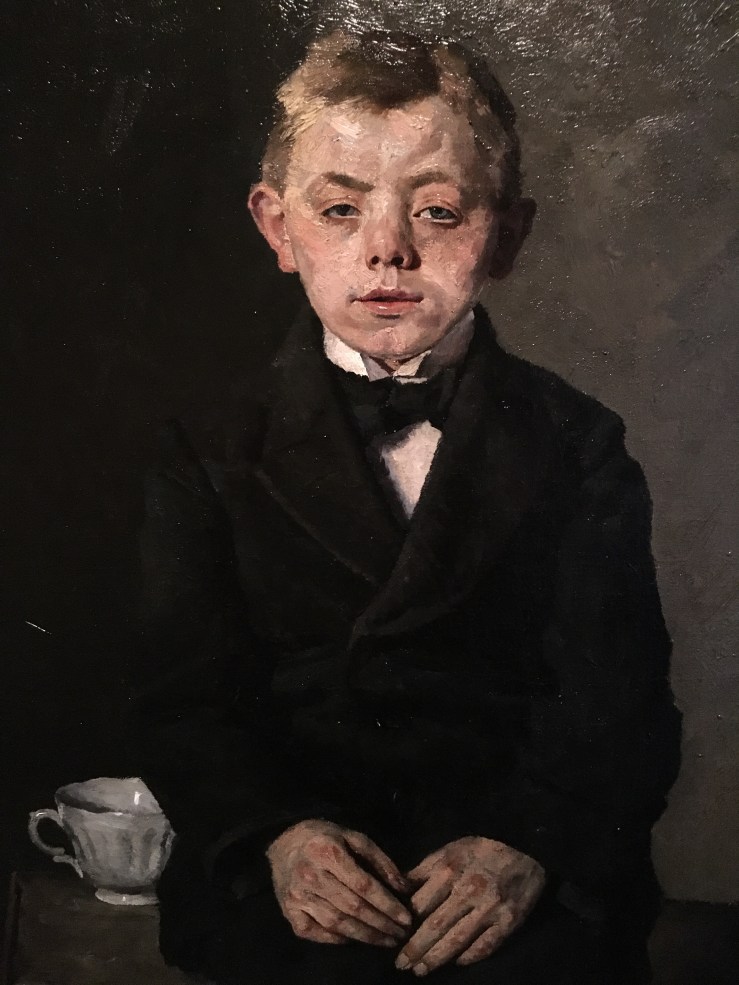
The Page Piccolo of the Hotel Stadt Gotha, Dresden (detail), 1918 by Thomas Baumgartner (1892 – 1962)

Two Girls Reading, c. 1890-1891 by Pierre-Auguste Renoir (1841-1919)

The Disillusioned One, 1892 by Ferdinand Hodler (1853-1918)

img_7039-1

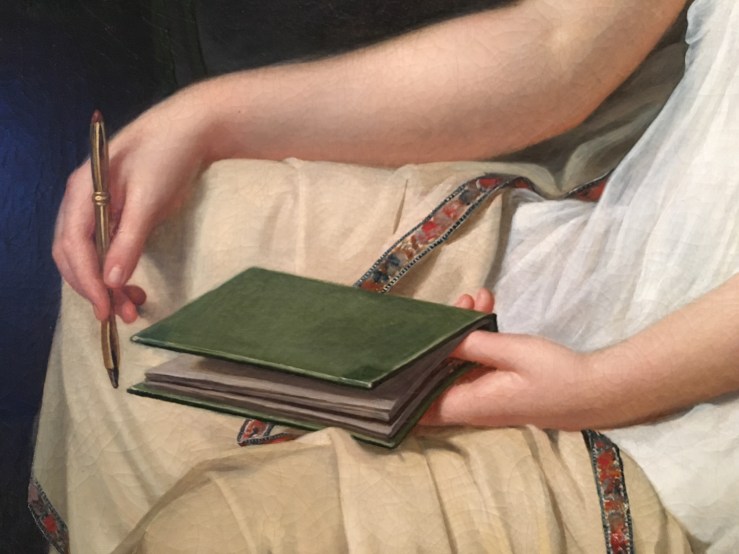
Portrait of a Woman Holding a Pencil and a Drawing Book, c. 1808 by Robert-Jacques Lefevre (1755-1830)

Satan and Death with Sin Intervening, 1799-1800 by Henry Fuseli (1741-1825)

The 10th of August, 1792 (details), c. 1795-1799 by Baron François-Pascal-Simon Gérard (1770-1837)

adsfdsfimg_7048-1

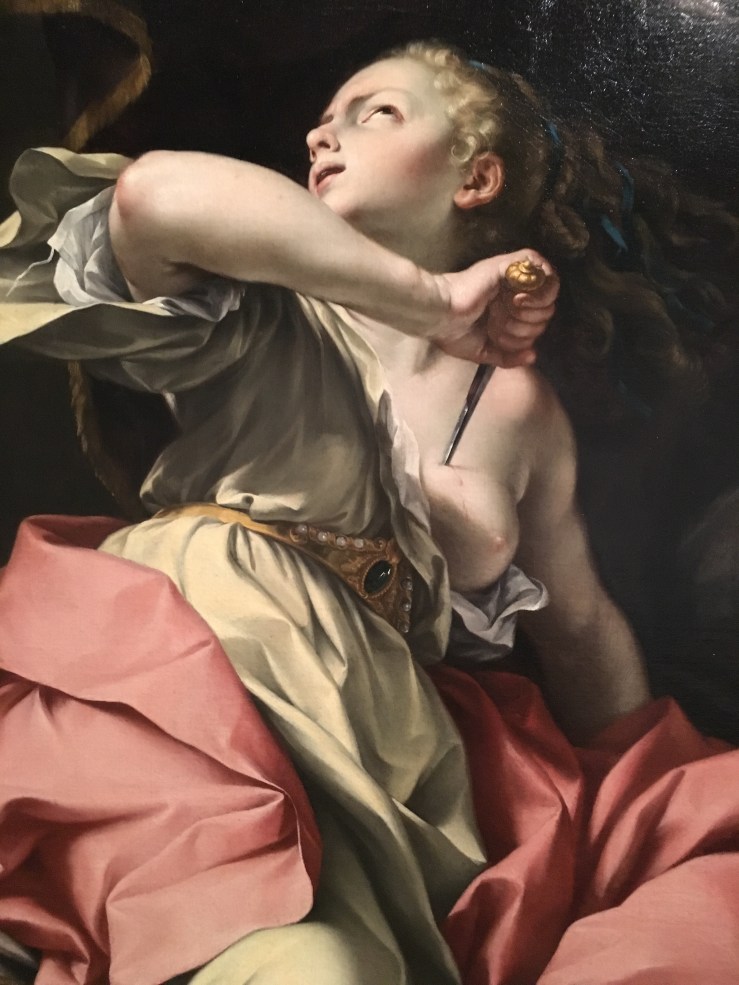
The Death of Lucretia, c. 1730 by Ludovico Mazzanti (1686-1775)

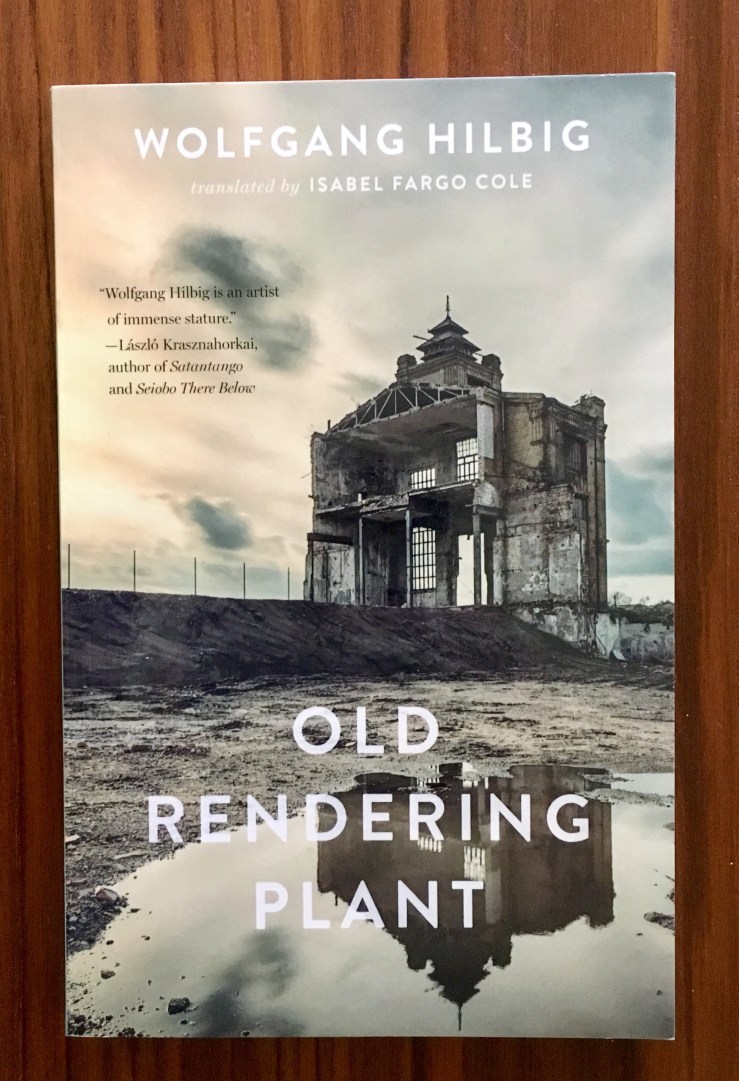
Hilbig’s Old Rendering Plant (Book acquired sometime at the end of June, 2017)

img_7443

Wolfgang Hilbig’s novella Old Rendering Plant (translated from German by Isabel Fargo Cole) is new from Two Lines Press. It looks pretty cool—a blurb from the NYT comparing him to Sebald and that quote on the cover from Krasznahorkai don’t hurt either. Here’s TLP’s blurb:

What falsehoods do we believe as children? And what happens when we realize they are lies—possibly heinous ones? In Old Rendering Plant Wolfgang Hilbig turns his febrile, hypnotic prose to the intersection of identity, language, and history’s darkest chapters, immersing readers in the odors and oozings of a butchery that has for years dumped biological waste into a river. It starts when a young boy becomes obsessed with an empty and decayed coal plant, coming to believe that it is tied to mysterious disappearances throughout the countryside. But as a young man, with the building now turned into an abattoir processing dead animals, he revisits this place and his memories of it, realizing just how much he has missed. Plumbing memory’s mysteries while evoking historic horrors, Hilbig gives us a gothic testament for the silenced and the speechless. With a tone worthy of Poe and a syntax descended from Joyce, this suggestive, menacing tale refracts the lost innocence of youth through the heavy burdens of maturity.

Suggestive and menacing? Poe and Joyce? This one’s next on my list. I was hoping to dig into it over the July 4th weekend(ish), but I was a bit crosseyed from Bloody Marys and other good spirits, and got almost no reading done for five days in a row.

I loved the last novella I read from Two Lines, by the way—João Gilberto Noll’s Quiet Creature on the Corner.