Sunday Comics 


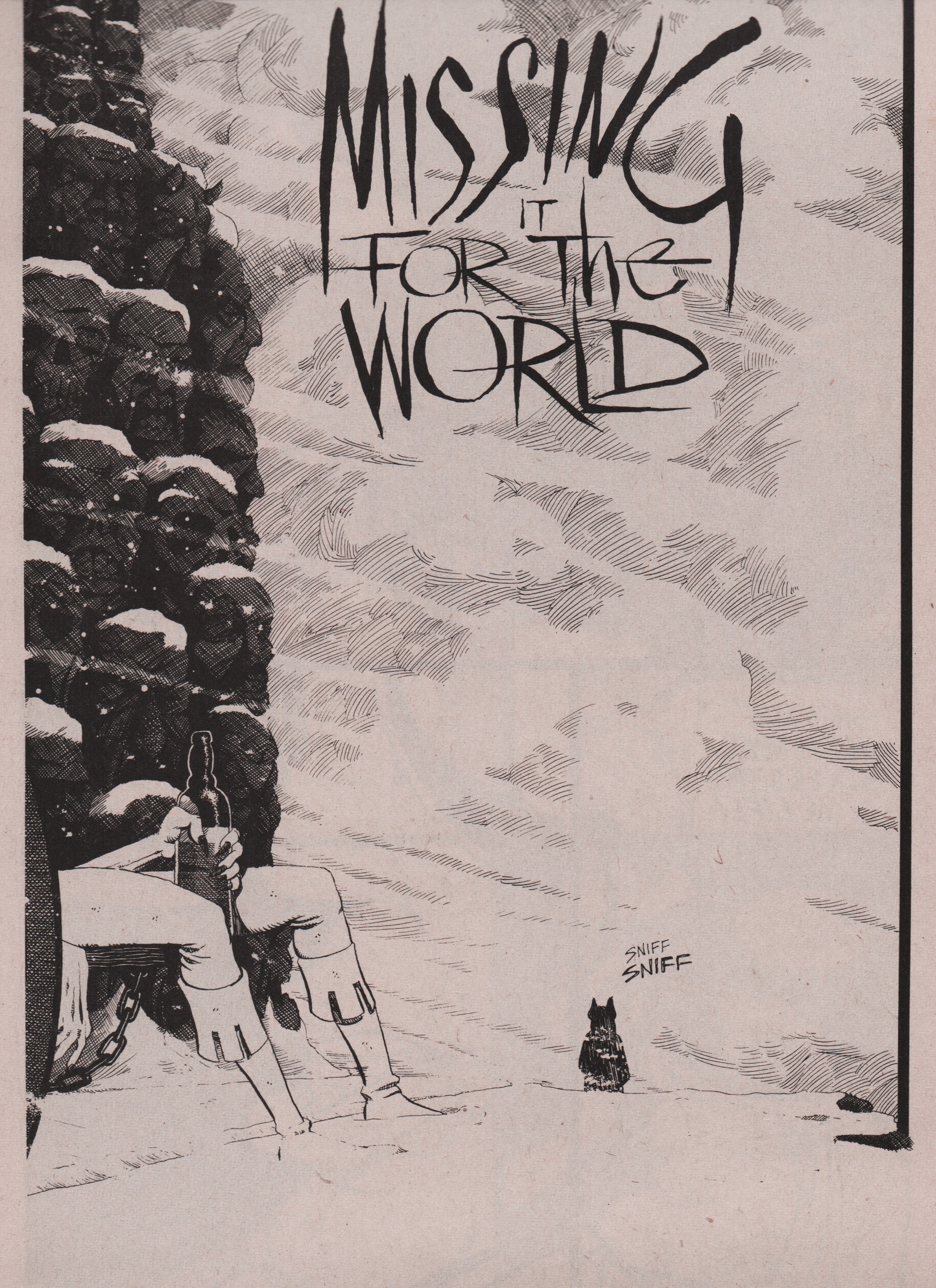
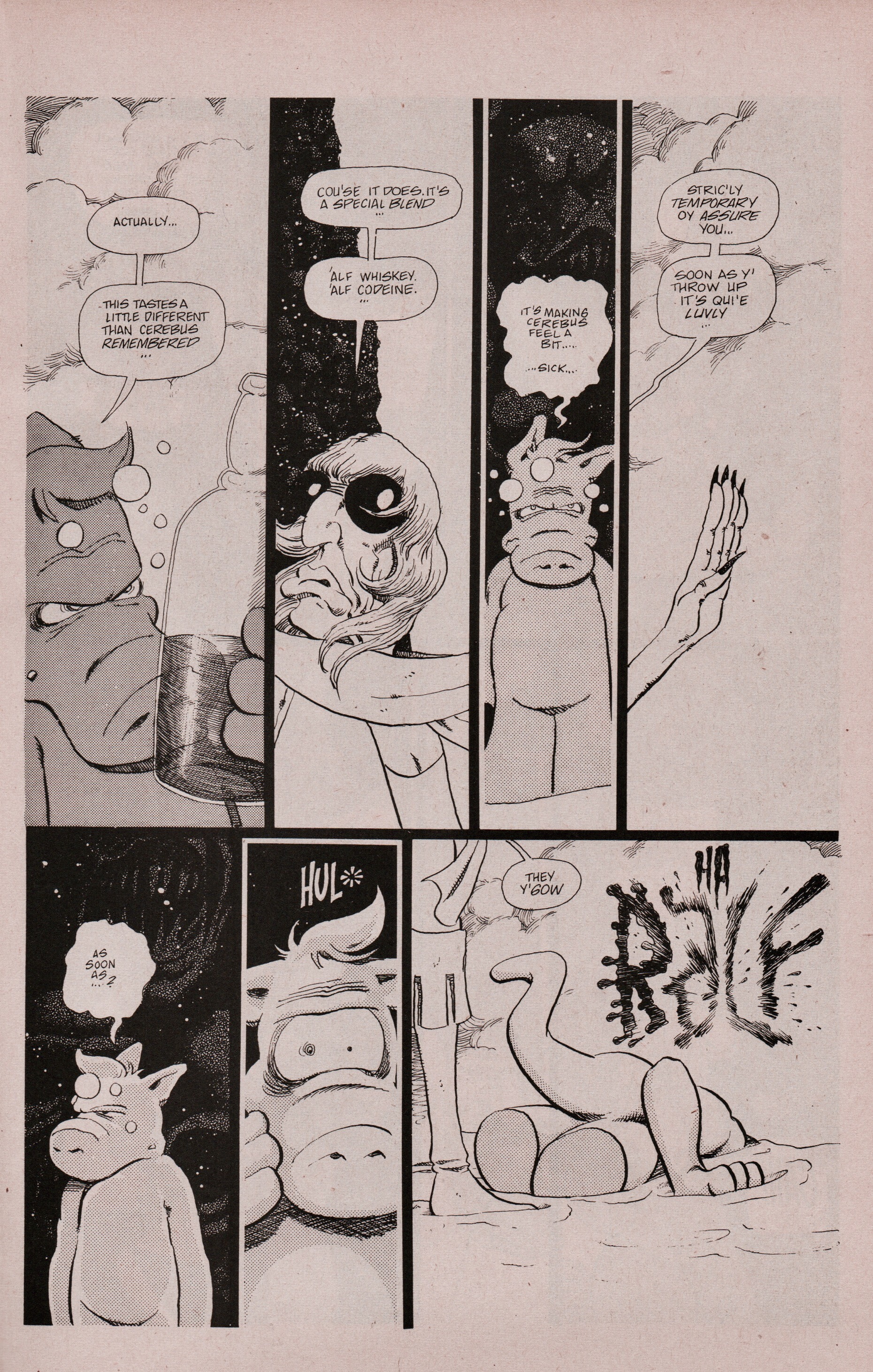
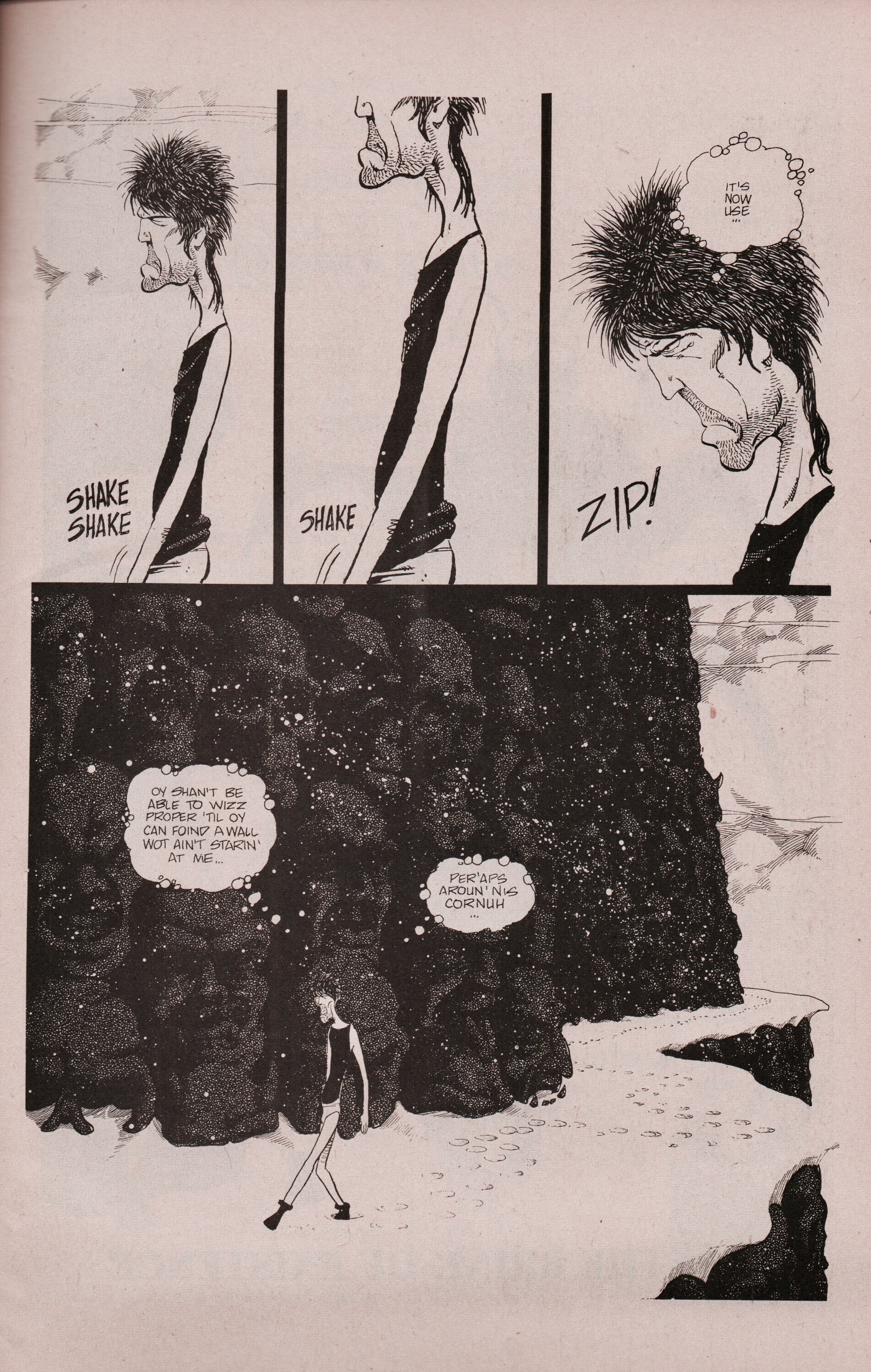
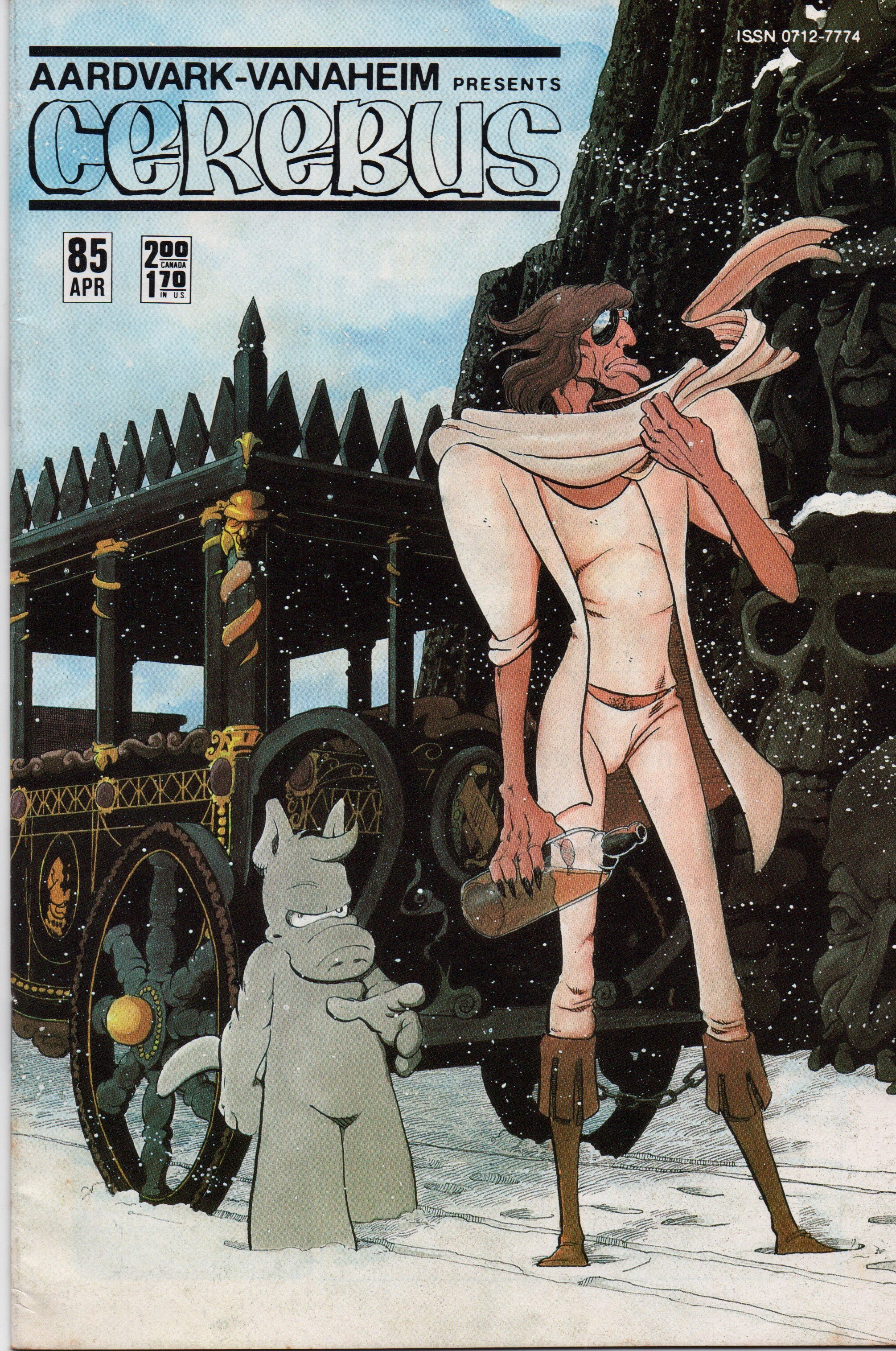
Cerebus #85, April 1986 (Aardvark Vanaheim), by Dave Sim and Gerhard. This was the first Cerebus back issue I bought (in like ’91 or ’92). It’s near the beginning of Church & State II (which is to say, in the middle of Church & State, which is to say, in the middle of the best parts of Cerebus). The issue introduces Sim’s parodies of Mick and Keith (um, Mick n’ Keef); Prince Mick shares codeine-laced whiskey with Cerebus. Vomiting, hallucination, and friendship ensue.

“Therefore I Am” (Live) — Jim O’Rourke

Untitled — Richard Müller

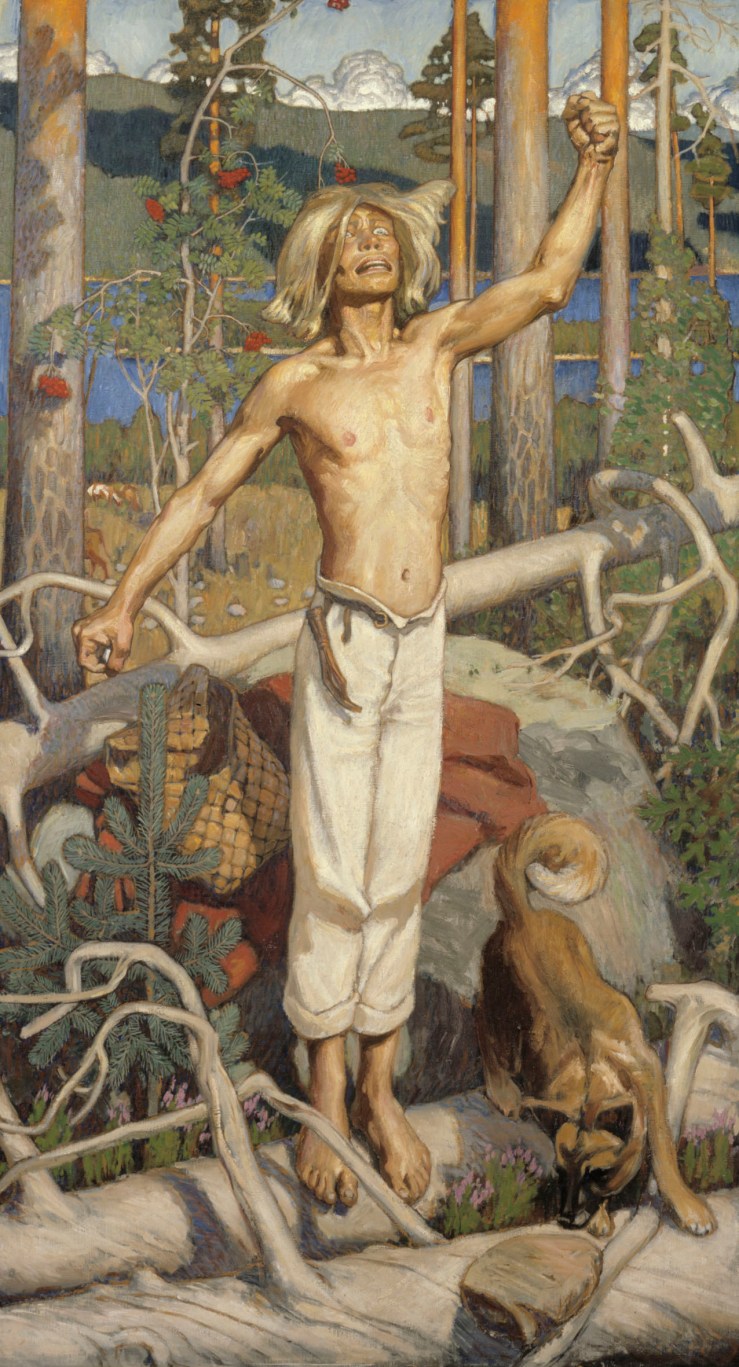
Kullervo’s Curse — Akseli Gallen-Kallela

A II 765 taiteilija: Gallen-Kallela, Akseli nimi: Kullervon kirous museo/om.: AT ; LV ; kokoelma: Antell ajoitus: 1899 mitat: 184x102,5 cm pääluokka: maalaus kuvanro: 26294 tyyppi: LAAKADIA valokuvaaja: Pirje Mykkänen, KKA, 1995 laite: Agfa T5000+/ColorExact1.5/photoshop6.01/ profiili: AdobeRGB1998 skannauspvm:30.11.2001/an

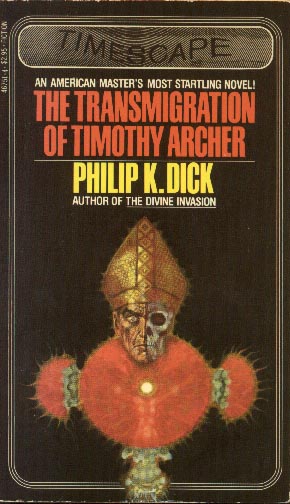
A review of Philip K. Dick’s last novel, The Transmigration of Timothy Archer

Suffering is the core of The Transmigration of Timothy Archer, a novel published just months after Philip Dick’s death in 1982. This is a book written by an author sure of his abilities, one who could confidently make this novel about big ideas turn on his characters’ struggles to control the trivialities of their day to day lives. While they attempt to make sense of the nature of God and unravel the mysteries of Christian teaching, they confront the questions that must have puzzled even Jesus’ own early advocates: is joy possible when good people are randomly confronted with confusion, pain, and death?  Dick tries to locate a mushy but viable middle ground in this sad, nimble, and touching novel.  Opening on the date of John Lennon’s assassination, Dick writes to commemorate the grinders, the survivors who manage to keep waking up, day after day, despite knowing that life often destroys those who dream too large.

The book is ostensibly based on the life and times of Timothy Archer, the iconoclastic American Episcopalian bishop of California in the 1960s whose unending search for truth led to his becoming friends with Robert Kennedy and Martin Luther King, Jr., advocating for the rights of women, homosexuals, and the transgendered, and time in the national spotlight.  The quest for knowledge led him also to adopt a number of intellectual positions that conflicted directly with his duties as a representative of the Episcopalian church — for example, he was brought to trial for heresy for openly questioning the existence of hell and the Holy Ghost.  The character of Bishop Archer was based almost entirely on the life of Bishop James Pike, Dick’s friend, who, like his fictional counterpart, died of exposure in Israel’s Dead Sea Desert searching for the sources of early Christian doctrine.  Bishop Archer is the bright flame in this book, the Gatsby who pulls in everyone he encounters — not because he’s influential and wealthy, but because his personality is that rare combination of knowledge and empathy, a true man of God who recognizes no difference between the important writer and the indigent cancer patient.  The actions of Bishop Archer form the arc of the book, and his deeds are a mirror to the other characters.  They struggle to shape their own individual visions for their lives because they must work in the shadow cast by a giant they love.

Angel Archer, the bishop’s daughter-in-law and the narrator of the novel, becomes one of Dick’s most realistically drawn characters.  She’s tough, articulate, and well-read.  While those around her succumb to suicidal impulses and mental illness she survives by searching her mind for poems and plays she’s read and committed to memory.  She finds uncomfortable parallels between books and her life.  She values her education and her self-identification as a “Berkeley intellectual” but makes light of her own pretension, telling us that she’s read all the long books but remembers nothing about them.  Do we become apathetic to our own experiences if we’ve read previously about something similar?  Angel fears ennui but describes her own artistic awakening as a ridiculous mixture of pleasure and pain — an agonizing night spent reading Dante’s Commedia while drinking a bottle of bourbon to dampen the pain of an abscessed tooth.  Aware that intellectual exercises and games both trivial and consequential have led to the deaths of her husband, the bishop, and his mistress, she still can’t escape her own self-made prison of words.  “The problem with introspection,” she states while contemplating her own death, “is that it has no end.”  When nobody is left, she soldiers on, dedicating herself, a fragile shell, to driving and working and walking and talking, a person “who records on a notepad the names of those who die.”

Like the narrator, this book reveals its depth rapidly, in spurts of astounding erudition and scholarship.  Dick writes masterfully about nuances of early Judaic law and the formation of Christian thought, illustrates the petty jealousy, kindness, and warmth that seems inherent to certain friendships between between intelligent, rival women, and indicts our perception and treatment of mental illness.  He quotes John Donne, Henry Vaughn, and discusses Virgil and Goethe without arrogance and without disturbing the flow of his story.  Like his best works — A Scanner Darkly, The Man in the High Castle, and Do Androids Dream of Electric Sheep?  — The Transmigration of Timothy Archer is fully drawn and completely real.  His best works seem to be filled with screwed up people trying to get by in a world that has been arbitrarily fucked up by war or technology or drug abuse.  This one is distinctly alive not because it’s set in an alternative world, but in sunny California that existed just three decades ago, close to the environs we currently abide.  A beautiful, moving coda from a man whose vision and prose changed and continues to challenge American writers.

[Ed. note: Biblioklept originally published a version of this review in 2011. Today is PKD’s birthday].

A kind of Kafka steeped in LSD and rage (Roberto Bolaño on Philip K. Dick)

Roberto Bolaño on Philip K. Dick. from New Directions’ collection of Bolaño’s newspaper columns, forewords, and other ephemera Between Parentheses)—

Dick was a schizophrenic. Dick was a paranoiac. Dick is one of the ten best American writers of the 20th century, which is saying a lot. Dick was a kind of Kafka steeped in LSD and rage. Dick talks to us, in The Man in the High Castle, in what would become his trademark way, about how mutable reality can be and therefore how mutable history can be. Dick is Thoreau plus the death of the American dream. Dick writes, at times, like a prisoner, because ethically and aesthetically he really is a prisoner. Dick is the one who, in Ubik, comes closest to capturing the human consciousness or fragments of consciousness in the context of their setting; the correspondence between what he tells and the structure of what’s told is more brilliant than similar experiments conducted by Pynchon or DeLillo.

Philip K. Dick — Kent Bellows

152c72f8881a7ca73dbd22a2c3e1c094

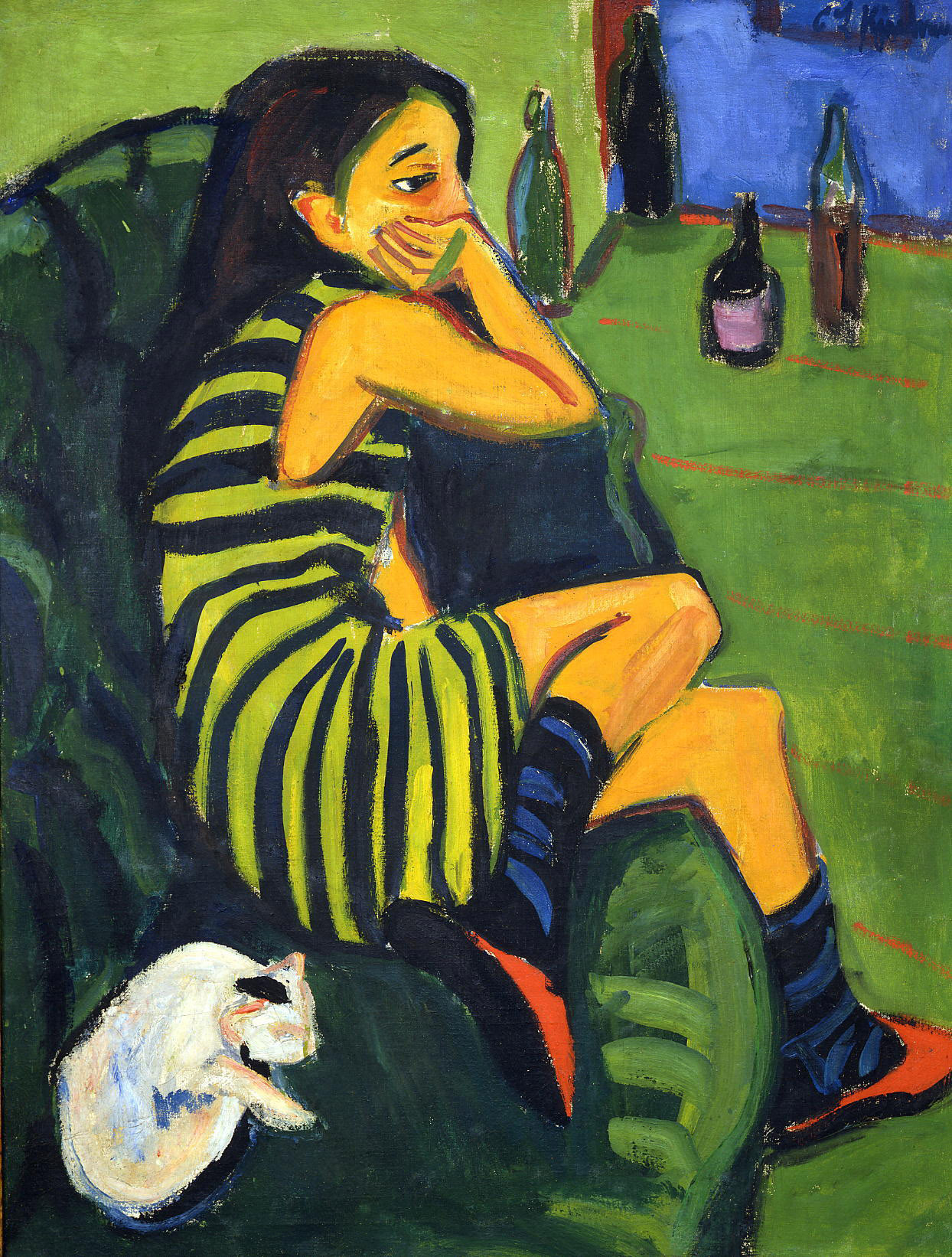
Artist — Ernst Ludwig Kirchner

Bird’s Hell — Max Beckmann

The Pit — George Grosz

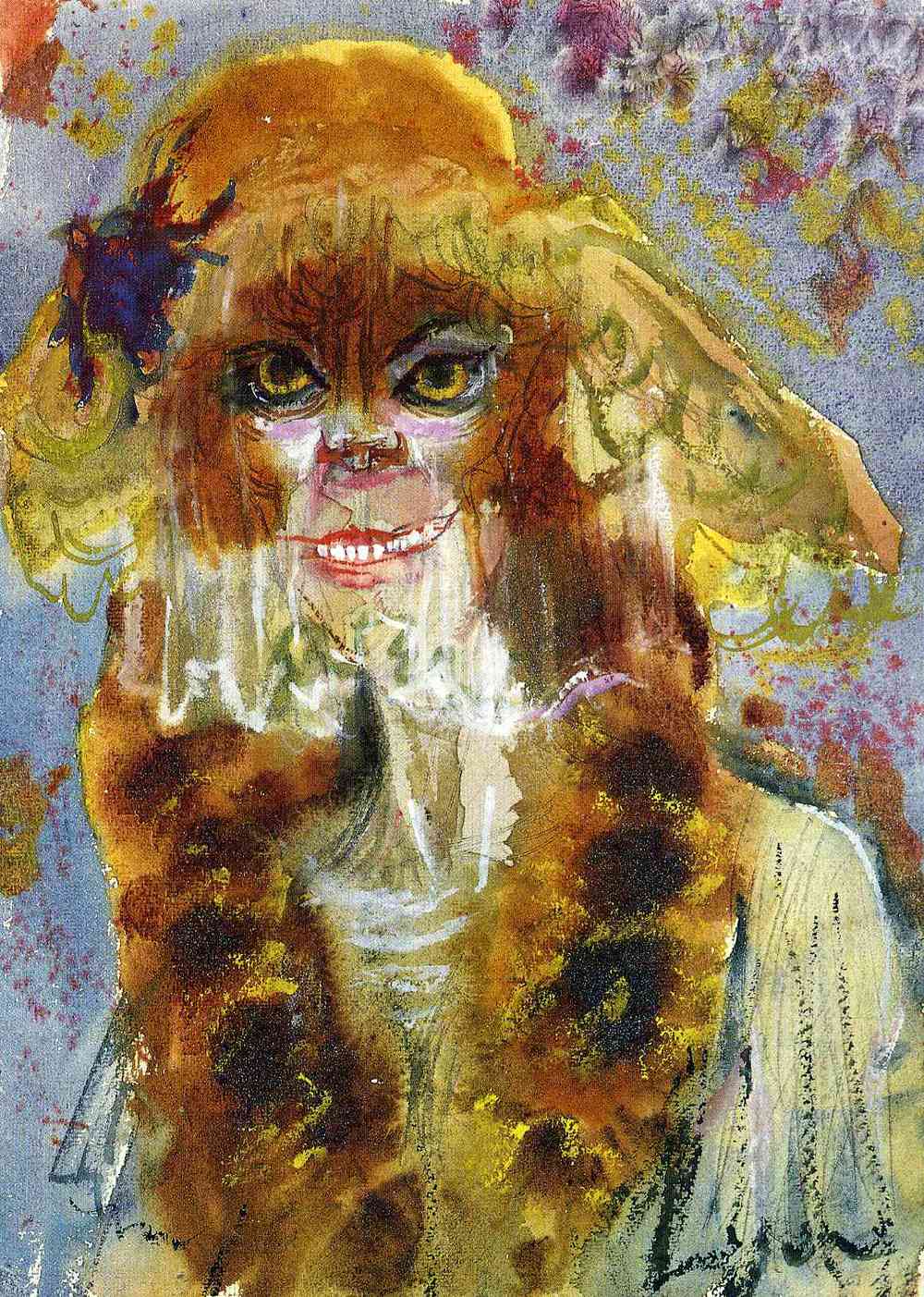
Ellis — Otto Dix

A very short review of a very long audiobook, Richard J. Evans’s The Coming of the Third Reich

img_4448

Today I finished the audiobook of Richard J. Evans’s The Coming of the Third Reich (read by Sean Pratt).

It is utterly fucking horrifying.


(I started the next one, The Third Reich in Power).

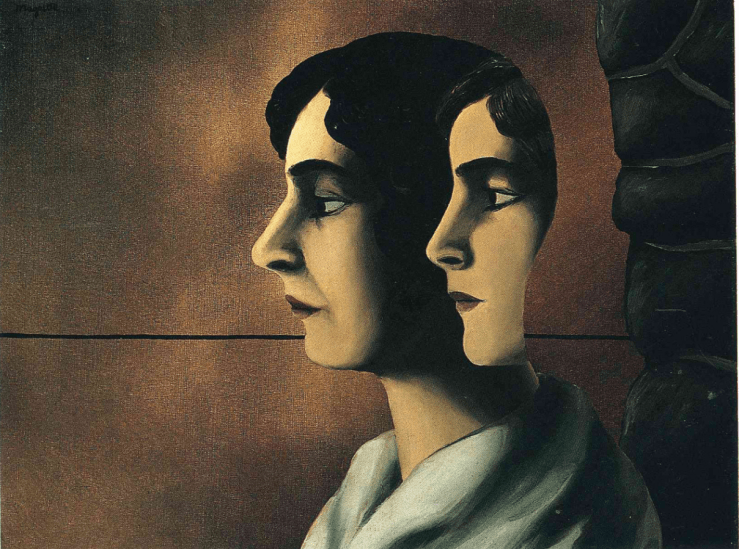
Faraway Looks — Rene Magritte

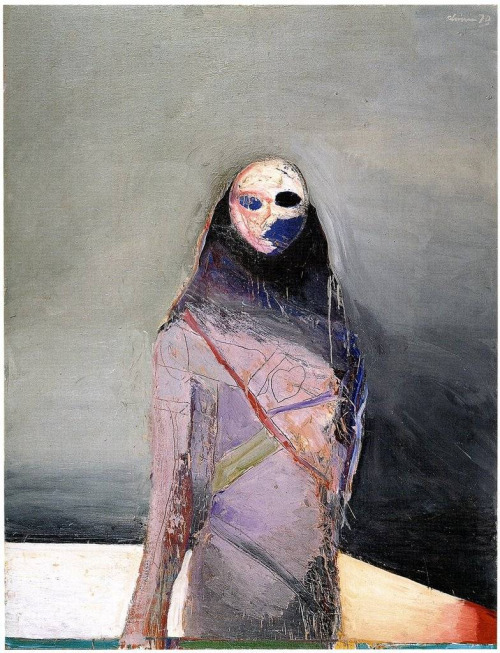
Standing Figure — Nathan Oliveira

Sixteen books I wish I’d written more about in 2016

img_4440

I read a lot of great books this year but had a hard time writing full reviews for all of them. These are some of the ones I liked the most.

Woodcutters, Thomas Bernhard

I finished Woodcutters just the other night, reading most of it in three sittings. (Actually, I was lying down. And it was very late at night, each time. I couldn’t pick the book up during daylight hours). Anyway, I finished Bernhard’s novel just the other night, so maybe I’ll muster something on it, but for now: I think this may be my favorite Bernhard novel so far! I can only think of a handful of writers so masterful at mimicking the operations of consciousness, of replicating consciousness (and conscience) reflecting on consciousness. (I even had to stop and do a too-hasty read of Ibsen’s play The Wild Duck, a plot point of Woodcutters). What happens in Woodcutters? A man sits in a chair remembering things. It’s fucking amazing.

White Mythology, W.D. Clarke

White Mythology is comprised of two novellas, Skinner Boxed and Love’s Alchemy. The first and longer novella, Skinner Boxed, takes place over a few days in the life of a psychiatrist; it’s a zany zagging yarn, crowded with MacGuffins and red herrings (a missing wife, a bastard son, a new anti-depressant drug, etc.). Oh, and it’s a Christmas story! Did I mention that? (Skinner Boxed takes its epigram from A Christmas Carol…and another from Gravity’s Rainbow). Love’s Alchemy is a kind of time-arrangement, or locale-arrangement—a story in pieces that the reader has to assemble. I enjoyed White Mythology (especially Skinner Boxed, which, typing this out, I realize I’d like to read again).

The Dick Gibson Show, Stanley Elkin

The Franchiser, Stanley Elkin

Somehow I’d made it to 2016 without reading Elkin. I read these two back-to-back. The best parts of The Dick Gibson show are as good as anything any of those other big postmodern dudes have written. (Okay. If not as good, nearly as good). I didn’t review The Dick Gibson Show because Elkin basically did it for me in his Paris Review interview. The Franchiser is a comic tragedy—or do I mean tragic comedy? It does all that inversion stuff: high-low/low-high. A novel of things and colors, both mythic and predictive, The Franchiser feels simultaneously ahead of its time and yet still very much bound to the 1970s, when it was first published.

Bear, Marian Engel

This slim novel is somehow simultaneously lucid and surreal, conventional and bizarre, romantic and ironic, heady and dry. And wet. A bibliographer travels to a remote island in Ontario to index an old library. I’m going to read this one again.

(Oh, the bibliographer has a sexual relationship with a bear. Like, a real bear. Not a metaphorical bear. A real one).

Collected Stories, William Faulkner

I didn’t read them all because I’m not a greedy pig. I read a lot of them though. Lord.

There Is a Tree More Ancient Than Eden, Leon Forrest

I will read Leon Forrest’s There Is a Tree More Ancient Than Eden again in the first quarter of 2017 and I will write a proper Thing on it. I read it in a two-day blur, drinking up the sentences greedily, perhaps not (no, strike that perhaps) comprehending the plot so much as sucking up a feeling, a place, a mood, a vibe. But there’s so much history reverberating behind the novel’s lens. Like I said (wrote): I need to read it again, which will kinda sorta be like reading it for the first time. Which is a thing one might say of any great novel.

The Weight of Things, Marianne Fritz

I read this really early in the year and I only remember the impression of reading it—not the plot itself, but the language—I remember horror, cruelty, pain. And this is why I need to write about the books I read.

The Inheritors, William Golding

A colleague told me to read Golding’s account of telepathic Neanderthals and their eventual encounter with predatory Homo sapiens. I’ll admit that I’d unfairly written off Golding as YA stuff, but the evocation of a prelingual (and postlingual) consciousness is fascinating here. It’s also a ripping quest narrative starring the Holy Fool Lok, who laughs in terror and joy. What stands out most in my memory, beyond the premise, is Golding’s concrete prose. I’m glad my colleague told me to read The Inheritors.

The Transmigration of Bodies, Yuri Herrera

I read Herrera’s The Transmigration of Bodies in a blurry weekend (sensing a pattern here) and enjoyed it very much: Grimy neon noir poured into mythological contours. Lovely.

The Leopard, Giuseppe di Lampedusa

This was the best novel I read in 2016 that I’d never read before. So good that I reread it immediately (the only two books I can recall doing that with in recent memory areBlood Meridian and Gravity’s Rainbow). It was even better the second time.  The Leopard is the story of Prince Fabrizio of Sicily who witnesses — and takes part in — the end of the old order era during the Italian reunification. Fiery and lascivious but also intellectual and stoic, Fabrizio the Leopard is the most engrossing character I read this year. Di Lampedusa’s novel takes us through his mind, through his age—places he himself isn’t fully cognizant of at times. I can’t recommend this novel enough: History, religion, death, sex. Sense and psyche, pleasure and loss, crammed with rich, dripping set pieces: dances and dinners and games of pleasure (light sadomasochism!) in summer estates. But its plots and poisons and pieces are not the main reason for The Leopard—read it for the language, the sentences, the sumptuous words. Its final devastating images are still soaked and sunken into my addled brains.

The Absolute Gravedigger, Vítězslav Nezval

I wedged these poems into the end of my third proper trip through Gravity’s Rainbow; I was also dipping into Rilke’s Duino Elegies and the Rider-Waite tarot. It’s all crammed together in a surreal web in my memory: shimmering horror, broken badlands, entropy and degradation—but life.

Cow Country, Adrian Jones Pearson

Cow Country (not pictured above because I listened to the audiobook) is a bizarre, disjointed satire of community colleges in particular and educational administration in general. (And: a satire on our slavish sensibilities of time ). It’s also a wonderful send-up of dialectical methodology—or rather the dialectical impulse to, like, resolve things. And by things, I mean Jones Pearson (or is it AJP? Or Adrian Ruggles Pearson? Or A.J. Perry? Or—nevermind)—Our Author (whoever) breaks down the way that all of our breakdowns breakdown under any real scrutiny.

Hilda and the Stone Forest, Luke Pearson

I read all of the Hilda books this year with my kids. And I read them by myself. And my kids read them by themselves. More than once. Hilda and the Stone Forest is the best one yet—richer, denser, funnier, and more devastating than anything Pearson’s done yet. The Stone Forest is stuffed with miniature epics and minor gags, and the central story of Hilda and her mother in the titular stone forest is somehow both bleak and heartwarming. Great stuff.

Gravity’s Rainbow, Thomas Pynchon

I actually wrote a lot about Gravity’s Rainbow (probably a major reason I didn’t write more about other stuff)—but I still wish I’d written more. I will write more. I’ve been listening to the audiobook for my fourth trip through.

Marketa Lazarova, Vladislav Vančura

Strange, violent, funny, and ultimately devastating, this Marketa Lazarova is a medieval tale of family loyalty, kidnapping, and love. Nothing I can do here would be a substitute for Vančura’s vivid, surreal voice—a voice that guides the story cynically, ironically, but also energetically, buoyantly. One of the best things I read all year.

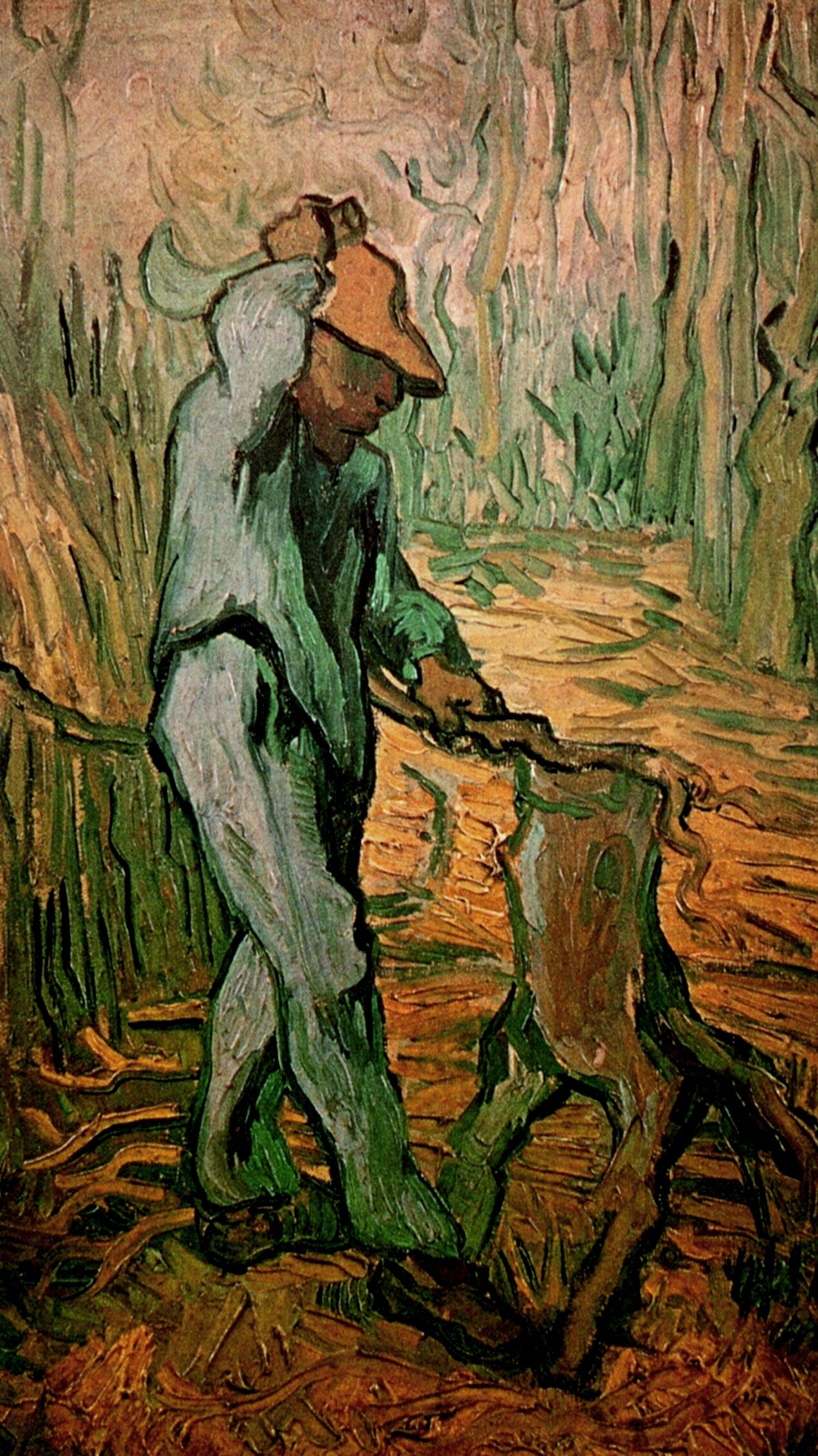
The Woodcutter (After Millet) — Vincent van Gogh